












Step-By-Step Guide On Becoming An Esthetician In 2026

Published on: 16 February 2024 Last Updated on: 11 February 2026
how to become an esthetician

An esthetician helps to promote healthy skin by giving clients skin care treatments. If you want to work in a spa or salon and want to be a part of the wellness community, an esthetician is a good choice. You can decide if this is the right career for you by learning about the common requirements and potential benefits.  

This article explains what an esthetician is, how to become an esthetician, and what the average pay and job outlook are for the field. You will also learn about the skills these professionals typically use.  

Who Is an Esthetician?
Who Is an Esthetician

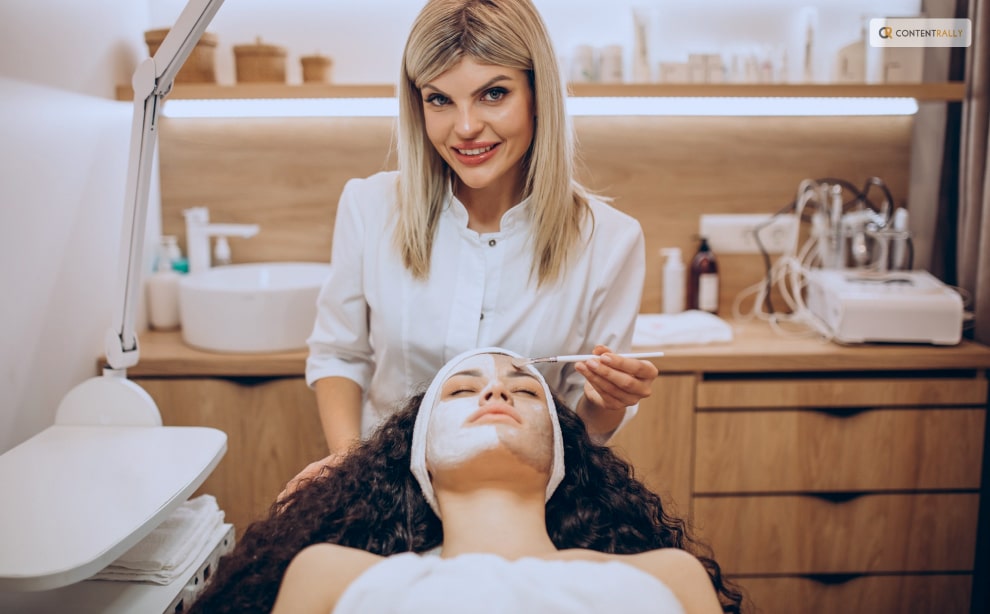
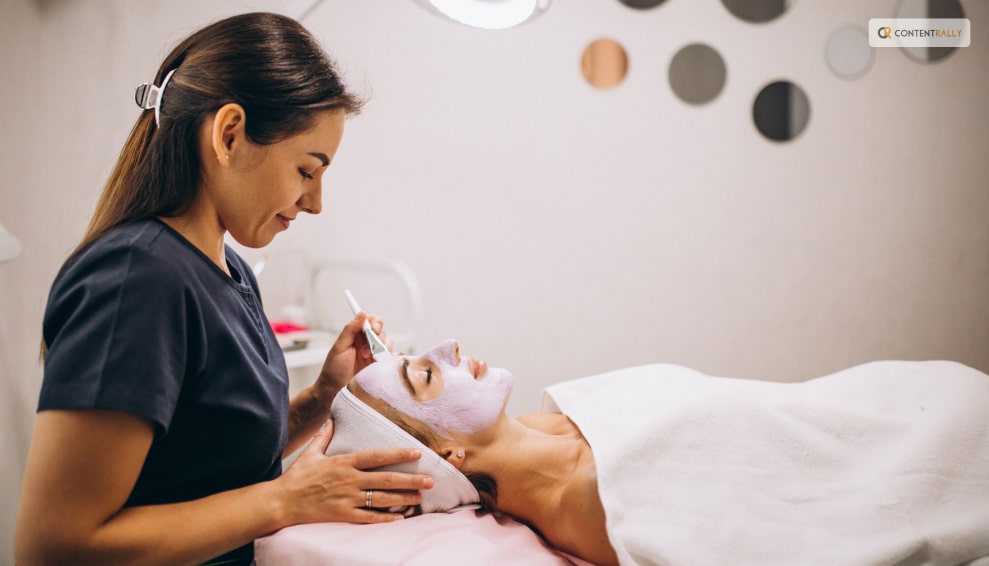
An esthetician is a specialist in skincare. They work with patients to help them take better care of as well as maintain their skin. The ability to identify and treat skin conditions like wrinkles, sun pigmentation, or blemishes is a specialty of estheticians. Moreover, as an esthetician, you can work in a salon or spa. But some also work in nursing homes, hospitals, movie sets, hotels, and specialty resorts.

Estheticians assist their clients wherever they work. They give them advice on how to take care of their skin at home. They can also provide skin treatments on the spot.  

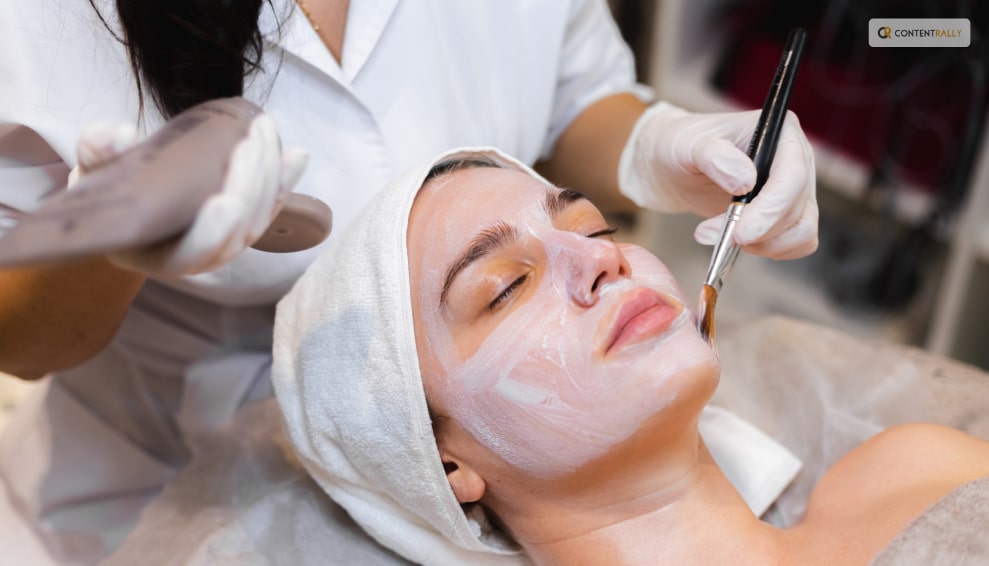
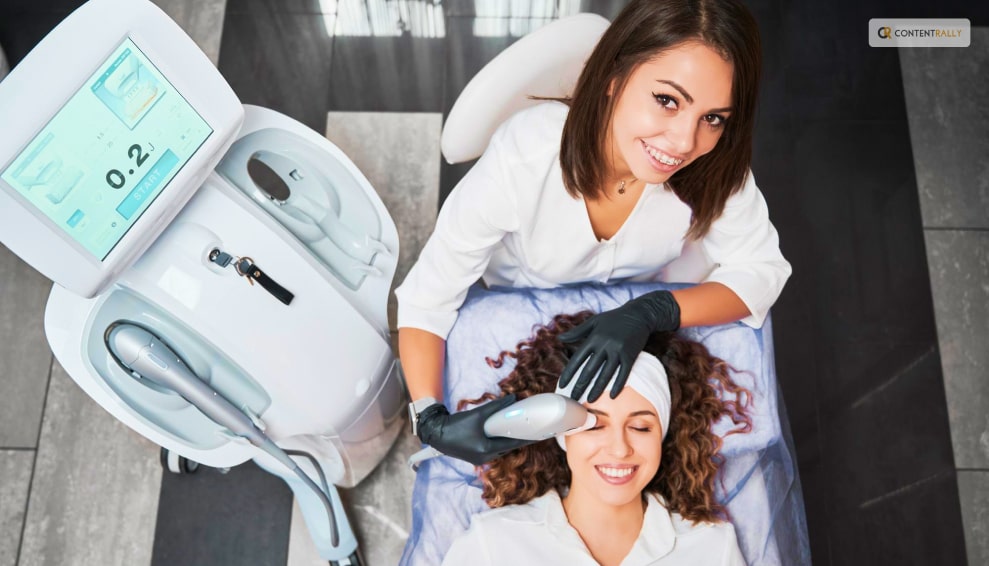
Cosmetic skin treatments such as facials, superficial chemical peels, body treatments, waxing, and makeovers can be administered by estheticians to their patients. Advanced procedures like full chemical peels, pore cleaning, light therapy, and hair removal may also be carried out by them. To aid patients with cancer or burn injuries in recovering from surgeries and other procedures, estheticians may also work with these patients. Other specializations available to estheticians include:  

How to Become an Esthetician?

How to Become an Esthetician?

You need not go on Google and search “how to become an esthetician in Texas” or “how to become an esthetician in California.” The rules and regulations for becoming an esthetician are more or less the same all over the country. Even if you are asking, “how long does it take to become an esthetician” or “how much does it cost to become an esthetician.” 

 If you want to pursue a career in esthetics, here are a few steps you can follow:

Enroll in Cosmetology or Esthetics

Finish a cosmetology or esthetician program approved by the state in which you wish to work. Some states accept applicants if they are at least 16 years old. Others require applicants to have a high school degree or GED before allowing them to enroll in cosmetology or esthetician schools. The cost, location, scheduling, as well as availability of esthetics program can differ. So, it is a good idea to look into all the options in your area to determine which one will benefit you the most.

Training is provided by cosmetology or esthetician programs in the following fields:

  • Customer relations
  • Cosmetology
  • Esthetician treatments
  • Methods for sanitizing tools and workspaces

Enrolling in a cosmetology or esthetics program can verify that your abilities are sufficient and provide you with an understanding of the tasks an esthetician does daily. Most of the cosmetology and esthetician programs combine classroom instruction with practical experience in the form of coursework. 

Get A License

Obtain a license to practice esthetics in the state in which you intend to work. To ensure you receive the correct license, it’s important to research your state’s specific regulations. Each state may have different requirements or processes for obtaining licensure. A passing score on the state licensing exam and hours of classroom and practicals are required by many states.

Written sections and practical components, such as administering treatments or demonstrating a mastery of techniques, are usually included in these exams. Many states mandate that you renew your license after a predetermined number of years. States may differ in this regard, so as soon as you obtain your license, think about when to renew it to ensure you can continue practicing law.

Certification

While certification isn’t necessary for many jobs, it can demonstrate your commitment to practice and enthusiasm for the industry. This is another of the crucial things you must consider when looking up how to become an esthetician. Having a certification may set you apart from other applicants.

Especially when you apply for jobs as an esthetician because not all candidates have pursued one. After graduating from cosmetology or esthetician school and working in the industry for at least two years, estheticians can begin the certification process. Estheticians who meet all the requirements can take an exam and, if they pass, receive certification.

The National Coalition of Estheticians Association (NCEA) offers the National Esthetician Certification. It is the most widely used certification for estheticians. Moreover, to become certified, candidates must study from a training manual and apply in four to six weeks. You get permission to take the test after submitting an application, and you can use a computer at home to do so. You can retake the exam to renew your NCEA certification after it expires, which is good for three years.

Certification is a big deal when you want to know how to become an esthetician.

Acquire Practical Experience

Apply for jobs as an esthetician at entry level. After you get to know about how to become an esthetician, this is another of the things you must do. Estheticians can work in independently run spas or salons or for larger companies like resorts, hotels, and hospitals. By practicing what you learn, you can become a more skilled esthetician and become an expert at performing chemical peels, facials, and other treatments. Additionally, it can help you establish a solid clientele that knows you both personally and from your work.

Estheticians can also work in sales, as makeup artists, in public relations, or as representatives of beauty companies in other industries. If you were working as an esthetician for a few years, then you might be presented with these opportunities. During this time, you can hone your abilities and build your reputation in the industry. Then, if you’d like to find a new career that’s still in the esthetics field, you can use your experience and clientele to pursue opportunities in other industries.

Go Back to School

When you begin working in the field, try to continue completing the courses necessary to become an esthetician. This will include maintaining a state license. Being aware of when to renew your license can be beneficial because most licenses require renewal after a set number of years. This could entail retaking the test or putting in a certain number of practical hours.  

Estheticians can take advantage of this chance to pick up new treatment methods. Since there are always new discoveries in medicine, estheticians usually keep an eye on changes in both established practices. There is the efficacy of a given treatment and emerging ones. For example, the introduction of novel procedures or treatments. Keeping up with advancements in the field can help guarantee safe, effective treatments that increase patient satisfaction.

Salary and Job Outlook for Estheticians
Salary and Job Outlook for Estheticians

Data from Indeed indicates that estheticians make, on average, $59,797 annually. This number may differ depending on variables, including the esthetician’s location, experience, company size, credentials, and specializations. These professionals frequently receive 401(k) matching, tuition reimbursement, and support for their professional development.

According to the United States Bureau of Labor Statistics, employment of skincare specialists is set to grow by 29% from 2020 to 2030. This rate is comparatively faster than the average of all the other occupations within this time period. The agency has attributed this growth to the high demand for anti-aging procedures and a popular desire to pursue a healthier lifestyle. This simply means the job opportunities in this field are going to soar.

Criteria To Become an Esthetician
Criteria To Become an Esthetician

Before you ask about how to become an esthetician, there are certain things that you must keep in mind.  

To obtain a license as an esthetician, start by researching the Board of Cosmetology requirements in your state. To be eligible for a license, most states require completion of 150–1200 hours (about 1 and a half months) at an approved training program. Certain states permit apprenticeship hours in addition to or in place of school hours.  

When your hours are up, you’ll apply to take the State Board exam. As soon as possible, you should begin preparing for this test by reading and practicing! Approximately 51% of individuals do not pass the written portion of this exam, so preparation is essential.  

After completing your hours, you can apply to sit the state exam and earn a professional license. The National-Interstate Council of State Boards of Cosmetology (NIC) exam is used in thirty-one states. It’s likely that other states employ a similar strategy. When it comes to assessing esthies seeking a state license, the NIC is the foremost national authority.  

The exam, which takes about three hours to complete, consists of two parts: a written exam with about 120 questions covering science concepts, best practices, and skin care. And a practical exam where you must perform services in compliance with state laws and regulations.  

How to Become an Esthetician Online?
How to Become an Esthetician Online?

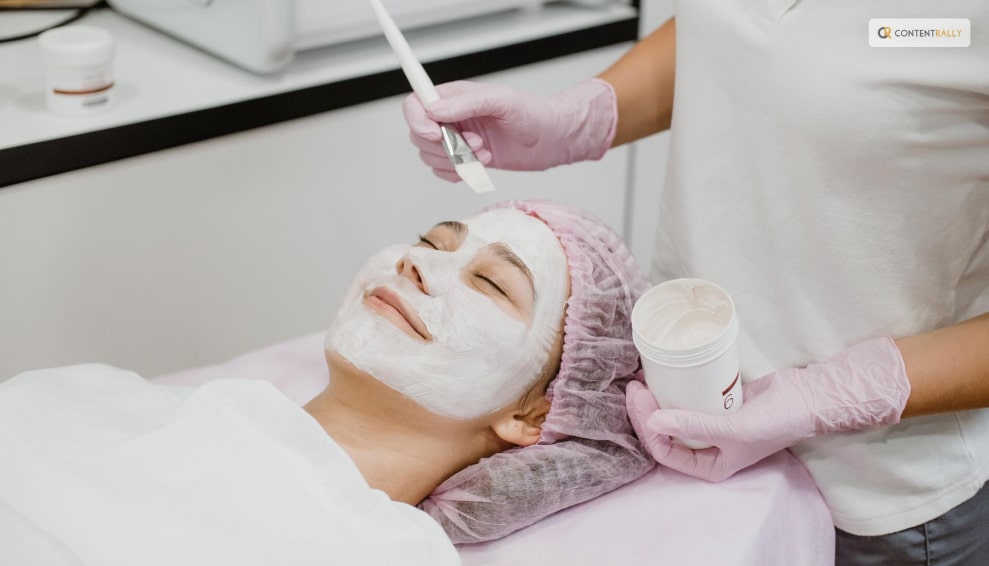
Numerous recognized online esthetician programs are available that will give you all the instruction required. It will help you obtain your license and start a lucrative career in esthetics. The average number of hours required for specialized training won’t change if you take an online course. But it may be slightly more flexible and less expensive.   

Enrolling in an accredited online program is the first step toward becoming an online esthetician. It must fulfill all state board requirements in your area. The next step is to select the specialization and program type (associate degree, certification, or diploma) that you wish to enroll in.

After that, you will attend your online courses, finish your required hours, pass your training, and then sit for the esthetician exam. You can apply for your license and start working as a licensed esthetician as soon as you pass that! If you wanted to know how to become an esthetician online this is your best bet.

Uses of an Esthetician Certificate

There is a wide range of career options available to estheticians. It includes positions at salons, spas, resorts, and even cruise ships. In addition, licensed estheticians can work as:

  • Medical estheticians
  • Makeup artists
  • Salespeople
  • Salon managers
  • Product purchasers
  • Marketers
  • Content developers
  • Brand educators
  • State board members
  • Brand ambassadors

As there is no one way to become an esthetician, once you have your license, the possibilities are endless. Identifying your niche is the trick.

Most esthetician schools only provide rudimentary instruction in following state board guidelines. They may not adequately equip you for “the real world.” You should consider furthering your education or taking up an apprenticeship in facials, hair removal, or other modalities. You can opt for microblading, threading, or eyelash extensions for advanced training in your chosen field.

Are Estheticians Rich

State-by-state variations exist, but the average salary for a licensed esthetician in the US is approximately $40,000. Remember that this is the average pay for an esthetician working in a salon, exclusive of tips. Additionally, this figure excludes the possible income of independent contractors and estheticians who work in industries other than providing skincare services.

Can Estheticians Make Six Figures
Can Estheticians Make Six Figures

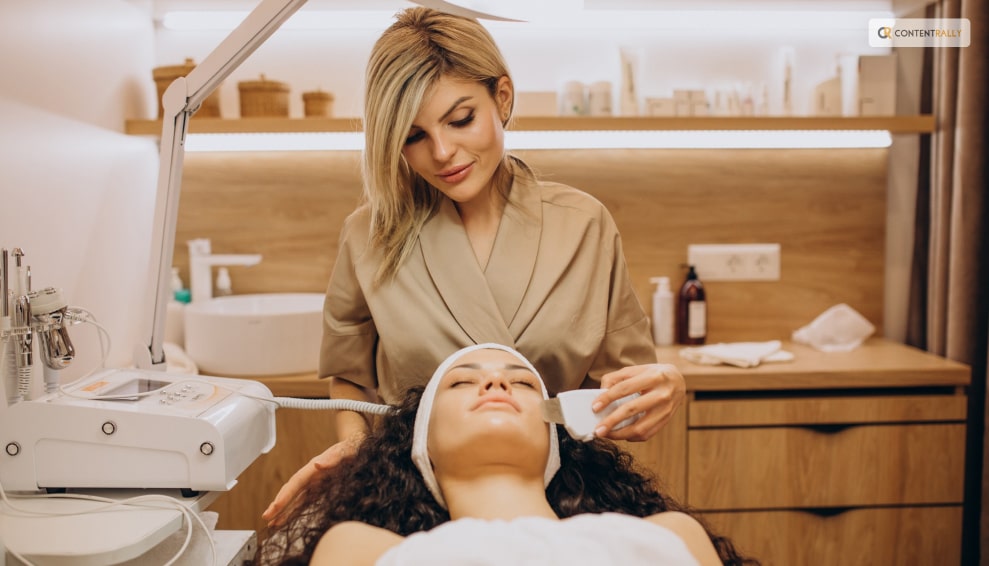
Those with a license in esthetics have a lot of career options and a lot of opportunities to make six figures. There is truly no upper limit to the question, “How much can an esthetician make?”

Estheticians can make a lot of money, from high-end service providers in salons to salon owners and executive beauty marketers. With your work, you can even elevate yourself to the status of social media celebrity esthetician, at which point you can start earning some serious cash!

Building a devoted clientele takes time if you’re a salon professional, but once you have a high-volume clientele, it’s time to buy your own place or open your own salon.

It’s a good idea to start your career as an apprentice at upscale salons or spas before branching out on your own and charging top dollar for your chosen esthetic services.

If you are a waxer, for instance, your goal should be to become an expert in more costly services that you enjoy performing. One of them is Brazilian waxing, which can help you charge the higher end of your market rate for that service.

Those who provide expensive services like microblading or eyelash extensions may be able to make six figures annually. Nursing graduates who work as medical estheticians can provide more costly and invasive treatments like high-percentage acid peels, laser therapy, and Botox.

Estheticians’ Products

Regardless of the esthetics field you choose, selecting the appropriate products requires expertise. Here are some pointers for selecting the ideal products for your company

  • Select goods and brands that have a reputation for serving salon professionals.  
  • Collaborate with brands that provide comprehensive brand support and wholesale goods.  
  • Positive reviews ought to be attached to your products.
  • To enable full service in your chosen field, select full-service curated kits such as a spa starter kit.  

How To Become an Esthetician: Get Rich

How To Become an Esthetician: Get Rich

Regardless of the esthetic niche you have selected, creating and managing educational and captivating content for digital marketing purposes can be your main source of income.

It’s essential to have an online store if you want to sell retail goods. It’s also critical to provide online reviews, payment processing, and appointment scheduling for your clients. If you want to make six figures, even if you provide the best services in your field, you will still need to market yourself. This calls for strong business and marketing skills.

Additionally, it’s critical to ensure that you’re providing your customers with a distinctive, varied, and extensive selection of goods and services as take-home extras and for services.

By providing your customers with services that are tailored to their individual skin types or lifestyle preferences, you can take advantage of niche markets. It will also help you build a devoted clientele that will come back time and time again.

Make sure your wax types suit the needs, skin types, and hair types of your clients, especially if you’ve entered the waxing specialty. Think about who else you’d like to attract to your salon in addition to your current clientele when choosing which waxes to use.

Wrapping Up

If you’re interested in making the career switch, it can be difficult to know where to start. There are so many options to consider when learning how to become an esthetician. After you’ve determined that this is the career for you, be sure to enroll in a course that will help you succeed in your field.   

Your success in the field is largely up to you once you start practicing! You will be able to treat skin conditions such as sun pigmentation, wrinkles, and blemishes. This will allow you to make a name for yourself in an unbeatable niche and promote your brand and company. You must also keep abreast of market trends and customer preferences. The possibilities are endless once you’ve figured out a workflow and procedure that suits you! 

If you have thoughts to share or questions to ask about how to become an esthetician, please leave a comment below. We would love to hear from you! 

We also have more information if you want to know how to become a pediatrician, a therapist, a phlebotomist, an orthodontist, an anesthesiologist, a psychologist, or a physician assistant.

Learn More About:

Achieve Firmer Skin With Skin Tightening

Achieving Aesthetic Excellence: How Skin Clinics Deliver Beautiful Dermal Results

Content Rally wrapped around an online publication where you can publish your own intellectuals. It is a publishing platform designed to make great stories by content creators. This is your era, your place to be online. So come forward share your views, thoughts and ideas via Content Rally.

View all posts

Leave a Reply

Your email address will not be published. Required fields are marked *

Related

Nurses

Dos And Donts For Nurses Who Aspire To Succeed

Nursing is a gratifying profession. It is full of opportunities to serve the patients and make a difference for them. However, it is a vastly complex career that can be challenging to manage and full of stress. A nurse has so many things on their to-do list and so many things to avoid. The transition from a nursing school to a full-time job can be challenging and overwhelming for some individuals. Hence nurses require excellent critical thinking and coping skills to work under pressure. Individuals who choose nursing as their profession are generally kind at heart and responsible by nature. But once you are on the job, you'll soon learn the importance of being organized. There won't be any time for you to run back and forth and hunt for supplies or a pen. Under such a situation, it is easy to get distracted or vexed and forget about your responsibility of holistic care. Hence, being a nurse is not a piece of cake. But don't worry; to keep your head at work, we have you covered. Whether you're a rookie or a grizzled nurse, we have compiled a list of some critical dos and don'ts for a nurse who aspires to succeed. So read on and learn with us: What a nurse should do: 1. Consider continuous education: The best practice for any professional is to seek opportunities throughout their career. As you advance in your role as a nurse, you will discover different aspects of nursing that inspire you. So why not use this curiosity to your advantage and pursue higher education, seminars, certifications, etc.? However, several prestigious universities now offer online programs to fit your busy schedule. Did you know that online rn to MSN pmhnp programs, MSN-FNP programs, MSc, and Ph.D. programs are available? Hence, you can quickly pursue these post-graduation degrees to be competitive in the job market. 2. Listen to the patients: Listening to someone is an actual art. A good nurse listens to what the patient says, extracts the diagnosis, and defines a definite treatment. They have the skill to read between the lines and make a difference. A nurse's job is to make appropriate judgments about what they see and hear. So try to follow the holistic approach of care and create a professional assessment of what the patient is trying to explain as it impacts the treatment. 3. Clarify anything they are unsure of: Poor communication has always led to medical errors and low morale. This, in turn, leads to high stress and lower job satisfaction. Therefore, it is essential to ask questions and clarify your doubts regarding any medication or procedure. Asking questions helps you gain confidence in what you are doing. It refreshes your memory. But ensure you are clear about the instructions. If the answer doesn't seem right, ask about it again but in a different way. 4. Support the team members: A successful patient's treatment requires collaboration between the health care professionals and the practitioners. With this, try to be supportive of your fellow nurses. Be willing to work on undesirable shifts and gain respect. So when you foster a professional relationship with your colleagues, it helps you streamline your workflow, especially during busy days. What a nurse should avoid: 1. Don't say no to a patient: It is similar to anybody refusing a customer, saying that is not part of my job. So when it comes to a patient, you are the care provider and a representative of the healthcare team. A person in pain is not in the state of hearing; you say that you can't help them because your shift is over or another nurse's duty. Be empathetic and listen to them. Be polite and tell them that you are not assigned to care today; however, you will try to find the information or find someone who will help them out. 2. Don't feel ashamed in asking for help: As a new nurse, everyone tries to do as much as possible on their own. If you begin to drown, don't nurture hope that anyone will see and jump in to save you. Remember, asking for help is not shameful. Everyone has been through this. But keep in mind that there is a right way to ask for help. Try to be kind and express gratitude when you ask. Communicate in a way that doesn't make the other nurse think you are trying to pass on your job. 3. Don't disparage other professionals or organizations: Speaking ill of others is never appreciated, whether in a social setup or a professional organization. In reality, the person who does this is likely to be looked at more negatively. So if you have any conflict with anyone, it is better to deal with the matter privately. 4. Don't neglect yourself: When the career begins, we all are super excited and enthusiastic. And it is easy to live and breathe nursing. Even when you are not at work, it is part of human nature that you are worried about being more organized. However, strive for a balance and take out some time for yourself. Add some fun and exercise to your daily routine. Practicing self-care is essential to relieve workplace burnout. A take-home message: Starting a new profession is always exciting. But without the right nursing degree and license in your hand, you are not ready for the complicated world of the health care system.  A nursing school does not teach you everything, while day-to-day experiences and tough times will teach you better than anyone else. However, by following the stated dos and don'ts, you can look back on how far you have come every month. It won't be long when you are one of those experienced and successful nurses who will help the fresh graduates, remembering how it was for you at that time. Read Also: Why Are People Turning To Online Pharmacists? Seeking a Healthy Career: 10 Tempting Medical Careers to Check Out

READ MOREDetails
slider-img

Ultimate Guide to Interview Prep Mastering the Essentials

We have either been in the same spot a few times, or this is your first interview prep. No matter how often you straighten your tie, prepare yourself with your best answers, and finest smiles, chronic nervousness is common. But why do we get nervous before an interview? Even after understanding all the questions, why do our tongues get tied, and we can be at a loss for words? Or do we? Is there a possibility of this ever happening, or are we overthinking it? The biggest reason behind pre-interview anxiety can originate from the myths and mysteries of a job interview. So, that is precisely what we are going to do today. Debunk these myths and give you the reality of a job interview. Plus, this blog post will also focus on giving you curated advice for interviews to ace any, and most importantly, how to get rid of the anxiety psychologically. Interview #Myths (...and the Truth) As you prepare for your interview, here is some good news. You do not have to perfect. Do not worry; no recruiter is looking for a robot. We must already combat enough AI to take our jobs! Authenticity will always trump any robotic response. So, let's give you a few more good news! Myth #1 – You Should Have All the Answers Undoubtedly one of the biggest myths of job interviews is having all the answers. There is a misconception that your incapability to answer a particular question directly indicates your incompetency. Reality That is simply not the case. In fact, sometimes interviewers ask you bizarre questions to test your practicality or even your creativity.  Basically, there might not be a correct answer! They are just trying to understand how imaginative you are. However, you might not have an answer to the question, which is all right. It is even okay to politely decline to respond politely. This shows integrity, as you do not wish to waste their time or your own. Plus, it shows your acceptance of your shortcomings and enthusiasm for learning more. Myth #2 – Interviewer Holds All the Power Since you are the one wanting the job, it is common to misconstrue a power dynamic. Many get nervous because they believe the interviewer holds all the power.  You might also place the interviewer on a pedestal, thinking they might know a lot and are probably judging all the questions. Reality Interview prep is always a two-way street. While the recruiter judges your capabilities, you are also assessing whether the job is right for you. Plus, their thought of hierarchy can make you more nervous.  If you have confidence in your capability and know you will be suitable for the job, then treat your recruiter as your equal. The conversation can go much smoother from that point on. Additionally, you are also allowed to have unique interview questions to ask your employer. It is not a one-way communication. Myth #3 – You Have to Wear a Suit This is an age-old belief that what you wear will heavily influence your first impression on your interviewers.  However, the myth is about wearing a suit and always having a tie around your neck. Reality Not that it will hurt if you wear one, it is not a necessity. Dressing yourself up in formals and looking presentable doesn’t always end with a suit.  You can look presentable with a simple button-up & trousers. For ease of understanding, we will pinpoint the ones who are not dressed up.  Un-ironed cloths Denim Clothes that do not fit you Hats Ripped or distressed pants Pants with too many revealing pockets Revealing clothes Too many accessories A face full of bright makeup & Open-toed shoes (unless they are strappy heels but prefer closed-toed pumps) or sports shoes. If you have a pressed shirt and trousers that fit with closed-toed shoes, you should be ready. Myth #4 – Your Resume Is the Only Game Changer You will find many prints and place their resume in a new folder for their interview prep. They might even present their resume to the interviewer before allowing themselves to sit (...and without even being asked). Reality They rang up for an interview upon perusing your resume. Therefore, they want to avoid sitting and reading through your resume. So, presenting your resume before presenting yourself is not a game. More than your academic or professional achievements, they are here to assess your personal skills. Believe it or not, other candidates might have the same resume. This is not to demotivate your professional capabilities but to understand that it has already created the impression it could.  The rest now depends on how you present yourself. Plus, this is an opportunity for you to make yourself stand out. Myth #5 – You Should Have a Firm Handshake The things people overthink before an interview prep can charge anyone’s curiosity meter. One of them is having a firm handshake. Many believe that a firm handshake can telepathically transfer one's strong will and professional excellence to one's interviewer. Reality Again, a good handshake is a sign of a confident personality. However, correlation is not causation. That is, someone with a slightly weaker one isn't automatically wrong for the job. Shaking hands with the person who escorted you to your interview and your interviewers is a sign of respect. Your interviewers will consider you as a polite being (...irrespective of the firmness of your hand). Plus, there are other factors to assess you, so rest assured they are not overthinking your handshake. Also Read: Red flags of a job interview: 8 reasons to turn down an offer Things To Remember While You Interview Prep – Advice for Interview While preparing to be your best self in your interviewer’s eyes, do not forget this last-minute advice for an interview. Check The Job Description: Before you sit before answering the questions, remember to go through the job descriptions a few times.  It doesn’t matter if you can’t answer one question, but you should know what job you are interviewed from. Plus, offering you a different job role other than the one in the description is also a major red flag you should look out for. Research The Company: Do not give your interviewers the impression that this is just another interview. Show them that you want the job and start having personal communication about the company.  Knowing that you know about the company creates a steady impression. Non-Verbal Communication: 70% of communication in your job interview is non-verbal. When you start your job interview prep, do so in front of a mirror.  Finding your best presentation posture, a pleasant smile, and firm eye contact. The entirety of you should be communicating with your recruiters. Especially if you are in a video interview, your non-verbal communication skills will be scrutinized more. Keep In Mind the Timing: You should always be early enough for your interview. This was the interviewer’s understanding of the candidate’s conceptual skills. nature, heavily influencing your acceptance rate.  Make it a habit to be 10 minutes before the assigned time for your corporate interviews. Interview Doesn’t End After You Leave: Always send a thank you mail expressing your gratitude.  You can also give a better reply to a question asked during the interview. This will show your enthusiasm towards the job, and the fact that you are carrying your research forward even after the interview. Bizarre Interview Questions (...and Their Answers) Interview prep is indeed a serious matter. However, sometimes, interviewees can even ask bizarre questions to cut the tension and add some witty humor. The wittier your answers to these bizarre interview questions are your recruiters will be impressed. Here are some of the common questions whose answers you should prepare. 1. “What’s The Color of Money?” A company once asked their financial candidates this question. This can either be a trick question or a question to test someone’s creativity & knowledge. While the obvious answer would be green, one candidate answered “it depends on the country. While US dollar is green, Japanese Yen could come in blue, green, and purple based on the currency amount.” Can you guess who was hired? Yes, the one with a worldly knowledge about currencies from all over the world. Now, that is someone with a keen interest in finance. 2. “If you were shipwrecked on an island with no food, water, or internet connection, what is that one thing you would like to have.” Now, this is a question that has no right or wrong answer. The recruiter is just trying to assess your problem-solving and critical-thinking skills. One candidate answered “a kindle” which seemed like a dreamy answer. While another candidate said “a boat” which was quite logical. The candidate who got the job said a hammer & a knife. Truly, you will need two important tools to fashion any tool out of whatever’s left. This was the interviewer’s understanding of the candidate's’ conceptual skills. 3. “If you could fly or be invisible, what superpower would you choose?” This is another interview question that recruiters use to break the ice. Through this superpower question, they are just trying to determine whether you are a spotlight person, or someone more willing to work behind the scenes. Oddly, many choose flying over being invincible. However, for candidates who choose invincibility, recruiters can get an idea about their introversion or extroversion nature. Therefore, when preparing for an interview, remember to choose these items wisely. The End of Every Interview Prep No matter how your interview was, always end it with a good note. Remember to shake their hands and express your gratitude for their time. Do not rush the recruiters for a reply. Try waiting for 48 hours, and then send them an email asking for the result. Your interview prep doesn’t end after the interview. A follow-up can always be a game-changer! Hopefully, this blog post was able to calm you down. If you have more words of wisdom for our audience, please add them in the comment section below. Read Also: How Interviews With Industry Titans Motivate And Elevate Company Teams Red flags of a job interview: 8 reasons to turn down an offer

READ MOREDetails
In-Demand Jobs

Top Four In-Demand Jobs in Australia

I wish someone had told me what the top jobs were, so I hope this one helps anyone who hasn't found their ideal job yet. No matter how much you do not want to believe, our economy continues to be in a slump. It happened with the dot-com bubble, and it happened with the recent financial crisis, and unfortunately, it will happen again if nothing is done about it. And because of this, it becomes very important to start having a substantial second source of income. One way to achieve this is to improve your skills and become one of those in-demand professionals in Australia. If you are looking to migrate to Australia, it's a good idea to know what type of job you're aiming for. Here are the current top 4 in-demand jobs in Australia. 1. IT Consultant With technology advances constantly happening around us, companies can't help but implement the latest technologies in their day-to-day running – and this is where IT jobs in Australia come into play. IT consultants are in high demand from implementing new systems to assisting companies in migrating to the cloud. There has even been a growth of software developers looking for work as well. Smart businesses know that they need a strong IT department in place for them to achieve their goals. 2. Project Managers Project Managers are in high demand, and they can earn some big bucks. If you're a bright, talented graduate with an eye for detail, this could be a career path that could be right for you. In Australia, the average salary for a Project Manager is between $70,000 and $100,000. Where will this lucrative field take you? How much money can you make as a Project Manager in Australia? According to the latest figures, there has been a 21% increase in the number of roles advertised as requiring PMP certification since this time last year. The Australian job market is becoming increasingly competitive, with a real thirst for professionals that can bring real value and expertise into an organization. Particularly in the management consulting and IT fields, there is a big demand for Project Managers, which is no surprise given that project management is probably the most valuable skill you can acquire as a professional. 3. Recruitment Consultants In today's economy, there's more competition than ever for jobs in Australia. A large percentage of job ads are filled by recruitment companies that can be expensive to hire. In fact, many job seekers spend up to 20% of their first-year salary on recruitment fees. Jobs like Recruitment Consultants, Sales Managers, Marketing Managers, and Lawyers are top of the list of the most desired jobs in Australia right now, according to the latest data from jobseeker.com.au. This has been a trend for over 15 years, with a recent dip in the last two years where they went down to the ninth spot. 4. Business Development Managers Business development managers are in high demand as the economy shifts towards more service-related roles than ever before, finds JobsEye, an Employment Research Company that tracks the most in-demand positions. Data from Henry's Job Outlook has identified top jobs for 2018 in Australia. The research finds that there will be 28 percent growth in business development positions, which is expected to be the highest amongst all occupations. Read Also: Healthcare Jobs That Will Be Most in Demand 2020–2025 Why You Should Use A Recruitment Agency To Find Your Next Medical Job

READ MOREDetails