










How You Can Invest In Your Small Business
Published on: 18 April 2023
Last Updated on: 06 February 2026

Many small business owners crave growth and dream of running a successful company, but many of those same people struggle to invest in their dreams. It may require all of your time and energy simply to keep the company running, so how can you effectively plan for the future? You don't have to commit to any overhauls right now, and you may find that even small improvements result in immediate and obvious improvements. If you lack confidence in your company or your abilities, here are some ways you can invest in your small business and finally reach your goals.



Popular

Technologies For Creating A Startup Idea
20 Feb 2023

How to Download Facebook Videos on Android?
07 Feb 2019

7 Rules of Effective Ecommerce Web Design
28 Jan 2021

Why Are Online Transactions Convenient?
07 Dec 2023

Recent


Related
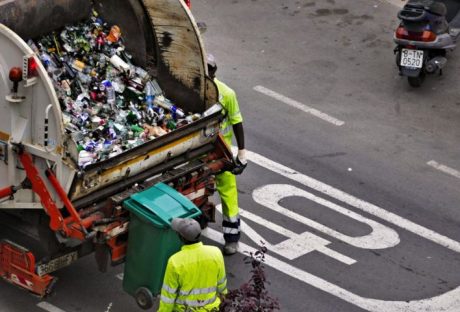
10 Waste Management Tips For Every Business
A lot of businesses are aware that they need to take care of their waste, but it can be difficult to get started. Here are 10 tips for managing your business' waste. 1. Start With A Strategy A strategy is a plan for the future. It's the process of defining what you want to achieve and how you'll go about it. For example, if your business is a retail store, you might want to increase sales by 10% over the next year. Then, you'd create an action plan that includes how many new products or services you'll offer and what marketing techniques will be used to attract more customers. You can't just decide on a goal without having some idea of how you're going to get there (and whether or not it's even feasible). When developing your waste management strategy, it's important to consider: Your budget and resources The current state of waste management at your company Potential opportunities and challenges 2. Educate Your Employees About Waste Management Make sure you dispose of your waste correctly. If you are unsure of how to do this, or if you want to find out which method is best for your business, speak with an expert on waste management services on how to; Educate your employees. Teach them how to recycle and dispose of waste properly. Make them aware of what not to put in the garbage, such as old batteries and electronics. 3. Reduce Paper Waste You already know how wasteful paper can be. Use it for something important and the rest of your documents can go the way of digital storage. If you have documents that need to be printed, switch to recycled paper to reduce costs and waste. Then, think about using email instead of printing out emails with attachments or sending faxes to clients. There are also more efficient ways to store your documents than storing them on paper—scanning important files into a cloud-based system is an excellent alternative that will cut down on clutter and save you money! 4. Do A Waste Audit A waste audit can be a great way to get your business on the right track when it comes to reducing and recycling. It's a simple process, but it must be done regularly. You will need to identify what types of waste are being generated by your business, how much of each type is being produced, and where they are going after they have been discarded. The goal should be to understand what types of materials are being thrown away so that you can work with employees or partners to find ways around them (or eliminate them). Outsourcing waste management services is also a great way to save time and money. You can outsource the waste management of your business to a professional company that has experience in this area, or you can hire a colleague who has experience with waste management and ask them if they are willing to help you out. 5. Compromise On Cleaning Products For Waste Management You will find that it is not necessary to use toxic chemicals and harsh cleaning products. Instead, you can opt for environmentally-friendly alternatives that are just as effective in maintaining the cleanliness of your business. For example, if you need a surface cleaner or disinfectant that will keep your office equipment free of germs and bacteria, look for an option that does not contain chlorine bleach (which has been linked to cancer and other health problems). Instead, choose something like "green" cleaners that have been specifically designed to be more environmentally friendly without sacrificing effectiveness. 6. Get Creative With Containers As you are trying to figure out how to dispose of your business’s waste, it is important to keep in mind that the most important thing is not what kind of container you use, but rather how easy it will be for your employees to carry around your business’s waste. If you have a lot of waste and it is going to be hard for employees to carry around containers full of garbage, then there are many more eco-friendly options available for businesses like yours than if there was just one kind of container at hand. Another thing worth considering when choosing which type of receptacle or bin will work best for storing all that trash is whether or not reusable materials would work better than disposable ones. For example: If possible (and legal), consider using traditional wooden crates instead of plastic ones because they are reusable and biodegradable! This can also help save money since these types 7. Rethink Your Water System In addition to recycling and reusing, you can also start thinking about your water system. The average American household uses 300 gallons of water per day. That’s a lot! Fortunately, there are several ways you can reduce your water use and help the environment in the process: More efficient use of fixtures. These include solid-surface counters, low-flow showerheads, and faucet aerators. Install rainwater harvesting systems on roofs of commercial buildings or at home (if possible). Rainwater is collected for future use as drinking water, lawn irrigation, or toilet flushing. Use greywater systems in homes where it is allowed by law; these systems recycle wastewater from sinks and showers for irrigation purposes. Get a meter installed on your building's existing plumbing system so you know how much water you're using on an ongoing basis. 8. Recycle Your Electronics Recycle your electronics. Electronic waste is a growing problem, and not only because it contains toxic materials that can harm our environment. The oil and other materials used to make electronic devices are becoming increasingly scarce, which means that recycling electronics is good for the planet. You should always recycle old cell phones or computers at an e-waste recycling center—if you throw them away, they could end up in landfills where they will take years to decompose and release harmful chemicals into the earth's soil and water supply. 9. Consider Food Waste Food waste is a major problem for all businesses, particularly the hospitality and food service industry. Estimates show that the average hotel loses 18% of its room nights due to guests not showing up; this means they're paying for rooms they aren't using—and that's on top of the cost of cleaning and preparing those rooms (which can range from $10–$100 per night). According to an expert in waste oil disposal in Liverpool, buffet restaurants often lose between 30% and 50% of their prepared food due to spoilage or over-ordering. Your company may also be losing money by taking care of its garbage cans improperly: if staff members don't line them with bags or otherwise protect them from water damage, you could end up having to buy new ones every few weeks at a cost that would add up quickly over time! 10. Beware Of Hazardous Waste Hazardous waste is a particular kind of waste that has special disposal requirements. It’s important to know what hazardous waste is and how to identify it because if you don’t dispose of your hazardous waste properly with toxic waste collection services, it can be costly and even dangerous for the environment. Hazardous wastes are those that meet any of these descriptions: Corrosives: substances that burn or destroy living tissue on contact with skin or eyes, like sulfuric acid (pH 1) and sodium hydroxide (pH 14) Ignitable: easily ignited by heat, flame, sparks, or another source at room temperature; includes liquids with flashpoints below 60° F/16° C and solids such as coal dust in air-contaminated dust with ignition temperatures below 130° F/54° C Conclusion - Waste Management Tips So, there you have it! A few simple steps can make a big difference to your business. We know that waste management is not always at the top of everyone’s priority list when they run their business, but it should be. The good news is that our tips will not only help with your waste but also save you money in other areas too! Read Also: Basic Small Business Tips for Noobs Who Want to Start a Venture How A Business Loan Helps Business People In 2023 How To Market A Small Business In A Big City
READ MOREDetails
What Do Employers Look For In A Background Check?
Background checks have a significant impact on the job search process. These checks are used by employers to establish a secure and reliable work environment rather than to spy. It's not a spy; it's a shield. This piece delves further into the what, why, and how of these checks, elucidating their place in recruiting. Think of it as the employer's safety goggles, ensuring they hire people ready to learn. Here, the goal is to shed light on the procedure rather than to lower morale. Now, let's take a leisurely stroll through the realm of background checks, revealing the meticulous procedures that companies apply to cultivate a workplace based on dependability and trust. Legal Considerations Employers negotiate a legal minefield regarding background checks to guarantee a complete and equitable screening procedure. Complying with federal and state standards and comprehending the legal structure guiding background checks are crucial factors. Accès Identité, specializing in background checks, investigations, and pardon petitions, is a significant player in this scene. They have an exclusive license from the RCMP to transmit fingerprints, demonstrating their reputation for excellence. This Private Investigative Security Bureau-licensed organization upholds the highest standards of operation. It places a great value on confidentiality while catering to a wide range of consumers. Basic Personal Data Basic personal data is the next item on the list. They are verifying that you are who you claim to be. This is when your Social Security Number (SSN), which functions as your professional ID, comes into play. In addition, they verify your name, address, and contact method. Easy enough, huh? It resembles a handshake of trust. Nothing to hide; just checking to make sure everything lines up. So, don't worry when that background check shows up; it's just a pleasant conversation to ensure you and your information agree. Criminal History Reviewing a person's criminal background is the next item on the schedule. Companies try to find any prior convictions that could hurt the company's harmony. Felons and misdemeanors are examined carefully since the seriousness of the offense can affect the assessment procedure. Painting a clear image and comprehending a person's past context are key. Work Experience As one proceeds through the checklist, employment history comes in first. Employers go above and beyond simply confirming the information on a well-formatted resume; they also take the time to confirm that a candidate's employment history and dates are accurate. The past talks loudly, and reaching out to former employers is like opening a time capsule—you can see performance reviews and references that have the power to influence the hiring decision. Educational Background The educational background is the next place this research voyage will stop. Companies work hard to verify that the academic honors proudly displayed on a resume are real. Was that degree truly earned by the candidate? Did they go to the schools they said they did? Seeking the facts to ensure the educational foundations are as strong as they appear. Credit Record Evaluating a person's credit history is an unexpected but crucial aspect of the background investigation. Employers use credit checks to determine financial responsibility outside money and cents. It is considered how this relates to the employment position, keeping in mind that financial reliability can be crucial in some professional settings. Social Media Screening Social media is becoming a digital stage for examination in the age of digital footprints. Companies search publicly accessible data for insights that cut through the formality. However, this isn't unrestricted; moral issues and legal constraints raise questions about the extent of this social media exploration. Professional Licensing Official endorsements are frequently necessary for professional excellence, and employers confirm the legitimacy of professional licenses pertinent to the position. It goes beyond a person's formal credentials to ensure they meet industry norms and the legal requirements for their line of work. Verification of References Like ghosts of the past, references tell a story written by people who have collaborated closely with the candidate. Employers contact these references to have comprehensive knowledge. However, here is where a nuanced dance between professionalism and secrecy occurs when character traits and work habits are revealed. Conclusion Employers set out on this complex path to make educated decisions rather than to act as detectives. In summary, they seek a balanced online presence on social media, legitimate professional recommendations, truthful character references, honesty in job and school claims, and an accurate criminal background. They are also looking for fiscal discipline in credit histories. A comprehensive and impartial evaluation procedure is more important than simple dissection in this complex inspection dance. Employers maneuver through this environment, knowing that every jigsaw piece adds to an individual's professional identity. Finding the ideal fit for an elaborate workplace mosaic is more important than looking for defects. So, it's more than just putting up a polished front when people go on their career search journey. It's about accepting honesty, appreciating the layers, and realizing there's a tale waiting to be revealed behind each application checkmark. Read Also: Commonly Misunderstood Facts About The Employee Retention Tax Credit Only the Best for Your Business: Check These Hiring Strategies What Are the Ways to Prepare a New Employee?
READ MOREDetails
Why Virtual Offices Are The Future Of Business
During this worldwide pandemic, people have been forced to work from home much more than they venture into the office. Not only is this the safest and smartest option to remain healthy during these trying times, but having a virtual office makes the argument for increased productivity while working remotely. A virtual office space enables professionals to be physically present at a certain address without being at the company’s location. By providing flexibility, a virtual office can help those who work far away from their typical workplace remain productive. Benefits of a virtual office: Administrative staff- A virtual office solution in your home or co-working space typically features an administrative assistant and staff trained to help you improve your productivity so you can focus on what really matters - your business. The staff will answer your phone, take messages, and greet clients while calling in for their phone meeting. When searching for a virtual office in Boca Raton, make sure you find a service that features an administrative staff to increase your focus and productive hours on the job. Click here if you’re aiming to put a stop to that tiring search. Conference space- The second benefit of a virtual office is the on-demand conference space used to speak with clients, host a meeting, or set up a business presentation or proposal. Most virtual offices in Boca Raton will use this feature to be beneficial for start-up companies and entrepreneurs who need to frequently pitch their idea. On-demand business center- Another aspect most virtual offices feature is an on-demand workspace that is the perfect solution for preparing for an interview, organizing for a meeting, or reviewing the notes from your latest team collaboration. As you search for the perfect virtual office in Boca Raton for your small business, make sure you find one with an on-demand workspace. Rent Virtual Offices in Boca Raton: There are many options for virtual offices while living in Boca Raton. If you live too far away from your workplace to make the daily commute, or you want to physically distance during Covid times, a virtual office can be the best solution for your predicament. Here are some of the most popular virtual office options in the Boca Raton area that might be of interest to employees, business owners, or entrepreneurs: Federal Highway Office Center - This Boca Raton virtual office is located right in the center of the city, featuring collaborative workspaces, networking events, and call answering help. Yamata Road Office Center - Yamata is a convenient choice for those who want a mail-handling service and on-demand conference rooms for important business meetings. West Palmetto Office Center - Lastly, this virtual office in Boca Raton offers receptionist services and on-demand conference rooms to help your business flourish. Conclusion: Virtual offices could be the wave of the future, helping reduce daily commute time and boosting productivity through services like receptionist call answering, on-demand conference rooms, and administrative staff. When looking for a virtual office in Boca Raton, you will be happy to find there are plenty of options to suit your business needs. Read Also: 4 Reasons Your Home Business Needs A Virtual Receptionist Balancing the Books with Outsourcing – Virtual Receptionists
READ MOREDetails