












How to Make Facetime More Enjoyable

Published on: 26 April 2019 Last Updated on: 13 September 2024

Facetime easily connects us to our loved ones and friends anytime and anywhere. It has made communication more accessible for everyone especially if we live in different parts of the world. It’s available in Apple products, like the iPhone, iPad, and iTouch. You can stay in touch no matter where you are. If you love Facetime, here are some tips on how to make it more enjoyable and memorable:

1. Use Effects or Filters:
camera effects facetime

Source

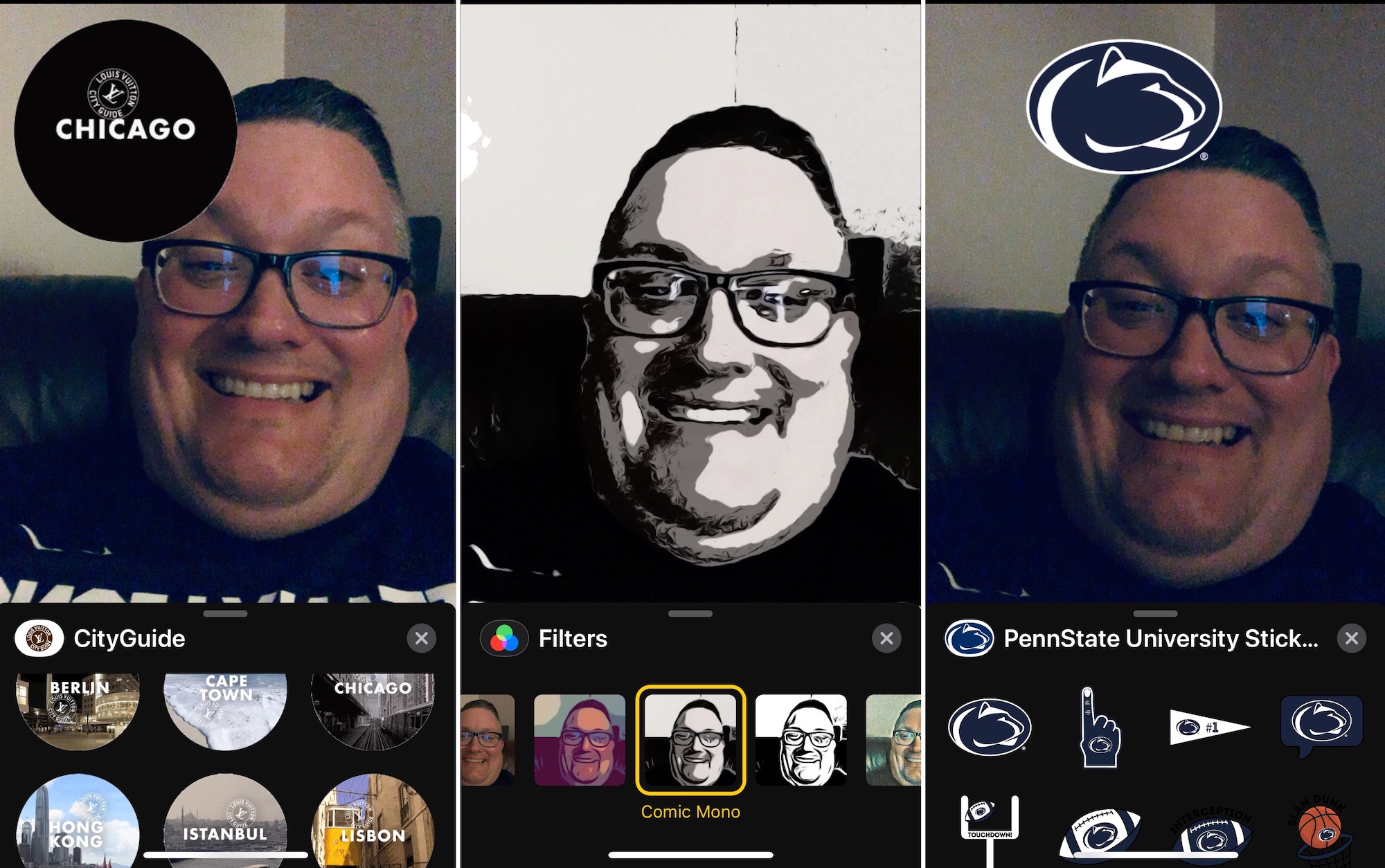
If you would like to play around during your conversation, Facetime offers a lot of filters to choose from such as animal filter, black and white effect, dreamy backgrounds and even scary ones and much more.

How to use Effects and Filters:

  • Launch the Facetime app on your gadget.
  • Choose the person to call and tap on audio or video.
  • Tap the filters icon on the left of the red circle.
  • Select the filter you like and then tap the small x on the side to return to the call.

2. Use Animoji and Memojis:
Animoji

Source

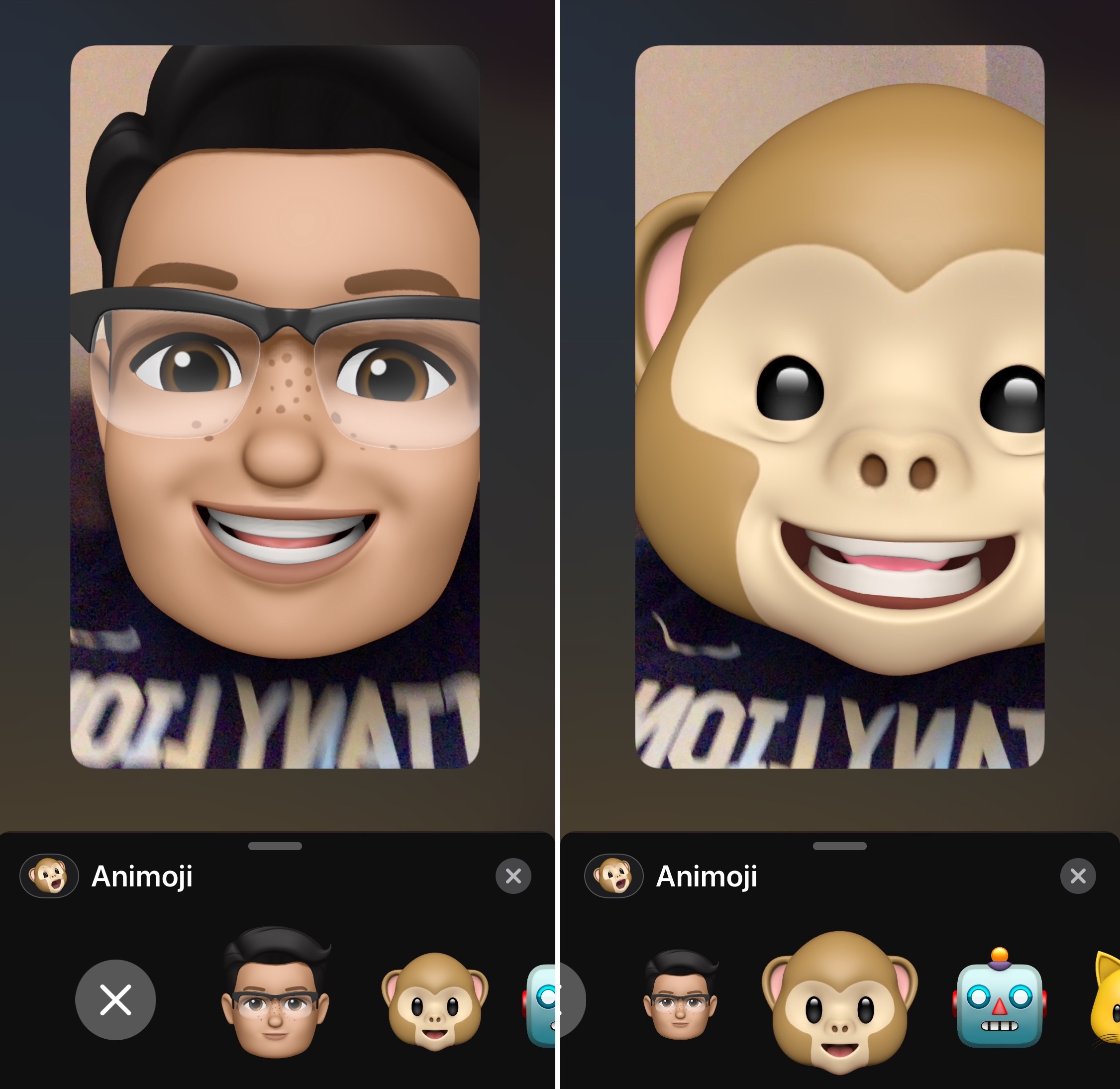
Animojis were a big hit with IOS 11. A friendly lion, happy bear, cheeky Chinese dragon head, and a talking skull will mimic your facial expression in real-time. How cool is that? There is also the Memoji. This feature lets you customize the look of the avatar close to what you look like in person! These are the new features of Facetime using the new IOS 12 that will truly make your conversation more fun and exciting.

How to use Animojis and Memojis:

  • Launch the Facetime app on your gadget.
  • Make a video call and then tap on the box showing your face.
  • Tap the effects button on the left side of the red circle.
  • Select the Animoji or Memoji icon.
  • Pick out your preferred Animoji or Memoji avatar.=

For the Memoji avatar, you can personalize the skin tone, face shape, length of hair, eye color, nose, mouth, and even your brows. It will look just like you in a cartoon way!

3. Talk in Group Chats:
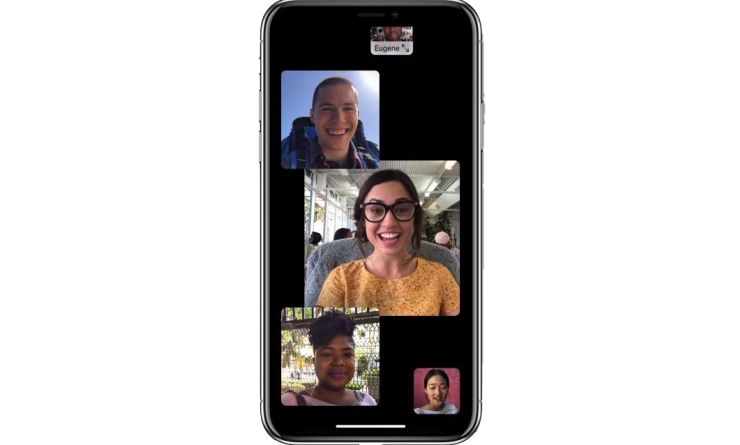
Group Chats

Source

This is the most popular feature for family and friends who want to get together. You could be planning a special event, grand reunion, or simply a quick lunch date. You can add up to 31 people and that is a big meeting indeed. You can use a phone stand <do-follow> if you think your group chat will last for a while. This way, your hands are free to relax and do other stuff.

How to make group calls:

  • Launch the Facetime app on your gadget.
  • Make a video call and tap + to add a person.
  • Enter the contact name, number or email.
  • Tap the added person to Facetime.
  • Add up to 31 people to join your group chat.

4. Play Conversation Games:

To spice up your Facetime conversation, there are lots of new stuff to try to make your regular talks livelier, such as having conversational games. This will surely improve the quality time with your loved ones. This would come in handy when you ran out of things to say but still want to carry on with the talk.

Here are some games you can try out on your next Facetime call.

  1. Two Truths and One Lie– This game is when you have to tell each other two truths and one lie which varies anything from your childhood days up to present. The other person has to identify which one is the lie and why. You take turns in this game.
  2. Song Lyrics– If you and your family or friends are music lovers, then this game is perfect for you. One person will have to sing a line from the song and the other person will need to guess the title. You can score on the correct titles and decide on the punishment or dare for the person who will lose.
  3. Movie Lyrics– On the other hand, if you are both movie lovers, then famous and best movie lines can be your game. The other person can guess the correct movie title from the dialogue given. There are thousands of lines to choose from especially on all-time favorite movies.

Conclusion:

Facetime is an awesome way to connect with your family and friends. It allows you to have quality time with them even when you’re not living under the same roof. Try out these awesome tips to make your conversations more fun and memorable!

Read Also:

Content Rally wrapped around an online publication where you can publish your own intellectuals. It is a publishing platform designed to make great stories by content creators. This is your era, your place to be online. So come forward share your views, thoughts and ideas via Content Rally.

View all posts

Leave a Reply

Your email address will not be published. Required fields are marked *

Related

App Developers

5 KPI’s All App Developers Should Track

So, you have an app or game in the Android marketplace, and you want to know how it’s doing. Do you have any idea how strong your apps influence is? How big is your core audience? Who are your daily engagers? What is the average length of time someone uses your app? These are just a few of the fundamental questions that every app developer should know the answers to. Here we will cover the five Key Principle Indicators (KPIs) that show how an app is performing in the marketplace. KPIs Explained: In Android app development, specific data entries are collected to determine how an app is performing and is being received by the Android community. These indicators are referred to as key because they are critical in the understanding of an apps influence and performance. It is important to have this data at your fingertips if you want to take your brand to the next level. These indicators may tell how many users have downloaded your app or how many people have uninstalled your app. There are dozens of KPIs that a developer can analyze. The following five factors we will be focusing on giving you an excellent general glimpse at data that is of great interest to the developer. 1. Downloads: This metric is a given for every type of app in the marketplace. Every developer wants to know how many people have downloaded their app. The download phase is the initiating phase of the lifecycle of an app. This will tell you the percentage of people that could be interested in using your App. No other activity is possible without the initial download taking place. Assure that you are accurately tracking your app download numbers. Therefore, knowing the number of people who have downloaded your app is the starting point for business success. 2. Installs/Uninstalls: Although Installs and Uninstalls are two different metrics, they are so closely linked, that we are grouping them together here. We mentioned that you want to assure that you are accurately tracking your installs, and this is because the number of installs will give you a more accurate calculation of how many people have not only downloaded but also installed the app. It is the true measure of how any people find your app to be relevant after downloading. Your Uninstall data shows you another vital factor. It is essential to be realistic about how many people are currently maintaining the presence of your app on their device. The Uninstalls number is your reality check for current users. 3. Daily Active Users (DAU): The Daily Active Users (DAU) is a metric that shows you who your truly loyal base of users are. The individuals that use your app daily represent your core community of customers. These people are also likely brand ambassadors that promote your app to their networks. Knowing the people who are actively using your app is critical as it shows how the market is embracing the service you provide.  Having so many people downloading and not using your app is a clear indication that you need to do something about it. 4. Session Length: If you really want to know how engaged people are with your app, you will want to pay attention to the Session Length data. This will let you know how long users are engaging with your app. This information helps indicate when improvements may be in order. 5. Crashes: This metric should be taken very seriously because if it is ignored, it can hurt the rating of your app. If people begin to get frequent crashes, it can indicate that there is a bug in your app. If you see the number under Crashes increasing, you want to investigate this right away. Read Also: Things To Look Out For While Hiring Health App Developers How To Make Money From Resale Apps

READ MOREDetails
Dominant Mobile App Trends To Keep An Eye On

Dominant Mobile App Trends To Keep An Eye On

While many younger people see mobile apps as a fact of life, there are some older people and businesses out there who still don’t appreciate just how prevalent mobile apps are in today’s world. Quite simply: there’s no escaping them. For many businesses, developing a mobile app can be the key to connecting with previously untapped markets—but it isn’t wise to go in blind. With millions of apps available for download, it’s a good idea to brush up on some of the trends and forces that are currently dominating the world of mobile apps. In the ever-evolving landscape of dominant mobile app trends, having an edge is crucial. Utilizing an innovative Android app maker can help you stay at the forefront of these trends, ensuring your place in the dynamic world of mobile applications. Social Networks: Social networks can have an enormous impact on the success of a mobile app, if only because of sheer size: as Buffer notes, social media is one of the most effective means of reaching your target audiences because it features nearly 2.5 billion users across different platforms, and there is a plethora of data available on their likes, dislikes, and habits. Integrating social networks into your development and marketing strategy can yield great results. Social advertising allows for precisely targeted ads that find audiences based not only on demographics, but also on past behavior, interests, and previous purchases. The likelihood of your app gaining a dedicated following, of course, is higher if you can present it specifically to the demographics for which it is designed. Social networks also offer the potential for effective advertising at no cost through organic posts. The right social media strategy will increase the likelihood of audiences being exposed to your app organically, and—hopefully—spreading positive buzz themselves through their own networks. Google Play: As of early 2018, Android users are able to head to the Google Play store and choose between more than 3.8 billion apps. So, while making your app available through the Google Play store can be a primary goal during app development, learning to make your app stand out amidst all the competition can be an uphill battle. A smarter, easier way to help your target audiences find your app is to work with a developer who is not only experienced in building apps, but also in launching them. Guaraná Technologies, for example, has found success in a competitive market by ensuring that their involvement with their clients doesn’t end with the development. Visit their blog to learn more information about app development and how they work with clients to ensure that a launch strategy is fully formed and implemented in order to make the most of the app. Although launching may seem like a relatively small part of the app-making process compared to the actual coding and development, its importance can’t be understated—when you’ve got to make a name for yourself against nearly 4 billion Google Play competitors, you’d had better be putting your best foot forward. Lifestyle: Ever have trouble imagining leaving your smartphone behind when you leave the house? It’s not just you. Smartphones and, by extension, mobile apps, are rapidly changing our lifestyles. Facebook found that in 2016, Americans aged 18-34 spent more time on their mobile devices than they did watch live television—21.1 billion hours on mobile versus 19.1 billion on television. Increasingly, Millennials and young people are describing old standbys like television as too expensive or unnecessary, instead opting to view a video on their mobile devices. In fact, even when people are watching television, they’re also probably using their smartphones: the same Facebook study found that 94% of participants had a smartphone in their hand while watching television. The takeaway? Not only are mobile apps a dominant means of connecting with consumers, but it’s also worth taking into account that as lifestyles keep changing and smartphones and other devices become ever more prevalent, but mobile apps will also go from “one way to connect with customers” to “the way to connect with customers.” Trends provide a useful cheat sheet of shortcuts to mobile app success. Creating an app that maximizes engagement through social media, takes into account users’ changing lifestyles and works to stand out in crowded marketplaces like the Google Play store, which will give you a better chance at carving out a name for yourself in the world of mobile apps. Ignoring all of these trends, meanwhile, is a good way to ensure that the only phone your app reaches is your own. Read Also: 7 Reasons Why Your Business Needs A Mobile App Securing Mobile App Development With Blockchain Technology

READ MOREDetails
Arduino Uno R3

How to Get Started with Arduino Uno R3

In this post, you will know how to get started with Arduino UNO R3 board by knowing about the specifications, applications, shields, and programming with the Arduino UNO R3. We all know that Arduino is an open-source microcontroller which acts as a prototyping platform with the help of easy-to-use software and hardware. The Arduino boards can do single and repetitive tasks like reading temperature inputs, light on a sensor, a twitter message, and provides output for activating a motor, publishing something online, or turning on an LED. You can send the instructions to the microcontroller board to tell the Arduino what to do. The Arduino UNO R3 board is the latest of the Arduino boards after Duemilanove and is the most popular microcontroller board among the engineering students. Specifications of the Arduino UNO R3 It has digital I/O pins to make a communication with external devices It comes with ICSP pins and an ATMEGA32 microcontroller The Analog pins and power pins are used to communicate with the analog world like sensors and to power up your Arduino A DC power supply connector of 9-12 volts comes with the board With the USB connector, you can connect your Arduino UNO R3 with computer Comes with 2KB SRAM and 1KB EPROM with a flash memory of 32KB Applications you can use the Arduino UNO R3 The Arduino UNO R3 board is very easy to be used for the embedded system applications. If you are not an expert in programming and still want to work in the environment of embedded systems, then the Arduino UNO R3 is the best option to go for the development of the embedded project. Some of the Applications you can use your Arduino UNO R3 board are: Robotics Wi-Fi and Bluetooth GSM based projects Ethernet-based projects and Many other applications Arduino Shields Arduino shields are the best companions of the Arduino UNO R3 board which can be used to do various tasks. There are a number of options from where you can buy the Arduino Shields, also, if you have enough programming skills, then you can build your own too. Some of the famous shields for the Arduino UNO R3 are: Wi-Fi Shield Motor controller shield Camera interfacing shield Bluetooth shield ZigBee shield GSM shield and much more How to program the Arduino UNO R3: You can download the free software Arduino IDE for the programming from the Arduino Website. The program is easy to install on your computer, just follow the simple steps on the site. The software provides you sketches for the different libraries like Ethernet, Bluetooth, GSM, etc. Click here to watch the video tutorial for the Arduino software download and Arduino Tutorials. The Arduino UNO R3 is an automatic circuit board which selects USB or DC power without the help of jumper! It is completely coded and pin-compatible with older Arduinos, so your old libraries, shields, and code will work with it as well. The 3rd revision of the Arduino UNO, the Arduino UNO R3 has a few updates including an upgrade to a USB interface chip with more breakout for the IORef pin and the i2c pins. It has a stronger reset circuit as well. The Arduino UNO R3 is a reference footprint model for the Arduino platform.

READ MOREDetails