











7 Perfect Accessories to Match Your Wedding Dress

Published on: 05 April 2019 Last Updated on: 13 September 2024
Wedding Dress

So you have found the perfect dress — congratulations! Now it’s time to decide on your accessories. All brides know that a wedding gown isn’t complete without the right finishing touches. Your accessories can even make your gown look more gorgeous than ever. Whether your gown is simple and sleek or an extra embellished one, here’s a list of accessories that will further define your wedding style.

7 Perfect Accessories to Match Your Wedding Dress:

1. Veil:
Veil

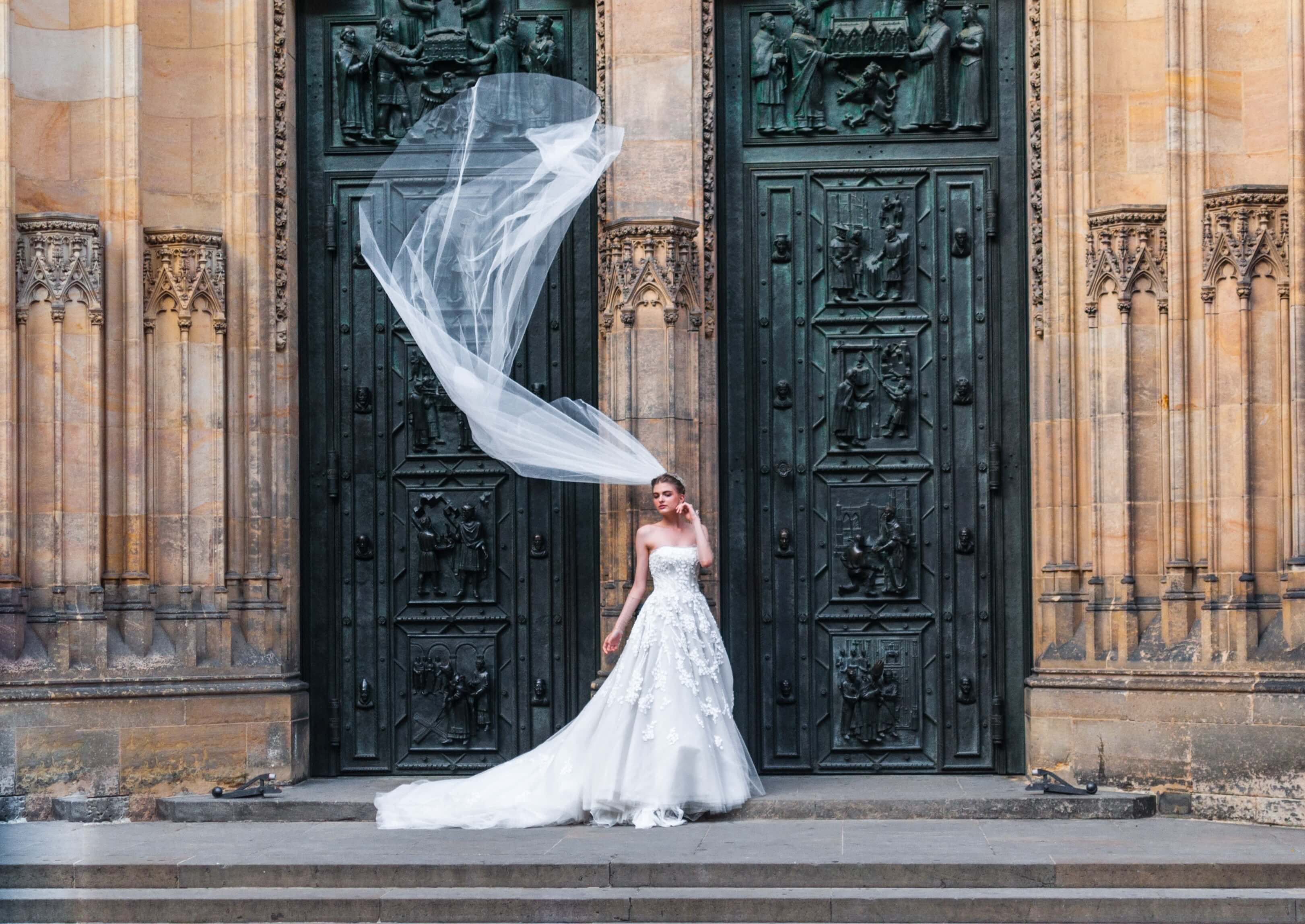
Not all brides prefer to wear a veil on their wedding day, but to those who choose to, know that there are many different types of veils for every bride. Of course, you have to make sure that your veil suits your gown, be it a classic or an edgy one. Try on some varieties with your dress so you can decide which one is best.

Although it’s always a good idea to have a motif, you might find that the opposite style actually works with your gown.

2. Necklace:

Necklace

Some brides feel that a necklace will define the look they want to project on their wedding day. Often times, a matching earring and necklace set is chosen because it’s a safe choice. Your decision should be based on the type of neckline your dress has when choosing a necklace.

For example, if your dress is already busy with details on the neckline, it’s perfectly OK to go without a necklace. On the other hand, a simple gown with a strapless neckline is befitting for necklaces.

3. Garter:
Garter

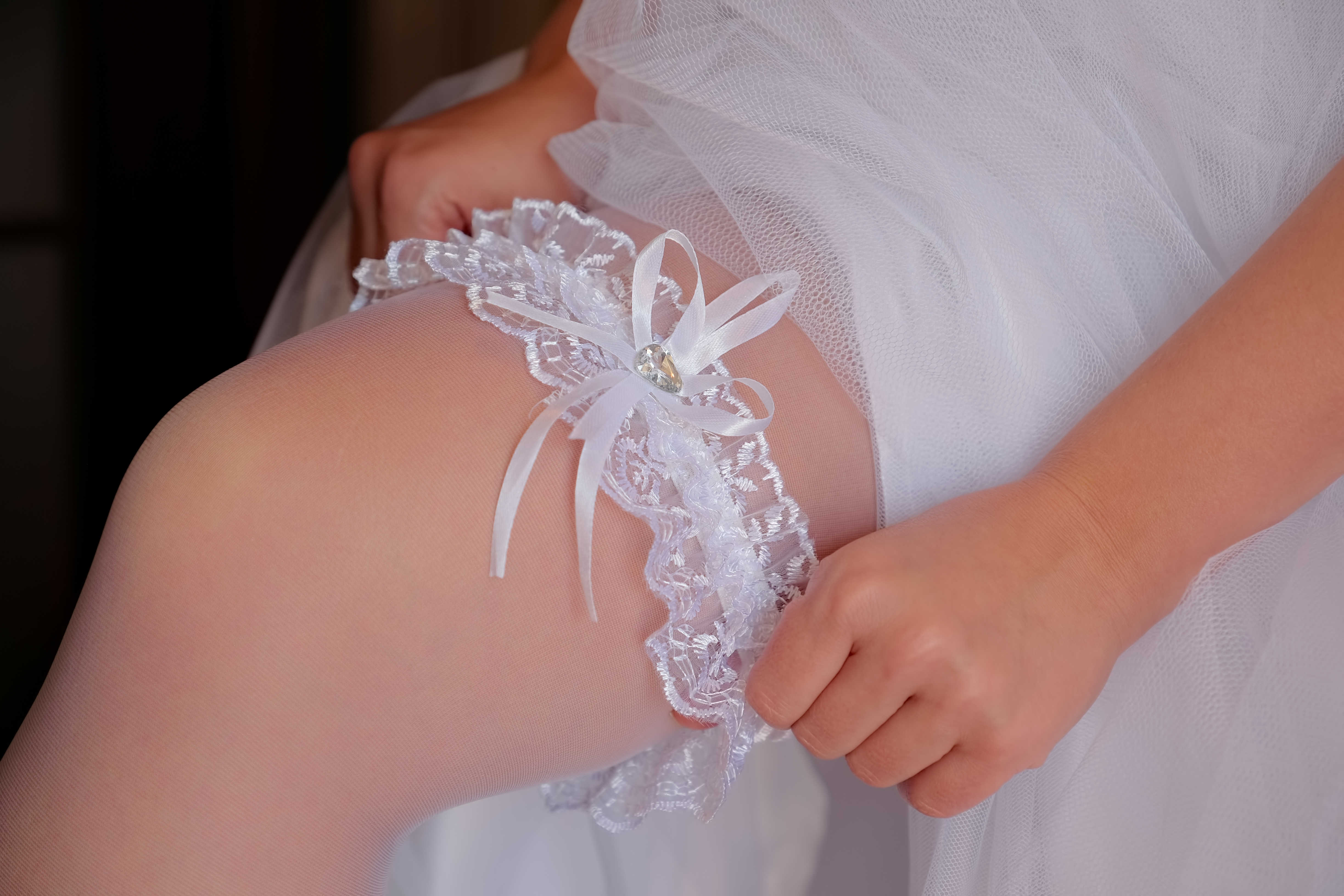
Garters are a traditional part of the wedding, especially for the bride. Who doesn’t look forward to a garter toss, after all? But did you know where the garter tradition originated? Back then a belief of many people is that you have to own a piece of the wedding gown to bring good luck, so guests would often end up attacking the bride in an attempt to get a piece of her gown. This led to wedding garters, so brides don’t have to end up with a torn wedding dress and simply remove a piece of article to be given to one lucky guest.

You can still opt out on the garter, but it’s still fun to have one even if your wedding isn’t exactly the traditional kind.

4. Hairpins:
Hairpins

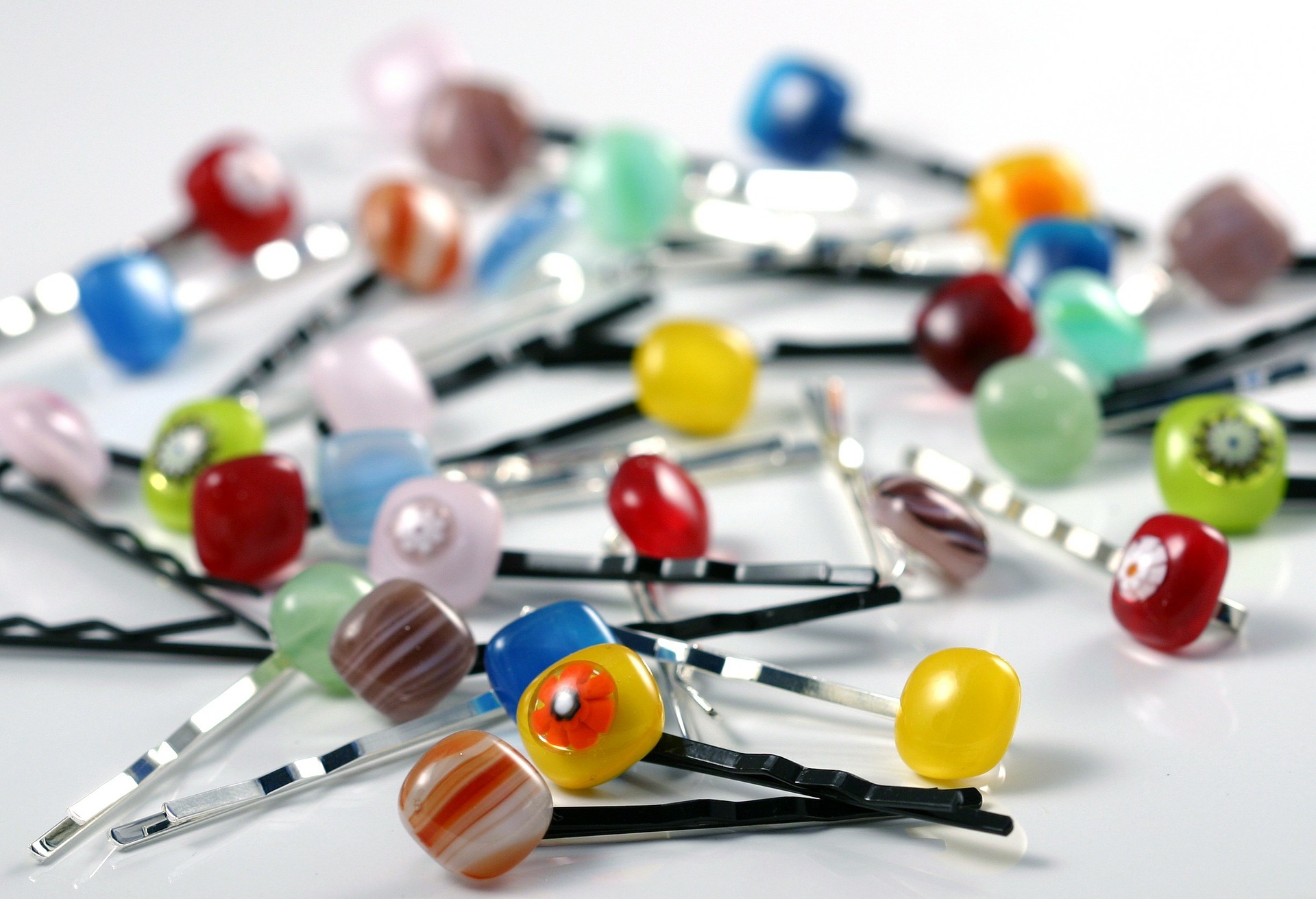
If a tiara or a crown isn’t an option for you, you can still add some accessories to your hair by incorporating hairpins. These accessories will bring out a girly vibe and works best in keeping your hair in place too. Hairpins are ideal for brides who prefer a subtle way to accessorize the hair without too many embellishments.

5. Crown:

Crown

If you want to go all out on the princess vibe, a crown will do the trick. And you don’t have to go for a bejewelled crown if you think it’s too much. You can always choose to wear flower crowns, which are becoming hugely popular these days. History has depicted women wearing crowns as a representation of beauty, fertility, and love. You can bring all these things to your wedding with a crown or tiara that matches your motif.

6. Earrings:

Earrings

The beauty of earrings is that they’re old enough to complete an outfit. You can choose to go without any other accessories but a pair of gorgeous earrings, and you’d still feel that your outfit is complete. Again, you should make sure that your earrings match with your gown and they don’t have to be super expensive too.

This season, tassels are in, so you may want to take a look at those.

7. Anklet:
Anklet

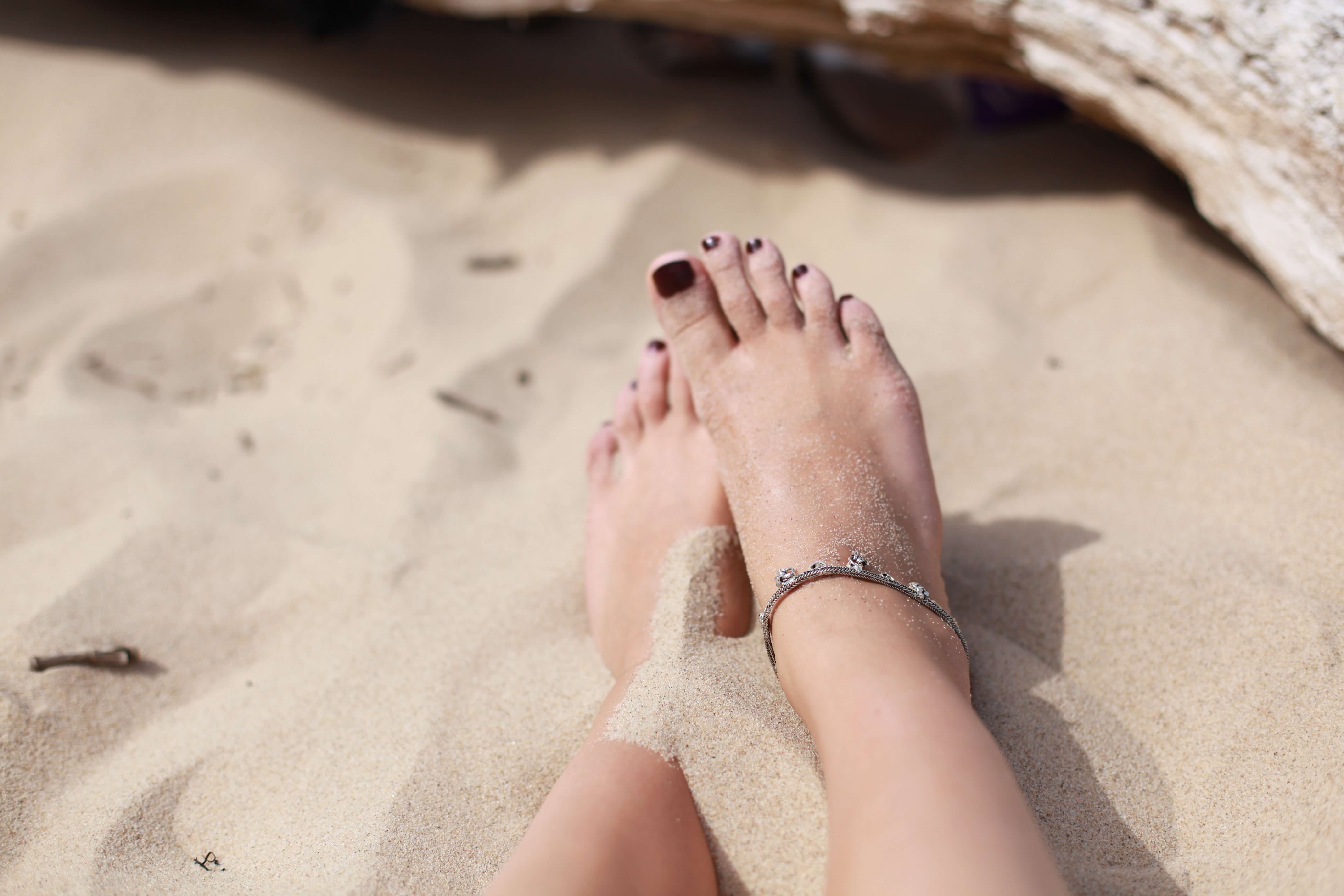
Although not all brides are cool with the idea of wearing an anklet, this piece of accessory works best for beach weddings or boho type gowns. This especially works if you opt out on the shoes — the anklet will be a major attraction.

Guidelines for Accessorizing Your Wedding Gown:

Don’t go overboard:

This is the first rule in choosing your accessories for the wedding: don’t overdo it. It is tempting to load up on jewelry, but you have to remember that all eyes should be on you, the bride, and not on the bride’s trinkets. Always remember that less is more, so choose pieces that will complete your whole look and not overpower it.

Don’t be overwhelmed:

Picking out accessories for the wedding can be challenging and overwhelming, but no matter how you’re feeling, remember to focus. Choose an accessory that you love and not just for the reason of wearing it because the event calls for it. Wear something that you have no trouble investing in.

If you’re still unsure, diamond studs or a pair of pearls will never go wrong. Or let a friend help you out. A second opinion might be the only thing you need.

Match your accessories with the dress:

This rule doesn’t have to be said out loud. All brides know that the accessories should always go with the dress. But there are some specific guidelines you have to keep in mind.

For example, your jewelry set should have the same metal base, whether it’s gold, rose, or silver. If your dress already has beadwork, allow it to set the tone for the accessories you should wear. If you’re wearing a bright white dress, compliment it with hints of platinum. For a dress with an ivory shade, gold always works best.

Be yourself:

This might be the most important rule of all. In weddings, there are some instances where you have to compromise, but at the end of the day, you know it’s your wedding and it’s essential that you have fun and be able to show your true self. So when choosing accessories, always pick out ones that you like the most. If you’re not comfortable wearing dangling or bulky earrings, it’s okay to go for studs. If you don’t want to wear a necklace, an embellished neckline will do it for you.

Always be confident and keep the day genuine. And of course, wear Wedding Dresses Melbourne with your best smile, which is the best accessory of all.

Read Also:

Content Rally wrapped around an online publication where you can publish your own intellectuals. It is a publishing platform designed to make great stories by content creators. This is your era, your place to be online. So come forward share your views, thoughts and ideas via Content Rally.

View all posts

Leave a Reply

Your email address will not be published. Required fields are marked *

Related

Best Season to Move

What is the Best Season to Move?

If you need to move from one place to another from work or for any other relatively urgent reason, chances are you don’t really have much say in what season you will be moving. However, if you can choose, you should think carefully about which is the Best Season to Move. In order to get some inside info, we asked Miracle Movers to share their insight from their years of experience in moving in all seasons, even notorious Canadian winters. The Best Season to move: Spring Early in spring, the price quotes you can expect from moving companies will be somewhat cheaper, since the peak season starts somewhere in mid-May. That means that if you can nab an April date with fair weather, you basically get the best of both worlds – your move will be relatively cheap, and you won’t have to contend with extreme weather (be it hot or cold). On the other hand, you will have to schedule your move in advance, and knowing the weather that far in the future might be impossible. Additionally, if you have children, spring is peak exam season. Putting your children through the stress of moving in this period is something you should think twice about. Summer The proverbial best season to do pretty much everything is the summer. Some research has found that homes sold in the summer fetch higher prices, so that might be an incentive to consider a summer move. Furthermore, the weather in most places promises to be fair most days, so picking any date will likely result in a nice day. With the summer break, your children will not only not have to worry about school, they will also be available to help you – get them to pack their own things. When it comes to the downsides of a summer move, one of the most obvious ones is that everyone will pick summer, making your favorite moving companies pretty tightly scheduled – meaning the prices will be higher and their availability will be limited. Finally, extreme weather such as heatwaves and hurricanes in certain regions may also give you pause. Fall/Autumn Despite the stereotypical idea of a foggy and rainy season, the fall is actually generally a nice season with plenty of nice days that are ideal for outdoor activities, moving among them. Depending on your region, you may find that the fall is the most suitable season for a strenuous activity outdoors. Additionally, lower prices of homes in the fall may be better for you if you’re buying a home. Finally, if you move in the early fall, you will be all set in your home by the holiday season with Thanksgiving and Christmas in your new home. A major drawback of a fall move is that the school starts then, so moving just as your children start the school year may be less than ideal. With changing schools, leaving friends behind, it’s a lot of stress. Winter Finally, winter is the season when the least moves occur, especially in the regions where heavy snow is common. That, however, means that your move is likely to be much cheaper compared to other seasons. Additionally, with less work, moving companies will probably have more time to adapt to your schedule. On the other hand, the biggest problem with moving in the winter is certainly cold. Furthermore, you may also need to insulate your boxes and protect them from the cold and water to prevent any kind of damage to your things while moving. Ultimately, whichever season you pick, there are clear advantages you will get, and some disadvantages that you will have to contend with. Make sure to pick the season which suits your needs. Read Also: Factors To Consider While Preparing For A Move Moving home checklist: What you need to know 7 Helpful Tips During an Emergency Moving Process 4 Questions To Ask From Your Home Relocation Company Top 10 Reasons You Should Visit Honduras

READ MOREDetails
Anti-Social Kids

Can Dogs Make the Anti-Social Kids Socialize Better?

A dog is a man’s best friend, and this best friend helps in making new friends. Dogs give you more than what you can think of—emotional, mental, and social support. Apart from improving social skills these furry companions also play a significant role in teaching kids important life skills such as empathy, kindness, and responsibility. Caring for a pet dog, making sure the dog gets his nutritious meal, has access to freshwater and stays healthy, can also aid in boosting your child's self-esteem thereby increasing their ability to interact with the people around. With the increasing usage of technology and gadgets, children are becoming lazy, lonely, obese, stressed, and may develop severe mental and heart disease. To socialize children, dogs are the right reason for them to go out, interact, make friends, and play! Dogs have such outstanding qualities including faithfulness, compassion, companionship, and obedience that anyone would love to bring home a dog. Even the most lonely and anti-social person out there can crave for the presence of a furry pooch. Research on Pet Ownership and Social Interaction: Studies have shown that pets positively influence the lives of their owners, and help in attaining physical and mental well-being. Latest surveys have shown that pets not only benefit the cognitive and emotional skills but also improve their social skills. The University of Western Australia, WALTHAM Centre for Pet Nutrition, and Harvard T.H. Chan School of Public Health surveyed on how pets help people socialize better. The results based on responses of 2,700 pet owners showed that pet-ownership is the 3rd most common way to help people socialize in their neighborhood. The survey has also shown that dog owners, in particular, who took their Fidos on daily walks, were more likely to befriend other pet-owners, veterinaries, behaviorists, and trainers. A survey by PLoS has shown that pet ownerships promote interaction between people. The results of the report revealed that “Around 40% of pet owners reported receiving one or more types of social support (i.e., emotional, informational, appraisal, instrumental) via people they met through their pet.” Around 148 studies have shown that social connections are helpful for maintaining long-term mental and physical health. Moreover, people having social networks had 50% higher chances of living longer than those having less social interactions How do Pets Increase the Chances of Social Interaction? If you are a new dog-parent, you must have noticed how people are attracted by your pooch everywhere you go. Such small social interactions will create positive feelings in you and develop your confidence to communicate with anyone even strangers. Similar is the case with anti-social and shy kids. With greater interactions with other kids, your child will develop the confidence to confront more people and other kids. It helps in the development of a balanced personality of your child as the dog provides emotional support and people provide social support. Moreover, dogs have shown to increase the emotional intelligence of kids. Emotional intelligence includes feelings of compassion, kindness, sharing, care, and love, etc. These qualities will help your child gain acceptance and appreciation from elders. Such confidence boost can help the child make a bigger social circle. Endorphins, the happy hormones, are released due to physical activities of your child with the dog. They strengthen the bond of the child with the pooch and develop feelings of affection in the child. Along with that, taking care of the pooch each day develops a sense of responsibility in the child. Such characteristics add up for balanced personality development of the child. The children should be given an opportunity to take the dogs out every day. If you are worried about flea infestation, have a look at UHL selected flea collars. It is well-known that the children, who go out, have a positive and creative outlook towards life. Do you know positivity is the most sought out personality trait? The children perform better in their academics. Dogs help them earn acclaim at the school. They develop better communication skills as well. Many people identify with others having a similar pet or dog breed. As the two pets interact, the pet owners form a social bonding with each other. Kids having similar pets can relate to each other easily at the pet parks. Read Also : Can Dogs Help Writers Stay Positive During Stress? 5 Reasons Why Your Child Needs A Dog Dog Bites- Steps To Follow When A Dog Bites Your Kid

READ MOREDetails
Suburbs

Living in the City vs. the Suburbs: Pros and Cons

If you are wondering whether to live around or in a busy metropolis, you should weigh the pros and cons. The best place for you to live will depend on your needs as well as those of your family. If you are a person who wants to kick start your career, the city is probably the best choice for you. Here are some of the pros and cons of city vs. suburban living: Pros of City Life: Big cities such as Los Angeles, Denver, and Chicago have big downtown areas with several living options. If you live in such an area, you will be right in the middle of the action. From cocktail bars and nightlife to entertainment and fine dining, you will live in the middle of it all. In cities that are thriving economically, new buildings keep going up thus giving you many modern living options: this is true for areas such as LA and NYC. Modernity surpasses residential living and city life allows you to see what the buzz is about. When hunting for residences such as Dallas apartments, you have many options from which you can choose. Inner-city life has a rhythm and you do not need to own a car. With extraordinary public transportation, you do not have to purchase a vehicle. Without a car, you can save between $3,000 and $15,000 per year. With this extra cash at your disposal, you can be able to afford city life. Cons of City Life: However, city life comes with its own disadvantages. For instance, it traps poor people. Homeless people reside in metropolitan areas because they cannot afford transit and housing. This is especially true in NYC, San Francisco, and LA. Although Phoenix and San Diego are not that bad, Portland, Chicago, Denver, and Seattle have rough areas. In central metropolises, the cost of housing is high, making it nearly impossible for most people to afford it. For instance, a one-bedroom apartment in Manhattan costs at least $3,757 per month. To afford rent in LA, you need to make at least $20,000 annually. Because renting does not build equity, it should make financial sense for you to live in the city. Another disadvantage of living in the city is a centralized danger. Living in the middle of a big city makes it harder to get out in case of an emergency. A natural disaster could leave you trapped in the confusion with no way of leaving. Pros of Suburban Life: Houses are more affordable in the suburbs, making homeownership possible. Moreover, suburbs are safer due to protections such as neighborhood watch. These places are also quieter, making them ideal for people who do not like the hustle and bustle of the city. With gated communities, you can raise your family without worrying about their safety. Some suburbs sit outside main cities, making commutes shorter. To make your transit less expensive, you can opt for suburbs that are around train stations. The cost of homes in suburban areas is lower than in cities. When you choose the right property, its value will increase over time. In the suburbs, remodeling your residence is also much easier. Cons of Suburban Life: Not all suburban housing options are close to public transport. Suburbs that are closer to the city have higher housing costs due to house shortages. To find a house whose worth matches its price, you might have to live farther away from the city. If you live sixty miles from your city workplace, your commute could take hours. This long commute can lead to the wear and tear of your car. Moreover, you will use a lot of fuel, which is expensive. Suburban life comes with HOA fees, which can be quite high, depending on the area. When you consider car ownership and HOA fees, you might find that city living is more affordable. However, owning an inexpensive house in the suburbs might justify the extra costs. Conclusion: As you can see, city life and suburban life both have advantages and disadvantages. The choice that you make should be guided by your needs. For instance, if you want to start a family, suburban life is more preferable because it is quieter. Read Also: Taking A Tour Through What Sober Living Entails How To Survive Your First Year Of Living Independently

READ MOREDetails