











Please Pass the Cheese! 7 Awesome Benefits of Cheese

Published on: 24 December 2018 Last Updated on: 08 August 2019
benefits of cheese

It may or may not surprise you that each American eats an average of 35 pounds of cheese a year. There are lots of ways to eat cheese – with crackers, on sandwiches, deep fried, in salads- so this really isn’t too high a statistic considering all the things you can do with this tasty food.

If you’re one of the many people who loves cheese, you might be a little worried that it will hurt your health one day. Well, the good news is that you’re probably worried for nothing – it might even have the opposite effect!

Here are seven awesome benefits of cheese that you probably didn’t know about.

1. Good For Skin And Hair:

Skin And Hair

One thing that cheese is really good for is helping to keep your skin and hair healthy. Cheese is great for the skin because it contains lots of Vitamin B, which helps your skin stay healthy and glowing. It helps get rid of acne and other skin problems by helping the healthy skin cells grow.

Cheese also has protein in it. When we think of protein, we tend to think of beef or pork, but cheese is actually more healthy than these things and gives you a slimmer, healthier alternative. Cheese has calcium, too, which is great for keeping your hair healthy and shining.

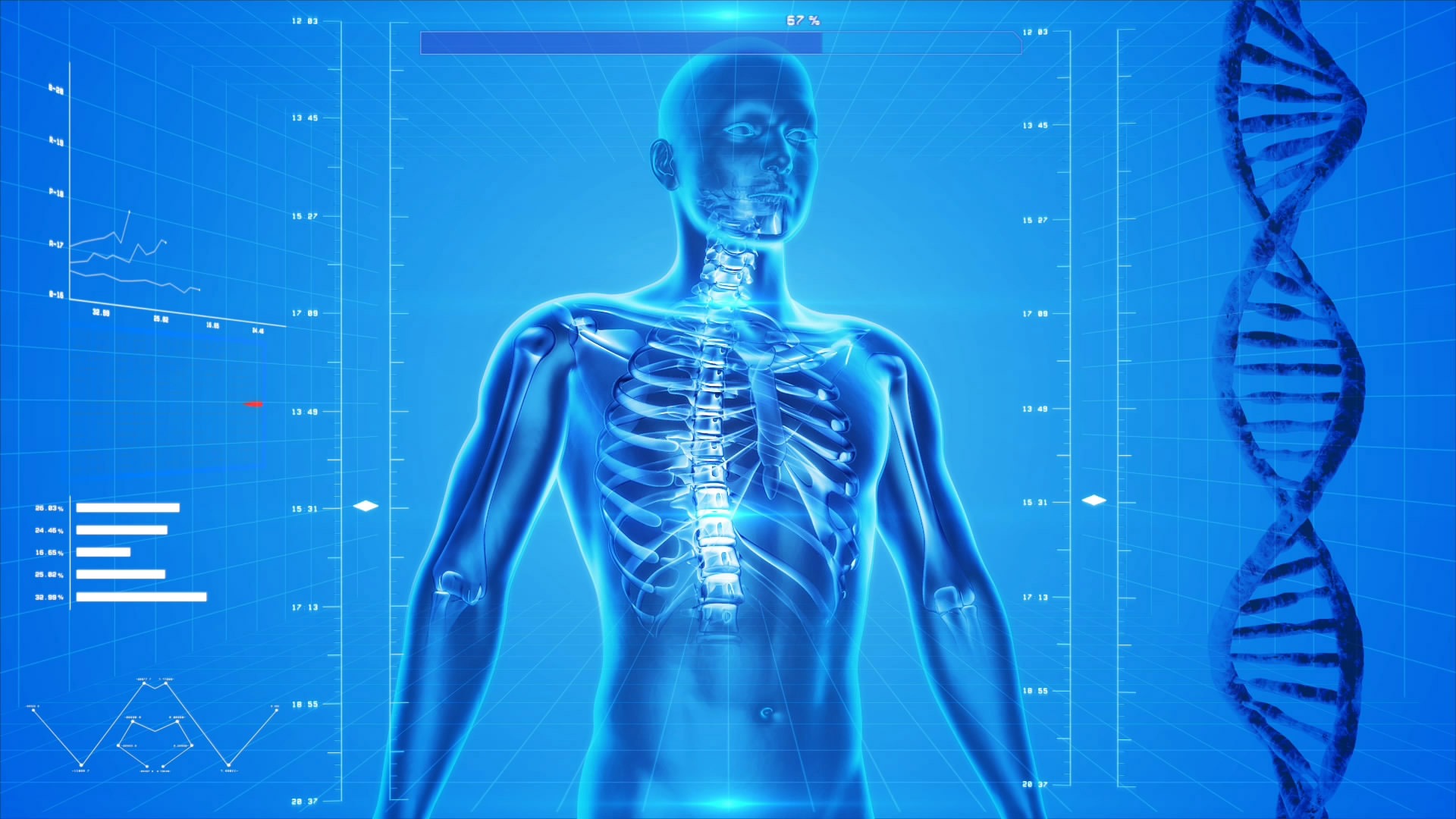
2. Helps Bones and Teeth:
Bones

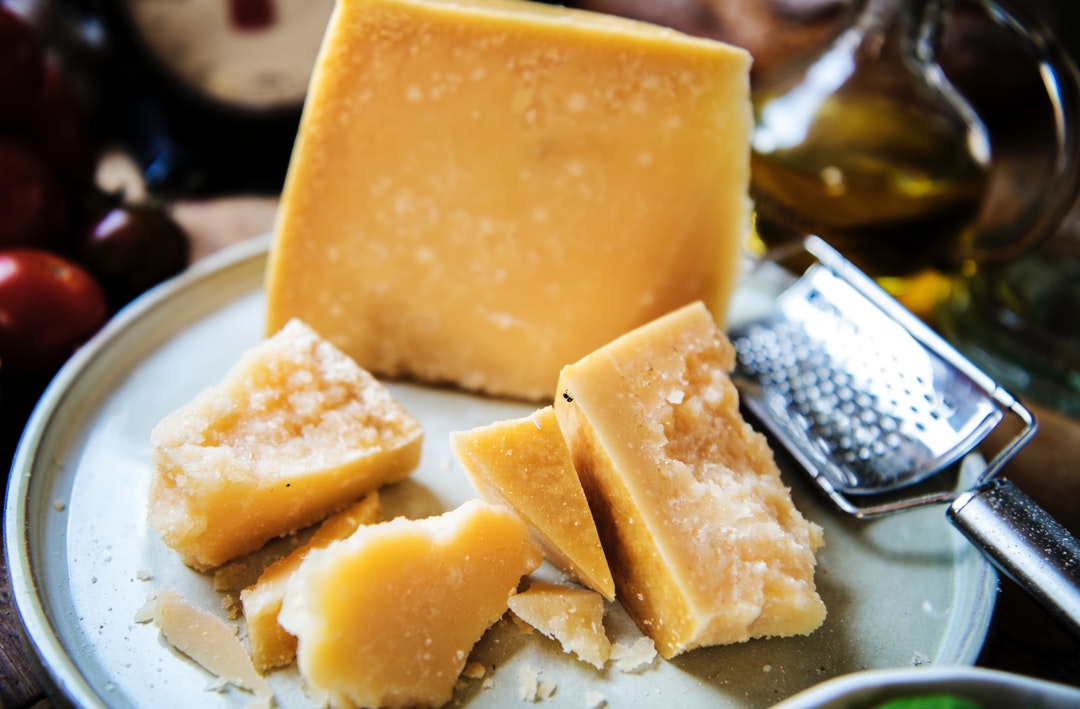
Cheese is also helpful in maintaining healthy bones and teeth. If you eat only one ounce of Parmesan cheese, you get 336 milligrams of calcium, which becomes even more the more cheese you eat. Other types of cheese come close, too.

This is good for your bones because normal healthy men need 1,000 milligrams of calcium a day to keep their bones in shape. So, eating just three ounces of cheese will fill all your needs for the day!

Along with phosphorous, another chemical found in cheese, calcium helps to prevent the enamel on your teeth from wearing down. In the end, this means fewer cavities and money spent on dentist visits for you.

3. Helps Maintain Healthy Weight:

Healthy Weight

People tend to hate the idea of gaining weight, but the truth is that everyone needs to have fat in their bodies to survive. Well, cheese can help you to maintain a healthy weight and have the healthy fats that you need for temperature regulation and a good immune system.

Some people are even looking to gain weight, and cheese is a good way to do it in a healthy way. It has a good amount of fat and protein, which can help to strengthen your muscles.

4. Lowers Risk Of Heart Problems:

Heart disease, the biggest killer in the US, is a terrifying idea for anyone. The good news is that eating cheese can lower your risk of getting it and maybe extend your life.

A study from 2017 actually showed that people who eat a little cheese each day have a 14% lower chance of developing heart disease. It might be a worthwhile investment!

On a related note, eating cheese also helps to lower your risk of having a heart attack. Maybe deep-fried cheeses like mozzarella sticks aren’t the way to go, but cheese and crackers? Eat a little bit of those every day – you just might be saving your own life!

5. Benefits of Cheese Against Cancer:

While we’re on the topic of saving your life, eating cheese also lowers your risk of developing certain cancers later in life. Cheese is rich in the antioxidants that fight cancer cells in your body. This means that they won’t fester and hurt the healthy cells that your body needs.

Right now, there are more studies that are supporting the idea that eating cheese has an effect on the development and prevention of colon cancer. Who knew that something so delicious also might just help you have a longer, healthier life?

6. Lots Of Variety:

Another super cool thing about cheese is that there is a lot of variety when it comes to picking a kind you like. Like something flavorful and sophisticated? You might like an aged Gouda or cheddar. Something to spread on crackers or dip bread in? Brie or Gorgonzola might be for you!

One of the absolute best things to look into when considering your cheeses is French cheese. Everyone knows that no country does “classy” quite like France, so why not take a stab at cheese from a country known for its high-end cuisine?

From strong to smooth, you’re sure to find a type of cheese that pairs well with other aspects of your diet.

7. Pairs Well With Fruit:

Though this isn’t strictly a health benefit of cheese in and of itself, cheese is really good because it pairs well with fruit. Fruit is healthy because different fruits contain lots of different vitamins. Vitamins A and C, to name a couple, are really common.

Lots of people need something rich to pair with the sweetness of fruit, and that’s where cheese comes in. It’s perfect to contrast flavors with the sweet, tangy fruits, which might lead to you wanting to eat more of them and get those great vitamins.

Cheese Is The Best!

From this intel, you’ve probably gathered that your phobia that cheese is bad for you is just that: an irrational fear. If you want all these great health benefits, cheese is actually food you should be seeking out!

Now that you know all about the wonders cheese can do for your health, you might want to check out this article about variants of everyone’s favorite cheesy dish – pizza!

Now count with me. Three, two, one… say cheese!

Read Also:
Content Rally wrapped around an online publication where you can publish your own intellectuals. It is a publishing platform designed to make great stories by content creators. This is your era, your place to be online. So come forward share your views, thoughts and ideas via Content Rally.

View all posts

Leave a Reply

Your email address will not be published. Required fields are marked *

Related

ketogenic diet

Foods to eat on a low-Carb ketogenic diet

Following a ketogenic diet means cutting down the Carbohydrates content in your food and increasing the fat content. This is to ensure that the body consumes fat in order to get the energy required for its functioning. A ketogenic diet is known to have a number of benefits ranging from weight loss to sugar level control. A lot of people rely on keto diets to decrease their body weight and get in shape because of their highly effective results. Also, following the low-Carb diet helps in regulating the sugar level in the body, thus proving to be a boon for persons suffering from diabetes. The sugar level in the body can be checked easily with the help of smack at ketone strips. Food intake on a ketogenic diet needs to be done very carefully and only after analysis the proper effects of what you're eating. There are certain foods which have high nutritious value but need to be avoided on a low-Carb diet because of their high Carbohydrates content. To make things simpler for you, here is a list of the items that you can eat while being on a keto diet: 1. Seafood:   Apart from being a good source of vitamins, minerals, and other fatty acids, seafood is one of the major food recommendations for those who are on a keto diet. This is because there are several types of seafood which are low in carbs and even those which are free of carbs. You can rely on clams, mussels, octopus, oysters, and squid as their carb content is very low. 2. Eggs: Eggs are of the most suitable foods to eat on a ketogenic diet. This is because of the fact that egg contains less than 1 gram of Carbohydrates, thus can be considered as a low-Carb food. Another benefit with eggs is that they keep a check on the appetite so that you don't end up feeling hungry every now and then. 3. Cheese: Cheese is a food which is known for its taste and high nutritional There are a lot of varieties of cheese available in the market and almost all of them are rich in fat and low in Carbohydrates. You can safely rely on cheese while being on a keto diet. 4. Low-Carb vegetables: The non-starchy vegetables are considered to be keto-friendly as they are low in Carbohydrates along with having an ample amount of nutrients. You can choose to eat cauliflower, kale, and broccoli if you're on a low-carb diet. These vegetables will keep a check on the carb intake along with supplying the required minerals and vitamins to the body. 5. Avocados: Avocados help greatly in controlling blood sugar level and keeping a check on cholesterol level. Being rich in nutrients and minerals, avocados are known to contain a low value of Carbohydrates. So, they're safe to consume on a keto diet. 6. Meat and poultry: Meat and poultry are a great source of Vitamin B, Omega-3 fat, and antioxidants. Being rich in protein, they're helpful in preserving muscle mass while you're on a low-carb diet. 7. Olive oil: Olive oil is considered to be a companion for your heart because it is known to contain oleic acid which lowers the risk of heart-related diseases. Being high in fat, olive oil is free from Carbohydrates and a very good option to consider on a keto diet. 8. Berries: Unlike most fruits, berries are known to contain a minimal amount of Carbohydrates. Eating blackberries, raspberries, blueberries, and strawberries can be keto-friendly. Conclusion: Amidst tough competition, you can rely on these foods to cater to your energy needs without having to compromise with your ketogenic diet. If you want to get more info, visit Seriously Smoked. Read more: Top 7 Superfoods For Healthy Skin And Hair Meals That Matter: The Best Foods And The Ways They Make You Fit

READ MOREDetails
Best Bulking Food

Best Bulking Foods That You Need For Fast Muscle Gains

When you are into bodybuilding, your primary goal is to build muscles through weightlifting and proper nutrition. Bulking is a part of the bodybuilding process. However, bulking requires proper nutrition along with weightlifting. You need to consume the best bulking foods to ensure the right nutrition. In this article, you will learn about the best bulking foods. Here, this article will explain the key nutrients bulking nutrients and the best protein sources. Apart from that, you will also learn about the best fat and carbohydrate sources useful for bulking. Finally, you will also get some tips for effective bulking. Hence, to learn more, read on to the end of the article. Why Is Bulking Integral To Bodybuilding? Generally, bodybuilding involves two phases: bulking and cutting. In the former, the goal is to gain weight and build muscles, while the latter consists in reducing body fat. Basically, bulking is a dietary process where you consume excess calories for muscle growth and weight gain. In fact, it is a common approach that athletes and bodybuilders use to increase their strength and muscle mass. Hence, bulking refers to an increase in calories that your body consumes when it is in the process of intense weight training. It is the stage where you gain muscles in your body. Here, you have to consume more calories than your body needs. However, you do it for a set period of time (4-6 months). The extra calories that you consume works as a necessary fuel for muscle growth. Moreover, it provides strength to your body through weight training. Best Bulking Foods: A General Overview In bulking, your focus should be to give your body more energy than it consumes, thus creating a calorie surplus. Meanwhile, this surplus creates extra energy, with the help of which your body creates muscle mass. Moreover, this energy helps you repair damaged tissues and fuel intense workouts. Actually, bulking is one of the most important aspects of muscle growth. This is because if you build muscles, you must provide your body with enough energy. This way, it can build and repair damaged muscle tissues after your workout. However, just because you are bulking, it does not mean that you have to consume as much food as possible. In fact, you must choose the best bulking foods and count your macronutrients. This way, you can support your muscle growth and minimize fat gain. Key Nutrients For Bulking If you want to achieve a clean bulk, you have to make smart food choices. In fact, if your choice of food is poor, it will lead to “dirty bulking.” As a result, you will end up with a lot of accumulated fat and minimal muscle gain. In fact, in healthy bulking, you must consume quality foods and minimize your fat gains. This is because your goal is to maximize your muscle gain and ensure proper metabolism. When bulking, you must focus on protein, carbohydrates, and healthy fats. Here is a breakdown of each nutrient you need for muscle gain: Proteins The importance of protein in muscle growth and repair is the highest. This is because proteins are the building blocks of muscles. Hence, in your bulking phase, aim to have a higher protein intake. Consume 1g of protein for each pound of your body weight. For example, if your body weight is 180 lbs, consume 180 grams of protein each day when you are bulking. Some good sources of lean protein include lean meats, eggs, poultry, fish, dairy products, lentils, beans, etc. Carbohydrates Carbohydrates help you in providing energy for intense workouts. Also, it helps create a bulk in the muscles. Basically, carbs replenish the glycogen inside your muscles.   However, when you are bulking, take 1.5 grams of carbs for 1 lb of your weight. For example, if your body weight is 180 lbs, consume 250-270 grams of carbs daily when you are bulking. When choosing carbs for bulking, focus on consuming complex carbohydrates. These include brown rice, whole grains, fruits, sweet potatoes, and vegetables. Fats Healthy fats are necessary for overall health and hormone production. Apart from that, it also helps in nutrient absorption. Hence, to consume healthy fats, you can include sources like nuts, seeds, avocados, olive oil, fatty fish, etc. Best Protein Sources For Bulking The following are some of the best protein sources when you are in your bulking phase: Lean Meats: Some good sources of protein are chicken or turkey. This is because they have less saturated fat than red meat. For instance, you will get 18-25 grams of protein from 100 grams of chicken breast. Dairy Products: Generally, Greek yogurt, cottage cheese, and milk have high protein and high calories. Hence, they help you to build muscles faster. Apart from that, cottage cheese helps you in muscle recovery and growth due to its slow and steady dissolution. Fish and Seafood: Fishes like salmon, tuna, and shrimp are high in protein and healthy fat. Hence, you can consider consuming them from time to time. Eggs: Eggs are a good and fast-acting source of lean protein. Also, it contains healthy cholesterol. However, do not consume the egg yolk (yellow part) more than 2 in a day as it will increase cholesterol in your body. Meanwhile, you can consume multiple egg whites of boiled eggs in a single day. In fact, this is a good source of lean protein. Plant-Based Proteins: Plant-based proteins are lean and healthy at the same time. Some good sources of such protein are beans, lentils, tofu, and tempeh. Protein Supplements: If you eat too much, you will feel bloated at the end of the day. Hence, you need protein supplements that will help you supplement the shortage of protein that you consume in a day. Some examples of protein supplements are whey protein, casein protein, and plant-based protein powders. Best Carbohydrate Sources For Bulking Here are some of the best bulking foods for carbohydrates that will help you during the bulking phase: Sweet Potatoes: a great post-workout snack that contains nutrients and fibers. Also, it will help you restore glycogen levels in your body. Fruits: Different types of fruits come with various nutrients and carbohydrates. Apart from that, fruits also add antioxidants to your body. For instance, a good fruit option to consume after a workout is a banana. Whole Grains: You can find whole-grain bread and pasta helping you consume complex carbs. Generally, they contain more vitamins, fiber, and minerals. Apart from that, you can also choose brown rice to get good-quality carbs. Legumes and Quinoa: Quinoa, beans, and lentils are excellent sources of carbohydrates. Best Fat Sources For Bulking Here are some of the best bulking foods for healthy fats that you can use during your bulking phase: Nuts and Seeds: Some essential and healthy sources of fats are almonds, chia seeds, walnuts, and flaxseeds. Oils: For instance, coconut oil, olive oil, and avocado oil are great additions when considering fat for your diet. Hence, try to use coconut oil and olive oil in your cooking. This way, you can increase healthy fats and additional calories. Avocados: Avocadoes are rich in healthy fats and nutrients. Basically, they contain monounsaturated fatty acids that add healthy calories and fat to your diet. Also, it is a source of antioxidants and vitamin E. Fatty Fish: Salmon, mackerel, and sardines are fatty fishes that help you remain healthy and achieve clean bulk. Also, a large dose of omega-3 fatty acids, can improve your joints and cardiovascular health. Dairy: Full-fat yogurt and cheese help your muscle restore glycogen stores. This helps more in the muscle-building process. Tips For Effective Bulking  The following are some of the major tips for effective bulking: Meal Frequency: Eating multiple times a day is important to ensure a good flow of nutrients and faster metabolism. Hence, make sure to eat small multiple times throughout the day. Caloric Surplus: Always count your calories and your nutrients. For instance, if you see a caloric surplus to support muscle growth, you will have more energy for intense workouts and repairing damaged tissues. Hydration: Since you are working out and eating a lot, you must stay hydrated. This will support overall health and performance. Consistency: When you are in your bulking phase, be consistent with your diet and workout. Moreover, make sure to adjust your Intake. For instance, you can tweak calorie and nutrient intake based on progress and goals. Common Mistakes To Avoid  To ensure efficient bulking, here are some common mistakes you must avoid: Do not eat too much quickly, as it will get difficult to cut later on. Make sure there is not a big gap between the two meals. Getting ample rest will not be helpful for your muscles. Basically, your muscles need to get rest for growth. Hence, it would help if you got enough sleep when you are working out regularly. Do cardio at least once a week. This helps you increase your appetite and helps you break down your calories faster. Summing Up Now you know the best bulking foods to help you grow your muscles and gain muscle weight. However, your nutrient intake and workout must go hand in hand. Only then will you get your desired results. Do you have more suggestions on the best bulking foods to consume? Please share your ideas and opinions in the comments section below. Read Also: From Gym To Workplace: A Complete Guide To Lead A Healthy Lifestyle What Are the 5 Components of Fitness? – Let’s Find Out 8 Home Gym Systems You’ll Want To Try Out

READ MOREDetails
kashkaval cheese

All you need to know about kashkaval cheese

Particularly popular in the Mediterranean and Eastern Europe region, kashkaval is a semi-hard yellow cheese. It derives its name from the Italian cheese “Caciocavolla”. Kashkaval cheese is made from cow’s milk or ewe’s milk. The version made from cow’s milk is called Kashkaval Vitosha. The one made from ewe’s milk is called kashkaval Balkan. There is also a variety that uses a mixture of both of these types of milk. The cheese made from the mixture of these two kinds of milk is called kashkaval Preslav. The different names of kashkaval: Kashkaval is very popular in countries such as Romania, Bulgaria, and Macedonia. This variety of kashkaval cheese is also to be found widely in countries such as Turkey, Hungary, and Croatia. Each country has a different name for this variety of cheese though. While the Turkish refer to this cheese as “Kasra”, the Greeks call it “Kasseri”. The Romanians, on the other hand, call it “Cascaval”. Kashkaval belongs to the pasta filata cheeses. This means that the curd is given a hot bath during the production process. This semi-hard yellow cheese or Kashkaval cheese is allowed to age for a good six months. This lends it a piquant and spicy flavor on the one hand and salty flavor on the other. In taste, it is very similar to the cheddar cheese that is widely popular in the United Kingdom. The Kashkaval cheese is also famously referred to as “the cheddar cheese of the Balkans”. Popular kashkaval recipes: The slightly hard texture of this yellow cheese makes it perfect for grilling and grating. It is thus generously used in salads, pizzas, appetizers, and lasagna. One of the famous Eastern European street food made with the kashkaval cheese is kashkaval pane. It is favored for its portability and thus preferred as an appetizer or served in clubs and bars. It is essentially fried cheese made with simple and easy to find ingredients such as flour, breadcrumbs, and eggs apart from the kashkaval cheese itself. Served hot right off the pan it is known for its crunchy, melty goodness! Another popular Bulgarian recipe made with Kashkaval cheese made in Eastern European homes is the Bulgarian cheese banitza or banitsa that is also served as an appetizer. It is can also be served in the main course alongside other dishes. It is similar to a Greek cheese pie or a Serbian burek. To make this you will need two cups of crumbled kashkaval, 2 eggs beaten, 16 sheets of filo dough, 6 tablespoons of plain yogurt, two sticks of unsalted butter and chopped green onions and sea salt for garnishing. To make this recipe, you will need to combine the cheese, yogurt, and eggs in a large bowl and beat them until they are smooth. The next thing to do is fold one filo sheet in half and brush it with melted butter. Portion out the filling in the sheets making either a cigar-shaped roll or an S-shaped scroll. Remember to fold up the bottom edge first and then roll it up until you are looking at a tight cylindrical shape. Repeat the process with the remaining sheets. Sprinkle with chopped green onions and sea salt if desired and place on a parchment-lined pan. The next thing to do is bake these goodies in a pre-heated oven for about 20 minutes until they are brown and crisp. Serve hot with your favorite wine and your recipe is bound to be a hit among your guests in gathering or with your family when you are gearing up for a fun evening with food and wine! The bottom line is kashkaval is a popular cheese and can be replaced with cheddar for a slightly exotic dish or simply whipped up in an omelet! Read Also: Easy Breakfast Ideas for Type 2 Diabetes Please Pass the Cheese! 7 Awesome Benefits of Cheese

READ MOREDetails