Published on: 25 March 2021
Last Updated on: 27 December 2024
There’s no denying that quarantine weight gain is real. A survey found that close to 36% of the 19,903 people surveyed in over 140 countries shared that they have gained weight while in lockdown. During the height of the COVID-19 pandemic, many people were committed to doing home workouts.
However, since most are not familiar with the training that would best suit them, many found it difficult to stick to a regimen. A considerable number of gym members haven’t been able to go back to gyms since the onset of the pandemic over a year ago.
Lockdown Weight Gain Is a Serious Matter-
Weight gain during the lockdown has signaled the waning motivation of individuals to work hard to keep their bodies healthy, and both mental and physical fatigue has become increasingly prevalent.
With increased levels of stress, gaining unnecessary weight only serves to put more strain on people’s health. This is why it’s necessary for people to take their health seriously. Obesity is a huge risk factor for COVID infection and complications.
Here are a few tips to start putting your health and wellness first:
Stick to an Exercise Routine:
It can be challenging, but you have to force yourself to stick to a workout routine. If you have fears of being exposed to the virus in a public environment, there are plenty of exercises that you can do at home.
In fact, you can download mobile apps to help you connect with other people so you can have a workout buddy to motivate you. You can also enroll in virtual workout classes if it helps you stay focused. If you prefer working out at home, you can use apps to help you craft a plan.
Start slow, and set aside at least 30 minutes a day, three to four times a week to focus on your workout.
If you prefer doing workouts with a personal trainer, you can ask your gym if they offer such a service.
If not, there are a number of personal trainers who advertise their services online. Some of them are willing to do online sessions. Try doing a variety of exercises, including yoga, bodyweight exercises, or running. Walking your dog for at least 30 minutes a day can help you lose weight, and dancing is also a great way to shed off some fat. You can watch YouTube videos of Zumba classes to get started. Not only will it help you lose weight, but it will also give your mental health a boost.
If you have any illnesses that may be exacerbated by exercise, consult your doctor. Ask for recommendations about what exercises would work best for your present condition. It’s okay if you need to start slowly; what’s important is that you make a change from leading a sedentary lifestyle.
Invest in Your Nutrition:
On top of your workout routines, you should also invest in your nutrition. Make sure that you are eating adequately and appropriately. Stick to a nutritional plan that best suits your health needs. It can be tempting to binge on comfort food because of the emotionally draining situation that we’re currently in, but your best bet would be to consume ample amounts of fruits and vegetables while cutting back on sugary food items and processed meals.
It might be a good time to develop your skills in the kitchen and get cooking. Making home-cooked meals is a great way to help you stick to your diet. In fact, a study has shown that individuals who consume home-cooked meals are less likely to gain weight.
Since you are in quarantine, use the time you have at your hands to experiment. Start meal planning so you can squash those cravings that you have late at night. Aside from food, you can also take supplements to help you lose weight. Choose healthy supplements that help you burn fat faster. You can learn more here.
Remember, you should aim for a balanced diet. It is unhealthy to follow crash diets that could affect your immune system. If you want to curb your eating routine by adopting methods such as intermittent fasting, be sure to ask your doctor first. While you may want to experiment in the kitchen, experimenting with new diets can be risky.
You need to be properly guided on how you should start and progress on a particular diet.
Follow a Routine:
Quarantine fatigue can cause you to lose focus. You can try to shake it off by following a routine. Ever since the pandemic disrupted our regular routines, many found it hard to cope, which resulted in behaviors that caused them to gain weight.
One way to combat this is to set up a new daily routine, which can help you maintain a sense of normalcy. You can start by setting a time for when to wake up, do chores, eat meals, work out, attend work or school, and sleep.
Once you get the hang of it, you can slowly incorporate meal planning to ensure that you are getting the right food in your system, helping you fight off obesity.
Getting the right amount of sleep can also help you strengthen your immune system. Aside from giving your body plenty of rest, following a sleep routine helps to fight off midnight cravings and prevent weight gain.
You have to make sure that you are getting quality, restful sleep so that your body is able to rest and recuperate. This way, you will be ready to take on a new day.
Endnote:
Now you have a deeper understanding of what quarantine weight is and how it can affect your risk for developing other chronic diseases. Try not to be too hard on yourself, as the last year has been difficult for everyone. Focus on formulating a new routine and sticking to it, and you’ll start seeing a difference in your physique in no time.
Read Also:
Content Rally wrapped around an online publication where you can publish your own intellectuals. It is a publishing platform designed to make great stories by content creators. This is your era, your place to be online. So come forward share your views, thoughts and ideas via Content Rally.
Everyone knows that oxygen is essential for life. It supports all living things on the planet, and humans are no different, however, while the lungs play a significant role in the acquisition of oxygen by our body. It's the true hero’s blood since it helps with oxygen circulation all across the body. Now, if you do not have a sufficient amount of blood circulation, PEMF therapy is here to sort out the problem.
Blood is the main source of carrying essential nutrients and oxygen all across our body at a cellular level. The cells require these vital components for ensuring the smooth functioning of all our body processes. However, insufficient oxygen supply across the body can lead to severe health complications. But PEMF therapy is the latest technique for boosting oxygen supply all across the body.
The Signs Of Oxygen Depletion In Your Body
The shortage of oxygen in the body is also known as hypoxemia. This condition is identified by coughing, shortness of breath, dizziness, fatigue, and it also makes your nails and skin turn blue. You could also end up experiencing headaches, loss of focus, and confusion.
Oxygen depletion usually occurs due to the poor circulation of blood, leading to inadequate supply and uptake of oxygen by the body cells. Many reasons can be the cause of poor oxygen circulation of the body.
Take a look and understand how PEMF therapy is working.
How Does PEMF Therapy Increase The Oxygen Levels In Your Cells?
Since it’s been established that poor oxygen supply usually results from the poor circulation of blood, you’ll be pleased to know that PEMF treatment can help to improve your overall blood circulation that in return helps with increases the oxygen levels in your cells.
Poor circulation is often caused by narrowing blood vessels that don't leave enough room for the blood to flow freely. Therefore, if you want to improve blood flow through the vessels, it's essential to make them wider to make ample room for the blood to pass through them.
Normal or healthy blood vessels are naturally dilated enough due to optimal production of nitric oxide. Nitric oxide is a compound that helps with the relaxation of the endothelium, also known as the innermost part of the blood vessels. Therefore, when the endothelium is relaxed with the help of nitric oxide, the vessels become more comprehensive.
How Does PEMF Work In Your Body?
PEMF is making extra room for optimal blood flow. Hence, the PEMF mat generates electromagnetic waves penetrating deep into the blood vessels and increasing nitric oxide production. Hence it is improving the flow of oxygen to the body cells. It's also been discovered that the viscosity of the blood can also hinder optimal blood flow and inflammation is a lead cause of blood thickness.
Therefore, the PEMF therapy can help reduce inflammation which curbs the production of the blood-clotting protein, also known as C-reactive protein. This helps to make the blood thin enough to pass through the vessels easily for an ideal supply of oxygen to all the cells in the body.
The PEMF mat radiates electromagnetic waves that penetrate into the body and heal it at a cellular level. Therefore, accomplishing intricate yet complex health issues is an easy task for the PEMF device. For instance, increasing oxygen supply to the cells is a piece of cake for this treatment as it improves the overall blood circulation. Since the blood is the carrier of oxygen to our cells, it also increases the supply of oxygen all the body.
Conclusion:
PEMF therapy has taken the medical world by storm, and for a good reason. This latest technology is a non-invasive procedure that can reach into the deep nooks and crannies of the human body to heal and deal with various internal health complications.
The present air pollution and other health issues are causing less oxygen circulation in the body. And when you want to improve your oxygen supply, this is the best therapy you can apply because oxygen is the main key ingredient that keeps us fit and healthy.
Read Also:
Maintaining A Healthy Relationship with Tenants
Healthy and Hearty: 5 Iconic Spots to Eat in Chicago
There has been no time more integral to the advancement of our society than the 21st century. The past 20 years have been essential to the technological increases that are impacting billions of people all across the globe. Many facets of our society have been affected in the modern era, and healthcare is one of the most impacted elements. There has been a transformation throughout the healthcare industry, as new technologies like procedural telemedicine, as well as new regulations, have become commonplace throughout the medical system. There is a multitude of different specialties in healthcare, but one of the top aspects is physical and occupational therapy. This facet is involved in helping people fix their bodily ailments without the use of more invasive procedures.
What is Physical and Occupational Therapy?
Physical and occupational therapy has become increasingly popular throughout the 21st century, as advancements in the field and a greater understanding of the body have helped to improve peoples’ wellbeing. Patients who frequently attend physical and occupational therapy often have chronic pain or muscular-skeletal issues that can be aided with different exercises and stretches that help to heal the body. Working as a physical or occupational therapist allows you to more effectively treat patients who need help and requires immense knowledge of the human body. As 2020 has already gotten underway, it has become evident that the many changes to the system, especially for Medicare patients, are continuing to affect physical and occupational therapy offices. Understanding these changes is essential if you work in this field.
Learning about the 2020 Medicare Changes for PTA & OTA Modifiers
Working as a PTA (physical therapy assistant) or OTA (occupational therapy assistant) has undergone immense change since the beginning of the new decade in 2020. The Centers for Medicare and Medicaid Services (CMS) has altered its billing policies, which has impacted the modifiers used in your office as well as the reimbursement procedures provided by PTAs and OTAs. Medicare changes 2020 has been implemented as a payment differential in the ways that PTAs and OTAs are paid.
The payment rate is now 85% of the rate of what assistants are paid. CMS has noted that any care that exceeds 10% of the total time of care would now be subject to reduced billing. The payment differential has to be applied to all private practice facilities, home health agencies, hospital outpatient departments, as well as rehabilitation agencies.
The codes that this can be applied include therapeutic services, as well as administrative or non-therapeutic services. Any timed or untimed coded procedures and modalities are also included, such as re-evaluations and initial evaluations. These many changes also include new documentation which provides a short description of the application of modifiers.
While many of these changes may sound a bit challenging, understanding them is essential for the success of any physical or occupational therapy office.
Final Thoughts
Working in the physical or occupational therapy field can be very complex, especially when dealing with Medicare billing. Learning about the 2020 changes in Medicare billing is essential when running a physical or occupational therapy firm.
Read Also:
What Transaction Management Software Will Do to Aid Your Real Estate Business
Recognizing How Important Inventory Management is to Your Ecommerce Store
Yoga originated over 4,000 years ago as a spiritual practice. Over time, however, health and wellness experts have found that there are many physical benefits as well. Now, yoga is as much of physical practice as it is a spiritual one.
While yoga is not a substitute for traditional healthcare, as a compliment, it can help ease symptoms associated with a variety of health problems. According to the National Center for Complementary and Integrative Health (NCCIH), people are increasingly using yoga to relieve pain, anxiety, stress, and to improve their overall health.
So what are the health problems that yoga can help with? Put together by a Portland yoga studio, let’s take a look at 10 health conditions that researchers show yoga can ease.
10 Health Problems Eased by Yoga
1. Chronic Stress:
Practicing yoga may be helpful in relieving chronic stress. A regular yoga practice can reduce your stress response and provide options for self-soothing and better management of stress.
2. Anxiety:
A study in the Journal of Preventative Medicine shows that yoga can help reduce the symptoms of anxiety. When used alongside other treatment methods, it is helpful in reducing anxiety and helping patients manage their symptoms.
3. Heart Health:
Practicing yoga has been shown in studies to reduce the risk of heart disease. When practiced as part of an overall healthy lifestyle, yoga can be used to improve heart health and reduce the risk of dangerous diseases.
4. Brain Health:
Practicing yoga could be beneficial in improving brain health. Researchers report that people who practiced yoga for 14 years had thicker brain tissue in the areas responsible for memory and attention than their peers.
5. Chronic Back Pain:
People who suffer from chronic back pain may find some relief through a regular yoga practice. Research shows that yoga can reduce back pain and improve mental health in people with chronic pain. Researchers note that yoga and other stretching exercises are both beneficial in this way.
6. Improve Balance:
Yoga is a great way to improve balance. This is important, especially for older adults. Some studies suggest that a regular yoga practice can reduce the risk of falls in older adults. This is a promising option for older adults to get low-impact and meaningful exercise.
7. Thyroid Function:
Research in Medical News Today suggests that stress can lead to improper thyroid function. Fortunately, practicing yoga can reduce stress, which in turn, helps improve thyroid function. Research is ongoing, but studies suggest yoga could potentially help ease medical conditions like hypo-and hyperthyroidism.
8. Diabetes:
Research in the Journal of Clinical and Diagnostic Research shows that a regular yoga practice can reduce blood glucose (blood sugar) levels. For people with Type 2 diabetes, not only could they lower their glucose levels naturally, but they also may be slowing down progression of the disease.
9. Atrial Fibrillation:
Atrial fibrillation is a heart condition where the upper chambers of the heart don’t contract as they should. This can cause symptoms like dizziness, palpitations, and shortness of breath. It also increases the risk of heart failure. Research shows, however, that practicing yoga at least twice weekly can improve symptoms. When added as part of a regular treatment plan, yoga can help improve heart function and manage stress.
10. Boost Immune System:
Health conditions related to chronic stress account for 60 to 80 percent of all visits to primary care doctors. Several studies now show that practicing yoga can reduce stress, and as a result, also reduce the symptoms caused by it. Chronic stress and illness weaken the immune system, but a regular yoga practice could be the key to naturally averting some of these illnesses.
As you can see, there are many benefits to practicing yoga. The next time you talk to your doctor, ask him or her about the possible benefits of adding yoga to your treatment plan.
Is Yoga Enough Exercise?
Yoga can be enough of an exercise, especially if you're looking to improve flexibility, balance, and strength.
In fact, if you do it right, it helps build core muscles and tones the body while promoting relaxation.
But if you have intense cardio or muscle-building goals, it might not be enough. In that case, coupling yoga with other cardio or muscle building exercises is the best way to go.
Is 10 Minutes of Yoga Good?
First, you must understand that building a yoga routine takes time. Therefore, you should begin with a ten-minute routine.
So, yes, even if you only have 10 minutes, yoga can help you feel better, more flexible, and less stressed. It’s perfect for a midday break or to start your day on the right foot. Regular work in small doses adds up to big improvement.
Yoga After Delivery?
Yes, you can.... but....not right away!
On the safe side we recommend waiting at least a few weeks after delivery to start yoga but it depends on the recovery. Post delivery yoga should focus on breathing & stretching lightly. Do not try to move your body too much! Yes, you won't be too flexible at that time (even if you do yoga beforehand). It is normal!
Note: Please consult your doctor if your body is ready for physical activity & then only get back to regular yoga.
What Yoga is Appropriate When Pregnant?
Prenatal yoga is a type of yoga class that is specifically designed for pregnant women. Prenatal yoga classes are usually gentle and focus on breathing and relaxation techniques.
If you’re pregnant, use our prenatal directory to find a prenatal yoga, then drop into a class.
Finally: Can Yoga Help with Anxiety?
Yes, yoga is great for anxiety!
Yoga uses conscious breathing and movement to induce relaxation and calm the mind.
Over time, this practice lowers stress hormones—making it an effective natural treatment for anxiety disorders. But both yoga and other forms of treatment are needed for optimal mental health benefits.
However, over time, you must build consistency. You cannot do yoga occasionally for a month and expect a change. If you want to see some difference, whether physical or mental, you will have to keep going.
Read Also:
How To Live Stress-Free
Effects of Anxiety on Heart Disease
5 Ways To Get Healthier In The New Year
Some Famous People Who Have Battled with Depression
10 Tips on How to Ditch the Stress and Start Living a Peaceful Life














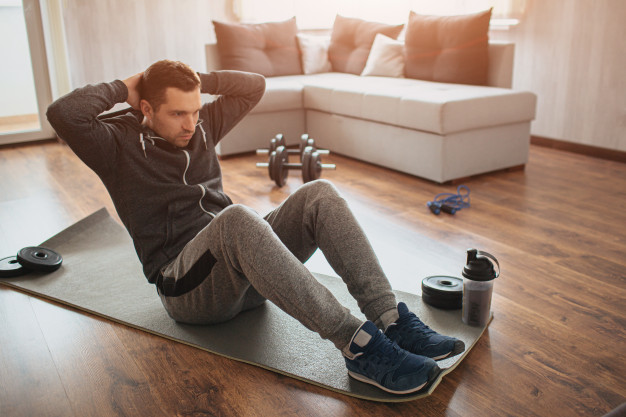 It can be challenging, but you have to force yourself to stick to a workout routine. If you have fears of being exposed to the virus in a public environment, there are plenty of exercises that you can do at home.
In fact, you can download mobile apps to help you connect with other people so you can have a workout buddy to motivate you. You can also enroll in virtual workout classes if it helps you stay focused. If you prefer working out at home, you can use apps to help you craft a plan.
Start slow, and set aside at least 30 minutes a day, three to four times a week to focus on your workout.
If you prefer doing workouts with a personal trainer, you can ask your gym if they offer such a service.
If not, there are a number of personal trainers who advertise their services online. Some of them are willing to do online sessions. Try doing a variety of exercises, including yoga, bodyweight exercises, or running. Walking your dog for at least 30 minutes a day can help you lose weight, and dancing is also a great way to shed off some fat. You can watch YouTube videos of Zumba classes to get started. Not only will it help you lose weight, but it will also give your mental health a boost.
If you have any illnesses that may be exacerbated by exercise, consult your doctor. Ask for recommendations about what exercises would work best for your present condition. It’s okay if you need to start slowly; what’s important is that you make a change from leading a sedentary lifestyle.
It can be challenging, but you have to force yourself to stick to a workout routine. If you have fears of being exposed to the virus in a public environment, there are plenty of exercises that you can do at home.
In fact, you can download mobile apps to help you connect with other people so you can have a workout buddy to motivate you. You can also enroll in virtual workout classes if it helps you stay focused. If you prefer working out at home, you can use apps to help you craft a plan.
Start slow, and set aside at least 30 minutes a day, three to four times a week to focus on your workout.
If you prefer doing workouts with a personal trainer, you can ask your gym if they offer such a service.
If not, there are a number of personal trainers who advertise their services online. Some of them are willing to do online sessions. Try doing a variety of exercises, including yoga, bodyweight exercises, or running. Walking your dog for at least 30 minutes a day can help you lose weight, and dancing is also a great way to shed off some fat. You can watch YouTube videos of Zumba classes to get started. Not only will it help you lose weight, but it will also give your mental health a boost.
If you have any illnesses that may be exacerbated by exercise, consult your doctor. Ask for recommendations about what exercises would work best for your present condition. It’s okay if you need to start slowly; what’s important is that you make a change from leading a sedentary lifestyle.
 On top of your workout routines, you should also invest in your nutrition. Make sure that you are eating adequately and appropriately. Stick to a nutritional plan that best suits your health needs. It can be tempting to binge on comfort food because of the emotionally draining situation that we’re currently in, but your best bet would be to consume ample amounts of fruits and vegetables while cutting back on sugary food items and processed meals.
It might be a good time to develop your skills in the kitchen and get cooking. Making home-cooked meals is a great way to help you stick to your diet. In fact, a study has shown that individuals who consume home-cooked meals are less likely to gain weight.
Since you are in quarantine, use the time you have at your hands to experiment. Start meal planning so you can squash those cravings that you have late at night. Aside from food, you can also take supplements to help you lose weight. Choose healthy supplements that help you burn fat faster. You can learn more here.
Remember, you should aim for a balanced diet. It is unhealthy to follow crash diets that could affect your immune system. If you want to curb your eating routine by adopting methods such as intermittent fasting, be sure to ask your doctor first. While you may want to experiment in the kitchen, experimenting with new diets can be risky.
You need to be properly guided on how you should start and progress on a particular diet.
On top of your workout routines, you should also invest in your nutrition. Make sure that you are eating adequately and appropriately. Stick to a nutritional plan that best suits your health needs. It can be tempting to binge on comfort food because of the emotionally draining situation that we’re currently in, but your best bet would be to consume ample amounts of fruits and vegetables while cutting back on sugary food items and processed meals.
It might be a good time to develop your skills in the kitchen and get cooking. Making home-cooked meals is a great way to help you stick to your diet. In fact, a study has shown that individuals who consume home-cooked meals are less likely to gain weight.
Since you are in quarantine, use the time you have at your hands to experiment. Start meal planning so you can squash those cravings that you have late at night. Aside from food, you can also take supplements to help you lose weight. Choose healthy supplements that help you burn fat faster. You can learn more here.
Remember, you should aim for a balanced diet. It is unhealthy to follow crash diets that could affect your immune system. If you want to curb your eating routine by adopting methods such as intermittent fasting, be sure to ask your doctor first. While you may want to experiment in the kitchen, experimenting with new diets can be risky.
You need to be properly guided on how you should start and progress on a particular diet.
 Quarantine fatigue can cause you to lose focus. You can try to shake it off by following a routine. Ever since the pandemic disrupted our regular routines, many found it hard to cope, which resulted in behaviors that caused them to gain weight.
One way to combat this is to set up a new daily routine, which can help you maintain a sense of normalcy. You can start by setting a time for when to wake up, do chores, eat meals, work out, attend work or school, and sleep.
Once you get the hang of it, you can slowly incorporate meal planning to ensure that you are getting the right food in your system, helping you fight off obesity.
Getting the right amount of sleep can also help you strengthen your immune system. Aside from giving your body plenty of rest, following a sleep routine helps to fight off midnight cravings and prevent weight gain.
You have to make sure that you are getting quality, restful sleep so that your body is able to rest and recuperate. This way, you will be ready to take on a new day.
Quarantine fatigue can cause you to lose focus. You can try to shake it off by following a routine. Ever since the pandemic disrupted our regular routines, many found it hard to cope, which resulted in behaviors that caused them to gain weight.
One way to combat this is to set up a new daily routine, which can help you maintain a sense of normalcy. You can start by setting a time for when to wake up, do chores, eat meals, work out, attend work or school, and sleep.
Once you get the hang of it, you can slowly incorporate meal planning to ensure that you are getting the right food in your system, helping you fight off obesity.
Getting the right amount of sleep can also help you strengthen your immune system. Aside from giving your body plenty of rest, following a sleep routine helps to fight off midnight cravings and prevent weight gain.
You have to make sure that you are getting quality, restful sleep so that your body is able to rest and recuperate. This way, you will be ready to take on a new day.