Published on: 08 April 2023
Last Updated on: 09 February 2026
Are you tired of juggling multiple remotes and struggling to manage your home's various systems? If so, it's time to consider upgrading to Google Nest, a series of smart devices designed to simplify your life and streamline your home.
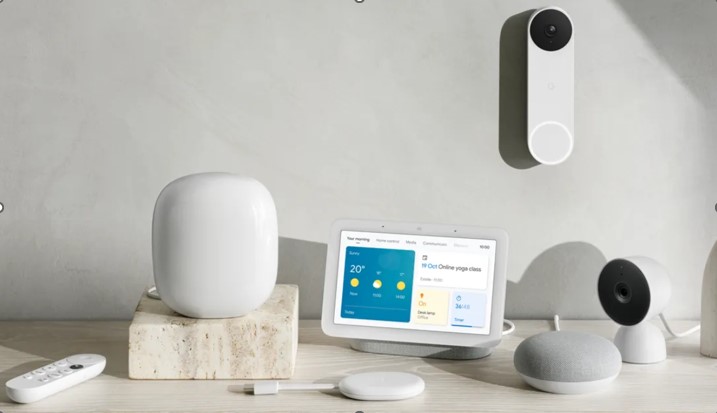
From voice-activated assistants to automated thermostats and security systems, the Nest line of products offers unparalleled convenience and control, allowing you to enjoy a more comfortable and efficient living space. In this post, I'll highlight the top Google Nest devices that you should consider for your home. Get ready to take your living space to the next level with some of these cutting-edge Google products online stores offer.
Nest Hub
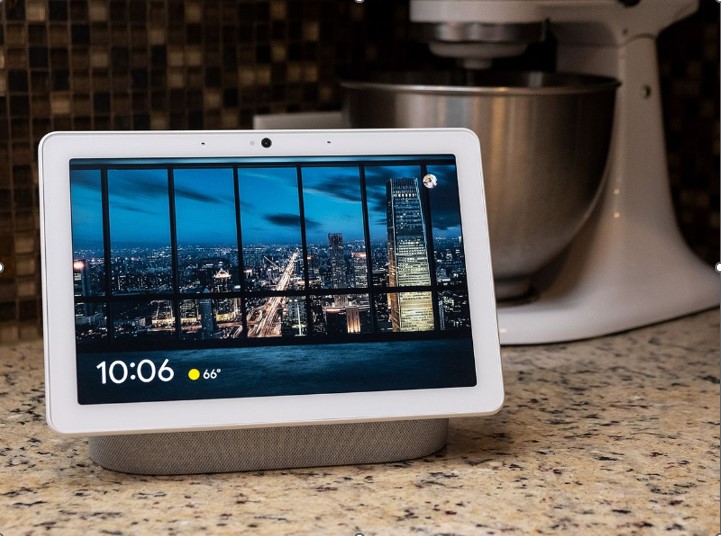
The Nest Hub is a fantastic device with many benefits. It's essentially a smart display that helps you manage your daily tasks and activities. With voice commands, you can ask it to play music, show your calendar, check the weather, set reminders, and even control other compatible smart devices in your home. This means that it allows you to do things like turn off the lights or adjust the temperature without ever having to get up from your sofa.
Another benefit of these Google products is that they help keep you organized. You can use the Nest hub to create to-do lists and set reminders. This is especially useful if you have a busy schedule or tend to forget things easily.
It also has a built-in speaker and can display photos from your Google Photos account. This means that you can use it to play music or watch videos while you're doing other things around the house. And because it has a screen, it lets you make video calls or watch cooking videos while you're in the kitchen.
This product's connectivity with other smart devices is one of its best features. You can use it to manage devices like your smart locks, thermostat, and lighting. It becomes a central center for all of your smart home gadgets as a result, making your life much simpler.
Nest Wi-Fi Router
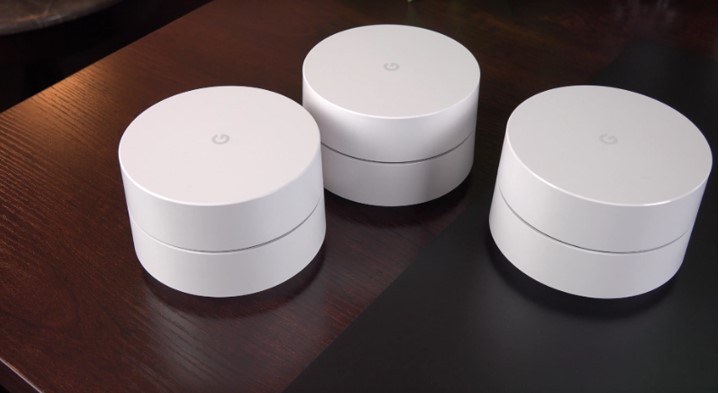
The Nest Wi-Fi Router is a mesh system that helps eliminate dead zones and provides reliable internet coverage throughout your home. It's designed to be easy to set up, and you can use the Home app to manage your network and make any necessary changes.
These Google products' online speed is their best feature. They employ cutting-edge technology to provide your entire home access to quick, dependable internet. This entails that there won't be any delays or buffering as you watch movies, play games, or surf the internet!
Nest Camera
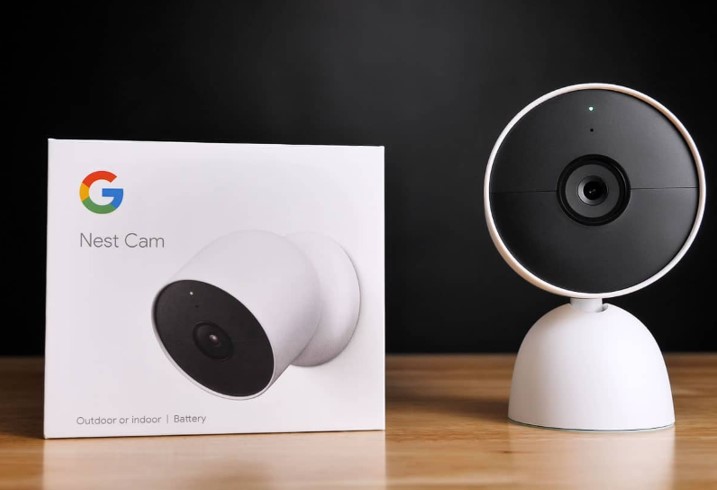
Nest Cameras are a great product for anyone looking to keep an eye on their home. You can use the Google Home app to connect and manage your cameras, and you can view live footage from your phone or tablet. This lets you keep an eye on your home from anywhere in the world if you have an internet connection.
These Google products Australia tech stores offer are an excellent addition to your baby nursery! They let you view live footage, so you can check in on your baby at any time and make sure they're sleeping safely and comfortably. They also come with a variety of features that make them especially well-suited for use in a nursery. For example, they have night vision capabilities that allow you to still see your baby even in low light conditions. They have motion and sound detection, so you'll be alerted if your baby wakes up or starts crying.
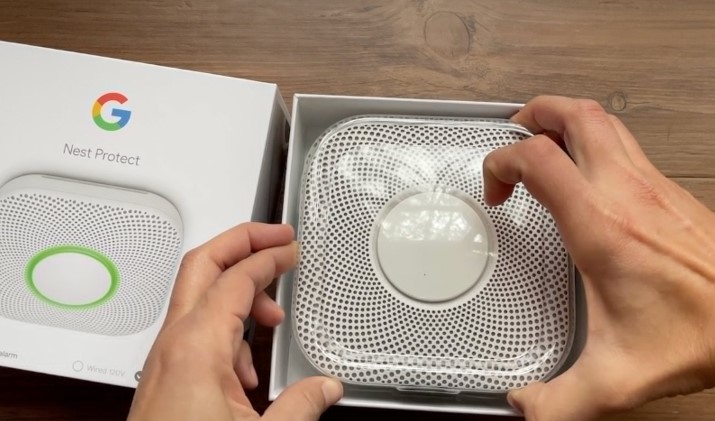
Nest Protect Smoke Alarm
You can feel completely secure in your home's security thanks to this fantastic piece of technology. The Nest Protect is a high-tech smoke and CO detector that connects to your home WiFi network. Even while you are not at home, it sends you warnings to your phone if it detects smoke or carbon monoxide. Additionally, if you have more than one Nest Protect in your house, they can talk to one another to give you an even fuller picture of what's happening.
But the Nest Protect isn't just any old smoke alarm. When you purchase Google products like these, you get a bunch of practical features. For example, they have a built-in speaker that can give you voice alerts in addition to the standard beeping. And, if you have a Nest thermostat, the Nest Protect can communicate with it to turn off your furnace if it detects carbon monoxide.
Nest Doorbell
The Nest Doorbell is a nifty little gadget that makes a big difference in the security of your home. It's a smart doorbell that connects to your Wi-Fi network and allows you to see and communicate with anyone who comes to your front door, even when you're not home.
One of the coolest things about it is its ability to send you alerts and video clips when someone rings your doorbell or approaches your front door. This lets you keep an eye on your home even when you're away, and you can even use the two-way audio feature to talk to whoever is at the door. You could even use it to let delivery drivers know where to leave your packages if you're not home!
Are Google Nest Products Worth It?
Nest products are a great investment if you're looking to make your home more comfortable, secure, and convenient. One of the best things about these products is their integration with Google Assistant and other smart home platforms. This means you can control your Nest devices with your voice, your smartphone, or even your smartwatch. And with the ability to create customized routines and automation, you can tailor your smart home to fit your lifestyle and needs.
Another advantage of these products is their advanced features and technology. For example, the Nest Learning Thermostat learns your preferences and automatically adjusts the temperature of your home to save energy and money. The Nest Cam IQ can recognize faces and send you personalized alerts when someone it doesn't recognize enters your home. And the Nest Hello Doorbell shows you a live video feed of who is at your door, even when you're not home!
From smart thermostats to doorbells, cameras, and smoke detectors, the possibilities are endless with smart Google products. So why not take the first step towards a fully connected smart home and make your life a little easier?
Read Also:
Abdul Aziz Mondol is a professional blogger who is having a colossal interest in writing blogs and other jones of calligraphies. In terms of his professional commitments, he loves to share content related to business, finance, technology, and the gaming niche.
Are you searching for what is a Google Click Fraud and how you can save your PPC campaign from that? Well, if your answer is a YES, then you have reached the right place.
There are a number of things that happen on the internet. While most of them are for the good, a major part is for the worse. And one of them is the cases or issues like scams or fraud.
Well, if that is something that you want to deal with, then you have reached the right place, for the information. Keep reading this article till the end to learn more…
What Is Google Click Fraud?
Image Source: clicktrackmarketing.com
Click fraud is a deliberate fraudulent practice associated with PPC adverts. In order to use up all of a company's advertising budget, it means clicking on an advertisement unlawfully. Falsely exaggerating the amount of clicks on a pay-per-click ad is a common black hat tactic.
Either to help the income of a site that has promotions or to go through a promoter's all's publicizing spending plan, click misrepresentation is committed. Furthermore, click fraud is utilized by cybercriminals to lift hazardous sites in query items, giving them a more reliable appearance.
Ad publishers are clicking on the advertisements displayed on their own websites to increase revenue for themselves. Advertisers are attempting to undermine their competitors by pushing up their expenditures and reaching their budget caps early in the day.
In other words, click fraud targets those who regularly click on PPC ads to produce false charges for the business even though they have no intention of making a purchase. Essentially, click scams are any types of purchased links that are not real. Bots, other rivals, and inadvertent clicks can all do these fraudulent jobs.
Key Point: When a person, computer program, or produced script takes advantage of online advertising by repeatedly clicking on a PPC (pay-per-click) advertisement to generate erroneous charges, this is known as click fraud. For internet organizations, click fraud raises advertising costs, decreases conversion rates, and skews user data.
How Does A Click Fraud Work?
Large-scale click fraud is frequently automated using a bot or another program that impersonates a real person visiting a website. In an effort to fool a platform into thinking it is a person who wants to buy what the advertisement is selling, the bot clicks on an advertisement repeatedly.
A casualty of snap extortion is probably going to see an enormous number of snaps coming from a solitary PC, and promoting organizations and sponsors may likewise find this traffic dubious.
However, fraudsters can get around this by utilizing a virtual private network (VPN) to route bot communication through various Internet Protocol addresses that are constantly changing. In order to avoid being discovered, they can also engage in click fraud by employing numerous computers spread across various regions.
The con artists may launch a fraud campaign where they post the advertisement on websites made specifically for that purpose rather than real websites. And since there is no real content available to users, a site like this is unlikely to have any real organic traffic. Once the ads are up, bots produce significant amounts of false clicks and invalid traffic, for which the con artist charges the affiliate program's owner.
Attempts by malicious parties to make it seem as though a publisher is clicking on its own adverts in order to make money are also possible. With this action, the advertising network hopes to break off contact with that publisher.
Can Google Click Fraud Affect A Website?
You might be thinking, “so, does this click fraud affect a website?”
The simple answer is YES!
“But how?”
Here is the answer:
In the end, this procedure lowers conversion rates, raises advertising expenses, and skews user data for advertisers. Those in charge of running advertising campaigns won't know how effective an advertisement is if bots and other scripts engage with it.
The end user may be persuaded by commercials to watch or view them even when they have no real intention of buying the product being promoted, or the adverts may be so subtle that they are barely noticeable to them.
The industries most impacted by click fraud, according to ClickCease, a vendor of click fraud detection software, include pest control, photography, plumbing, and locksmithing, while click fraud touches practically every industry.
Can Google Click Fraud Harm Your PPC Campaign?
Image Source: volusion.com
Some of you may not be aware of the damage that click fraud can cause to your business. For them, here is how click fraud affects your ad campaign.
Here are some of the ways in which Google Click Fraud might harm your PPC campaign. Take a look at these:
1. Providing Flawed Business Insights
Click fraud will cost your business money in other ways besides just draining the present budget with fictitious charges. Additionally, it provides fake marketing data that you might utilise to inform your judgements. This inaccurate data frequently affects campaign metrics negatively by steering your future plan in the wrong direction.
2. Unnecessary Charges
The most damaging and obvious consequence of click fraud is the inflated costs your business must face as a result of phoney clicks on your adverts. It can even end up using up all of your PPC marketing budget.
3. Making Your Campaign Reach Daily Limit
Companies frequently set a daily cap on PPC ad clicks. Your campaign will quickly exceed its limit if click fraud is present, without really helping your company in any way.
Additionally, when your limit is reached, your rival's adverts will start to appear there. As you can see, this activity will have a long-term impact on the development and ROI of your business without a click fraud prevention service.
4. Exhausting Future Ad Budget
It goes without saying that click fraud will cause you to exhaust your advertising budget. In addition, it will provide you with false information and persuade you to alter your marketing plan. This inaccurate data will therefore waste money that could have been spent in the future.
What Is Google And Other Search Engines Doing About Click Fraud?
For failing to take extra steps to spot and stop click fraud, search engines have taken a lot of heat for years. This suspicion is not without foundation. Keep in mind that every click, regardless of whether it is harmful or not, brings in money for the search engine that is displaying it. Therefore, all of the main ad platforms have established their very own task forces to combat click fraud in order to uphold their reputations (and ease the worries of anxious advertisers).
When it comes to PPC, Google considers any engagement that doesn't originate from real people who have genuine interest in an advertisement to be invalid or fraudulent. Some fraudulent traffic is unintentional, such as when a poorly positioned advertisement blocks a user's attempt to click on something. Some are intentional, such as botnets or other marketers who click on advertising to drain the budgets of their rivals.
By far the most effective anti-click fraud programme has been developed by Google. Automated filters are the first step in their three-pronged detection system. In-the-moment invalid clicks are identified and removed by sophisticated algorithms before advertisers are ever billed. Google's Ad Traffic Quality Team also performs human, offline analysis and eliminates any clicks that they deem incorrect before charging advertisers because these filters cannot be trusted to identify all fraudulent clicks.
In addition to these preventative steps, Google also starts inquiries in response to tips of questionable conduct from advertisers. When malicious clicks are discovered, they are flagged as "invalid" and credits are added to the account.
How Can You Detect The Google Ads Fraud?
According to several reports, it has been seen that there has been a significant rise in the click fraud issue over the past few years. As per the reports published by Search Engine Journal, “click fraud saw significant increases across all types of ad formats” in the year 2020.
With 36% of all clicks on Display advertising being false, this category saw the most click fraud. Many fraud rings and criminal gangs devote a lot of time to deceiving advertisers with false websites, largely due to the motivation of revenue sharing from each click.
Only 11% of all clicks on search advertising were found to be fake, which is the lowest amount of fraud. These are the least profitable for fraud rings and gangs because there is little money to be generated from clicking on other advertisers' advertising, but they are extremely valuable to unethical competitors.
Almost every advertiser is impacted in some manner by the extent of fraud in the industry. According to our own client data, 83% of advertisers had high levels of fraud in their accounts during the previous 12 months, compared to 13% who had little to no fraudulent activity.
Well, if you are unsure whether you are a victim of the Google Click fraud, it is important that you learn how to detect them. Here are the signs that can indicate click fraud in your pay per click campaign:
Repeated clicks from the same internet service provider (ISP);
High click-through rates with low Conversion rates; and
A drop in page views while experiencing peaks in impressions.
If an organization continuously monitors the performance of its advertisements, these three indicators may become apparent.
How To Solve The Google Click Fraud Issue?
Many advertisers continue to view click fraud as a serious issue, despite Google's assertions that it is intensifying efforts to eradicate it. If you think you can't just rely on Google to filter out fraudulent clicks, you should take matters into your own hands.
Here are some of the tips of how you can stay safe from Google Click Fraud:
1. Set up IP Exclusions In Google Ads
You can prevent your advertisement from being served to the IP address associated with invalid clicks in the future if you have done your research and located it. Then you only need to go to the Settings tab and scroll down to the IP Exclusions setting to set up an exclusion. You only need to enter the offending addresses from that point on, and you'll be good to go!
2. Adjust Targeting Ads
Sometimes, a minor adjustment to your targeting is all that is needed to get rid of fraudulent clicks. It very well might be useful to eliminate these locales and their connected dialects assuming you suspect that click misrepresentation is starting from a specific geographic region (typically, "click farms" are headquartered with low labor costs in poorer countries).
If you think a competitor is committing click fraud, you can additionally exclude their zip code, area, etc. One thing to keep in mind is that while doing this, you must be careful not to reduce BAD traffic. Only choose these exclusions if you honestly believe that the majority of the clicks produced in these places are false.
3. Turn to Facebook/Twitter Ads
The astonishing thing about utilizing these stages is that your promotions will Just show on these stages, which dispenses with the requirement for any association from outside distributers. A substantial source of click fraud is eliminated by this. However, what about clicks from hostile competitors?
In reality, in light of the fact that paid informal communities have such exact high level focusing on potential outcomes, this sort of snap extortion is more uncommon on such stages. Because ad placement is based on a keyword search, it is much harder for competitors to find your ads.
Click Fraud Software For Protection: How Do They Work?
There are a number of click fraud protection technologies available, and they all operate somewhat differently. The software utilises algorithms to analyze different data points and evaluate if the visit is genuine or fraudulent, to give you the CliffsNotes version.
When it finds an IP address (or false social media account), it immediately prevents that IP address and those accounts from ever seeing your advertising or being able to click on them again.
Cleaner PPC traffic, less wastage, and improved ROI were the outcomes.
It should be noted that no programme I've seen makes the claim to completely eradicate click fraud. For instance, it's simple to picture how a rival can routinely click on your adverts from several IP addresses in a style that resembles the actions of a genuine lead. Those trips would probably avoid the traffic filtering algorithms used by these technologies.
Best Click Fraud Detection Software To Use In 2023!
Software that monitors click fraud in relation to pay-per-click (PPC) advertising and/or protects against it. These technologies are used by advertisers to identify manual or automated attempts to falsely inflate the number of clicks on their ads.
With each click, click fraud software collects data such as IP addresses, locations, device information, and more. To evaluate if a click should be considered fraudulent, this data is analyzed and cross-referenced with the repository of fraudulent behaviors and devices for click fraud products.
Numerous click fraud programs have the ability to immediately prevent any verified fraudulent clickers from seeing new advertisements. Advertisers can access dashboards within these platforms to examine reporting and monitoring on threats and/or fraudulent activities.
Here are the best click fraud detection software of 2023 that you can use to detection these fraudulent activities in your PPC campaign:
ClickCease
Clixtell
TrafficGuard
Beacon
Click Guardian
Fraud Blocker
Spider AF
Wrapping It Up!
In case you were searching for the answer to what Google Click Fraud is and how you can save yourself from the same, I hope that this article has been of help to you. If there are any other queries related to the same, please feel free to let me know. All that you need to do is scroll down till you reach the bottom of the page, Then leave your queries and comments in the box below. And I will be there to answer them all for you! Till then, stay safe and keep safe!
More Resources:
The Basics on Google Local Algorithm
Ways To Use Google Analytics To Find Content Ideas
Save Money Buying Engagement Rings And Wedding Bands Using These Ingenious Tips
If you should search Google or type a URL, you have your answer right here! Search Google is one of the most widely used search tools if someone wants to find something online. Even so, there are other ways.
There is no good or bad way of doing this! However, depending on certain factors, there might be a preference. There are other search engines such as Yahoo!!, DuckDuckGo or Bing, apart from Google. Different ways include typing a URL and selecting a website from social media platforms.
Yet, the two most popular ways of visiting websites or looking for information are to type a URL (Uniform Resource Locator) or type in the Omnibox of Google. Keywords are another way in which information and websites can be searched.
At times, the URL of a website might be complex to remember; hence, to focus on specific content, you must search using the keywords or the name of the website on the Omnibox of Google.
Should I Search Google Or Type A Url? Know Your Answer!
Image Source: digitaltrends.com
Omnibox is a search box that appears when you open a new page on the Google browser. It has the default words “search Google or type a URL,” guiding users to do either of the two to find a website. Once you search Google or type URL, you have to press Enter to see the direct outcome of the search.
There is also an option of searching through images on the right-hand side of the tab when opening a page of the Google browser. Users can also log in to their Gmail on this page, on the upper right-hand side of the browser.
A feature named Search Google or Type a URL is also present in the update of Chrome Canary. It is a leading-edge browser version and has been the most updated version of the domain. Navigating this site is similar to navigating Google.
What Is A Search Engine?
A search engine is a program that allows typing search topics or words and identifies them to match particular criteria in the data. The items that match the search are then displayed on the browser. Yahoo, Bing, and Google are popular search engines used across the globe.
Yahoo comes second in popularity to Google, while Bing is someplace in the middle concerning the relevance of Yahoo and the accuracy of Google. The relevance of Yahoo search is far better than Google; however, the accuracy of Google cannot be matched by either of these.
Search engines like Google work based on the information that matches the database and the keywords or phrases typed on the search engine. Search google or enter an address works regarding the identification of the index. The algorithm has been created to display the websites that match relevance and are indexed.
Pros And Cons Of Using Google Search
A Google Search is the easiest way to find information if you need to remember the URL address. Once all the relevant information and websites have been displayed, they can be sifted through by the users and accordingly accessed.
It can be time-consuming because, at times, the relevance ratio is much less than other websites. It leads to you going through 2 to 3 pages of the search results before you find what you are looking for.
Searching information or websites on Google using words or phrases is a common step for all of us; however, there are certain pros and cons to the practice based on the purpose of your search.
ProsConsMay not be relevant to the search input information overloadWith the paid search placements, results can be biasedMay not be relevant to the search input information overload with the paid search placements, results can be biased
What Is Typing An Url?
Uniform Resource Locator or URL is like the exact address to locate a website; hence, it is identified as one of the pillars of the Internet. Along with URL, HTTP and hypertext are other pillars. It is through these sources that the browsers can retrieve all published pieces of information.
The link on the address bar of a website is the URL of the website and can be used to find the website directly. It is the ideal choice if you want the specific search result; however, remembering the URL can sometimes be difficult.
You can also use phrases or words that are present in the URL, which might display more closely relevant options. If it is an important website that users regularly visit, they can access it in the history or copy and paste it into a Word document or notes.
Pros And Cons Of Typing A Url To Search
Quick access is the key advantage of typing a URL. Certain specific keywords can be used for the website, such as the name of the website. It is also time-saving, considering typing a correct URL will directly take you to the website.
A URL is a unique resource that represents a resource, and it is associated with the website, which must be managed effectively. Based on its uses, the pros and cons have been identified.
ProsConsDirect access to the webpage or website with direct access, it can bypass the search resultsTime savingDirect access to the webpage or website with direct access, it can bypass the search results time saving
So What Is Better? Searching Google Or Typing A Url?
The main difference between typing a URL or searching on Google is that keywords or phrases will access multiple resources while the search or type web address is specific. Typing a URL is only effective if you know the website's address. However, if the search result is not exact, it will not give any productive results.
The choice depends on the users and their fluency when accessing a specific search option, whether through Google search or by typing a URL. It is also based on the purpose of the investigation. So, for example, if someone needs to find a specific website, typing a URL is better.
Search Google is a better option if a person wants to find information related to a specific topic or situation. There are also Google Autocomplete Predictions that are significant in further helping in the search.
Overall, the choice depends on the purpose and the user concerning what they are choosing.
Conclusion
Please read the article to learn more about your choice's effectiveness in finding information or a website by searching Google or typing a URL. Additional information has also been provided regarding the pros and cons of the options.
Comment below about what you prefer when searching for something online and why.
More Resources:
Google Feud Unblocked: All You Need To Know About In 2023
How Was Google In 1998? | Google 1998 Easter Eggs And More
Are you an avid Android user who loves exploring the vast world of apps, games, and digital content on Google Play? If so, you've probably come across Google Play gift cards at some point. These cards are a convenient way to add credit to your Google Play account, allowing you to purchase apps, games, movies, music, and more. In this guide, we'll dive deep into the world of Google Play gift card balances, from how to check your balance to tips on making the most of your credit.
What Are Google Play Gift Cards?
Image Source: openseauserdata.com
Imagine having a secret treasure chest filled with digital wonders just waiting to be unlocked. Well, that's precisely what Google Play gift cards are! These nifty cards are like your golden tickets to the enchanting world of apps, games, music, movies, and more on Google Play.
In simpler terms, Google Play gift cards are prepaid cards that carry a magical code hidden beneath a scratch-off layer. This code is your very own spellbook, ready to conjure digital riches. You can find these cards in various flavors, from a humble $10 to a majestic $100, giving you the power to choose how much treasure you'd like to amass.
But the real charm of these cards is how they work. Just imagine you're a wizard (a tech-savvy one, of course) and you've uncovered the magical incantation. With a flick of your digital wand (or just your phone), you open the Google Play Store and, in the secret menu, you choose "Redeem."
That's where the magic happens. You gently whisper the code into the store's ear, and voilà! Google Play recognizes your spell and adds the card's value to your account. It's like depositing gold coins into your personal vault but in the digital realm.
Now, you're ready to explore the mystical aisles of the Play Store. From apps that can turn you into a guitar-strumming rockstar to games that transport you to far-off galaxies, your Google Play gift card balance is your passport to a world of endless entertainment and productivity.
So, in a nutshell, Google Play gift cards are your tickets to a digital adventure filled with apps, games, movies, music, and more. It's like having your very own treasure map to the digital realm, and the best part is, you get to choose the loot!
Where Can You Buy Google Play Gift Cards?
Image Source: wealthofgeeks.com
So, you've got the itch to dive into the world of Google Play, but how do you get your hands on those magical Google Play gift cards? Fear not, intrepid digital explorer, for we're about to unveil the treasure map to these coveted cards.
Imagine this: You're strolling through the aisles of your neighborhood supermarket, a shopping cart filled with essentials and a sense of anticipation. As you round a corner, you spot them – Google Play gift cards! Nestled among the snacks and magazines, they beckon like hidden treasures waiting to be discovered.
But that's not the only place these gems are hidden. Picture yourself at the local convenience store, grabbing a quick snack for the road. Right there by the cash register, they're hanging on a display, waiting for someone with an eye for adventure.
Feeling tech-savvy and prefer the click of a keyboard to the buzz of the store? No worries! Online marketplaces like Amazon are your trusty companions. With a few clicks and the power of the internet, you can have a virtual Google Play gift card winging its way to your email in mere moments.
Even big-box electronics stores have hopped on board the digital journey. Imagine strolling through aisles of gadgets and gizmos when, lo and behold, a Google Play gift card display appears like a portal to digital delight.
How To Redeem A Google Play Gift Card?
Redeeming a Google Play gift card is like unlocking a treasure chest of digital wonders. It's a simple process that brings the power of choice to your fingertips.
Imagine you're holding that sleek, shiny gift card in your hands, eagerly waiting to turn it into app-filled excitement. First, you'll want to scratch off the secret code on the back. It's hiding beneath a silvery layer, waiting for you to reveal its magic.
Now, take out your trusty Android device, the portal to your digital kingdom. Open the Google Play Store app – it's the gateway to your dreams. In the upper-left corner, you'll spot three horizontal lines, like a secret code of your own. Tap on them to open the menu.
In the menu, you'll find an option that's music to your ears: "Redeem." It's your ticket to unlocking your gift card's value. Tap on it and enter the unique code you unveiled earlier, making sure each digit dances into place.
With a tap on "Redeem," Google Play will spring into action, verifying your code and adding the gift card balance to your account. It's like depositing gold coins into your digital vault.
A confirmation message will pop up, and you'll know you've successfully claimed your treasure. Now, your Google Play account is loaded and ready for action. You can explore the vast realm of apps, games, movies, music, and more with the power of your gift card balance.
Checking Your Google Play Gift Card Balance
Image Source: techbanta.com
Checking your Google Play gift card balance is essential to keep tabs on your available funds for app purchases, entertainment, and more. Fortunately, it's a straightforward process, and we'll walk you through various methods to ensure you can always stay in the know about your Google Play credit.
1. Using The Google Play Store App
The Google Play Store app is your gateway to the world of Android apps and digital content. It's also where you can easily check your gift card balance. Here's how:
Step 1: Open The Google Play Store App.
Unlock your Android device and locate the Google Play Store app. It's usually represented by a colorful triangular play button icon. Give it a tap to open.
Step 2: Access The Menu.
In the upper-left corner of the Google Play Store, you'll notice three horizontal lines (also known as the "hamburger menu"). Tap on this icon to open the menu.
Step 3: Navigate To "Payment Methods."
Scroll down the menu until you find "Payment methods." It's typically located near the middle of the list. Give it a tap to proceed.
Step 4: View Your Google Play Balance.
Once you're in the "Payment Methods" section, you'll see a summary of your payment methods, including your Google Play balance. Your balance will be displayed prominently at the top of the screen, so you can easily check how much credit you have available.
Pro Tip: This method is convenient and accessible if you frequently use the Google Play Store app on your Android device.
2. Using The Google Play Website
You can also check your Google Play gift card balance from the comfort of your computer using the Google Play website. Here's how:
Step 1: Visit The Google Play Website
Open your preferred web browser and go to the Google Play website. Make sure you're signed in with the same Google account that's associated with your gift card.
Step 2: Access Your Profil
In the upper-right corner of the Google Play website, you'll see your profile picture or initials. Click on it to access a dropdown menu.
Step 3: Select "Payments & subscriptions"
In the dropdown menu, you'll find "Payments & subscriptions." Click on this option to proceed.
Step 4: Check Your Google Play Balance
You'll be directed to a page where you can view and manage your payment methods and subscriptions. Your Google Play balance will be visible on the screen, allowing you to see your available credit at a glance.
Pro Tip: Using the Google Play website is a convenient way to check your balance if you're on your computer or prefer to access it through a web browser.
3. Checking By Phone
If you prefer a more hands-off approach or are in a hurry, you can check your Google Play gift card balance by phone. Here's how:
Step 1: Dial Google Play Customer Support
On your phone, dial the customer support number provided by Google Play. The number may vary depending on your location, so be sure to check the official Google Play support page for the correct number.
Step 2: Follow The Automated Prompts
Once you're connected, follow the automated prompts provided by the phone system. Typically, there will be an option to check your gift card balance. Listen carefully and select the appropriate option.
Step 3: Hear Your Balance
The automated system will provide you with the current balance on your Google Play gift card. Make sure to jot down or remember the amount for reference.
Pro Tip: Checking your balance by phone is a convenient option when you're on the go and need quick access to your credit information.
4. Gift Card Receipt
Image Source: storage.googleapis.com
In some cases, especially if you have a physical gift card, the original receipt from the purchase of your gift card may include your current balance. Be sure to keep your receipt in a safe place, as it serves as proof of purchase and can be helpful if you ever need to verify your balance.
Pro Tip: Consider storing your gift card receipt digitally or in a secure physical location to ensure you have a backup record of your balance.
Managing Your Google Play Gift Card Balance
You've got that shiny Google Play gift card burning a hole in your pocket, and now it's time to dive into the digital playground. Let's talk about how you can maximize your Google Play balance, making sure those virtual dollars get put to good use.
1. App And Game Bonanza
Picture this: You're browsing the Google Play Store, and you stumble upon that app you've been eyeing for ages. It's time to pounce! Your Google Play gift card balance is your golden ticket to unlocking premium apps and games without resorting to your trusty credit card. Feel the rush of gaming like a pro or boosting your productivity with premium apps - all with a swipe of your Google Play gift card.
2. Silver Screen Dreams
Who needs a movie night out when you have the cinema in your pocket? With your gift card balance, you can rent or purchase movies and TV shows from Google Play Movies & TV. It's like having your own personal movie theater, complete with popcorn and comfy pajamas.
3. Musical Magic
Music lovers, rejoice! You can use your balance to subscribe to Google Play Music, now known as YouTube Music. No more annoying ads interrupting your jam sessions. Rock out to your favorite tunes, discover new artists, and create epic playlists with the power of your Google Play gift card.
4. Literary Escapes
Bookworms, this one's for you. Google Play Books offers a treasure trove of ebooks and audiobooks waiting to transport you to different worlds. Whether you're into thrilling mysteries or heartwarming romance, your gift card balance can open the doors to countless literary adventures.
5. Subscription Sensation
Ever heard of Google Play Pass? It's your all-access pass to a world of apps and games without the nuisance of ads or in-app purchases. And guess what? Your balance can cover the cost. Dive into a vast selection of premium content, from games that'll keep you entertained for hours to productivity apps that make life easier.
6. Powering Up In-Game
For the gamers out there, your Google Play gift card balance isn't just credit; it's your secret weapon. Use it to get that coveted in-game currency, unlock game-changing upgrades, and snag those epic items that'll give you the edge over your digital foes.
7. Spreading The Joy
Feeling generous? Share the love by gifting apps, games, movies, or music to friends and family. Your Google Play balance can cover the cost, making you the hero of the day. Spread smiles one virtual gift at a time.
8. Google One Storage Stash
If you're a Google One subscriber, your balance can come in handy to pay for your storage plan. Keep your precious photos, documents, and memories safe and sound in the cloud with ease.
Tips For Maximizing Your Google Play Credit
Last, but not the least, let's dive into those tips for making the most of your Google Play credit. Think of it as a guide to getting the best bang for your buck while enjoying all the digital goodness Google Play has to offer.
1. Wait For Sales
One savvy way to stretch your Google Play credit is to keep an eye out for sales and promotions. Just like your favorite stores have seasonal discounts, so does Google Play. Apps, games, and even movies often go on sale, sometimes at deep discounts. So, if you can hold off on that purchase for a little while, you might snag it at a better price during a sale. It's like getting a discount on top of a discount!
2. Combine Payment Methods
Got a Google Play gift card but it's not quite enough to cover that awesome app or movie you want. No problem! You can use your gift card balance along with a credit or debit card to make up the difference. It's a smart way to maximize your credit and still get what you want. So, don't be shy about mixing payment methods to get what you're after.
3. Set A Budget
It's easy to get carried away when you have Google Play credit burning a hole in your digital pocket. To keep your spending in check and make your credit last longer, set a budget. Decide how much of your credit you want to use for apps, games, or other content. Having a budget helps you enjoy your digital shopping spree without the guilt of overspending.
4. Explore Free Content
Google Play is a treasure trove of free apps, games, books, and more. To make your credit go further, explore the vast selection of free content available. You might just find a gem among the freebies that keeps you entertained without spending a cent of your credit. It's a great way to be frugal while still enjoying the best of what Google Play offers.
5. Share With Family
If you're part of a tech-savvy family, consider setting up Family Sharing. This nifty feature allows you to share your purchased apps, games, movies, and more with family members. It's like a digital hand-me-down that lets everyone in the family enjoy what you've bought. This way, you maximize the value of your purchases across multiple devices and users.
6. Keep Your Balance Active
Google Play gift card balances typically don't have an expiry date, which is fantastic. However, it's a good practice to use them periodically to keep your account active. Inactive accounts might face issues, so make sure you use your balance once in a while. Whether it's grabbing a new app, renting a movie, or buying a book, a little activity keeps your Google Play world running smoothly.
What Are Advantages Of Using Google Play Gift Card?
Image Source: lowyat.net
Now, you might be thinking about how they can be better than other methods of payment. I am here to help you out with that!
Let's dive deeper into the advantages of using Google Play gift cards. These little plastic or digital wonders offer a host of benefits for Android users looking to enhance their digital experience. Here are some of the that you should know about:
1. Convenience
Google Play gift cards are all about convenience. They allow you to add funds to your Google Play account without the need for a credit or debit card. This is particularly handy if you prefer not to share your financial information online or if you're dealing with a tight budget and want to keep better track of your app and content spending.
Imagine this scenario: you're on a road trip, and you suddenly decide you want to download a few new apps or games to keep yourself entertained. With a Google Play gift card, you can easily redeem it on your smartphone and start shopping right away, no need to dig out your credit card or worry about data security on public Wi-Fi.
2. Budget-Friendly
Managing your finances is crucial, and Google Play gift cards can be a valuable tool in budgeting your digital expenses. When you redeem a gift card, you're essentially setting a spending limit for yourself. Once the balance is used up, you won't be able to make any more purchases until you add more funds.
This budget-friendly feature is excellent for parents who want to control their children's spending on apps and games. Just load a specific amount onto the gift card, and your kids can enjoy their favorite digital content within limits.
3. Avoiding Unexpected Charges
Have you ever checked your bank statement and been surprised by a series of small charges for in-app purchases or subscriptions? Google Play gift cards help you avoid these unexpected charges by allowing you to prepay for content. When your gift card balance runs out, you won't accidentally incur additional charges unless you choose to add more funds.
This is especially useful if you've linked your Google Play account to a shared credit card or if you have multiple users on a single device. Gift cards help prevent those moments of "I didn't realize I was being billed for that."
4. Security
Online security is a paramount concern for many users, and rightly so. With Google Play gift cards, you can add funds to your account without sharing sensitive financial information. This means you can enjoy all the digital content Google Play has to offer with an extra layer of security.
Even if you're shopping on a public Wi-Fi network, you can rest assured that your gift card redemption is a relatively safe process. It's a great way to protect your personal and financial data while still indulging in your favorite apps and media.
5. Gifting And Sharing
The act of gifting is made incredibly easy with Google Play gift cards. They make fantastic presents for friends and family, especially for those who are tech-savvy or have a passion for digital content. Whether it's a birthday, holiday, or just a surprise gesture, a Google Play gift card can bring a smile to someone's face.
Furthermore, Google Play Family Sharing allows you to share your purchased content, including apps, games, movies, and books, with family members. If you've stocked up on Google Play credit through gift cards, it becomes a shared resource that benefits the whole family. Each member can use it to purchase their desired digital goodies.
6. No Expiry Date
One of the best things about Google Play gift cards is that they typically have no expiry date. Unlike some other gift cards that lose their value over time, your Google Play balance remains intact until you decide to use it. This means you can redeem a card and take your time deciding what to spend it on, whether it's next week or a year from now.
Wrapping It Up!
Google Play gift cards are a convenient and versatile way to add credit to your Google Play account, unlocking a world of digital content and entertainment. By understanding how to redeem, check, and manage your gift card balance, you can make the most of your credit while enjoying apps, games, movies, music, and more.
Checking your Google Play gift card balance is a simple yet crucial task that allows you to stay informed about your available credit for app purchases, digital content, and more. Whether you prefer using the Google Play Store app, the website, or your phone, or have a gift card receipt handy, these methods ensure you're always in control of your Google Play funds.
In case you want to know about how to check your Google Play gift card balance and more, I hope that this blog has been of help to you. If there are any other queries related to the same, feel free to let me know. All that you need to do is scroll down till you reach the bottom of the page, Then leave your comments and suggestions in the box below. And I will be there to help you out!
Learn More About:
“Is Google Chat Safe?” Let’s Find Out
5 Smart Ways To Boost Your Credit Score
5 Tactics to Improve Your Credit Score This Year
Everything You Need To Know About Google Play Refund In 2023













 The Nest Hub is a fantastic device with many benefits. It's essentially a smart display that helps you manage your daily tasks and activities. With voice commands, you can ask it to play music, show your calendar, check the weather, set reminders, and even control other compatible smart devices in your home. This means that it allows you to do things like turn off the lights or adjust the temperature without ever having to get up from your sofa.
Another benefit of these Google products is that they help keep you organized. You can use the Nest hub to create to-do lists and set reminders. This is especially useful if you have a busy schedule or tend to forget things easily.
It also has a built-in speaker and can display photos from your Google Photos account. This means that you can use it to play music or watch videos while you're doing other things around the house. And because it has a screen, it lets you make video calls or watch cooking videos while you're in the kitchen.
This product's connectivity with other smart devices is one of its best features. You can use it to manage devices like your smart locks, thermostat, and lighting. It becomes a central center for all of your smart home gadgets as a result, making your life much simpler.
The Nest Hub is a fantastic device with many benefits. It's essentially a smart display that helps you manage your daily tasks and activities. With voice commands, you can ask it to play music, show your calendar, check the weather, set reminders, and even control other compatible smart devices in your home. This means that it allows you to do things like turn off the lights or adjust the temperature without ever having to get up from your sofa.
Another benefit of these Google products is that they help keep you organized. You can use the Nest hub to create to-do lists and set reminders. This is especially useful if you have a busy schedule or tend to forget things easily.
It also has a built-in speaker and can display photos from your Google Photos account. This means that you can use it to play music or watch videos while you're doing other things around the house. And because it has a screen, it lets you make video calls or watch cooking videos while you're in the kitchen.
This product's connectivity with other smart devices is one of its best features. You can use it to manage devices like your smart locks, thermostat, and lighting. It becomes a central center for all of your smart home gadgets as a result, making your life much simpler.
 The Nest Wi-Fi Router is a mesh system that helps eliminate dead zones and provides reliable internet coverage throughout your home. It's designed to be easy to set up, and you can use the Home app to manage your network and make any necessary changes.
These Google products' online speed is their best feature. They employ cutting-edge technology to provide your entire home access to quick, dependable internet. This entails that there won't be any delays or buffering as you watch movies, play games, or surf the internet!
The Nest Wi-Fi Router is a mesh system that helps eliminate dead zones and provides reliable internet coverage throughout your home. It's designed to be easy to set up, and you can use the Home app to manage your network and make any necessary changes.
These Google products' online speed is their best feature. They employ cutting-edge technology to provide your entire home access to quick, dependable internet. This entails that there won't be any delays or buffering as you watch movies, play games, or surf the internet!
 Nest Cameras are a great product for anyone looking to keep an eye on their home. You can use the Google Home app to connect and manage your cameras, and you can view live footage from your phone or tablet. This lets you keep an eye on your home from anywhere in the world if you have an internet connection.
These Google products Australia tech stores offer are an excellent addition to your baby nursery! They let you view live footage, so you can check in on your baby at any time and make sure they're sleeping safely and comfortably. They also come with a variety of features that make them especially well-suited for use in a nursery. For example, they have night vision capabilities that allow you to still see your baby even in low light conditions. They have motion and sound detection, so you'll be alerted if your baby wakes up or starts crying.
Nest Cameras are a great product for anyone looking to keep an eye on their home. You can use the Google Home app to connect and manage your cameras, and you can view live footage from your phone or tablet. This lets you keep an eye on your home from anywhere in the world if you have an internet connection.
These Google products Australia tech stores offer are an excellent addition to your baby nursery! They let you view live footage, so you can check in on your baby at any time and make sure they're sleeping safely and comfortably. They also come with a variety of features that make them especially well-suited for use in a nursery. For example, they have night vision capabilities that allow you to still see your baby even in low light conditions. They have motion and sound detection, so you'll be alerted if your baby wakes up or starts crying.
 You can feel completely secure in your home's security thanks to this fantastic piece of technology. The Nest Protect is a high-tech smoke and CO detector that connects to your home WiFi network. Even while you are not at home, it sends you warnings to your phone if it detects smoke or carbon monoxide. Additionally, if you have more than one Nest Protect in your house, they can talk to one another to give you an even fuller picture of what's happening.
But the Nest Protect isn't just any old smoke alarm. When you purchase Google products like these, you get a bunch of practical features. For example, they have a built-in speaker that can give you voice alerts in addition to the standard beeping. And, if you have a Nest thermostat, the Nest Protect can communicate with it to turn off your furnace if it detects carbon monoxide.
You can feel completely secure in your home's security thanks to this fantastic piece of technology. The Nest Protect is a high-tech smoke and CO detector that connects to your home WiFi network. Even while you are not at home, it sends you warnings to your phone if it detects smoke or carbon monoxide. Additionally, if you have more than one Nest Protect in your house, they can talk to one another to give you an even fuller picture of what's happening.
But the Nest Protect isn't just any old smoke alarm. When you purchase Google products like these, you get a bunch of practical features. For example, they have a built-in speaker that can give you voice alerts in addition to the standard beeping. And, if you have a Nest thermostat, the Nest Protect can communicate with it to turn off your furnace if it detects carbon monoxide.
 The Nest Doorbell is a nifty little gadget that makes a big difference in the security of your home. It's a smart doorbell that connects to your Wi-Fi network and allows you to see and communicate with anyone who comes to your front door, even when you're not home.
One of the coolest things about it is its ability to send you alerts and video clips when someone rings your doorbell or approaches your front door. This lets you keep an eye on your home even when you're away, and you can even use the two-way audio feature to talk to whoever is at the door. You could even use it to let delivery drivers know where to leave your packages if you're not home!
The Nest Doorbell is a nifty little gadget that makes a big difference in the security of your home. It's a smart doorbell that connects to your Wi-Fi network and allows you to see and communicate with anyone who comes to your front door, even when you're not home.
One of the coolest things about it is its ability to send you alerts and video clips when someone rings your doorbell or approaches your front door. This lets you keep an eye on your home even when you're away, and you can even use the two-way audio feature to talk to whoever is at the door. You could even use it to let delivery drivers know where to leave your packages if you're not home!