












10 Ways to Pimp Out Your Ride

Published on: 03 February 2021 Last Updated on: 24 December 2024
Pimp Out Your Ride

How to Take Your Vehicle to the Next Level

As any car aficionado will tell you, the base model is only the first step to owning a truly pimped-out ride. If you’re currently rolling in a luxury brand like a BMW, Mercedes, or Lexus – that’s a great start – but there are ways you can take your ride to the next level. Consult the following ten tips for ways to elevate your ride, from interior to exterior.

Tip #1 – Window Tinting
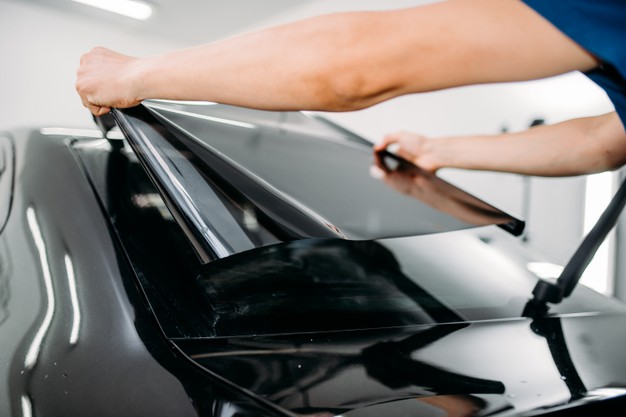
Window Tinting

Not only does tinting your windows keep the temperature in your car down, provide valuable privacy, and reduce glare, it also looks insanely cool. Car tinted windows add an air of mystery to any vehicle, and they’re also one of the more affordable customizations that you can make – typically running under $300 for the entire job. Car window tinting in San Diego typically only takes a few hours.

Tip #2 – Stereo

Stereo

A great stereo is a must-have for any tricked-out vehicle, and there are so many options these days that it’s easy to find something with all the features you could ever want. When it comes to stereo shopping, make sure to get something that’s got the aesthetic you like and voice features that keep you as hands-free as possible. Many stereos these days have Apple Carplay or Android equivalent so you can have your text messages read to you while you’re driving.

Tip #3 – Sound
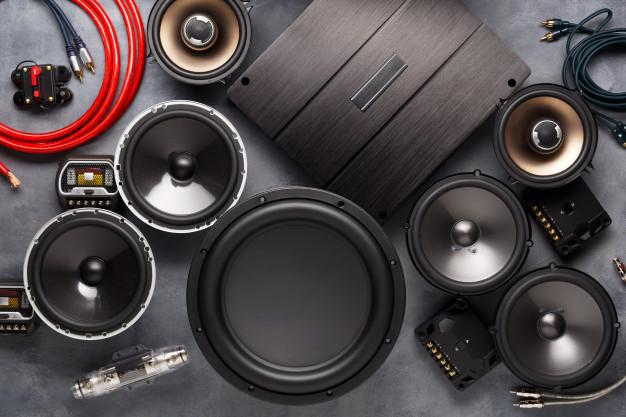
Sound

A cool stereo is only as good as the sound system it’s pumping out of. Remember, factory speakers aren’t usually built to last because they’re assembled out of weaker materials, such as cardboard. Invest in a quality system so you can make sure that your car sounds as good as it looks.

Tip #4 – Wheels
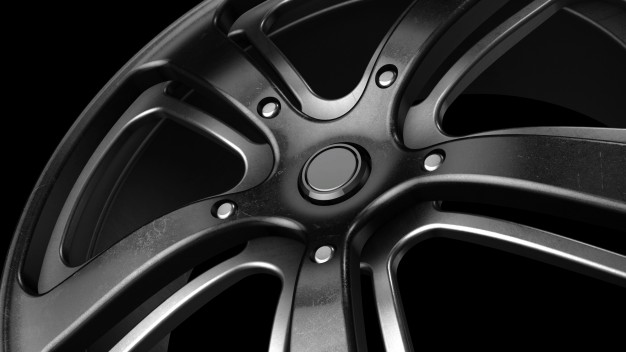
Wheels

Although the top-of-the-line brands are going to run you a pretty penny, there’s no better investment to pimping out your ride than a brand-new set of wheels (aka rims). The best part about wheel shopping these days is the customization options on the design and finish are nearly infinite. You can really personalize your ride with the right set.

Tip #5 – Lighting

Lighting

Don’t let nightfall keep people from noticing your ride. With custom lighting packages that are installed on the body and undercarriage of the car, you can get supremely cool lighting effects in several different colors. They’re the perfect touch for when you slip into dark mode.

Tip #6 – Seat Covers/Custom Seating
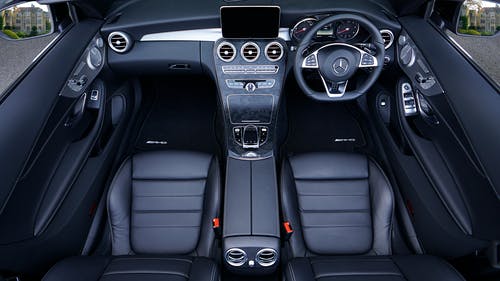
Seat Covers/Custom Seating

Run-of-the-mill factory seating doesn’t quite cut it if you’re looking to pimp out your ride. Fortunately, there are several options now for custom seating and seat covers so that your interior can reflect your personal style. Look into racing seats if you’re a driver that appreciates speed as much as style.

Tip #7 – Spoiler
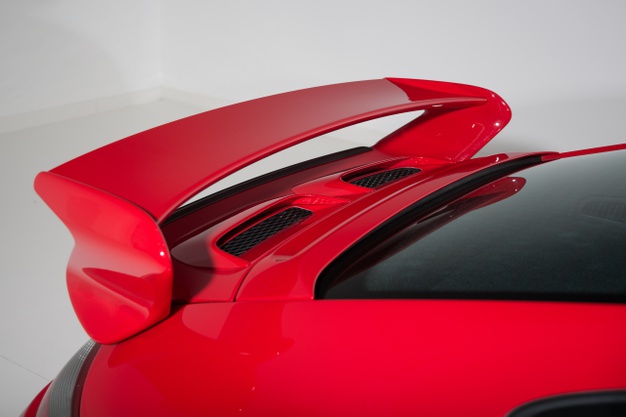
Spoiler

This is the cherry on top of any car that you’re trying to make a little sportier, and it’s not just for looks. A spoiler is going to give your car better traction by improving the airflow around the car, therefore creating more downforce. It’s a cool addition that also has a useful function.

Tip #8 – Steering Wheel
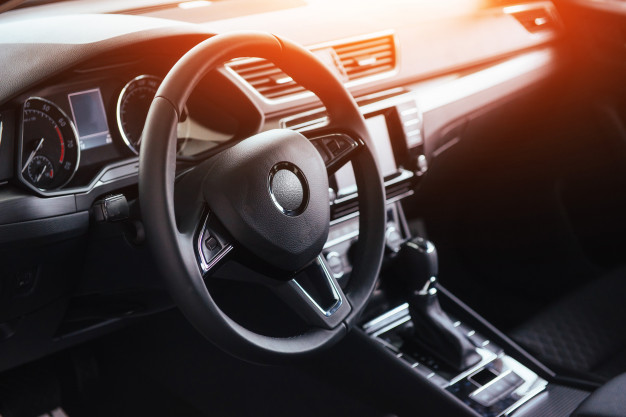
Steering Wheel

When it comes to personalized luxury vehicle options that you know you’ll use every drive, then you’ll want to get your hands on a custom steering wheel. You’ll not only have full control over the shape, size, and style of the wheel, you can even pick out the type of fabric that you want.

Tip #9 – Paint Job & Exterior Finish
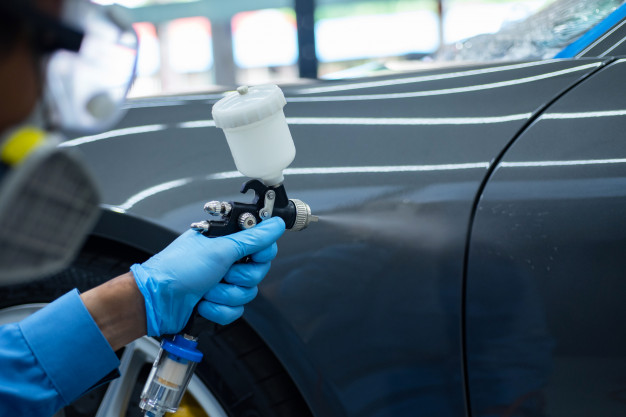
Paint Job & Exterior Finish

Nothing makes a car pop more than a high-quality paint job and finish, especially if you can invest in a non-factory color to distinguish yourself from the thousands of models like yours. And when you’ve landed on a shade of paint that speaks to you, don’t forget to top it off with a protective film to ensure it doesn’t get chipped or damaged.

Tip #10 – Camera Systems

Camera Systems

Pimping out your ride doesn’t stop at how the world sees your car. It also means giving your car the ability to see. Yes, we’re talking about camera systems, which can automatically make a car more fun (and safer) to drive because you’ve got an extra set of eyes looking out for you. These come in handy if you’re not great with parallel parking on the street.

Prioritize Then Buy:

We’ve covered ten of the most popular options for pimping out your ride, but there are limitless ways to customize your vehicle. What we recommend is prioritizing your top three or four and investing from the top down. This way you know the front-end money of what you’re buying is going towards the mods that are important to your car’s overall look and feel.

Read Also:

Content Rally wrapped around an online publication where you can publish your own intellectuals. It is a publishing platform designed to make great stories by content creators. This is your era, your place to be online. So come forward share your views, thoughts and ideas via Content Rally.

View all posts

Leave a Reply

Your email address will not be published. Required fields are marked *

Related

Denise Hamet

Denise Hamet Discusses Trends in Creative Transportation Strategies

Transportation drives economic development. As roadways become more congested, the capacity to move people and goods efficiently will be key for residents selecting where to live, and for businesses choosing where to expand. Technological advances in recent years have provided new opportunities for strategic approaches to congestion and have improved environmental outcomes related to mass transportation. Momentum is building, resulting in large-scale, long-term transportation plans. Public/private partnership strategies are forming to speed development and save money. Citizens are voting to help fund these far-reaching programs since efficient transportation promotes employment opportunities for people who otherwise would be excluded from many job options. In this article, Denise Hamet discusses some of the recent trends in transportation strategies around the United States. Autonomous (“Driverless”) Public Transportation: Self-driving vehicles have quickly moved from the realm of science fiction into the real world of transportation. Public transportation agencies have been closely watching the advances in this market from companies like Google and Intel. As a result, technologies are currently being developed for vehicles on preset routes that operate autonomously. Las Vegas is leading the testing of driverless buses in partnership with Keolis, a private company that has developed autonomous bus technology for use on public roads. The Keolis autonomous shuttle is equipped with LiDAR technology, GPS, cameras, and safety belts and is designed to communicate with traffic signals, operate on open roads, and navigate around pedestrians and moving traffic. Following this model, several companies are developing driverless shuttles for use across the country. Some cities, such as Phoenix, are currently combining traditional bus service with autonomous shuttles. Public transit authorities are dealing with the same issues surrounding the use of autonomous vehicles on public roadways throughout the nation. This rapidly developing technology is pressing our legal and regulatory system to move forward on liability, insurance, and safety issues that are new to our systems. Mobility as a Service (MaaS): Developments in networking and artificial intelligence are driving a new concept for public transit--Mobility as a Service, or MaaS. The idea behind MaaS is that bundling all available transportation options for consumers in urban and metropolitan areas will provide more opportunities for users and maximize cost efficiency. Ideally, customers will be able to make travel choices based on current traffic conditions, and electronic payments will be seamless and efficient. Transit services in lower demand can be downscaled, while resources can be quickly moved to the areas of greatest consumer needs. This system will theoretically reduce costs and environmental impacts while relieving pressure on infrastructures. Electric and Hybrid Public Transportation: Increased urban development around the world and increased awareness of carbon emissions are placing a greater focus on electric and hybrid transportation options. The City of Los Angeles, for example, is changing over its entire fleet of buses to electric vehicles by 2030. Many cities and metro areas find that the initial cost of electric buses and trolleys is the most prohibitive aspect of their development. Electric buses can cost as much as twice that of traditional diesel buses; however, hybrid buses are much more in line with traditional costs. Advances in production technology will likely result in reduced acquisition costs, which, in conjunction with reduced fuel costs and reduced emissions, will make electric and hybrid options more attractive in the near future. Putting it All Together: Many cities are implementing long-term, multi-modal strategies. Denver, for example, is moving forward with multiple phases of the multi-billion-dollar FasTracks Program. At completion, the program will add more than 120 miles of commuter rail tracks, 18 miles of bus rapid transit (BRT), and 21,000 parking spaces at rail and bus stations. A crucial part of the program was the Denver Transit Partners (DTP) public/private partnership formed to implement the 36-mile Eagle P3 project. DTP is a private consortium led by Fluor Corp. The team entered into a 34-year agreement with RTD for the 5-year design and build of the Eagle P3 project, followed by 29 years to operate and maintain the system. Meanwhile, Sacramento continues to roll out its Green City Initiative, a partnership with Electrify America. The company is investing $44 million in Sacramento to catalyze a shift to zero-emission technologies by installing charging infrastructure, conducting outreach and education, and implementing programs designed to increase access to and use of Zero-Emission Vehicles (ZEVs). New programs and services--including two new car-sharing services, new ZEV routes, and state-of-the-art electric vehicle charging systems--are anticipated to launch throughout 2019. The Future – the Need for Federal Funding: With so much potential for improved transportation, funding is essential. Attention is currently focused on Congress’s approach to a new transportation bill, as the Fixing America’s Surface Transportation Act (FAST) expires in 2020. Infrastructure improvements are one of the unusual areas where bipartisan cooperation and compromise are possible in the course of legislating for the country’s needs. One area of concern is funding for the federal Highway Trust Fund, which is based on federal fuel taxes on gasoline and diesel. These tax rates have not been modified in over 25 years, and unless funding is modified, economists project insolvency for the fund within two years. Many options are being considered to alter financing, and many of the developing local mass transit trends are going to be potentially funded by private investment. With the impending expiration of the FAST Act, all manner of funding options will inevitably be on the table for discussion. The bottom line is: Collaboration, creativity, and certainty of funding will all be essential to drive us forward. Read Also: Will Self-Driving Cars Replace Human Error?  

READ MOREDetails
Unique DVLA Plates

Unlocking The World Of Unique DVLA Plates

Talking of personalized vehicle identification, DVLA plates have emerged as a fascinating avenue for self-expression on the road. These unique plates, issued and regulated by DVLA in the United Kingdom, offer drivers an opportunity to make a statement, showcase their individuality, and add a touch of personal flair to their vehicles. This article explores the world of dvla number plates, their significance, and how they allow you to express yourself on the road. A Brief Overview Of DVLA Plates DVLA plates, also known as personalized or private registration plates, are distinctive combinations of letters and numbers that replace the standard registration numbers on vehicles. These plates are highly sought after for their ability to convey a specific message, name, or meaning to the world. With DVLA number plates, your vehicle becomes a canvas, and you become the artist, choosing a combination that reflects your personality, interests, or even a memorable date. The Significance Of DVLA Plates DVLA plates have gained popularity not only for their aesthetic appeal but also for their significance in various aspects of life. Here are some okay reasons why individuals opt for these unique plates: Personal Identity: DVLA plates allow you to showcase your identity on the road. Whether it's your initials, nickname, or clever wordplay, your plate becomes a symbol of who you are. Memorability: Many people choose DVLA plates that hold personal significance, such as their wedding date, a lucky number, or a special message. These plates become a lasting reminder of meaningful moments in life. Business Branding: Entrepreneurs and business owners often use DVLA plates to promote their companies. A customized plate featuring a business name or slogan can serve as a mobile advertisement, increasing brand visibility. Gifts and Tokens of Affection: DVLA plates make unique and thoughtful gifts. They are often given on special occasions, such as birthdays, anniversaries, or graduations, to show appreciation and affection. The Process Of Obtaining DVLA Plates Obtaining a personalized DVLA plate involves a straightforward process, though availability and pricing may vary based on the combination you desire. Here's a general outline of the steps: Check Availability: Visit the official DVLA website to check the availability of your desired combination. Not all combinations may be available, as some may already be in use or restricted due to specific guidelines. Purchase the Plate: Once you find an available combination that suits your preferences, you can purchase the DVLA plate directly from the DVLA website or through authorized dealers and private sellers. Prices can range from affordable to high-end, depending on the rarity and desirability of the combination. Assign to Your Vehicle: After obtaining the DVLA plate, you must assign it to your vehicle through the DVLA's online registration system. This process involves completing the necessary paperwork and updating your vehicle's registration details. Display and Enjoy: Once your DVLA plate is assigned to your vehicle, you can proudly display it on your car, motorcycle, or other registered vehicle. It's essential to ensure that the plate adheres to DVLA regulations regarding size, font, and spacing. DVLA Plates And Legal Considerations While DVLA plates offer a creative avenue for personalization, there are legal considerations to keep in mind. It's crucial to adhere to DVLA regulations to avoid any issues on the road. Here are some key points to remember: Format Regulations: DVLA plates must follow specific format regulations, including font style, size, and spacing. Non-compliance can result in penalties or even the revocation of the plate. Prohibited Combinations: Certain combinations that may be offensive or misleading are prohibited. The DVLA maintains guidelines to ensure that plates are not used for inappropriate purposes. Transferring and Selling Plates: If you decide to sell or transfer your DVLA plate, you must follow the DVLA's procedures and notify them accordingly. Please do so to avoid legal complications. Conclusion: Your Unique Roadmark In conclusion, DVLA plates offer a unique opportunity to express yourself on the road. These customized plates allow you to showcase your identity, commemorate special moments, promote your business, or give meaningful gifts. However, it's essential to follow DVLA regulations to ensure a smooth and legal experience. Whether you choose a DVLA plate that reflects your name, a cherished memory, or a clever message, your vehicle becomes a canvas for self-expression. So, why unlock the world of unique DVLA plates and let your vehicle speak volumes about who you are as you navigate the roads with style and individuality? Read More: How Personal Branding Online Can Help Your Job Search Top 5 Graphic Design Trends For 2017 5 Most Common Challenges Faced Bye Commerce Businesses Toda

READ MOREDetails
Commercial Truck Insurance

4 Things You Need To Know About Commercial Truck Insurance

Different coverage features are available for commercial truck owners who wish to protect their vehicles. Commercial truck insurance plans also protect your employees. Remember, personal auto policies won’t cover commercial trucks. Here are four things to know when you’re shopping around for the right commercial truck insurance. 1. Commercial Truck Insurance Coverage: Coverage for commercial truck insurance plans fall under three categories: Basic Coverage: Basic coverage for commercial trucks includes collision and comprehensive protection. Collision insurance covers the cost of the other automobile in an accident wherein you (as the driver of the commercial truck) were at fault. Comprehensive insurance works similarly as collision protection, but this coverage helps cover costs from accidents other than collisions. Specialized Coverage: Companies who wish to add additional protection to their truck insurance policies may opt for specialized coverage. One example is cargo insurance wherein the insurance firm can cover the costs for losses or damages to cargo. The total claimable amount depends on the nature and value of the load. Non-Trucking Coverage: Individual coverage may not directly relate to commercial trucking but may still be reliable in certain situations. Commercial truck coverage may include bobtail, non-trucking liability, occupational accident, and personal item insurance. Here’s a brief description of non-trucking coverage plans: Bobtail insurance: Takes effect after the delivery of the package and the vehicle is being driven without cargo. Non-trucking liability insurance: Applies when the vehicle isn’t transporting cargo with or without a connected trailer. Occupational accident insurance: It covers the operator for accidental death or dismemberment during truck driving. Personal item insurance: This coverage covers the full or partial costs of lost or damaged personal items in the commercial truck. The coverage for the insurance plan can differ depending on the truck. Large vehicles that may be part of the security policy may include: Tractor trailers or 18-wheelers Garbage trucks Tow trucks Tank trucks Dump trucks Automobile haulers Flatbed trucks Box trucks 2. The Need for a Commercial Truck Insurance: Commercial truck businesses may need financial help to protect the company’s assets from burdens caused by particular incidents. A commercial truck insurance plan is ideal if your employees are driving vehicles to make deliveries, run errands, or drive people on behalf of the business. You may need coverage for your commercial truck business if you use your firms’ vehicles to: Carry equipment Transport hazardous material Use, carry, or transport heavy construction equipment Deliver newspapers Deliver retail or wholesale products Most commercial trucking companies will need basic coverage for their insurance plans. Still, there are certain situations wherein there might be a need for additional coverage. Ask your insurance agent if you may need other features for the insurance policy. 3. Getting Commercial Truck Insurance Quotes: The values concerning commercial truck insurance varies depending on the truck and nature of the business. These factors may make it difficult to gain a side-by-side comparison for different quotes. Work with your insurance agent to break down individual elements to help you achieve the right insurance policy for your trucking company. To get accurate values for your insurance quotes, your agents may ask you: The full names of the employees driving your trucks Locations of the truck operations (e.g., construction sites and hard hat areas) The commonly delivered packages Annual distance traveled in miles of the trucks Don’t forget to include the driving records of your employees when showing data to your insurance agent. The pieces of information will help you and your agent gathers quotes hoping to give you value from your insurance policy. 4. Commercial Truck Insurance Premiums and Deductibles: Premiums for commercial truck insurance policies are payable in advance through monthly payments. Insurance companies may allow policyholders to cancel the plan at any time. Cancellation may not affect the credit score, but you need to pay all the premiums before the date of cancellation takes effect. Also, insurance premiums may be higher if the policyholder or the truck’s driver has a bad driving record. Remember, insurance companies test the level of risk of policyholders. Hence, drivers with recorded accidents may have to pay higher deductibles than a truck operator with a clean driving record. Commercial truck insurance policies are essential to trucking businesses regardless of size. Commercial truck coverage joins the top things to consider when starting a small trucking company. All insurance policies help you gain peace of mind. It’s best to resist the temptation to cut coverage hoping to reduce costs. Work with a reliable insurance firm to help you see the coverage you need for your trucks and drivers. Read Also: Fred Loya Insurance Company Why You Need Classic Car Insurance? Car Insurance For Electric Vehicles Explained 4 Expert Tips For Finding The Cheapest Insurance For You 7 Reasons Why Teenagers Pay Extra For Car Insurance Why You Need To Choose High-Quality Spare Parts For Your Truck

READ MOREDetails