Published on: 16 December 2020
Last Updated on: 09 September 2024
The interior of the home reflects the aura of our personality of the person living within. A well-proclaimed quote states that a pleasant mind lies in a neat and clean home. Any guest who walks into our home notices the interior look, the furniture, the walls, and the space we live in.The choice of interiors showcases our thinking and taste. Paintings, ultimately, enhance the decor and interiors. As the culture of artistically designed walls evolves, design options have also expanded in recent times. Interior Wall Painting Designs offer more than just a painting option—they're a delight for the artistic-minded.
Beginning - Interior Painting Varieties
Interior painting Each room is unique and depends on the desired requirements. Some prefer a plain, subtle look, some flamboyant, and others fashionable and vibrant. The painting world gladly offers multiple options for these varied choices. Smooth and matte finish emulsions, as well as Enamel, provide versatile options. Emulsions and Enamel work well for wall painting designs in the living room, while matte and textured are ideal for wall painting designs in bedrooms. Expert paint professionals carefully blend the textures of wall paints, brainstorming the outcome desired for each room. Some areas of the home demand wellness, relaxation, calmness, and smoothness for a healthy mood, while others invite pleasure, and kids' rooms need a look that cheers up, motivates, and appeases them. So, colors in a kid’s room are often fun and playful, featuring more of the cartoon characters they love. Therefore, the paint textures and the painters' work are carefully tailored to each space.
Different Types of Wall Paintings Ideas (Trends of 2024)
As 2024 rolls in, wall painting ideas are making a major turnaround, presenting innovative ways to revamp our homes.Whether you plan on renovating one room or your entire house, there are plenty of new and upcoming fashions to keep you busy this year.Here’s a closer look at some of the interior wall designs that will be on everyone's lips this year.
Textured Walls: Adding Some Personality
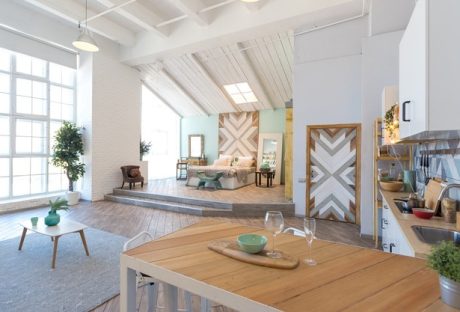
Textured walls will be huge in 2024!They add character and warmth to a room. In fact, instead of just having smooth walls, we now have walls you can touch and feel.It is not just about the tactile experience, but the look!Rough stone or soft, velvety texture are the top two textured wall ideas.If you are too basic, you can also go for the exposed brick wall design.These walls look amazing but also give a room more life. If you’re someone who likes adding personality to your home, textured walls might be for you. 2. Asymmetric Geometric Patterns: Fun and ModernI’ve always loved the clean lines and sharp edges of geometric patterns, and this year, they’re more popular than ever. But instead of the usual straight lines and perfect shapes, 2024 is all about bold colors and playful, uneven designs.Think of big hexagons, triangles that don’t quite match up, and shapes that seem to dance across your walls.These patterns aren’t just about filling space—they bring energy into a room and can totally change the vibe.If you want to inject a bit of fun into your home, this trend might be perfect for you.
Nature-Inspired Murals: Bringing the Outside In
Nature is always in style, but this year, it’s about more than just a few houseplants.2024’s nature-inspired murals are big, bold, and beautiful. People are literally turning a wall into a window overlooking a lush forest or a calm beach.Plus, it is great to calm down anxiety & bring a sense of serenity. These murals are perfect if you love the idea of bringing the peace and beauty of the outdoors into your living room or bedroom.If you’ve ever dreamed of escaping to a quiet, natural place, why not paint one on your wall?
Color Blocking: Simple Yet Striking
Color blocking is an easy trend to love. Basically, you just use big blocks of color to create a simple (and somewhat striking) look.You don’t have to be an artist to do it either.Just paint one of your walls a bold bright and leave the other ones neutral! It’s perfect for people who want their home to make an impression – without being overwhelmed.
Custom Design Your Walls
When it comes to designing, the magnificence of natural depictions now replaces boring colors and plain looks on interior walls.
From oceanic waves to green forests, the world of crafts, or official décor, all these extraordinary themes now enhance our atmosphere.
The Royale play satin finish, and the highlights of a well-drawn wall give a completely new feel.
Geometrical curves, painted stripes, and lines also contribute to stunning wall painting designs.
The myriad shades and combinations forming a holistic art have now become a new professional career path. Consider random rectangles—cool, modern, and eye-catching.
Nordic blues, with their blue-grey shades, create typically cool, modern, and minimalist interiors.
Creative painting techniques and wall patterns instantly add life and movement to room designs. The sheer variety of designs available can be mind-boggling.
Professional Painting Service
Trained professionals in this trade are well-placed in renowned Paint Production and Service companies. Consumers now prefer pioneered home painting services for an all-around service experience that includes:
Consultancy at-home
Site estimation & testing
Usage of automatic tools
Site supervision
Dust-free, and better painting job.
Wall Painting designs have now sparked a new evolution in painting. Stylish, contemporary, subtle, and elegant—the look of your home depends on the wall painting designs and ideas you choose.Wall designing, therefore, offers the right opportunity to add an explosion of color to your home and life.Read Also:
Content Rally wrapped around an online publication where you can publish your own intellectuals. It is a publishing platform designed to make great stories by content creators. This is your era, your place to be online. So come forward share your views, thoughts and ideas via Content Rally.
Digging your hands into the soil is both therapeutic and satisfying; it provides a wonderful way to release tension while getting some much-needed Vitamin D.
Start by clearing away trash, debris and unwanted plants such as invasive species from your garden; discard rotten furniture and fire pits; rake leaves as needed depending on the season; all these tasks will help your lawn thrive!
Pruning
Pruning refers to the practice of trimming woody plants like trees and shrubs to achieve aesthetic, healthful results that protect them against disease, insects, or mechanical damage.
Pruning should take place during the late dormant season for maximum effectiveness.
Yard work can also provide valuable "me-time."
Immersing yourself in your garden can help you focus on the tasks at hand and forget about stressors; physical activity has been shown to reduce chronic health conditions as well as improve overall wellness, providing full-body workouts that build flexibility while simultaneously relieving back pain and muscle stiffness. You can click here to learn more.
Tree Care Tips
Trees are an integral part of our landscapes, offering shade, beauty, and fruit.
Unfortunately, trees can be fragile creatures that need regular care such as trimming and pruning, mulching, watering and fertilization to thrive. Furthermore, it's also important to monitor for pests or diseases which might impact them. It may be necessary to contact a professional who provides tree services when necessary for treatment. They can help determine the cause of your tree’s problem.
When vetting tree services companies, always inquire into their qualifications and credentials.
You can do this by asking about what kind of training and education their lead employees have received; an ideal tree company will have certified arborists on staff who work full-time for them. Furthermore, make sure the firm offers liability insurance just in case something goes amiss during their work on your property.
While some tasks can be completed independently, hiring a certified arborist for more complex or risky tasks like tree removal and stump grinding is essential to ensure it is completed in an accurate and safe manner.
After planting, it's essential to water and fertilize your new tree on an ongoing basis to help it overcome shock and become established. Fertilizers should also be applied once annually using an all-purpose fertilizer designed specifically for that type of tree.
Weeding
Weeds may not seem like the worst problem, but when left to their own devices they can impede the growth of desirable plants, depriving them of water, nutrients, sunlight and air that they need for growth.
Removing weeds not only improves soil health but can reduce the chances of plant diseases as well. Regularly weeding your garden or lawn will ensure everything continues to flourish more abundantly.
When pulling a weed, it is best to extract its entire root system to prevent reseeding. Doing this when the weed is still young makes removal much simpler.
Ideally, the optimal time and conditions for weeding are early spring or late fall when temperatures are mild. At these times, weeds tend to be smaller with shallow roots that make pulling out easier with either your hands or hand tool.
Furthermore, you should weed when the soil is damp to minimize compaction and increase the chances of extracting all weeds at once.
Remember that weeds may emerge later in the season. Therefore, it's essential to monitor for new growth regularly, particularly as they flower.
Regular lawnmowing will remove their seed heads while sowing desirable grasses around planting beds can prevent spillover into fertile garden soil. Also add layers of well-rotted manure, garden compost or bark mulch onto topsoil to deprive light to weeds and slow their regrowth before eventually smothering them out completely.
Watering
Yard work involves both light and heavy tasks.
Lighter projects might include mowing the grass, pulling weeds from flower beds, watering the lawn and keeping up with any necessary pruning of shrubbery or removing invasive plants that don't belong, raking leaves and repairing or replacing garden furniture.
Working in your garden can provide an incredible full-body workout, from squatting and bending to digging and lifting, which all improve muscle strength and flexibility. Even without access to a garden space of your own, taking regular strolls through local parks or green spaces will reap similar rewards.
Regular watering of your yard promotes deep root growth, leading to drought resistance. Spending time in your garden also exposes you to sunlight, which helps relieve stress and anxiety, while meeting gardening goals gives a sense of pride and accomplishment.
Gardeners depend on watering to give perennial flowers, trees, shrubs and grass the vital nutrients they require for healthy growth and survival. However finding out when and how much water can be challenging during hot, dry summer conditions.
Watering efficiently increases root growth, reduces disease and fungus infestation and conserves your precious water supply - plus it is environmentally friendly as your garden and lawn consume the same water that supplies your home.
To ensure you're not overwatering or underwatering your landscape, regularly monitor soil moisture. Plants need soil that's dry down to several inches in order to absorb water effectively; in the heat of summer, it's easy to forget this requirement.
When watering, make sure you water at the base of each plant rather than on or around its foliage as water that lands there won't reach its roots and instead causes fungal disease outbreaks.
To properly water your lawn, soak the ground deeply rather than spreading a light mist across it.
For best results, it is best to water in the early morning when sun exposure is lower and air temperatures are cooler - this helps minimize evaporation.
Cleaning
Yard work is a wonderful way to gain fresh air and sunshine while simultaneously working your entire body in all directions.
Cleaning tasks may include collecting trash and debris, clearing away invasive plants, trimming and pulling weeds as well as repairing fences or structures - projects which often make an immediate and visible difference to a yard's aesthetics.
Read Also:
Garden Edging for Beginners
5 Summer Garden Maintenance Tips and Tactics You Have To Know
Grow these flowering plants in your home garden
When autumn begins to fade into winter, the temperature starts to reduce and gets even colder. The need to keep the house warm also arises. You definitely have some other form of heating your home since this won’t be your first winter. But your being here means that you are considering an alternative heating method.
The efficiency of wood-burning stoves is one of the many reasons one should be the alternative on your mind. But there are also so many other reasons and they would all be discussed in this article. But first, what are wood-burning stoves?
What Are Wood-burning Stoves?
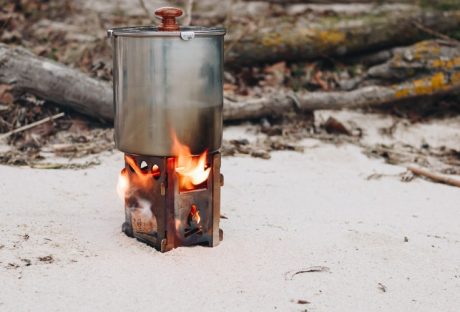
Wood-burning stoves are home appliances that are made of metals like steel or cast iron and are used for heating the house. As the name implies, wood is the fuel for the stove and it is burnt inside a fire chamber that is usually enclosed.
The gases and fumes they produce have to be taken out of the room either through a flue or a chimney just like a traditional fireplace. Although these stoves have existed for a long time, they only just rose in popularity. And this is because more people have begun to appreciate their benefits.
But what are these benefits? Let’s find out below.
Reasons You Should Get a Wood-burning Stove
The following are the major reasons a wood-burning stove is a great heating system for the home…
1. Efficiency
The heat that this heating system produces is very impressive. Your home gets to enjoy a great form of heat output with one of these burner stoves. This means that the house will get warm effectively and a lot more quickly.
They come in various sizes and energy levels, this way you can select one that will adequately suit your home’s size
2. Stylish and Decorative
They not only get your house adequately warm, but they also provide aesthetics as they look so great. When one is placed in a room in the home, it is sure to become a new point of attraction by adding style and character to the room.
There are a lot of styles to choose from like contemporary or classic and so much more. You simply need to be deliberate when you shop for the burner and ensure you get one that will match the home’s décor.
3. Gives Your House a Homely Ambiance
When the weather is chilly and bent on making everyone miserable, one way to beat the weather is to get cozy at home. And a wood burner is sure to provide that homely ambiance that is much needed during this time.
The cozy heat from the burner and the roaring flames inside the fire chamber provide a calm and soothing visual impact that will leave you comfortable in no time. Visit https://apnews.com/article/a53e297b6fbc4481a0c917dc41c3842f to find out other ways you can stay comfortable during the cold season. You can sit in front of the fire with a cup of coffee while watching the flames dance.
4. Good for the Environment
We are in an age where eco-awareness is at its peak and a lot of people are trying their bests to do right for their environments. One way to contribute towards this goal of a better environment is a wood burner. How is this burner environmentally friendly you may ask.
Well, it is because wood which is the fuel of this type of burner is carbon neutral even though it releases carbon dioxide. The amount of carbon dioxide that is produced equals the amount that is consumed by trees which takes the carbon dioxide and then releases oxygen. This way, the burners do not impact the carbon dioxide level in the environment.
5. Cost-Efficient
Energy price is constantly going up and people are beginning to find it more expensive heating up their homes with electrical and gas means. Wood burners on the other hand are very energy efficient and thus help you save money that would otherwise have been used on the energy required by other home heating systems.
You will surely find this heating method a lot more economical as you will notice an obvious reduction in your heating bill. The heating bill is reduced and not cut off because you may still have to make use of the central heating where you haven’t placed a wood stove.
The initial cost of getting the burner bought and installed may be on the high side compared to other heating systems. But, we assure you that it would only be a matter of years for this cost to be gotten back through the energy-saving nature of the burner.
If you need to learn about more of its benefits, you can check here.
Conclusion
Getting a wood-burning stove may very well be the best decision you may make when it concerns heating your home. This article discusses 5 great reasons why this heating system is great for your home.
Read Also:
5 Things You Should Know About Heating and Cooling Tiny Homes
Advantages Of Using A Water Heater At Home
Decorations don’t necessarily make your house a home. However, certain interior design tips can help make your space cozier. When your home feels lived-in, it feels more like you belong there! Here are just a few tips for making your house feel more like home.
1. Lighting is Everything
Comfortable lighting is one of the most important elements of interior design, and it’s one of the quickest ways to make your new home feel like home. Try indirect lighting for a gentle glow. If you’re going to be doing more than watching movies in your living room, consider task lighting. Make sure you can see to read or craft if you plan to spend a lot of time doing those things in your living space.
Where there isn’t natural light, provide warm light with different types of lamps, different lampshades, and more. Mix it up with recessed lighting, chandeliers, and other different fixtures to bring out the coziness of your home.
2. Dress it Up with Art
Bare walls can make your home feel empty and soulless. Even beautifully painted walls need to be decorated, and art is a great way to make your home feel closer and more lived-in. Choose art that you already know and love, but choose a frame that works best with your current design ideas. Make sure to hang the art correctly and display it where it fits best.
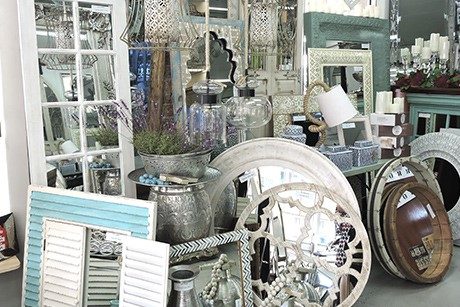
Using art can be a great way to tie a room together! If you can’t find art that you like enough for a certain room, trying substituting a classy mirror instead!
3. Family Photos are Key
All of those family photos need a place, so why not put them where you can see them? Nothing makes you feel more at home than your family and friends. You can display your photos in frames on the wall or your surfaces. You can also get canvas prints made of your favorite family photos and hang them up for all to see!
Your house starts to feel like home once it’s full. Even if you don’t live with your family, being able to see their faces and recall great memories with them can help you feel more at ease.
4. Personal Space
If you don’t live alone, chances are you share all of your spaces with at least one other person. However, choosing to set aside a room or corner of a room just for you is important. Make sure that you have your personal space with your favorite things, including books, personal decorations, gifts from friends, and your favorite blanket. Make a cozy space just for you! It can help your home feel more welcoming.
5. Your Style Rules
One of the greatest things about your home is that you can decorate it however you want. The urge to make your room look like a showroom or a picture from a magazine is tempting, but adding your style can be incredibly worthwhile. Use the colorful pillows that you like, you can easily buy this product online and hang those custom pieces you’ve found throughout your life where you can see them, and choose wall colors that compliment your uniqueness.
The only way to make your home feel completely yours is to put yourself into it wherever you can. Use your style to create a space you’ll enjoy living in.
6. Plants Add Life
Finally, plants can make all the difference. Use small succulents or other plants on your shelves and surfaces to add color and life. Large plants go great in corners while hanging plants can be placed near windows to liven up your living room. Wherever you choose to place them, make sure you care for your plants properly to keep them alive as long as possible.
If you don’t want to care for living plants, there are also synthetic options that add a great look without needing any care at all!
Conclusion
Even a well-decorated house can feel comfortable. Make sure that you dress up your existing style with things that make you feel as if space is uniquely yours. If you don’t love spending time there, it just isn’t worth it! If you need to make your house a home in the Atlanta area, call on the expertise of interior designers in Atlanta, GA.
Read Also:
Modern Home design ideas for crowded families
How to Make Your Home Look Like You Hired An Interior Designer
Outstanding Design Advice If Your Home Is Really Small
How to Make your Home Look Beautiful in the Upcoming Holidays
Top 5 Interior Designers from Singapore














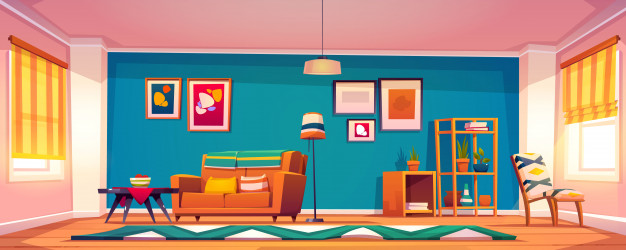 Interior painting Each room is unique and depends on the desired requirements. Some prefer a plain, subtle look, some flamboyant, and others fashionable and vibrant.
The painting world gladly offers multiple options for these varied choices. Smooth and matte finish emulsions, as well as Enamel, provide versatile options.
Emulsions and Enamel work well for wall painting designs in the living room, while matte and textured are ideal for wall painting designs in bedrooms.
Expert paint professionals carefully blend the textures of wall paints, brainstorming the outcome desired for each room.
Some areas of the home demand wellness, relaxation, calmness, and smoothness for a healthy mood, while others invite pleasure, and kids' rooms need a look that cheers up, motivates, and appeases them.
So, colors in a kid’s room are often fun and playful, featuring more of the cartoon characters they love.
Therefore, the paint textures and the painters' work are carefully tailored to each space.
Interior painting Each room is unique and depends on the desired requirements. Some prefer a plain, subtle look, some flamboyant, and others fashionable and vibrant.
The painting world gladly offers multiple options for these varied choices. Smooth and matte finish emulsions, as well as Enamel, provide versatile options.
Emulsions and Enamel work well for wall painting designs in the living room, while matte and textured are ideal for wall painting designs in bedrooms.
Expert paint professionals carefully blend the textures of wall paints, brainstorming the outcome desired for each room.
Some areas of the home demand wellness, relaxation, calmness, and smoothness for a healthy mood, while others invite pleasure, and kids' rooms need a look that cheers up, motivates, and appeases them.
So, colors in a kid’s room are often fun and playful, featuring more of the cartoon characters they love.
Therefore, the paint textures and the painters' work are carefully tailored to each space.
 When it comes to designing, the magnificence of natural depictions now replaces boring colors and plain looks on interior walls.
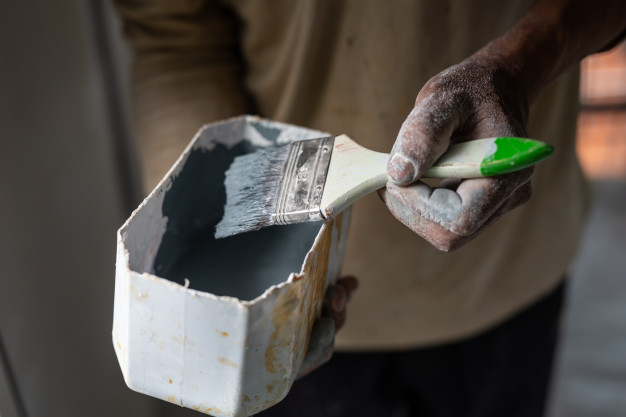 Trained professionals in this trade are well-placed in renowned Paint Production and Service companies.
Consumers now prefer pioneered home painting services for an all-around service experience that includes:
Trained professionals in this trade are well-placed in renowned Paint Production and Service companies.
Consumers now prefer pioneered home painting services for an all-around service experience that includes: