












Creating A Successful Call To Action In Your Business Emails: Here Are 5 Tips To Consider

Published on: 13 April 2021 Last Updated on: 27 December 2024
Call To Action

Email marketing is an amazing digital marketing strategy to drive more sales and retain customers for a longer time.

And every SEO reseller uses it in their strategy. It’s among the most ROI-driven marketing practices that bring significant results when performed right.

However, as we are moving towards a highly digitized era where customers’ inboxes are generally flooded with promotions, standing out becomes difficult.

To entice your prospects to open your email and click on the CTA to take any action, you need to rethink how you have been performing it. Hence, you need to pay closer attention to details and improve it as your customers want to see them.

In this article, we will have a look at the top five tips for creating a successful call to action in your email to drive maximum revenue. If you are just starting out, these tips will help you take the lead and grow your business.

Importance of Creating a Successful Call to Action in Your Business Emails
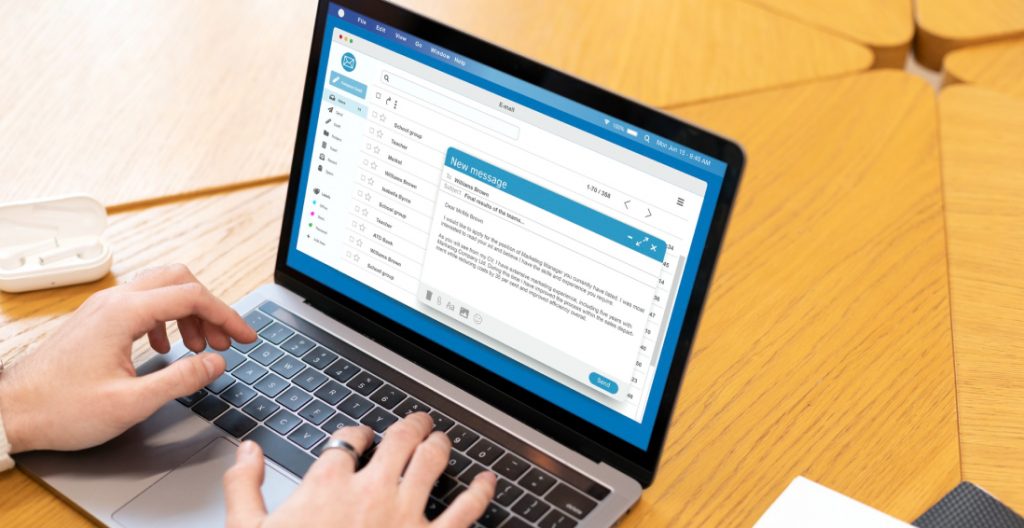
Importance of Creating a Successful Call to Action in Your Business Emails

Email is still one of the most effective tools when it comes to business communication. It does not matter whether you are communicating with your colleagues or customers. Ensuring the right implementation of emails is crucial.

Despite the rise of a plethora of messaging apps and other communication platforms, most businesses prefer emails. Moreover, when it comes to email, you need only fewer resources for optimum results.

The following are some of the reasons why creating a successful call to action in your business emails is important:

  • Email is effective because it has universal access. Moreover, they are also interoperable across a variety of platforms. Thereby, you can ensure seamless communication between stakeholders.
  • Email is one of the fastest and most efficient ways of sending messages. Whether you want to send an email internally or externally, you will get real-time results.
  • Moreover, with the help of emails, you can respond to customer inquiries better and faster. Hence, with this instant access to information, email has become a valuable tool for businesses.
  • When you compare emails to other communication methods and platforms, you will find that the former is more cost-effective. Furthermore, you also do not need excessive business resources to succeed with effective communication.
  • Email comes with high-profile security options. These include transport-layer security (TLS) and others. Hence, when you send confidential information, it remains safe and secure.

Tips for Creating a Successful Call to Action in Your Business Emails
Tips for Creating a Successful Call to Action in Your Business Emails

The following are some of the major tips you need for creating a successful call to action in your business emails:

1. Keep It Real:

To generate trust and improve the overall click-through rate, you need to keep everything real. Also, you must ensure there are not any gimmicks or excessive terms and conditions.

Be very clear about what you are offering and what benefits the readers will get if they click on the button. For example, you can highlight text like there are no hidden charges, you pay what you see, and more like them.

These types of text not only help you improve the call to action but also help you gain trust faster among your customers.

This thing applies to every section of the email — be it the subject line, body text, or the main CTA. Also, you must ensure there is no misleading clickbait that will increase the bounce rate or unsubscribe rate.

2. Short And active:

Ask your copywriter to draft every email in an active voice with very short and crisp sentences. It makes no sense to write long lines or paragraphs, and it is the main reason behind it.

Many people check their emails on the go from their smartphones, and if the email is lengthy, they might skip it and save it to read later.

However, as an average user receives a lot of emails a day, the probability of opening the email is very low.

That’s why you should keep the email text as simple and short as possible.

However, make sure it’s conveying the entire message that you want to present to the readers. You can keep the email body text within 100 – 150 words as it’s easier to read and incite users to take the desired action.

3. FOMO Works

Creating a sense of urgency using the fear of missing out technique works if you implement it correctly. No one wants to miss out on great deals, especially when they need that product or service. 

You need to make your audience feel they will miss out on something really great if they don’t take action right now. You can specify in bold text that it’s a time-sensitive offer only, or you can run a counter on the landing page.

This technique will bring a higher CTR and will make your call to action more prompt and active participation. You will find a lot of free FOMO templates to make your copy more exciting and click-worthy.

4. Use The Right Colors:

This trick sounds ordinary, but it brings extraordinary returns and improves your business email’s overall call to action. Pick the colors that reflect your brand, and don’t change the color theme frequently.

Your readers should register a common theme so that when they open your email, it will remind them of your brand.

Apart from colors, don’t overdo animations as they might load slower on some devices due to any reason. Keep the color scheme simple, attractive, and clutter-free. You can use email marketing tools and pick any premade campaigns if you are not into designing them.

5. Creativity:

Smart creativity is the key when it comes to a successful call to action in your business emails. Be creative because you need to stand apart from the rest and attract your busy readers’ attraction in a limited time span.

You need to understand that people’s attention span is very limited, and you need to make every aspect click-worthy without getting spammy.

Instead of using a free stock image, ask your graphics team to create bespoke images that can match your custom offer and improve the CTA.

Create A Successful Call To Action Now

Hence, you can see that creating a successful call to action in your business emails is not very difficult.

Follow these simple steps to create a successful call to action and drive more sales to your business. Email marketing is not hard, and it can drive substantial results for your business strategies.

However, if you are not into emails, it’s the right time to get started and drive additional traffic and revenue to your business. Keep experimenting with different formats to check which works best for you.


Read Also:

A passionate writer and an avid reader, Soumava is academically inclined and loves writing on topics requiring deep research. Having 3+ years of experience, Soumava also loves writing blogs in other domains, including digital marketing, business, technology, travel, and sports.

View all posts

Leave a Reply

Your email address will not be published. Required fields are marked *

Related

E-Commerce SEO

The Challenges of E-Commerce SEO

SEO is an essential part of running any business with an online presence (which, in this day and age, all businesses should have). Think of SEO like a bright sign with flashing lights, telling people passing by that your business is here and draws them inside to check it out. However, some businesses will find implementing SEO to boost their site's rankings easier than others will. Especially when it comes to businesses in the e-commerce sector, SEO can be quite a challenge. Even if you've been researching how to improve SEO for your company, you may not be able to find resources that apply to e-commerce companies. Playing By Google's Rules The goal of any business with an online presence is to rank high enough on Google's Search Engine Results Pages (SERPs) to be seen by customers. Although this is a challenge for any business, E-commerce businesses will find it especially difficult. This is because Google prefers websites that rank high on their E-A-T scale, which measures sites based on Expertise, Authority, and Trustworthiness. In other words, Google prefers informational websites over commercial ones and rewards those that highlight genuine knowledge and don't appear to be trying to make quick money. This criterion is part of Google's method of quality control. As an e-commerce business, your website lies in the YMYL (Your Money Your Life) category. This category encompasses websites whose content can affect the reader's financial, physical, and medical wellbeing. Because the stakes are higher, the scrutiny is higher as well. YMYL websites with misleading or inaccurate information can trick users into making an uninformed decision, causing them harm. Your e-commerce business fits into this category by allowing customers to make purchasing decisions that can cause them financial harm. Managing A High Volume of Content Most e-commerce sites offer listings of hundreds if not thousands of physical and digital products. Product listings are not necessarily written with the utmost care, but Google still parses them like it does any other text on your site, and therefore measures them with its E-A-T criteria. This can be an issue because, due to the sheer number of product descriptions required, many e-commerce sites rely on automation to update these listings. While automated services can be helpful in some regards, they can also lead to typos, grammatical errors, dead links, inaccurate information, and other mistakes. All of these issues can be detected by Google, lowering your website's E-A-T score. Although time-consuming, your best option would be to hire someone whose job is going through every listing individually to update and correct any errors, making sure it meets Google's standards. Bouncebacks Based On Loading Time Your website's bounce rate is the percentage of users who visit briefly and then leave using the back button or by clicking on an external link without browsing other pages on the same site. While one reason for high bounce rates can be a dull or outdated website, this issue can also be caused by poor hosting. E-commerce sites often have lots of buttons, listings, and pop-ups. Pages aren't simple and include many elements. Having so many processes that must run simply to present a page can result in extended load times for users. Unfortunately, most people online are impatient. If your site doesn't load as quickly as visitors think it should, they're likely to leave without browsing, let alone making a purchase. The Google algorithm sees the high bounce rate as a sign that people find no value in your website, so it lowers your ranking and sends fewer people your way, resulting in fewer purchases and reduced revenue. Fortunately, fixing this issue can be fairly straightforward. Either make your website's landing page (the first page that loads for visitors) simpler to avoid long wait times, or contact your website hosting service and look into upgrading to more powerful servers. User Reviews User reviews are a great and almost guaranteed resource for building your E-A-T levels. Google prefers sites that let users review products, as this creates a sense of social credibility and allows people to share feedback, building trust. The more positive reviews your products have, the more Google will boost your website up the SERP. However, too many negative reviews have the exact opposite effect, hurting your website's ranking. You can avoid negative reviews using a review posting tool that allows you to read submitted reviews before they are posted. Knowing Where to Start When faced with the challenge of implementing SEO as an e-commerce business, deciding where to start can be overwhelming. Google doesn't give you a gold star for trying, and starting multiple SEO strategies only to quit them midway can even flag your site as suspicious in Google's eyes. One way you can get started properly is by using Ahrefs' Site Explorer to identify SEO opportunities. You can use this particular tool to analyze what competitors are doing in terms of SEO and piggyback off it, or implement a skyscraper method where you do what they're doing but better. Or you can use it to analyze your own site to find new competitors or broken backlinks. Site Explorer also provides keyword research, backlink profiles, PPC campaigns, and more. Still, a great tool is only useful in the hands of someone who knows how to operate it. Having dedicated SEO experts focused on boosting your site can have better results in the long run. SEO strategies are multi-faceted, and high-quality approaches are time-consuming. Staying Up to Date Google's algorithms are constantly changing, meaning your SEO strategy needs to change with them. As the owner of an e-commerce company, you'll need to be particularly flexible and adaptable. Just like posting only a few times on your site and still expecting increasing returns is a flawed strategy, undertaking a half-baked SEO strategy will hurt you more in the long run. Having experts on your marketing team allows you to smoothly ride all SEO waves and grow your website. Read Also:  8 Key SEO Strategies for E-Commerce Websites How to Monitor the SEO Health of Your Website 5 affordable e-commerce shopping carts for small business Best E-commerce Platforms for Your Box Subscription Business

READ MOREDetails
klaviyo email

How to Use Personalization Tags in Klaviyo Email Templates for Higher Click Rates

Email marketing is a field, truely competitive in nature. It seizes the interest of subscribers along with encouraging them to get up close and personal with your content. Let me tell you an effective way of achieving this- personalization. Klaviyo has recently gained momentum for being the leading email marketing platform. Not only does it provide robust tools that give life to your boring email templates, but it also uses tags. Some of these tags use the dynamic insertion of individual subscriber data. In this comprehensive guide, we are going to dive into multiple ways of using personalization tags in Klaviyo email templates. Stick to us till the end if you want to comprehend the basics of personalization tags. Get a detailed idea about how to implement advanced techniques and various other useful strategies. Let’s get started, then! Understand the Basics of Personalization Tags In general terms, personalization tags refer to placeholders in an email template that get replaced with some specific information related to your subscriber list. These tags usually include the subscriber’s name, recent purchase, and even the location. For instance, rather than beginning the email with a typical “Dear Customer” statement, use tags like “Dear [First Name]," which makes the email look more personal. Klaviyo uses personalization tags that are super easy to use. You can either insert them directly into your templates or in other email drafts. For example, typing “{{ first_name }}” in your template will automatically replace it with the subscriber’s first name when the email is sent. The change might look small, but it makes an enormous difference in the emails you receive, giving the impression of a more customized email. The correct use of these tags assists in building a positive connection with your audience. If subscribers see their personal name or details, they are more likely to open the email and even click on links.  Now, this is exactly why personalized emails are much more popular than custom emails. All in all, understanding and using personalization tags is the initial step in making your Klaviyo emails more engaging and effective.  With basic tags like the subscriber's name or location, you can start to see an improvement in your email open and click rates. This sets the foundation for more advanced personalization strategies. Personalize Subject Lines for Better Open Rates Subject lines are initial elements a subscribers see, so making them personal can greatly increase your open rates. In Klaviyo, you can use personalization tags to include the subscriber's name or other relevant information in the subject line. For instance, you can use "Hey {{ first_name }}, See What's New Just for You” instead of a common subject like "Check Out Our New Products.” Such an approach gives your email a more personal touch, and people are likely to open it. When people see their name in the subject line, they are more likely to open the email because it feels like it was written specifically for them. And that’s not all! There is a plethora of data that makes your subject line more engaging. All it takes it to look for all those data. For example, you can take subscriber’s location into account and pitch them with a more personalized email. Another example could be using recent activity data. In case the subscriber recently viewed some product on your website, you can create a subject line like "Still Interested in {{ product_name }}? Get It Before It's Gone, {{ first_name }}!" Amazing, right? This not only personalizes the email but also reminds them of something they are interested in, increasing the chances they will click through. By using personalization tags in your subject lines, you make your emails more appealing and increase the likelihood that subscribers will open them, setting the stage for higher engagement and click rates. Tailor Email Content to Individual Preferences After you grab the attention of your subscribers, it’s time to give it a much custom touch. Now, the next big thing is to make the content list of your email more engaging. Klaviyo lets you use personalization tags within the email body to create a more customized experience for each recipient. The third instance is to begin your email with a friendly greeting like, "Hi {{ first_name }}, we noticed you enjoyed browsing our selection of {{ category }} products!" This approach makes the reader feel acknowledged and valued. Using personalization tags effectively is important as it helps subscribers make an informed decision about further purchases.  For instance, "Since you loved {{ previous_product }}, we think you'll also like these new arrivals." This not only personalizes the email but also showcases products that the subscriber is more likely to be interested in, increasing the chances they will click on the links. Make extra effort to customize special offers and discounts. For example, "As a thank you for being a loyal customer, {{ first_name }}, here's a special 10% off on your next purchase of {{ favorite_category }} items!"  This type of customization makes the offer feel exclusive and tailored to the subscriber's preferences, encouraging them to take advantage of the deal. Customizing your email content to align with the preferences and actions of individual subscribers can cultivate a more captivating and pertinent experience, resulting in elevated click rates and enhanced overall email efficacy. Use Behavioral Data for Triggered Emails Employing behavioral data to deploy triggered emails represents a potent strategy for amplifying click rates. Klaviyo simplifies the process of setting up these emails; all you have to do is use its user-friendly interface and other features.  With Klaviyo's email templates tailored for such triggers, businesses can effortlessly configure automated emails triggered by specific subscriber actions, like browsing a product page, adding items to their cart, or completing a purchase.  Such automation ensures timely and personalized communication, thus leading to greater engagement and driving higher click rates. For example, if a subscriber explores a product page without completing a purchase, you can send a follow-up email containing a personalized message such as: "Hi {{ first_name }}, we noticed you were checking out our {{ product_name }}. Here’s a special discount just for you!" Including a discount code or highlighting product features can entice them to return and complete the purchase. Another scenario involves leveraging cart abandonment emails. In case a subscriber adds items to their cart but doesn't finalize the purchase, you can send a customized email prompting them to complete their order. Take, for example, a message that can send a reminder email: "Hi {{ first_name }}, you left something in your cart!  Don't miss out on {{ product_name }}." Including images of the abandoned products and a direct link to the cart makes it easy for them to pick up where they left off. Post-purchase emails are also effective. After a purchase, you can send a thank you email with product recommendations: "Thanks for your order, {{ first_name }}! Based on your recent purchase, you might also like these items." This keeps your brand top-of-mind and encourages further shopping. Utilizing behavioral data to deliver these precise and well-timed emails contributes to a heightened level of personalization, thereby increasing the likelihood of subscriber engagement with your content. Conclusion: Enhance Your Email Campaigns with Personalization Tags In conclusion, personalization tags in Klaviyo email templates are a game-changer for boosting click rates and overall engagement with your audience. By harnessing the potential of personalization, you can establish deeper connections with your subscribers and boost the probability of them engaging with your emails. Just envision receiving an email that greets you by your first name, suggests products aligned with your past browsing, and presents exclusive discounts tailored to your preferences. This exemplifies the impact of personalization tags in practice. With Klaviyo, you have the tools to implement personalization tags seamlessly into your email campaigns. Whether it’s using demographic data, past purchase behavior, or engagement history, there are countless ways to tailor your messages to each individual subscriber. Leveraging the goodness of personalization tags in your email template helps you send targeted and relevant content. It resonates with your audience on a deeper level.  This not only leads to higher click rates but also fosters stronger customer relationships and ultimately drives more conversions. So, don’t miss out on the opportunity to take your email marketing to the next level with personalization tags in Klaviyo. Explore various strategies, analyze outcomes, and consistently refine your campaigns to enhance their impact.  By adopting the appropriate methods, you'll witness a significant increase in click rates and witness your business flourish. Read Also: How to Integrate Email Marketing With SEO? Your Ultimate Guide To Creating SMS Marketing Campaigns Getting The Most Out Of Your Email Campaigns By Getting The Audit Right!

READ MOREDetails
lifestyle entrepreneurs

Top 10 Best Lifestyle Entrepreneur Of All Time In 2024 – Lifestyle Entrepreneur

Are you thinking of starting your own business and become an entrepreneur? Are you looking for inspiration? Do you wonder how famous lifestyle entrepreneur started their journey? Following their passion and making it your profession will never be outdated. When you love what you do, or you do what you love, it will offer you more opportunities to be successful. Here, we will talk about 10 names who think the same way you think of being the boss of your own. The list of the top 10 entrepreneurs of all time is here. And they are on this list. 10 Best Lifestyle Entrepreneurs Of All Time Here is a list of the 10 best lifestyle entrepreneurs of all-time in 2024. This list includes all the names that are more than enough to inspire you to start your journey.  1. Tim Ferriss Do you want to know the name behind lifestyle entrepreneurship? Tim Ferris is the person who has brought the concept of this into the mainstream. And the popularity of his book The Four-Hour Workweek has worked as the fuel to this journey. It is a must-read for those who also want to be lifestyle entrepreneurs. As the book is all about the concept of lifestyle entrepreneurship, it will be a perfect guide for you. After the book, he continues to write books, blogs, and runs a globally known podcast, and uses his diverse income for living a lifestyle or travel and freedom. 2. Michelle Schroeder-Gardner Michelle Schroeder is a personal finance blogger. By driving traffic to her blog from Pinterest, she became a successful lifestyle entrepreneur. Recently, focusing on SEO along with other traffic sources, she has diversified her traffic. With the growth of her business, Michelle also diversifies the ways of her blogs.  3. Johnny FD Apart from being a digital nomad, Johny FD is a great lifestyle entrepreneur. In order to make money, Johny only needs internet and a laptop. He loves taking advantage of this and travel around the world. Though Asis is on his priority living. Due to the lower cost of living in parts of Asia than the USA, he chooses to live here while earning in USD. This thing is common among many lifestyle entrepreneurs. This way, Johny FD saves a large portion of his income.  4. Jasmine Alley Jasmine Alley is an Instagram influencer. Through several brand collaborations, this Instagrammer managed to make a living as a travel influencer. Her primary current source of income is those Instagram brand collaborations. After leaving her job, Jasmine spent two years developing her travel brand. And now she gets to explore beautiful places along with complimentary stays in luxurious hotels. She actually used to make more money from her job than she is currently making. But she prioritized her independent, fun, full, and luxurious travel life. 5. Pat Flynn Pat Flynn started blogging much before it became cool. He was ahead of most people who did not have any idea that one could actually make money from blogging. Currently, he is running smartpassiveincome.com, which is an empire of content production. He started his business just to prioritize time with his family. These are some of the common motivations for most lifestyle entrepreneurs. From his blog, he makes more than millions on a yearly basis.  6. Melyssa Griffin As a graphic designer, Melyssa Griffin felt burned out while selling services. When she started selling products instead of selling services, she experienced huge success. She started selling online and started riding the stairs in popularity of online courses. This has brought massive success to her. Melyssa does not publish her income report anymore, but as per the report of December 2016, she has managed to make a profit of around $200,000 in that particular month alone.  7. Brian Dean The initial story of Brian Dean is pretty much similar to Melyssa Griffin's, and that is, he also started by selling services. But later on, he realized that in order to live the life he had been dreaming of, he needed to sell products. At present, he is running Backlinko, which is an SEO blog that is highly successful. He sells online courses as well, like Melyssa. If you want to know more about him, you can read the article on Forbes.  8. Shelby Church Being a west coast based vlogger and Youtuber, Shelby is another example of an aspiring lifestyle entrepreneur. She does not make millions only from her lifestyle business, unlike other entrepreneurs on this list. In her 2019 income recap Youtube video, she unveiled that her channel managed to earn revenue of $140,000. If we cut down the taxes and other expenses, it would be nearly $100,000 or less than that. Yes, it is a decent income but not near to the income of other lifestyle entrepreneurs. She has always been transparent about her income.  9. John Lee Dumas Have you heard of the podcast Entrepreneurs on Fire? Yes, the one where entrepreneurs are interviewed. John Lee Dumas is the person behind it. His advice is worth listening to. He always asks F.O.C.U.S, which means Focus on One Course Until Successful. On a regular monthly basis, he nets profits of six figures only from his podcasts. He is the perfect example of how it often takes years to earn a living from a lifestyle business. He, as a lifestyle entrepreneur, always believes in slow and steady wins in the race.  10. Lindsay Mostrom Pinchofyum.com is a food blog that is run by Lindsay and her husband. As per a report from early 2017, this lifestyle entrepreneur managed to make around $70,000 on a monthly basis. After that, their business has grown, so it is clear their income is more than what it is currently. It also took many years to reach this point. So, you see, as a lifestyle entrepreneur, you get a wide array to try. 11. Jen Gottlieb She is a former Broadway actor and VH1 host, who is now also an entrepreneur who has co-founded the online training and education company called Super Connector Media. Her award-winning company helps entrepreneurs reach larger audiences and grow businesses by leveraging on social media. She has been recognized as one of the Top 50 Speakers in The World” by Leaders Magazine. Jen has several accolades to her name, including becoming the number 2 on Maxim Magazine’s “Top Entrepreneurs Of 2022.” She has appeared on quite a few popular platforms, such as Forbes, Business Insider, and CBS. Gwyneth Paltrow’s Goop also named Jen one of the “Top 11 Coaches” Bottom Line.  Bottom Line These top entrepreneurs never fail to inspire us with their journeys and words. Maybe they are the reason why more and more entrepreneurs are rising, leaving their boring desk jobs to follow their passions. But the list does not end here. It goes on with the names of Pieter Levels, Oprah Winfrey, Marie Forleo, Daniel Vassallo, and many more.  Read Also:  How to Plant Grass Seed on Hard Dirt? Top Easy Way To Fix Avast UI Failed To Load Error Easy Steps to Change the YouTube Channel Name  

READ MOREDetails