Published on: 22 May 2021
Last Updated on: 03 January 2025
Many questions are arising associated with washing the hair and drying, but now the most frequent question that comes to your mind is, can you dye wet hair? Yes, it sounds a little bit different than the usual hair fashion-related question. But the answer indeed is yes, you can. Some hairstylists think dry hair dyeing can improve your hair texture naturally, and the end result is more natural than coloring dry hair. The wet hair dying technique is called wet balayage. This is a similar hair-dying technique to dry balayage techniques. Only here is a simple difference. It only applied to wet hair.
Why Do You Want To Dye Wet Hair?
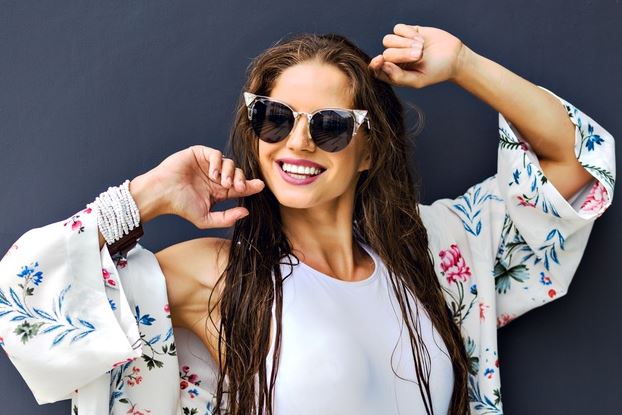
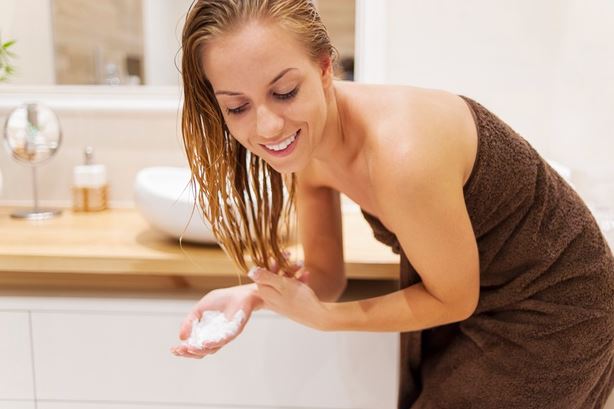
The dying of wet hair may not be a common practice, but when we are talking about the comparison with dry hair coloring, here are some positive effects of wet hair dying.
The dye of the wet hair is the best to work for achieving a subtle result.
The hair damage is less than usual dry hair coloring.
If you want to apply any semi-permanent hair color, then this technique is the best.
The hair color promotes better absorption on the wet strands.
The semi-permanent hair colors are more Ammonia-free. This type of coloring is becoming less harmful to your hair.
Wet hair coloring promotes the natural hair look.
This dying wet hair is a more user-friendly approach when you are dying your own hair at your home.
These all are the basic positivity of applying the color on the wet hair. When you want to dye your hair at home, wet hair dying is the most user-friendly and time-consuming procedure. All you have to do is just apply the color in the middle of the bath; after that, wash it off.
Benefits Of Dying The Wet Hair
When you are applying the hair color at home, wet hair colorings are the best possible way to get the desired result. If you have any queries about you can dye wet hair? Then here is the list of multiple benefits of dying wet hair.
1. The Wet Hair Strands Are More Absorbent
The wet hair strands are more absorbent than the usual dry hair. The hair color easily melts into the hair, and more easily, you will get the desired color look. The equal distribution of the color is also an attractive part of the wet balayage coloring. The color of the hair is distributed equally after the applications.The color change is quite simple. The hair color does not give you a drastically changing look. But if you want a good coverage color or anything which is a permanent hair color, then this color is not for you. The temporary and the demi temporary colors are working best as the wet color. Both of these colors have very less harmful substance init.
2. Best Hair Colour When You Are A Beginner
When you are a just startup color applicant, then the wet color is the best-suited hair color. The beginners are more prone to make a mess when they are applying the color. The wet color is just covering all messes. First, shampoo your hair and then apply the dye to the wet hair.This will give you a more subtle result. These semi-permanent and semi-permanent hair colors are not working well on greasy hairs.This technique is quite easy and time-saving rather than the other coloring techniques.The working professionals and the people who do not have much time to go to the salon are more comfortable using this technique.
3. Gives You A Natural Flowy Look
When you are asking the question, can you dye wet hair? Then the first answer which comes to our mind is yes. Not only yes, but the more natural and flowy look is also given through this type of coloring.The implementation is simple, and the drastic change of the hair color can not be found with the use of these temporary hair colors. You can expect mild color and a soft texture change of the hair.The distinctive funky colors are better to work as the wet hair color.
How Can You Dye Wet Hair?
We all call this dying technique the wet balayage. This technique is simple and effective, and long-lasting more than your expectations.Here are the four simple steps of applying the dye to wet hair.
Step1
Wash your hair by applying the shampoo.
Step2
Do not use the conditioner, serum, or any oil after washing the hair.
Step3
Then just pat dry the wet hair.
Step4
We need a damp surface to apply the hair color.
Step5
Check the ingredients list before applying the hair color on your wet hair. As wet hair is more fragile than dry hair.Better to use semi or semi-permanent hair color for your hair.When our hair is in the wet state, the hair’s inner cortex layer is also open, promoting better absorption.
Step 6
Read the instructions which are written on the package before starting the hair dying application.
Step 7
Then wear a pair of gloves.
Step 8
And take an amount on the small bowel as per your requirements.
Step 9
Then apply the hair color with the applicator brush.
Step 10
You can apply the color to the small sections of your hair.
Step 11
You can also apply the hair color just like any hair care product.
Step 12
Apply a good amount of color because, with every wash, it will become lighter.
Conclusion
The wet hair dye applications are easier to apply on the hair. These hair colors are less harmful with respect to the other type of hair dyes. The wet hair colors are more for the hair’s benefit and for improving the texture of the hair textures. Can you dye wet hair will no longer be a worry for you if you follow the mentioned points.But it also has some disadvantages. You have to choose the correct hair color for you, which has a less harmful substance within it. If you need simple temporary hair color, then these hair colors are the best time-saver for you. Therefore, I have tried my best to give you answers on how can you dye wet hair and the reasons for the same. You can also mention some more in the comment sections below.
Content Rally wrapped around an online publication where you can publish your own intellectuals. It is a publishing platform designed to make great stories by content creators. This is your era, your place to be online. So come forward share your views, thoughts and ideas via Content Rally.
If you are a person who loves to wear makeup, then you must know every bit about makeup. In fact, there are many women who are conscious and very particular about makeup. However, they might know about Smashbox Primer.
On the contrary, there are other women who apply makeup, but they skip a few makeup products because they do not feel the need to use every makeup product. Just as a foundation, there is another makeup product that keeps the makeup intact.
It is the primer that holds the makeup for a longer period of time. At the same time, you can get a smooth finish to your makeup. If you want to use a good quality primer, then you should buy Smashbox primer from the acclaimed online fashion site. On the online fashion site, you will get a top-quality primer that will pep up your appearance.
Demand For Primers:
There was a time when women did not use primers. Hardly any woman used to apply primer on their face. With the popularity of primers in the current days, women have understood the right use of primers which has made primers one of the favored cosmetic products by many women.
For many good reasons, primers are used by many women in the present day. There are countless women who do not know the purpose of using primer. Some women skip the use of primer because they think it is not important for them. In order to smoothen the skin, primer is used. When you use a primer, your skin appears to be even and polished.
Before applying makeup to your face, you should use a primer. It is the primer that blurs the blemishes, fills in the pores, and provides smooth skin. A primer helps adhere to makeup properly. If you want your makeup to last longer, then you must use a primer before applying makeup.
Pick The Right Primer: Smashbox Primer
Primers can be of various types. You need to select a primer as per your skin type. You can get primers in gel form as well as silky form. Primers can be colorless or tinted. You can get primers for your eyes as well as for your face.
You need to make sure that the primers should go well with your skin tone. The main purpose of the primers is to give you a flawless look and a smooth finish and to make the makeup last for long hours. Cover the visible pores on your skin with face primers. Also, to get an even-toned and polished look, face primers are the best.
Nowadays, you can get a primer for your dry skin and oily skin. Make sure to apply primer before the foundation to get flawless-looking skin.
Smashbox Primer: Why Is It The Better Option?
The following are the major features of Smashbox Primer that you must know about:
Smashbox Primer comes in a tube that is reflective and squeezable. However, previously, it was a transparent tube. But, now, this upgrade makes the primer look better and more attractive.
The nozzle in the Smashbox Primer’s tube is slim. Hence, it dispenses the primer in the right amount.
The packaging also consists of the ingredients of Smashbox Primer. Moreover, it also gives you direction on how to use the product. Additionally, the tube also shows a consumer study of how many women tried the product.
However, the best thing about Smashbox Primer is its formula. Despite having a slightly thicker consistency, it mixes well.
In addition to that, the clear hue of the primer dries down fast. Hence, it shows that the primer is suitable for all types of skin tones.
One of the best things about this formula is that all you need is a small amount. Hence, when you are starting out with Smashbox Primer, start with a pea-sized amount. Then, add more if you think it is necessary.
How To Choose A Good Primer? – Factors To Consider
Here are the factors you must consider before you choose a good primer for your skin:
Skin Type:If you have dry skin, you need to hydrate it. In this case, you must use a cream primer. However, if you have oily skin, use a gel primer to give it a shine. On the other hand, if your skin is prone to acne, choose a primer that has salicylic acid. This will help you with blemishes.
Texture and Consistency: Make sure that the texture and consistency of the primer are not too thick. This will result in a lack of mixing ability.
Sun Protection:A good primer must be able to protect your skin against the harmful rays of the sun.
Reviews: Before you buy a primer, check online reviews to find out what other users are saying. Additionally, you must also take recommendations from a skin-care expert.
Buy The Mattifying Face Primer:
You do not have to look for any other stores to get a face primer when you have the best oil-free and mattifying Smashbox primer from the online fashion site. You can use the face primer on your face without worrying about side effects. Using this effective face, primer will control oil on your face for up to the right hours and will also reduce the visible pores.
Your face will not look oily, and you will not get breakouts or clogged pores after using the face primer. Purchase the recommended face primer to get a fresh and glam look.
Do you have more suggestions on how to use Smashbox Primer as a beginner? Please share your opinions and experiences in the comments section below.
Read Also:
Get Part Ready In No Time with These Hair And Makeup Hacks
6 Proven Ways to Deal with Hair Loss for Women
Nowadays, with awareness and proper knowledge, people are getting more and more conscious about the products they use; hence it has led to a rise in demand for organic haircare products. With a focus on organic ingredients, organic haircare offers a greener and healthier alternative to conventional haircare products. However, as the market grows, it becomes essential for consumers to differentiate genuine organic shampoo and conditioner from those that merely claim to be so.
In this blog, we will dive into the world of certifications in organic haircare products, understanding their significance, and how they ensure transparency and quality.
What Are Certifications In Organic Haircare?
Certifications are endorsements from reputable organizations or governing bodies that validate the authenticity of organic claims made by haircare brands. They act as a reliable assurance for consumers, indicating that the products have undergone stringent evaluations and meet specific standards.
Why Do Certifications Matter?
Transparency and Trust: Certifications offer transparency about the sourcing, production, and ingredient quality of organic haircare products. Consumers can easily trust that the products they are using align with their ethical and environmental values.
Quality Assurance: Certifications ensure that organic haircare products meet certain standards in terms of ingredients, manufacturing processes, and sustainability practices. This assurance promotes higher-quality products for consumers.
Avoiding Greenwashing: Greenwashing is a marketing practice where companies falsely claim to be organic or eco-friendly to attract environmentally conscious consumers. Certifications help distinguish genuine organic products from deceptive marketing tactics.
Common Certifications In Organic Shampoo And Conditioner:
USDA Organic: One of the most well-known organic certifications, the United States Department of Agriculture (USDA) Organic label verifies that the product contains at least 95% organic ingredients. The remaining 5% must be from an approved list and must not contain any synthetic chemicals.
ECOCERT: ECOCERT is a globally recognized certification that ensures the organic and natural integrity of products. They assess the product's ingredients, manufacturing processes, and environmental impact.
Leaping Bunny: While not specifically for organic products, the Leaping Bunny certification is crucial for cruelty-free hair care. This certification confirms that the product and its ingredients were not tested on animals.
Tips For Choosing Organic Haircare Products:
Look for Recognizable Certifications: Prioritize products with well-known organic certifications like USDA Organic, ECOCERT, or COSMOS.
Read the Ingredient List: Check the ingredient list for natural and organic components, avoiding products with harmful chemicals like sulfates, parabens, and phthalates.
Research the Brand's Values: Investigate the brand's sustainability practices, ethical sourcing, and commitment to the environment.
Read Reviews: Look for consumer reviews and feedback on the product's performance and authenticity.
Conclusion:
Certifications play a vital role in verifying the authenticity of organic haircare products, providing consumers with confidence in their purchases. When armed with knowledge about these certifications and label claims, consumers can make informed decisions, selecting high-quality, organic haircare products that align with their values and contribute to a greener, more sustainable future.
Read Also:
Use Organic Products To Prevent Gray Hair
Why Hairdressers Love Rose Gold Colour
Who Are The Best Software Vendors Out There?
As daunting as laundry maybe, it’s more challenging for you to do it when your clothes have stubborn stains. Some stains will not even budge with the usual stain remover you use, and it is not the best way to use laundry detergents with harsh chemicals.
What about natural ingredients for removing stains? Are they an effective method?
You need to be patient in removing stains with natural ingredients. It takes time than using a one-size-fits-all stain remover. If you use the natural ingredients correctly, it will be a highly effective method.
As we go further, remember, always treat stains from the back and avoid rubbing the stain.
Your cupboards or cabinets are filled with these natural ingredients. Start removing tough and stubborn stains with natural and environmentally-friendly stain removers. Keep them in your green laundry routine.
Here are some of the commonly available effective natural stain remover for daily usage:
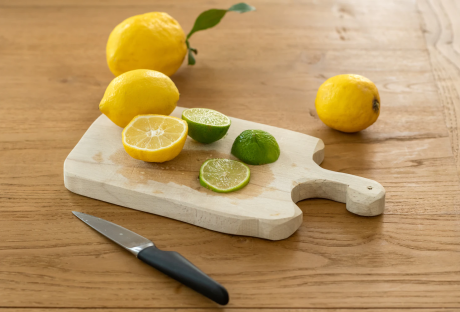
1. Lemon Juice:
Lemon juice has similar properties to bleach. That’s why you should be careful and handle it properly as you may damage your clothes. You can best use lemon juice to remove food stains on white clothes.
Simply cut a lemon in half, wet the cloth, and squeeze it on the stained area. Let the lemon juice settle on the fabric for 30 minutes or more, depending on the stain. Rinse the clothes before you launder the clothes. The lemon extract provides a refreshing scent making it one of the best natural deodorizing agents.
2. Baking Soda:
Baking soda has several purposes, and it is an excellent option to remove tough stains. Since it is a mild alkaline, it can sip through the fabric and remove the strong stains.
There are two ways to apply baking soda on stained clothes. You can add the baking soda into the water of a laundry load, or you can create a paste out of it. Creating a baking soda paste only requires you a small amount of water. If you opt for the paste method, apply it to the stained area. You can scrub it gently to prevent damaging the fabric.
3. Borax:
It’s silly to think about the misconception about borax. Some thought it is a harsh chemical because it is associated with the 20 Mule Team. However, borax is a naturally occurring mineral made of oxygen, water, sodium, and boron. Although it has no toxic fumes and is environmental-friendly, it can cause skin irritation and not ingest it.
If you have hard water, it is best to add borax to the laundry load to soften the water, boost the detergent’s performance, and control the odor.
You can see borax in the ingredients of most homemade laundry detergent.
4. Dishwashing Liquide:
Although it is unlikely for some to use dishwashing liquid as stain removers, it is an effective one. It can break down grease and stubborn stains. Stains that are made from greasy foods can break down the oil. If you are fond of gardening, dishwashing liquid and hydrogen mixture can effectively remove grass stains.
It’s easy to use the dishwashing liquid, squirt enough amount of soap on the stained portion. Scrub the dish soap gently and rinse. Launder the clothes in the usual manner. You can also soak your clothes in soapy water for hours, then rinse and launder them the usual way.
5. Distilled White Vinegar:
Another effective natural ingredient to remove stubborn stains is white vinegar. It’s the perfect alternative for chemical-based products. But since it is an acid-based ingredient, you have to handle your clothes with care.
Mix the white vinegar with water to make it less acidic. Treating stains with vinegar needs the help of dishwasher detergent to scrub off stubborn stains. Wet the stained part of your cloth, place enough dishwasher soap, and gently rub it with an ice cube. The tough stains will come off. There will be leftover stains, applying the distilled white vinegar to cut through the stain. Rinse the cloth and launder it in the usual way.
6. Salt:
The most accessible natural ingredients for stain removal is salt. You can have it almost anywhere. If you are out for a lovely dinner and a sauce spilled on your favorite dress, you only have to ask the waiter for a salt.
Let’s say a tomato sauce dripped on your dress, remove the sauce with a tissue and place a pinch of salt on the stain. The fresh stain will disappear after 15 minutes. If there are still residues on the cloth, damp a napkin and gently tap on the stain.
Moreover, salt is not only an excellent stain remover. It can also brighten the color of your clothes. You can wash your regular clothes with a saltwater solution to bring life to your faded wardrobe items.
7. Hydrogen Peroxide:
Remember the bubbly oxidizing agent in your medicine cabinet? Hydrogen peroxide is an excellent alternative to chlorine bleach. You do not have to use a harsh chemical to whiten your clothes.
Since hydrogen peroxide is an oxidizing agent, it can break down water and oxygen, making it safer for the environment. If you are having trouble with yellowish discoloration in the underarm and stains from curry, red wine, or nail polish, hydrogen peroxide is the best solution.
8. Meat Tenderiser:
If you do not know, your meat tenderizer in the kitchen is an effective stain remover! It works best for protein-based stains. Did your baby vomit on her bib? You only have to wet the stained clothing and sprinkle the meat tenderizer on it. Let it settle for half an hour before your launder it in the usual manner.
Meat tenderizers break down meat proteins to make them tender and more comfortable to chew. Thus, stains from body fluids such as vomit or blood are easily broken down because of their protein components.
There you go! 8 natural ingredients to effectively remove the stubborn stains you are dealing with without using harmful and harsh chemicals. Single-handedly remove the stains.
However, if the stains happened in delicate fabrics, it is best to bring your clothes to dry cleaning.
Read Also:
Different steps on how to clean pet stains on the couch
10 Trends About Homemade Carpet Cleaner You Should Know
10 Tactics To Maintain Clear Windows












 The dying of wet hair may not be a common practice, but when we are talking about the comparison with dry hair coloring, here are some positive effects of wet hair dying.