












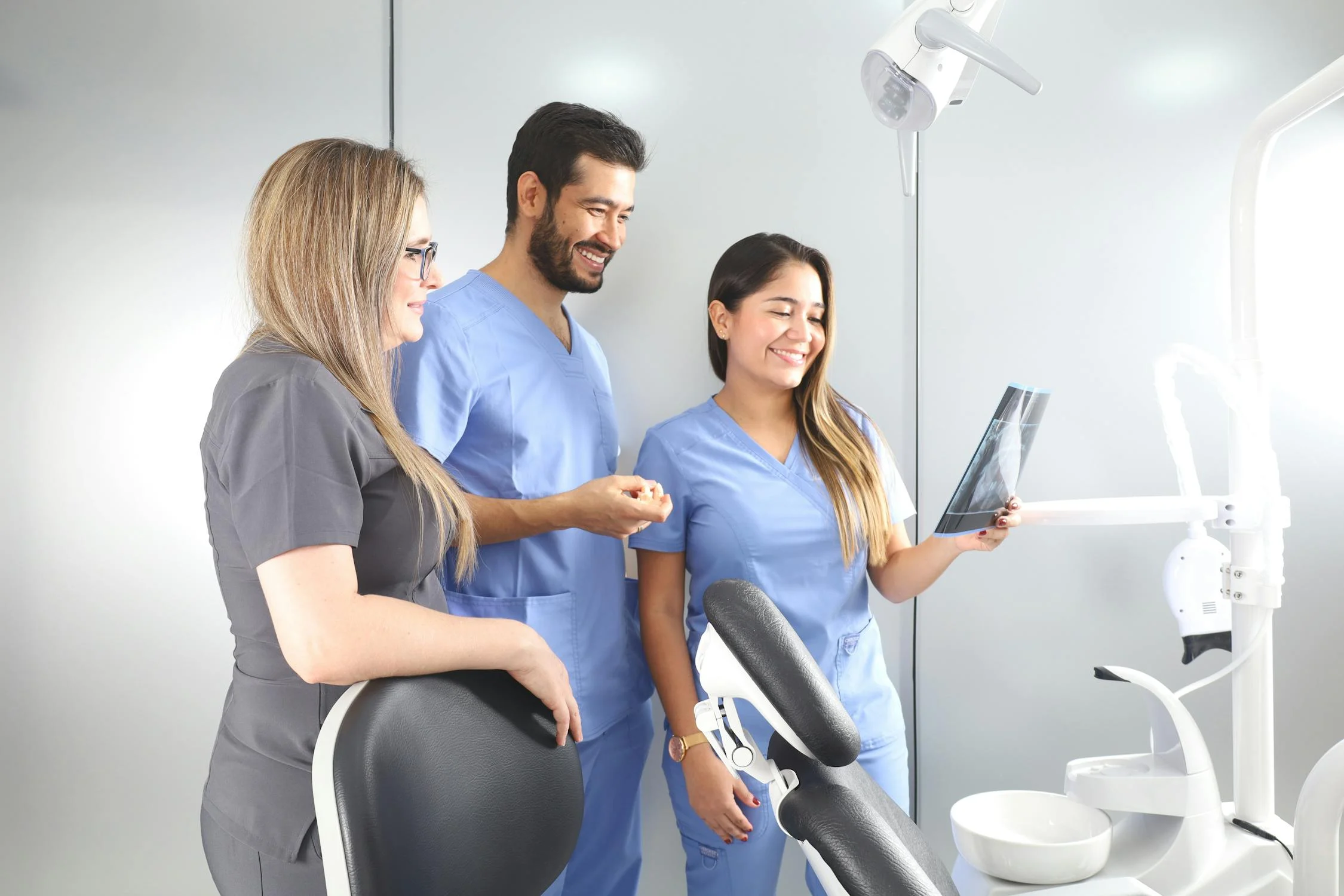
Importance Of Digital X-Ray Tests In Modern Healthcare Services

by

19 March 2024

Health & Fitness

Digital X-Ray

In healthcare professionals’ dynamic and complex world, X-rays are a basic tool, providing unparalleled insights into body structures. While healthcare revolutionized diagnostic practices, weighing both sides of their uses is important. 

Thus, one of the greatest advances is the switch from analog X-ray systems to digital X-ray machines. This alteration in healthcare practice not only offers new scopes for diagnosis but also comes out with many other significances compared to conventional ones. 

In this article, we will emphasize the significance of digital X-rays and make it clear why they are vital in modern healthcare services. 

Importance Of Digital X-Rays Within Modern Healthcare Service

Importance Of Digital X-Rays

Below is a list of the importance of digital X-rays within modern healthcare services. 

1. Is More Accurate 

Digital X-ray systems stand out because they offer rapid and accurate diagnoses. Similarly, they are significantly effective in emergency situations when the patient is suffering critically. 

For example, in situations of trauma, an X-ray can quickly showcase the injury and extent of a fracture, leading to immediate treatment decisions. 

On the other hand, they are valuable in detecting different health conditions, such as lung infections and dental issues, allowing appropriate and prompt medical treatment decisions. 

Hence, it is the accuracy and speed that not only benefit patient care but also enhance the efficiency of medical care facilities. 

2. Non-Invasive And Convenient 

One of the major reasons healthcare prefers to adapt to digital X-rays is because of their non-invasive nature. Thus, this makes it a patient-friendly diagnostic choice, avoiding the risk and discomfort of invasive procedures. 

Similarly, this means less discomfort and anxiety for patients, as X-rays need minimal preparation and less recovery time. 

Therefore, the convenience of X-rays extends with the widespread availability in hospitals, dental offices, and clinics. This makes it a readily accessible tool that healthcare professionals can use for different medical aids. 

3. Comprehensive Application 

The versatility of X-rays lies in the broad range of applications across the medical discipline. They are integral to orthopedics in assessing bone injuries and lung examinations. 

In addition, it is also used in dentistry for oral assessment and even in cardiology for analyzing certain heart conditions. 

Furthermore, specialized x-rays procedures like XRD services offer real-time imaging, resolve complex medical treatments, and guide surgical procedures. Similarly, the portable system allows better care for those in remote communities. 

Thus, this versatility makes x-rays indispensable for comprehensive patient care and capable of addressing different diagnostic requirements. 

4. Provides Improved Image Quality 

Digital X-rays provide pictures of higher resolutions than those made by conventional x-rays machines. 

Thus, the technology enhances image processing, offering clear and precise pictures. They are of great importance while examining minor irregularities that are associated with different diseases. Hence, it increases the chance of conducting a correct diagnosis. 

In addition, digital X-rays can be tweaked after capturing, thereby adjusting the brightness and contrast level. In addition, the ability to change the image enhances the optimal preparation of an image for a typical condition. 

Moreover, the diagnostic system can be utilized in different disease disorders. 

5. Reduced Radiation Exposure 

The digital x-rays have been engineered to generate less harmful radiation than conventional X-ray machines. Hence, the ability to reduce patients’ and healthcare specialists’ exposure to radiation is one of the significant healthcare concerns.  

Similarly, the problems with ionized radiation exposure are less, making digital x-rays safe for frequent and routine diagnostic procedures. 

However, the digital x-ray equipment comes with a special dose setting where you can reduce the radiation dose. Hence, these attributes ensure that as little radiation is used to generate a diagnostic picture as possible. 

6. Faster Results 

A major significance of digital x-rays is their fast response time. In comparison to conventional x-rays, it requires the development of films. 

Therefore, digital x-rays give immediate results that can be reviewed instantly. It becomes imperative during emergencies, leading to better decisions when dealing with a patient. 

Furthermore, x-rays are easily transmitted electronically to other departments and hospitals, facilitating health workers’ work. Thus, digital distribution of medical images enhances consultation, joint diagnosis process, and second opinions. 

7. Enhanced Retrieval 

Digital X-ray images can be stored and recorded electronically, reducing the need to store physical film and including retrieval requirements.  

Rather than filling up space, the medical images are electronically archived in an orderly manner, thereby making them easily available. Thus, this is useful in the healthcare center in tracking health status alterations among patients and allows easy access and review of patient histories. 

Therefore, having a convenient way of storing digital images in electronic health records further assists in achieving effective coordination of care offered by healthcare professionals

8. In Long Run Saves Money 

Although buying digital X-ray machines is usually more expensive than conventional x-rays, their lifetime cost is always lower. 

Therefore, cost-effectiveness is attained by eliminating chemicals and films, lowering maintenance requirements, and boosting operational efficiency. 

In addition to that, the flexibility of digital x-rays caters to greater profits within healthcare facilities. 

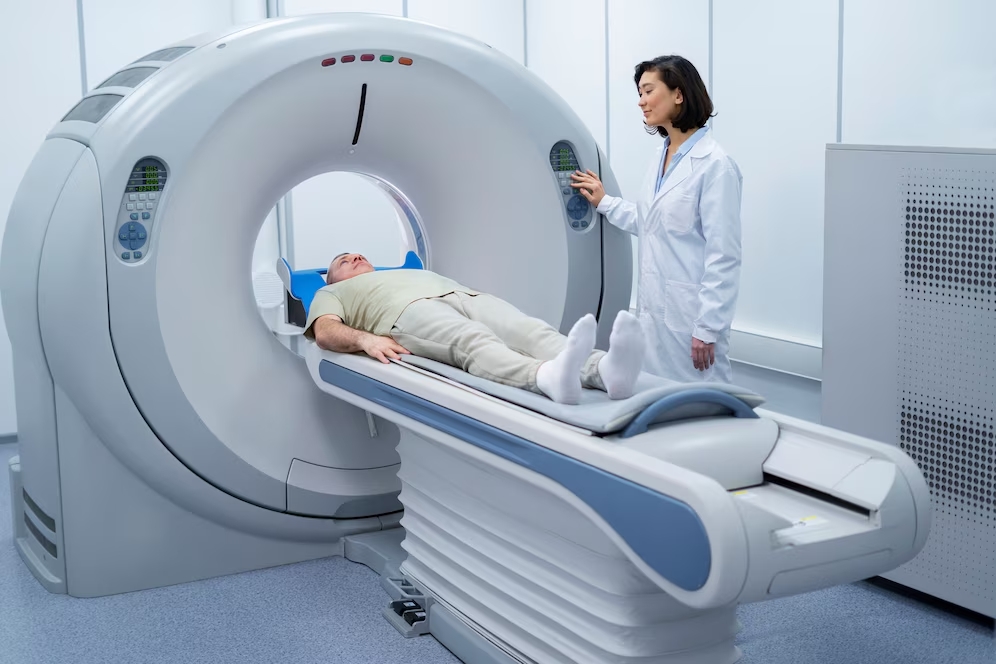
Why Is Radiology Significant In Healthcare?
Radiology

Here is a list of reasons why radiology is significant in the healthcare services:

  • Based on radiology requirements, it can offer enough guidance for treating the disease. Similarly, the radiographers who conduct therapy utilize highly complex equipment to deliver proper treatment. 
  • Screening offers a preventive measure emphasizing catching disease early to provide effective treatment. 
  • Similarly, detecting disease at an early stage assists in early treatment that prevents it from altering into a fatal condition. Moreover, it improves the scope of evolution and treatment of better technology. 
  • Tracking and evaluating disease with radiology assists the patient in seeing changes that occur in their condition. This eventually assists doctors in assessing whether to continue with the current treatment and look for another alternative. 

Summing Up 

Digital X-ray technology heralds one of the biggest milestones within medical imaging, signifying great progress compared to traditional and old X-ray systems. 

Thus, with superior image quality, faster results, lower radiation exposure than traditional films, and streamlined retrieval, it is obvious that digital X-rays are a must-have within healthcare services. 

Hence, digital X-rays play a bigger part in improving patient safety and the diagnostic process. 

Read Also:

Arnab is a professional blogger, having an enormous interest in writing blogs and other jones of calligraphies. In terms of his professional commitments, He carries out sharing sentient blogs.

View all posts

Leave a Reply

Your email address will not be published. Required fields are marked *

All Comments

You're doing great. It was a pleasure to read. Nice article.

Related

teeth brushing habits

5 Little Changes That Can Make Your Teeth-Brushing More Effective

It’s easy to assume that keeping your teeth brushing habits in good condition is largely just about preserving a gleaming, Hollywood-standard smile. However, your teeth aren’t just for show; they serve an array of crucial practical purposes. These include helping us to digest food and even talk coherently. Neglecting your teeth brushing can lead to tooth decay – which, in turn, can lead to pain as well as the necessity of fillings, crowns or inlays. There’s also the risk of gum disease, which can wear away at your teeth and even bone around the teeth. How, then, can you brush your teeth more effectively? 5 Little Changes That Can Make Your Teeth-Brushing More Effective: Choose the right toothbrush The Oral Health Foundation recommends that adults advise people to use small or medium size brush head. The brush head should be soft, os that it does not damage tooth gum. The head needs to be small enough so that it can reach to the back end of the teeth. While children’s brushes should be smaller, they must still include filaments of the same type. Then there’s the question of electric toothbrushes – which, research has indicated, do remove plaque more effectively than manual toothbrushes. Both adults and kids can benefit from going electric. Use a good fluoride toothpaste Considering that many dental experts have credited fluoride with helping to prevent cavities, it’s surprising that not all dental products actually contain fluoride. You should make sure that your toothpaste has it, which shouldn’t be too difficult, given the wide choice of fluoride toothpaste. There is evidence that even people who otherwise stay on top of looking after their teeth can see their efforts undermined if fluoride isn’t involved, Medical News Daily observes. “The optimum level of fluoride for anyone aged three and over is between 1,350ppm and 1,500ppm, so it doesn’t matter too much which brand you’re using as long as it has that level of fluoride,” Karen Coates of the Oral Health Foundation has explained to The Guardian. Brush in a massaging, rather than aggressive, motion Once that toothpaste is on your brush, how hard should you press it onto your teeth? Coates cites “a fine line between brushing effectively and overbrushing.” She adds that electric toothbrushes could help you to strike the right balance due to their inclusion of a pressure sensor. Of course, it’s already common knowledge that you should brush twice a day. However, when you do brush, make sure you do it in small circular motions while being careful not to leave the front, back or top of any of your teeth untouched. Resist sawing back-and-forth motions! Spit out toothpaste left over, but don’t rinse Fluoride can help to strengthen and shield your teeth – and, in this way, prevent the onset of tooth decay. However, you must allow the fluoride to work its magic. That means not rinsing your mouth after teeth brushing, as you would be rinsing out the fluoride. Therefore, just settle for rinsing out the surplus toothpaste after your brushing. Coates says reassuringly: “The residual bits of fluoride will stay on the teeth for about 30 minutes after brushing.” Pay regular visits to the dentist According to the expert recommendation, you should get a dental checkup every six months. Each routine dental examination will see the hygienist clean your teeth and remove any plaque and hardened tartar. The dentist will inspect your mouth for warning signs of oral health issues like cavities, gum disease or mouth cancer. If the dentist spots minor damage, like a chip or crack, they might advocate a cosmetic treatment like teeth bonding from Ten Dental – and give you some more teeth brushing tips if there is visual evidence that they are needed. Read also: Dental hygiene tips Dental care tips

READ MOREDetails
https://www.forbes.com/sites/forbescoachescouncil/2019/08/30/nine-personal-development-techniques-worth-your-time/

How Supplements Complement Your Daily Routine

There was a time when humanity could ingest every nutrient the body and mind required to function with peak performance. Health supplements, like Phytage Nerve Control Supplement, can be beneficial for you or may just be an unnecessary additive. Unfortunately, as technological advances moved societies from "hunter/gatherers" to the complexities of modern civilization, "progress" came with a cost. As a result, today's "average" citizen does not receive optimal nutrition from the primarily processed foods consumed. Even fresh produce grown in mega-agricultural farms does not contain maximum nutrients as the soils become depleted after successive plantings. In addition, many of the traditional soil reconditioners and weed and insect control farmers use to maximize crop output can be harmful. The detrimental effects only became apparent when there were adverse findings in consumers far down the production trail. There are routine news alerts about "organic" vegetable recalls due to toxic chemicals or infective contaminants like DDT, E. coli, or other chemicals or pathogens. Creatures Of Habit From the time we are infants learning to potty train, the concept of routine becomes ingrained. Throughout the educational system, instructors teach and enforce a rigid routine. People then carry those routine structures into their professional and personal life. Those that fail to conform or develop healthy routines often end up in institutions that force stricter rules and regulations, jails and psychiatric units, for example. The good news is that as creatures of free will, we can choose to change our routines to maximize health and well-being. We can eliminate behaviors that are counter-productive in the long run and add things to our habits that can enhance life experiences. Transcendentalists There was a movement in the mid-twentieth century that sought to reconnect consciousness to living the moment. It was a meditative approach to changing the routine. One of the teachings involved "rewriting your script." It purported that most people kept replaying a "script" or narrative they had ingrained into their lives. The movement sought to "reprogram" the negative messages that led to recurrent, predictable, less-than-optimal outcomes. Instead, it gave the individual control over what the recurrent patterns of thought and emotions had established. It gave hope for a different path and different outcomes. The process worked for many of those who put proper effort into it. However, considering how long people had programmed the negative input, many did not realize how long it would take to reprogram. Modern generations have become accustomed to "immediate gratification." Adding supplements to an augmented diet is a much simpler and easier practice to incorporate into a daily routine, and the results are more quickly evident. Due Diligence Some common complaints about supplements may have their roots in an underlying medical condition. Therefore, if you are not getting the results you expected or are experiencing unforeseen side effects, you may wish to have a medical professional evaluate you. Thyroid dysfunction, for example, can influence how supplements affect your body. Hypothyroidism (low thyroid hormones) is a common condition that a medical professional can evaluate with a simple blood test. It can cause fatigue, weight gain, and depression. Therefore, screening for easily treated common conditions before adding supplements to your daily routine would be prudent. Another consideration is vitamin B12 deficiency. Most lay people do not realize that vitamin B12 requires an enzyme called intrinsic factor, produced by the gastrointestinal tract, to absorb B12. Often, B12 deficiency is not the last of B12 in the diet but a lack of intrinsic factor for absorption. Consequently, taking oral B12 will never improve serum B12 levels. Only B12 injections or sublingual (absorption through the blood vessels under the tongue) can resolve most cases of B12 deficiency. No One Pill Fixes All The first step in using supplements to complement your daily routine is deciding what you want to enhance or change. Of course, several things overlap, for example, energy and memory, but finding the correct supplements to address a specific issue is fundamental. The second step is understanding the dynamics behind a perceived deficiency. For example, excessive daytime sleepiness may be the result of inadequate rest during sleep. Taking natural stimulants to remain alert during the day may further interrupt healthy sleep patterns compounding the problem. A natural substance to enhance REM sleep may be the solution to obtaining more daytime alertness. Incorporating Supplements Into Your Daily Routine The easiest way to link a daily supplement to your daily routine is by attaching it to another daily habit, for example, when taking other prescribed medications. For example, adding a supplement to the morning medication is the easiest method to incorporate the supplement. If you do not currently take routine medications, attach the behavior to another everyday function, like brushing your teeth. Keep the supplement close to your toothbrush, and let the toothbrush serve as a visual cue. After several "reminders," the supplement use becomes ingrained. It becomes an automatic part of your new routine. Self  Reinforcement It has become commonplace for many to develop a sense of self-worth through external input. Unsolicited opinions from anyone in the environment subtly affects feelings of self-worth. And, many times there are hidden agendas in what views others offer. They may only sometimes be in your best interest. It is why a regular check-in with yourself is necessary to maintain emotional balance. When a self-preserving or reassuring behavior is applied routinely, it serves as a mental "pat on the back." It allows your internal compass a chance to realign. Fortifying a sense of self-worth through self-care is another means supplements complement your daily routine. The exact mechanism that reinforces your self-concept as combing your hair or wearing clean clothes that have become routine, adding supplements to feel your best, complements your daily routine. Be Your Best You How supplements complement your daily routine is multifaceted. It complements your health and well-being in addition to improving your self-esteem. Scientists have researched and well-documented the mind-body link. Feeling better physically and improving self-awareness and confidence are only a few of the benefits of supplementation. So, when is the best time to start supplements? Before you begin to exhibit symptoms that might necessitate them. Right now is the best time to consider supplements to complement your daily routine. Maintaining homeostasis is significantly preferable to treating the effects of stress, poor diet, and processed foods. Read Also: How To Stay Healthy And Fit Despite A Hectic Schedule A Little On The Side…Or Not? Your Guide To Supplemental Insurance What Are Virtual Reality Workouts And How Will They Affect Exercise?

READ MOREDetails
TMS For Anxiety

TMS For Anxiety: Debunking Myths And Setting The Facts Straight

Anxiety disorders are among the most common mental health conditions worldwide, affecting millions of people. While traditional treatments like therapy and medications have been effective for many, some individuals continue to struggle with anxiety symptoms. Transcranial Magnetic Stimulation (TMS) has emerged as a promising alternative for those seeking relief. In this comprehensive guide, we will delve into the world of TMS therapy for anxiety, debunk myths surrounding its effectiveness, and present the facts that can help you make an informed decision about this innovative treatment. What Is TMS For Anxiety? So, does TMS work for anxiety? Let's start by demystifying TMS. Transcranial Magnetic Stimulation, or TMS, isn't some sci-fi concept; it's a real-life, non-invasive procedure that taps into the power of magnetic fields to gently nudge specific parts of your brain. Originally designed to help with depression, TMS has been under the research spotlight, and guess what? It's showing some impressive potential in the realm of anxiety treatment. So, let's keep the curiosity flowing as we explore the myths and facts surrounding this innovative therapy. Myth Vs. Fact: TMS And Anxiety Myth #1: TMS Is Only Effective For Depression One common misconception about TMS is that it's exclusively effective for treating depression. While it was initially developed and approved for depression, research and clinical experience have demonstrated its potential benefits for anxiety disorders as well. TMS works by modulating neural activity in the brain, making it a versatile tool for various mental health conditions, including anxiety. Fact: TMS Can Be Effective for Anxiety Several studies and clinical trials have shown that TMS can significantly reduce symptoms in various anxiety disorders, such as Generalized Anxiety Disorder (GAD), Obsessive-Compulsive Disorder (OCD), and Social Anxiety Disorder (SAD). The key lies in targeting the right brain regions associated with anxiety, and TMS therapy can precisely accomplish this task. Myth #2: TMS Is Painful And Unsafe Another myth is that TMS is a painful or unsafe procedure. In reality, TMS is considered a well-tolerated and safe treatment option. During a TMS session, patients typically experience a tapping or clicking sensation on their scalp, but this discomfort is generally mild. TMS is non-invasive, meaning it doesn't require surgery or anaesthesia, and it doesn't induce seizures. Fact: TMS Is Safe and Generally Painless TMS for anxiety is performed in an outpatient setting, and most patients can resume their daily activities immediately after a session. It has a minimal risk of side effects, with the most common being mild scalp discomfort or headache, which usually subsides quickly. TMS therapy sessions are closely monitored by trained professionals to ensure safety and effectiveness. Myth #3: TMS Is A Quick Fix Some individuals may expect TMS to provide instant relief from anxiety symptoms. While TMS can be highly effective, it is not a one-size-fits-all solution, and results may vary from person to person. It is essential to have realistic expectations and commit to a recommended TMS anxiety treatment plan. Fact: TMS Requires a Treatment Plan TMS for anxiety typically involves a series of sessions over several weeks. The exact number of sessions and their frequency may vary based on individual needs and the severity of the anxiety disorder. Patience and consistency are essential for achieving the best results with TMS. Myth #4: TMS Is Expensive And Not Covered By Insurance Cost can be a significant concern for those considering TMS. However, many insurance plans now cover TMS therapy for various mental health conditions, including anxiety. It's crucial to check with your insurance provider to determine coverage and potential out-of-pocket expenses. Fact: TMS May Be Covered by Insurance Due to the increasing recognition of TMS as an effective treatment for mental health conditions, insurance coverage has expanded. Some patients may find that their insurance covers a substantial portion of TMS therapy for anxiety costs, making it more accessible. Myth #5: TMS Is A Last Resort Another misconception is that TMS should only be considered when all other treatment options have failed. While TMS is sometimes recommended after other treatments have been ineffective, it can also be a viable choice as a first-line treatment for anxiety disorders, especially when individuals prefer non-medication options or have concerns about potential side effects. Fact: TMS Can Be Considered at Any Stage The decision to pursue TMS for anxiety should be based on an individual's unique circumstances and preferences. It is not limited to being a last resort and can be discussed with a mental health professional at any stage of treatment planning. Myth #6: TMS Results Are Temporary Concerns about the temporary nature of TMS benefits can deter some from exploring this therapy. While individual responses may vary, many individuals experience long-lasting relief from anxiety symptoms after completing a full course of TMS treatment for anxiety. Fact: TMS Can Provide Lasting Benefits Research has shown that the positive effects of TMS on anxiety can persist for months to years after treatment. Some individuals may require maintenance sessions, but TMS has the potential to offer enduring relief from anxiety symptoms. Summing Up Transcranial Magnetic Stimulation (TMS) isn't just about tackling depression; it's got a promising role in helping folks wrestling with anxiety disorders too. By shedding light on the myths surrounding TMS and getting the facts straight about its safety, effectiveness, and potential insurance coverage, we're here to arm you with the knowledge you need to make smart choices about your mental health. Now, let's be real – TMS isn't a magic wand that makes all your anxiety vanish in an instant. It's more like a steady hand guiding you toward relief. It's gentle, non-invasive, and generally well-tolerated. For many, it's a ray of hope, offering a path to managing anxiety that doesn't involve medications or complex procedures. But here's the golden rule: always lean on the expertise of a qualified mental health professional when considering TMS therapy for anxiety. They're the compass guiding you through your unique mental health journey, helping you figure out if TMS is the right fit for your needs Read Also: 10 healthy Habits to improve your health How To Take Care Of Your Mental Health Living Healthily | Six Crucial Lifestyle Tips for College Freshmen

READ MOREDetails