











Who are Excavation Contractors and How to Become One in 2024?

Published on: 22 May 2024 Last Updated on: 03 September 2024
excavation contractors

Did you know that there has been a rise in the number of people who are working as excavation contractors? In case you didn’t, here is the wake-up call!

These are the people who are recruited to work on sites so that projects can be built and certain utilities can be installed. But is that all?

What are the skills that you need? What are the benefits that you will get? And most important, what about the salary?

If these are some of the questions that you are curious to find out, then I have you covered!

Therefore, keep on reading this blog till the end to learn more…

Who are Excavation Contractors?
Who are Excavation Contractors?

Excavation contractors are the experts who prepare the site for new construction. They ensure everything is level, clean, and ready for the builders to arrive and start working. 

Not the most dangerous job in the world, they use sizable gear to move the dirt, regulate the flow of water, and excavate where needed. Additionally, they must always be concerned about the environment and everyone’s safety. 

Excavation contractors are like the first players in a construction game. They step onto an empty land and prepare it for something new to be built. 

Imagine a piece of land with uneven ground, rocks, and maybe even old buildings. The excavation contractor’s job is to clear all this away and make the ground flat and strong enough to hold new structures.

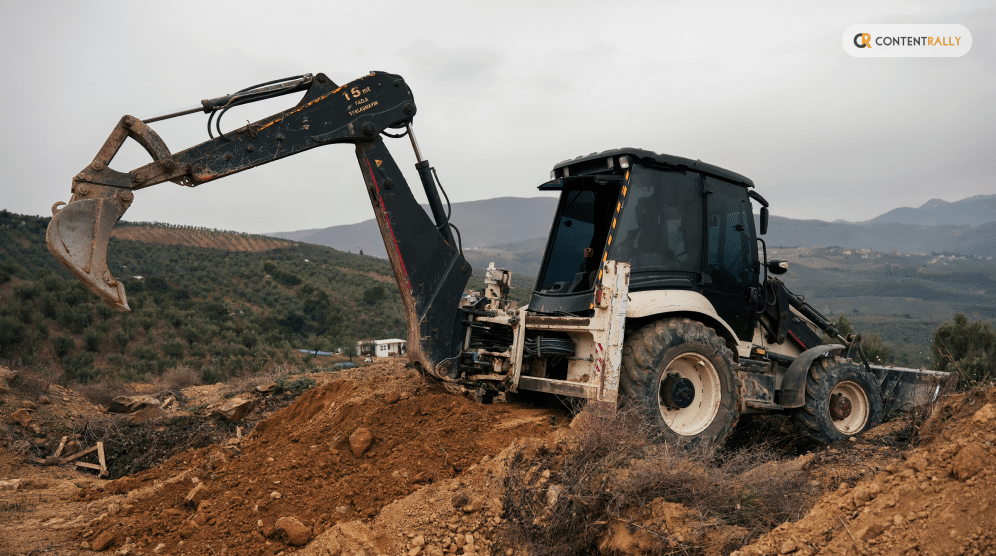
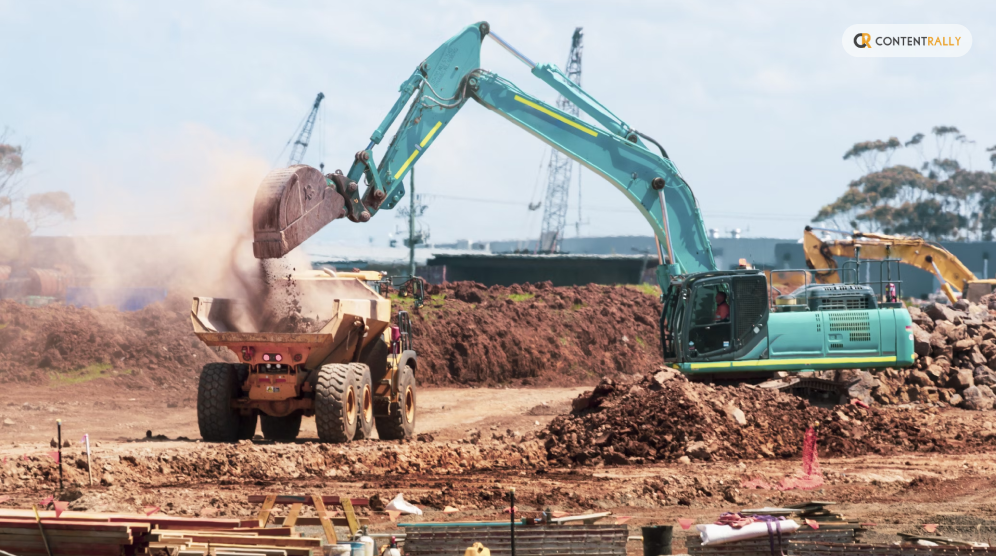
These contractors are experts at managing the earth. These contractors are proficient in earth management. To move, dig, and shape the land, they employ large machinery. 

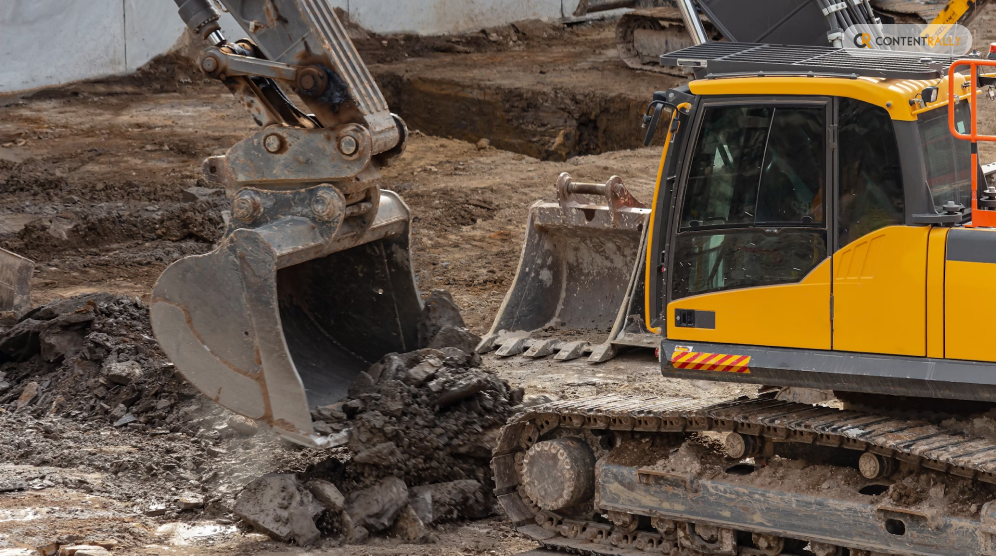
Consider them to be artists who, rather than using paintbrushes, work with bulldozers and excavators. They dig trenches for pipes, provide room for basements, and make sure rainwater runs off buildings rather than into them.

Safety is a big part of their work, too. They must know how to handle their machines without hurting anyone or damaging anything. 

They also need to understand the different types of soil and rocks they work with. This knowledge helps them decide the best way to dig and move the earth without causing problems like landslides.

Understanding the Role and Responsibility of Excavation Contractors
Understanding the Role and Responsibility of Excavation Contractors

In the construction sector, excavation contractors are crucial. They are the skilled professionals who prepare sites for new buildings, roads, or any other type of development requiring the completion of earthmoving and foundation work. 

It should go without saying that these experts are always important for any construction. They perform the preparatory work required to turn an empty plot of land into a livable, productive, or recreational area. It’s a big job with lots of obligations.

Key Responsibilities of Excavation Contractors
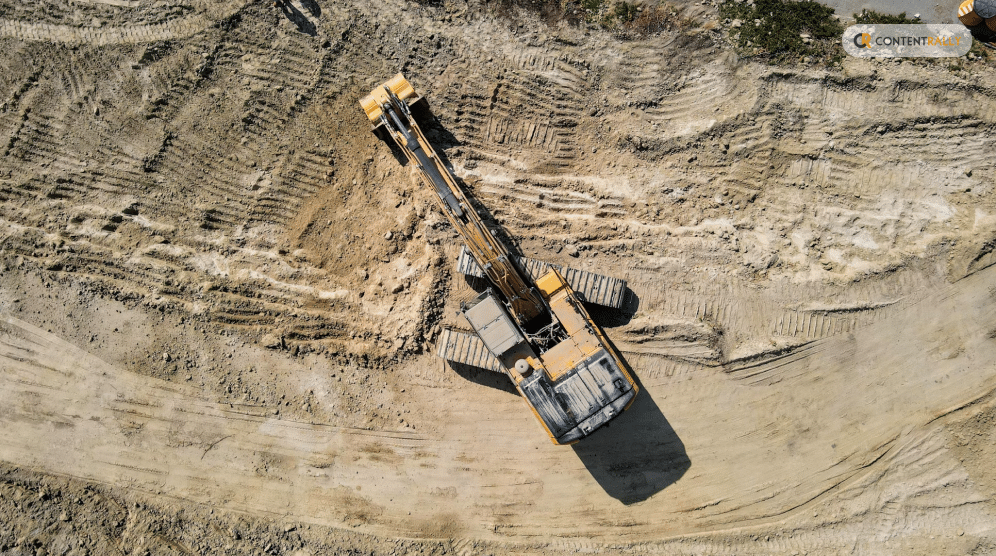
Key Responsibilities of Excavation Contractors

Excavation contractors prepare the stage for all the construction magic to happen. They make sure that the ground is ready and safe for the next steps in building our homes, offices, and roads.

Excavation contractors have a list of important jobs to do before any building can start. Here’s what they focus on:

  1. Site preparation and grading: These are similar to painting a blank canvas. Contractors clear the area of trees, rocks, and other obstructions. They then check to see if the ground is level. This process, known as grading, is essential because it prevents buildings from sinking or tilting. 
  2. Trenching: Digging large, narrow ditches for utilities or foundations is known as trenching. These are necessary for installing pipes or wires underground and for laying the foundations or bases of buildings. 
  3. Ensuring Drainage and Erosion Control: Contractors are also heavily involved in water management. They sculpt the terrain to direct precipitation where it belongs, avoiding flooding and soil erosion.
  4. Operating Heavy Machinery: Excavation contractors are trained to use big machines like bulldozers, which push dirt and rocks, and backhoes, which dig and lift. They must be very skilled to operate these safely and efficiently.
  5. Following Environmental and Safety Guidelines: Rules govern how to protect nature and keep people safe on a construction site. Excavation contractors must know these rules well and always follow them.

How to Become an Excavation Contractor in 2024?

How to Become an Excavation Contractor in 2024?

Now that you are aware of what an excavation contractor is and what they are responsible for, it is time to understand how to become one. Ad if that is something that you have been searching for, then I have you covered!

So  here are the steps that you would need to take:

1. Education:

While you do not require a college degree to begin a job as an excavation contractor, completing high school is something mandatory. Having a strong foundation in math and science is beneficial since it will enable you to measure and solve difficulties on the job.

Some people also take special classes to learn how to use big machines safely. These classes can give you a head start and show employers that you’re serious about this work. 

So, education for excavation contractors is about having a solid high school foundation and learning the skills for the job.

2. Training: 

Similar to several blue-collar jobs for women and men, this one, too, requires training. After finishing school, the next step is to learn the job by doing it. Many start as helpers, watching and learning from experienced workers. 

Some might drive smaller machines at first, getting the feel of the controls. Over time, they get to handle bigger equipment. It’s like being an apprentice, where you learn by working on real projects. 

This hands-on training is key because it teaches you the tricks of the trade, like how to dig just right without making mistakes. It’s all about practice and getting better each day.

3. Certification: 

Obtaining a certification is similar to receiving a badge of knowledge. It can make you stand out, but it’s not always necessary. 

For excavation contractors, certification denotes completion of further coursework and passing exams demonstrating proficiency with large machinery and a thorough understanding of workplace safety

It’s how you declare to the world, “I’m a pro.” Furthermore, it can provide access to greater employment opportunities and career advancement pathways. Consequently, becoming certified is a wise decision, even though it’s not necessary.

4. Licensing: 

Think of licensing as your official ticket to the world of excavation. In many places, you need a license to show you’re allowed to do the job. 

It’s like a driver’s license but for digging and moving earth. To get this license, you usually have to pass a test that checks if you know how to handle heavy equipment and understand the rules of construction safely

Once you have it, you can officially call yourself an excavation contractor. It’s a big step because it means you’re trusted to take on big projects and do them right.

5. Starting Your Business: 

Establishing your own excavation company is the best course of action when you’re ready to work for yourself. It’s comparable to sowing a seed for the future. 

A solid business plan that outlines your financial requirements and customer acquisition strategy is essential first. After that, you get the money to purchase equipment and cover other expenses like insurance. 

The laws pertaining to operating a business are also covered. It’s a major step, but it’s thrilling because you can take full control and build a company that has the potential to last for many years.

Skills Required Proficiency in operating heavy machineryKnowledge of construction principles and safety standards Ability to read and interpret blueprints and site plansStrong problem-solving and decision-making skillsGood physical condition and stamina

The Market in 2024 for Excavation Contractors

The Market in 2024 for Excavation Contractors

I know that this is something everything gets worried about.

There will be a plethora of new prospects in the excavation contractor industry in 2024. The demand for knowledgeable contractors with the ability to prepare the property is rising as more individuals wish to construct homes and businesses. 

Excavation now involves more than just digging and shifting soil. Satellites and computers are used by contractors to ensure that they are excavating in the proper location and manner. 

They need to consider the planet as well. Since it is everyone’s goal to develop without harming the environment, contractors must learn how to operate with minimal waste and mess. 

This entails employing low-pollution machinery and devising methods for repurposing the soil and stones they remove.

Being an excavation contractor also means being a lifelong learner. Contractors must stay up to date with the latest innovations in machinery and construction techniques. They must be eager to try new things and quick learners. 

As a result, there will be plenty of opportunities in the market in 2024 for astute contractors who value the environment and are eager to learn new things. 

Needless to say, many people became excavation contractors after getting laid off from big tech companies! After all, being involved in laying the foundation for the future is an exciting time to be in business.

Challenges and Opportunities for Excavation Contractors
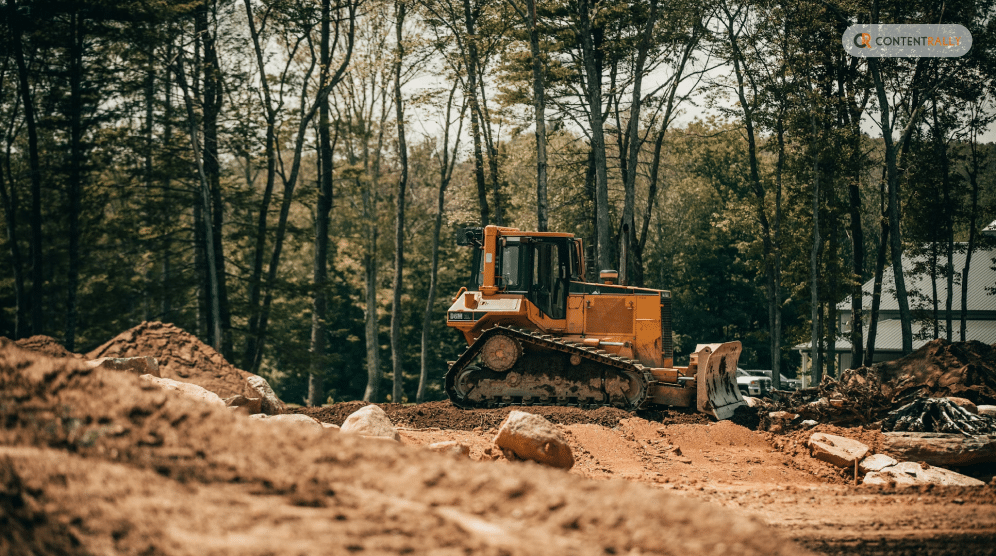
Challenges and Opportunities for Excavation Contractors

When it comes to excavation contractors, let me tell you one thing: it is not an easy path!

The weather is one of the main obstacles. The task must be done regardless of the weather, which occasionally requires navigating dust storms or mudslides. 

Apart from that, there is stress that comes with it. Tight deadlines can often result in lengthy days and a great deal of stress in order to do the task on time. Safe to say, being an excavation contractor is not a low-stress job that pays well without a degree!

Safety is still another important concern. When operating huge machinery, contractors need to use considerable caution. 

This is because using such machinery puts oneself or others at risk for injury. They must thus keep an eye on the environment to make sure that their work does not have a detrimental effect on it.

However, these difficulties also present excellent chances. Learning how to operate the newest, safer, and more environmentally friendly machinery is just one of the many things one can learn. 

Contractors with these skills are highly sought after. Additionally, there’s the opportunity to specialize in tasks like working in extremely difficult environments like mountains or deserts or underwater excavation.

In 2024, being an excavation contractor means building the foundations of the future. It’s hard work, but it’s also exciting because every day is different, and there’s always a chance to grow and improve.

Wrapping It Up!

The foundation of each building project is the excavator contractor. Those who want to work in this industry should concentrate on obtaining the required training, experience, and certifications as we go toward 2024. 

An excavation contractor’s profession can be lucrative and fulfilling with commitment and hard work. There are a number of difficulties that come with the profession, including inclement weather, pressed deadlines, and safety hazards. 

It does, however, also present chances for advancement, specialization, and the fulfillment of creating the foundation for future advancements.

Learn More About:

Ankita Tripathy loves to write about food and the Hallyu Wave in particular. During her free time, she enjoys looking at the sky or reading books while sipping a cup of hot coffee. Her favourite niches are food, music, lifestyle, travel, and Korean Pop music and drama.

View all posts

Leave a Reply

Your email address will not be published. Required fields are marked *

Related

Achieving Academic And Clinical Placement Success For Nurses

Nursing is an extremely rewarding and fulfilling career choice. Nursing school is a very exciting and busy time in your life, especially toward the end of your education. Practicing good strategies for balancing your academic, clinical placement, family, and other obligations is important. As a prospective nurse, it’s important to understand what you can do to improve your experience so you can be well-prepared for your future career. Here are some tips for balancing your life while attending classes, clinical placements, and studying for your nursing licensing exams. Practice Good Time Management Managing your time is difficult as a student. Some nursing students have more obligations than others to consider when creating a good time management plan. This can be very challenging, but it is achievable with good planning and discipline. Considering your obligations for a week and making a plan or schedule is helpful. It’s also important to realize that things happen sometimes that are beyond your control that may make it necessary for you to reorganize your day. This is good practice for working as a nurse because nurse schedules can vary wildly due to the unpredictable nature of healthcare. Of course, being realistic about what you can do in a day is critical. Trying to pack too much into each day for an extended period can lead to burnout and affect all areas of your life. Nursing can be stressful, and it’s important that staff use all the resources available to them during busy times. This is particularly important for those who are studying alongside their work placement. Avoid Procrastination Waiting until the last minute to take care of priorities can make life extremely stressful. It’s important to schedule time to catch up on tasks that take longer than expected. Using your time effectively and efficiently is crucial in avoiding last-minute stress. Be realistic about what is most important and prioritize those tasks first. If there are particular things that you find yourself procrastinating on more than others, then you need to consider why that is and take steps to put yourself in a better mindset to take on the task and get it out of the way sooner rather than later. Take Care Of Yourself Being driven and highly motivated is great, but, as a nurse, it’s important to make sure you stay healthy and happy in order to provide the best care you can to your patients. Nursing can be very physically demanding. Eating a nutritious diet and exercising regularly will help you have the energy you need to get things done while keeping you fit and healthy. Of course, everyone needs some time to relax and enjoy a hobby or pastime. Prioritizing self-care at home will help you perform at your best in the workplace. Don’t forget to make time for important things in your life, such as family, friends, and the activities you enjoy outside of work and studying. Allow Enough Time For Sleep Clinical placements are very important to take seriously; they are an excellent place to gain valuable references, and in some cases, you may even be able to land a position at the facility where you are doing your placement at. During your clinical placement, it is imperative that you are well-rested and alert so you can provide your patients with a high level of care while learning the skills you need to do your job well While it can be tempting to work as much as possible to further your career, it is not a good idea. You need to get adequate rest to perform well in your placement and studies. Even if you allow enough time for sleep, it may be that stress and having a lot on your mind makes it hard to fall asleep and stay that way. Doing something relaxing for at least 30 minutes before you want to go to sleep is a good idea. Avoiding computers, tablets, and smartphone screens is recommended. Try reading a physical book, listening to music, taking a relaxing bath, or doing whatever it might be that makes you feel relaxed in a healthy way. Use The Support Of Those Around You Using the support of friends, family, and partners is important when studying alongside a work placement. Ensuring that those around you are aware of your busy schedule means that you can maintain healthy relationships that can support you through your work. Partners, friends, and family are able to provide both emotional and practical support. Talking to loved ones can be an important emotional support, while friends, family, and partners can offer practical help by helping you out around the house, or caring for your pets or children. If you have important exams that mean extra study time, be proactive in making sure that your schedule is cleared for the most part well in advance. Your loved ones will understand if you’re more busy for a time, and can be an invaluable source of help through a stressful time. Tips For Academic Success Finding time to study may seem challenging, so it is good to have some strategies to help you make the most of your time. Take Plentiful And Good Notes  The notes you take are important. For starters, you learn things better if you write them down. Notes help you have the information you need the most in a concise format. Great notes mean you can create a study guide that can help you concentrate on the information you need the most for exams, papers, and other work. Consider Studying With A Partner Having someone to study with can be very useful and help you both stay on task. During study sessions, you can quiz each other and rely on one another to discuss and explain concepts you are struggling with. A study session with a buddy can also be an opportunity to have a bit of fun. A reward at the end of a successful study session can boost your mood and provide a welcome break from a day’s hard work. The reward can be anything you both enjoy, such as catching up with a television show, taking a walk, or eating some particularly good food. Vary Your Study Locations It is easy to get in the habit of studying in the same spot every time. This can become boring and eventually make it harder to concentrate. Even if you have to study at home, you can switch desks or rooms, or even try working in the garden. Alternatively, consider studying at the library, a favourite coffee shop, the park, or anywhere with a comfortable, suitable space. Nurses working toward the same or a similar qualification can meet in a study group to compare notes and motivate each other. This is particularly practical for those working on the same nursing placement. Study groups are a great opportunity to enhance learning, socialize, and bond with fellow students and colleagues. Consider How You Learn Best Everyone is different when it comes to learning habits and practices. It is important to be honest about your learning style and how you learn best. Some people do well with memorization exercises while others may need to write something down multiple times. All of this can depend on what kind of learner you are. The time of day that you study can make a big difference too. If you are able to study during the part of the day or night that you are most alert and seem to learn the best, then you will make the best use of your study time. If you are not a morning person, then trying to study then is not the best use of your time. Consider if you study best in shorter but more frequent sessions or when you can set aside longer blocks of time and plan your schedule accordingly. Eliminate As Many Distractions As Possible We live in a very distracting world. In modern times there is social media and unlimited distractions available via the internet. While it is important to find time to do things you enjoy and you absolutely should not neglect family obligations, it is important that you have some time that is solely dedicated to studying without any major distractions. If you have to do so, silence alerts on your phone, and eliminate any unnecessary technology.  It can also help to keep it simple when it comes to meals and snacks to save time. There are also a number of apps available that can help productivity and will stop you from using your phone for certain periods of time or can block the more distracting social media apps. Making The Most Of Your Clinical Placements No matter what level of nursing degree you are trying to achieve, you will need to complete a series of clinical placements to graduate and qualify for any licensing exams. Nurses advancing their careers through an RN to MSN NP course benefit from degree programs that offer clinical placement services. Wilkes University offers a 100% online program that allows you to choose from three specializations: family nurse practitioner, adult-gerontology primary care, and psychiatric/mental health. Choosing the right clinical placement is very important because it is where you can apply all your previously learned knowledge and help treat actual patients. It’s important also to connect with your preceptor; your preceptor is the mentor you will be working under at a medical facility. They may be an RN, nurse practitioner, or physician, and can provide you with valuable knowledge and experience to help you through your education. Ask Questions Keep a notebook with you during your clinical placement and write down anything of interest or any questions you might want to ask your preceptor. Asking a lot of questions will help you gain the most knowledge and prevent you from making assumptions or mistakes. Writing down your questions is important because, in a hectic healthcare setting, you may have to wait a while until an appropriate moment to ask them arises; not all questions should be asked when you are trying to shadow your mentor while treating patients. Treat Your Placement Seriously Taking your clinical placement as seriously as if it were your permanent job is important to your success. You want to provide your patients with the highest level of care possible; you will learn the most by treating patients conscientiously. Conclusion Balancing academic and clinical placement success is possible. By creating a good schedule based on prioritizing tasks while practising self-care, you can succeed in all areas of your life while pursuing your nursing dreams. Now is a great time to pursue a career in nursing due to the high demand and amazing opportunities it presents. There are online degree programs that you can do while maintaining your regular job. If you have prior higher education, you may qualify for accelerated programs that allow you to achieve your career goals faster than you think. Read Also: Health Tips For Hard Working Men 3 Top Tips to Keep Your Eyes Healthy Health Tips For Hard Working Men

READ MOREDetails
what do consumer non-durables jobs pay

What Do Consumer Non-Durables Jobs Pay?

What do consumer non-durables jobs pay? If this is something that you are searching for, then you have reached the right place. After the pandemic of 2020 caused due to the outbreak of the Covid-19 virus, a lot of people started to look for jobs across various fields. This is mostly because of the large wave of unemployment that took over the world during the lockdown globally. If you are someone who is searching for jobs in consumer non-durables, then you need to do one thing. And that is to keep reading this article till the end… What Are Consumer Non-Durables Jobs? In order to know what are the jobs that are present in this line, you need to know what is the consumer non-durable. So here I go. Consumer non-durables are the items that are good or items that have a very small lifespan. This means that consumers do not use this for a very long time. They are not very durable, needless to say. Therefore, these goods are considered to be consumer non-durables. The goods that are non-durables generally need to be used up before or in less than three years. These are the items that are produced in very large quantities, but at the same time, these goods are cheaper to produce and purchase. These goods are different from consumer durable goods, which last for more than three years. Some examples of consumer non-durables are packaged and non-packaged goods like food, drinks, laundry detergents, etc. You must have heard the names of companies like Coca-Cola, Pepsico, Nestle, and Unilever. These are all the companies that deal with consumer non-durables. Answering The Question, “What Do Consumer Non-Durables Jobs Pay?” Now that you know what the consumer non-durable job is, it is time for you to know about the jobs that pay well in the field of consumer non-durables. If you are thinking, “is consumer non-durables a good career path,” then the answer is YES! And one of the main reasons for that to happen is because this job pays you a lot of money. But, at the same time, there is also a huge variety of jobs that are available in this field of work. Typically the consumer non-durables jobs pay you nearly $41,500 on an average per year. However, that does not mean that this is the only money that you can make in this line or sector. There are many people working in this area that make nearly $100,000 on an average every year. The money that you make depends on your rank or position or your job role. One of the main reasons why the companies on consumer non-durables pay well is because the companies do not always need experienced or skilled labor or employees all the time. For example, there are many people who have gotten a job in the consumer non-durables sector without having any prior experience. Jobs Available In The Consumer Non-Durable Sector There are many jobs that are available in the line of consumer non-durables. Here is a list of some of the jobs that pays you well in this line: JOB ROLESAVERAGE SALARYENTRY LEVEL SALARYRestaurant General Manager$54,000$72,000Sales Representatives$62,000$50,000Food and Beverage Manager$53,000$39,000Food Technologist$63,000$39,000Chef$47,000$32,000Beauty Consultant$33,000$30,000Grocery Associate$31,000$29,000 Consumer Non-Durable Companies Procter & Gamble Company Nike Nestle AG Loreal Pepsico Coca-Cola Company Unilever Group Philip Morris International Anheuser-Busch Inbev Christian Dior Procter & Gamble Company Market Cap (Sep-01-2021): 345.770 Billion USD Revenue: 70,950 Million USD (Year Ending: Jun-2020) Net Income: 13,030 Million USD (Year Ending: Jun-2020) Number of Employees: 99,000 (As of 2020) Nike Market Cap (Sep-01-2021): 260.800 Billion USD Annual Revenue in USD: 37,420 Million USD (May 2020) Annual Net Income in USD: 2,530 Million USD (May 2020) Number of Employees: 75,400 (2020) Nestle AG Market Cap (Sep-01-2021): 348.550 Billion USD Annual Revenue in USD: 92,301 Million USD (Year Ending: Dec-2020) Annual Net Income in USD: 13,242 Million USD (Year Ending: Dec-2020) Number of Employees: 291,000 (December 2019) Loreal Market Cap (Sep-01-2021): 262.430 Billion USD Annual Revenue: 33,028 Million USD (Year Ending: December 2020) Annual Net Income in USD: 4,172 Million USD (Year Ending: December 2020) Number of Employees: 88,000 (As of December 2019) PepsiCo Market Cap (Sep-01-2021): 216.150 Billion USD Annual Revenue in USD: 70,370 Million USD (Year Ending: Dec-2020) Annual Net Income: 7,120 Million USD (Year Ending: Dec-2020) Number of Employees: 263,000 (2019) Coca-Cola Company Market Cap (Sep-01-2021): 243.070 Billion USD Annual Revenue: 33,010 Million USD (Dec-2020) Annual Net Income: 7,750 Million USD (Dec-2020) Number of Employees: 86,200 (in 2019) Unilever Group Market Cap (Sep-01-2021): 145.300 Billion USD Annual Revenue in USD: 59,850 Million USD Annual Net Income in USD: 6,529 Million USD Number of Employees: 149,000 (2020) Phillip Morris International Market Cap (Sep-01-2021): 160.530 Billion USD Annual Revenue in USD: 28,690 Million USD (year ending in Dec-2020) Annual Net Income in USD: 8,030 Million USD (year ending in Dec-2020) Number of Employees: 71,000 (2020) Anheuser-Busch Inbev Market Cap (Sep-01-2021): 123.700 Billion USD Annual Revenue in USD: 46,880 Million USD (Year Ending: Dec-2020) Annual Net Income in USD: 1,400 Million USD (Year Ending: Dec-2020) Number of Employees: 170,000 (December 2019) Christian Dior Market Cap (Sep-01-2021): 139.230 Billion USD Annual Revenue in USD: 63,331 Million USD (Year Ending Dec-2019) Annual Net Income in USD: 3,437 Million USD (Year Ending Dec-2019) Number of Employees: 163,309 (2019) Frequently Asked Questions (FAQs):- As you have reached almost the end of this blog, I hope that most of your queries have been cleared. However, in case you want some more information regarding the same topic, here are some of the questions that readers frequently ask about what do consumer non-durables jobs pay. You might want to check them out. 1. What Is The Highest Paying Job In Consumer Non-Durables? Ans: Some of the highest-paying jobs in the line of consumer non-durables are:➊ Human Resource Manager➋ Food and Beverages Manager➌ Digital Designer➍ Chemical Engineer 2. What Is The Meaning Of Non-Durables? Ans: Non-durables or consumer non-durables are the items that the consumers do not use for a very long time. These are the goods that the consumers use in less than three years. Some of them are laundry detergents, packaged goods, drinks, etc 3. What Are Examples Of Consumer Durables? Ans: In case you are searching for an example of consumer durables, you have reached the right place. These are the items that the consumers have used for more than three years. Here are some of the examples of consumer durables:➊ Computer➋ Air conditioners➌ Refrigerator➍ Dryers➎ Cars Wrapping It Up! Non-durables are the goods or items that the consumers use up in less than three years. These items can be the packaged goods that have an expiry date on them. Needless to say, there are several types of jobs that are available in the line of consumer non-durables. If you were looking for the answer to what do consumer non-durables jobs pay, I hope that you found this article to be of help. Also, if there are any other queries related to the same, feel free to write them down in the comment section below. Read Also: Best Paying Jobs In Energy Best Paying Jobs In Electric Utilities Central Are Commercial Banks A Good Career Path?

READ MOREDetails
most dangerous jobs in the world

Top 11 Most Dangerous Jobs in the World In 2024!

In a world where most of us complain about having 9-to-5 jobs, there are times when we forget how difficult life can be for others who probably have some of the most dangerous jobs in the world.  Last week, I went to a cafe with my friends, and all we were doing was complaining about our jobs, the minimal money, the fright of getting laid off, and the exhaustion. However, that is when Samantha said something like, “But we are privileged. At least we do not have to work as hard as a farmer under the sun!” And she is right! We are fortunate. That is when I started thinking about the people with the most dangerous jobs in the world. I started searching for the riskiest jobs and how people dealt with them.  Want to know about them? I have you covered! So, keep on reading till the end to learn more…  Most Dangerous Jobs in the World in 2024! Miners, underwater welders, oilfield workers, police officers, commercial fishermen— the list can go on when we start talking about the most dangerous jobs in the world. Technically speaking, if I actually sit down and list all of them, the list will be endless.  That is the reason why I have listed the twelve most dangerous jobs. So, without further ado, let us get started with this list: 1. Commercial Fishermen Commercial fishing is like a high-stakes poker game with Mother Nature. These brave souls battle wild waves, slippery decks, and unpredictable weather. Imagine doing a tango with a storm—it's no picnic. Think massive nets, winches, and sharp hooks. Commercial fishermen wrangle these tools while dancing on a moving boat. One wrong move, and it's trouble. Ever heard of bycatch? It's when unintended creatures (like dolphins or turtles) get caught in the nets. Despite efforts to reduce it, bycatch remains a serious issue. When it comes to commercial fishing, you can easily forget 9-to-5. These fishermen work grueling shifts, often in the dead of night. Sleep-deprived and battling fatigue, they're like nocturnal warriors. Out at sea, these fishermen are on their own. Help isn't a phone call away. It's just them, the boat, and the vast ocean. 2. Logging Workers Logging is like a wild adventure in the forest but with serious risks. These workers deal with heavy machinery. Loggers handle chainsaws and logging machines, dealing with massive weights and unstoppable tree momentum. They work on uneven, rough ground and treacherous terrain, where a wrong step can lead to disaster. That is not all! Rain, snow, lightning, and extreme cold— nature throws curveballs at them as they have to work in literally all weather conditions. And guess what, there are times when these workers have to stay away from home for extended periods of time, working in remote locations. Sometimes they're far from help, making emergencies scarier. 3. Aircraft Pilots and Flight Engineers Aircraft pilots and flight engineers are challenging and risky professions. While passengers enjoy safe air travel, these professionals face unique hazards. Pilots navigate the skies, dealing with equipment failures, unpredictable weather, and potential mid-air collisions. Flight engineers manage aircraft systems during flight. Long hours and irregular schedules can lead to fatigue and impaired judgment. Their fatality rate is approximately 58.4 deaths per 100,000 workers. Soaring through the clouds isn't always smooth sailing! 4. Roofers The job of a roofer is to install asphalt, shingles, metal, or several other materials required to ensure that the roof of a house is waterproof. However, this is a low stress job for which you do not need a degree. Roofers spend their days perched high above the ground. One wrong step can lead to a dangerous fall. They handle substances like tar and chemicals, which can harm health. Roofers work with flames and hot asphalt, risking burns and accidents. Carrying heavy materials like shingles and tools is part of the job, and it strains their bodies. Moreover, they work with saws, nail guns, and other tools that are essential but also pose risks. Additionally, roofers brave rain, wind, and extreme heat. Imagine working on a slippery roof during a storm! 5. Refuse and Recyclable Material Collector Talk about unsung heroes, and these people will be the first in line. Being a Refuse and Recyclable Material Collector might not seem hazardous at first glance, but it's actually quite risky, with their fatality rate as high as 44.3 deaths per 100,000 workers. These workers handle hefty garbage bins and recyclables daily. Lifting and tossing these loads can strain muscles and cause injuries. The refuse truck itself is a major hazard. Workers jump on and off it, and accidents involving the truck are common. Imagine getting hit by your own workplace! Refuse collectors are at risk of being struck by passing vehicles. When they stand on the truck or work near traffic, accidents can happen. Additionally, garbage contains sharp objects, broken glass, and even toxic chemicals. Exposure to these materials poses health risks. Employers should use safer equipment, like automated side loader trucks, and ensure trucks have alarms. Workers must stay alert and wear high-visibility vests near roads. 6. Structural Iron and Steel Workers If you have something to thank the structural iron and steelworkers for, you must do it for the cities they built for us. They place and join the steel girders and other essential pieces to make the structural framework of any/all building. Now, you might be wondering why I am saying that their job is dangerous. Apart from the fact that their fatality rate is about 37.0 deaths per 100,000 workers, let me tell you what makes their jobs risky. These workers install and connect steel beams for buildings and bridges. Imagine working at dizzying heights, where falls are a constant threat. Carrying hefty steel components is part of the job. The strain on muscles and joints can lead to injuries. These workers brave rain, wind, and extreme temperatures. Harsh weather conditions increase the danger. Ironworkers use welding equipment overhead. Burns and eye injuries are real risks. Additionally, safety gear is crucial. Helmets, harnesses, and caution are their lifelines. 7. Delivery and Truck Drivers A blue-collar job for both women and men, delivery and truck drivers' jobs are considered among the most dangerous because they spend a lot of time on the road, which increases their risk of being in an accident. They often drive in unfamiliar areas, adding to this risk. Additionally, they face threats from criminals who may attack them, steal their cargo, or even their vehicles. The rise in crimes targeting delivery drivers has made this job increasingly perilous. They also risk injury from other hazards like tripping while delivering packages or being attacked by animals. 8. Farmers, Ranchers, and Other Agricultural Managers Next on the list of the most dangerous jobs in the world is that of the farmers and agricultural workers. And you might be thinking, “Why so?” Let me tell you why! You see, Farm life isn't all sunsets and hayrides. You might not know this, but the fatality rate of people working in agriculture is somewhere around 24.7 deaths per 100,000 workers. They work with heavy machinery like tractors, which can cause serious injuries. They also deal with unpredictable animals and harsh weather, which can be risky. Plus, they use harmful chemicals like pesticides and fertilizers. The injury rate for these workers is much higher than the average for all jobs, making it one of the riskiest professions. 9. First-line Supervisors of Construction Trades First-line supervisors of construction trades have a dangerous job because they work on construction sites, which are places with many risks. Falling debris, electrical mishaps, and heavy equipment— these are some of the things that they have to work with! They oversee the work and ensure everyone's safety, but accidents can happen. Workers might fall from high places, be hit by falling objects, or be injured by machines. They also have to make quick decisions, which can be stressful and lead to mistakes if they are not careful. Plus, they work outdoors, so bad weather can make the job even more risky. All these factors make their job one of the most dangerous. 10. Electrical Power-Line Installers and Repairers This is not supposed to be a surprise, right? We all know how dangerous the work of people working in this field can be. However, just knowing how to be an electrician does not mean that you will be able to do this job. They work with high-voltage electricity and often at great heights. If they touch the wrong wire or if a tool slips, they could get a severe electric shock or fall. That is not all! Apart from the technical dangers of the work, they also do physically tough work, which can lead to injuries. Plus, they have to be outside in all kinds of weather, which can make their job even harder and more risky. One wrong move, and they can literally be dead. 11. Miner Last but not least, the job of a miner is definitely going to be on this list. Just imagine the site: dark tunnels and headlamps. This is what the office of a miner looks like. And considering the fact that their fatality rate is nearly 35 deaths per 100,000 workers, it is only natural that a lot of people think twice about people actually becoming one! They work deep underground where cave-ins can happen. They face toxic air, extreme temperatures, and the risk of explosions. Miners use heavy machinery in tight spaces, which is risky. The earth can be unpredictable, with sudden tremors causing landslides. Despite safety improvements, mining still has a high rate of fatal accidents. It's a tough job with many hazards that can cause both immediate harm and long-term health problems. Wrapping It Up! Apart from these, there are several jobs that are among the most dangerous ones in the world. And yes, for most of the people who are actually working in these sectors, it is time that we salute them for their hard work. However, there is one thing that you must keep in mind. While it is true that these jobs are dangerous, they offer a lot of security. This means even if something unfortunate happens to you, be rest assured that the family will be taken care of. In case you were searching for the most dangerous jobs in the world, I hope that this blog has been helpful to you. If you have any other queries related to this, please feel free to let me know. All that you need to do is scroll down until you reach the bottom of the page. Then, leave your comments and suggestions in the box below. And I will be there to answer them all for you! Learn More Also: Best Blue Collar Jobs For Women In 2024! Is Medical Specialities A Good Career Path? – 12 Best Jobs 51 Blue Collar Jobs/Career Options To Pursue If You Get Laid Off From Big Tech In 2024

READ MOREDetails