










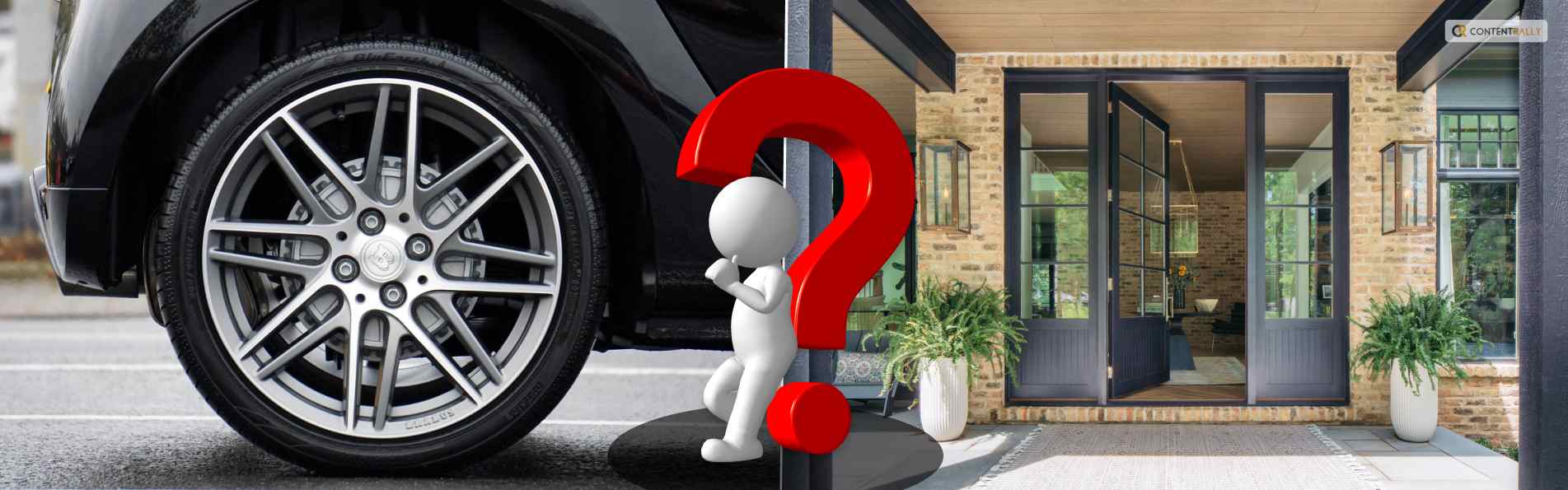
Are There More Doors Or Wheels In The World?

Published on: 12 January 2023 Last Updated on: 29 March 2023
Are there more doors or wheels in the world?

Having silly debates on the internet and having heated arguments and virtual bloodshed over it has become pretty common nowadays. Very few seem to have a common ground regarding such heated debates. However, one such debate that gained comical notoriety was this question – are there more doors or wheels in the world?

Well, if you want to find the answer to this question, then you are in the right place. If you want some solid evidence as to which option is the right answer (unbiased of course), then read this post till the end.

How Many Doors Are There In The World?
How Many Doors Are There In The World?

When it comes to the viability of what will be considered as how many doors are there in the world for this poll, all doors are considered here. This includes, but is not limited to various forms of doors (even the unexpected ones).

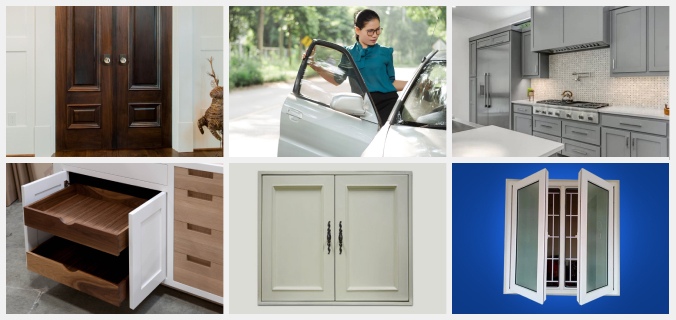
For this debate, I will be considering doors as “doors” that connect two spaces together. It can be between spaces. Therefore, the doors in your room, windows, oven, car, house, and everything that resembles one will be taken into consideration. This includes:

  • Residential household doors
  • Vehicle doors
  • Toy vehicle doors (only if openable)
  • Cabinet doors
  • Drawer doors
  • Cupboard doors
  • Bunker doors
  • Windows doors
  • Oven doors

How Many Wheels Are In The World?

How Many Wheels Are In The World?

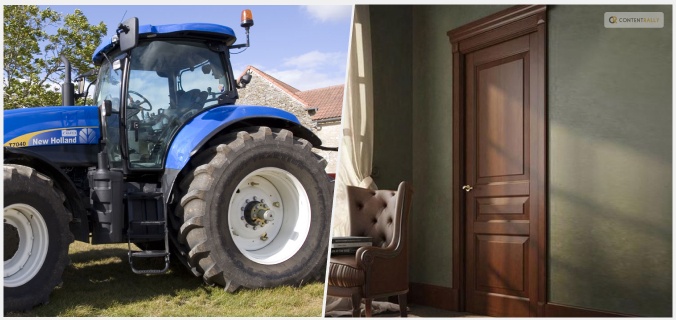
What type of wheels must be considered for this poll is subjective. However, for its discussion on this post, all wheels will be considered here. This includes actual wheels that are present in vehicles, along with other wheels present in car toys, trolleys, and more.

For the sake of simplicity, any circular wheels that help in moving objects around will be considered as a wheel. In addition, circular objects that simply rotate might also be considered wheels, though this is subjective. This includes the wheels in hand-drawn carts, pulleys, and lots more.

Therefore, for this discussion, such wheels in “how many wheels are in the world” will be taken into account:

  • Vehicle wheels
  • Toy car wheels (Hot Wheels anyone?)
  • Cartwheels
  • Skateboard wheels
  • Wheelchair wheels
  • Lawn Mower wheels
  • Gear cogs and wheels in machines

Since When Did People Care About Debate This Anyway?
Since When Did People Care About Debate This Anyway?

People will always care about any pointless debate on social media since they are fun and you get to flex your knowledge online.

The debate about how are there more wheels or doors in the world was first started online on Twitter. It was first started by Ryan Nixon from New Zealand. He randomly made a poll post on Twitter asking users “is there more doors or wheels in the world?” This Twitter poll was posted on 5th March 2022.

However, since it’s social media, who knew this question would cook up such a storm?

Even though Ryan has only 2,000 followers on Twitter, more than 220,000 votes were cast on this poll. This left Ryan flabbergasted and surprised at the overwhelming response. Later, many claimed that this poll spread like wildfire, and it was shared with thousands of people on other social media platforms as well. Sharing this post on WhatsApp and TikTok also made it pretty popular as well.

So, according to Ryan’s poll, are there more wheels than doors?

Doors VS Wheels: Who Wins In This World?
Doors VS Wheels: Who Wins In This World?

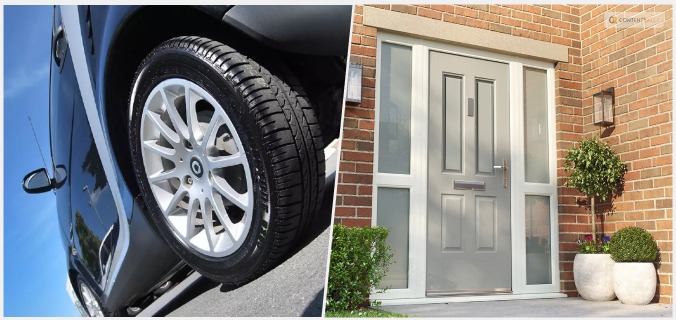
So, in the end, who is the winner of the debate: are there more wheels or doors in the world?

The answer is – there are more wheels in this world than doors.

According to the original Tweet made by Ryan, the poll also provided the same answer. As per the results of this poll, 54% of the votes said wheels while 46% said doors.

When it came to the question, there was an entirely new war brewing regarding this question. Those who said wheels argued that each car has four (or more) wheels – including the millions of toy cars as well. In addition, each door has wheels on them – the door hinges. Here, one even argued that each door is a wheel in itself, but it’s not the same the other way around!

On the other hand, many “Team Door” followers claimed that doors can be mystical as well – referring to the door to our hearts and minds as well. While each person has various opinions regarding this question, we should be happy with the answer provided by the poll for now.

Frequently Asked Questions (FAQs):

Many people interested in finding out if are there more doors or wheels in the world answer have asked various questions. Here are my answers to those questions.

Q1. What Does Team Doors VS Team Wheels Mean On TikTok?

Ans: When people asked about “are there more doors or wheels in the world statistics” through TikTok, the opinions of people differed. Those who thought that there were more wheels joined Team Wheels. On the other hand, those who thought that there are more doors in the world joined Team Doors.

Q2. Do Doors Have Wheels On Them?

Ans: Yes, it’s true that doors have wheels on them. This statement is true because all doors have hinges in them. You can consider hinges to be a wheel since they are circular in shape and rotate too!

Final Verdict: Are There More Doors Or Wheels In The World?

So, are there more doors or wheels in the world?

The answer is there are more wheels in this world compared to doors. This is because there are millions of automobiles in this world, with all of them having two to six wheels. Plus, the greatest argument ever here is that all doors have wheels on them – the door hinges.

If you want answers to such silly (but interesting) debates, why not start a fire yourself in the comments below?

Read Also:

Content Rally wrapped around an online publication where you can publish your own intellectuals. It is a publishing platform designed to make great stories by content creators. This is your era, your place to be online. So come forward share your views, thoughts and ideas via Content Rally.

View all posts

Leave a Reply

Your email address will not be published. Required fields are marked *

Related

Match Sofas With Accent Chairs

How Do You Match Sofas With Accent Chairs?

It is unarguable that decorating our own home will surely excite us. The thoughts of what color palette to use or what furniture to put or how to arrange them will get us a bit carried away for sure. The entire decoration plays a key role as it sets up the mood for the house. Whether you want a refresh or moving into a new space, it is vital to purchase durable furniture to incorporate your home. Choosing your furniture can take you a lot of time to consider its design and quality. In Chesterfield furniture, they offer a wide range of designs that will not compromise your comfort as they only intend to use the finest materials for their sofas and chairs. The most crucial spot of the house to decorate is the living room. Being the center of the house, a heart is considered a symbol for the living room. The living room is the primary room you will see upon entering a home, and it is where guests are entertained. The living room should be an area to indulge and lie on the couch as you enjoy a bowl of popcorn watching your favorite movie. Most importantly, the living room is where families should spend time together to relax and share stories. There is a long list of furniture to consider putting in the living room. The essentials are the sofa, coffee table, accent chairs, media stand, and side table. Putting together all these are overwhelming; thus, one should consider hiring an interior decorator to do the job, or if not, dig deep on Pinterest for design inspiration. One of the common mistakes in arranging your furniture is the improper incorporation of your sofa with your accent chair. If you want to create a pleasing space to the eye and a solid setup, you should consider a few tips and tricks to have a successful mix and match. What Do I Have To Put In Mind: In pairing your sofa with your accent chair, contrasting them is most crucial. You will have to make these pieces complement each other and, at the same time, can stand on their own. You shall also consider the style, color, and form of your selections. 1. Style Style is an essential element to consider. If you opt for minimal decoration, both your sofa and accent chair should embody that style. 2. Color Carefully decide on the color palette you will use for your sofa and your accent chair. Your choice can either be a monochromatic or complementary color scheme; always make sure they don’t crash with each other. 3. Form Always be mindful of the form. A skirted sofa would go along well with an accent chair that has an intricate or evident leg style. How Do I Arrange These Pieces? There are various ways to arrange your sofa and your accent chair: front and center, and section-off space. When you follow the front and center arrangement, you must consider where you will be facing as you sit down. The section-off space arrangement considers arranging the furniture in ways that can accommodate visitors and guests. There are no rules on how you should decorate your place; as being said, it is your home and your own space. However, it would help if you always put in mind that the design must go together harmoniously. Read Also:  Some Common Reason why we Use Futon Mattress Modern Home design ideas for crowded families Top 5 Trending Home Renovation Ideas For Australian Families

READ MOREDetails
The Benefits Of Modular Classrooms In Education

The Benefits Of Modular Classrooms In Education

In a world where children dream of fun camping trips and exciting days at the pool, why not infuse their educational journey with a dose of creativity and flexibility? In the ever-evolving landscape of education, innovation is the key to unlocking brighter futures for our students. Modular classrooms stand out as the optimal learning environments that foster growth, adaptability, and collaboration. Gone are the days of traditional brick-and-mortar structures that limit educational possibilities. From elementary schools to universities, many educators nowadays turn to flexible and sustainable modular classroom building. Whether you're tired of the same old classroom routine or just someone who's fascinated by the blend of architecture and education, these structures are worth checking out. Thanks to the durable materials and high-quality construction, they can handle the wear and tear of everyday school life with ease. Fast Construction Regular construction is such a pain - the noise, the dust, the never-ending wait. Well, with modular classrooms, all those headaches disappear. These structures are prefabricated off-site, which means while the building's being built, your school life remains nice and peaceful. No more dodging construction zones on your way to class! And once they're done with the construction, they deliver them to your school ready to go. It's like a huge puzzle that's already been put together! You don't have to wait months and months for the building’s completion. So, how fast can you build a modular classroom? You can have a brand-new structure up and running in just over two months! No more waiting around for ages, dealing with construction delays, and counting the days. So, whether your school needs to accommodate a growing student population or wants to create a flexible space for different activities, modular is the answer! Cost-Effective Traditional construction can be a money drain. From hefty material costs to never-ending labour fees, it often leaves schools scratching their heads and digging deep into their pockets. But with modular classrooms, it's a whole different ballgame. They build these structures in a controlled environment, which means less waste and more savings. And since they’re built in record time, you save on labour costs. Less time on-site means less money spent on construction workers. With these buildings, you can avoid the headache of unexpected expenses that often pop up in traditional construction, such as surprise repairs or delays that can send the budget skyrocketing. Their streamlined process keeps things predictable and budget friendly. So, whether you're on a tight budget or a savvy spender who loves getting more bang for your buck, these classrooms are the answer. You don't have to break the bank to create a top-notch learning environment! Sustainable Eco classrooms are built with sustainability in mind, using sustainable materials and energy-efficient features. Since the construction happens off-site, they produce way less waste than traditional construction. The manufacturer carefully selects the materials to minimize their impact on the environment. A modular classroom building will also reduce energy consumption. With proper insulation and ventilation, they keep the temperature just right without overloading the AC. That means lower energy bills and less strain on the planet. Modular structures are like the eco-warriors that come to the rescue. They’re built to last, so they reduce the need for constant repairs and replacements. This way you’re investing in a sustainable future for generations to come! Minimal Disruption With modular buildings, the noise, the dust, and the blocked pathways that drive everyone crazy are a thing of the past! Since they're built off-site, all that noisy construction stuff happens far away from your school. It's like the construction zone is in a secret location, away from all the daily hustle and bustle. So, your students can continue learning and your teachers can continue teaching, without any interruptions. And when they're ready, they just deliver the completed structure right to your school. No more waiting for months and months for a building to rise from the ground. The assembly process is super quick and efficient. It's like a well-coordinated dance – they bring in the pieces, fit them together like a jigsaw puzzle, and before you know it, your brand-new classroom is ready to roll. Say goodbye to blocked paths and detours that can feel like a maze. With modular classroom buildings, it's smooth sailing all the way! Customisation Every school is unique and has different needs. This is why you need a super flexible structure, so you can customise it to fit your school's personality and requirements. From the layout to the colour scheme, it's all in your hands. You can go wild with your creativity and create a space that reflects your school's vibe and values. You can choose the number of rooms, the size of each one, and even the configuration – it's like building your own educational paradise! Want big windows to flood the classroom with natural light? You got it. Fancy a cool outdoor deck for some fresh air learning? No problem. The possibilities are practically endless! Plus, the manufacturers understand that schools change over time. Maybe you need to expand in the future or reconfigure the rooms for a different purpose – not a big deal for modular structures. They're the shape-shifting transformers of education! Mobility Sometimes schools are expanding, relocating, or just trying to keep up with the changing educational landscape. If your school needs to move to a new location, modular classrooms are your trusty sidekick, ready to pack up and hit the road. It's like having a portable structure that you can take wherever you go! And this mobility doesn't mean you're compromising on quality. These structures are built to the same standards as traditional buildings, so you're getting durability, comfort, and flexibility all rolled into one. The mobility also means you can repurpose these classrooms. Need a new science lab or an art studio? No problem! It's like having a classroom that's always up for a makeover, no contractor needed. Bottom Line From their rapid construction that saves time and reduces disruptions to their cost-effectiveness eases the burden on school budgets, these modular classrooms have proven to be a game-changer. Their flexibility and customizability empower schools to create learning spaces that reflect their unique vision and adapt to ever-changing educational needs. Moreover, their sustainable design showcases a commitment to both student growth and environmental responsibility. These buildings embrace innovation and pave the way for a brighter future in education! Read Also: Enhancing Nursing Education: A Detailed Guide To Performing Head-To-Toe Assessments With Goreact Creating Educational Materials? Find Out Why Foreign Language Versions Are Essential SAP Hana Training Courses And Their Importance In IT Industry

READ MOREDetails
Living Alone

Discusses the Growing Problems of Living Alone

Researchers have concluded that living alone, being socially isolated, and feeling lonely can pose significant health risks, particularly in older adults. Although the terms living alone, social isolation and loneliness are often used interchangeably, they are not the same thing. Specifically, living alone and being socially isolated are objective determinations either that a person lives solo, or has few relationships or infrequent social contact. According to the Administration on Aging (a division within the U.S. Department of Health and Human Services), nearly one-third (28%) of non-institutionalized adults 65 and older – 13.8 million people – live alone. Despite living alone, however, these adults may or may not be included within the category of social isolation depending on the nature of their relationships and the frequency of their social contacts. In contrast, loneliness is determined on a subjective basis. Loneliness is based on a person’s individual feelings of disconnectedness, isolation, or not belonging. Said differently, loneliness arises because of the divergence between a person’s desired level of social connection and the actual level of connection. To be clear, a person living alone may not necessarily feel lonely, whereas someone living with a number of other people may still experience loneliness. Risk Factors A recent survey of older adults determined that 43% feel lonely on a regular basis. More concerning is that among those who report feeling lonely, there is a 45% increased mortality risk. Steve Cole, the director of the Social Genomics Core Laboratory at UCLA, explains: “Loneliness acts as a fertilizer for other diseases. The biology of loneliness can accelerate the buildup of plaque in the arteries, help cancer cells grow and spread, and promote inflammation in the brain leading to Alzheimer’s disease. Loneliness promotes several different types of wear and tear on the body.” Research has established links between living alone, social isolation, and loneliness to a variety of physical and mental conditions, including high blood pressure, heart disease, obesity, a weakened immune system, anxiety, depression, cognitive decline, Alzheimer’s disease, and even death. Indeed, a recent meta-analysis – representing cumulative evidence from 148 studies involving over 300,000 participants – determined that greater social connection is associated with a 50% reduced risk of early death. A second meta-analysis by the same researchers – representing cumulative evidence from 70 studies involving more than 3.4 million participants followed for an average of 7 years – similarly concluded that living alone (objective determination), social isolation (objective) and loneliness (subjective) each had a significant effect on the risk of mortality. Specifically, the analysis concluded that the likelihood of death increased a statistically significant 26% for loneliness, 29% for social isolation, and 32% for living alone. To put those risks in context, the researchers determined that the magnitude of risk is comparable to – and in some cases even exceeds – other well-accepted risk factors such as smoking (up to 15 cigarettes a day), obesity, lack of physical exercise and high blood pressure. Loneliness has also been associated with increased emergency admissions to a hospital, longer length of stays, and delayed discharges. In fact, a November 2017 study concluded that the lack of social contacts among older adults is associated with an estimated annual increase in Medicare spending of $6.7 billion. One Can Be the Loneliest Number, But it Doesn’t Have to Be Greg Bishop, an attorney in Park City, suggests that retirement is a great opportunity to develop the types of connections that can prevent or alleviate the health consequences of living alone, being socially isolated, or feeling lonely. He notes that although there is a general consensus about the potential problem areas, the solutions are more elusive. He explains that although living alone and being socially isolated are determined objectively, the underlying causes are overtly personal. For example, living alone may be the result of the death of a partner or because of a recent divorce, whereas being socially isolated may arise from relocating after retirement or from the children moving away. Given that the underlying causes vary drastically, the solutions for living alone, being socially isolated, and feeling lonely will also differ. In short, there is no one-size-fits-all solution to these issues. That said, older adults will likely benefit from the following suggestions: Proactively stay involved in the lives of your family and friends. Find meaningful ways to connect with them via video chats, phone calls, text messages and letters Establish new social connections – go to the gym, take a dance class, learn to play chess, or join a book club Establish a more meaningful relationship with a church or social groups Look for opportunities to help and serve others. Fred Rogers – the television icon from Mister Roger’s Neighborhood – shared that when he was a boy and saw scary things on the television news, his mother told him to “Look for the helpers. You will always find people who are helping.” While that advice comforted him as a child, perhaps better advice for older adults dealing with social isolation and loneliness would be to “Look to be a helper. There are always people who are in need of help.” Read Also: Why Do You Need a Queens Personal Injury Attorney 6 Signs That You Need To Hire a Personal Injury Attorney Don’t Battle It All Alone: 5 Reasons Why You Need an Adoption Attorney These Four Qualities Are What You Should Be Looking For In Attorneys!  

READ MOREDetails