













Leaf By Leaf: Free Samples As A Catalyst For A Sustainable And Ethical Kratom Industry

Published on: 04 March 2024 Last Updated on: 10 September 2024
Kratom

Originating in Southeast Asia, kratom has increasingly been attracting attention around the globe.

As the kratom trade expands, its environmental impact grows as well. With this in consideration, sustainability has become a necessary feature that industry participants must focus on.

The importance of responsible sourcing and reducing environmental repercussions are significant discussions in the trade, as consumers are becoming more aware of the environment and require more openness and ethical conduct from the companies they patronize.

Free kratom samples as a business strategy provide a unique method to address these challenges. They are a connection between consumer interests and the trade’s necessity for a more sustainable and ethical business model. By allowing customers to try products without immediate purchase, businesses are showcasing their trust in their product’s quality.

This article will argue that free kratom samples can initiate a beneficial cycle of heightened satisfaction and ultimately a change toward a more ethically and environmentally conscious kratom trade. We will examine how this straightforward yet tactical approach can foster a constructive change in the entire supply chain, from growth to consumer.

Benefits of Free Kratom Samples

 Free Kratom Samples

Offering free kratom samples presents an undeniable advantage for consumers who are afforded the opportunity to explore a range of kratom strains and blends without having to open their wallets. This generous approach empowers individuals to discover the variant that best aligns with their personal goals, fostering a process of informed decision-making.

The hands-on experience gained through these samples can lead to a deeper understanding and appreciation of each strain, encouraging a more confident and precise purchase in the future.

The gesture of sharing free samples not only enhances customer satisfaction by ensuring they find their optimal product match, but it also engenders a sense of goodwill, which tends to translate into long-term client loyalty and repeat business for suppliers.

Consequently, the practice serves as a cornerstone in nurturing a trustworthy relationship between consumers and kratom vendors and plays a key role in the customer’s progression from novice to advocate within the kratom community.

Fostering Transparency and Trust

Companies that distribute free kratom samples demonstrate that they are confident about their product’s quality, contributing to openness that’s vital in establishing consumer confidence. When businesses are transparent about the origins and production process of their kratom, they promote a more educated customer base.

People tend to favor brands that aren’t solely focused on profits but also show real concern for ethical sourcing and the environmental impact of their activities. Providing free kratom samples is an action that extends beyond advertising— it signifies a dedication to excellence and ethical conduct, comforting customers that they are investing in a product that matches their principles.

As a result, such openness not only earns the trust of potential customers but also strengthens the brand’s reputation as an ethical and reliable supplier in the kratom industry.

Supporting Ethical Supply Chains
Supporting Ethical Supply Chains

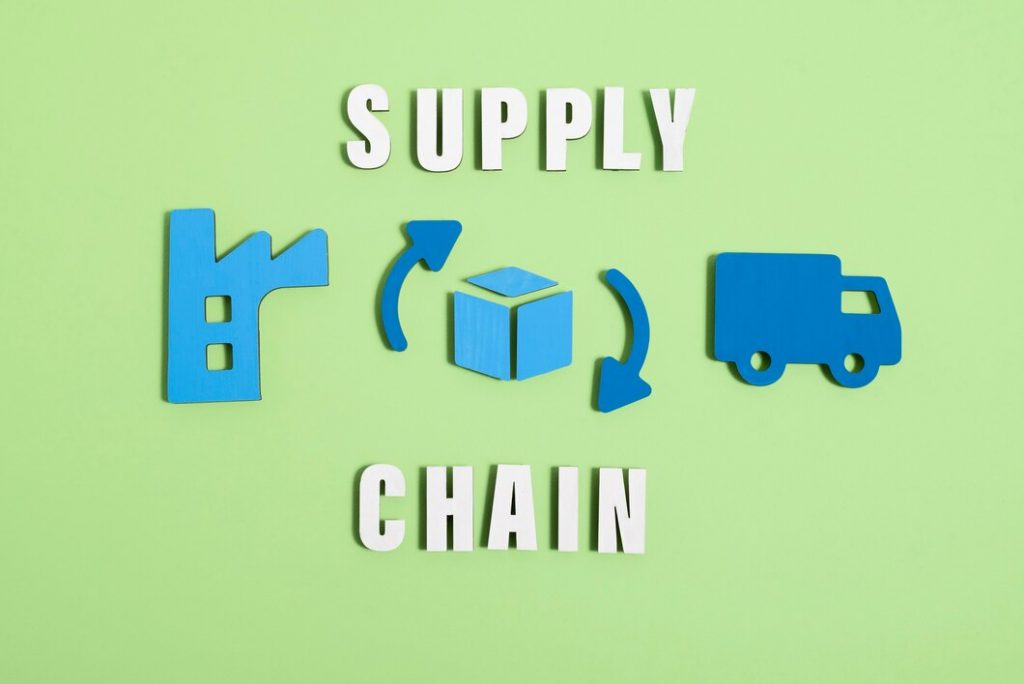
Promoting direct interactions between buyers and kratom growers, free kratom samples initiate support for ethical supply chains. This initiative forms a basis for transparency, where consumers can accumulate knowledge about the origin of their kratom and discover the cultivation and production methods used.

By connecting the origin and the end-user, customers become more educated and are able to make conscious decisions, supporting producers who adhere to ethical standards and who are committed to the well-being of their workers as well as the environment. Companies that offer free samples often reinforce this ethical position, inviting examination and answering consumer inquiries regarding their supply chain management.

Consequently, customers are not only informed about the quality of the kratom they receive but also about the entire sequence of operations that transports this herbal supplement from the farms to their homes, ensuring every phase is consistent with their personal values.

Promoting Environmental Stewardship

By integrating free samples into their distribution model, kratom companies take an important step towards environmental responsibility. This strategy inherently lessens unnecessary waste by decreasing the materials needed for packaging and the carbon emissions from shipping multiple single-purchase items.

It ensures that customers only commit to larger purchases that could be wasteful after they’ve confirmed that the product satisfies their requirements, thus discouraging the rejection of inappropriate items. Furthermore, these environmentally-friendly practices agree with eco-aware consumers who prefer to support businesses that are actively reducing their effects on the environment.

By strategically decreasing waste and adopting a more sustainable method to share their products, kratom companies not only operate with an environmentally conscious ethos but also help lead a change towards more accountable practices in the industry at large.

In conclusion, free kratom samples serve as an important tool in shaping a more sustainable and ethical kratom industry. They enable consumers to make educated decisions that align with their individual needs and values, ultimately building a sense of loyalty and trust towards companies that are open and dedicated to responsible actions.

The strategy also backs ethical supply chains and encourages environmental stewardship by minimizing waste and linking consumers with the origins of their purchases. The collective advantages of this business model are evident, contributing to a kratom marketplace that is not only consumer-friendly but also socially responsible and environmentally aware.

For those interested in further examining the impact of free kratom samples on sustainability within the industry, research into supply chain transparency, environmental impact assessments, and consumer behavior studies would provide additional perspectives into this progressive practice.

Read Also:

Nabamita Sinha loves to write about lifestyle and pop-culture. In her free time she loves to watch movies and TV series and experiment with food. Her favourite niche topics are fashion, lifestyle, travel and gossip content. Her style of writing is creative and quirky.

View all posts

Leave a Reply

Your email address will not be published. Required fields are marked *

Related

Master Data Management

How Can Master Data Management Help Your Business?

We have already stepped into the digital era. And when we are talking about the digital era, we are talking about all the digital information audiences consume every day, and all the data companies collect daily. All these data fall under an umbrella term, Master Data. Over the last couple of years, companies had a hard time managing all the data effectively. As most companies are taking the digital approach to engaging with their audiences, data has become the only source of information to understand their audiences better. Master data is the most powerful asset of the company that helps the company make business decisions. All the collected data are categorized and pruned according to the need. Then the data are filtered out department wise. Given how effective data has become in the modern era, Master Data Management has become an important aspect of business irrespective of any size. The whole process deals with the need to end data monitoring. The process starts with collecting the data from the relevant sources, and then the data are categorized according to the needs—these data are then used in the business strategies. How Can Master Data Management Help Businesses? Master data management helps the business to come with effective strategies that can perform well in the market. Here are the benefits that you can reap after integrating Master data management in your business. Improved Data Quality As the MDM streamlines all the data and forces it to go through a single pipeline, it eliminates all the unnecessary data. As a result, the user can work with the current data that is of high quality. MDM acts like a database or a single source of information. This helped the business solve all the confusion that had been a part of the spreadsheet. Reduces Cost And Time It can be challenging for companies to manage all the data collected every day without master data management. The complexity of data management is very challenging, and it also takes up a lot of time. However, with the gartner MDM, you can leave all the work to the data management software. Avoid Data Duplication While you are working with the decentralized application, redundancy can be one of the major problems. This can lead to lots of confusion and can create a crisis for your business. As data-driven businesses are directly dependent on the data, it becomes necessary that you take extra care of the master data. Increased In Data Accuracy Data is of no use if it is not relevant to your business. MDM helps to prune out all the unnecessary data. As the discrepancies can create a ripple that can damage the business's efficiency, it is crucial to get it right at the master data level. Once you can do this, the data accuracy will get a significant boost. Easy Data Edits Without the master data management tool, there is a chance that the users will record data in multiple locations. This can really affect the business in the worst ways. If that happens, then the data will remain isolated from the users and will create inconsistency issues. However, if you have MDM, any changes you make will directly reflect the respective data locations. You will not only be able to do a custom edit. But you will also be able to filter out the relevant data. Master Data Management: A single Source Of Truth Effective data management needs lots of hours before you can actually use the data. However, with master data management, you can easily overcome challenges like managing data manually, redundant data, and data discrepancies are solved in one go. You can break free from the cumbersome sheet, and complex data structures used to eat up lost time. What are your thoughts on master data management? Have you ever used this method for your business? What was your experience with master data management? Read Also: A Brief Introduction to Data Quality Management Systems Why it is important to study Masters’ Degree in Data Analytics?

READ MOREDetails
CRM Estimating

The Importance Of Accurate CRM Estimating For Your Business

Customer relationship management (CRM) is an essential aspect of any successful business. It involves managing interactions with customers, storing their information, and analyzing their behavior to improve customer experience and increase revenue. However, accurately estimating the cost of a CRM system is often overlooked, leading to unexpected expenses and potential financial losses. In today's highly competitive business environment, it's critical to have a solid understanding of the costs associated with implementing and maintaining a CRM system. In this blog post, we'll explore the importance of accurate CRM estimating for your business, including the potential risks of inaccurate estimates, the benefits of accurate estimates, and strategies for ensuring your CRM estimates are as accurate as possible. By the end of this post, you'll have a better understanding of how accurate CRM estimating can help your business thrive. What Is CRM? CRM is an approach to managing customer interactions which seeks to improve satisfaction, devotion and overall company success. By leveraging CRM software, marketing and advertising agencies can streamline their workflow, enhance communication among team members, and make data-driven decisions. a. Definition Of CRM At its core, CRM refers to the strategies, technologies, and practices used by businesses for acquiring new clients while retaining current ones. It encompasses various aspects such as sales management, contact management, customer support services, as well as marketing automation tools that help in building strong relationships with clients over time. b. Benefits Of Using CRM Better client relations: A well-implemented CRM system allows you to understand your clients' needs better by providing insights into their preferences and behavior patterns. Informed decision-making: With accurate data at your fingertips through a centralized database within the CRM platform, it becomes easier for teams across different departments like sales or marketing to collaborate effectively on campaigns or projects. Increase efficiency: Automating routine tasks using a robust CRM solution saves valuable time for employees who can focus more on critical activities that drive revenue growth instead of mundane administrative workloads. Sales forecasting: Accurate sales projections are crucial in planning budgets or allocating resources accordingly; hence having access to real-time analytics provided by modern-day CRMs helps companies stay ahead of competitors when strategizing future plans based on past trends observed within their industry niche markets worldwide. The Importance Of Accurate CRM Estimating For Your Business In today's competitive business landscape, marketing and advertising agencies need to have a clear understanding of their clients' needs and the resources required to meet those needs effectively. This is where accurate customer relationship management (CRM) estimating comes into play. Accurate estimating is critical to ensure that marketing and advertising agencies are able to understand their clients' needs, determine the resources required, and ultimately meet those needs effectively. Why Accurate Estimating Matters Accurate CRM estimation plays a crucial role in determining the success of your agency's projects by helping you: Allocate resources efficiently: With precise estimates, you can better allocate your team members' time and skills to various tasks within a project. Maintain profitability: Underestimating or overestimating costs can lead to budget overruns or wasted resources - both detrimental factors that affect an agency's bottom line. Achieve client satisfaction: When you accurately estimate project requirements from the start, it becomes easier to set realistic expectations with clients and deliver results on time. How To Ensure Accuracy In Your Estimates To improve the accuracy of your CRM estimates, consider implementing these strategies: Break down projects into smaller tasks, making it easier for team members to understand specific responsibilities and deadlines associated with each task. Gather input from all relevant stakeholders involved in a project; this helps create more comprehensive estimations based on collective knowledge rather than relying on a single person's perspective. Utilize historical data from past projects to identify trends and patterns that can inform your current estimates. Gathering multiple perspectives on a project and utilizing historical data can help you make wiser decisions regarding resources, timelines, and financials. The Impact Of Poor Estimating On Your Business Inaccurate CRM estimating can have several negative consequences for your agency: Loss of revenue: Underestimating project costs or overestimating potential profits may lead to financial losses in the long run. Damaged reputation: Consistently failing to meet client expectations due to poor estimation practices could harm your agency's credibility and deter future clients from working with you. Burnout among team members: Overworked employees who are constantly trying to compensate for inaccurate estimations might experience burnout, leading to decreased productivity and higher turnover rates. To avoid these pitfalls, it is essential for marketing and advertising agencies like yours to prioritize accurate CRM estimating as part of their overall business strategy. By doing so, you'll be better equipped to deliver successful results consistently while maintaining strong relationships with both clients and team members alike. Accurate CRM estimating is essential for businesses to ensure their success and profitability. By improving the process, companies can maximize efficiency while reducing costs associated with poor estimates. Let's investigate strategies to refine our CRM estimating process in order to gain optimal outcomes. What Can A CRM Do For An Organization? A CRM system improves organizational efficiency by centralizing customer information in one place. This allows for better communication, collaboration, and decision-making across teams. Agency CRM by Function Point can automate tasks like data entry or follow-ups, saving time and resources. Additionally, a CRM system helps in identifying sales opportunities by tracking leads and nurturing existing clients to drive revenue growth. Conclusion In conclusion, accurate CRM estimating is an essential element for any business that wants to achieve success. It allows businesses to make informed decisions that result in better customer experiences, improved sales, and greater profits. By investing in the right CRM tools and adopting best practices for estimating, businesses can increase their efficiency and productivity while minimizing costly errors. Moreover, accurate estimating enables businesses to stay ahead of the competition by identifying opportunities for growth and expansion. As a result, businesses that prioritize accurate CRM estimating are better positioned to achieve long-term success in today's highly competitive business landscape. Read Also: CRMDialer: A Zoho Alternative 6 Top CRM For Small Businesses In 2019 Cold Calling Script For Successful Sales Persons

READ MOREDetails
Scheduling

Delegating And Prioritizing: Tools For Managing Multiple Scheduling Demands

Leaders and managers have a lot on their plates. Between coordinating teams, project management, and task prioritization, it’s easy to get overwhelmed and stressed out. The two greatest abilities that a manager has are delegation and prioritization. Mastery of these skills is critical to achieving business goals as well as peace of mind. Delegation The shifting of authority responsibility for particular functions, tasks, or decisions from one person (usually a leader or manager) to another. A leader is nothing - literally, he’d have no job - without a team. A manager needs to know his team, inside and out, especially their strengths and weaknesses. He should have a good idea of their respective workloads and availability. This way, he knows precisely who to turn to and when. These are the key factors in the art of delegation. Prioritization Organization of tasks by relative importance. The most important and pressing work gets done first, within reason. The manager needs to have the competence and discretion to identify what areas need to be prioritized and what can be put off, using task and calendar management tools to stay on top of everybody’s schedule. How to Develop a Prioritization Matrix and Improve Productivity There are many schools of thought and paths to success regarding task management, but we’re going to hone in on just one that we find incredibly useful: the prioritization matrix. A prioritization matrix, sometimes called the Eisenhower matrix, is a simple way to organize tasks by priority and importance. President Eisenhower always stressed the difference between urgency and importance. Urgent tasks require immediate attention. If they’re not done now, there will be consequences. Important tasks do not necessarily require immediate attention, but they help you achieve your long-term goals. You’ll need to be diligent about allocating resources towards these tasks because they are critical to your overall mission, though the consequences of not completing them might not be as apparent. Create 4 boxes: Box 1 (DO) - Urgent, ImportantBox 2 (SCHEDULE) - Not urgent, ImportantBox 3 (DELEGATE) - Urgent, unimportantBox 4 (DELETE) - Not urgent, unimportant Use this grid to sort your tasks into different prioritization categories. 5 Tools for Managing Multiple Scheduling Demands: 1. Monday Monday is a project management software that helps you streamline your work for maximum productivity and stay on track to reach your goals through any workflow. With their building block system, you can easily build a visual representation of your unique workflow. With a whole suite of end-to-end products for all teams including sales, marketing, CRM, dev ops, and more, you can have all your project management needs synchronized and compatible through one provider. 2. ClickUp For an all-in-one solution that provides tools for project management, team chat, goal setting, and more all with a variety of dynamic and intuitive view options, look no further than ClickUp. View charts, whiteboards, priority lists, and team documents from desktop or mobile devices. It’s all very fluid and responsive if a bit visually busy. 3. Asana Much like other project management tools, Asana’s MO is helping teams manage and organize work. With Asana, you can create projects, assign tasks to team members, set due dates, track progress, and communicate with your team. Asana offers a broad range of project templates for common use cases like marketing campaigns, product launches, and event planning so you don’t have to start from square one. In terms of saving time, Asana offers a range of automation features such as automatic task assignments, reminders, and status updates, giving leaders more time to focus on the important, urgent tasks on their plate. 4. Calendly First and foremost, Calendly is a scheduling tool. Improve your speed to lead with smart availability calendars that allow clients to book meetings with just a click, saving everyone the hassle of back-and-forth emailing. Custom booking links for different types of appointments or meetings can be shared with clients/colleagues or embedded into a website. 5. Wrike Wrike is a simple project management tool that helps teams collaborate and track progress on all sorts of tasks. Break down tasks into subtasks and assign them to different team members. Track time, set deadlines, and communicate all with built-in time tracking, custom workflows, and reports to help you make data-driven decisions. Conclusion Keeping track of all the moving parts as a team leader is difficult. Deadlines accumulate and you only have the bandwidth to remember so much on your own. Productivity and project management tools allow you to easily view, organize, and triage your tasks so you can prioritize the most important and urgent items. If your startup or SME isn’t already using one, invest in software tools like appointment reminder apps to streamline and simplify your workflows. Read Also: The Benefits Of Custom Software Development Employee Monitoring Linked To Business Growth Top Ways Contract Management Software Helps to Mitigate Contract Risk

READ MOREDetails