











Cider Goes From Viral Sensation To Global Fashion Force With Gen Z Insights!

Published on: 06 December 2023 Last Updated on: 30 October 2024
Cider Goes From Viral Sensation To Global Fashion Force With Gen Z Insights

In 2020, Yu Oppel co-founded Cider, a clothing brand with a modest marketing background. Fast forward three years, and Cider, having secured $140 million in funding, hit the spotlight when K-pop sensation Jennie from BLACKPINK wore a $16 floral top, turning it into a best-seller.

However, Cider Clothing isn’t relying solely on viral moments. The brand, shipping to 130+ countries, recently opened its first pop-up store in New York’s SoHo, marking its venture into brick-and-mortar. Chief Marketing Officer Yu Oppel emphasized the role of Gen Z employees in shaping the brand’s global marketing strategy.

Cider’s global approach extends beyond pop-ups, focusing on worldwide out-of-home advertising and fashion events. The brand has hosted over 20 events in cities like Los Angeles, New York, London, Berlin, and Mexico City, featuring games, DJs, and influencer collaborations.

Clare Thompson, Cider’s Global Head of Marketing, highlighted the brand’s authentic engagement with influencers, valuing their unique representation of the diverse Gen Z customer base.

In a recent music festival-themed campaign, Cider collaborated with NYC-based influencer Haley Kalil, leveraging her 3 million Instagram followers. The brand utilized digital content and city-wide posters, showcasing its dedication to diverse influencer partnerships.

Cider doesn’t just stop at traditional social media engagement. With 5 million Instagram followers, the brand maintains a public Discord server connecting with over 15,000 fans.

This tight-knit community provides valuable feedback and fosters a sense of belonging among consumers. Discord played a crucial role in the launch of Cider’s plus-size line, Curve, now constituting over 15% of the brand’s business.

Expanding its online presence, Cider sells through platforms like TikTok Shop in the UK and is venturing into the US market. The brand’s 600-strong team across 15 countries, many of whom are Gen Z, offers unique insights into regional cultures and trends, allowing Cider to tailor its approach.

As Cider’s New York City pop-up opens its doors, the brand eyes permanent stores in the US, marking another milestone in its journey from viral success to a global fashion force shaped by the pulse of Gen Z.

Learn More About:

Ankita Tripathy loves to write about food and the Hallyu Wave in particular. During her free time, she enjoys looking at the sky or reading books while sipping a cup of hot coffee. Her favourite niches are food, music, lifestyle, travel, and Korean Pop music and drama.

View all posts

Leave a Reply

Your email address will not be published. Required fields are marked *

Related

Fake Health News

7 Shocking Causes of Fake Health News & Their Consequences 

The term “Fake News” has existed since the 1800s but has resurged in the last decade.   Often, one political side uses it as a defense mechanism against negative articles. The result is societal confusion over what’s true and what’s not.  When health news becomes unreliable, the consequences are more severe. This trend, fueled by political partisanship, has become increasingly dangerous.   Generally, mainstream media like television and print journalism maintain enough integrity to avoid spreading fake health news. However, in the social media landscape, fake stories spread rapidly with a simple click. The Causes The primary cause of fake health news is profit. More shares and likes equal more advertising opportunities. The healthcare industry, especially pharma, spends heavily on advertising.   With every click generating potential revenue, it’s no surprise that some lesser “news” services embellish or even lie to grow their following.  For example, a fake article on “Natural News” claimed the cancer industry was a scam for profit. It received 5.4 million hits, and the site’s Facebook page gained over 3 million followers.   Popularity pays!  In social media monetization, influencers can earn about $10 per 1,000 followers for sponsored content.   Once they hit 1 million followers, they can make up to $1,000 per post solely through advertising.  The Consequences As social media continues to expand, the potential for spreading fake news also grows. The issue needs attention because the consequences can be real and even fatal.   Some stories don’t cause direct harm, such as one claiming ginger is a better cancer treatment than chemotherapy. Still, they mislead people away from proper care.  For patients with terminal illnesses, hope is everything. False stories, like one about a diabetes cure in Mexico, can give false hope to those desperate for solutions. The most harmful fake news encourages the use of FDA-unapproved products.   Although these stories often remain on social media, even the U.S. president once promoted a chemical as a COVID-19 cure.   Clinical trials showed that the chemical increased heart attack risks and was not safe for such use. The Cure Given social media’s global reach, the best way to combat fake news is through education.  Teaching about its dangers can prevent this from becoming a generational issue, unlike other falsehoods rooted in fear.   Currently, many prominent social media platforms flag posts containing false or misleading information.  People believe in fake news because it aligns with their existing beliefs. This makes government regulation challenging, especially as new social media platforms arise, vowing not to flag any content. Again, this approach is money-driven. How to Check Whether a Health News Over Social Media is Fake  With the deluge of health news filling up your Facebook feed, it’s important to know how to spot real from fake.   Sure, fake news can be damn convincing these days — but there are a few good tricks of the trade to protect yourself.  Check the Source First and foremost, always check the source. Is the article coming from a reputable organization or a well-known health authority?   Credible sources include government health agencies, recognized research institutions and trusted news outlets.   If the source is obscure or lacks a professional presence, be cautious. A questionable source can be a red flag even if the information seems convincing.  Reference Studies Legitimate health news should reference studies, expert opinions, or credible data. If the article cites scientific research, look for links to peer-reviewed journals or established medical websites.   Beware of articles that make sensational claims without backing them up with evidence. Even when there’s a study mentioned, ensure it’s recent, relevant, and conducted by recognized experts in the field.  Watch for Emotional Triggers Fake health news often relies on emotional triggers to generate clicks.   If a post uses language like “miracle cure” or “secret the government doesn’t want you to know,” it appeals to your emotions rather than your intellect.   Real health information is rational, calm, and devoid of sensationalism.  Compare against other Reliable Sources If you’re not sure if a piece of information is accurate, see if other reliable sources report similar news.   In fact, if the news article is true, it will likely be reported by more legitimate organizations or outlets as well.   If you only find that news on questionable sites or personal blogs, it’s better to ignore them.  Check the Writer’s Background Who wrote the article? Is it a doctor, a journalist with a strong history of health reporting, or an expert in the field?   If you can’t tell, don’t know what the writer has for credentials, or don’t tie closely to health, their information may be iffy.  Watch out for Biased (and sponsored) Content Sometimes, content is created to sell something, whether it’s a product or an idea. Sponsored articles, particularly those highlighting supplements or treatments, are usually biased.   Check for disclaimers and consider whether the article is more about making money than offering accurate health information.  Publication Date Health guidelines and research are constantly evolving. An article that’s a few years old may not be accurate or relevant anymore.   Be sure to check when it was published to get the most current information.  Use Fact-Checking Websites Lastly, consult fact-checking websites like Snopes, FactCheck.org, or Health Feedback to fact-check a suspicious claim.   These platforms research and investigate viral stories and can usually verify whether something is true or not. Read Also: How to Keep up on the Latest News How Cutting Edge Technology is Helping Dubai Improve its Healthcare Services Health Tips For Managing High Cholesterol

READ MOREDetails
OpenAI Hires Back Sam Altman, The Previous CEO After Employees Rebels

OpenAI Hires Back Sam Altman, The Previous CEO After Employees Rebels

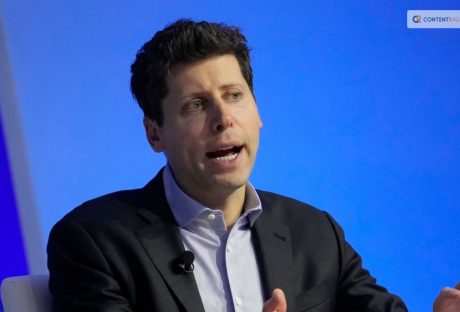
Sam Altman, the previous CEO of OpenAI, returns after he was overthrown from the company by the last board members, including D’Angelo. Even though there was no specific information given as to why Altman was fired from the company, he is being hired back. The decision taken by the board of directors of OpenAI last Friday shocked the Artificial Intelligence industry, especially because it was Altman who was the face and one of the company's co-founders. The startup organization, OpenAI, faced internal conflict as another co-founder, Greg Brockman, resigned as the president. Furthermore, a board member and fellow co-founder of OpenAI posted on X about how he deeply regretted his decision to fire Sam Altman from his position as CEO. The post on the social media platform seemed like a mending of the bridge and trying to bring him back to the company. With all these developments among the senior management, the 770 startup employees also brazenly signed a letter. In the letter, the employees called for the previous CEO Altman's return and the previous board's resignation. On the other hand, Microsoft’s approach to hiring Altman might not be happening anymore after this development. The CEO Satya Nadella at Microsoft announced on Monday on X about the joining of Altman and Brockman to a new advanced team. Considering Microsoft is one of the largest investors of OpenAI, they believe that Altman will be working for them under any condition. He also confirmed that he is open to Altman going back to OpenAI as long as the board's problems at OpenAI are resolved along with the smooth governance of the organization. Initially, OpenAI was co-founded by Altman to benefit humanity by creating smarter content; however, it later became a profitable business. He also shouted out to the employees at OpenAI regarding their petition in support of Altman. Further, the CEO offered jobs that matched the current job profile and responsibilities of all employees at OpenAI. Learn More About: Is AI Changing The Insurance Sector? The Brains Behind ChatGPT: Who’s Pulling the Strings?

READ MOREDetails
Nativity Scene Invokes Simplicity And Joy Pope At Audience

Nativity Scene Invokes Simplicity And Joy: Pope At Audience

At the General Audience, Pope Francis has reflected on the first Nativity scene that was created 800 years ago by St Francis in the small Italian town of Greccio. Pope Francis returned to the image of the creche which was inaugurated 800 years ago by St Francis of Assisi. The Pope explained the reason behind organizing a living Nativity in the small UMbrian town pf Greccio. He said, St. Francis was not trying “to create a beautiful work of art, but, through the Nativity scene, to provoke amazement at the extreme humility of the Lord, at the hardships He suffered, for love of us, in the poor grotto of Bethlehem.” He identified two characteristics of the Nativity scene: soberness and joy. The first characteristic is starkly in contrast to the reality of Christmas given the hyper-consumerism that the holiday now signifies. He proclaimed that “the Nativity scene was created to bring us back to what truly matters: to God Who comes to dwell among us.” The Pope further said that the Nativity scene is not just for children but adults too. “Children — but adults too! — often love to add to the Nativity scene other figures that have no apparent connection with the Gospel accounts. “Yet, each in its own way, these fanciful additions show that in the new world inaugurated by Jesus there is room for whatever is truly human and for all God’s creatures. From the shepherd to the blacksmith, from the baker to the musicians, from the women carrying jugs of water to the children at play: [A]ll this speaks of the everyday holiness, the joy of doing ordinary things in an extraordinary way, born whenever Jesus shares his divine life with us.” Eight centuries later in Greccio, the Franciscan friars have rejoined the Nativity scene themselves. Additional Reading: Taylor Swift Announced Release And Streaming Of “Eras Tour” Movie On Her Birthday Cider Goes From Viral Sensation To Global Fashion Force With Gen Z Insights!

READ MOREDetails