








Why And How To Access Facebook’s Full Site In 2024!

by

30 December 2023

Facebook

facebook full site

Individuals now rely more and more on their smartphones to satisfy their browsing needs. As a result, websites are now developing two distinct versions: one for mobile devices and another for desktop computers.

Depending on the website's coding, there are two versions of the mobile website: regular and lite. The lite mobile website versions display primary content. However, they are devoid of features like menu navigation, link locations, and options. Even other page elements that are more appropriate for a full-screen setting are missing.

Applications like Facebook are using adaptive or responsive web design more and more to adapt to screens of any size. This will display content in a logical manner. But Facebook and other mobile websites are frequently lacking in some way. More precisely, Facebook restricts what mobile users can see and do on the site by hiding some features.

This approach aims to maintain usability and function more seamlessly on mobile devices. However, power users may find themselves unmet when searching Facebook full site for particular features or functionalities. After all, accessing a website for a particular feature (like dark mode) on a mobile device and not being able to see the option can be annoying.

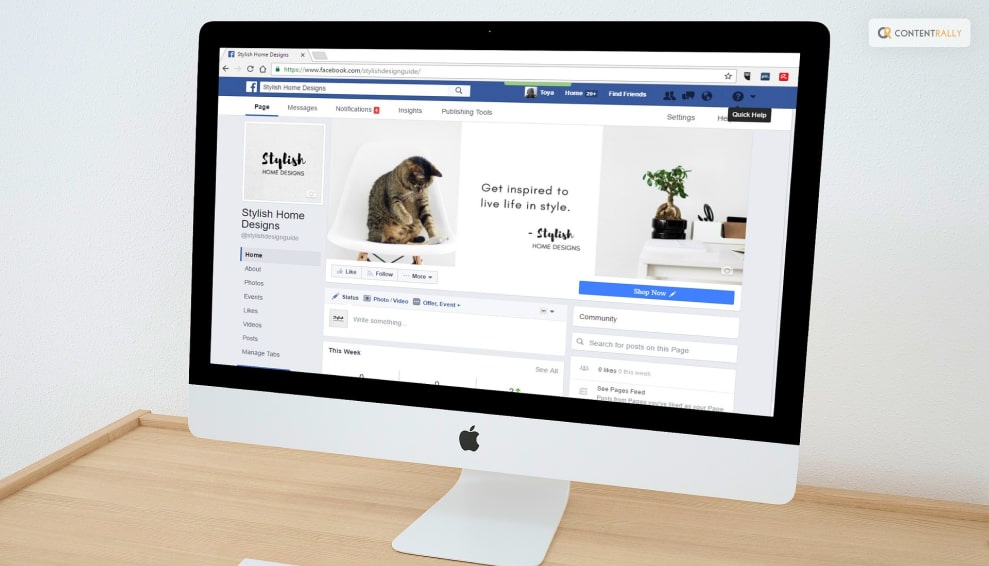
Facebook Full Site: Overview
Facebook Full Site: Overview

Despite having features that are theoretically identical to those of the desktop version, the Facebook apps for iOS and Android have different navigation. Many of them direct users to the mobile website rather than the app. There is no denying that the Facebook app uses up a lot of RAM and battery life on your phone. Accessing your social feed while on the go may be quicker and easier with the mobile site.

Regretfully, the capabilities of Facebook's mobile browser site are not as extensive as those of the app. You are unable to use Facebook Messenger on a mobile device. Instead, it will prompt you to install the Messenger app. It can be annoying to change your settings or remove posts from your newsfeed.

You're in luck if you're sick of the limitations on the Facebook mobile site or if you need to adjust a setting that you can't access from the mobile view. You can quickly switch between Facebook's desktop and mobile versions on both Android and iOS devices by selecting a single button.

We will explain in depth the steps you must take to use your iPhone or Android device to access Facebook's full site (desktop version) in its entirety.   

Difference Between Facebook Full Site And Facebook Mobile

Websites are now designed in two versions. One for desktop computers and one for mobile devices. This is happening because people have grown reliant on their cell phones for work, travel, and leisure. But compared to a full-screen environment, the earlier version is devoid of features like menu navigation, link locations, options, and other page elements.

The physical size of the screen is the primary distinction between using Facebook on a desktop computer and a mobile device. This results in a better user interface. In contrast to the mobile version, which hides content behind icons, it supports more expanded content to be displayed on screen at once.

Because a tablet or iPad provides a more expansive mobile version of the website, tablet users can choose to view websites in desktop mode through browsers.

Advantages Of Using Facebook Full Site

Facebook does not permit users to access the Facebook desktop site on their phones. This facilitates easy access to Facebook content. As a result, you see the mobile version of Facebook by default when you access it through your browser. Users like using mobile versions because they are relatively faster and more responsive, and they are simple to access without any interruptions.

Web optimization services have made sure that clients can easily access information in terms of portability. Additionally, the mobile version makes it simpler to share content, adding to its legitimacy. The average amount of time spent on a website increases with the faster-loading mobile version. That, without the interruption of intrusive advertisements.

By navigating through the displayed advertisements, mobile users also find it much easier to purchase or use products advertised on Facebook. You have an advantage with the mobile version over the Facebook full site. It targets a far wider audience and offers a better user experience.

Except for layout and navigation, the Facebook app for iOS and Android performs the same functions as the desktop version. The mobile app is simpler, faster, and more responsive than the desktop version, which is typically more functional and complex.

How To Access Facebook Full Site On Mobile?   

Do you want to check out Facebook on your desktop to take full advantage of the platform? Using the URL is the easiest way to access Facebook's desktop version on your phone. This is how you can do it:

  1. In the address bar of the web browser, type www.facebook.com/home.php.
  2. You will be prompted with the Facebook login page if you haven't logged in before. Open your Facebook account and log in.
  3. It will direct you to the Facebook desktop version if you have already logged in before then.
  4. The desktop version of Facebook has features that you can use. But occasionally, it might automatically reroute you to the mobile version.

Wrapping Up

The aforementioned techniques are beneficial and reasonably simple to use. But it's crucial to remember that Facebook may attempt to force you to use their mobile app again in specific circumstances. Facebook will redirect you to the mobile site if you try to use specific settings or reload the home page. If this happens, you can easily reload the desktop version by using the methods stated above.

Lastly, there are issues when attempting to access the desktop site using all browsers. It produced a tablet version that was zoomed out but had the same features as the mobile version. This happened while testing the methods above on Android.

This indicates that, regardless of the device you're using, the page is requesting a desktop version of "m.facebook.com." This, in turn, reroutes to the mobile version of Facebook. To load the traditional display, simply reenter "www.facebook.com" into your browser while keeping the "Request desktop site" box checked.

If you have thoughts to share or questions to ask about Facebook full site, please leave a comment below. We would love to hear from you.

Additional Reading:

Content Rally wrapped around an online publication where you can publish your own intellectuals. It is a publishing platform designed to make great stories by content creators. This is your era, your place to be online. So come forward share your views, thoughts and ideas via Content Rally.

View all posts

Leave a Reply

Your email address will not be published. Required fields are marked *

Related

how to disconnect facebook from instagram

The Whys And Hows Of Unlinking Facebook And Instagram In 2024!

Have you had enough of sharing your content on Facebook and Instagram in tandem? Would you prefer to maintain distinct accounts? Are you looking for ways "how to disconnect Facebook from Instagram?" You can easily delink your Instagram and Facebook accounts from one another on desktop and mobile platforms, but how do you do that? We'll walk you through the process of separating your Instagram and Facebook accounts in this post. You can start by de-syncing your desktop and mobile accounts for Facebook and Instagram. If you decide you no longer want to cross-post content, then you can easily unlink your accounts. If you have more than one linked account, you can also delete an account from either platform. Remember that you will need to change one of the passwords if the login for both accounts is the same. It is also possible to delete your Instagram account from other social media platforms. You can unlink your Instagram account from your Facebook account by going to the Accounts Center if you want to stop posting your Instagram photos to other social media platforms. We'll guide you through the process of removing the connection between your accounts as well as ceasing to share your Instagram posts on other platforms. How Is Facebook And Instagram  Connected Your Instagram posts will automatically be shared on your Facebook timeline if your Facebook and Instagram accounts are linked. For individuals who would like to share their Instagram photos with their Facebook friends without having to post them twice, this feature is useful. You can unlink your Facebook and Instagram accounts if you'd rather keep your accounts separate or are done sharing content between them. When you link them, you are essentially giving Instagram access to your Facebook account when you link your two accounts. This implies that Instagram has access to personal data from your Facebook account, including your email address, name, as well as a profile picture. Furthermore, Instagram can post on Facebook on your behalf. So, you might want to unlink your Instagram and Facebook accounts for many reasons. Why Unlink Facebook From Instagram? Do you want your Instagram and Facebook accounts to be kept apart? Does cross-posting content across the two platforms sound too monotonous? Do you want Instagram to no longer be able to access your Facebook account? Take these steps to unlink your Instagram and Facebook accounts: Log in to your Instagram profile by opening it. Choose "Settings" by tapping the three lines in the upper right corner. After swiping down, choose "Account." Click on "Sharing to Other Apps." After selecting "Facebook," tap "Unlink Account." Remember that removing the connection between Instagram and Facebook accounts won't remove any of your content from either site. All it does is cut off the communication between the two accounts. Why Would You Unlink Facebook From Instagram? You might want to keep Facebook and Instagram separate in case you use them for personal connections on Facebook and business or creative endeavors on Instagram. You can avoid confusion as well as overlap by keeping your identities separate by unlinking the accounts. It's possible that you unintentionally share your Instagram reels, stories, or posts on Facebook when you link your accounts. In case your target audiences on both platforms are different, this might be awkward or inappropriate. You'll have more discretion over what you share and where by unlinking the accounts. When you automatically share your Instagram posts on Facebook, or vice versa, this is known as cross-posting. Although it may seem practical, your followers may find this bothersome or spammy. By removing the links between the accounts, you can customize your content for every platform and avoid cross-posting. Unlinking your Facebook and Instagram accounts can be a wise move if you're worried about privacy on social media. It will lessen the chance of any security lapses or hacks and stop any data or information from being shared between the two platforms. How To Disconnect Facebook From Instagram On Mobile? You can unlink your Instagram and Facebook accounts if you no longer want them to be connected. Here is how you can do it using your smartphone. Launch the Instagram app on your smartphone. Tap the lower right corner of your profile picture. In the upper right corner, tap the three horizontal lines. At the bottom of the menu, tap Settings. Press the "Account" button. On Linked Accounts, tap. Press the Facebook icon. Select "Unlink Account" by tapping. Your Instagram and Facebook accounts will be disconnected after you've finished these steps. How To Disconnect Facebook From Instagram On Desktop? The procedures listed below can also be used to unlink your Facebook account from Instagram if you're using a desktop or laptop web browser: Open your web browser and navigate to instagram.com. If you are not already logged in, log into your account. In the upper right corner of your profile picture, click on it. Select Settings by clicking. Select "Account" by clicking. On Linked Accounts, click. Select Facebook. Select "Unlink Account" by clicking. How To Disconnect Facebook From Instagram On iOS Or Android? If you want those posts removed from Facebook, you will have to remove them manually. It's easy to unlink your Facebook and Instagram accounts on your mobile device if you decide you no longer want to share content between them. Here are the steps that apply to both iOS as well as Android devices.  iOS  Tap the icon for your profile in the lower right corner of the Instagram mobile app after opening it. In the upper right corner, tap the hamburger menu icon, then choose "Settings" from the menu. After swiping down, tap "Account Center" (or, depending on where you are, "Accounts Center"). To unlink an Instagram account, tap "Accounts & Profiles" and choose the desired account. Again, tap the account name and profile picture. Select "Remove Account" and tap "Yes" when prompted to confirm.  Android  Tap the hamburger menu icon located in the lower right corner of the Facebook mobile app after opening it. After swiping down, tap "Settings & Privacy" and then "Settings." Click "Accounts Center" and choose "Manage Connected Experiences" from the menu. To unlink an Instagram account, tap on it. Select "Remove" and then "Remove Account" from the prompt to confirm. It's crucial to remember that you cannot unlink your Facebook and Instagram accounts if you use the same password for both. You must change one of the passwords. Furthermore, you might need to go to the app settings or preferences of that social network to unlink your previous account in case you wish to relink your Instagram account to it. Why You Can't Unlink  Facebook From Instagram? Try these suggestions in case you are having trouble unlinking your accounts: Verify that you are running the most recent versions of the Instagram and Facebook apps. To confirm that you have granted Instagram access to your account, check your Facebook settings. Verify that you are logged into the correct Facebook account if you have multiple accounts. If you're still having issues, then get in touch with Facebook or Instagram support for additional help. Wrapping Up Removing the connection between your Instagram and Facebook accounts can help you maintain privacy as well as segregate your data. Additionally, it can stop unwanted content sharing between the two platforms. You must go to the "Linked Accounts" section of your account settings to unlink your Instagram and Facebook accounts. You can then choose which Facebook account to deactivate and take it out of your Accounts Center. If you have thoughts to share or questions to ask about how to disconnect Facebook from Instagram please leave a comment below. We would love to hear from you. Learn More About: 5 Content Ideas to Use with Instagram Influencers 6 Best Practices When Buying Instagram Followers Incognito Mode: How To Post Anonymously On Facebook?

READ MOREDetails
Facebook Authentication App

Beyond Passwords: The Future Of Security with Facebook Authentication

It can occasionally be unsettling to realize that anyone can access your Instagram and Threads accounts using your Facebook logins. Yes, making a strong password helps keep hackers out of jail, but what if they figure out what it is? This is the reason behind configuring Facebook two-factor authentication. In this article, we will discuss about Facebook authentication apps that will help you keep your passwords safe. Often referred to as 2FA, it strengthens the security of your account. It requests a verification code from your device each time you try to log in. In this manner, even if someone knows your username as well as password, they still need access to your phone in order to log in. Facebook Authentication App Here's how to set up two-factor authentication on your account from an Android phone, an iOS device, or a web browser, regardless of whether you prefer to use a hardware security key, SMS, or an authenticator app. About Facebook Two-Factor Authentication Two-factor authentication is a standard industry practice for security. Also known as multi-factor authentication, the feature adds an extra layer of security to the app. It not only requires your username and password but also access to any information that only the user has. Facebook Authentication App: How To Activate  On Mobile Device Facebook provides two-factor authentication via SMS, physical security keys, as well as authentication apps. But in most situations, you will probably use the first two. Because a Facebook authentication app is more convenient than SMS and does not require a separate hardware device. The platform suggests using them. In either case, the setup should take less than a minute. Press the three horizontal lines located directly beneath the Facebook Messenger icon on your home screen. This will cause your Facebook profile's menu to open. Navigate to 'Settings & privacy' - the cog-shaped icon is located in the upper right corner of the Facebook app. Select 'Password and security' from the 'Account' settings menu. Navigate to 'Two-factor authentication' by scrolling down this menu. Choose between an SMS or an authenticator app for two-factor authentication security. After selecting, click "Continue." The third-party authenticator, which you can download from many sources if it isn't already installed, will need to be set up. 'Set up on same device' will save the app key if you have the Facebook app. Verify the request to store the key. Choose 'Text message' (SMS) from the 'Select a security method' menu if you wish to use an SMS as your security method or as a fallback in case your authenticator isn't working. Click 'Continue' after choosing the phone number linked to your Facebook account or entering an alternative number to which you would like a code to be sent. Facebook will contact the number you provided with a six-digit code. Press 'Continue' after entering the code. If someone tries to access your account from a device or browser that is not recognized, you will receive a code via text message as part of the active two-factor authentication process. How To Activate Two-factor Authentication For Facebook On Web Browser? Similar steps apply if you primarily use Facebook on a computer to enable two-factor authentication. Here is how you can get the Facebook authentication app for your browser: Go to account settings from your home screen. A thumbnail of your Facebook profile picture will appear there. Navigate to 'Settings' by opening the drop-down menu and selecting 'Settings & Privacy' (the image resembles a cog). Locate and click on the "Security and login" link located on the left side of the screen. Choose "Use two-factor authentication" after swiping down to the "two-factor authentication" menu item. Decide on a two-factor authentication technique. Facebook suggests utilizing an authentication app. You can use Duo Mobile or Google Authenticator. You'll see a QR code on the screen. Use your authenticator app to scan it. Verify the request to store the key. Your account now has an additional layer of protection thanks to the activation of two-factor authentication. Choose 'Text message' (SMS) from the 'Select a security method' menu if you wish to use an SMS as your security method. Or you can use it as a fallback in case your authenticator isn't working. Click 'Continue' after choosing the phone number linked to your Facebook account or entering an alternative number to which you would like a code to be sent. Facebook will contact the number you provided with a six-digit code. Press 'Continue' after entering the code into the box after it appears in a message marked as coming from Facebook. If someone tries to access your account from a device or browser that is not recognized, you will receive a code via text message as part of the active two-factor authentication process. Wrapping Up It is recommended that you utilize the additional Setting Up Extra Security Options while you are in there.  Activate the feature that notifies you of unidentified devices as well as designates three to five friends for when you lose access to your Facebook account. This is a straightforward process that you will be guided through, but you DO need to inform your selected contacts that they must complete it on their end. You will notice the blue "on" indicator indicating that these securities are in place if all three of these have been successfully set up. Finally, remove the extras from any Facebook accounts you may have. In order to conduct business on Facebook, such as managing Facebook pages, running advertisements, and/or using Business Manager, you should only have one personal Facebook account that is configured with two-factor authentication. If you have thoughts to share or questions to ask about the Facebook authentication app, please leave a comment below. We would love to hear from you! Additional Reading: How to Get Help Through Facebook Chat Support? What Is Facebook Touch? Everything You Need To Know About It Facebook Settlement: What Went Down And What Was The Final Result?

READ MOREDetails
Facebook jail

What Is Facebook Jail – Overview And Explained In 2021

Before we move on to Facebook Jail, first, we must know about the basics. Facebook is one of the most widely used social media sites for connecting with people all around the world and advertising your company. It's one of the most effective ways to spread your message, get your product and brand in front of your target audience, and more. However, the platform's massive marketing prospects come with some equally massive drawbacks.  Facebook's algorithm has cracked down on political problems, and the famed "Facebook prison" appears to have become even larger, hurting many more individuals than before. For anybody who uses Facebook to sell or advertise their company on a daily basis, Facebook Jail is a well-known issue. It's critical to understand what it is as a social seller so that you can prevent any issues or disruptions in your usage of the platform.  What Is Facebook Jail? When Facebook suspends accounts (profiles or business pages) for violating the Facebook Community Standards, whether intentionally or mistakenly, the phrase "Facebook Jail" is used.  Users have created the phrase "Facebook jail" to describe when someone is barred from accessing their account or publishing on Facebook due to spam or a failure to obey the platform's standards.  For a period of time, Facebook will suspend an account's ability to publish or access particular features due to infractions, suspect logins, or spammy conduct. Why Were You Thrown Into Facebook Jail? There are a variety of reasons why you may be placed in Facebook jail and granted a brief suspension. Unfortunately, you may find yourself accidentally infringing Facebook regulations. Here are a few of the most typical reasons why people find themselves in Facebook jail: 1. Posting To Quickly One of the most prevalent causes for people being placed in Facebook jail is posting too rapidly on their profile. You may also be reported if you repeatedly publish the same information. The easiest answer to avoiding being blocked for this reason is to keep a constant posting schedule and to always leave some time between postings. 2. Sending Too Many Friend Requests In One Day Facebook considers it a negative thing if you send too many friend requests from a personal profile, especially if you don't know the individuals. If this type of conduct is found, your account will most likely be blocked. It's the same with joining Facebook groups too quickly. 3. Posting Inappropriate Content Posting sexually provocative content or nudity on Facebook is against their community standards and is forbidden. Even while it may prevent you from posting some really entertaining memes, doing so may result in your account being temporarily or permanently deleted. You should also avoid publishing information that promotes self-harm, hate speech, or credible threats to people or organizations. 4. Too Much Tagging Another reason your account can be disabled is if you regularly react with tags. 5. Using Spam Images Or Videos If particular photos or videos have been flagged as spam by Facebook (or Google), and you include them in your postings and are accused of spamming others, you might end up in Facebook prison. Fortunately, you can avoid this by writing unique content for your blogs. What To Expect When You’re Facebook Jail? Users are unaware that they have imposed limits on their accounts since Facebook does not notify them. Most individuals first find out they're in Facebook jail when they get an email or when they try to post or send private messages on their account and get the dreadful message: You can’t post right now! Even if you do receive information from Facebook that your account has been restricted, it will be too late to take anything. This is how you can tell whether you've been sentenced to Facebook prison: Your account's ability to post on your timeline, as well as any pages or groups, has been disabled. You can't like or comment on other people's posts or photographs. You are unable to make any comments on the social media network. You are unable to access your account or page. The consequences on Facebook vary from being unable to post to being entirely barred from getting into your account. These punishments can range in length from a few hours to up to 21 days.  How To Avoid Facebook Jail In The Future? Reading and adhering to the community rules, as well as the platform's Terms and Conditions, is the simplest method to avoid Facebook imprisonment. You'll find yourself in the sights of the Facebook cops if you're found using your account in violation of the platform's rules. However, the recommendations are lengthy and difficult to read, so I've compiled a list of things to do (or not do) to keep your account safe. The following are some of them: Separate your postings by a certain amount of time. Don't publish anything that might get you in trouble, such as photos or memes. Per day, send no more than 50 friend requests. Each day, join no more than ten Facebook groups. When adding or tagging someone, be cautious. Use photos and movies that don't spam. On each device, log into a single account. Posting material with scripts or automatic tools is not a good idea. Posting comparable stuff in many groups at the same time is not a good idea. Use your genuine identity and act like a real person instead of an impostor or false accounts. The bottom line is that you must adhere to the platform's requirements to the letter at all times. How To Escape Facebook Jail? 1. Serve Your Sentence The first and foremost obvious option is to just wait until your "Facebook jail sentence" is completed. Facebook alerts you on when you can access the prohibited features or account again. 2. File An Appeal If you don't want to wait, you can simply request a review. Facebook will notify you through email of the outcome of your appeal. Just keep in mind that your appeal could be denied, and your account could be permanently blocked. 3. Create A New Account  If all else fails and your account is blocked, the only other thing you can do is to forget about your current account and create a new one. Although this may not be perfect for online marketers and business owners, sometimes it is considered the only way to keep going ahead.  Final Thoughts This article lists all the different things that can land you in Facebook jail. Use this knowledge to avoid consequences from the social media stage for continued guideline infringements. In other words, you must follow these rules to stay out of Facebook jail. More Resources: Key Components for Your Marketing Stack Best Ways to Get More From Your Outreach Campaign Get an idea about infections during the tenure of pregnancy

READ MOREDetails