











What Is A Good Alternative To Wearing Dentures?

Published on: 11 September 2020 Last Updated on: 06 June 2021
Dentures

Up until only a few decades ago, there was only one real option for an elderly person who is faced with losing their teeth, and that was full top and bottom dentures. We have long had crown and bridge treatments to replace the odd missing tooth, but when faced with completely replacing one’s teeth, dentures were the only option.

Fast-forward to the second decade of the third millennium, and technology has further advanced, making anything that was once concepts to materialize, including some alternatives to dentures. Below is one of the alternatives you can consider if dentures just aren’t your thing.

Dental Implants

Enter dental implants, a revolutionary treatment that is actually a permanent solution to missing teeth. With the best dental implants in Sydney CBD or in your city only a quick Google search away, you can finally eliminate bulky dentures from your life. The implants are actually titanium screws that are very precisely inserted into the jawbone, and as titanium bonds well with human tissue and bone, after a couple of months, the implants are strong enough to anchor prosthetic teeth.

Two-Phase Treatment

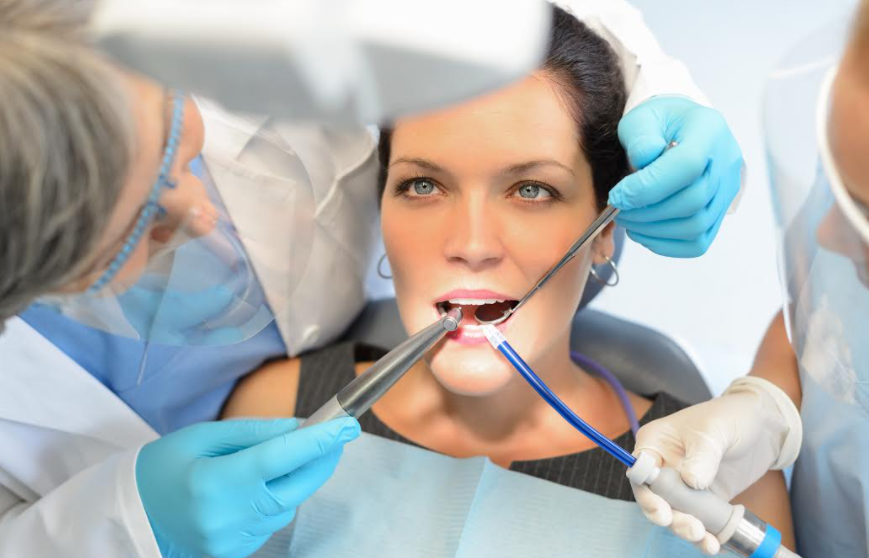
Prior to having dental implant treatment, the dental specialist needs to take a few X-rays to ensure that your jawbone structure is suitable for the implants. Should he or she decide that you are a suitable candidate for dental implants, a treatment schedule can be set if you are in agreement. If you are wearing dentures, then your gums are already strong and the dentist would take plaster impressions or use a 3D imaging system that is computer-controlled, which gives perfect reproduction of the inside of your mouth. If you require tooth extractions, a longer period of time is needed for the gums to properly heal.

Stage One

The first stage of the treatment is to fit the titanium screws, and once in place, a temporary set of prosthetic teeth would be fitted. After 6-8 weeks, the titanium pins would be securely in place and the second part of the treatment can be carried out.

Fitting The Prosthetic Teeth

If you are having a full mouth treatment, the top and bottom set of teeth would be what is called a ‘four in one, which means that the set of upper teeth are anchored into the mouth at four specific points and the same for the lower set. The dentist would use a very strong adhesive to set the prosthetic teeth, which would be made from porcelain or a composite, and once firmly in place, you can brush and floss as normal.

Dental implants are not removable, and if looked after, will last a lifetime, and the dentist would wish to see you a few months after the treatment to ensure that all is well. The dentist would ask you about the shade you prefer and the prosthetic teeth would look perfectly natural and no one would ever know they aren’t your original teeth.

There are several types of dental implants and if you would like to explore the potential that this treatment offers, talk to a dentist who specializes in cosmetic dentistry. After an initial examination, the dentist can tell you which form of dental implant is most suitable, and should you be in agreement, the treatment can be scheduled and you can look forward to a new set of teeth that will stand the test of time.

Read Also:

Content Rally wrapped around an online publication where you can publish your own intellectuals. It is a publishing platform designed to make great stories by content creators. This is your era, your place to be online. So come forward share your views, thoughts and ideas via Content Rally.

View all posts

Leave a Reply

Your email address will not be published. Required fields are marked *

Related

Parasitic Infections

Parasitic Infections Of The Intestinal System, Skin, And Eyes

There are many different types of parasitic infections that can affect the human body, including those of the intestinal system, skin, and eyes. While some parasites are relatively harmless, others can cause severe illness or even death. In this blog post, we will look at some of the most common types of parasitic infections, offer prevention methods, and discuss the use of iversun ointment as a good option for treatment, subject to a doctor's instructions of course. Parasites can enter the body through contaminated food or water, or by coming into contact with infected animals Many people are unaware of the dangers that parasites present in our day-to-day lives. Parasites can be tiny enough to pass through the eye of a needle, but large enough to cause irreparable damage and health complications if left untreated. The most common way for parasites to enter the body is by eating contaminated food or drinking contaminated water, however, they can also be contracted by coming into contact with infected animals such as livestock and pets. The effects of parasites entering our bodies can often go unnoticed until it is too late, so it is always important to be aware of potential dangers and take precautionary measures where necessary. The most common symptoms of a parasitic infection are diarrhea, nausea, and vomiting Parasitic infections can be a major nuisance, often resulting in uncomfortable and uncertain symptoms. Diarrhea, nausea, and vomiting are the most common manifestations of a parasite infection, which can cause extreme discomfort and even dehydration due to losing fluids at a rapid pace. In addition to these typically bothersome gastrointestinal issues, parasitic infections may also cause unexplained fever, anemia, or joint pain. If you experience any of these symptoms for more than a brief period of time, it is important to visit a doctor to take preventative measures before the infection worsens. Skin parasites can cause itching and irritation, while eye parasites can lead to redness and inflammation For most of us, itching and redness may not be a major concern, but for some, these skin and eye discomfort can mean infestation with parasites. Skin parasites such as scabies, lice, and ticks can cause unpleasant itching and irritation, while eye parasites like mites or worms may lead to redness or inflammation. In order to manage an infection with skin pests or ocular crawlers, it is important to recognize your symptoms early and consult a doctor for proper diagnosis and treatment. Fortunately, many effective treatments exist that can quickly bring relief from uncomfortable skin and eye afflictions caused by these otherwise pesky critters. If left untreated, parasitic infections can lead to serious health complications including malnutrition and organ damage Parasitic infections can cause extreme discomfort, including itchiness and digestive abnormalities, but the potential health risks don't end there. If left untreated, these infections can lead to serious health complications such as malnutrition from an inability to absorb vital nutrients and even organ damage. Severe cases of parasitic infestations have been linked to anemia and other life-threatening conditions that can have irreversible consequences if action is not taken as soon as possible. It is critical for those suffering from a suspected infection to seek medical attention for proper diagnosis and treatment in order to ensure the safety of their health moving forward. Prevention of parasites in the intestines, blood, and skin and proper treatment Prevention of parasites in the intestines, blood, and skin is essential for maintaining good health. To prevent these parasites from entering our bodies, proper hygiene should be practiced like regular handwashing and avoiding contact with contaminated water and food. It is also important to cook food thoroughly and wear protective clothing while working in soil or handling pets. If any parasite infection is suspected, prompt diagnosis and treatment are necessary. One of the most effective treatments for intestinal parasites is ivermectin – an anti-parasite medication that can be taken orally or applied externally to kill or stop their growth. Ivermectin is generally tolerated well, but side effects might occur so it is always best to speak to a doctor before taking it, as a patient may require additional medical care depending on their condition. How much does the ointment ivermectin cost? Ivermectin is an incredibly versatile drug, and its affordability can be a major advantage. The cost of ivermectin varies depending on where you purchase it, so do your research before buying. Though it may be tempting to go with the first store that shows up online, prices should always be compared to ensure you pay the best price for your purchase. An online pharmacy may have the lowest rates, but it's important to make sure they're selling genuine products and following safety regulations. If you can find a reputable vendor offering discounts and promotions, you could potentially save even more money in the long run by purchasing through them. It is always better to consult with a qualified medical professional before using any medicine, so you can be sure that it will suit you. Although parasitic infections are relatively common, they can have serious consequences if left untreated. The best way to prevent a parasitic infection is to practice good hygiene and avoid contaminated food and water. If you do develop symptoms of a parasitic infection, see your doctor right away for treatment. Read Also: Why Your Skin Is So Important Niclosamide – An All-In-One Medication Get An Idea About Infections During The Tenure Of Pregnancy

READ MOREDetails
Peptide Therapy

Peptide Therapy: Types And Benefits

We’ve all heard about the healing properties of peptides, but what exactly are they? And how can they help you or your loved ones? In this article, we will discuss peptide therapy and the various peptide therapy benefits it can have on various parts of the body, from healing wounds to reversing aging and more. We’ll also go over some of the top peptide therapy options currently available to help you decide which peptide treatment may be right for you. Without further ado, let’s jump right in! What Is Peptide Therapy? Peptides are chains of amino acids that make up proteins. They can be divided into two different types; endogenous, which are produced naturally by our bodies, and exogenous, which are ingested from an outside source. Both endogenous and exogenous peptides have been shown to have positive benefits for human health. Peptide therapy was pioneered in 1986 by Dr. Hans Selye who observed that certain peptides reduced stress hormones in animals. He theorized that consuming similar peptides might help humans do the same thing, a theory that was proven correct when he treated patients suffering from burns with natural regulatory peptides extracted from their own blood serum. What Are The Different Types Of Peptides? There are many different types of peptides. The main categories include insulin, oxytocin, growth hormone (GH), somatostatin, and glucagon-like peptide 1 (GLP-1). Each has a specific role to play in our health. For example, GLP-1 promotes satiety by suppressing gastric emptying; GH stimulates the synthesis of IGF-1; while glucagon improves glucose homeostasis through its inhibitory effects on insulin secretion. Peptides are involved in many different pathways within your body, so they can be used to tackle a number of different issues. Depending on what you want to achieve – whether it’s fat loss or strength gain – you’ll likely use a combination of peptides that work synergistically together!  Combined with effective dieting and training, these are fantastic methods for achieving results. That said, some individuals respond better to one type than another. After all, peptides aren’t drugs like anabolic steroids or nonsteroidal agents like Clenbuterol; they don’t affect all people equally when administered at equal dosages. In bodybuilding, bodybuilders are interested in employing peptides for muscle growth, fat reduction, and even hunger stimulation when bulking. Growth hormone secretagogues, especially growth hormone-releasing peptides (GHRPs) and growth hormone-releasing hormone (GHRH) agonists are the most often utilized peptides for increasing muscle mass and improving body composition. Many athletes combine GH with IGF-1; a synergistic effect can be achieved by combining these two compounds as they have similar functions. While it’s believed that IGF-1 increases lean body mass and GH stimulates linear growth, more research is needed to confirm their effects on body composition. Hormone replacement therapy, or injecting low doses of synthetic GH, has been shown to increase body fat loss while preserving lean tissue through its insulin-like effects on glucose uptake. What Are The Benefits Of Peptide Therapy? In summary, peptide treatment would help the majority of people. Our daily lives can be excruciatingly painful. Peptides can help us live healthier lives by reducing knee pain, back pain, shoulder discomfort, and other aches and pains. Since peptides are administered externally rather than taken internally, they are less likely to induce negative effects. Peptide treatment benefits include: Improved sleep patterns Improved memory Balanced blood sugar levels Increased cardiovascular health and improved circulation Lower your blood pressure Encourage healthy immunological function Reduce the appearance of aging Body fat loss Are Peptides Harmful? Peptides are typically much safer than most other types of drugs. Unlike hormones, which increase levels of a single substance in your body, peptides mimic natural hormones by binding to receptors on cells throughout your body. Because they’re so small (less than 50 amino acids), they can’t be stored in large quantities like proteins and remain active for only minutes. As with any drug, you should always check with your doctor before starting a new treatment regimen. Plus, because peptides are applied externally rather than taken internally, they are less likely to cause side effects. How Are Peptides Administered? Peptides are administered in a variety of ways, depending on what is being targeted. Hormone Replacement Therapy (HRT) is commonly used to replace hormones lost during menopause; it is generally administered via topical creams or injections. Insulin Peptides are generally administered with an insulin pump for diabetics. Diabetes has been linked to low levels of peptides produced in pancreas cells called glucagon-like peptide 1 (GLP-1). GLP-1 helps keep blood sugar levels stable. Last, Dipeptidyl Peptidase IV (DPP4) Inhibitors and Glucagon Receptor Agonists can be administered via pills or injections. Before administering peptide therapy, make sure you consult with a doctor: https://www.vitalityhrt.com/treatments/sexual-health-enhancement/ and take into account any existing medical conditions. Read Also: HGH Therapy Clinic In California 8 Natural Ways To Balance Hormones

READ MOREDetails
Essential Nutrients For Maintaining Optimal Maternal Health

5 Essential Nutrients For Maintaining Optimal Maternal Health

Is there anything more miraculous and joyful than carrying a piece of you for nine straight months? But pregnancy is certainly not a journey full of roses. From consuming the right diet to limiting exercise, there is so much to consider. But out of all, eating right during pregnancy is mega important. It is really vital for nurturing a healthy baby and mama. But with so many pregnancy nutrition rules, it can get kind of confusing and overwhelming fast! Well, guess what, here is a guide that will take you through the 5 essential nutrients every expecting mother should consume in the right amount. So, let’s get started… Prenatal Vitamins: What Are Those? In simple terms, prenatal vitamins refer to multivitamins for expecting mothers. In comparison to a usual multivitamin, the former has more nutrients that might make the pregnancy healthier. Usually, the medical professional assisting you will prescribe it, but if he doesn’t, you can always buy it from stores with a prescription.  The human body uses minerals, vitamins, and other nutrients present in food to stay healthy and strong. At the time of pregnancy, as we all know, the mother passes down all necessary nutrients to her embryo. Thus, your body asks for more vitamins when you are pregnant. That is exactly the job of prenatal vitamins.  Which Nutrients Are Most Important For A Perfect Maternal Health? Before you go bonkers, let’s break it down to the essential nutrients preggos really need more of. Here are 5 all-star vitamins and minerals to help maintain tip-top maternal health: The VIP Folate Alright, all you soon-to-be mamas, listen up. Folate (aka folic acid) should be topping your prenatal vitamin rockstar list. This essential B vitamin helps prevent major birth defects of the baby's brain and spine when taken before conception and in early pregnancy. We're talking about the next level vital for fetal development. Folate also helps produce new cells, so mama needs extra to accommodate a growing babe. Most docs recommend women start supplementing 400-800 mcg of folate at least a month before pregnancy. But hey, better late than never, if you're already pregnant, try to achieve optimal maternal health with a Specialist Obstetrician! Supercharged Iron Fun fact: A developing fetus needs lots of mineral iron to form their blood supply and other tissues. So, in turn, mama needs way more iron to share with baby! When you're expecting, your iron needs to jump by up to 50%. Unfortunately, the vitamin C in my OJ every morning doesn't cut it. Most mamas-to-be need an additional iron supplement of 30-60 mg on top of a balanced diet. Too little iron during pregnancy zaps your energy and can lead to stuff like anemia. No one wants that! So, rev up on iron-rich foods plus a prenatal vitamin to stay energized. The Calcium Extravaganza Did you know baby needs around 30 grams of calcium just to build their tiny growing skeleton? Well, they have to get that supply from somewhere! The calcium in Mama's body works overtime during pregnancy to help form the baby's bones and teeth. That's why pregnant women need around 1,000 mg of calcium per day. Goodbye, plain almond milk, hello, extra cheesy pizza! Jokes aside, ensure you get adequate calcium from dairy, leafy greens, supplements, or all of the above. Your wee one will thank you for strong bones. Omega-3s For Winning You've probably heard omega-3 fatty acids are clutch for heart and brain health. Well, it turns out they’re essential for a baby’s development, too. These healthy fats help build a baby’s nervous system and retinal tissues. They’re also linked to lower risks of preterm births and postpartum depression. That’s why experts recommend at least 250–300 mg of omega-3s like DHA daily for expecting mothers. Load up on fatty fish, nuts, and seeds - or just grab a fish oil supplement as an insurance policy to meet your levels. Consider omega-3s a must for both of your well-being. The Magical Magnesium Don't sleep on the mineral magnesium during pregnancy! It plays a role in so many vital stuff: bone growth, regulating blood pressure, aiding enzymes and metabolism, and muscle and nerve function. Oh, and helping build DNA and RNA. NBD! Unfortunately, the typical Western diet often lacks enough magnesium. Pregnant women need at least 350–400 mg daily from food and supplements. Get your fill from dark leafy greens, nuts, whole grains, yogurt, and more magnesium-rich sources. Your body and babe will thank you! Mamas, Take Care Of Your Mental Health Too…  You are already doing so much, make sure to sit back and relax. Pregnancy might seem like a 9-month-long journey, but trust us when we say it passes in the blink of an eye. All those days will be missed by you later. So, make sure to take care of your mental health too.  Surround yourself with positive people, listen to calm music, and avoid taking too much stress. Post-partum depression is inevitable, but you can always be cheerful in your approaches when the baby is growing inside you. Eat whatever satisfies your soul, but make sure that it doesn’t have a negative impact on your baby. Your emotional strength is responsible for your physical strength, too. So, ensure to keep both of them balanced, positive, and cherishing. Conclusion There you have it, mamas - the crème de la crème nutrients for staying healthy during pregnancy! Prioritizing these all-star vitamins and minerals ensures you and your growing baby get all the key building blocks you need. Consult your doctor and add any supplements needed for optimal levels. Your nutrient intake matters more than ever before – so eat well for two! With this, it's a wrap on this comprehensive guide. But you will get to know more if you want to. Keep reading my articles, as they have a lot of beneficial information for my readers. Also, if you find this article helpful, do not forget to share your comments below.  Read Also: The Top 10 Best Foods To Eat In Early Pregnancy Meals That Matter: The Best Foods And The Ways They Make You Fit

READ MOREDetails