

Privacy In The Digital Age: Managing Your ‘My Activity’ On Google

by

06 October 2023

Google

my activity google

In today's digital age, it's no secret that our online activities leave traces behind. Whether it's the websites we visit, the videos we watch, or the searches we make, all of this data is stored somewhere in the vast web of the internet. For those of us who rely on Google services, this information can be found in a place aptly named "My Activity."

You might be wondering, what exactly is My Activity, and why should I care about it? Well, dear reader, let's embark on a journey to uncover the secrets of this digital treasure trove. Keep reading this blog till the end to learn more…

What Is "My Activity" On Google?
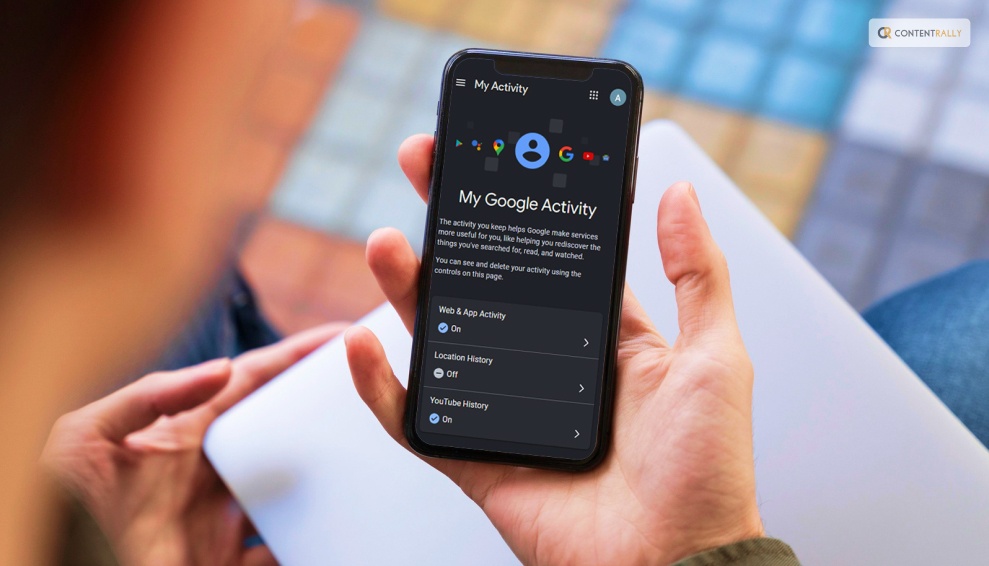
What Is "My Activity" On Google

Google is like that trusty friend who helps you find answers to everything, from "How to make the perfect omelet" to "What's the weather like in Fiji right now?" But here's the deal, while Google is amazing at finding stuff for you, it also keeps a record of what you've been up to - enter "My Activity."

So, what's "My Activity"? Well, it's like your digital diary, but instead of scribbles about your day, it stores the trail of your online adventures. Every time you fire up Google Search, binge-watch cute cat videos on YouTube, or ask Google Maps for directions to that secret taco joint, My Activity quietly takes notes.

Now, before you start panicking and imagine a team of robots analyzing your life, hold on. My Activity isn't some covert operation aimed at spying on you. It's more like a friendly librarian who keeps track of the books you've borrowed. It helps Google serve you better, offering personalized recommendations, and it's there for you to manage, too.

Balancing Act
Balancing

Balancing the convenience of personalized online experiences and safeguarding your privacy is crucial in the digital age.

Embracing The Balance: Your Digital Tightrope Act

Picture this: You've just finished watching a YouTube video about cooking a mouthwatering lasagna. Now, as you scroll through your social media feed, you notice an ad for a cookbook filled with Italian recipes. Coincidence? Not really. It's the magic of personalization at work, and it's all thanks to the data collected through your online activities.

But wait, didn't we just talk about privacy concerns and managing your digital footprint? Yes, we did. And that's where the concept of "Embracing the Balance" comes into play.

Convenience Vs. Privacy

On one side of the scale, you've got convenience. Personalized recommendations, tailored search results, and customized ads are all part of the online experience we've come to expect. They make our digital lives more efficient and enjoyable.

Imagine if every time you searched for something, you had to sift through pages of irrelevant results. Or if YouTube showed you videos that had nothing to do with your interests. It would be like searching for a needle in a haystack, and frankly, no one has time for that.

But here's the catch: all this personalization relies on the data you generate while using online services. Your searches, clicks, and views are the building blocks of your digital profile, and companies like Google use this data to fine-tune your online experience.

On the other side of the scale is privacy. Concerns about data breaches, unauthorized access, and the potential misuse of personal information have never been more relevant. With every digital step you take, you leave a trace, and that trace is recorded in your My Activity.

Finding The Middle Ground

So, how do you strike the right balance between the convenience of personalization and safeguarding your privacy? It's a bit like walking a tightrope – you need to find that sweet spot.

1. Regular Check-Ins: The first step in this balancing act is awareness. Make it a habit to visit your My Activity dashboard regularly. It's like looking at your bank statement to keep track of your finances. By checking in, you become aware of what data is being collected.

2. Data Minimalism: Think of it this way: you wouldn't share every detail of your personal life with a stranger, right? Similarly, you don't have to let every online service track your every move. Be selective. Turn off tracking for services where it isn't crucial.

3. Use Incognito Mode: Think of Google's Incognito mode as your invisibility cloak. When you use it, your searches and browsing activity aren't saved to your My Activity. It's perfect for those times when you want to keep your online explorations private.

4. Secure Your Account: Protecting your online identity is vital. Use strong, unique passwords for your Google account and enable two-factor authentication. Regularly review your security settings to ensure your account is locked down.

The Art Of Digital Balance

Balancing between personalization and privacy isn't about sacrificing one for the other. It's about making informed choices. Just like you decide what to share with friends and what to keep to yourself in your offline life, you can do the same online.

Remember, My Activity isn't your enemy; it's a tool that puts you in the driver's seat. You can review, delete, or adjust your data as you see fit. It's your digital diary, and you're the author.

So, embrace the balance. Enjoy the perks of a personalized online world, but also take charge of your digital presence. Be aware, be selective, and be secure. In doing so, you'll find that navigating the digital tightrope becomes a breeze, and you can savor the best of both worlds – a convenient online experience with your privacy intact.

Why Should You Care?

Why Should You Care

Alright, you might be thinking, "My Activity, Google's got it covered, right? Why should I even bother?" Well, hold onto your digital hats, because there are some pretty good reasons why you should care about what's cooking in your My Activity pot.

1. Privacy Party:

Imagine you're having a party at your place, and you've invited a bunch of friends over. You'd want to have some control over what's happening, right? Well, think of your online activities as that party. My Activity on Google is like the guest list; it shows you who's been invited (your clicks, searches, and wanderings). By knowing who's at your digital shindig, you can decide if you want to let them stay or politely ask them to leave.

2. Tailored To You:

Ever noticed how your Netflix suggests shows that you actually want to watch, or Amazon knows exactly which kitchen gadget you've been eyeing? That's personalization at its finest! And Google's got a slice of that pie too. By keeping tabs on your My Activity, Google can offer you search results, ads, and recommendations that fit your interests like a glove. It's like having a personal shopper for the internet. But here's the catch – for this magic to work, Google needs to know a bit about you.

3. Be The Boss:

Let's say you had a wild night out, and now you want to erase all evidence. In real life, you can't do much about those embarrassing photos your friend posted on social media. But in the digital realm, you're the boss. With My Activity, you can cherry-pick stuff you want to delete. That funny cat video you watched 27 times? Gone. That late-night search for "how to cook a perfect omelet"? Poof! You can even wipe the slate clean for an entire day if you want to keep things under wraps. It's your data, and you're in charge.

4. Security Sherlock:

Your digital kingdom is precious, and you want to keep it safe, right? Your My Activity page on Google can help with that too. By keeping an eye on what's going on in your online world, you can spot any suspicious activity. Imagine seeing a search for "How to change my Google password" that you didn't do – that's a red flag! It's like having a digital Sherlock Holmes on your side, solving mysteries and keeping your online abode secure.

So, there you have it. These are the reasons why you should give a hoot about your My Activity on Google. It's not just a digital diary; it's a tool that can empower you to take charge of your online presence, get the best of personalized internet experiences, and ensure your digital castle stays fortified.

But remember, like with great power comes great responsibility. So, keep an eye on your My Activity, be mindful of what you share, and enjoy the perks of a personalized online world, all while keeping your digital secrets safe and sound. Cheers to navigating the digital maze like a pro!

Read More: How To Play Google Thanos Snap In 2023?

Navigating My Activity

Navigating My Activity

Alright, now that we've cracked open the treasure chest that is "My Activity" on Google, let's dive a bit deeper into how to navigate this virtual diary of your online adventures. Think of it as your secret journal, except it's filled with digital breadcrumbs of your Google-related activities.

Just remember one thing— Google's My Activity isn't some Big Brother scheme to invade your privacy. It's a tool provided by Google to give you more control over your digital footprint. Whether you want to reminisce about that epic road trip you mapped out on Google Maps or keep your late-night Netflix binging on the down-low, My Activity Google has got your back.

Accessing My Activity

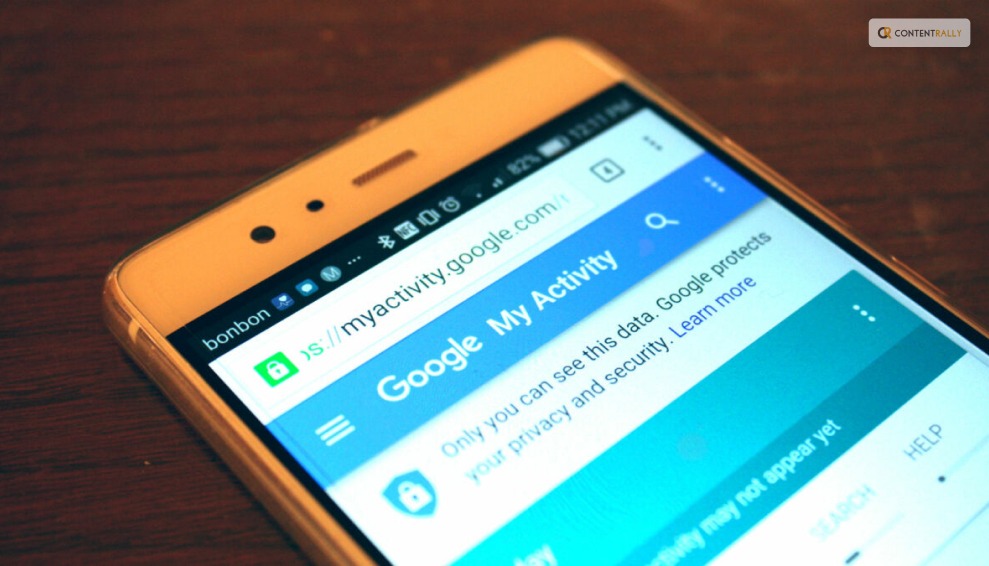
First things first, how do you even get to this magical land of data tracking? It's quite simple, really. Just make sure you're logged into your Google account, and then visit [https://myactivity.google.com/](https://myactivity.google.com/). Voila! You're now in the control center for your digital tracks.

Viewing Your Activity

Once you're in, you'll be greeted with a chronological list of your recent online endeavors. This could include your Google searches, YouTube video views, places you've navigated to on Google Maps, and more. It's like a timeline of your digital life.

But wait, there's more! If you want to zero in on a particular moment in time, you can filter your activities. Click on the search bar at the top, and you can search for specific keywords, dates, or even Google services. So, if you're trying to find that mouthwatering recipe you Googled a few weeks ago or the cute cat video you watched last night to brighten your day, this search feature will be your best buddy.

Deleting Your Activity

Alright, let's say you want to do a little digital spring cleaning. Maybe you've been binge-watching those embarrassing cat videos, and you'd rather keep that on the down-low. No worries, you're in control.

To delete an individual item, click on the three dots next to it and select "Delete." Poof! It's gone. Nobody will ever know about your secret cat video obsession.

But what if you want to erase your tracks from a particular day? Easy peasy. Click on the trash can icon at the top right corner of the screen, and you can choose to delete items from the past hour, day, week, or forever. Be careful with that last option, though – it's like wiping your entire digital slate clean.

Adjusting Settings

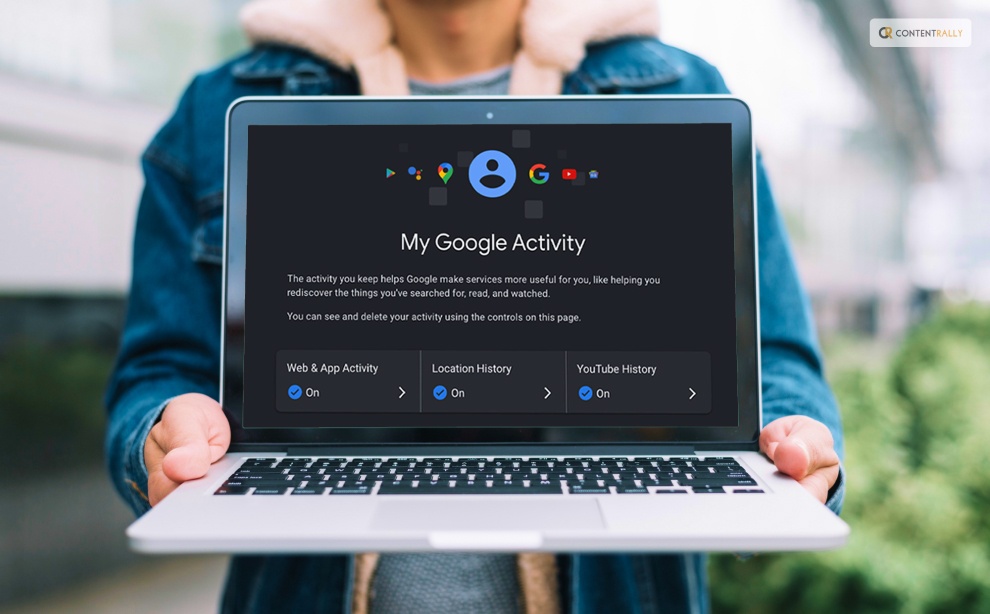
If you're more of a "preventative maintenance" type of person, you can adjust your settings to limit what Google tracks in the first place. Click on the "Activity controls" link on the left side of the screen, and you'll find a treasure trove of options.

Here, you can toggle on or off various tracking features, such as "Web & App Activity" (which records your searches and interactions with websites and apps), "Location History" (which tracks your physical whereabouts), and "YouTube History" (which keeps tabs on your video-watching habits).

Now, keep in mind that turning off these features might affect your personalized experiences. For instance, if you switch off "Web & App Activity," you might not get those handy search suggestions or tailored ads anymore. It's all about finding the right balance between privacy and personalization.

The Final Word

In the grand tapestry of the internet, My Activity is just one thread, but it's an important one. It's a reflection of our digital lives, a reminder that our actions online are not ephemeral, but rather, they leave a lasting imprint.

So, the next time you find yourself in the depths of Google's My Activity, take a moment to reflect on your digital journey. It's a tool that empowers you to manage your online presence, customize your experiences, and ensure your privacy remains intact. In this digital age, where our online and offline lives are increasingly intertwined, understanding and managing our digital footprint is not just a matter of convenience; it's a responsibility we owe to ourselves and our online identities. So, navigate My Activity on Google with confidence, and embrace the power it gives you to shape your digital narrative.

Read Also:

Ankita Tripathy loves to write about food and the Hallyu Wave in particular. During her free time, she enjoys looking at the sky or reading books while sipping a cup of hot coffee. Her favourite niches are food, music, lifestyle, travel, and Korean Pop music and drama.

View all posts

Leave a Reply

Your email address will not be published. Required fields are marked *

Related

Google Sucks

Why Is Google Sucks Trending? Top Reasons And Justifications

If you are of the opinion that Google sucks really bad, then let me tell you something— you are not the only one who thinks like that! Well, if I have to give my personal opinion or take a stand on this particular trend where I take a stand on why I think Google sucks or doesn’t and what is the reason behind my point, there is one thing that I would like to state at the very beginning. And that is the fact that I really LOVE using Google. This is not only the largest and most used search engine in the world but also has a lot of products that people from across the world use o a daily basis. However, there can be times when you do not really prefer some of the things that happen in and around the billion-dollar company. If you have been searching for the reasons why Google sucks, well, you have come to the end of your search. Keep reading this article till the end to learn more about the same… Google Sucks! And Here’s Why!   It is impossible to imagine going about our daily lives without being able to "quickly Google" this or that because Google has become such a large part of our culture. However, there are a few things that most people do not know about when it comes to Google. In this article, I will be talking about these few points which is why Google sucks! So, if that is something that you have been searching for, you do not have to look any further. Here are the top five reasons why Google sucks: 1. It Stores And Steals Data   The fact that there is zero protection for consumers' privacy is the primary reason I believe Google is bad. To put it another way, Google is terrible at ensuring the privacy of its users. Almost all significant websites have experienced data breaches or privacy issues at some point. Google is also no different. It's tougher to avoid as hackers get more skilled and we divulge more of our personal information, but when a company as big as Google experiences one, it's in a different league. Over 500,000 individuals' personal information was exposed due to an API issue on the now-defunct Google+, a serious breach of privacy. It made it possible for third-party apps to access private information as well (third-party programs occasionally need permission to access a small bit of the data held by Google on a particular user in order to function). This could contain extremely private information like your job title, nickname, birthdate, and email address—information that could be easily exploited to access financial information, personal documents, and other things. 2. Pretty Litigious   When you have the wealth and clout that Google possesses, it's essentially game over for businesses and people that cross them. Google has faced a variety of bizarre and interesting legal challenges over the years, including complaints from individuals whose privacy had been infringed by Google Maps photos, fraudulent personal information returned in searches, and inaccurate information that caused harm. Indeed, a class-action lawsuit over click fraud resulted in a $90 million settlement that Google was compelled to accept in 2006. And how many instances of fabricated material, photographs protected by copyright, incorrect and damaging information, and erroneous advertising do you believe Google still engages in? Millions! That's why I think Google is a somewhat litigious company, in my perspective. 3. Does Not Reward Its Content   The issue is that there will always be ways for dishonest people to use the rules of an organization that is solely governed by algorithms for their personal gain. Without having extremely substantial financial resources, it is almost impossible to rank well for your content. Many individuals mistakenly believe that search indexing is a fair process, yet nothing could be further from reality. Information on websites ending in.edu,.gov, and.org, as well as websites with links pointing to them, is given a higher. A greater volume of information is also seen favorably, therefore websites that plagiarize from other sources but have a high publication rate can go up the results by virtue of posting three times per day. Because there aren't enough resources in this area, spam reports are frequently handled without being taken any further. Thus, political propaganda and copycat content are permitted to gain prominence. 4. Follows You Around   Many individuals now have Google-capable devices in their homes. You might have an Android phone with built-in Google tools (including Chrome, Navigation, Play Services, Music, and more), a smart TV, a laptop that runs searches, or an Alexa-enabled speech assistant in your home. Google will now constantly pursue you across the web with advertising content pertaining to those themes if it determines that you are interested in something. Therefore, if you ever looked for something mildly embarrassing, it might still be lying around in your advertisement cookies, waiting to be brought up at a meeting at work or when the in-laws visit. Additionally, Google has ingeniously buried the privacy policy settings for all of this data in places where most people wouldn't think to delete them. However, doing so wouldn't stop Google from keeping the information they already have about you. 5. Site Indexing Issues   I am aware that Google's core business and origin was site searching, and some could claim that since they are currently ranked first, they are succeeding well. I concur in part. Here is my justification on why I think Google search indexing is bad. I've heard that Google's search indexing and ranking are "democratic" quite a bit. Simply said, that is untrue. Given that backlinks from.org,.gov, and.edu domains are more valuable than those from other domains and that they are frequently acquired through donations and sponsorship, this is only democratic in the sense of a large corporation. Today, it's actually very tough to become very successful without finance and without advertising on the Internet. Wrapping It Up!   In case you were searching for the answer to why is Google Sucks trending these days, I hope that this article has been of help to you. If there are any other queries related to the same, kindly feel free to let me know. All that you need to do is scroll down till you reach the bottom of the page. Then leave your comments and queries in the box below. Do not forget to share your suggestions. And I will be there to answer them all for you! More Resources: WiFi Security: Mediocrity To Excellence Avoid These 5 Mistakes Before Starting An SEO Curious About Search Engine Optimization? Let’s Get to Its Roots

READ MOREDetails
Google Play Cancel Subscription

Google Play Cancel Subscription: The Ultimate Guide To Managing Your App

Are you searching for how to cancel a subscription on Google Play? Well, you are not the only one. In the fast-paced digital age we live in, it's common for many of us to sign up for various app subscriptions. These subscriptions can range from streaming services to premium versions of our favorite apps. Thus promising a world of convenience and entertainment at our fingertips. However, as time goes on, we often find ourselves with a growing list of subscriptions, some of which we no longer use or need.That's why it is important to understand how to cancel these subscriptions on Google Play! If you were looking for a guide to the same, you have reached the right place! So, keep on reading this article till the end to learn more… Why Cancel A Subscription On Google Play?   The decision to cancel a subscription on Google Play is not one we can take lightly. There are several valid reasons why you might want to drop a subscription. Understanding these reasons can help you make an informed choice about your digital expenses. By understanding the reasons why you might want to cancel a subscription, you can make more deliberate choices. These can be about the services you choose to subscribe to. Thus, you can ensure that your money is being used to enhance your digital experience. Let us delve into the reasons behind why you might consider canceling a subscription on Google Play! 1. You No Longer Use It   It's common to download an app or sign up for a service with the best intentions, only to find that you rarely use it after the initial excitement wears off. Life gets busy, and our interests change. That fitness app you subscribed to a few months ago now collects virtual dust on your phone. Simply because you've found other ways to stay active.  Perhaps you subscribed to a news app but have since switched to other sources for your daily headlines. In these cases, canceling the subscription frees up your digital and financial space for services you value and use. 2. Financial Reasons   We all have to manage our finances, and sometimes subscriptions can accumulate to the point where they strain your budget. When you take a closer look at your bank statement, you might realize that you're paying for many subscriptions. Some of which you've forgotten about or no longer find valuable.  It's essential to focus on your spending. Canceling unused or less essential subscriptions can help you. How? Well, simply by redirecting your money to things that matter more. 3. Trial Period Ends   Many apps and services offer enticing free trials to get you hooked. While these trials can be an excellent way to test a service, they often automatically convert into paid subscriptions once the trial period ends. If you've tried out a subscription service during a free trial and found it's not what you were looking for, you'll want to cancel before it starts costing you. This prevents unexpected charges and ensures you're only paying for services you genuinely want. 4. You Got What You Needed   Sometimes, you subscribe to access specific content or features, and once you've obtained what you need, continuing the subscription may no longer be necessary. For instance, you might have subscribed to a streaming service to binge-watch a particular series. Once you've watched it, you've essentially achieved your goal, and there's no need to keep paying for the service. In such cases, canceling the subscription allows you to move on without ongoing costs. Understanding Google Play Subscription Types   To effectively manage your subscriptions on Google Play, it's essential to grasp the two main subscription types offered: in-app subscriptions and Play Pass. Each type serves a unique purpose and is billed differently. Let me break them down to help you make informed decisions about your digital subscriptions. 1. In-App Subscriptions   In-app subscriptions are the most common type of digital subscriptions on Google Play. They are subscriptions you buy through a specific app or service. Your Google Play account then bills these subscriptions. Examples of in-app subscriptions include streaming services like Netflix and music streaming platforms like Spotify Premium. Here's what you need to know about in-app subscriptions: App-Dependent: In-app subscriptions are entirely dependent on the app or service you're using. These subscriptions typically grant you access to premium features, content, or an ad-free experience within that specific app. Billed Through Google Play: When you subscribe to a service through an app, the payment is processed via your Google Play account. This means that your subscription charges are consolidated, making it easier to manage multiple subscriptions in one place. 2. Play Pass   Play Pass is a subscription service offered directly by Google. It provides subscribers with access to a curated selection of apps and games on the Google Play Store without ads or in-app purchases. Some of the apps and games available through Play Pass include Stardew Valley, Monument Valley, AccuWeather, and Pocket Casts, among others. Here are the key points to understand about Play Pass: Google's Subscription Service: Play Pass is a subscription service provided by Google itself. Unlike in-app subscriptions, it's not tied to a specific app or service but rather grants access to a variety of apps and games. Monthly Billing: Play Pass operates on a monthly billing cycle. You pay a fixed fee each month to access all the included apps and games. This fee is billed through your Google Play account. Diverse Content: Play Pass offers a diverse range of content, including games, productivity apps, fitness apps, and more. It's an excellent choice if you want to explore various apps without ads or in-app purchases. Free Trials: Google often offers free trial periods for Play Pass, allowing you to test it out before committing to a subscription. Accessibility: Play Pass can be accessed by multiple family members, making it a cost-effective option for households with multiple Android devices. Choosing The Right Subscription Type   Understanding the difference between in-app subscriptions and Play Pass is crucial for effectively managing your digital subscriptions on Google Play. Each type caters to distinct preferences and needs, whether you're looking to enhance a specific app's functionality or explore a curated selection of ad-free apps and games. The choice between in-app subscriptions and Play Pass depends on your specific needs and preferences: In-App Subscriptions: Opt for in-app subscriptions if you're particularly fond of a specific app or service and want to unlock its premium features. This is the choice for personalized subscriptions tailored to your unique interests. Play Pass: Consider Play Pass if you enjoy exploring a variety of apps and games and prefer an ad-free experience across multiple applications. It's an excellent choice for those looking for diverse content without additional costs. How To Cancel A Google Play Subscription?   Managing your app subscriptions on Google Play is a crucial aspect of responsible digital spending. Whether you're looking to cut costs, declutter your digital life, or simply unsubscribe from a service you no longer use, understanding how to cancel your subscriptions is essential. Here are some of the things that you can do to cancel your Google Play subscription: Method 1: Using The Google Play Store App   1. Open the Google Play Store: Begin by locating and tapping on the Google Play Store app icon on your Android device's home screen or in your app drawer. This opens the Google Play Store, your gateway to managing subscriptions. 2. Access Your Account: In the top-left corner of the Google Play Store app, you'll see three horizontal lines (often referred to as the "hamburger" menu). Tap on these lines to open a menu. Scroll down this menu until you find the "Subscriptions" option, and tap on it. 3. Select The Subscription: Inside the "Subscriptions" section, you'll see a list of all the subscriptions associated with your Google account. Browse through the list and locate the subscription you wish to cancel. Once you find it, tap on it to access its details. 4. Cancel Subscription: Within the subscription details, you'll see an option that says "Cancel subscription." Tap on this button to initiate the cancellation process. 5. Confirm: Google Play will prompt you to confirm your decision to cancel the subscription. Take a moment to review the details, including the date until which you'll have access to the service, and ensure it's the correct subscription. Once you're certain, tap "Cancel subscription" once more to confirm. 6. Done: Congratulations, your subscription is now canceled! You'll retain access to the service until the end of your current billing period, after which you won't be charged further. Using the Google Play Store app to manage your subscriptions offers a user-friendly and convenient way to cancel subscriptions directly from your Android device. It's a quick process that puts you in control of your digital expenses, ensuring that you only pay for the services you genuinely need and want. Method 2: Using The Google Play Website   Using the Google Play website to manage your subscriptions offers the advantage of a larger screen and may be more convenient if you're already working on your computer. It's a simple and effective way to keep your digital expenses in check and ensure you're only paying for the services that truly matter to you. Here's a step-by-step guide: 1. Visit The Google Play Website: Open your web browser and navigate to [play.google.com](https://play.google.com). 2. Login: Sign in to the Google account that is associated with the subscription you want to cancel. Make sure you're using the same account you used when you subscribed to the service. 3. Access Subscriptions: Once you're logged in, you'll see a menu on the left-hand side. Click on "Subscriptions." This will take you to a page that lists all your active subscriptions. 4. Choose The Subscription: Locate the subscription you wish to cancel from the list. It will display the app or service name, the renewal date, and the cost. 5. Cancel Subscription: Click on the "Manage" button next to the subscription you want to cancel. This will take you to the subscription details page. 6. Confirm Cancellation: On the subscription details page, you'll find information about the subscription and a "Cancel Subscription" option. Click on it. 7. Review And Confirm: Google Play will present you with the details of the cancellation, including when your access to the service will end. Carefully review this information. If you're sure you want to proceed, click "Cancel Subscription" once more to confirm. 8. Completion: Congratulations, you've successfully canceled your subscription using the Google Play website. You'll continue to have access to the service until the current billing period expires. Managing Multiple Subscriptions   If you're juggling multiple subscriptions, staying organized is crucial. Here are some tips to help you manage them effectively: 1. Keep Track: Make a list of all your subscriptions, including the renewal dates and costs. Apps like "Truebill" or "Bobby" can assist in tracking your subscriptions. 2. Prioritize: Review your list and determine which subscriptions are essential and which can be canceled. 3. Set Reminders: Use calendar reminders or apps to notify you a few days before a subscription renews. This gives you time to decide whether to keep or cancel it. 4. Bundle Or Share: Some services offer family or group plans. Consider sharing costs with friends or family members to reduce expenses. 5. Be Vigilant: Periodically review your bank or credit card statements to ensure you're not being charged for subscriptions you canceled. Troubleshooting Common Issues   While canceling subscriptions on Google Play is usually straightforward, you might encounter some issues. Here's how to address a few common ones: 1. Forgotten Account: If you can't remember which Google account you used for the subscription, check your email for billing receipts. This will often show the associated account. 2. No "Cancel" Option: If you don't see the "Cancel subscription" option, it might mean the subscription isn't billed through Google Play. Contact the app's support for assistance. 3. Refund Requests: If you believe you were charged for a subscription you canceled, contact Google Play support within 48 hours. They can investigate and possibly issue a refund. Wrapping It Up!   So, go ahead and take charge of your subscriptions. Cancel what you no longer need, enjoy the services you love, and keep your tech life in balance. Your wallet will thank you, and you'll have a newfound sense of control over your digital world. In case you were searching for ways to cancel your subscription to Google Play, I hope that this blog has been of help to you. If there are any other queries related to the same, feel free to let me know. All that you need to do is scroll down till you reach the bottom of the page. Then leave your comments and queries in the box below. And I will be there to answer them all for you! keep Reading About: Why Should You Look Into Google Drive Alternatives? These Music Streaming Services Can Get Your Groove On How Was Google In 1998? | Google 1998 Easter Eggs And More Everything You Need To Know About Google Play Refund In 2023

READ MOREDetails
Google Adsense Login

Google Adsense Login: How To Login To Google AdSense Efficiently?  

If you want to learn about the best way of monetizing your website traffic then AdSense is the way to go. Every year, Google is known to pay over ten billion dollars for its content publishers. Without any contracts and with a quick AdSense setup, site owners can now earn high revenues from their released web content. This platform is also free to access for all and the site owners get paid for impressions or clicks on the displayed Google Ads on the website. Pre-Requisites   Before creating an Adsense account, one must go through the following requirements: One must have an active Gmail account. Probably one that is not linked to an AdSense account. A person must also be over eighteen years old. This is a minimum age criterion that needs to be met.   The website must meet the terms of service of Google. Steps To Creating An AdSense Account   If you want to create an AdSense account then you need to follow the steps that I am going to discuss below: Step 1:   First, one would need to visit the official AdSense website and click the "Get Started" button. Step 2:  Next, one would need to sign in to the Google account. If someone does not have a Google account then one more would need to be created. Step 3:   Next, the user would be directed to a page with a Google AdSense sign-up button. A user would need to click on it for signing up for the AdSense account. Step 4:  Then enter the URL of the site that you would want the ads to appear on, in the given field. If you do not have any site yet then you can leave the field blank and click on the option stated as "I don't have a site yet". Step 5:   Next, a user would have to follow the instructions for connecting the website to AdSense. They are then going to provide the user with a snippet of the code that one must add to the website. Step 6:   Adsense actually allows a person to choose whether they would like to send performance suggestions and aid. It would be for the better if you opt for this facility. A user can also choose not to select that option. This option can be changed later as well. Step 7:   Then, a person would need to select their country for payment, where they will be sent a PIN through the mail. You must remember to choose the option carefully as the field once entered cannot be modified later on. Step 8:  Lastly, you would need to go through the terms and conditions and then click on accept. You would then be signed in to your Google AdSense account. Then a user can access the platform by clicking on the "Start using AdSense" option. Login To AdSense Effectively   After you are done creating an AdSense account, you can adsense sign in/log in to it whenever you want. Frequently, the users struggle a lot to find the AdSense account's login or google adsense login page. A user simply has to visit the same page they visited in order to create an AdSense account. This time they would need to click on the Sign-In button instead of getting started. Then just sign in to the Google account by entering both the email and password. Tips: If someone faces any problem they can contact Google Adsense support, to get any kind of help they need regarding the workings of the Google AdSense platform. Frequently Ask Questions (FAQs):-   Here are a few frequently asked questions regarding Google AdSense: Q1. Does Google AdSense Pay Monthly? Ans: The AdSense payment cycle actually gets circulated monthly. One gets their estimated earnings over the span of a month, and then at the beginning of the following month the earnings are finalized and posted to the balance on the Payments page. Q2. What Is The Minimum Earning For AdSense? Ans: At least for the United States region, one needs to get $100 in AdSense earnings for meeting the threshold and getting paid. Q3. Does AdSense Money Expire? Ans: In case the cash does not reach the payment threshold, the money is going to remain in the AdSense account until the next payment cycle gets completed. The build-up amount then gets transferred to the person at the end of their next payment cycle. Q4. Can AdSense Account Be Sold? Ans: A site can be sold, but one certainly cannot sell or transfer their AdSense account.Why is my AdSense revenue low? Q5. Why Is My AdSense Revenue Low? Ans: Drop in earnings can actually be caused by anything from the irrelevant ads being displayed to a drop in the CPC or even because of invalid clicks. The cause though must be determined on a site-by-site or account-by-account basis. Q6. Can I use AdSense From Youtube? Ans: AdSense is a Google program that lets its creators and allows them in the Youtube Partner program to get paid. To start getting paid on youtube, one must set up an AdSense account from within the YouTube Studio. To Wrap It Up!   Google AdSense is a place one should definitely consider investing in as that really helps out in getting a brand’s name out there. That was all for information regarding all one needs to know about Google Adsense Login. Thank you for reading up till here. I hope you found the information useful. Let me know in the comments your thoughts on the same. More Resource: Best SEO Tools For Ranking The Website How to Maintain WordPress Website for Free? 7 Advantages of Using Website Design Templates

READ MOREDetails