











Oil Heater vs. Fan Heater: Which Is Better

Published on: 19 February 2024 Last Updated on: 17 February 2026
Oil Heater vs. Fan Heater: Which Is Better
A dependable heater may make all the difference in keeping your home warm and inviting during the bitterly cold winter months when the frigid air bites your nose. However, it might not be easy to select the best heater for your needs, given the variety of products on the market. Oil heaters and fan heaters are two standard options, each having pros and cons of their own. This article will examine the differences between oil and fan heaters to see which is better.

Oil Heaters: The Basics

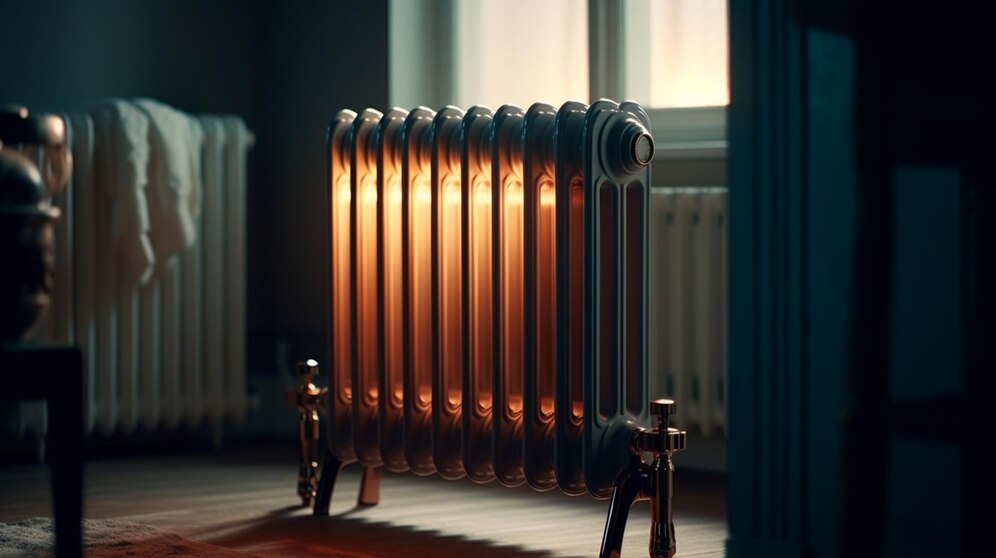
Oil Heaters: The Basics Oil heaters also referred to as oil-filled heaters, work by heating a particular kind of oil inside the metal fins of the device. Because of the effective heat retention of this oil, the heater can continue to provide warmth long after it has been switched off. Oil heaters give a steady, soft warmth that many people find comfortable, although they usually take longer to heat up than fan heaters.

Fan Heaters: The Basics

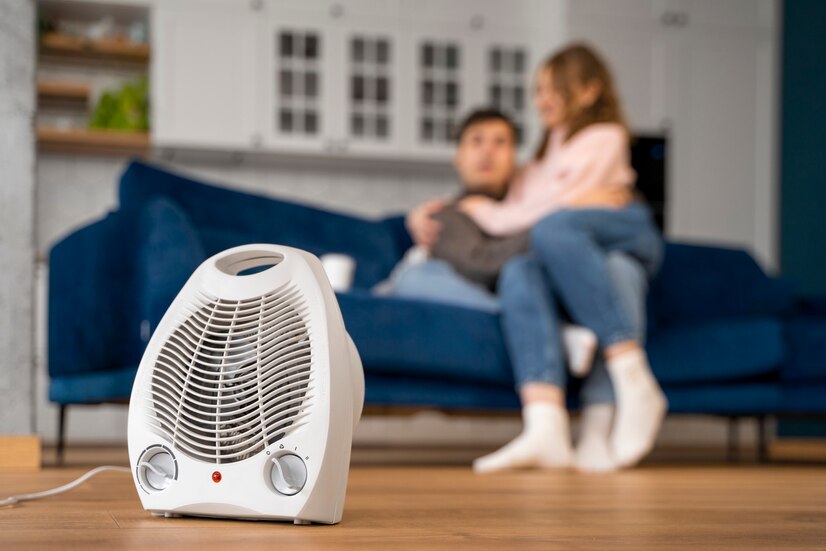
In contrast, fan heaters operate by drawing air over a heating element and then using a fan to distribute it around the space. Fan heaters are renowned for their ability to heat a space quickly, increasing the ambient temperature. They can, however, occasionally produce a dry heat, which some people may find less comfortable. Here are the various considerations before you buy oil heaters online:

Energy Efficiency And Cost-Effectiveness

The energy efficiency of oil heaters is highly praised. The heater's oil holds heat efficiently after it reaches the proper temperature, reducing the frequency of on and off cycles. As a result, there may be a decrease in energy use and, eventually, heating costs. Furthermore, oil heaters can contribute to energy conservation by maintaining a comfortable temperature without continuously using power because they generate heat even when shut off. Meanwhile, fan heaters use more energy even though they are good at warming a space rapidly because they run continuously. Using a fan to disperse heat is another way that using more electricity might increase. But thanks to developments in fan heater technology, more energy-efficient models with eco modes and thermostat controls have been created to help reduce energy use.

Cost Comparison

Fan heaters are typically less expensive upfront than oil heaters, which makes them the more logical option for consumers on a tight budget. The long-term operating costs, however, must be taken into account. Oil heaters are typically more energy-efficient because they use a heating element soaked in oil, which maintains heat well and permits less frequent cycling. As a result, this may lead to decreased energy use and cheaper heating costs over time. Improvements in fan heater technology have created more energy-efficient versions with features like eco modes and thermostat settings, which help partially offset their higher energy usage. Consequently, even though fan heaters could be less expensive initially, the overall cost-effectiveness of the two differ based on several variables, including usage habits, energy costs, and the particular model.

Heating Performance And Comfort

Heating Performance And Comfort Known for its capacity to deliver even, delicate warmth, oil heaters are highly recommended for use in living rooms, bedrooms, and other spaces where keeping a comfortable temperature is crucial. Many people describe the warm, comforting, radiant heat that oil heaters create as ideal for resting and relaxing. Meanwhile, fan heaters are excellent at quickly heating a space, making them ideal for short bursts of heat in areas like bathrooms or home offices that need to be warmed up immediately. However, some people might feel that the dry heat of fan heaters is less comfortable, mainly if they use them for an extended period.

Safety Considerations

Because of how they are made, oil heaters are typically considered safer than fan heaters. The oil-filled fins encase the heating element, reducing the possibility of fire or burns from direct contact with the hot surface. Oil heaters usually have automatic shut-off systems and overheating prevention to prevent further mishaps. Unfortunately, burn risks are increased by fan heaters, mainly when they come in contact with skin or explosive objects. Fan heaters can also be dangerous due to their exposed heating element and moving parts, so they must be positioned steadily, away from potential threats.
Read Also: What To Do When Your AC Unit Stops Working

Impact On The Environment

Due to its higher energy consumption and shorter lifespan, fan heaters typically have a more significant environmental impact. Carbon emissions are increased when electricity is used to run the fan and heating element, mainly when that electricity is produced from non-renewable resources. Nonetheless, the environmental impact of fan heaters can be reduced by selecting and operating them wisely. Oil heaters are often seen as being more environmentally friendly. They are quieter to operate and have less emissions since they use radiant heat instead of forced air.

Fan Heaters vs Oil Heaters: In Summary

Fan Heaters vs Oil Heaters: In Summary It's critical to consider your unique heating requirements and preferences when choosing between oil and fan heaters. An oil heater can be a better option if you need constant, soft warmth in larger areas, including living rooms or bedrooms. Oil heaters are excellent at producing radiant heat that heats the surrounding space gradually, making it seem friendly and suitable for rest or sleep. However, a fan heater can be a better option if you're searching for a rapid and effective heating solution for smaller spaces or regions that need instant warmth, such as home offices or restrooms. Fan heaters are renowned for their speedy heating qualities, allowing them to relieve chilly air and raise the room's temperature instantly.

Make The Right Choice

There must always be a clear winner in the age-old comparison between oil and fan heaters. The ideal option ultimately relies on your preferences, budget, and particular heating demands. Each type of heater has a mix of benefits and drawbacks. Whichever kind of heater you use, you must always take safety precautions. By researching and using your heater sensibly, you may have a warm and comfortable house all winter while consuming the least energy and having the least damaging effect on the environment.

Read Also:

Ankita Tripathy loves to write about food and the Hallyu Wave in particular. During her free time, she enjoys looking at the sky or reading books while sipping a cup of hot coffee. Her favourite niches are food, music, lifestyle, travel, and Korean Pop music and drama.

View all posts

Leave a Reply

Your email address will not be published. Required fields are marked *

Related

Flooring Installation Process

Flooring Installation Process Transforming Your Space With Elegance

When it comes to renovating or building a new space, one of the most crucial aspects is the flooring installation process. The type of flooring you choose can significantly impact the overall aesthetics, functionality, and durability of your space. In this comprehensive guide, we will walk you through the intricate process of flooring installation toronto, providing valuable insights and tips to ensure a successful transformation. Selecting The Right Flooring Material The first step in the flooring installation process is choosing the right material. Whether you opt for hardwood, laminate, vinyl, tile, or carpet, each material has its unique features and benefits. Consider factors such as your budget, the room's purpose, and your design preferences when making this decision. Measuring And Preparing The Space Before the installation begins, accurate measurements of the room are crucial. This step ensures that you purchase the right amount of flooring material. Additionally, you'll need to prepare the space by removing any existing flooring, baseboards, and furniture. A clean, level surface is essential for a smooth installation. Acclimating The Flooring Many flooring materials, especially hardwood, need to acclimate to the room's temperature and humidity levels before installation. This process prevents the flooring from warping or expanding after installation. Follow the manufacturer's recommendations for acclimation time. The Installation Process Subfloor Preparation A stable subfloor is the foundation of a successful flooring installation. Ensure that the subfloor is clean, dry, and free of any irregularities. Repair any damaged areas and add an underlayment if necessary. Layout And Design Planning the layout of your flooring is crucial for achieving a polished look. Decide whether you want a diagonal, herringbone, or straight pattern, depending on your design preferences. This step is especially important for tile and hardwood installations. Cutting And Fitting Precise cutting and fitting of the flooring material are essential for a seamless finish. Use the appropriate tools, such as a saw or cutter, to trim the material to fit the room's dimensions accurately. Pay special attention to corners and edges. Installation Method The installation method varies depending on the type of flooring you've chosen. For example, hardwood may be nailed or glued down, while laminate often features a click-and-lock system. Follow the manufacturer's guidelines and use the appropriate adhesives or fasteners. Finishing Touches After the main installation is complete, it's time for the finishing touches. Install baseboards and transitions to create a polished look. Seal gaps and joints to prevent moisture and dirt from seeping underneath the flooring. Maintenance And Care Cleaning And Maintenance Proper maintenance is crucial to ensure the longevity of your new flooring. Regularly sweep or vacuum to remove dirt and debris. Use manufacturer-recommended cleaning products to maintain the flooring's finish. Repairing Damage Accidents happen, and flooring can get damaged over time. Whether it's a scratch on hardwood or a chipped tile, knowing how to repair minor issues can extend the life of your flooring. Consult with professionals for major repairs. The flooring installation process is a transformative journey that adds beauty and functionality to your space. By carefully selecting the right material, preparing the space, and following the installation steps, you can achieve stunning results that will stand the test of time. Read Also: How To Pick The Perfect Flooring For Your New Home How to Protect Your Wood Flooring in a Busy Household List of Most Durable Kitchen Flooring

READ MOREDetails
Modern Flooring Designs

Ideas for Modern Flooring Designs for Home Improvement Plans

It is essential to make the right decisions when coming up with the design for a modern home. On the other hand, it is easy to transform old houses by the type of floor you decide to use. Most people will probably overlook it when planning for their house. The main reason is that homeowners do not know what they can choose for their homes. However, herringbone flooring can alter the floor's architectural design in your house to make them adaptable to your lifestyle. There are various types of materials that a person considers for flooring in buildings. The suitability of each option changes according to the room needs. For example, spaces where people visit a lot, like corridors and living rooms, can have wooden floors as they are resistant to wear. The bedrooms can differ from the rest of the house by using cozy materials for flooring. Ideas for Modern Flooring Designs The design of floors will mostly depend on the appearance that a homeowner wants. It will also depend on the budget for the home improvement plan. Here are some popular types of flooring systems; Wood Modern houses will utilize wooden floors for main rooms. It is an ancient technique that does not go out of style and remains a choice for many. Hardwood floors are durable and stylish. The raw material comes from indigenous trees like oak, maple, and walnut. Maintaining wooden floors is easy as you need to dust the spaces and use a recommended wood cleaner. Avoid exposing the floor to water as it can destroy the material if left wet. However, other artificial ones incorporate acrylic in making the floor resistant to water and moisture. Tiles Ceramic tiles are standard features in houses. It is a versatile material that is available in different colors to suit other preferences. There are different kinds of tiles, and it is crucial to ensure you purchase one to use on floors and not walls. The material is easy to clean and maintain. However,  it makes the house cold compared to other forms of flooring systems. Laundry spaces and the bathroom are ideal rooms for tiling. While there are many brands that you can choose form, few will be able to give you the quality, style, durability, and affordability as Zia’s ceramic tile collection. They have options to suit everyone’s budgets. Depending upon the wall color and the décor of the room, you can mix and match the tiles. Concrete These types of floors have been existing for a long but are still adaptable to new house designs. They are ideal for contemporary houses as one can polish them to get an elegant appearance. Modern building techniques refine concrete to come up with patterns as decorations. Vinyl PVC is the raw material for the Vinyl flooring system. Walking on the floors is much more comfortable than the other forms above. It also aids in keeping the house warm, and it is resistant to the negative impact of moisture on flooring systems. Laminate It uses fiber and plywood to develop a veneer that technicians install together to form the flooring system. Laminate floors have a plastic coat that can resemble wood or concrete. Conclusion Apart from the above types of flooring techniques, there are other options available. They include the use of bamboo and cork in flooring. You can also carpet the space. Read Also: How to Protect Your Wood Flooring in a Busy Household What you must know about wood flooring? How Long Does Vinyl Flooring Last? 7 Advantages of Reflective Epoxy Flooring Use Floor Polishing for Keeping Your Flooring Looking New List of Most Durable Kitchen Flooring Hardwood Timber Flooring: Gives a Classic Look to Your Home  

READ MOREDetails
LED Strip Lights

Here Are A few Of The Benefits Of The LED Strip Lights

LED Strip Lights provide a lot of benefits over the more traditional luminaries, like halogen, incandescent, and fluorescent. A few of such lights are intrinsic to the LED-technology in general, as the extended life expectancy, while the others are unique to the LED Strips, like flexibility. This post will outline a few of the benefits provided by these new generation strip lights available at https://www.lepro.com/. Color: The LED lights are capable of recreating a much broader range of colors than the customary types of lighting, making them particularly suitable for the effects of light installations. As well as the standard cool white and warm white, which are utilized for ambiance, the LED lights can also make a broad spectrum of the customary colors. Less Electricity: Like all the LED-technology, these LED Strip lightings make use of considerably less electricity in operation. The typical meter strip of the LED lights will make use of approximately 7.2 watts in power, which can really work out to about ninety percent more efficient than the other lighting types. It can really make these lights incredibly reasonably priced to run and permits the users to experiment with the much larger installations without the fright of running up excessive electricity bills. Flexible: The customary luminaries really tend to be housed inside the glass enclosures, which are inflexible and fragile. On the contrary, the LED lights on the strip lights are mounted to the flexible ribbon of the circuit board, which can really be bent around ninety-degree corners and be created to really fit the surfaces with the changing gradient. Life Expectancy: The LED lights have a life expectancy that can far exceed that of the customary luminaries. A typical Strip Light will last you up to seventy thousand hours. Less Heat:   Incandescent and halogen light bulbs are infamous for becoming extremely hot during utilization. The LED Strips (https://www.lepro.com/led-strip-lights) while conversely generate comparatively less heat, making them much safer to make use of and less of a fire hazard. Discrete: Such lights are usually contemplated as a linear lighting source because of their extremely long and thin design. It really permits them to be fitted in the locations that the majority of other types of lighting cannot. Under the alcoves, kitchen cabinets, bookcases, shelves, you name it, these LED strip lights can really do it! Cutting: The LED Strip Lights are one of those types of lighting available that can easily be cut. They feature cutting points all along the length, which can be utilized for shortening or separating strips. The non-solder connections can be utilized for simple re-connection, or you can also ask the retailer to do the job for you. Simple Installation: The mounting strip lights are astonishingly simple and need extremely little know-how. The majority of strips have a three M of self-adhesive backing, which permits them to be stuck down onto the surface without the requirement for brackets or mounts. Even if they do not have such backing, installing them is still quite simple and far less annoying than the installation of the fluorescent tube, for instance. Diverse manufacturers can provide even more variables and also the custom options in these lightings, so discuss the needs with the signage or LED lighting specialist for deciding exactly which product will really suit the best. Read Also: The Benefits of Solar Lighting in a Nutshell A Rundown of the Basic Led Lighting

READ MOREDetails