










Do Porcelain Veneers Stain
Published on: 05 August 2021
Last Updated on: 10 January 2025
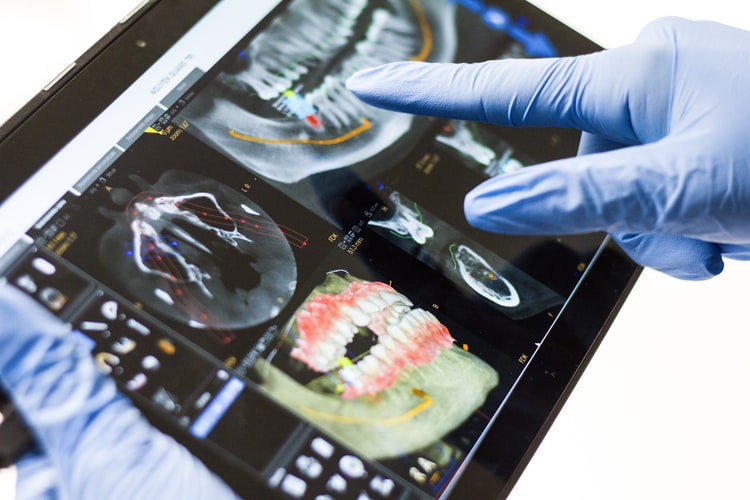
Everyone desires to have sparkling white teeth. They do help make great first impressions. But as you age, your teeth will lose their natural brightness and start turning yellow. This could either be due to plaque buildup or staining from drinking certain food items such as caffeine, red wine, or even chewing tobacco. The dental porcelain veneers treatments are the easiest solutions for you to relieve the smile embarrassments.



Popular

Technologies For Creating A Startup Idea
20 Feb 2023

How to Download Facebook Videos on Android?
07 Feb 2019

7 Rules of Effective Ecommerce Web Design
28 Jan 2021

Why Are Online Transactions Convenient?
07 Dec 2023

Recent


Related

Understanding The Anatomy Of Vaporizers – All You Need To Know!
Vaporizers are made up of multiple small components and pieces that can be disassembled and separated from one another. Knowing the different parts that make up a vaporizer helps you to understand your device better. This way, you know how to clean and maintain your device and enjoy the vaping experience to its fullest. In this article, we will look at the parts that make up a vaporizer. What Are The Different Parts Of A Vaporizer? The vape consists of multiple different parts that are assembled together to form a complex device. All of these parts can be separated and replaced whenever required, if necessary. If one component of your vape gets damaged and stops working, then you do not have to throw away the entire device. Simply detach the damaged component and replace it with a new one. Following are the different components that form the vaporizer. Atomizer The atomizer is one of the most important components of the vape. It is the heat-resistant component of the device that is responsible for turning the liquid material into vapor form. Some vaporizers have detachable atomizers, whereas others have atomizers that are built into the tank. These tanks are responsible for producing a large amount of vapor. Mod Vape mods are used by people who wish to build their vaporizer from scratch. The mod is a self-contained device that comes with a tank and atomizer, which you can replace and detach according to your needs. Tank As the name suggests, the tank is where the e-liquid is stored and Is also known as the cartilage. The tank can be replaced if it is damaged because they have a significant impact on your vaping experience. In order to have the best vaping experience, you must make sure the tank is intact and functioning properly. If not its best, you buy a new one. Check getfurna.com for vaporizer tanks and other cool components. The tank offers multiple features, including the ability to alter the airflow. Batteries The vaporizer works on batteries. Usually, lithium-ion batteries are used for vaporizers because you can recharge them when they are done out of power. But there are many other alternatives available. The main objective of the batteries is to provide maximum power but without consuming too much of the device's space and increasing its weight. Also, it is very important for you to know how to care for the batteries. If not properly taken care of, the batteries can explode, causing injuries and harm. No damaged or wet batteries should be used. The batteries should be kept in a separate container away from any metal object such as keys and coins. Vape Coils The atomizer consists of coils that are known as atomizer heads. When you turn on the vaporizer, the coil starts to heat up using the power from the batteries. Heating the coils causes the liquid to vaporize. The coils must be replaced every now and then to ensure maximum efficiency of the device. Wicks The wicking material is responsible for transferring the e-liquid from the tank where it is stored to the coils where the liquid gains heat and turns into vapor. The wicking material may be made out of mesh, ceramic, cotton, or rayon. E-Liquid Last but not least, the component of the device is the e-liquid. Without the e-liquid, the coils would have nothing to heat or turn into vapor. The e-liquid is stored in the tank and is transferred to the coils through the wicks. The market has a wide range of e-liquids differing in flavor. The flavors available include fruity, classical tobacco, and menthol. More Resources: What To Look For In A Night Vision Weapon Sight? Portable Generators: 5 Ways To Keep Them Clean and Running Vaping in the Workplace: Legal Considerations
READ MOREDetails
Ways Upper Cervical Treatment Can Transform Your Health And Wellness
Sitting for long hours at your desk during the workday, do you feel a nagging discomfort in your upper back and neck? Thus, upper back and neck pain can happen to anyone, and it can be debilitating. Moreover, you can experience chronic pain in several different ways, depending on the root cause. There is one way you can resolve the issue, and that is through undergoing chiropractic treatment. Cervical chiropractic treatment is an effective alternative to traditional medicine and is increasingly seen as a natural procedure for resolving spine-related issues. In this article, you will discover different ways upper cervical treatment can transform your wellness and health. What Is Upper Cervical Chiropractic Treatment? Chiropractic care is a treatment approach that includes manual manipulation of the spines. Some trained healthcare professionals or chiropractors use special tools or their hands to offer treatment. Thus, the main goal of spinal adjustment is to relieve pain and enhance mobility. Here is what you can expect during a visit for cervical chiropractic treatment: Consultation services. Physical examination. Imaging through X-rays and other visual aids. Adjustment. Does Upper Cervical Chiropractic Treatment Work? The upper cervical chiropractic treatment can greatly enhance your health by aligning the upper cervical spine. Similarly, when your upper cervical spine is out of alignment, you can suffer from an array of complications, some of which are: Neck pain. Sleep disturbance. High blood pressure. Fibromyalgia and fatigue. Back pain. Autoimmune disease. Sinus congestion. Blackouts. Brain fog. Seizures. Congestion and ear infections. Upper cervical chiropractic care might increase the blood flow to the brain, which is one reason treatment can assist patients effectively. Moreover, you can combine holistic chiropractic with conventional medicine practices as well. Ways Upper Cervical Treatment Can Transform Your Health There are times when chiropractic will help you treat your back pain. However, as per recent studies, various health issues can be treated effectively. This is because of the positive chiropractic approach to the entire body. So, are you looking for a holistic and natural approach to improve your overall well-being? Here is a list of ways upper cervical treatment can help you treat your health and boost your well-being. 1. Better Neck And Back Health One of the prevalent benefits of chiropractic treatment is that it heals neck and back pain. However, the traditional spinal alignment is significant for improving mobility and treating pain. Thus, your spine aligns with the back and neck, and you will experience decreased tension, reduced pain, better posture, and central nervous system functions. However, when the central nervous system functions as it should, you will experience an improvement in overall health, and the body functions better. 2. Effective Pain Management The involvement of chiropractic treatment caters to the effective functioning of the central nervous system, which leads to better pain management. Thus, chiropractic is an effective treatment procedure for people who are suffering from injuries, migraines, fibromyalgia, and pain caused by other conditions. Similarly, when the spine is not aligned correctly, it can affect different nerves. This can further lead to critical conditions like sciatica. Bringing the spine to its right position will help you relieve the compression of nerves and alleviate pain. However, chiropractic is used regularly to heal sport-related injuries for pro athletes, weekend warriors, and everyone in between. 3. Stronger Immune System It is true that regular chiropractic treatment leads to a better immune system. When your spine is properly aligned, the central nervous system can function much more efficiently and effectively. This is the reason why the body is better able to receive effective messages from the brain. Similarly, when the spine is out of alignment, the information sent and retrieved by the central nervous system cannot complete its path as it should. Furthermore, the organs and other functioning units are not operating as they should be. Hence, this might translate to a better functioning immune system, leading to a better health condition. 4. Improved Activity Pain management is a part of this, but regular treatment further assists flexibility and mobility. This, in turn, helps reduce the risk of injury, allowing them to be more active. When you are mobile, you are better able to stay active. This means it is easier to maintain a healthy lifestyle when exercising constantly. Therefore, as we age, we tend to lose our flexibility. Thus, starting chiropractic care early is essential. On the other hand, even older individuals have experienced effective results from chiropractic care. Furthermore, chiropractic care effectively offers a great boost to your overall wellness and health. When you make it a part of your regular regime, you will likely experience fewer sick days and a greater ability to move more. 5. Gentle Adjustment Many people associate chiropractic care with back cracks and uncomfortable adjustment. However, the chiropractic care wellness center offers gentle and subtle treatment procedures for those looking for upper cervical treatment. The professionals believe in providing a patient-centered approach that addresses the main reasons rather than merely treating symptoms. Some people experience light pressure as they are already undergoing the procedure. Hence, you will be surprised by sudden twists and other movements. Similarly, if you undergo treatment from the wellness center, you do not have to worry about experiencing discomfort and pain during your treatment. 6. Improved Balance And Posture Misalignment in the upper spine can affect the entire body, causing pain issues and poor balance postures. Thus, rectifying the misalignment with a gentle approach can assist in aching symptoms and restore balance and proper posture in the body. Similarly, even slight misalignment can affect chronic symptoms, and correcting them can reduce them, improving the quality of life. Consider Chiropractic Treatment Today However, if you are under the treatment of a chiropractic healthcare professional, few risks are involved. Therefore, select a wellness center or a NUCCA-registered chiropractor professional, as there are professionals offering treatment. Thus, take control of your health today and experience the transformative benefit of specific upper cervical chiropractic care. Schedule your appointment with the skilled team and start your journey towards better wellness, improved blood pressure, and a better life. Read Also: The miraculous benefits of Aqua Yoga Life with Braces: Tips from Surrey’s Orthodontic Experts OpenAI Hires Back Sam Altman, The Previous CEO After Employees Rebels
READ MOREDetails
Marijuana Detox Guide: Steps To Follow To Recover Faster
Marijuana is the drug of choice in case of post-operation pain. There is a common belief that it is not an addictive drug, but this is not the ultimate truth. It is estimated that around 9% of the people around the world using pot will eventually become addicted to it, while approximately 25-50% are those who used to smoke on a daily basis. In this article, you will learn how to perform marijuana detox. This article will give you a step-by-step guideline on how to get out of the habit of using marijuana. Also, you will learn how to get over your marijuana cravings. Hence, to learn more, read on to the end of the article. Marijuana Detox: A General Overview Detoxification is the method used to remove the harmful amount of the substance that is accumulated in the body. Detox from drugs and marijuana is essential for people who are trying to quit the use of the drug but in vain. This is helpful for those who are suffering from marijuana use disorders. Apart from that, it is also helpful for those who are trying to clear the THC from their systems. Moreover, mothers who are desperate to protect their children’s health can also benefit from this detox guide. Many people try to get a reputable job. However, they fail due to addiction and need help to get rid of this habit. Moreover, others use marijuana in combination with many other drugs like heroin, cocaine, etc. They can get an advantage out of marijuana detox due to the chances of higher risks during multiple-drug withdrawal. Guidelines for an Effective Marijuana Detox The initial stages of marijuana withdrawal can be severe during the detoxification. Following are the seven guidelines for an effective marijuana detox: 1. Realize the Reason for Detox Firstly, when you try to quit smoking pot on your own, do you find it difficult to do so? Do you start having cravings whenever you are depressed? Do you munch on junk foods often due to smoking pot? Make a list of all of these questions arising in your mind when it becomes difficult for you to continue your detox process. 2. Start Eating Healthy Start eating lean meat, fruits, pulses, and vegetables instead of sugar and alcohol. Replace your regular meals with foods with high fiber and water content, like broccoli, cucumber, beetroot, etc., that help you remove as many toxic substances from your system as possible. 3. Work Out Regularly The detox will eliminate the excessive amount of the drug from your body. Then, you will feel lightweight and more energetic but no channel is there for you to utilize this energy. For this purpose, a regular workout is the best way out to keep you physically fit and active. Basically, the THC that your body accumulates will move out of your system gradually as you start burning your fat. 4. Stay Hydrated As you eliminate marijuana from the body through urination or perspiration, you need to take plenty of fluids. You can add such substances in your water that will boost up the detox action like lemon, cucumber, ginger, cinnamon, etc. 5. Start Supplementing Once you start the detox process, then vitamins in the form of supplements help raise the rate of flushing the drug out of the body. For instance, Niacin and Vitamin B3 commonly trigger the elimination of toxins as it is used to dilate the blood vessels by increasing the histamine level. So, one tablet once a day is enough to increase the detox process. 6. Find A Detox Partner When you register in a detox clinic then there will be many others who are in the same boat. Generally, they will act as a support system for you. This will help you to focus more on your goal and help you to achieve it. 7. Don’t Push Yourself To The Extreme Detoxification is a slow and steady process. Hence, you can’t get rid of the drug overnight. You need to be relaxed and have the patience to go through the whole procedure and just avoid such things that trigger the cravings for the drug so you continue to refrain from drug use. Other Marijuana Detox Options When you are starting your detox, it is better to perform some online research. Here, you must realize that you have multiple options to try. However, it is better to use natural detox options rather than artificial ones. Apart from that, stay away from weed. Although it is as obvious as it sounds, it is not easy to do since you have an addiction to it. Here, you must stay away from people who smoke weed and consume marijuana. No matter how close they are to you, you have to do it for your own sake. Rather, stay with people who are health-conscious and focus more on detox. Moreover, when you start your marijuana detox process, make sure to have a plan in place. This will help you stick to your goal. In fact, a goal without a plan ends up being just a wish. Start Your Marijuana Detox Now When you are starting a marijuana detox, make sure to take it slow. Understand that it takes time to get over marijuana. To be successful in your goal, make sure to eat and drink healthily and exercise daily. Apart from that, if you team up with similar people who want to start marijuana detox, you will not lose motivation. Do you have more suggestions on how to start marijuana detox? Please share your ideas and opinions in the comments section below. Read Also: What’s It Like In A Drug Recovery Center? What You Need To Know About Inpatient Rehabilitation Facility How Does Recreational Marijuana Affect Your Sex Life
READ MOREDetails