











The Best Way Of Keeping Stink Bugs Outside Your Home

Published on: 19 April 2021 Last Updated on: 31 December 2024
Stink Bugs

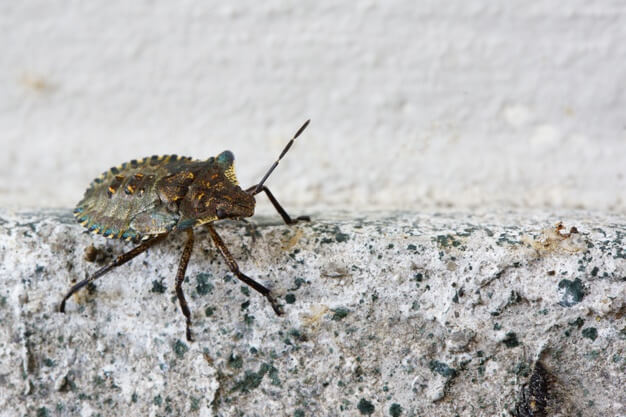
Stink bugs earned their name because they emit a foul smell when they are threatened. The aim is to make them less appealing to predators. However, if you are simply trying to remove the bug and they release the odor, you’re going to need to put up with it for a while. It is not pleasant!

That’s why, if you think you have a problem with stink bugs, it’s a good idea to get professional help from a local pest control company.

When They Are Likely To Visit

Stink bugs enjoy warmer weather. As such they will look for somewhere to stay over winter. The moment the temperature starts to drop the stink bugs will look for a warm winter spot. This is when they are most likely to head into your home as it is warm and there will be plenty of places for a stink bug to hide and hibernate.

Surprisingly, this is not when you will have the biggest issue with these bugs. While you may accidentally disturb them over the winter, the biggest issue is in the spring. This is when the stink bugs come out of their winter slumber and head back outside. Unfortunately, like most insects, they can’t see the glass in their way. That means they often sit on the window where you will spot them and attempt to get rid of them.

This is when they will feel most threatened and will release their obnoxious odor.

Annual Inspection

One of the most effective ways of keeping stink bugs out of your home is to click here and book an annual inspection in the winter. The experts can locate any stink bugs in your home and eradicate them before they wake up and leave you a smelly present.

This is also a good opportunity to check for other pests that can cause issues in your home.

Damp Towels

Surprisingly, a damp towel is an effective way of keeping the stink bugs out of your home. Simply drape the damp towel across a chair in your yard and the stink bugs will be attracted to it. In the morning you may find it covered with stink bugs but they won’t be inside your house.

You can then kill the stink bugs outside if you wish. The easiest technique is to drop them into a bucket of soapy water.

Squash Some Stink Bugs

Use an old shoe or a piece of wood that doesn’t matter if it has stink bug odor on it. All you have to do is squash several stink bugs outside your home. They will emit their foul odor and this warns other stink bugs of danger. They will avoid the area, effectively protecting your home.

Screening

Screening stops stink bugs from coming into your windows and doors. But, it doesn’t stop them from landing on the screens. However, if you rub the screens with dryer sheets you’ll find the stink bugs are repelled and will avoid your home. That’s easy and effective!

Read Also: 

Subham Saha started his career as a professional web content writer. He has more than 3 years of experience in digital marketing. He also has a great knowledge in SEO, SMO, Website development, etc. He completed his graduation in Electrical Engineering. He is very passionate about building his career in the Digital marketing industry. Subham has a great interest in reading books about Business, Economics, Psychology, Technology, and History.

View all posts

Leave a Reply

Your email address will not be published. Required fields are marked *

Related

Bathroom Remodel

How To Plan A DIY Bathroom Remodel

A bathroom remodel can be a big project, but it can also be a fun and rewarding DIY project. If you're looking to update your bathroom, there are a few things you need to consider before getting started. In this article, we'll go over the steps you need to take to plan a successful DIY bathroom remodel, including what bathroom supplies you'll need and how to budget for your project. Determine Your Needs and Wants Before you start buying bathroom supplies and tearing apart your bathroom, take some time to determine what you actually need and want in your new bathroom. Do you need more storage space? Do you want a spa-like shower? Do you need to add a bathroom for guests? Write down a list of what you want and need in your new bathroom to help guide your decision-making process. Measure Your Space Before you can start buying bathroom supplies and figuring out what you need, you need to know the dimensions of your bathroom. Measure the length and width of your bathroom, as well as the height of your ceiling. You'll need this information to determine how much tile, paint, or other bathroom supplies you'll need. Create a Budget Budgeting is one of the most important parts of any DIY project, and a bathroom remodels is no exception. Make a list of everything you want to include in your new bathroom and estimate the cost of each item. Keep in mind that you'll also need to factor in the cost of labor, as well as any unexpected expenses that may come up during the project. Decide on a Design Once you have a list of what you want and need in your new bathroom, as well as a budget, you can start deciding on a design. Look at bathroom remodel ideas online and in magazines to get an idea of what you like and what you don't like. You can also consider hiring a designer to help you create a bathroom design that meets your needs and fits your budget. Choose Your Bathroom Supplies Once you have a design in place, you can start choosing your bathroom supplies. You'll need to choose a vanity, a sink, a toilet, a shower or bathtub, and any other items you want to include in your bathroom. Make sure you choose bathroom supplies that fit your budget and the design you've chosen for your bathroom. Plan Your Timeline Once you've chosen your bathroom supplies, it's time to plan your timeline. Decide how long you want to take to complete your bathroom remodel and create a schedule that fits your timeline. Make sure you factor in time for unexpected events, such as rain or illness, that may delay your project. Start Your Remodel Now that you have a plan in place, it's time to start your DIY bathroom remodel. Start by removing any old bathroom fixtures and preparing the space for your new bathroom supplies. Make sure you have all the tools you need and take your time to ensure a successful outcome. A DIY bathroom remodel can be a big project, but with a little planning, you can create a beautiful new bathroom that fits your needs and budget. By following these steps, you'll be on your way to a successful DIY bathroom remodel in no time. In conclusion, planning a DIY bathroom remodel requires careful consideration and preparation. From determining your budget and creating a design plan to obtaining necessary permits and selecting materials, each step of the process is crucial to ensuring a successful outcome. By following these tips, you can create a beautiful and functional bathroom space that meets your needs and exceeds your expectations. With careful planning and attention to detail, you can complete a DIY bathroom remodel with confidence and ease. Additional: Bathroom Remodeling Tips and Ideas Bathroom Upgrades You Should Consider Using Feng Shui in Your Bathroom Design Mirror Decorating Ideas To Style Your Bathroom

READ MOREDetails
Dining Room

How To Pleasantly Design A Dining Room

Are you planning to design a dining room in your home, but don't know where to start? You've come to the right place! Designing a dining room is a fun and rewarding experience that can enhance both the look and atmosphere of any house. There are many elements that go into making an impressive dining space; from choosing the right shape and size of the table to selecting comfortable seating, there are many factors to take into account. This post will walk you through each step of creating a beautiful and functional space for entertaining loved ones or just relaxing with family at mealtime. So let's get started on your new dream dining room! Choose the right shape and size of table for your space One of the most important decisions when designing a dining room is choosing the right size and shape of the table. Consider the shape and size of the room, the number of people you plan on hosting, and the atmosphere you want to create. Round tables are great for intimate gatherings, while rectangular tables offer more space for seating. Keep in mind that the size of the table should be proportionate with the size of the room to avoid overcrowding or undersized furniture. Decide on a style The style you choose for your dining room will set the tone and ambiance of the space. Whether modern, traditional, or rustic, it is important to choose a style that is consistent with the look and feel of the rest of your home. You can match your style with your favorite furniture pieces, color scheme, or personal taste. Consider textures Textures in your dining room can add depth and character to the space. Consider using different mediums such as wood, fabric, and metal to create contrast and interest. You can upgrade your dining room with an elm dining table as a wooden table can bring a natural, rough texture while a plushy rug can soften the look. A metallic vase or wall decor can add a glamorous touch. Experiment with textures until you find the combination that best suits your style. Select comfortable seating The seating in your dining room is crucial to the enjoyment of your guests. It is important to choose seating that is not only comfortable but also aesthetically pleasing. Consider using a mix of chairs, benches, and stools to vary the look and add interest to your space. Upholstered seating is great for long dinners, while stools are perfect for more casual gatherings. The key is to ensure that your guests are comfortable and able to enjoy their meals. Accessorize with table linens and plants Table linens and plants can bring a fresh and inviting feel to your dining room. Experiment with tablecloths, table runners, and placemats to add pops of color and texture. Don’t forget to add greenery! Plants and flowers can add life and character to your space. A vase of fresh flowers or a potted plant can be the perfect finishing touch to your dining room. Hang artwork or wall décor to add character to the room Artwork and wall décor can add personality and character to your dining room. Consider hanging a statement piece above the table or a gallery wall on the opposite wall. Framed artwork or prints can add color and interest to the space. Don’t be afraid to mix different styles and mediums for a unique and eclectic look. Read Also: How to Choose LED Lights for Every Room in Your Home 3 Reasons Why The Dining Room Is Always Important Should You Get A Dining Bench

READ MOREDetails
Welding Projects

Supplies That Are Needed For Welding Projects

Welding is a fulfilling and challenging job, requiring expert knowledge, a steady hand, and, most importantly, the right tools. If you’re starting up a welding business or just want to make sure you’re kitted out for your at-home welding projects, you’ll need to ensure you’ve got the right supplies and tools from a store similar to weldingsuppliesfromioc.com. We’ll provide you with the essential shortlist of supplies you’ll need for your next welding project. A Welding Machine Of course, you need a welder to do any welding. A welder is, in essence, a piece of machinery that uses heat to combine two or more metal parts. There are a variety of welding machines out there that use different combination methods to get the job done. One may be preferable over another, depending on the welding project you are doing. Stick welders, MIG welders, and TIG welders are just a few examples, each with its own unique methodology. No welding machine kit is complete without a welding electrode, torch, filler material, and shielding gas. These are all essential to the function of a welder and imperative for safety while operating the equipment. Always ensure that your welding equipment is high-quality before you start projects, either for work or for a hobby. Welding is dangerous, and choosing a welder you’re unfamiliar with can be downright dangerous. Soldering Helmet The most recognizable tool of any welder, the helmet keeps your face, especially your eyes, safe while you weld. It also helps to keep your skin protected from the intense heat. Soldering without a helmet is foolhardy and incurs a much greater risk of injury, so this essential piece of equipment should always be in your workshop. Shop around to find a helmet that fits you comfortably and lets you see what you’re working on. Welding Jacket The jacket does for your body what the helmet does for your face; these are made from fire-resistant materials to protect welders from the extreme heat that a welding torch generates. The last thing you want is a piece of molten metal landing on your arm, so choose a suitably high-quality jacket to protect your skin. Protective Gloves The last of the holy trinity of heat protection, the welding gloves serve to protect your hands from injury while you work. As you weld, you’re working closely with hot metal and a dangerous welding tool, regardless of what type of welding you’re using. Heavy welding gloves, in particular, allow you to pick up hot metal objects for a few seconds without being burned, which can be helpful for beginners getting started in MIG welding. On the other hand, thinner gloves allow more precise control over welding. Precision is paramount in some types of welding—TIG welding, for example, which relies on meticulous lines to create a clean, finished look. Choose a glove that represents your experience level, but always prioritize safety. Reinforced Boots Your feet are susceptible to injury as you weld, and it’s better not to tempt fate by playing hopscotch with raining molten metal. Welding boots should be tough and durable, with thick leather and steel-reinforced toes. These will give you some staunch protection against wayward molten metal and some degree of protection against other heavy objects that could otherwise fall and crush your feet. An Apron A welding apron protects your lower body from the sparks and heat welding produces. Generally, they feature adjustable straps so that you can tighten them to your comfort. Welding aprons are made from the same material as a welding jacket, providing additional protection for the legs and underlying clothing. Magnets Next, you’ll want to put some consideration into workplace efficiency. One underutilized but valuable tool you can use is a welding magnet. These helpful magnets allow you to pin components in place, rotate them, and secure your workpiece. You can get different welding magnets for different sizes of projects, but the bottom line is that it allows you a much easier time working with hot metal confidently and efficiently. Welding Cart Another essential item for welding projects is a cart. Just as with any project that requires heavy and cumbersome equipment, welding tends to require lots of clothing, tools, and components. A welding cart offers a lightweight solution to this problem, giving you space to store your welder and welding accessories regardless of where you work. If you’re on the go with your welding projects, then this is definitely an item you’ll want to invest in for your long-term success. Workstation Table Every welder needs a surface to work on, and, as you might guess, not just any table will do. A welding table is a customized workbench made from metal or other heat-resistant materials. These tables feature built-in holes that you can use to clamp down a workpiece and hold metal parts in place while you are in the process of welding. Chipping Hammer A chipping hammer is a specialty tool welders use to remove impurities from the surface of the welded metal, often called slag. The hammer contains a sharp, chisel-like tip that can knock off slag from the surface of a workpiece. Angle Grinder An angle grinder is a tool for preparing the metal surface for welding using abrasive force. The rotating disc smooths the surface, removing imperfections that may contaminate the workpiece and giving the welder a clean surface to work on. Wire Brush A wire brush also helps clean the surface of the metal before welding. They come in different shapes and sizes depending on the size of your workpiece, some with long handles for access to crevices and others with shorter handles for easier control. The bristles need to be abrasive to clean the surface of the metal effectively. The Bottom Line Every welder needs these essential tools before they start working. Some of these supplies are necessary to begin welding in the first place, while others are important for human safety or for work efficiency. Kit yourself out with these essentials, and you’ll be all set to tackle beginner welding projects immediately. Read Also: Welding As A Career Choice Is Metal Fabrications A Good Career Path In 2021? Simple Ways To Automate Your Small Business Processes

READ MOREDetails