











How Drones Help Us in Our Daily Life?

Published on: 11 August 2020 Last Updated on: 12 September 2024
drones

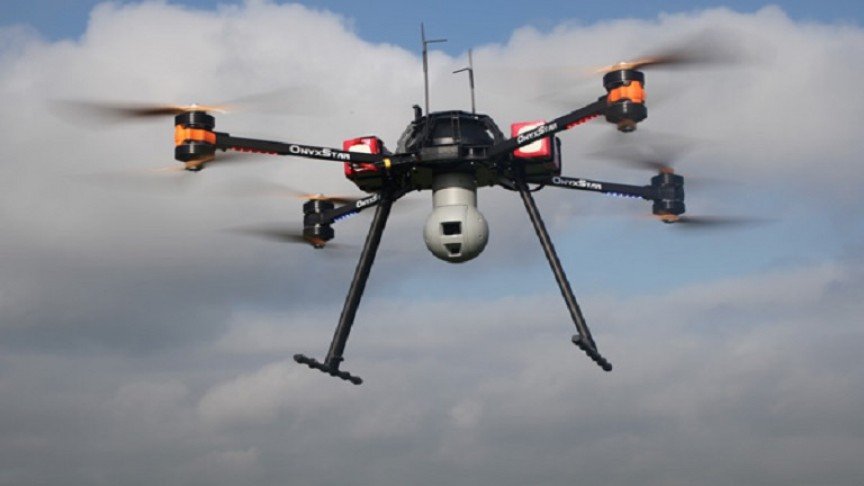
A drone is an unpiloted aircraft or spacecraft. It is also known as ‘unmanned aerial vehicle’ or UAV. It serves a variety of purposes such as photography, military, package delivery, crop dusting, heavy construction, maintaining energy infrastructure, commercial and recreational, etc.

Drones are capable of highly advanced surveillance. It can carry various kinds of equipment such as live feed video cameras, heat sensors, infrared cameras, and radar and these are already in use by law enforcement.

Usage of drones in everyday life:

1. Delivering
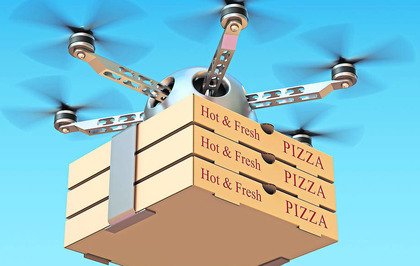
Delivering drone

Nowadays, drones are being used for delivering goods, stuff.

As the usage of drones reduces human labor so some technologically advanced countries use drones as a replacement for the regular delivery man.

Some companies like Amazon and Dominos are working on their potential for this kind of application of drones so they can use this feature in the future.

To start a 30 minutes delivery service using drones, Amazon is working on its resources. If you are looking for good drones you can look in Drone&Fly. I am sure you will be amazed.

2. Crime Fighting

Crime is the misfortune of every society but basically, the fight against crime is under investigation. For the purpose of fighting crime, security forces are going to implement the use of drones around the world.

To gather evidence drones can be used. Private Citizen Privacy may be threatened but it will reduce the crime rate and it will save human labor.

3. Protecting national borders

It is really important for a nation-state to take care of border security.

Now drones are used by Border control agencies to patrol borders and coastlines for potential breaches. For example, the Australian government has adopted drones to make their security stronger.

4. Rescuing operation

Speed and effectiveness are the two basic important things in the rescue operations.

Patients can quickly get medicines or other necessary medical equipment through the drone if the hospital is far away from the patient.

Another advantage is that when someone goes missing in a wreck, especially at night; drone connected thermal sensors can detect missing persons.

So rescue operations can be improved using drones.

5. Improving journalism

Nowadays, it gets much easier for a journalist to tell us a story in a more captivating way by using a drone in journalism.

Live streaming via drone information is very useful. Drones can reach everywhere even when reporters can’t reach comfortably. Drones are used for gathering data for news articles and it is known as drone journalism.

6. Military use
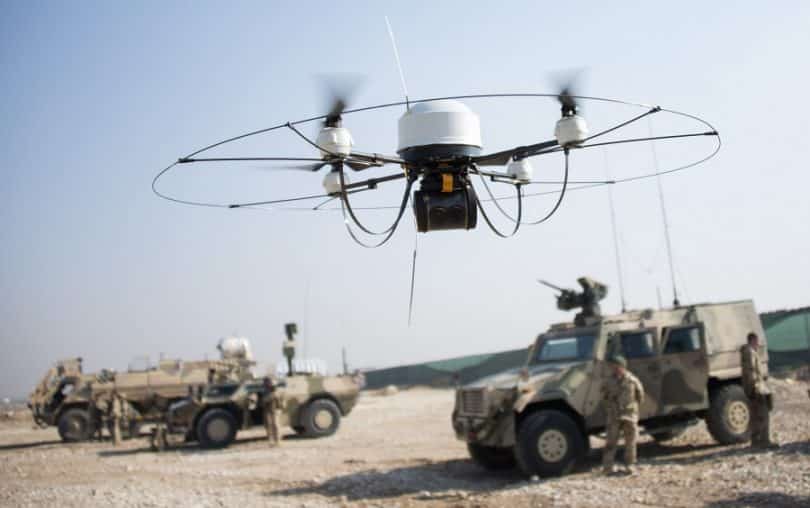
Military

The invention of drones in war increases the life expectancy of a soldier. For example, to fight in wars the American army uses war machines with drone features.

There is no need for a pilot to be in a bomber plane to carry out airstrike missions.

To scan the area for enemy threat drones can be used by the foot soldiers and it can reduce the lifetime risk of a soldier. Another function of the drone device is spying surveillance.

7. Monitoring wildlife

Monitoring wildlife drone

Monitoring endangered species to protect wildlife can be safe and easy by using drones. Indonesian scientists invented this concept.

They notice the habits of that group of endangered species with the help of drones.

Wildlife photography using drones is much better than human photographers.

8. Protecting the environment

A new and effective step is given by authorities that drones are used to catch environmental criminals in the act.

Environmental agencies have adopted drones to catch polluters.

For air pollution sampling, environmental consultancies have started using drones and NASA has also started using drones to monitor the ozone layer.

9. Assisting farmers
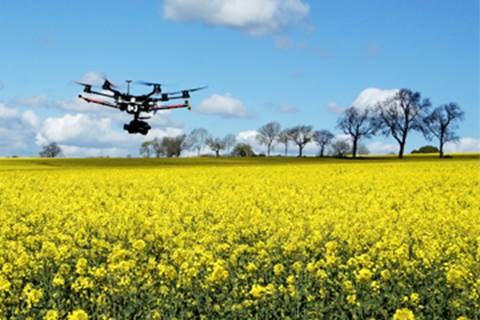
farmer drone

Farmers work in all weather conditions and work incredibly hard to grow and harvest crops over long working days.

Their lives can be made much easier with special drones that use infrared technology to monitor farmland. It will also allow them to observe how the crop is growing.

10. Inspecting buildings
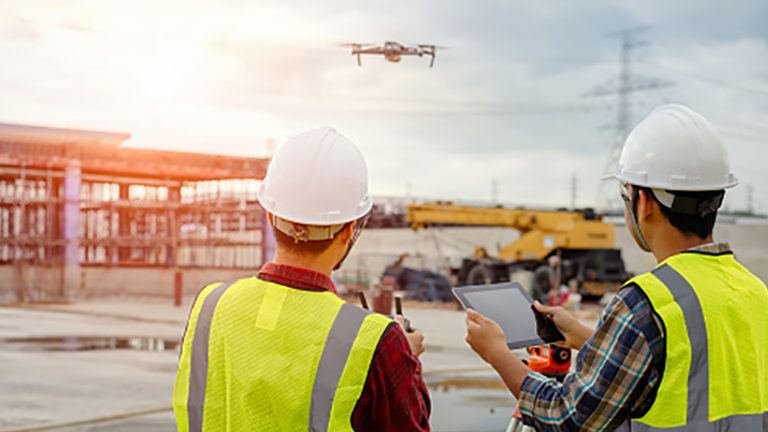
Building surveyor drone

Building surveyors are increasingly admiring parts of buildings for increasing stack conditions and other specialized building inspections.

Usage of drones save money and time and keep inspectors away from the path of harm, especially at higher levels.

Real estate is one industry where drone photography Melbourne is becoming quite a necessity. Most real estate companies are using the same for not only inspections but also as a strong sales and marketing tool.

11. Covering sporting events
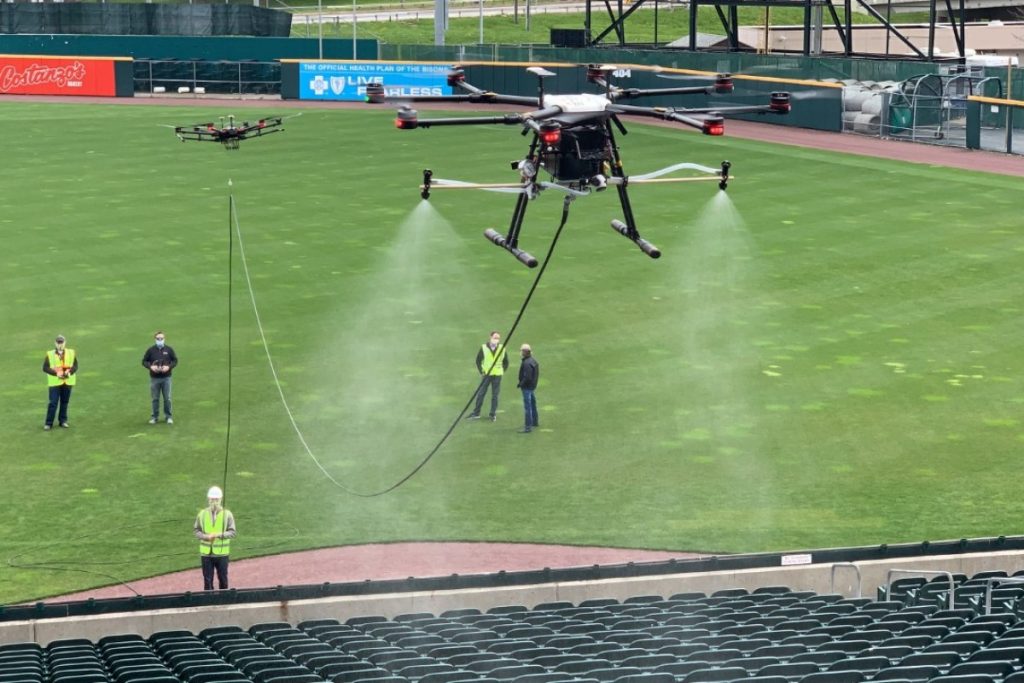
cover sporting event drone

It’s not only beneficial for journalists; drones can also use to cover sporting events everywhere in the world.

Drones can provide unique perspectives for visitors and they are a great source of public relations.

This technology has made an appearance even at the Olympics, which is quite great.

12. Travelling

Drones have a great impact on the travel industry also.

There are so many impassable areas where people cannot reach or maybe that area is not safe to go to.

But with the help of drones, people can view the scenic beauty of those places without any problem.

Drones can travel to caves, hidden tunnels, tower tops, and many other beautiful but troublesome places where people cannot reach safely. The tourism market also makes alluring and innovative videos using drones to attract travelers.

13. Aerial photography and videography
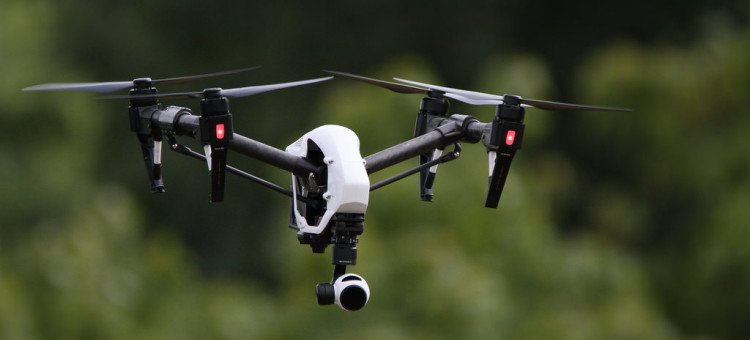
photography drone

When you fly your drone in the sky it can capture amazing high-quality footage, exciting pictures if an HD camera is used in the drone.

You can buy drones that are able to capture marvelous pictures.

As drones can travel to remote areas it can take great quality images and provide control, endurance, and balance. Drones can work in dust, sand, mud, and high temperatures. So drone is an unimaginable tool in photography.

14. Science and Research

Scientists also get benefited by using drones. It helped a lot in their research works. It can analyze a variety of different occurrences in a specific environment and in nature. Drones can help in documenting glacier surveillance, nuclear accidents, archaeological excavations, volcanic eruptions viewings, etc.

Conclusion

I think you like this article. Here I have given the usage of drones in everyday life in detail. So I think you realize that drones are very much helpful for various purposes including reviews. In addition to these fields, the use of drones in other fields is immense. So drones are very helpful in our daily life.

Read Also:

Mashum Mollah is the feature writer of Search Engine Magazine and an SEO Analyst at Real Wealth Business. Over the last 3 years, He has successfully developed and implemented online marketing, SEO, and conversion campaigns for 50+ businesses of all sizes. He is the co-founder of Social Media Magazine.

View all posts

Leave a Reply

Your email address will not be published. Required fields are marked *

Related

The Imperative to Transcribe Portuguese Audio

Unlocking The Power Of Words: The Imperative To Transcribe Portuguese Audio

byIn the contemporary landscape of language processing, the role of transcription services has emerged as a linchpin for unlocking the potential of spoken content. Particularly, when we delve into the intricate realm of Portuguese, the act of transcribing Portuguese audio to text stands as a pivotal endeavor with far-reaching implications. However, this exploration unveils the significance, applications, and transformative impact of transcribing Portuguese audio. The exploration also transcends the mere conversion of sound waves into written words. Transcribe Portuguese Audio To Text At the heart of this discussion lies the transformative process of transcribing spoken Portuguese into written form. Also, it is a feat that materializes through transcription services. This involves employing cutting-edge technology, including speech recognition algorithms and linguistic models. Moreover, they help transmute the Portuguese language's richness into precise and accessible textual content. The Multifaceted Significance Of Portuguese Transcription 1. Preservation Of Information Transcribing Portuguese audio serves as a custodian of information. Besides, it ensures that spoken words are not lost in the ephemeral realm of sound. However, by converting spoken content into written text, a tangible and lasting record is created. This is particularly vital in various domains such as academia, legal proceedings, and business communications. There, the accuracy and preservation of information are paramount. 2. Enhanced Accessibility The act of transcribing Portuguese audio enhances accessibility on multiple fronts. Individuals with hearing impairments can access information through written text, fostering inclusivity. Moreover, transcriptions serve as a valuable resource for those who prefer reading over listening, providing an alternative mode of engagement with content. 3. Language Learning And Proficiency For language learners, transcribing Portuguese audio becomes an invaluable tool. In addition, the written representation of spoken words aids in comprehension, vocabulary acquisition, and understanding of colloquial expressions. Language educators leverage transcriptions to create tailored learning materials, fostering a more immersive and effective learning experience. 4. SEO Optimization For Content In the digital realm, where content is king, transcribing Portuguese audio plays a strategic role in Search Engine Optimization (SEO). Transcriptions provide a textual representation of audio or video content, enriching it with relevant keywords. This not only enhances the discoverability of content but also contributes to a broader reach in the digital landscape. Applications Across Diverse Domains 1. Legal And Business Documentation In the legal and business spheres, where accuracy is non-negotiable, transcribing Portuguese audio ensures meticulous documentation. One can accurately negotiate and archive legal proceedings, client meetings, and business negotiations. This serves as a reference for future actions and contributes to transparency and compliance. 2. Journalism And Media Production Transcribing Portuguese interviews, podcasts, or video content is a cornerstone of efficient content creation for journalists and media producers. Transcriptions facilitate the process of drafting articles, editing video scripts, and creating subtitles. This saves time and ensures precision in conveying the intended message to the audience. 3. Academic Research And Interviews In academia, the importance of transcribing Portuguese audio is paramount. Researchers transcribe interviews, focus group discussions, and oral history narratives to analyze and extract meaningful insights. This meticulous process contributes to the credibility and rigor of academic research. 4. Healthcare And Medical Transcriptions Within the healthcare sector, transcribing Portuguese audio aids in the creation of medical records, dictations, and patient notes. This ensures that critical information is accurately documented, contributing to comprehensive patient care and maintaining a trail of medical histories. Navigating Challenges And Considerations 1. Accurate Representation Of Dialects Portuguese, like any language, encompasses diverse dialects and regional variations. Transcribing Portuguese audio accurately requires an understanding of these nuances to ensure that the written text captures the intended meaning. This challenge underscores the importance of linguistic expertise in the transcription process. 2. Data Privacy And Security As with any transcription endeavor, the privacy and security of transcribed content are paramount. In sectors like healthcare or legal, where sensitive information is often transcribed, robust measures must be in place to safeguard data against unauthorized access or breaches. Future Trajectories And Technological Advancements The trajectory of transcribing Portuguese audio is intertwined with ongoing technological advancements. The future holds the promise of enhanced accuracy through advanced speech recognition algorithms. Moreover, the integration of Artificial Intelligence (AI) may introduce features like contextual understanding, further refining the quality of transcriptions. Conclusion In conclusion, the act of transcribing Portuguese audio to text emerges not merely as a technical task but as a powerful conduit for weaving spoken words into impactful narratives. The multifaceted significance of transcription spans accessibility, education, business efficiency, and cultural preservation. As we navigate the complexities of language technology, the imperative to transcribe Portuguese audio stands as a testament to the enduring power of words and the transformative possibilities that arise when spoken language converges with written text. Read  Also : 5 Tips For Getting A Cheap Essay Writing Service Online The Importance Of SEO Based Digital Marketing Services Lawn Care Maintenance Services And Tips

READ MOREDetails
Cloud-Based Quality Management Systems

Benefits of Cloud-Based Quality Management Systems

Almost all the organizations in the world are making a transition to SaaS and are embarking on new cloud technology initiatives. As a matter of fact, by 2020 more than $1 trillion spending in IT will be affected by the shift to the cloud directly or indirectly. Any industry that does not have software innovation for several years, this thing is no different. The key area that can benefit from modernization with the assistance of cloud-based tech is Quality management system. The cloud eQMS is aligned with IHC Q10 guidance for a more effective quality system. More and more organizations are looking forward to improving access to better visibility and simplify control of GxP-critical processes; as a result, most of the organizations have started replacing the outdated technology with a modern cloud solution to reduce quality risks and hence improve productivity. When it comes to modernizing the quality management systems, the key aspects such as data integrity with multiple sites along with the external collaboration are valued highly. Many solutions in the market are disguised as ‘cloud’ aren’t actually a cloud, but in reality, these solutions are already present in the existing applications and are merely offered in an online hosted model. In simplified language, these applications are online versions of software and hence are not able to deliver all the benefits that the cloud industry has to offer. The Difference The only defining attribute of a cloud solution is multitenancy. Multitenancy helps enable secure deployment of only one particular version of the cloud to all the customers. It supports ongoing innovation that minimizes the burden on validation and IT. On the contrary, software hosted applications require the application supplier to maintain different versions of the software which in return results in infrequent upgrades that are time-consuming. Check out these eight characteristics of the cloud solution industry that address today’s needs for quality manufacturing: 1. Complete: A cloud-based application brings multiple solutions, such as quality management and document management for improved control. It helps in globally harmonizing a single system which means document processes and templates can be standardized which further reduces the risk of errors and duplication. 2. Innovative: With a multipurpose cloud solution, the providers make continuous investments to provide updates with the ongoing applications and keep up with the best practices the industry is following. This further increases agility of the business and shifts the focus to fine tune the applications to align to the business needs and all the applicable regulations are fulfilled such as 21 CFR Part 11. 3. Intuitive: Multipurpose cloud applications are nowadays intuitive and much easy to use. If you are managing document lifecycle and taking documents from draft through revision, approval, and the training is simplified with a cloud solution industry, it further encourages user adoption. 4. Inclusive: Organizations bring external stakeholders to internal businesses processes easily and reduce manual efforts and further improve collaboration. A multipurpose cloud solution gives any authorized user access at any time and from any device and place which enables the coordination of different businesses. 5. Accurate: Users can view real-time status and conduct analysis accordingly to identify areas for improvement with a unified cloud eQMS. This makes it easier to create regulatory reports and satisfy the upcoming needs for submitting quality metrics. 6. Flexible: Flexibility is one of the most critical aspects of any software. The system must be able to allow you to automate the process of collecting quality and conducting corrective actions on the events and provide document control. Some software are built on a generic approach which further can be modified but takes a whole lot of time and can also be costly to endure, this also addresses to an issue that the previous business processes need to be replaced with new ones and adapting to these changes can outweigh the initial costs of the system. 7. Scalable: A software ability to grow your business without affecting its overall functionality is known as scalability. As the enterprises are becoming more and more successful growth becomes a logical progression, and more successful your organization is the more business it will attract. When looking for a QMS for your organization, it becomes essential to consider the scalability of the system for future growth. 8. Visibility: There is so much data coming to the organizations, and sometimes it becomes difficult to make sure that proper visibility is maintained. A cloud-based QMS has a solution to this problem also and here comes the point where reporting tool shows its real skills. Cloud enables worldwide access for everyone providing access to the environment from any part of the world. The transition to the regulated cloud will gain momentum. Multiple cloud options are being made available, and at first glance, it may be difficult to decide on the best solution. With all users working on one same platform, and in a system that enables secure collaboration and enhanced visibility the gains are visible and are considerable. Read Also: Use These Tips To Save Money When You Move Your Business To The Cloud Information Technology And Business Success: The Things That Connect Them

READ MOREDetails
Types Of Transfer Pumps

Exploring Different Types Of Transfer Pumps And Their Applications

Transfer pumps are used to move liquids from one place to another. Various types are suited for different applications, fluids, and industry settings. Understanding the unique features and workings of the major transfer pump types can help you select the right one for your needs. This article explores centrifugal, rotary, reciprocating, metering, and diaphragm pumps, along with their typical uses. Read on for the insight! Types Of Transfer Pumps There are a variety of transfer pumps available for different applications at providers like KNF USA. The major types include centrifugal, rotary, reciprocating, metering, and diaphragm designs. Below are elaborate discussions on each of these. Centrifugal Pumps Centrifugal pumps are a versatile choice for transferring large volumes of low- to high-viscosity liquids efficiently. At the heart of these pumps is an impeller inside a casing that spins at high speeds to accelerate fluid outward from the center via centrifugal force. The kinetic energy imparted on the liquid creates flow through the discharge piping. Unlike positive displacement pumps, centrifugal models provide non-pulsating flows that are perfect for services like boosting pressures across piping systems. The curved vanes of impellers can handle particulates without clogging, too. You get reliable service life even when pumping water containing suspended solids or abrasives. While centrifugal pumps generate substantial heads or pressure rises by velocity change, adjusting impeller diameters and rotational speeds allows customizing performance for the liquid and throughput demands. These pumps can tackle everything from thin polyethylene glycols to highly viscous oils or process chemicals. Common applications capitalizing on such adaptable pumping capabilities include: Generating water pressures to replace gravity feed systems Transferring diesel and lubricants in refueling operations Moving liquid food ingredients between storage and processing vessels Circulating hot oil to distribute heat at chemical plants Supplying river water to filtration systems at portable plants Whether thin or thick, corrosive or benign, centrifugal pumps represent a safe bet for continuously handling large volumes across pipelines with ease. Rotary Pumps Rotary pumps handle liquids through unique rotary displacement mechanisms like gears, lobes, vanes, screws, and cavities. This single shaft and bearing design not only minimizes maintenance but enables handling viscous products up to one million cPs. Such high viscosity capabilities prove invaluable when transferring adhesives, coatings, greases, tars, and heavy crude oils across food processing, chemical production, oil drilling, wastewater treatment, and paper manufacturing settings. While providing pulse-free flow, rotary pumps allow bi-directional operation as well, either pumping or metering flow, depending on how system valves and controls are set up. This flexibility suits applications ranging from precision additive dosing to bulk transfers into tank trucks. By handling everything from solvents to sludge, you get optimal utility from just one rotary pump type. Reciprocating Pumps Oil patches, mines, boiler rooms, and chemical plants have relied on heavy-duty reciprocating pumps for ages to easily transfer viscous fluids. A motor-driven piston is thrust inside a cylinder to draw in suction liquid via balls check valves before discharging volumes out under high pressure—all in continuous cycles. This positive displacement working principle is suitable for high-pressure injection duties. Plunger pumps configured for ultra-high pressures facilitate hydraulic fracturing operations across gas and oil wells to improve yields, for example. Boiler feed pumps also ensure precise metering of feedwater to maintain proper drum levels and steam output. When handling toxic fluids like aircraft deicing agents that require containment, reciprocating pumps prevent leaks and offer explosion-proofing as well. You can count on this versatile pump style for mission-critical transfer and metering challenges. Metering Pumps Whether conveying ammonia, alcohol, or even fruit concentrates and medicines, metering pumps ensure accurate flow measurement and dispensing. Diaphragms pulsate or pistons stroke at controlled speeds to handle precise liquid volumes per cycle. Operating much like precision reciprocating pumps, metering units work continuously to inject additives, introduce treatment chemicals, or dose active ingredients at extremely narrow tolerances. You gain optimized usage of expensive ingredients, prevent overdosing situations, cut loss from giveaways, and ensure product quality consistency thanks to such pinpoint flow control. Water treatment facilities, swimming pool operators, semiconductor fabs, and pharmaceutical producers rely extensively on metering pumps for regulated chemical handling day in and day out. Read Also: 10 Benefits & Drawbacks Of Purchasing A Heat Pump Diaphragm Pumps Diaphragm pumps lend unique advantages for abrasive fluid handling by eliminating exposure of rotating shafts and vanes to the pumping liquid. Flexible attached membranes pulsate instead to facilitate flow. This makes diaphragm pumps ideal for slurries across mining, agriculture processing, wastewater treatment, paper mass forming, and food pureeing applications where solids quickly erode steel impellers. Check valves ensure directional flow as the elastomer membranes alternatively draw suction and achieve discharge. You don't have to worry about leaks either when transferring aggressive solvents or corrosive chemicals, thanks to the isolation membranes provide between pump internals and casings exposed to liquids. Whether high-purity beverage ingredients or hazardous paint pigments, diaphragm pumps safeguard processed products and personnel. Choosing The Best Type For Your Needs With insight into the major transfer pump categories, you can zero in on options fitting your capacity, liquid properties, flow rates, pressure rise, and overall application demands. Centrifugal pumps take the lead for high flow conditions, while metering and diaphragm designs manage strict precision flow control. Evaluate operating environments as well when materials compatibility is critical. Discussing details with suppliers gives you professional guidance to match a pump successfully. The wide world of transfer pumps holds something suitable for any liquid transfer duty. Do your homework on the fluid properties and application specs. Understanding pump operating principles also guides you to the ideal selection. With these insights, you pick the right pump to fulfill your liquid handling requirements. Conclusion The various types of transfer pumps each serve distinct applications depending on factors like liquid characteristics, flow rates, pressures, precision, and duty environments. You now have a helpful overview of the unique features, workings, and typical uses of centrifugal, rotary, reciprocating, metering, and diaphragm pumps. With these fundamentals, you can make informed decisions when selecting a transfer pump for your needs. Discussing specifics with suppliers adds insights to hone in on the best equipment. Additional: The Many Uses of Industrial Vacuum Ovens Risks of Imbalanced Swimming Pool Chemistry Car Wont Start After Getting Gas – How To Fix This Problem? Swimming Pool Cleaning and Maintenance: Cheap Online Pool Supplies

READ MOREDetails