











How Drones Help Us in Our Daily Life?

Published on: 11 August 2020 Last Updated on: 12 September 2024
drones

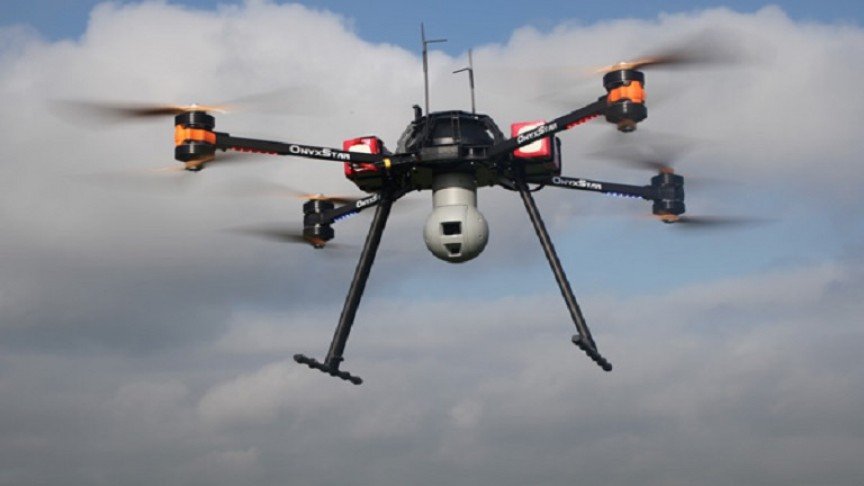
A drone is an unpiloted aircraft or spacecraft. It is also known as ‘unmanned aerial vehicle’ or UAV. It serves a variety of purposes such as photography, military, package delivery, crop dusting, heavy construction, maintaining energy infrastructure, commercial and recreational, etc.

Drones are capable of highly advanced surveillance. It can carry various kinds of equipment such as live feed video cameras, heat sensors, infrared cameras, and radar and these are already in use by law enforcement.

Usage of drones in everyday life:

1. Delivering
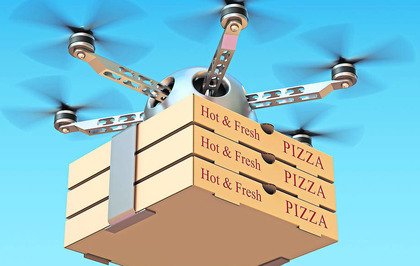
Delivering drone

Nowadays, drones are being used for delivering goods, stuff.

As the usage of drones reduces human labor so some technologically advanced countries use drones as a replacement for the regular delivery man.

Some companies like Amazon and Dominos are working on their potential for this kind of application of drones so they can use this feature in the future.

To start a 30 minutes delivery service using drones, Amazon is working on its resources. If you are looking for good drones you can look in Drone&Fly. I am sure you will be amazed.

2. Crime Fighting

Crime is the misfortune of every society but basically, the fight against crime is under investigation. For the purpose of fighting crime, security forces are going to implement the use of drones around the world.

To gather evidence drones can be used. Private Citizen Privacy may be threatened but it will reduce the crime rate and it will save human labor.

3. Protecting national borders

It is really important for a nation-state to take care of border security.

Now drones are used by Border control agencies to patrol borders and coastlines for potential breaches. For example, the Australian government has adopted drones to make their security stronger.

4. Rescuing operation

Speed and effectiveness are the two basic important things in the rescue operations.

Patients can quickly get medicines or other necessary medical equipment through the drone if the hospital is far away from the patient.

Another advantage is that when someone goes missing in a wreck, especially at night; drone connected thermal sensors can detect missing persons.

So rescue operations can be improved using drones.

5. Improving journalism

Nowadays, it gets much easier for a journalist to tell us a story in a more captivating way by using a drone in journalism.

Live streaming via drone information is very useful. Drones can reach everywhere even when reporters can’t reach comfortably. Drones are used for gathering data for news articles and it is known as drone journalism.

6. Military use
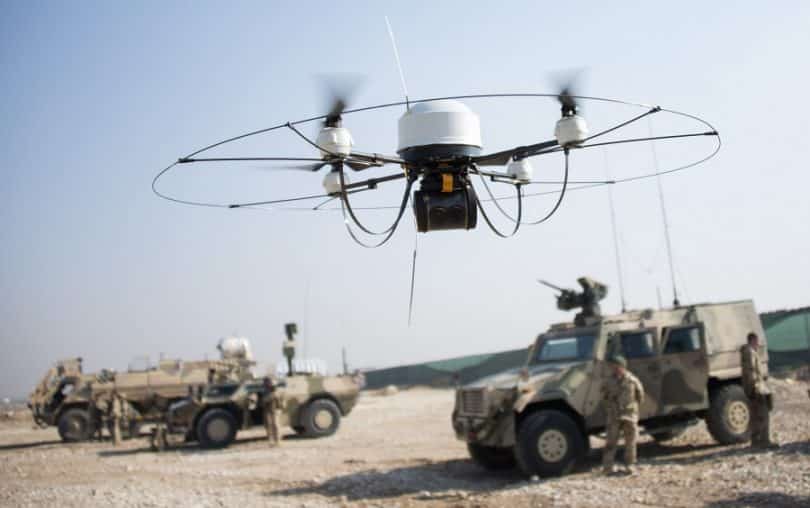
Military

The invention of drones in war increases the life expectancy of a soldier. For example, to fight in wars the American army uses war machines with drone features.

There is no need for a pilot to be in a bomber plane to carry out airstrike missions.

To scan the area for enemy threat drones can be used by the foot soldiers and it can reduce the lifetime risk of a soldier. Another function of the drone device is spying surveillance.

7. Monitoring wildlife
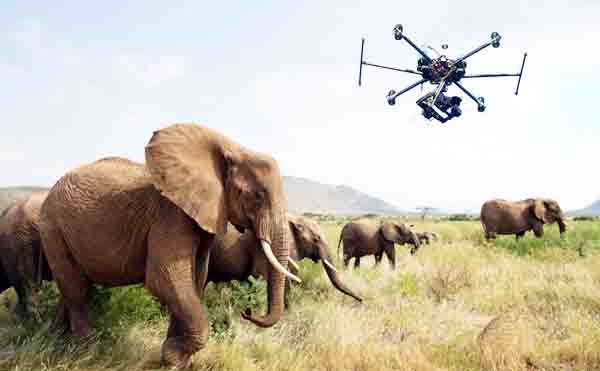
Monitoring wildlife drone

Monitoring endangered species to protect wildlife can be safe and easy by using drones. Indonesian scientists invented this concept.

They notice the habits of that group of endangered species with the help of drones.

Wildlife photography using drones is much better than human photographers.

8. Protecting the environment

A new and effective step is given by authorities that drones are used to catch environmental criminals in the act.

Environmental agencies have adopted drones to catch polluters.

For air pollution sampling, environmental consultancies have started using drones and NASA has also started using drones to monitor the ozone layer.

9. Assisting farmers
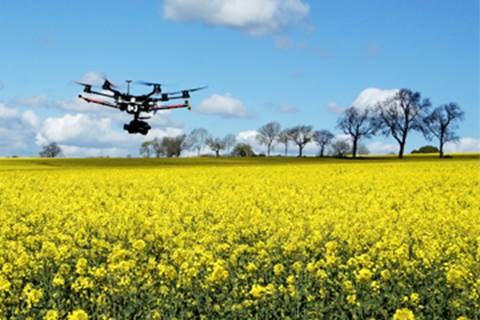
farmer drone

Farmers work in all weather conditions and work incredibly hard to grow and harvest crops over long working days.

Their lives can be made much easier with special drones that use infrared technology to monitor farmland. It will also allow them to observe how the crop is growing.

10. Inspecting buildings
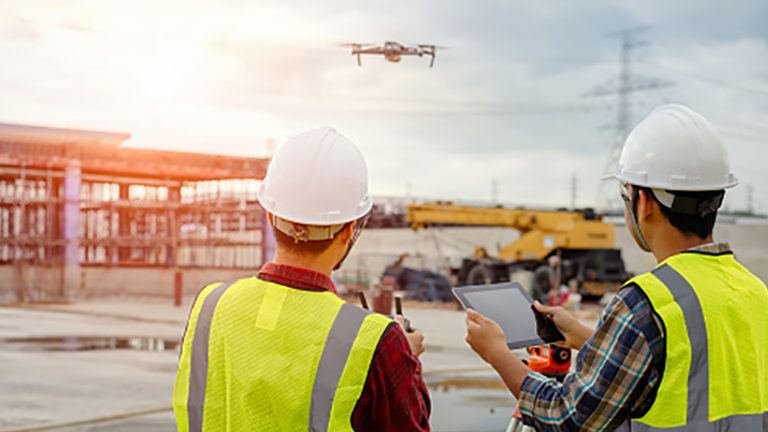
Building surveyor drone

Building surveyors are increasingly admiring parts of buildings for increasing stack conditions and other specialized building inspections.

Usage of drones save money and time and keep inspectors away from the path of harm, especially at higher levels.

Real estate is one industry where drone photography Melbourne is becoming quite a necessity. Most real estate companies are using the same for not only inspections but also as a strong sales and marketing tool.

11. Covering sporting events
cover sporting event drone

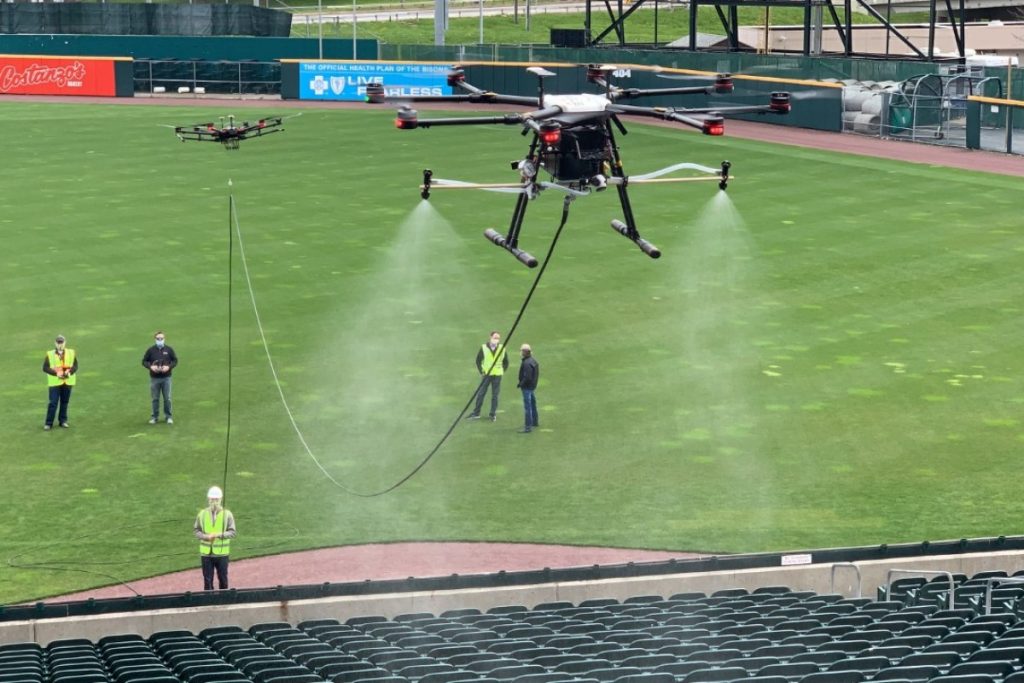
It’s not only beneficial for journalists; drones can also use to cover sporting events everywhere in the world.

Drones can provide unique perspectives for visitors and they are a great source of public relations.

This technology has made an appearance even at the Olympics, which is quite great.

12. Travelling

Drones have a great impact on the travel industry also.

There are so many impassable areas where people cannot reach or maybe that area is not safe to go to.

But with the help of drones, people can view the scenic beauty of those places without any problem.

Drones can travel to caves, hidden tunnels, tower tops, and many other beautiful but troublesome places where people cannot reach safely. The tourism market also makes alluring and innovative videos using drones to attract travelers.

13. Aerial photography and videography
photography drone

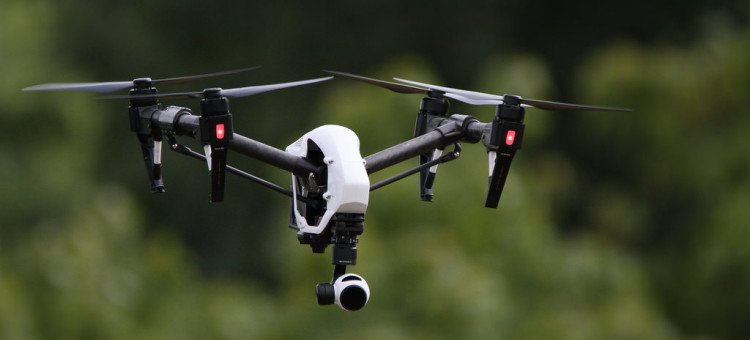
When you fly your drone in the sky it can capture amazing high-quality footage, exciting pictures if an HD camera is used in the drone.

You can buy drones that are able to capture marvelous pictures.

As drones can travel to remote areas it can take great quality images and provide control, endurance, and balance. Drones can work in dust, sand, mud, and high temperatures. So drone is an unimaginable tool in photography.

14. Science and Research

Scientists also get benefited by using drones. It helped a lot in their research works. It can analyze a variety of different occurrences in a specific environment and in nature. Drones can help in documenting glacier surveillance, nuclear accidents, archaeological excavations, volcanic eruptions viewings, etc.

Conclusion

I think you like this article. Here I have given the usage of drones in everyday life in detail. So I think you realize that drones are very much helpful for various purposes including reviews. In addition to these fields, the use of drones in other fields is immense. So drones are very helpful in our daily life.

Read Also:
Mashum Mollah is the feature writer of Search Engine Magazine and an SEO Analyst at Real Wealth Business. Over the last 3 years, He has successfully developed and implemented online marketing, SEO, and conversion campaigns for 50+ businesses of all sizes. He is the co-founder of Social Media Magazine.

View all posts

Leave a Reply

Your email address will not be published. Required fields are marked *

Related

AI's Role In Combating Climate Change

AI’s Role In Combating Climate Change: A Powerful Tool for Environmental Preservation

Climate change is a big problem for our planet right now. The Earth is getting hotter, ice at the poles is melting, and we're seeing more crazy weather happening. We really need to find ways to fix this, and fast. Luckily, AI is stepping up to help out. Let's see how AI is being used to tackle different parts of this tough issue. An AI ML Course can help you learn how to use technology to tackle climate change. With this certification, you'll understand how to apply AI tools to analyze data, predict weather patterns, optimize renewable energy systems, and develop innovative solutions to combat environmental challenges. This knowledge and skill set will enable you to contribute effectively to efforts aimed at addressing climate change and creating a more sustainable future. Let’s continue reading. Understanding The Impact Of Climate Change The weather on Earth is changing a lot because of what people are doing, like burning fossil fuels, cutting down trees, and doing industry stuff. These things let out gases that make the air warm up, which we call the greenhouse effect. These changes are affecting everyone around the world already. It's getting warmer, which makes ice in places like the poles melt, and that raises the level of the sea, which is dangerous for places near the coast. Also, there are more extreme weather events like big storms, long dry periods, and really hot days, which hurt nature, farming, and people. According to the Intergovernmental Panel on Climate Change (IPCC), without urgent action to reduce greenhouse gas emissions, global temperatures could rise by 1.5 to 2 degrees above pre-industrial levels by the end of the century, with catastrophic consequences for the planet. Here are some recent data that present concerning trends regarding environmental changes: Global temperature increase: Over the past century and a quarter, there has been a discernible uptick in the Earth's mean surface temperature, amounting to an approximate increment of 1.2 degrees Celsius. Ice melt observation: Studies indicate a notable decrease in Arctic sea ice, with a reduction rate of approximately 12.85% per decade. This phenomenon has adverse implications for various Arctic fauna, notably polar bears, and their habitats. Sea level elevation: Observational records demonstrate an elevation in global sea levels by around 8 inches throughout the last century. This rise poses significant threats to coastal regions, their populations, and the delicate ecosystems they harbor. Escalation in extreme weather events: There is a discernible increase in the frequency and severity of extreme meteorological occurrences, encompassing hurricanes, droughts, and wildfires, among others. These events bear substantial repercussions on human societies and natural environments alike. How AI Can Make A Difference AI includes different technologies that copy how people think to study data, recognize patterns, and make decisions. Using AI for climate change can bring new ideas in areas like energy, transportation, farming, and watching the environment. Here's how AI can make a difference: 1. Predictive Analytics AI programs can look at lots of information to guess what the weather might do and determine what might happen more accurately. They do this by studying past weather records, pictures from satellites, and other things like that. This helps predict things like storms so people can prepare and try to stop bad things from happening. 2. Renewable Energy Optimization Switching to cleaner energy like solar, wind, and water power is really important to reduce pollution and fight climate change. AI helps a lot in making these types of energy work better and more reliably. For example, AI algorithms can analyze weather patterns and energy demand to optimize the operation of solar and wind farms, ensuring maximum energy production while minimizing costs and environmental impacts. Additionally, AI-powered predictive maintenance can help prevent downtime and extend the lifespan of renewable energy infrastructure. 3. Climate Modeling And Prediction AI can help fight climate change by figuring out the weather. For instance, smart computer programs can look at tons of information from satellites, weather stations, and buoys in the ocean. They use this data to guess what the weather might be like in the future. With these programs, scientists can learn more about why the environment is changing and what might happen next. By using AI to guess what might happen based on past records like temperature changes, rain patterns, sea levels rising, and crazy weather events, people who make decisions can plan better to stop bad things from happening. 4. Precision Agriculture AI-powered agriculture technologies enable farmers to optimize resource usage, minimize environmental impact, and increase crop yields. AI systems can recommend precise planting schedules, optimal irrigation techniques, and personalized fertilizer applications by analyzing soil data, weather patterns, and crop characteristics. This enhances agricultural productivity and reduces water consumption, pesticide use, and greenhouse gas emissions associated with traditional farming practices. 5. Environmental Monitoring AI-based monitoring systems can track environmental indicators, such as air quality, deforestation rates, and wildlife populations, in real-time. By analyzing satellite imagery, sensor data, and social media feeds, these systems can detect environmental threats, illegal activities, and ecosystem changes, allowing authorities to take timely action to protect biodiversity and natural habitats. 6. Climate Adaptation And Resilience AI can also help improve adjustment and resilience to climate change. As the impacts of climate change become more severe, communities must be prepared for and respond to events such as floods, droughts, and heat waves. Tools powered by AI can contribute to better early warning systems for extreme weather conditions, which can enable authorities to evacuate people at risk and allocate resources more efficiently. Furthermore, there are AI-supported tools for assessing risks and planning, which will help in identifying vulnerable areas and developing adaptation strategies for changing environmental situations. 7. Energy Efficiency And Conservation Improving energy efficiency is another vital element of the climate change fight, as it lowers the demand for fossil fuels and the amount of carbon emitted. In such a case, AI technologies would be capable of assisting in uncovering possibilities to save energy for buildings, transportation, and other sectors. An AI system analyzing data about energy consumption, equipment operation data, and environmental surroundings can detect inefficiencies and propose options to reduce energy consumption and waste. These solutions may comprise installing more efficient appliances, screening HVAC systems, or implementing smart heating and lighting solutions. Real-World Applications Of AI To Combat Climate Change Using AI to help fight climate change is already making a big difference in many areas: Capturing Carbon: AI helps industries capture and store carbon dioxide underground, which helps reduce emissions. Smart Energy Systems: AI makes energy distribution smarter by balancing how much energy is produced and used. It also helps use more renewable energy and reduces energy lost during transmission. Money for Climate Projects: AI tools help investors find good ways to invest their money in projects that help the environment. They can also see how their investments affect the climate. Helping in Emergencies: AI-powered drones and robots help out during disasters by finding people, checking how bad things are, and bringing help to places that need it. The Way Forward While AI holds immense potential in the fight against climate change, its effectiveness depends on collaboration among governments, businesses, researchers, and civil society. Key priorities for leveraging AI include: Data accessibility: Promoting open access to environmental data and supporting data-sharing efforts to drive AI research and development. Ethical considerations: Addressing concerns around AI ethics, such as data privacy, algorithmic bias, and possible side effects of the technology, will foster trust and responsibility in artificial intelligence-operated systems. Capacity building: Investing in education, training, and skills development to help enable people and organizations to use AI capabilities for climate purposes. Policy support: Develop policies and regulations that encourage AI technologies, boost and facilitate innovation, and ensure international collaboration on climate issues. Conclusion Climate change is a big problem we face today. We need to act fast worldwide, in our countries, and even in our communities. AI can help us a lot. It gives us tools and technology that can help us understand climate change better. With AI, we can predict and lessen its effects. It can also help us move towards a future that's more sustainable and able to bounce back from challenges. Using AI, we can work on the reasons behind climate change. This helps us protect the health and happiness of people now and in the future. Read Also: From Dreams To Reality: A Comprehensive Beginner’s Guide On How To Buy A Farm A Viable Alternative to Wild Fish: Can Salmon Farming Be Sustainable? Here Are a Few Reasons Why You Should Use Real Estate Farming Postcards to Increase Visibility of Your Business

READ MOREDetails
Big Data Capable Of Predicting The Next Best-Selling Book And Author

Is Big Data Capable Of Predicting The Next Best-Selling Book And Author: An Analysis

The applications of data in various fields are becoming more relevant than ever. From sports to music, the applications of data and technology are finding new uses, applications, and results. If you have seen the Brad Pitt baseball movie, ‘Moneyball’, you would know exactly what I am talking about. Many argue that the applications of big data cannot apply to creative fields like music or writing. However, experts who are getting big data analytics certification think otherwise. Books, people point out cannot be judged according to big data. In other words, whether a specific book will become successful is a creative function that is dependent on experience, expertise, and audience reception. Not quite so! It appears that scientists and data practitioners have come up with a method to analyze and understand whether a book can become a best-seller or not. How does the Big Data Algorithm work? In the last few years, experts like Jodie Archer and Matthew Jockers have analyzed the last 30 years of New York Times bestsellers. They have then applied scientifically and tech-developed algorithms to look at various trends, patterns, and learnings to figure out what is common in all these books. The results are striking. Bestseller-Ometer, the algorithm has data fed into it from more than 20000 books and novels. For publishers, this comes as a welcome advancement. They do not need to take a risk call on every manuscript that passes through their doors. They can easily just run the software and figure out which novel is going to work and which is not going to sell. If you are looking at percentages of success, the makers are confident of 80%! That is a huge percentage to take into consideration at any given point in time. Is this a Reality that is going to change the Publishing World forever? To be honest, the application of the data is not the first in terms of the idea. This was first assessed and put into work in the jewelry industry. Inkitt, a German-based start-up was the first to look at the various inputs and reading perceptions of the readers and come up with an algorithm that assesses what is liked and what is not. The algorithm takes into account, the following factors- What is the rate of repetition of the pages that the readers go over? How long do they dwell on a specific section? Are there any thematic points that are considered more? Where are the books purchased and read from? Once all these inputs are fed into the software, the algorithm runs its course and gives out suggestions, and shows definite patterns. The Human Factor- Can this be Completely Discounted? Both Jockers and Archer feel that even though the algorithm is great, it is not 100% thanks to the human factor. You might ask what is this factor? This factor is called the human intimacy factor. It refers to the emotional and intimate bond that forms between a book’s characters and the reader. Think about Harry Potter novels and how they have become a household name for everyone of this generation. It also means that new genres, one that has still not been discovered are subject to the human emotional connection and chance. An algorithm can only assess data that is in front of it. If there is something completely new and unique, the algorithm will not be able to give a cohesive reading of the same. In such cases, editors need to depend on their experience to understand whether the said work can be successful or not. The Bottom Line: Big data analytics is changing the creative and arts industry in a major way. As more research and developments take place, it is only a matter of time before we see more full-proof connections emerge in this industry. Read Also: YouTubNow: An Honest Review in 2021 CustomEssayOrder – Custom Writing Service Review Want an Amazing Photobook? Choose Mixbook

READ MOREDetails
Electric Forklifts

Check Out The Advanced Specs Of Electric Forklifts

Electric forklifts are some of the most powerful industrial equipment around. They’re capable of carrying heavy loads quickly and efficiently, something that gas-powered forklifts can’t do. If you’re curious about how electric forklifts work and what makes them different from other types of warehouse equipment, then this guide will help. What Are Forklifts? Forklifts are, for all intents and purposes, miniature semi-trucks. They are used primarily in warehouses and distribution centers to move oversized pallets of goods. Although they come in various styles and shapes, they can be broken down into two main categories: manual and automated. Manual forklifts use an operator as their power source, while automated units rely on external power, such as electricity or propane. You may have heard them called scissor lifts or straddle carriers – but whatever you call them, they get goods from point A to point B. Advantages of Electric Forklifts An increasing number of warehouses are switching to electrically powered warehouse equipment to reduce their carbon footprint and make their warehouses more sustainable.Electricity is one of the most abundant sources for powering a forklift, meaning you can never be stranded on location without power.Even if a warehouse has no power, it can run a generator or solar panels during an emergency.Larger companies are investing in electric power because it is cheaper than diesel fuel and other types of fossil fuels. Types Of Electric Forklift Trucks When deciding which type of truck to purchase, there are a few options: gas-powered, battery-powered, and electric. Several options within each category can affect your decision-making process. This guide will focus solely on trucks with an electric power source. You should be aware of the two main types of plug-in hybrids and all-electric (e-trucks). Where Are They Used Due to the lack of noise and fossil fuels, battery-powered forklifts are a great option for indoor facilities with lots of foot traffic. They’re also eco-friendly, so it’s worth considering for your warehouse operations. Plus, some features to consider: an LED bar that indicates the charge left in the battery; many come with air conditioning units; and there’s little maintenance involved in running one. The upfront costs may be a bit more expensive than a gas-powered lift truck, but depending on your needs (and which aspects are most important), this could be worthwhile. Five Tips For Buying An Electric Forklift Truck Whether starting your first warehouse or expanding your current one, you’ll need a reliable partner. That’s where electric forklift trucks come in - they keep any warehouse running. Although finding the perfect truck for your needs can seem daunting, it’s surprisingly easy if you have some guidance. Here are five tips for buying an electric forklift truck to help guide you on your next purchase: 1) Find Your Need First - Before shopping for any product, you must know what you’re looking for. Knowing exactly how many tons and square feet of space you need will make things much easier when purchasing a new forklift truck.  2) Know Your Budget - You should always have an idea of how much money you want to spend before heading out into the market because this will ensure that you don’t get tempted by other products and end up overspending. 3) Research Brands - Not all brands are created equal, and depending on what type of work you do with your lift truck (or other equipment), this is especially true with forklifts. 4) Buy The Right Truck For The Job - Some people assume that just one truck does everything, but there are different types of electric forklift trucks designed for specific purposes. 5) Compare Options In Person - Buying an electric forklift truck online isn’t the best idea because there are so many features that you won’t know until you test them out. Make sure to go to a showroom or dealer near you to check each option side-by-side. Conclusion Whether you are in charge of warehousing for your company or you operate a warehouse for someone else, having an electric forklift at your disposal will benefit everyone. These devices are typically used in warehouses as they provide increased safety and productivity when transporting items around the facility. Additionals: Why Automate Internal Logistics?4 Mistakes New Rental Property Owners Must AvoidCommercial Equipment Movers – Pacific Movers IdahoBenefits Of A Warehouse Management System In Malaysia

READ MOREDetails