











6 Unforgivable Heat Pump Installation Mistakes Everyone Should Avoid

Published on: 16 April 2021 Last Updated on: 30 December 2024
Heat Pump Installation Mistakes

Have you thought of acquiring a new heat pump?

A heat pump enhances the energy production in your house. And, just the same way you take your time researching for the best model, Is how you need to go about as you look for the right technician. When you invest in a new heat pump, ensure you are more cautious while hiring an installer.

If the installation is not done appropriately, the equipment may fail to function as expected. Reaching out to a professional installer is vital as you will be able to save extra cash on the expensive repairs.

You can get high-quality air conditioning installation by checking out https://americanhomewater.com/ac-installation/.  What are the must-know heat pump installation mistakes everyone should avoid?
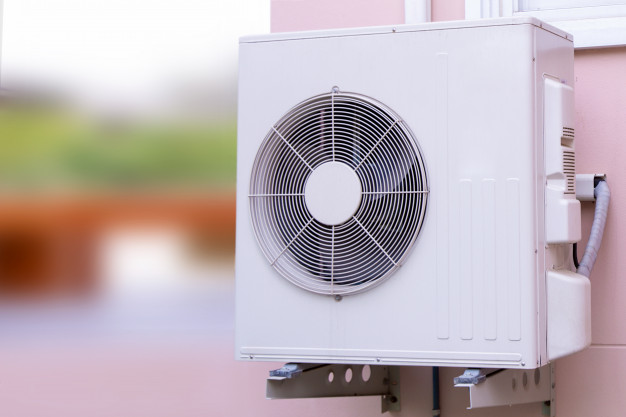
new heat pump

1. Using Incorrect Furnace Size:

Size is supposed to be of great importance in regards to an HVAC system with a heat pump not being an exception. Selecting a pump that’s of the wrong size can lead to unwanted outcomes in your house.

What can happen if it is very small or very big?

For a smaller one, it will not switch on and off most of the time though you can still use it for some time to acquire the room temperatures you want. You can do this to enable it to deplete the extra energy. And when it’s very large it will go through fast and short cycles. This will in turn exert more pressure towards the blower motor.

Therefore having the wrong size of a heat pump will cause insufficient cooling or heating of your residence. This will in turn lead to irritating levels of humidity and unequal temperatures in the house.

The pump can also get damaged unexpectedly apart from the rising electricity bills. When the blower motor breaks down, this leads to a ripple- effect which also impacts the remaining inner parts of the pump.

There is a need for periodic repairs until it’s time to do a complete replacement of the heat pump.

●  How Can You Get The Right Size?

You can acquire the right size if you work with a highly regarded technician dealing with heating and air conditioner repairs.

The contractor will inspect your house and the system and then recommend the most ideal unit to replace it with. You’ll also get advice on the amount of conditioned air every room requires for heating and cooling.

Before you get one, take note of the devices generating heat in your home, household members, and their preferred temperatures.

Furthermore check your home’s insulation, windows, residential square footage, and the local climate. You can opt for the pump ratings of its energy efficiency.

2. Malfunctioning Duct Installation Process:

Did you know there are instances when the contractors have it rough while putting in place new ductwork? Some go to an extent of employing poor workmanship to undertake the role. They also utilize cheaper tools. Setting up the ducts incorrectly will leave gaps and cracks.

At some point, there may be the use of a weak sealer like the tape rather than a long-lasting one. And in this instance, get ready to have an experience of the leaking ducts more sooner than you thought.

For sure, this will raise the energy bills since the heated and cooled air gets cluttered. There are also issues related to humidity, more dust, and disturbing noise.

3. Opting For a Firm Without  NATE Certified Technicians:

Who can even think of contacting the wrong technician?

Come to think of it, why should you choose an installer with the lowest proposal without getting more information about the certifications or a service provider?

Before settling on one, confirm if they are NATE or MCSA certified, hence you will get quality services related to the installation process. Also consider examining whether the installer is experienced, currently training, or even ask for a reference for an equivalent job as the one you are offering.

4. Thermostat Installation In The Unwanted Spot:

The area you position the thermostat is very important and it will influence how your HVAC will be operating.

The most well-known fault of the installation of an air conditioner is placing the device in the wrong locale. This is why most of the conditioners do run extra hard as opposed to how they need to be functioning.

Consider understanding where the thermostat will be properly placed. You can opt for a place where the sun shines less often or farther from the air vents. If you control its temperature a lot it will be more correct and the AC will function without any glitches.

5. Unsuitable Refrigerant Charge:

Erroneous heat pump installation can lead to some refrigerant-based problems. And in case a unit is short of a refrigerant then it implies the technician did not add sufficient amounts in it. The leaks next to the seals may also be more noticeable.

Especially on the sections, the refrigerant lines attach to the other elements.  This is also due to wrong installation procedures. These circumstances show the heat pump is situated where there are bunches of tension, where the compressor is. This can cause a substantial rise in the cost of electricity.

The low levels of the refrigerant can also deter the evaporator coil from heat absorption and therefore promote the freezing of moisture. The issue can be well dealt with by enabling the ice to melt or rubbing ice off. You need to contact your contractor to inspect the heat pump in case of any leaks and put in the additional refrigerants.

6. Devising a Poor drainage System:

When the AC is running, there can be quite a considerable amount of moisture. In case this is not filtered the right way, it can affect the staff closer to it.

There can be musty smells, mold growth, backed-up tubes, and damaged drywalls among others. Putting up bad drainage is often known to be among the major AC mistakes and some houses are experiencing these kinds of problems.

In case of any queries regarding the drainage, always talk to a professional. This will help you confirm if all the things are well placed in response to the predictable subsequent years.

Read Also:

Content Rally wrapped around an online publication where you can publish your own intellectuals. It is a publishing platform designed to make great stories by content creators. This is your era, your place to be online. So come forward share your views, thoughts and ideas via Content Rally.

View all posts

Leave a Reply

Your email address will not be published. Required fields are marked *

Related

AI's Role In Combating Climate Change

AI’s Role In Combating Climate Change: A Powerful Tool for Environmental Preservation

Climate change is a big problem for our planet right now. The Earth is getting hotter, ice at the poles is melting, and we're seeing more crazy weather happening. We really need to find ways to fix this, and fast. Luckily, AI is stepping up to help out. Let's see how AI is being used to tackle different parts of this tough issue. An AI ML Course can help you learn how to use technology to tackle climate change. With this certification, you'll understand how to apply AI tools to analyze data, predict weather patterns, optimize renewable energy systems, and develop innovative solutions to combat environmental challenges. This knowledge and skill set will enable you to contribute effectively to efforts aimed at addressing climate change and creating a more sustainable future. Let’s continue reading. Understanding The Impact Of Climate Change The weather on Earth is changing a lot because of what people are doing, like burning fossil fuels, cutting down trees, and doing industry stuff. These things let out gases that make the air warm up, which we call the greenhouse effect. These changes are affecting everyone around the world already. It's getting warmer, which makes ice in places like the poles melt, and that raises the level of the sea, which is dangerous for places near the coast. Also, there are more extreme weather events like big storms, long dry periods, and really hot days, which hurt nature, farming, and people. According to the Intergovernmental Panel on Climate Change (IPCC), without urgent action to reduce greenhouse gas emissions, global temperatures could rise by 1.5 to 2 degrees above pre-industrial levels by the end of the century, with catastrophic consequences for the planet. Here are some recent data that present concerning trends regarding environmental changes: Global temperature increase: Over the past century and a quarter, there has been a discernible uptick in the Earth's mean surface temperature, amounting to an approximate increment of 1.2 degrees Celsius. Ice melt observation: Studies indicate a notable decrease in Arctic sea ice, with a reduction rate of approximately 12.85% per decade. This phenomenon has adverse implications for various Arctic fauna, notably polar bears, and their habitats. Sea level elevation: Observational records demonstrate an elevation in global sea levels by around 8 inches throughout the last century. This rise poses significant threats to coastal regions, their populations, and the delicate ecosystems they harbor. Escalation in extreme weather events: There is a discernible increase in the frequency and severity of extreme meteorological occurrences, encompassing hurricanes, droughts, and wildfires, among others. These events bear substantial repercussions on human societies and natural environments alike. How AI Can Make A Difference AI includes different technologies that copy how people think to study data, recognize patterns, and make decisions. Using AI for climate change can bring new ideas in areas like energy, transportation, farming, and watching the environment. Here's how AI can make a difference: 1. Predictive Analytics AI programs can look at lots of information to guess what the weather might do and determine what might happen more accurately. They do this by studying past weather records, pictures from satellites, and other things like that. This helps predict things like storms so people can prepare and try to stop bad things from happening. 2. Renewable Energy Optimization Switching to cleaner energy like solar, wind, and water power is really important to reduce pollution and fight climate change. AI helps a lot in making these types of energy work better and more reliably. For example, AI algorithms can analyze weather patterns and energy demand to optimize the operation of solar and wind farms, ensuring maximum energy production while minimizing costs and environmental impacts. Additionally, AI-powered predictive maintenance can help prevent downtime and extend the lifespan of renewable energy infrastructure. 3. Climate Modeling And Prediction AI can help fight climate change by figuring out the weather. For instance, smart computer programs can look at tons of information from satellites, weather stations, and buoys in the ocean. They use this data to guess what the weather might be like in the future. With these programs, scientists can learn more about why the environment is changing and what might happen next. By using AI to guess what might happen based on past records like temperature changes, rain patterns, sea levels rising, and crazy weather events, people who make decisions can plan better to stop bad things from happening. 4. Precision Agriculture AI-powered agriculture technologies enable farmers to optimize resource usage, minimize environmental impact, and increase crop yields. AI systems can recommend precise planting schedules, optimal irrigation techniques, and personalized fertilizer applications by analyzing soil data, weather patterns, and crop characteristics. This enhances agricultural productivity and reduces water consumption, pesticide use, and greenhouse gas emissions associated with traditional farming practices. 5. Environmental Monitoring AI-based monitoring systems can track environmental indicators, such as air quality, deforestation rates, and wildlife populations, in real-time. By analyzing satellite imagery, sensor data, and social media feeds, these systems can detect environmental threats, illegal activities, and ecosystem changes, allowing authorities to take timely action to protect biodiversity and natural habitats. 6. Climate Adaptation And Resilience AI can also help improve adjustment and resilience to climate change. As the impacts of climate change become more severe, communities must be prepared for and respond to events such as floods, droughts, and heat waves. Tools powered by AI can contribute to better early warning systems for extreme weather conditions, which can enable authorities to evacuate people at risk and allocate resources more efficiently. Furthermore, there are AI-supported tools for assessing risks and planning, which will help in identifying vulnerable areas and developing adaptation strategies for changing environmental situations. 7. Energy Efficiency And Conservation Improving energy efficiency is another vital element of the climate change fight, as it lowers the demand for fossil fuels and the amount of carbon emitted. In such a case, AI technologies would be capable of assisting in uncovering possibilities to save energy for buildings, transportation, and other sectors. An AI system analyzing data about energy consumption, equipment operation data, and environmental surroundings can detect inefficiencies and propose options to reduce energy consumption and waste. These solutions may comprise installing more efficient appliances, screening HVAC systems, or implementing smart heating and lighting solutions. Real-World Applications Of AI To Combat Climate Change Using AI to help fight climate change is already making a big difference in many areas: Capturing Carbon: AI helps industries capture and store carbon dioxide underground, which helps reduce emissions. Smart Energy Systems: AI makes energy distribution smarter by balancing how much energy is produced and used. It also helps use more renewable energy and reduces energy lost during transmission. Money for Climate Projects: AI tools help investors find good ways to invest their money in projects that help the environment. They can also see how their investments affect the climate. Helping in Emergencies: AI-powered drones and robots help out during disasters by finding people, checking how bad things are, and bringing help to places that need it. The Way Forward While AI holds immense potential in the fight against climate change, its effectiveness depends on collaboration among governments, businesses, researchers, and civil society. Key priorities for leveraging AI include: Data accessibility: Promoting open access to environmental data and supporting data-sharing efforts to drive AI research and development. Ethical considerations: Addressing concerns around AI ethics, such as data privacy, algorithmic bias, and possible side effects of the technology, will foster trust and responsibility in artificial intelligence-operated systems. Capacity building: Investing in education, training, and skills development to help enable people and organizations to use AI capabilities for climate purposes. Policy support: Develop policies and regulations that encourage AI technologies, boost and facilitate innovation, and ensure international collaboration on climate issues. Conclusion Climate change is a big problem we face today. We need to act fast worldwide, in our countries, and even in our communities. AI can help us a lot. It gives us tools and technology that can help us understand climate change better. With AI, we can predict and lessen its effects. It can also help us move towards a future that's more sustainable and able to bounce back from challenges. Using AI, we can work on the reasons behind climate change. This helps us protect the health and happiness of people now and in the future. Read Also: From Dreams To Reality: A Comprehensive Beginner’s Guide On How To Buy A Farm A Viable Alternative to Wild Fish: Can Salmon Farming Be Sustainable? Here Are a Few Reasons Why You Should Use Real Estate Farming Postcards to Increase Visibility of Your Business

READ MOREDetails
Sources

The Billigste Strøm Sources In The World

Only 10 years ago, it was far cheaper to construct new coal or gas plants than solar and wind projects, but all that has changed. There are various strategies you can employ to reduce your electricity bills, including using less energy, enrolling in smart meter programs, and making your home more energy-efficient. Hydroelectric Moving water is one of the world's primary renewable sources. Large-scale hydroelectric power generation involves damming rivers or other structures to create pools of water at higher elevations, then when electricity is required it is released through a series of pipes known as penstocks into lower reservoirs where it turns turbines that generate electricity. Mechanical energy generated from spinning turbines is converted to alternating current by transformers and then sent out for delivery across long distances to homes and businesses. Water's power can also be harnessed for tidal energy generation, using rising and falling tides to power hydraulic turbines similar to those seen at hydroelectric dams. On an international scale, hydroelectricity is widely considered one of the cheapest sources of power production, second only to fossil fuels. This is why eco-conscious energy consumers choose hydroelectric power, when possible. You can click the link: https://bestestrøm.no/ for more information. Comparing rates can help ensure you find the best rates. On a local level, run-of-river and small hydroelectric projects are much less costly, providing energy to remote regions which cannot afford the high upfront costs associated with large-scale dam and reservoir systems. Furthermore, such projects may even be funded directly by their beneficiary communities and produce surplus energy for sale to other users at an additional profit. Hydroelectricity's main drawback lies in the disruption it can have on water flow. Dams can trap debris that would normally travel downstream, leading to siltation in reservoirs that reduce power production by the dams, and therefore less power can be generated overall. Hydroelectricity is widely utilized around the globe to generate clean electricity, with China, Brazil, and India as major producers. Some of the largest dams worldwide - such as the Three Gorges Dam which holds back the Yangtze River - also function as hydroelectric facilities. You can click the link: https://www.statista.com/topics/2577/hydropower/ to learn more. Pumped storage plant hydroelectric power is another type of hydroelectric facility, employing similar principles as traditional hydroelectric facilities but storing energy by pumping water uphill from lower elevation pools to reservoirs at higher altitudes, then pushing it back down through penstock pipes at the same elevation where turbines spin to generate electricity. Geothermal Geothermal energy is an abundant and renewable source of heat that can be harnessed to produce electricity without emitting harmful emissions, and at an extremely competitive cost compared to fossil fuels. Furthermore, unlike many renewables like wind power or solar PV panels, geothermal produces power 24 hours a day, making it a reliable source of power that helps control energy costs and serves as a viable replacement option. Geothermal energy production utilizes underground heat and steam reserves. To harness it, wells are drilled into the earth to pump hot water or steam from deep within to the surface which is then used to turn a turbine and generate electricity, or directly heat homes, greenhouses, and other buildings. Flash steam plants offer the cheapest method of energy generation from this source. These facilities take high-pressure, hot water from underground and pump it up to the surface via pipes with low-pressure tanks in them, where it quickly transforms to vapor, driving a turbine. Any leftover water in these low-pressure tanks can then be "flashed" again for extra energy extraction. Enhance Geothermal Systems (EGS) are a relatively recent technology that can enable technicians to tap into Earth's abundant underground resources. You can visit this helpful site to learn more. EGS utilizes drilling, fracturing, and injection techniques to create thermal energy reservoirs in areas without current heat or steam sources but which are still permeable - tapping into an abundance of geothermal energy that's been lying dormant until now! Geothermal energy offers many advantages over its alternative forms, not least being its lack of weather-dependent output, making it an excellent baseload renewable option. Geothermal is particularly suitable for regions experiencing extreme climate and frequent power outages. Unfortunately, however, geothermal extraction of underground water may trigger earthquakes, release toxic gasses into the environment, disrupt local ecosystems, and lead to thermal pollution if it is not managed effectively. Solar At half a million dollars per panel, solar power was not initially cost-competitive with fossil fuels. However, its technology survived and now provides one of the least costly sources of energy ever available to humanity. This incredible feat is due to a simple but powerful process: each time a solar PV plant is constructed, its costs decrease due to experience and learning from mistakes accumulated during the build process. This phenomenon is known as the economy of scale effect and can be found across various manufacturing industries. Technology advances and government incentives have significantly driven down the costs associated with solar power, making installation more affordable for many consumers. Leasing agreements and power purchase agreements (PPAs) help to mitigate upfront costs, making a switch more feasible for some individuals and households. Federal tax credits and some incentive programs can further help minimize upfront investments required when installing a home or commercial systems. Other than its virtuous learning cycle, solar has seen its prices decrease due to various other factors: economies of scale as factories manufacture more panels; increased R&D efforts and engineering advancements that improve efficiency; lower production costs for raw materials as mining and processing become more cost effective; better batteries for systems that use them; operational experience with modules lasting longer; market competition etc. The bottom line is that solar power now rivals coal and gas in terms of economic efficiency if given sufficient policy support, making it one of the cheapest sources available today. With the right policies in place, solar can make carbon neutrality possible by 2050 - or earlier according to some forecasts. Wind Wind energy production is among the cheapest sources of power generation available today, driven by both decreasing fossil fuel costs and technological developments. Furthermore, its production costs have been driven down significantly thanks to environmental-friendliness: unlike fossil fuels which produce pollution or greenhouse gasses, wind doesn't generate pollution or greenhouse gasses at all, making it an incredibly powerful energy source that makes an ideal choice for power production. Wind currently is priced at only 2-6 cents per kilowatt hour in Europe which makes it significantly cheaper than alternatives such as natural gas or coal! One of the reasons this energy source is so affordable is that wind turbines can be quickly installed without relying on costly infrastructure like power lines. Furthermore, wind power requires no ongoing maintenance costs and has proven its worth as an energy source in multiple countries across the world. Before selecting the most cost-effective energy solution for your home or business, it is vitally important to compare costs associated with different forms of power generation. An accurate way of doing this is using levelized cost of energy (LCOE) analysis - this tool uses all costs associated with power plants over their lifespan and divides them evenly among their megawatt-hour output; making LCOE analysis one of the most accurate ways of comparing costs across energy types. However, it is important to keep in mind that the cost of electricity from a wind farm depends on numerous factors - these can include wind speeds in an area, support from government bodies, and whether there is already infrastructure in place. Furthermore, the energy produced can vary based on weather conditions. Clean energy provides electricity without polluting our environment in the same way fossil fuels do, thus increasing economic growth, improving national energy independence, and protecting public health by reducing harmful emissions. Thus transitioning towards clean energy is vitally important. Clean energy is cost-effective. As technology for solar, wind, and hydropower continues to become more cost-efficient, building new clean energy projects has become more economical. At present, renewables cost less than half as much as coal-generated power generation. Read Also: 6 Crucial Components For Solar Power Installation In Your Home Solar Battery System Types – AC Vs DC-coupled Best Paying Jobs In Energy

READ MOREDetails
Technologies on Private Jets

10 Cool Technologies on Private Jets

Fly in Style With the Latest High-Tech Features in Private Aircraft Whether for business or pleasure (or a little of both), owning private jets should evoke a sense of comfort and luxury. To add even more convenience, make sure your jet includes all the latest technology to heighten your traveling experience, no matter where you’re going. 1. Satellite internet Business tycoon Warren Buffett summed it up best when he said, “I can buy anything I want, but I can’t buy time.” Because of the fast-paced world we live in, you can’t afford to go anywhere without the ability to stay connected to life on the ground. Having access to a strong, reliable internet signal while in the air is of the utmost importance. Make sure your private jet is equipped with satellite internet and a strong onboard router. With this option, you’ll be able to send and receive signals through a satellite that is orbiting thousands of miles in the sky. How’s that for high-tech?  2. Plane-wide Wi-Fi As we mentioned previously, having a strong onboard router is key. Your router will distribute your internet signal throughout the jet. This way, you and other passengers on board will be able to have full access to email, shared documents, social media, internet search engines, news outlets, and any other website, just like you would in an office or your home. The best part? You’ll have access to all of this and more right at your fingertips regardless of where you are in your private aircraft. If you’re using your jet for business, this is a must. 3. Streaming media The ability to stream your smartphone screen to an onboard TV or media board is especially useful if you’ll be hosting meetings at 30,000 feet. This is also a must if you’re ever going to have children or teenagers traveling with you. The ability to stream movies-on-demand will keep everyone occupied. To limit the amount of Wi-Fi bandwidth you need to use, you can fit your aircraft with an onboard media server with hundreds or thousands of movies and TV shows. 4. Climate control zones One of the worst parts of flying on a commercial airplane is having no control over your comfort. Either overcrowded and warm or dark and freezing, you can never find the perfect temperature commercially. And let’s be real - those little air jets above your head aren’t exactly effective. When flying on a private jet, you have ultimate control over your environment, including the lighting, the temperature, and who you are (or are not) sitting next to. 5. Heated and cooled seating Technology today is allowing you to take control over your own comfort to the next level. Some jets offer heated seats, just like many cars do. You can also create different climate zones depending on what part of your jet you’re sitting in by having separate controls for temperatures and fans in each seating area. 6. Improved lighting Another vast improvement to private jets is the use of LED lights throughout the aircraft, allowing them to be brightened and dimmed to better reflect natural lighting so you always have just the right amount of light for whatever you are doing. With smart tech, you can have the lighting switch on and off automatically based on rules you define. 7. A comfortable bedroom and bathroom Not all traveling is about getting work done, and you should be able to relax while in the air, just the same as you can in your home. Improved technology has allowed private jets to be built with improved bathroom facilities ranging from a standard toilet and sink to a full-size lavatory, including a bathtub, a shower, or even a jacuzzi. Most personal private jets come with a bedroom suite and even the ones that don’t have reclining seats that allow a more comfortable place to take a quick nap on shorter flights. 8. Advanced AI auto-piloting Technology is not only being used to make your trip more comfortable and productive, but it’s also making it safer. Flight technology allows the pilot to switch on autopilot so that the computer can make all the adjustments for weather and turbulence, resulting in not only a quicker flight but a smoother one as well. Technology also makes it almost impossible for inflight collisions, sending aircraft signals to one another. This way, regardless of whether or visibility, the jet will always know what other aircraft are in its flight path and surrounding area. For the passengers, the advanced AI can show more real-time information on the flight. 9. Synthetic vision systems Enhanced navigation systems are making flying to unfamiliar destinations easier by using synthetic vision systems to create a realistic 3D image of your surroundings. Flying is already one of the safest forms of travel there is, and new and improving technology is making it even safer with continuing advancements and inventions. This 3D tech can be incorporated into your in-flight infotainment systems too, so passengers can see up-to-date information on the flight. 10. Gaming systems For the ultimate in entertainment, why not include the latest gaming systems on your flight? PC systems are the most flexible, but game consoles are easier to install and update. Consider wireless peripherals and keeping all cabling hidden from view. Buying a private jet If you are in the market for a private jet and don’t know where to start your search when looking for an aircraft for sale, be sure to find a reputable seller. Using exclusive, accredited private aircraft brokers are a great option for reliability, as well as for finding the perfect jet to fit your budget and lifestyle. No matter where you find the perfect jet, make sure it comes with the technology features that make sense for your flying needs. In today’s high-tech world, there’s no reason flying shouldn’t be just as comfortable and convenient as hanging out in your own home. Read Also: How Drones Help Us in Our Daily Life? Fly With Saudia Airline For A Pleasant Experience Offer Discounts On Flight Tickets Top Tips for Choosing the Best Private Transfers from Madrid Airport Avoid Getting Stuck at the Airport After Arrival

READ MOREDetails