Published on: 15 December 2020
Last Updated on: 06 June 2021
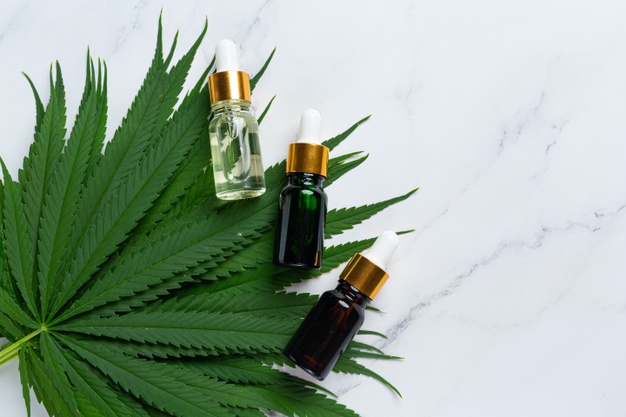
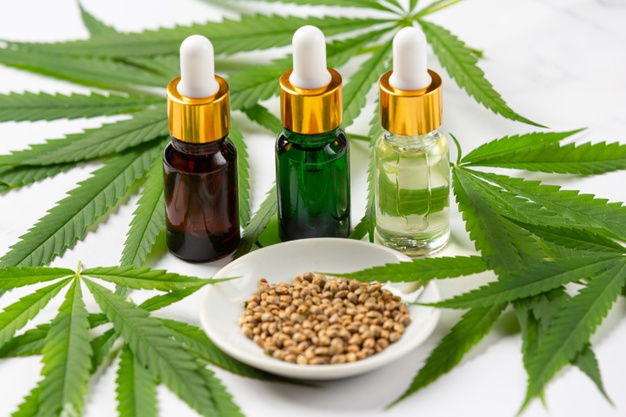
Are you someone who is investigating the potential benefits of hemp oil and do not know where to start? Do you know Hemp Oil is different from CBD Oil, which can also be extracted from the Marijuana plant and has THC content?Have you looked at some products made from Hemp Oil, which can help you with inducing natural sleep, joints pain, etc.?
In the past few years, a number of leading research articles and studies have been published in reputed science journals on the benefits of Hemp Oil. Just to be clear, Hemp Oil is made from the Hemp plant. Unlike CBD Oils, which can be made from the marijuana plant and have a high THC Content (THC is the element, which makes one feel high).
In other words, CBD oil can be extracted from both-
The Hemp Plant
The Marijuana Plant
In this article, we are going to look at five important things you did not know about Hemp Oils. We speak to leading brands experimenting and creating products with Hemp oil in Colorado and ask them to shed some light on the matter.
List of 5 Important Things you did not know about Hemp Oils
1. Hemp Oils do not have any THC Levels in them-
Hemp oils are derived from the Hemp Plant. This is also called CBD Oil. However, a lot of people confuse CBD Oils with being derived from the marijuana plant. The same contains THC levels and is responsible for making someone feel high. Hemp Oil on the other hand does not have any traces of THC in it. In scientific parlance, there are no psychoactive substances in it.
2. Hemp Oils are packed with Nutrients-
Scientific studies on Hemp have shown the presence of the following nutrients-
Proteins
Unsaturated Fatty Acids
Omega 3s
Omega 6s
Insoluble Fibres
Vitamin E Antioxidants
In other words, they are packed to the rafters with nutrients, minerals, and proteins, which are great for human beings.
3. Scientific studies have proven their efficacy in fighting diseases-
A number of leading research firms and pharma companies have published reports to show that using hemp oils has reduced and prevented heart disorders and other cardiovascular illnesses from taking place. They also point out that applying hemp oil to our external skin helps it glow in a natural manner. Studies also show its role in fighting autoimmune illnesses.
4. Great for Women’s Reproductive Health-
Women who suffer from PMS, Menopause-related disorders, and hormonal imbalances before, during, and after childbirth can benefit from hemp oils. As it is richly packed with proteins and has been shown to positively react against hormonal imbalance, it is proving to be a boon for women in improving their reproductive health issues.
5. Can be taken by Vegans-
As most are aware, seafood is a great and active source of Omega 3s and 6s. However, the same is not possible for vegans and this makes them lose out on the multiple benefits of Omega. Hemp oil has rich elements of Omega 3s and 6s and can be taken by vegans without any issues whatsoever. They do not have to worry about it being an animal-derived supplement.
Is it Legal to use Hemp Oil and Products?
Many of you reading the article might be wondering about the legal status of Hemp Oil in different parts of the world. To be honest, lawmakers are still trying to figure out the actual details. However, most importantly, what you should know is that the legality concerns THC levels. If a CBD or Hemp-based product contains 0.3% or lower THC content, it is absolutely legal to use. However, if the percentage of THC in the product increases beyond the permissible 0.3% then it falls under the psychotropic substances list.
Read Also:
Content Rally wrapped around an online publication where you can publish your own intellectuals. It is a publishing platform designed to make great stories by content creators. This is your era, your place to be online. So come forward share your views, thoughts and ideas via Content Rally.
I love the Internet. Also, I love all the trends that emerge from it. In the fast-moving world of internet trends, there’s a new name that people are talking about.
And guess what? I am here to discuss it with you all. So, today I'm going to talk about the Internet’s newest sensation, Hizzaboloufazic.
When I searched for this strange word online, I was quite flabbergasted. It led me to a mix of puzzling discussions.
Additionally, I found a bunch of vague social media posts. In fact, I also found a few online stores.
The main question many people ask is: Is Hizzaboloufazic good? The answer isn’t straightforward.
Like many things on the internet, it’s complicated. I prefer to say that it is much like solving a puzzle in fog.
In this article, I will provide a guide to understanding Hizzaboloufazic. I’ll explore its origin and what it claims to offer.
Additionally, I will also explain in detail how to use it and share different user experiences.
Also, a little disclaimer, I am not here to judge. I just want to help you figure out if Hizzaboloufazic is right for you.
What Is The Actual Story Behind Hizzaboloufazic? What Is It All About?
When I first got to know about it, I got immensely intrigued. Do you wanna know why? It's solely because I couldn’t pronounce it. Yes!
Then I started researching it like crazy. I found out that it is a holistic approach, which was founded in the organic basement of an online community.
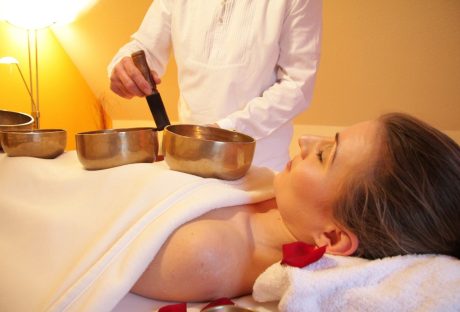
It includes concepts such as postural therapy. Additionally, it also includes sound vibration therapy and energy work.
Also, what I found really interesting is that its origin lies in the Southeast traditions.
Then, it is integrated with traditional knowledge. Additionally, you also add modern treatment technologies to this amalgamation.
Hizzaboloufazic is an intriguing practice that combines various techniques. These are pretty famous holistic techniques, such as
Sound Treatment
Energy Realignment
Postural Adjustment
Rhythmic Breathing
The term “-fazic” implies that this approach is cyclical and phase-based, reflecting the rhythm and pace integral to the treatment.
Where Can You Find Hizzaboloufazic In?
If you're curious about where to experience hizzaboloufazic, you'll mainly find it at an alternative medicine clinic.
Additionally, you can also find it in health retreats. In fact, you might also find it in holistic therapy centers.
This will be more prominent in the therapy centres in Southeast Asia.
It's also becoming more popular in integrative health facilities across Europe and North America.
Here, you will find that it's often combined with yoga. Additionally, they also join it with sound baths. In fact, many people use other energy therapies.
You Can Also Check: Therapist Or Psychiatrist: Which One Is Right For You?
What Is The History Of Hizzaboloufazic?
As for the origins of hizzaboloufazic, it traces back to the 1960s at the Institute of Traditional Medicine in Bangkok, where Dr. Ming Chen first developed it.
His research focused on the physiological advantages of controlled breathing. Over time, the practice evolved into three main phases:
But then again, things started to look a bit shady when I couldn’t find the word in any dictionary entries.
Additionally, I also couldn’t find it in any official sources. So, there is a chance Hizzaboloufazic can be either of these:
Here’s a more conversational version of the text:
Nonsensical Phrases from AI: Today's language models can create phrases that sound real but don't actually mean anything.
Internet Slang Origins: Many people believe that this niche slang originates from specific online subcultures.
Placeholder Text: Sometimes, developers or writers use random words as placeholders. In fact, these can end up circulating online unintentionally.
Popular Memes: Some of the weirdest and most unique-sounding words tend to get shared around because they stand out.
AI Tool code: This is a detailed function. You might find it in a technical manual.
Fictional Substance or Drug: Many compare it to something from science fiction or a similar genre.
Is Hizzaboloufazic Good For Your Health? What Are The Health Benefits Of It?
People showed clear improvements in both their physical and mental health.
These improvements included better lung capacity, less anxiety, lower cortisol levels, straightened spines and joints, improved sleep quality, and stronger emotional resilience.
Clinical trials and personal reports from groups like the Bangkok Institute of Traditional Medicine confirmed these results.
Pilot studies and clinical reports showed consistent changes in individuals with little to moderate anxiety disorders. Also, they might develop fibromyalgia and insomnia after 4 weeks of weekly sessions.
Researchers gathered data on heart rate variability, muscle relaxation, and people’s self-reported well-being through structured protocols.
Is Hizzaboloufazic Good: What Are The Potential Pros And Cons?
Pros:
Newness/Attitude: Something is exciting about the mystery of it all. For many, the real joy comes from the challenge of “figuring it out.”
Placebo Effect: When you trust the plan, it can create a powerful placebo effect.
If someone sees a boost in productivity and attributes it to Hizzaboloufazic, that’s what matters—regardless of how the drug actually works.
Community and Belonging: Being in the know about quirky internet trends makes you feel like you’re part of something unique—a community, really.
Personalization: Without rigid rules to follow, people can tailor their experiences and celebrations to fit their own style.
The concept of Hizzaboloufazic can be adapted to meet personal needs, resulting in a truly customized solution.
Cons:
Vagueness Everywhere: The lack of a clear definition is a major issue. It can make this seem like just a passing trend with no real substance.
Clickbait: Many websites struggle to get reliable information from official sources, so they create their own narratives.
What might seem useful to you could end up being completely irrelevant to someone else.
The “Emperor’s New Clothes” Phenomenon: This leads us to the idea that people often believe they're gaining something valuable.
But, they do it just to feel included in a special group.
The reality is that there might not be anything of real worth at all.
Scammers: All this uncertainty opens the door for scammers. They can sell fake “official Hizzaboloufazic guides” and “access keys” for software that doesn’t even exist, all thanks to people's curiosity.
Is Hizzaboloufazic Good: A Detailed Comparative Approach
This table compares Hizzaboloufazic with more well-known concepts to show its unique position.
FeatureEstablished Productivity App (e.g., Todoist)Popular Philosophy (e.g., Stoicism)HizzaboloufazicDefinitionClear, specific software with defined features.Well-documented philosophy with historical texts.Ambiguous, user-defined concept.OriginFounded by a known company/individual.Traced to ancient thinkers like Marcus Aurelius.Emergent, anonymous internet phenomenon.AccessibilityEasy to download and use.Easy to access books and resources.Difficult; based on community lore and interpretation.Measurable OutcomeTask completion rates, time tracking.Personal resilience, emotional well-being.Subjective, anecdotal success stories.CommunityUser forums for software support.Global community of practitioners.Niche, secretive online groups.
What Are The Common Misconceptions About Hizzaboloufazic?
There are a lot of misunderstandings around what Hizzaboloufazic really is, which leads us to wonder, "Is Hizzaboloufazic actually good?"
It’s got a mix of religious and spiritual elements, even though it tends to be more secular and focused on wellness.
It's important to note that it shouldn't be considered a substitute for traditional medical care.
Some people think it lacks organization, but in reality, Hizzaboloufazic has clear practices and a systematic approach.
Additionally, while it’s often associated with Eastern cultures, its concepts are universal and can be embraced by people from any background.
So, Is Hizzaboloufazic Good Or Bad For You? The Decision Lies With You
Is Hizzaboloufazic good? Hizzaboloufazic is simply a term. It is not special by itself; instead, it gets meaning from what people make of it.
It can be helpful if someone finds a new way to be productive using Hizzaboloufazic. Then, if that person decides to call it that, it can be used as a fact.
If you enjoy being part of a fun online experience, it can be entertaining. However, the situation will be different if you prefer tried-and-true methods backed by evidence.
Then, you might find Hizzaboloufazic frustrating. This is solely because it lacks clarity.
This idea shows how internet culture creates meaning from randomness. It reflects our desire for connection.
Additionally, it also shows how desperately we crave insider knowledge in a confusing world.
Hizzaboloufazic isn't a scam or a miracle solution; it is like a Rorschach test for culture. Its value depends on how much you find it worthwhile to experience.
Additional Resources:
From Fatigue to Focus: How IV Nutrients Influence Energy Levels?
An Ultimate Wall Pilates Free Workout Plan for Beginners
15 Must-Know First Aid Tips For Everyday Situations
If you smoke pot (marijuana) and proclaim yourself to be a Rastafarian stoner, you probably know what are tarpenes. In case you are not, it’s time for you to get high on some interesting facts about terpenes.
To know more about this gum-like substance found in cannabis plants and many fruits as well, keep on reading.
What Are Tarpenes?
Terpenes are extremely fragrant substances that give many plants and herbs, including lavender and rosemary, as well as certain animals, their distinctive scents.
Many commonplace goods, including meals, cosmetics, and personal care products, are flavored and scented with isolated terpenes.
Terpenes are necessary to plants. Terpenes have different effects on different plants. In some, they encourage pollinators, while in others, they strongly repel predators like insects or gazing animals.
Others function as a component of the plant's immune system to ward against contagious pathogens. Some terpenes perform a protective role in the plant, aiding the plant in recovering from harm.
Also, erpenoids is a word that some people also use. Tarpenes and terpenoids, however, are not the same.
When present in a living plant, these substances exist naturally as terpenes. Terpenes undergo oxidation and transform into terpenoids when a plant dries and cures—as in the case of cannabis manufacturing, for instance.
Cannabinoids VS Tarpenes - What’s The Difference?
Cannabis contains chemical substances called cannabinoids.
Cannabinoids like tetrahydrocannabinol (THC) activate the body's endocannabinoid system. The "high" that cannabis users feel is brought on by this.
Another cannabinoid that is gaining popularity for its therapeutic effects is cannabidiol (CBD). Although CBD interacts with some of the same receptors as THC, it does so in a different way and has no euphoric effects.
Although THC and CBD are two of the most well-known cannabinoids, the cannabis plant contains over 100 other cannabinoids in total.
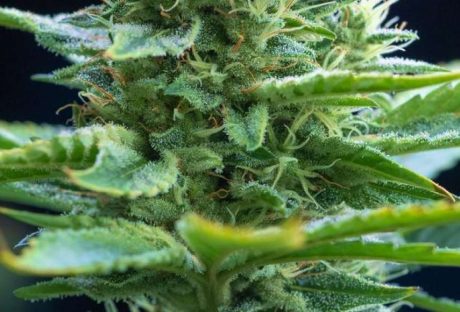
Terpenes, which are among the most prevalent substances in the natural world, are also found in the cannabis plant.
The majority of plant and certain animal molecules smell because of terpenes. However, some may also have comparable effects to cannabinoids in the body's endocannabinoid system. The primary distinction is how these substances are absorbed and used by the body.
Effect Of Tarpenes
Image Source: maggiesfarmmarijuana.com
Since many terpenes are bioactive, they could have an impact on the body. Depending on the terpene concentration and the user, this impact will change.
Terpenes are the primary component of many essential oils. In addition, they are crucial to many alternative therapies, including aromatherapy since they give off strong scents. A person's mood and stress levels may be affected by the aromas of particular plants and essential oils when inhaled.
Some individuals think that terpenes will influence or improve the high that comes from cannabis use. Marijuana terpenes increase or modify the effects of THC and CBD in the body - known as the entourage effect.
Types Of Tarpenes
There are various types of terpenes. Here, I have given brief descriptions of some of the most popular ones.
1. Limonene
Image Source: medicalterpenes.com
Most individuals can identify the ubiquitous terpene limonene by its aroma. The zesty scent of the rinds of fruits like lemons and oranges is due to limonene, as its name indicates.
Limonene appears to alter the behavior of some immune cells, which might shield the body from a variety of diseases. People can safely use limonene as a supplement.
2. Pinene
Image Source: cannabisaficionado.com
Another common terpene found in nature is pinene. A-pinene and b-pinene are the two varieties of pinene. Numerous plants, such as pine needles, rosemary, and basil, all contain pinene, which gives them their fresh, vibrant aroma. Additionally, pinene may have certain medicinal advantages.
Shinrin-yoku, which translates to "forest bathing," is a Japanese treatment that entails taking slow strolls through the forest to take in the sights, sounds, and scents. There may be protective and healing benefits of Shinrin-yoku on the physiology and psychology of an individual.
3. Linalool
Image Source: leafly-cms-production.imgix.net
The lavender plant produces the most linalool, which gives the bloom its distinctive aroma. One of the most crucial elements in aromatherapy is linalool, which is what gives lavender or its essential oil a relaxing effect on many individuals.
Although linalool does seem to have an effect on the body, further research is needed to determine how individuals might use it to improve their health.
4. Myrcene
Image Source: chronictherapy.com
Terpenes like myrcene are frequently found in plants including thyme, lemongrass, and hops. The cannabis plant's flowers also have Myrcene.
A potent antioxidant, myrcene. According to one study conducted on mice, myrcene may aid in preventing brain oxidative damage after a stroke.
Another mouse investigation has discovered a comparable protective effect of myrcene on heart tissue. Myrcene may be a helpful alternative therapy for ischemic stroke, according to the study.
Myrcene appears to have an anti-inflammatory impact and may stop the destruction of certain cartilage cells in a cell model of osteoarthritis, it was reported. This could make it effective in treating osteoarthritis.
5. Beta-Caryophyllene
Image Source: d1vo8zfysxy97v.cloudfront.net
Many plants and vegetables, including cloves and black pepper, contain beta-caryophyllene.
Beta-caryophyllene, like other terpenes, may have an anti-inflammatory impact on the body that may lessen discomfort in certain people.
Beta-caryophyllene decreased discomfort from inflammation and nerve pain in animal research. Because the body didn't appear to be acquiring a tolerance to these effects, the researchers speculated that this analgesic and anti-inflammatory impact would be helpful for treating long-term chronic pain.
6. Humulene
Image Source: 2fast4buds.com
A vital component of the hop plant is humulene. We might also find it in other plants like ginger and clove.
Terpenes, such as humulene, may have the ability to prevent allergic responses and asthma, according to one research. Humulene decreased allergic airway inflammation in animal models. This could make it a valuable substance for future all-natural asthma therapies.
According to a different study, humulene might protect certain cells. This safeguarding function could prevent cancer. To support these assertions, further research on the effects of humulene is required as this is only early data.
Frequently Asked Questions (FAQs):
Many people (especially stoners) have various questions regarding the use of Tarpenes. Here are my answers to their queries.
Q1. What Do Terpenes Do For You? Ans: The consumption of tarpenes has various medical and psychological effects on our bodies. Some of the most commonly observed properties are:Reduces growth of cancerous cellsIt has antihyperglycemic propertiesImproves the immunity system to fight against microbes like fungi and virusIt can act as an analgesicIt has several anti-inflammatory propertiesParasites are weak against terpenes Q2. Is Terpene A Steroid? Ans: A Tarpene is not exactly a steroid. However, many researchers have related them to steroids because of the similar chemicals present in both. These chemicals have proven to impact our metabolic system to an extent, similar to steroids. Q3. What Do Terpenes Taste Like? Ans: The taste of tarpenes differs from each strain to strain. While terpenes have the natural fragrance and taste of cannabis, the fruit it’s derived from also adds to the taste.
Conclusion
A tarpene is a substance or a compound that gives plants theory unique smells and flavors. Every plant has their own unique terpene. However, most people every day refer to terpenes being present in cannabis, giving it its “euphoric” properties, taste, and aroma.
Read Also:
Is Health Care A Good Career Path?
How To Make Your Own Cannabis Topicals?
8 Awesome Health Benefits Of Dark Chocolate
Do you know why insomnia takes place?
This can happen for many reasons, including unnecessary stress, work pressure, bad health habits, and otherworldly affairs.
Not only that, specific life trauma or incidents like the death or the illness of someone close, married life complications, or even job loss. All these can lead to insomnia.
Sleep plays a vital role in developing your brain and body. It also helps to repair any damaged cells or blood vessels. On the other hand, insomnia or sleeping disorders can deteriorate your body and increase heart attack and stroke risks.
So, insomnia is a condition where people suffer from inadequate or insufficient sleep. And it can turn out to be a real problem if not treated well.
In this article, I’ll illustrate the five magical ways you can deal with insomnia.
Ways To Defeat Insomnia- THE 5 GOLDEN RULES
When life throws you problems, don’t waste your time focusing on the issues. Instead, put your complete attention on achieving the solutions.
Insomnia is a challenge that might try to kneel you down, but through this article, you’ll be getting all the tactics to deal with it in a more innovative and more effective way.
1. Don’t Change Your “Wake Up” Routine
If you are reading this article now, make sure to follow this step. NO MATTER WHAT!!!!!
I know many of you might be wondering, “Do I have to wake up early even during my desired weekends?”
-The answer is ‘YES” if only you want to get rid of insomnia!!!
It can be a tough job, I know, but you need to go through cuts and burns if you want to achieve something.
The reason you must sacrifice your habit of staying late in bed even during your weekends is because you must bring yourself to a routine where you will always have a consistent sleep and waking time.
When you have mastered this technique, you’ll notice that your sleeping disruptions just magically vanished.
2. Wave Goodbyes To Nicotine And Caffeine
If you love smoking cigarettes and drinking deliciously hot and strong midnight coffee, you just must quit it!!!
To heed goodbyes to insomnia, you first must learn to say goodbye to your smoking and caffeine intake addictions.
Caffeine can keep you up late for several hours, and trust me, it’s more than enough to disrupt the “complete sleeping cycle” yours.
It can also awaken you frequently from sleep, resulting in “poor quality sleep.”
Nicotine is also on the same side as caffeine. These, too, result in sleep deprivation!!!
When you smoke a cigarette, it stimulates the effect of nicotine. And this addictive drug can be highly responsible for insomnia. Most smokers take at least one cigarette before going to bed.
And this can have a significant impact on your sleep. So, it will the “golden achievement” of your life if you can quit these habits for good!!!!
3. Cut Down Unnecessary Naps And Increase Exercise
I know naps can refresh your mood. And a few hours of extra sleep can make you feel more energetic. But these naps are also one of the main reasons for sleep disorders.
And do you know why?
This is because napping affects your sleeping patterns. For instance, you are habituated to sleeping at night when the lights are turned off, and it’s quiet. Therefore, your mind knows it’s nighttime, and you have to sleep.
On the other hand, while taking naps, there are no such scenarios where it’s dark and quiet, and even the place where you sleep might be different like you are taking a nap on a couch or sofa. So, the mind eventually disrupts your sleeping pattern because it’s not your regular bedtime.
Undoubtedly, exercise keeps you fit and healthy. But did you know that it also helps you to restore the proper balance of your sleep?
-Yes, exercises help you to get rid of insomnia!!!
But you need to make sure not to perform any exercise immediately before you go to bed. Instead, try to finish it at least two to three hours before going to bed.
4. Make Sure To Be Comfortable And Discard All The Worries When Going To Bed
The environment you are in has a tremendous impact on your sleep. By environment, I mean to say the “place your sleep.”
To have a good sleep, you need to have a mild temperature, a comfortable bed, and no lights should be turned on while you are sleeping. If you have pets, don’t keep them in your room if they make noises at night.
And one of the most essential “golden rules” that you need to keep in mind is “not to sleep with loads of stress in your head.” Stress is temporary, but it can make insomnia permanent.
When you are in bed, discard all the negative thoughts out of your mind. Sleep is like a prayer, and you don’t want any distractions while praying!!!
Stress therapies and methods you can use to have a quality sleep include taking deep breaths, meditating, and many more.
5. Light Therapy Combats Insomnia
LED light therapy or Bright light therapy can also be a cure for sleeping disorders.
This therapy is famous for its ability to reduce depression, stress, and also insomnia.
If you are not getting enough natural light (which is very common among people nowadays), sleep deprivation can occur.
What light therapy does is imitate the light of the sun and helps to improve the circadian rhythm of your body. This light comes out of a box, and different light therapy boxes have additional features.
Make sure to use it for at least 15 to 30 minutes every morning and maintain this routine, and you’ll see drastic results.
Whenever you take a light therapy device, always seek the assistance of a professional doctor as he knows the suitable device for you.
I hope this article will help you know the ins and outs of the 5 ways you can deal with insomnia.
When Do You Need Therapy?
There’s a difference between a bad couple of nights and chronic insomnia. If you can’t seem to get yourself sleeping better even after trying all of the tweaks, then you need some medical intervention.
Especially when you are changing your routine (waking up at the same time every day), eating the right food (no caffeine), exercising, etc.
It is therapy that will be key for getting at the root causes if your sleep issues are more related to stress, trauma, or anxiety in nature. So when does that cross from having an unrewarding few days into something bigger where you should consider this?
Be More Self-Aware
First, ask yourself this question.
Just how long has insomnia been a problem for you?
If it’s been longer than a few weeks and you see no signs of improvement in your sleep quality, that’s not a good sign. Also, pay attention to the overall effect on your daily functioning.
Are you perpetually tired all day, unable to concentrate, or becoming easily irritated?
If so, then it's no doubt starting to affect your mental and physical health; don’t deny it, embrace it.
Dealing With Constant Stress & Anxiety
Another good indicator is how much stress, worry, or anxiety you have about sleep.
Afterall, it is not just during the sleep time that you think about your insomnia. It is always!
Do you get worked up just thinking about going to bed because you believe ‘tonight is going to be another awful night of no sleep!’ – or are your thoughts such as…
‘If I don’t get to sleep in the next 10 minutes, the whole day tomorrow is going to be absolutely horrible’.
Mental exertion alone can be exhausting and only adds fuel to the insomnia fire.
That’s when short-term therapy may be helpful, breaking that mental cycle and having someone who understands what you’re going through, a patient.
Cognitive Behavioral Therapy for Insomnia (CBT-I) is one of the most effective treatments. With medication, you get a temporary fix, but CBT-I works to change the thoughts and behaviors that lead to insomnia. It helps you think about sleep differently and gives you tools to help with anxiety or stress that might be keeping you up.
Your Emotional Relationships
Let’s not forget the emotional side of things. In some cases, insomnia is tied to unprocessed trauma or grief. If you find that your sleep troubles seem to have begun after a traumatic life event or during a time of increased emotional turmoil, that could be a clue that talk therapy might help.
A therapist can guide you through the process of identifying and safely processing those emotions, so they stop interfering with your sleep and with your life in general.
In other words? If your insomnia is starting to cause secondary problems in your life, do yourself a favor.
Read Also:
Effects of Sleep Deprivation on Your Skin & Good Sleeping Habits
Ways to Sleep Well at Night as You Age
3 Health Advantages of Good Night’s Sleep
What are Popular Mind and Body Exercises Available at a Gym?