Published on: 11 March 2021
Last Updated on: 27 December 2024
The pandemic has been a woe for a few, while a blessing for others. Several restaurants closed down while others have been constantly bearing the brunt. However, during this time taking commercial kitchen on share or cloud Kitchens gained immense popularity as COVID-19 disrupted the restaurant industry.
So, What is a Cloud Kitchen?
Cloud Kitchens are famously known as delivery-only restaurants. They cater specifically to online orders placed through virtual delivery companies such as Swiggy and Zomato. Cloud kitchens bring with themselves the opportunity to conveniently reach a wider audience of foodies. Sounds simple right? Well, setting up your own cloud kitchen is as uncomplicated as its definition.
In this blog, we will specifically dig deeper into the licenses and essentials required to run a Cloud Kitchen.
1. Location:
Finding the perfect location for your cloud kitchen shouldn’t be a challenge considering you don’t have to take into account factors such as accessibility, design, and parking, among others. You can opt for a place that is close to your target delivery locations. In comparison to dine-in restaurants, location acts as a prime differentiator for bringing down the cost of investment.
2.Licenses:
Obviously, there is always a legal compliance requirement! Obtaining the apt licenses and certifications are important to conduct your business as well as provide customer satisfaction.
FSSAI (Food Safety and Standards Authority of India) :
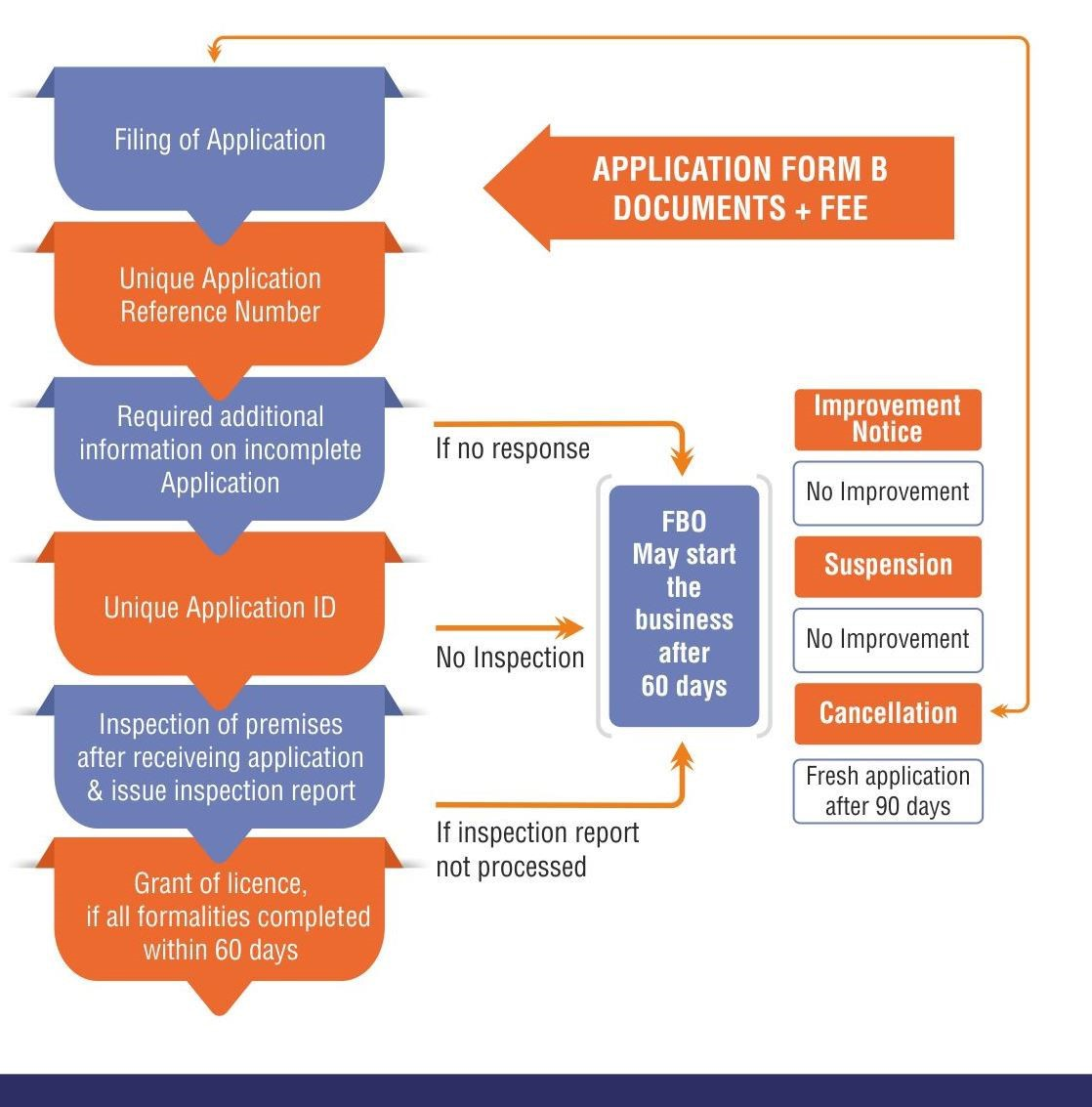
FSSAI Licenses are mandatory for every food business operator in India. This license ensures that the kitchen is maintaining the food safety standards of India. After you file your application for the same, an inspection of the premise is conducted. The license is granted within 60 days if the procedure is successfully completed. The cost for a new license ranges between Rs. 2000- 5000.
GST Registration:
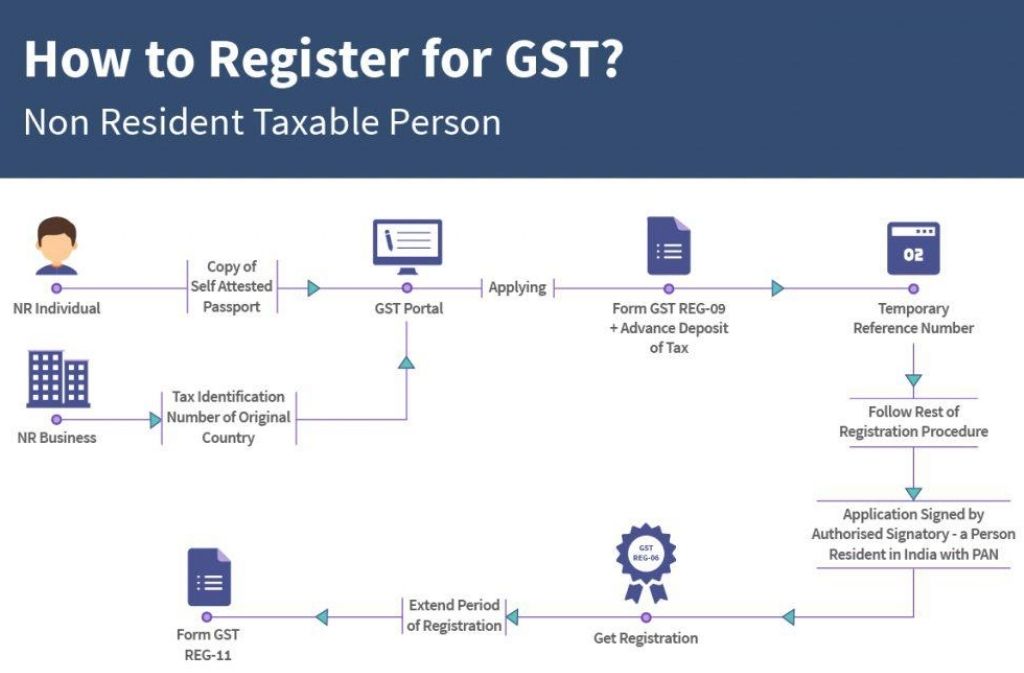
GST is levied on everyone dealing with the supply of goods and services across the country. In order for cloud kitchens to partner with food delivery platforms, they require a valid GST registration. GST Registration is required only if your aggregate turnover exceeds Rs.20 lakhs. At first, you need to file the enrollment form on https://www.gst.gov.in/. After which, you must submit the necessary documents and you will receive an acknowledgment number. The government does not charge any fees for GST Registration.
Shop and Establishment Act:
All commercial establishments nationwide come under the purview of this Act. You must file for this registration within 30 days of commencing your business. The registration certificate can be obtained by applying through the official website for your state. Registration fees for the same depend specifically on the location of the restaurant. It costs approximately Rs.1000 for a single registration in various cities.
Trade License:
Trade license allows you to start your cloud kitchen within a particular municipal limit. This helps in keeping up with public health concerns. Trade license fees include a fixed one-time payment along with renewal fees.
Fire and Safety License:
This license requires the kitchen owners to take precautions in case of the risk of fire. The license is issued within 7 days from the date of application. You can fill out the signup form and get started here- foodlicensing.fssai.gov.in
3. Restaurant Software:
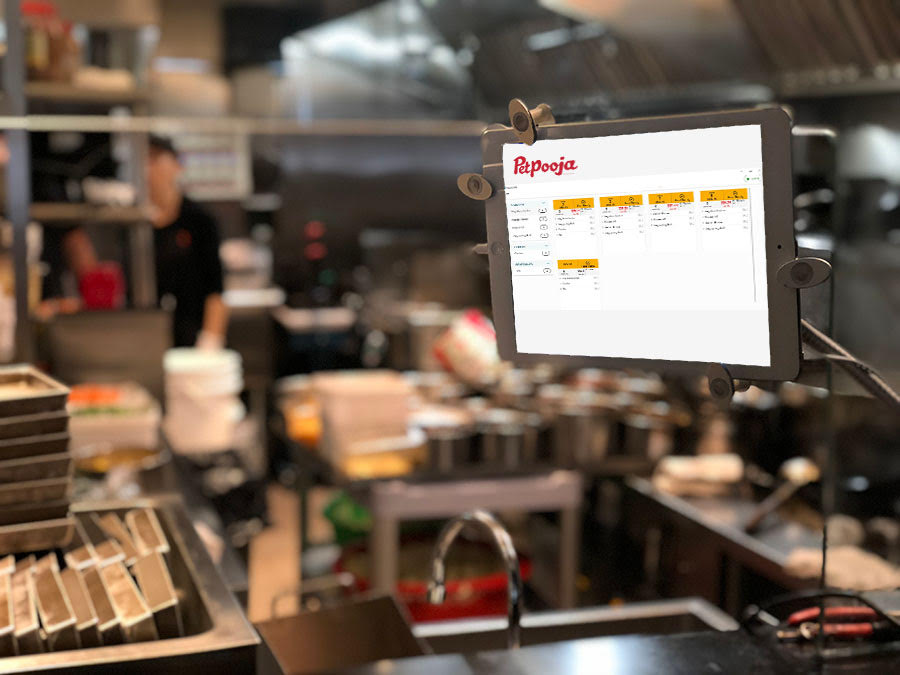
While running a cloud kitchen you ought to have a quick automated solution and smart technology. Petpooja’s cloud kitchen software is your one-stop destination for an efficient and user-friendly Point-of-Sale System(POS System). Having a restaurant POS system or a restaurant software aids in integrating online orders, inventory management, customer engagement, employee performance, and restaurant analysis. Given the current situation, it is integral for restaurants to set up their own POS System.
It goes without saying that setting up your own cloud kitchen with Petpooja is easy and convenient. Follow these 3 basic steps to set up your cloud kitchen and you are good to go. Reach out to us on 7046223344 or shivani.dad@petpooja.com for more tips and guidance. We would love to help you grow your restaurant business!
Read Also:
Content Rally wrapped around an online publication where you can publish your own intellectuals. It is a publishing platform designed to make great stories by content creators. This is your era, your place to be online. So come forward share your views, thoughts and ideas via Content Rally.
In an era where culinary delights seamlessly intertwine with the digital landscape, the art of ordering has transcended the confines of physical menus and phone calls.
As technology continues to redefine the way we savor our favorite dishes, this guide aims to unravel the intricacies of navigating restaurant websites with ease.
Join us as we explore the user-friendly avenues, innovative features such as AI website builders for restaurants, and the seamless convenience that these digital dining platforms bring to the table.
Get ready to discover a world where ordering isn't just a task; it's a delightful experience tailored to meet the cravings of the modern palate.
How To Make Your Restaurant Website User-Friendly
Creating a user-friendly restaurant website is crucial for providing a more seamless and enjoyable experience for your customers
Here are key steps, including a mention of how AI can contribute to enhancing user-friendliness:
Intuitive Navigation:
Ensure that your restaurant website is easy to navigate. Design a clear menu structure with well-labeled categories, and make it effortless for users to find information about your menu, specials, and contact details.
Mobile Responsiveness:
Optimize your website for mobile devices. Many users access restaurant websites from their smartphones, and a mobile-responsive design ensures that the site functions smoothly on various screen sizes.
High-Quality Imagery:
Use high-quality images to showcase your dishes. Visually appealing photos can entice customers and help them make informed choices. AI tools can assist in optimizing and selecting impactful visuals.
Clear Call-to-Action Buttons:
Place prominent and clear call-to-action (CTA) buttons for actions like ordering, making reservations, or signing up for newsletters. Make it obvious how users can engage with your restaurant.
Fast Loading Speed:
Optimize your website's performance to load quickly. Users are more likely to stay on a site that loads fast, and AI tools can help in optimizing images and other elements for speed.
Accessible Menu Information:
Make sure that your menu is easily accessible. AI can be utilized to implement features like voice search or chatbots, enhancing accessibility for users with different preferences or abilities.
User Account Features:
Allow customers to create accounts. This feature can expedite the ordering process for returning customers and provide a personalized experience. AI-powered systems can enhance user profiles with predictive suggestions based on order history.
Simple And Secure Checkout Process:
Streamline the checkout process. Keep the steps to a minimum, and ensure that the payment process is secure. AI-powered fraud detection tools can add an extra layer of security.
Feedback And Support:
Incorporate a feedback system and provide customer support options. AI-powered chatbots can handle common queries, providing instant assistance and enhancing the overall customer experience.
Integration With Social Media:
Integrate social media links and sharing options. This encourages customers to engage with your restaurant on various platforms and can contribute to the overall user experience.
Personalization With AI:
Utilize AI to personalize the user experience. AI algorithms can analyze user behavior, preferences, and order history to provide personalized recommendations, creating a more tailored and engaging experience.
Regular Testing And Updates:
Continuously test your website's functionalities and gather user feedback. AI tools can assist in analyzing user data to identify areas for improvement and enhance the overall user experience over time.
By focusing on these aspects, you can transform your restaurant website into a user-friendly platform that not only attracts visitors but also keeps them coming back for a delightful dining experience.
AI, in particular, can be pivotal in optimizing and enhancing various elements to ensure a smooth and enjoyable user journey.
Simplify Your Digital Dining: Ordering Made Easy With AI
By embracing intuitive navigation, mobile responsiveness, and the power of AI-driven personalization, your restaurant website becomes a digital extension of the culinary experience.
As you embark on this journey, remember that continual improvement and adaptation to customer needs are key.
Ready to elevate your restaurant's online presence and create a user-friendly platform?
Learn more about harnessing the potential of AI and other cutting-edge tools to transform your website into a digital haven for food enthusiasts and curious diners alike.
Read Also:
How Restaurant Space Landlords Can Be Successful
6 Tips to Maximize Refrigerator Use in Your Restaurant
Every business strives to have its profitability and efficiency go through the roof; however, not too many actually succeed. This can be due to any number of reasons, so finding out what needs to change or where you can easily make amendments is an essential first step to getting your business on track for a successful future.
#1 Reducing Costs Within Your Business
A lot of businesses are spending unnecessary chunks of their budget in areas that they simply don’t need to. This can be overstocking on stationery or product components or even just paying too much for utility bills, which can be swapped and adjusted.
Taking a closer look at your outgoings may have you quickly realizing that you are paying for products and services that your business doesn’t even make use of due to annual subscriptions not being canceled.
#2 Increasing Turnover And Customer Interest
You have no doubt spent ages wondering how to increase your turnover or generate more customer interest in your business and your products - and of course, in most circumstances, these go hand in hand.
Carrying out research on what your target market is really looking for and then moving your business to fill the gap can be a good move. However, if you are not able to reach those customers due to not making your products available on the right platforms, you will still be pretty much in the same position.
#3 Increasing Productivity Amongst Your Workforce
Having slow or disengaged employees within your workforce is not good for business as it will reduce the productivity of all the others. However, you may find that these employees are feeling this way because they do not feel valued or appreciated in their current job roles. You may be able to change this scenario by addressing these issues and striving to make your business a pleasant and happy place for everyone to work - while showing all of your workers that they are more than just an employee number on the payroll.
#4 Ensuring Efficiency Throughout Your Business
Once you have addressed any moral issues, you are likely to find that productivity increases. However, you can further aid this by making their routines more efficient. This will entail documenting and applying task-specific procedures for each job within your business.
It means your business will have a level of continuity as each member of staff will approach their roles in a similar manner and be able to work through each job in a structured and predesigned procedure. This will help to eliminate errors, improve task timings, and create a sense of uniformity amongst your employees.
#5 How To Know Which Way To Turn
One of the most accurate methods of finding where you need to make improvements is by collecting relevant data. This is not a task you should undertake yourself, as it requires skill and the right technology, which not all businesses have enough funding for.
However, this doesn’t mean that you should move away from the concept of being able to assess your business in this way. Using a well-equipped and highly experienced data science services company will also be able to provide you with the answers you crave, as well as be able to offer guidance and advice by acting as consultants, trainers, or even support for your onsite analysts.
A Few Final Thoughts
Knowing where to make your business improvements is only the start. However, it is vitally important to know which areas you need to concentrate on to create the results that you desire. Having the right kind of support can help you achieve this and can save your business time and money on false starts or improvement ideas that simply do not work.
Read Also :
10 Top-Notch Tools To Improve Your Business Writing Skills
5 Affordable E-Commerce Shopping Carts For Small Business
What Are The Benefits Associated With Crowdfunding For Businesses?
From the perspective of the customer, there’s an overwhelming amount of choice in any given industry. Business competition is a tough realm, and there’s no easy way to get there. Whenever one person needs a product or service, they’re immediately going to be presented with multiple possible options.
If you’re in business yourself, this makes your job very difficult. You might have a product or service that you’re very proud of. But how are you going to convey this to your audiences if you can’t even stand out from your competitors? Addressing this problem can help you to take the impression that keeps people coming back time and time again.
Your Values
This is a chance to connect with your customers on some level. Moreover, that’s something that you might do by sharing values with them. People might be skeptical of business values; after all, isn’t a business just there to make money?
However, if your business is also shown to be sympathetic to issues such as environmentalism or social equality, you might find some common ground that helps your audiences to relate to you on a deeper level, which can help to build a personal connection.
Finger On The Pulse
Maybe what helps your business to stand out is the fact that, no matter what, your brand seems to inexplicably understand what the customers want. Perhaps they aren’t even aware of the existing business competition.
Digital media services can help you to accomplish exactly that—understanding your brand and your audiences to an extent that has you refining your marketing and your approach to the point where what you’re offering always seems to be just a cut ahead of everything else on the market.
Your Brand Identity
What might be most intriguing to prospective customers is a brand that doesn’t just feel like another typical option. In this regard, the question of quality doesn’t even necessarily come into it, it’s all about personality.
Personality can’t guarantee a positive experience, of course, but it does mean that you grab the attention of your audience, and that gives you a chance to let them know why they should choose you.
That said, your personality has to be carefully manufactured—it needs to be relevant and consistent, and being obnoxious just to grab attention might be a tactic that backfires further down the road.
The Product Is The Business Competition Itself
The product is far from irrelevant here, though, and it might be that this is exactly what you need to stand out (or your service if you’re not offering a physical product). What you do is unique to you, regardless of whether it’s the norm for your industry.
What distinguishes your product from what your competitors are offering? Why does it matter to your customers? You need to convey this information and getting to the point where your product is synonymous with your brand is a point where you’re known for offering the industry standard. It is something that is as powerful a marketing tool as you can hope to encounter.
Read Also:
Brand Ambassador Application – How to Find a Brand Ambassador
The 7 Steps to Create a Storybrand to Ensure Marketing that Works
5 Factors To Consider When Hiring A Branding Expert For Your Business














 While running a cloud kitchen you ought to have a quick automated solution and smart technology. Petpooja’s cloud kitchen software is your one-stop destination for an efficient and user-friendly Point-of-Sale System(POS System). Having a restaurant POS system or a restaurant software aids in integrating online orders, inventory management, customer engagement, employee performance, and restaurant analysis. Given the current situation, it is integral for restaurants to set up their own POS System.
It goes without saying that setting up your own cloud kitchen with Petpooja is easy and convenient. Follow these 3 basic steps to set up your cloud kitchen and you are good to go. Reach out to us on 7046223344 or shivani.dad@petpooja.com for more tips and guidance. We would love to help you grow your restaurant business!
Read Also:
While running a cloud kitchen you ought to have a quick automated solution and smart technology. Petpooja’s cloud kitchen software is your one-stop destination for an efficient and user-friendly Point-of-Sale System(POS System). Having a restaurant POS system or a restaurant software aids in integrating online orders, inventory management, customer engagement, employee performance, and restaurant analysis. Given the current situation, it is integral for restaurants to set up their own POS System.
It goes without saying that setting up your own cloud kitchen with Petpooja is easy and convenient. Follow these 3 basic steps to set up your cloud kitchen and you are good to go. Reach out to us on 7046223344 or shivani.dad@petpooja.com for more tips and guidance. We would love to help you grow your restaurant business!
Read Also: