










How To Care For Your Eye In 5 Medically Proven Ways
Published on: 15 April 2021
Last Updated on: 30 December 2024
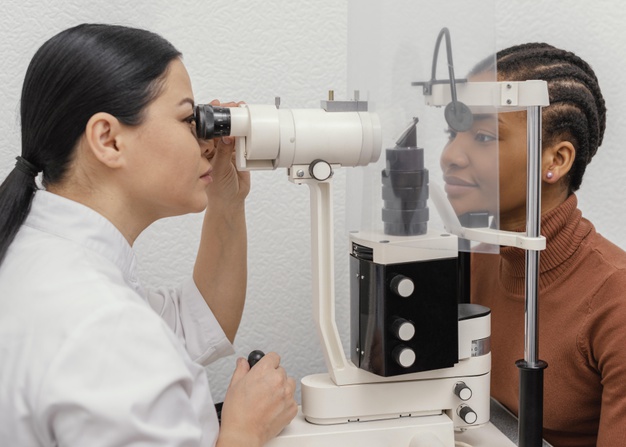
Every year millions of individuals experience eye problems. There are some issues that result in permanent vision loss, whether some can be corrected with the help of glasses or contact lenses.
Research says that between the years 2010 and 2050, the number of individuals with eye diseases will double. And those eye diseases include glaucoma, diabetic retinopathy, cataracts, and AMD or Age-related Macular Degeneration.


Popular

Technologies For Creating A Startup Idea
20 Feb 2023

How to Download Facebook Videos on Android?
07 Feb 2019

7 Rules of Effective Ecommerce Web Design
28 Jan 2021

Why Are Online Transactions Convenient?
07 Dec 2023

Recent


Related
Self-Care Deficit Nursing Theory In Adult Gerontology Nursing
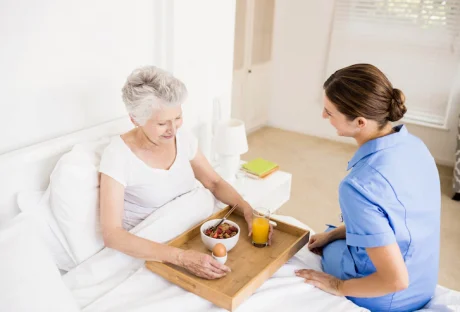
Any Adult Gerontology Nurse Practitioner (AGNP), or individual considering moving into this booming area, will probably be aware that it involves more than supporting patients through short term illnesses or meeting their needs in a hospital or nursing home. As a rule, the older a patient gets, the more likely they are to experience chronic health complications which interfere with their day-to-day tasks. For much of history, such patients were written off, encouraged to take to their beds and be supported entirely by others, doing very little. They often didn’t live very long. But all that changed on account of one remarkable nurse, Dorothea Orem, whose legacy continues to shape the nursing profession today. This article examines her groundbreaking self-care deficit theory and looks at how AGNPs might use it for their nursing career. Dorothea Orem Dorothea Orem was born in Baltimore in 1914 and studied nursing in the late 1930s. This was a time when nursing schools were still a new phenomenon and there was a lot of experimental thinking in the nascent profession. Though she spent time on the wards as a staff nurse, she also worked as an administrator and consultant over the course of her career, spending her later years focusing on theory. A naturally focused and attentive person, she soon began recording observations about the patients she worked with, leading to her self-care deficit theory of nursing, for which she strongly advocated for her entire life. It was theory which, in its early years, transformed the way nurses thought about patients and their duties. It laid the foundations for nursing today. Universal Self-Care Requisites Orem’s theory recognizes eight universal self-care requisites, or SCRs. Here, universal refers to things every human needs, regardless of circumstance. Air is needed for respiration. Water is needed to maintain a healthy level of hydration. Food is needed to maintain healthy energy levels and prevent starvation. Elimination or toileting, a polite way of referring to the expulsion of urine and feces from the body, is required too. In addition to these four things, Orem posits that every patient needs a balance of physical activity and rest. Everyone needs social interaction, but also some alone time. People need to manage their lives to avoid or remove hazards, and, finally, they need to promote normality. This means that they need to achieve and maintain a way of living and relating to the world which is normal for them as individuals and does not involve psychosis. Health Deviation Self-Care Requisites When patients are recovering from injury or illness, or living with a chronic illness or disability, they can be described as experiencing a health deviation. This is not pejorative – it simply establishes that they differ from the norm. Health deviations are more common in older demographics, as they have additional self-care requisites. These requisites include following doctors’ instructions (taking medicine on time), identifying problems caused by their conditions and attending to them effectively (sitting down until a dizzy spell passes), and knowing when and how to seek help from a caregiver or healthcare professional. It is also important that these patients can understand and accept that their bodies have changed and can adjust psychologically to cope with it. What Is A Self-Care Deficit? A self-care deficit occurs when people are no longer able to carry out basic tasks. This can be because a disability makes them physically impossible to perform, or a number of other reasons. For example, some people get so overwhelmed by the way their bodies have changed that they stop trying to live. This doesn’t mean that they don’t deserve sympathy – it is an understandable response to an extreme situation – but it might mean that there is potential for improvement. For some people, self-care deficits are permanent or are likely to worsen due to progressive illnesses. For others, however, they can be temporary, even in extreme old age. Self-care deficits stemming from a broken arm, for example, will normally dissipate after the arm heals, but this is less likely if the patient has learned to feel helpless in the meantime. Assessment, Diagnosis, And Implementation When using Orem’s theory, nurses have three steps to work through. The first is undertaken during the initial assessment of a new patient and involves identifying any self-care deficits. These are not always obvious from looking at a patient and the process may require gentle but persistent questioning. Some people may be embarrassed and hesitant to talk if they are unable to care for themselves. The second involves full diagnosis of the deficits, including establishing causes. The third step is to draw up a treatment plan based on these diagnoses. In her work, Orem stressed the importance of recognizing that every patient is a unique individual, so there is no one-size-fits-all approach to this type of planning. In each case, AGNPs will need to work with the patient to establish the most effective way forward. Five Ways Nurses Can Help There are five strategies nurses can use to address self-care deficits when establishing patient care plans: For the most severely incapacitated patients, it may be necessary to perform actions on their behalf, such as washing or dressing them. Patients struggling mentally or who lack confidence can be guided through actions, ideally to the point of independence. Patients can be taught new ways of approaching day to day tasks which make them easier to accomplish, such as taking a break to have a shower in the afternoon if it is too hard to find the energy at other times. AGNPs can focus on the patient’s environment, making it easier for them to carry out self-care activities, such as suggesting kitchen gadgets to reduce the physical effort involved in preparing meals. Finally, AGNPs can train a family caregiver to provide appropriate support. These five strategies involve numerous actions, skills, and tools that nurses can use. Patients may need particular assistance with the following tasks. Helping With Eating Patients should always be encouraged to do as much for themselves as is reasonably possible. When it comes to eating, nurses should start with encouragement. Many older people lose their appetite and don’t feel motivated to eat, especially when it requires effort. So, an AGNP can point out that they have more energy when they manage to eat regular meals. If the patient can get food to their mouth by themselves, nurses should resist the temptation to assist, even if they sometimes drop the food. Instead, nurses can reassure them that this is not uncommon and all they need to do is take a little more time. Nurses should also be alert to the possibility of choking issues and arrange X-rays if concerned. If some food proves difficult to eat, they can discuss the possibility of dietary adjustments. Helping With Toileting Nurses should reassure patients that, awkward as they may feel, there is nothing to be embarrassed about. The nurse must ensure they can transfer on and off the toilet safely and consider options like raising the height of the seat or installing grab. If there is a risk of falling, AGNPs may suggest bedpans for use when no caregiver is present. If adult diapers are needed, nurses should ensure that patients know how and when to change them (even if they are not soiled) and how to protect their skin against rashes or bruises caused by wearing them. Finally, nurses can also discuss medical options for softening stools or speeding up or slowing down digestive transit. Helping With Dressing And Grooming A balance must be struck between helping patients be more independent in dressing and grooming themselves and enabling them to maintain a style or standard of appearance that is natural for them. Some older men prefer to be clean shaven but end up growing beards because it is easier to trim a beard than it is to shave safely and neatly, for example. Some clothing options can be easier to get into than others, depending on a patient’s particular mobility difficulties. Simple devices such as a stick with a hook on the end can make adjusting the back of a garment or doing up a zip much easier. Nurses should pay particular attention to footwear to make sure patients can stand or walk safely. Reducing Hazards Whether a nurse is helping a patient to move around and complete self-care tasks in a hospital ward, a care home, or their own home, they must always pay attention to hazard prevention. Hazards can include mess, a layout created without regard for disability, or other people or pets moving around. Nurses can start by ensuring that the patient is aware of the risks and can recognize dangerous situations. They should discuss simple measures like installing handrails or changing routines to make it easier to keep the area tidy. Nurses can also ensure that the patient can summon help if something goes wrong, by persuading them to install an alarm system or carry a charged mobile phone at all times, for example. Care With Communication Often, older patients who have self-care deficits also have difficulty with communication, whether due to physical or cognitive disability. Depending on their lifestyle in recent years, they may also be unfamiliar with modern technologies, but shy about admitting this. It is important for nurses to make sure that when they are addressing issues around essential needs, the patient understand them properly and vice versa. It can be helpful to use pictures in communication, which are often available in support materials. When meeting a patient in the place they are going to be living, the nurse and patient can explore it together (in stages, if necessary) so both parties can directly identify issues. Seeing Each Patient As An Individual An essential tenet of Orem’s theory is that patients must be treated as individuals. This increases the chance that they will stick to treatment plans, as well as directly improving their psychological wellbeing. Any nurse that’s interested in Orem’s theory and is considering joining this field will be looking into gerontology nurse practitioner programs online. The best courses place a lot of emphasis on adaptability and on learning how to manage different types of patients in different environments. The program at the University of Indianapolis, for example, encourages students to develop the patience and listening skills essential to getting to know patients and making them a part of the process. This communication and relationship building is essential to developing plans which will really benefit patients over the long term. The course at the University of Indianapolis is an eight-semester program designed for working nurses, involving part-time study and an intensive clinical placement. The Nursing Profession Continues To Benefit Thanks to Orem and her self-care deficit theory, patients are no longer left to waste away as they begin to struggle with old age. Generations of nurses who have practiced this theory have observed that, even in later life, patients can often improve and regain their self- care abilities with the right support. Advances in assistive technologies continue to make this even easier. The right support, focused on facilitating and encouraging independence, enables seniors to go on living satisfying lives on their own terms for much longer. Even when they need extensive practical support, giving them more control helps to maintain their morale and ability to navigate the final chapter of their lives. In the process of providing this support, AGNPs also get what they really want; to see their patients thrive, no matter what they must overcome to achieve it. Additionals: 8 Awesome Health Benefits Of Dark Chocolate Psychedelic Therapy for Mental Health Conditions How Does Children’s Health Impact Parental Lifestyle?
READ MOREDetails
10 Health Problems Eased by Yoga
Yoga originated over 4,000 years ago as a spiritual practice. Over time, however, health and wellness experts have found that there are many physical benefits as well. Now, yoga is as much of physical practice as it is a spiritual one. While yoga is not a substitute for traditional healthcare, as a compliment, it can help ease symptoms associated with a variety of health problems. According to the National Center for Complementary and Integrative Health (NCCIH), people are increasingly using yoga to relieve pain, anxiety, stress, and to improve their overall health. So what are the health problems that yoga can help with? Put together by a Portland yoga studio, let’s take a look at 10 health conditions that researchers show yoga can ease. 10 Health Problems Eased by Yoga 1. Chronic Stress: Practicing yoga may be helpful in relieving chronic stress. A regular yoga practice can reduce your stress response and provide options for self-soothing and better management of stress. 2. Anxiety: A study in the Journal of Preventative Medicine shows that yoga can help reduce the symptoms of anxiety. When used alongside other treatment methods, it is helpful in reducing anxiety and helping patients manage their symptoms. 3. Heart Health: Practicing yoga has been shown in studies to reduce the risk of heart disease. When practiced as part of an overall healthy lifestyle, yoga can be used to improve heart health and reduce the risk of dangerous diseases. 4. Brain Health: Practicing yoga could be beneficial in improving brain health. Researchers report that people who practiced yoga for 14 years had thicker brain tissue in the areas responsible for memory and attention than their peers. 5. Chronic Back Pain: People who suffer from chronic back pain may find some relief through a regular yoga practice. Research shows that yoga can reduce back pain and improve mental health in people with chronic pain. Researchers note that yoga and other stretching exercises are both beneficial in this way. 6. Improve Balance: Yoga is a great way to improve balance. This is important, especially for older adults. Some studies suggest that a regular yoga practice can reduce the risk of falls in older adults. This is a promising option for older adults to get low-impact and meaningful exercise. 7. Thyroid Function: Research in Medical News Today suggests that stress can lead to improper thyroid function. Fortunately, practicing yoga can reduce stress, which in turn, helps improve thyroid function. Research is ongoing, but studies suggest yoga could potentially help ease medical conditions like hypo-and hyperthyroidism. 8. Diabetes: Research in the Journal of Clinical and Diagnostic Research shows that a regular yoga practice can reduce blood glucose (blood sugar) levels. For people with Type 2 diabetes, not only could they lower their glucose levels naturally, but they also may be slowing down progression of the disease. 9. Atrial Fibrillation: Atrial fibrillation is a heart condition where the upper chambers of the heart don’t contract as they should. This can cause symptoms like dizziness, palpitations, and shortness of breath. It also increases the risk of heart failure. Research shows, however, that practicing yoga at least twice weekly can improve symptoms. When added as part of a regular treatment plan, yoga can help improve heart function and manage stress. 10. Boost Immune System: Health conditions related to chronic stress account for 60 to 80 percent of all visits to primary care doctors. Several studies now show that practicing yoga can reduce stress, and as a result, also reduce the symptoms caused by it. Chronic stress and illness weaken the immune system, but a regular yoga practice could be the key to naturally averting some of these illnesses. As you can see, there are many benefits to practicing yoga. The next time you talk to your doctor, ask him or her about the possible benefits of adding yoga to your treatment plan. Is Yoga Enough Exercise? Yoga can be enough of an exercise, especially if you're looking to improve flexibility, balance, and strength. In fact, if you do it right, it helps build core muscles and tones the body while promoting relaxation. But if you have intense cardio or muscle-building goals, it might not be enough. In that case, coupling yoga with other cardio or muscle building exercises is the best way to go. Is 10 Minutes of Yoga Good? First, you must understand that building a yoga routine takes time. Therefore, you should begin with a ten-minute routine. So, yes, even if you only have 10 minutes, yoga can help you feel better, more flexible, and less stressed. It’s perfect for a midday break or to start your day on the right foot. Regular work in small doses adds up to big improvement. Yoga After Delivery? Yes, you can.... but....not right away! On the safe side we recommend waiting at least a few weeks after delivery to start yoga but it depends on the recovery. Post delivery yoga should focus on breathing & stretching lightly. Do not try to move your body too much! Yes, you won't be too flexible at that time (even if you do yoga beforehand). It is normal! Note: Please consult your doctor if your body is ready for physical activity & then only get back to regular yoga. What Yoga is Appropriate When Pregnant? Prenatal yoga is a type of yoga class that is specifically designed for pregnant women. Prenatal yoga classes are usually gentle and focus on breathing and relaxation techniques. If you’re pregnant, use our prenatal directory to find a prenatal yoga, then drop into a class. Finally: Can Yoga Help with Anxiety? Yes, yoga is great for anxiety! Yoga uses conscious breathing and movement to induce relaxation and calm the mind. Over time, this practice lowers stress hormones—making it an effective natural treatment for anxiety disorders. But both yoga and other forms of treatment are needed for optimal mental health benefits. However, over time, you must build consistency. You cannot do yoga occasionally for a month and expect a change. If you want to see some difference, whether physical or mental, you will have to keep going. Read Also: How To Live Stress-Free Effects of Anxiety on Heart Disease 5 Ways To Get Healthier In The New Year Some Famous People Who Have Battled with Depression 10 Tips on How to Ditch the Stress and Start Living a Peaceful Life
READ MOREDetails
How To Choose The Right Hair Transplant Clinic For You
As per ISHRS, 87.3% of patients who have taken hair transplants are men. That indicates millions of people suffer from this issue. Hair transplant surgery helps people to restore the hair in the bald area. If you want to know more about this, go through the blog. We will discuss the factors that you have to consider while taking a hair transplant at any clinic. In this blog, we will give you proper guidance to choose the best London hair transplant clinic. What To Check Out One of the most crucial factors to consider when choosing a hair transplant facility is the surgeon's qualifications and experience. Finding a board-certified surgeon with a track record of effective hair transplant. It will be ideal if you take a hair transplant at a clinic like Mittal hair clinic. You can see all of their documentation on their official website. Documents such as a copy of their license or completion certificates. So take a hair transplant by assuring yourself in all aspects. Additionally, search for a surgeon open to talking with you about your expectations and the potential hazards of the treatment and who has expertise in performing the hair transplant procedure you are thinking about. You should enquire about the surgeon's experience and check their credentials. Most clinics will offer feedback from previous patients who have had successful hair transplants. It would be beneficial if you ask him/her about the number of surgery they performed. Establishing Your Budget Depending on the surgery type and clinic you select, the hair transplant cost can vary greatly. A few hundred to thousands of dollars may be spent on the procedure. It's crucial to research the various clinics and compare their costs to determine the overall expense. The sort of hair transplant you are interested in should also be considered because it can affect the cost of the treatment. The price of any post-procedure aftercare that may be necessary must also be taken into account. This can entail medication, follow-up sessions, or extra therapies to guarantee the best outcomes. Ask the clinic if they offer any payment plans, which might help you spread the cost. Making Sure You're Comfortable And Safe Choosing a hair transplant clinic with a spotless and well-stocked facility is crucial. Find a clinic equipped with the most recent technology and a welcoming and pleasant atmosphere. Additionally, the facility should have a team of qualified experts to address any queries you may have. As this will guarantee the greatest results, you should also enquire about the equipment utilized for the process. The clinic must have the most up-to-date technology to guarantee that the surgery is carried out successfully and securely. Read Also: The Connection Between Melatonin And Hair Loss Pre And Post-Care The standard of pre-and post-operative care matters when selecting a hair transplant center. Find a clinic that provides thorough post-operative treatment and assistance. This guarantees you the best outcomes and that any potential issues are dealt with immediately. Detailed advice on how to take care of your hair following the treatment should also be given by the clinic. This includes suggestions on how to style and wash your hair and any medications or treatments necessary to get the best outcomes. The clinic needs to offer suggestions for reducing the possibility of infection and scarring. Choosing The Best Option For You Choosing the correct hair transplant clinic is crucial for the best outcomes and to prevent any issues. Expert haircuts and grooming services in Barbers Fitzrovia. Experience the art of barbering with our skilled professionals. They guarantee that you achieve your goals and experience the procedure in comfort and safety. With the correct knowledge and investigation, you may locate a clinic that will assist you in achieving your goals. Read Also: How To Spot Hair Loss Early How Can You Let Your Hair Regrow Naturally? 6 Proven Ways to Deal with Hair Loss for Women
READ MOREDetails