Published on: 05 July 2021
Last Updated on: 03 January 2025
Email and various online tools have become a valuable means of communication among business users and individuals over the years. Many of us now use email daily for work purposes and get in touch with friends, family, or businesses that we are dealing with. When you use email, you can benefit from a convenient and speedy method of communication, and you can even send attachments and documents instantly to people.Unfortunately, another group of people who turn to email technology is scammers, and there are all sorts of email scams that have done the rounds over the years. On top of this, email technology is also used by people with similarly questionable motives, such as those sending abusive, malicious, and even threatening emails to others. Naturally, steps need to be taken in all of these situations. Among many AI-powered online tools, online email lookup is an excellent example of a perfect online tool to provide a fast solution.
Why Are Online Tools A Simple And Effective Solution?
These online tools are the solution that provides valuable and simple clarification for both businesses and individuals who want to learn more about malicious emailers and scammers. It can possibly provide a range of information that can help identify who is behind the emails. Some of the information that you can find out by using these tools could include:
The real name of the person linked to the email address
Age of the person
Any criminal history
Address details
Social media profiles of the person
With all of this information in hand, it makes it far easier for you to identify whether suspicious emails you receive are from scammers. In addition, it makes it easier for you to find out who has been sending the emails, which then means that you can take action with far greater ease and speed.
The Advantages Of Using The Online Tools
One of the great things about using these tools to help identify malicious and scam email senders is the simplicity involved in using them. In addition, you can access the tools with ease online, which means that you can conduct your research from the privacy and comfort of your own home or place of work. All you need to identify email senders is the actual email address you are suspicious about, and you can then run a search against this online using these tools.
Once you have done the search, you could have far more detail about the sender, and this can make it much easier to make informed decisions. You will be able to tell whether the emails are scam ones rather than from bona fide emails.
In addition, if you have received malicious emails, you may be able to find details of the person linked to that email address. Once you have details such as these, you can report them to the relevant authorities to take action.
Online tools are helping you to identify the suspicious activity on your accounts and find the source of the mails. However, spam emails are the biggest challenge for any personal and professional mail handers. Even the spammy mail, the hackers are also trying to enter into your system. When you are using the online AI-powered tool, you can block and identify the source of the spam emails.
Often the young people face many troubles, and the stalkers are tracking them down from their social media profiles. When you are using online tools to track the source of spam emails or malicious emails, you will find the stalker’s address, social media profiles, and many other documents that are enough to file a report to the police authority.
Conclusion:
As you can see, these online tools can prove invaluable in terms of helping those who are being subjected to these types of emails. This can help reduce the stress of this situation and get them sorted out with speed and efficiency. Your safety is the most priority. From your social media profile, everyone can track down many other details about you. So if you are facing this type of trouble, first identify the source then take legal actions against them.Read Also:
Content Rally wrapped around an online publication where you can publish your own intellectuals. It is a publishing platform designed to make great stories by content creators. This is your era, your place to be online. So come forward share your views, thoughts and ideas via Content Rally.
With the rise of digitization, there has been a rise in cybercrime.
In fact, when a cyberattack happens, it harms a company directly and indirectly. Also, it affects its reputation in its potential customers’ eyes. In fact, you cannot count but estimate the loss that happens. Hence, it is important to ensure e-commerce website security.
In this article, you will learn about the top fourteen ways to ensure e-commerce website security. However, before that, it is also important to understand the importance of ensuring security in e-commerce websites. Hence, to learn more, read on to the end of the article.
Importance Of E-Commerce Website Security
In 2024, most businesses are working in the online framework. Their revenues heavily depend on their websites.
If they do not emphasize their website’s security, their customer base and reputation will become vulnerable.
As an eCommerce website owner, you need to comply with certain payment guidelines. These include PCI/DSS (Payment Card Industry – Data Security Standard) to ensure smooth payment transactions.
Moreover, you need to install security protocols to secure your data integrity. They will not only protect your customer data from hackers but also keep the search engines satisfied.
Thus, security is essential for your eCommerce website.
Top 14 Ways To Ensure E-Commerce Website Security
The following are some of the major cybersecurity features you must ensure on your website:
1. Implement 2-factor Authentication
Does not matter how frustrating it may sound. As long as you are keeping your customer’s data secure, every security method is fine.
Employing 2-factor authentication may make your customers a bit agitated. They first enter the login credentials and then enter the OTP received on their number to decrease security breaches and hacks drastically.
So, employ the process and safeguard your customer accounts.
2. Get HTTPs And SSL Certification
To obtain HTTPS authentication businesses need an SSL certificate to be installed on a website. Before installation, you need to buy an SSL certificate. This is because it encrypts the data communication between the server and the client.
Then, it passes the data over a secure network through cryptographic functions (symmetric & asymmetric). This keeps cybercriminals from intercepting the communication.
Out of all the SSL certificates, the EV SSL certificates require a user to undergo a unique validation process to verify his credibility through his name, ID, address, and more.
Thus, get an EV SSL to secure your Ecommerce website and obtain the highest validation level.
3. Comply With PCI-DSS Guidelines For A Secure Payment Gateway System
PCI-DSS or Payment Card Industry – Data Security Standard is a body that governs a website’s right to maintain an online payment transaction system.
If you are a website that sees over six million transactions every year, you must be level 1 compliant. However, if your transactions range from 20,000 per year, you are safe as a level 4 client of PCI-DSS.
The compliance helps you to secure your payment gateway system. Also, it allows you to use a third-party app to accept payments and make refunds on your behalf.
4. Use A VPN As A Night Watchman
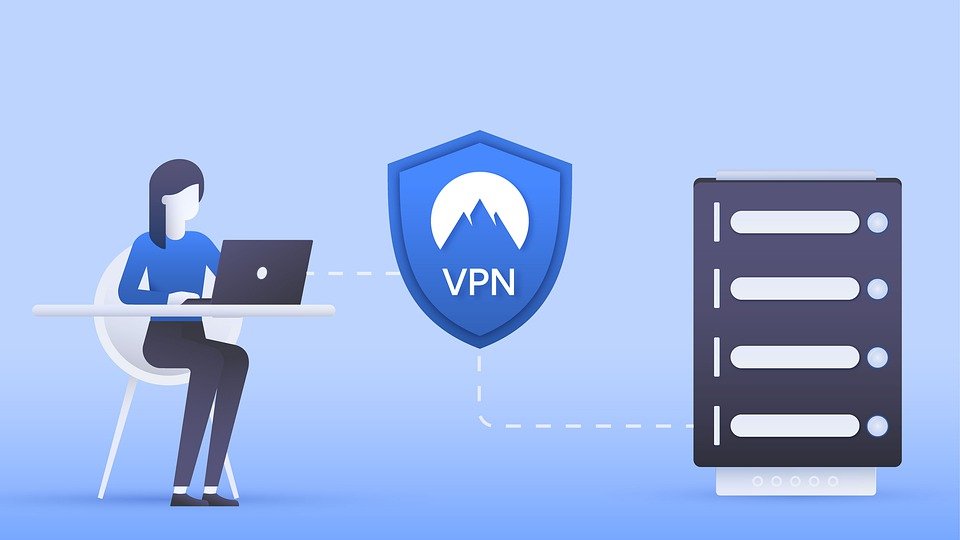
When you use public networks such as Wi-Fis to access the site, it is better to use a VPN (Virtual Private Network) to watch your back and restrict other connections to manipulate the ongoing connection between the server and the client.
Without a VPN, hackers can easily manipulate the payment transaction and hack credit and debit card details.
VPN will secure your customers’ payment transactions even on Wi-Fi and keep their sensitive data as safe as houses.
5. Restrict Malicious Bots Using reCAPTCHA
The reCAPTCHA method is extremely effective in keeping hackers at bay. Basically, ReCAPTCHA generates random questions that a bot cannot answer.
There are plenty of malicious bots lurking around the internet in hopes of finding an ideal prey for cybercriminals.
When they get access to your account, malicious bots can steal information, leak it, or even bring your site down.
ReCAPTCHA adds an extensive layer of security that is impenetrable for a code or a bot.
It restricts bad guys’ entrance by protecting login pages, signup pages, contact form pages, form submission pages, payment gateway pages, etc.
6. Start Using A Reliable Content Management System (CMS)
Choosing the right CMS is important for businesses to determine whether an eCommerce website will stay safe.
Mediocre CMSs are a big risk to have. They might help you save a few bucks, but you will always be vulnerable to theft.
But, CMSs like WordPress and Joomla have renounced entities having customer bases in millions.
Moreover, they are regular in updating security patches and always stay a step ahead of the bad guys.
The only thing you need to do is keep them updated.
7. Do Not Use Unsolicited Extensions And Plugins
Plugins and extensions are necessary to enhance your website’s reach. They allow you access to multiple tools and features on the internet.
However, not all plugins are safe to install. These days, due to rising cybercrimes, you must be aware of what you’re installing or adding.
Cybercriminals can engrave malicious codes in the plugins, and when a user installs it, they get access to his site.
Before installing any plugin, make sure that its source is known. Check for its reviews and ratings across the internet.
Also, check its performance reports and badges for further inquiry and self-satisfaction.
8. Perform Audits For Site Security
Site security auditing does not interest a lot of merchants, but it is essential for their survival.
Site security auditing includes checking whether the anti-virus is working appropriately and whether security protocols are repelling attacks or not.
As a merchant, you must initiate site auditing from time to time. It will help you prevent attacks and fix bugs and technical glitches.
If detected early, some security issues can be repelled; otherwise, they may harm the website if they stay for longer periods.
So, keep auditing your website at regular intervals of time.
9. Install A Firewall In Your Web Application
If you own a web application, the firewall can benefit you immensely.
Web Application Firewall or WAF protects the website or web app by analyzing the traffic between the application and the internet.
A firewall protects the user data of the application from XSS (cross-site scripting), SQL injection, cross-site request forgery, etc.
A firewall is the need of the hour to suffice the mounting cyberattacks and help sustain the business.
10. Perform Data-Backup Regularly
In today’s tech world, data is more important than cash in your wallet. Here, you can earn cash again. However, once you lose data, you cannot retrieve them in the same proportion.
For businesses, data is their lifeline. They thrive on data and channel their operations accordingly.
Since it is immensely important, protecting it is quite a task for businesses as cybercriminals are always on the lookout for data.
The best way to protect your data is by creating a copy of it and saving it on the cloud.
Cloud allows you to access your data anywhere at any time, making it extremely reliable.
11. Regular Software Updates
Regular software updates are crucial for e-commerce website security since they come with patches that deal with vulnerabilities. Additionally, since developers always research and improve cybersecurity, new updates let you access the latest features.
In fact, they protect your website from new threats like ransomware. Also, it offers protection against data breach attempts. Moreover, software updates also let your website meet the compliance requirements of the e-commerce industry.
Furthermore, it also helps in improving the overall performance of your e-commerce website.
12. Strong Password Policies
Firstly, if there is a strong password policy, cyber criminals will not gain unauthorized access to the website.
As a result, you can also prevent financial losses that may happen to your business. Moreover, you can also save your business from reputational damage.
Generally, cybercriminals and hackers use weak passwords to penetrate networks. Thereby, they stop your business’s critical processes. Hence, with a strong password policy, you can ensure e-commerce website security.
13. Use A Secure Hosting Environment
A secure hosting environment protects your e-commerce website from various security threats. These include hacking, data breaches, malware, etc.
Apart from that, it also helps to maintain your site’s integrity. Also, it helps you to protect sensitive information like passwords and credit card numbers. Additionally, it also offers protection against DDoS attacks
Moreover, site downtime negatively affects your search engine ranking. Here, a secure hosting environment can help you a lot.
14. Focus On User Education And Training
If you invest in user education and training, you can help them respond to cybersecurity threats. Basically, your users will learn to identify and respond to threats such as phishing, social engineering, and malicious attachments.
Thereby, you can reduce the likelihood of cyberattacks that can compromise your e-commerce website security. As a result, you will gain more trust from your users and customers.
Final Thoughts
eCommerce is booming every day. New ways of marketing, selling, and attracting are in place to make life convenient for customers.
On the hind side, hackers also build new ways to capture as much data as possible. Basically, they employ bots and bugs to do the dirty work. Bots can enter your website and steal customer data, whereas bugs can get attached to plugins and gain access once you install them.
Keeping track of what you are installing, where you are visiting, and who you are allowing access to is of paramount importance. However, everything can get simple if you follow these fourteen steps. This way, you can frame a robust website security system.
Do you have more recommendations on how to ensure e-commerce website security? Please share your ideas and opinions in the comments section below.
Read Also:
Everything You Need To Know About PKI In Cybersecurity
Five Tips to Make Sure Your Security Software Is Actually Secure
Why DRM Is the New Standard for Document Security
Top 10 Computer Security Mistakes
Closed-circuit television (CCTV) cameras that are portable have become indispensable for keeping an eye on and protecting a variety of locations.
The correct portable CCTV camera must be chosen for outdoor activities, business, or personal use to provide the best performance and satisfy particular security requirements.
This article will explore key factors to consider when choosing a portable CCTV camera, helping you navigate the plethora of available options.
1. Intended Use and Environment: Define Your Needs
Clearly defining your intended usage and the location of the portable CCTV camera is the first step toward choosing the best one. Certain qualities are needed in different scenarios.
A small, inside camera can be plenty for home security, but an outdoor activity could require a tough, weatherproof gadget. A clear idea of where and how you want to use the camera will help you make decisions.
2. Resolution and Image Quality: Clarity Matters
The quality of a CCTV camera's photos and videos is determined by its resolution. Sharper details from higher-resolution cameras facilitate the identification of faces, license plates, and other important elements.
Look for cameras with a minimum resolution of 1080p; for more precise monitoring needs, go for higher resolutions like 4K. One thing that cannot be compromised when it comes to security is image quality.
3. Battery Life and Power Source: Ensure Reliability
Because portable CCTV cameras run on batteries, battery life is an important factor to consider. Extended periods of monitoring and fewer recharges are associated with longer battery life.
Please consider how simple it is to replace or recharge the batteries. While certain cameras use replaceable batteries, others utilize rechargeable ones. Select a camera based on your needs, tastes, and the usefulness of the intended usage.
4. Wireless Connectivity: Embrace Convenience
A revolutionary development in the field of portable CCTV cameras is wireless communication. Seek out cameras that support Wi-Fi or Bluetooth, as these features let you use a smartphone or tablet to monitor and operate the camera from a distance.
This feature improves convenience by enabling real-time monitoring without requiring a direct physical connection. It also makes it simple to retrieve videos for sharing or critique.
5. Storage Options: Balance Capacity and Convenience
Think about the storage capacities that the movable CCTV camera provides. The majority of cameras record video on memory cards or internal storage. Determine the camera's storage and whether it works with various memory cards.
To further secure your video, some cameras additionally include cloud storage alternatives. Select a camera based on your required storage and how long you want to keep recordings.
6. Night Vision Capability: Enhance 24/7 Security
A portable CCTV camera with night vision capability is necessary for thorough surveillance, particularly in low light. The camera can take crisp pictures and films in the dark with the help of infrared (IR) LEDs or other cutting-edge night vision technologies. Examine the effectiveness and range of the night vision feature to make sure it satisfies the needs of your particular use case.
7. Motion Detection and Alerts: Stay Proactive
Motion detection is an essential component that causes the camera to begin recording when movement is detected inside its range of view. You can receive real-time updates and notifications on your linked device from cameras with motion detection capabilities. This proactive feature is particularly helpful for keeping an eye on unexpected activity in certain regions or for home security.
8. Weather Resistance and Durability: Adaptability Matters
Consider the weather resistance and general durability of the portable CCTV camera if you intend to use it outside or in difficult conditions. Seek for cameras with proper Ingress Protection (IP) ratings, which reflect how resistant they are to water and dust.
The longevity and dependability of the camera are increased by its sturdy construction, which makes it resistant to a range of weather conditions and environmental influences.
9. Ease of Installation and Use: Simplify Setup
Select a portable CCTV camera that is user-friendly and simple to set up. Certain cameras are packaged with flexible adapters or magnetic mounts for easy and quick installation. The user experience is further improved with intuitive mobile apps or user interfaces. Select a camera based on its compatibility with your technical expertise and ease of setup and use.
10. Brand Reputation and Reviews: Validate Reliability
Examine the brand's reputation and consumer feedback before deciding on a choice. Positive reviews for well-known brands increase the likelihood of dependable, high-quality products being delivered.
Consider what customers say about the camera's functionality, robustness, and customer service. You may make an informed selection using this information, which can offer insightful information.
Choose the Right Portable CCTV Camera
It's important to carefully analyze your unique needs and the characteristics that meet them when selecting the best portable CCTV camera. Your intended camera usage will depend on several factors, including wireless connectivity, durability, image resolution, and battery life.
By carefully weighing these factors and keeping up with emerging technology, you can choose a portable CCTV camera that improves security protocols and gives you peace of mind in various situations.
Read Also:
Seven Considerations To Make When Choosing Student Apartments
How To Find A Locksmith To Trust With Your Home Security, Locks & Keys
Windows is one of the most widely used operating systems in the world. It is estimated that there are more than a billion Windows users worldwide. This extensive usage means that the amount of data available on Windows systems is enormous making them a target for hacks and other kinds of cyberattacks. A recent article published by Forbes reveals that unsigned firmware in laptop cameras, network interface cards, Wi-Fi adapters, and USB hubs puts millions of Windows users at risk of data theft and ransomware attacks.
These threats and vulnerabilities make the use of a VPN for Windows imperative. Here’s how a VPN for Windows works and how people can benefit from it:
How a VPN for Windows works
A VPN for Windows 10 works by plugging the source of all hacks. The user's IP address, while they are connected to the internet, is what leads cybercriminals to their position and allows them to initiate attacks. VPNs masks this IP address to minimize the ability of any cyber attacker to track and infect the system. The service will effectively eliminate any chances of malware or other bugs being able to reach the system software or hardware.
Did you know that Windows 10, the latest version of the operating system comes with its VPN client too? Windows acknowledges the prevalent threat from cybercrime and provides users with the option to enable data security from within the system. This VPN client can serve as a great complimentary service to a comprehensive VPN but it limits functionality because you can only connect to specific servers and this restricts internet access to a great extent.
The benefits of a VPN for Windows
There are several benefits of a VPN and these go beyond just allowing internet freedom without any restrictions. The main features that a VPN offers revolve around providing elaborate cybersecurity. Cybercriminals and their tactics are constantly evolving and this trend is expected to continue for several years. Here are some of the advantages that a VPN brings when it comes to providing protection against a variety of threats.
Comprehensive cybersecurity
VPNs offer a wide range of options to protect Windows systems against malicious elements online. These include secure servers spread across the globe and state-of-the-art AES encryption services which makes it hard for hackers to steal data emerging from the system. Most leading VPNs have over the top features like public Wi-Fi security, secure DNS, dedicated IPs, internet kill switches, DDoS protection and a lot more besides. All these features are effective in protecting a Windows system against cybercrime threats.
Advanced encryption protocols
Encryption is a vital pillar of cybersecurity and the more elaborate it is the better. Highly rated VPNs make sure that they provide additional encryption protocols for users to support themselves and the protection of their online presence effectively. These advanced protocols can be added on top of the standard features so that the overall strength of encryption can be increased.
Some security steps to help you protect your data online
It is important to note that a VPN alone can’t provide complete cybersecurity. The biggest loophole at times in the protective guard is the user themselves. There are tools and measures that are imperative to be taken in order to ensure that the threat is minimized to a level where it becomes insignificant. Here are some of the most effective tips in this regard:
Use antivirus
A VPN is good at detecting threats that may be incoming but users need something that can deal with elements that have already made their way into the system. This is where a good antivirus comes into play. It screens the device on a regular basis to make sure that no harmful malware is hiding inside the device because viruses have the ability to sit in a device for a long period of time and the user only gets to know about them after it’s too late.
Update all software regularly
Software that is out of date is much more vulnerable to cyberattacks because the development team has stopped working on protecting it. This means that if your software is not updated you are a greater risk of hacks and other attacks as compared to when your applications are up to date.
Install a secure browser like Tor
Tor is one of the browsers that hide user IP addresses as default. The IP originally is public but when you use a browser like Tor, it is masked, to begin with. Tor is not a complete of an alternative of a VPN though because the latter provides a lot of extraordinary features whereas the browser is just a basic service that is not adequate on its own.
Always keep strong passwords
Many of us shy away from strong passwords because they are hard to remember especially since there are so many of them. This is one of the biggest mistakes to make. There are several secure password managers out there which can hold all passwords, auto-fill them when necessary and take the burden of remembering them off your shoulders.
Stay vigilant
Vigilance is one of the most crucial factors because scams like phishing, man-in-the-middle or other similar ones have nothing to do with VPN. Protecting from these all comes down to being aware and careful of the existence of these threats.
Conclusion
While a VPN has become a necessary tool to have these days, it is more important to have knowledge about the threats and being vigilant to protect against them.
Recommend Post:
8 VPN Facts – You Should Know About
Top 7 Torrent Applications with VPN Support
Five Tips to Make Sure Your Security Software Is Actually Secure














 These online tools are the solution that provides valuable and simple clarification for both businesses and individuals who want to learn more about malicious emailers and scammers. It can possibly provide a range of information that can help identify who is behind the emails. Some of the information that you can find out by using these tools could include:
 One of the great things about using these tools to help identify malicious and scam email senders is the simplicity involved in using them. In addition, you can access the tools with ease online, which means that you can conduct your research from the privacy and comfort of your own home or place of work.
All you need to identify email senders is the actual email address you are suspicious about, and you can then run a search against this online using these tools.
One of the great things about using these tools to help identify malicious and scam email senders is the simplicity involved in using them. In addition, you can access the tools with ease online, which means that you can conduct your research from the privacy and comfort of your own home or place of work.
All you need to identify email senders is the actual email address you are suspicious about, and you can then run a search against this online using these tools.