












Playful Landscapes: How TO Seamlessly Integrate Play Areas INTO Your Lawn

Published on: 16 August 2023 Last Updated on: 30 October 2024

Fostering a connection between children and the great outdoors has become more important.

Playful landscapes offer a unique solution to this modern challenge by seamlessly integrating play areas into your lawn, creating a harmonious environment that encourages physical activity, creativity, and family bonding.

Choosing the right type of grass
right type of grass

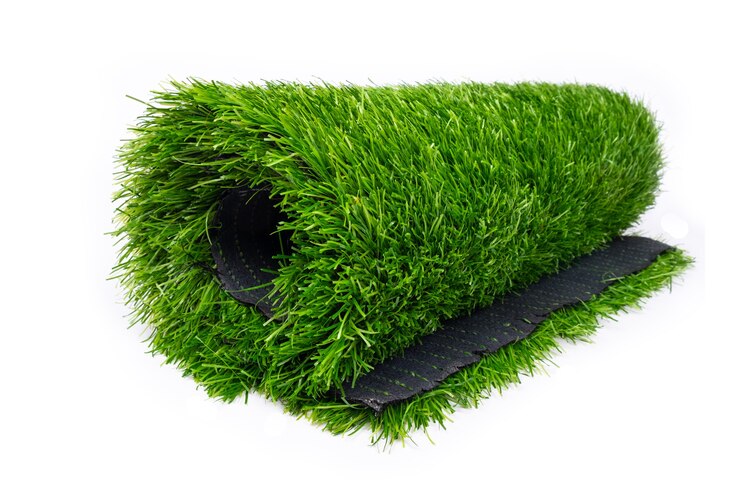
When considering grass types for your playful landscape, opt for those that are hardy and resilient, able to withstand the wear and tear of active play. Bermuda grass and Kentucky bluegrass are excellent choices due to their durability and lush appearance.

These grasses recover well from foot traffic and require moderate maintenance, balancing playability and aesthetics. These grasses are available for purchase via the convenience of the Internet (http://www.naturesseed.com).

Designing play zones with natural elements

How often do we see playgrounds today? The answer is very rarely. Kids are nowadays trapped in technology and gadgets- they have almost forgotten the importance of playground. But as adults, we are responsible for keeping this feeling mortal in them. And what helps in doing so? Making the playgrounds more attractive with organic elements.

Integrate play areas with their natural environment using gentle slopes, mounds, and pathways. These additions improve the aesthetic value, pique kids' interest, and inspire creativity. Adding native trees and plants to playgrounds has multiple benefits, including aesthetics, environmental education, and biodiversity.

Incorporating safe play equipment

Playful landscapes must prioritize the installation of secure play equipment. You may put in swings, slides, and climbing structures suitable for different ages that still fit in with the architecture. Ensure everything is in working order and up to code before using it. A well-designed playground incorporating natural elements will encourage youngsters to play and learn.

Blending play areas with aesthetic appeal

Blending play areas

Aesthetics shouldn't take a back seat to functionality while designing an entertaining and engaging environment. Use landscaping components like rocks, grasses, and flowers to help blend the playsets in with the rest of the yard. This method results in a space that is appealing to the eyes of both young and old.

Maintenance tips for a lively lawn

Your landscaping should be maintained regularly to keep it looking fresh and appealing. Maintain a proper mowing height, water the grass well, and immediately fix bald spots. You should consider aerating and overseeding the grass to keep it lush and healthy, so your kids will have a great place to play.

Environmental considerations

Make your landscaping more environmentally responsible without sacrificing fun. A greener and more sustainable playground is possible through rainwater collection systems, native plant varieties, and organic fertilizers. Instilling lifelong lessons of environmental responsibility in children through their play space is worthwhile.

Enhancing family bonding through play

 family bonding through play

An environment with play opportunities improves bonding among family members. Have a picnic, do some gardening, and compete against each other in fun contests. Children will remember these times fondly far into adulthood, and the relationships between family members will grow stronger as a result.

Boosting children's creativity and imagination

Playful landscapes inspire creativity and imagination by providing a constantly shifting canvas for play. Encourage children to make forts, nature-inspired artwork, and imaginative activities. The flexibility to experiment and explore promotes cognitive growth and problem-solving abilities.

Final words

Adding playsets to your yard may completely alter the vibe of your outdoor space, making it a more inviting place for kids to spend time and develop their interests. You may make a landscape that entertains, teaches, and enhances through careful planning and a balance between natural and artificial features.

Read Also:

Shahnawaz is a passionate and professional Content writer. He loves to read, write, draw and share his knowledge in different niches like Technology, Cryptocurrency, Travel,Social Media, Social Media Marketing, and Healthcare.

View all posts

Leave a Reply

Your email address will not be published. Required fields are marked *

Related

Home Maintenance

Home Maintenance Tips To Keep Your Home In Good Condition

Owning a home includes a good deal of responsibility. Homeowners have dozens of minor tasks they need to keep up with if they want to avoid paying for costly repairs. With adequate preparation, though, the many maintenance tasks required of homeowners can be performed easily without taking up too much time. Read on to find brief checklists for monthly and seasonal tasks that will make it easier to stay on top of everything. Spring Maintenance Checklist Winter can wreak havoc on a home, and everyone looks forward to using spring as a time to get outside and away from the house, but homeowners should take care of a few things first. For example, spring is the best time to handle major projects like scheduling roofing services and repairs to address any damage done during the winter. Most homeowners also find that a small amount of work early in the season can help them prevent some extra hassles when summer approaches. Be sure to tackle the following. Spring cleaning, both inside the home and in the yard. Tree inspections to find signs of damage from winter storms. Reseeding and fertilizing the lawn. Properly servicing and storing seasonal equipment from winter, such as snow blowers. Conducting a full inspection of the home's exterior, including its roof, gutters, and paint. Giving the house a quick scrub. Cleaning the deck or patio. Opening the pool for summer. Summer Maintenance Checklist Getting the bulk of the major landscaping and exterior maintenance or repairs done in the spring gives homeowners more time to enjoy the summer. That said, they'll still need to take care of a few things regularly, including the following items.  Turning on the sprinklers for the season once the rain ends. Mowing the lawn and weeding the garden every week. Keeping the pool clean by scrubbing it twice a month and checking chemical levels weekly. Completing weekend home improvement projects while the weather is nice. Fall Maintenance Checklist Just like spring brings a lot of work with it because it represents the changing of the seasons, fall home maintenance requires a lot of advanced planning for the winter months ahead. Important tasks to remember include the following. Planting perennial flowers, trees, and shrubs. Harvesting annual plants. Raking leaves. Cleaning gutters. Turning off the sprinkler system. Stacking firewood for winter. Cleaning, closing, and covering the pool. Winter Maintenance Checklist Most modern families hunker down for the winter and don't worry too much about home improvement projects. However, there are some maintenance issues that must be handled in the early winter. They include these items. Preparing the snowblower for the season. Stocking up on ice melt and other supplies. Coming up with a plan for dealing with ice dams. Checking the emergency generator to make sure it's in good working order. Monthly Maintenance Checklist Not all home maintenance tasks are seasonal. Some must be performed every month of the year. They include the following elements. Changing HVAC filters. Inspecting major home systems. Checking the plumbing system for damage. Restocking cleaning supplies. Checking and cleaning gutters. Performing a full walk-through of the property. Know When to Hire a Pro Basic home maintenance tasks are easy enough to perform for someone with a DIY mindset. However, major repairs and renovations are best left to professionals. This is particularly true of projects like roof maintenance, plumbing repairs, and major landscape changes. Read Also: Cleaning Your Home with Pets – The Most Common Problems Home Maintenance Plans And Cleaning Tips During Covid-19 Some Facts You Need to Know About Rainwater Harvesting

READ MOREDetails
Versatility Of Cream-Colored Rugs

Cream-Colored Rugs: A Must-Have Addition For Home Decor

Cream-colored rugs are a versatile and timeless addition to any home decor. With their soft and elegant hue, these rugs bring warmth and sophistication to any space. Whether you want to create a cozy ambiance in your living room or add a touch of luxury to your bedroom, cream-colored rugs are the perfect choice. In this blog post, we will explore the different types of cream-coloured rugs available, how to decorate with them in various spaces of your home, and the many benefits they offer. So get ready to be inspired by the beauty and versatility of cream-colored rugs! Why Cream-Colored Rugs? Cream-colored rugs are highly sought after for several reasons. Their neutral color makes them incredibly versatile and easy to incorporate into any existing decor scheme. Whether your style is traditional, modern, or eclectic, a cream-colored rug can seamlessly blend in and enhance the overall aesthetic of your space. Furthermore, cream is known for its calming and soothing effect on the mind. By incorporating a cream-colored rug into your living room or bedroom, you can create a serene atmosphere that promotes relaxation and tranquility. This is especially beneficial in spaces where you unwind and recharge after a long day. In addition to their versatility and calming properties, cream-coloured rugs also have an incredible ability to make small spaces appear larger. The light color reflects more natural sunlight, giving the illusion of openness and airiness. If you have a compact living room or bedroom rugs in cream color, adding a cream-colored rug can instantly transform the space by making it feel more spacious. But certainly not least important when considering home decor choices - maintenance! Cream-colored rugs tend to be less prone to showing dirt and stains compared to darker colored options. They offer practicality while still maintaining elegance throughout all seasons. The Different Types Of Cream-Colored Rugs Cream-colored rugs come in a variety of styles and materials, making them an incredibly versatile choice for any home decor. Whether you're looking to create a cozy living room or add a touch of elegance to your bedroom, there's a cream-colored rug that will suit your needs. The Shag: One popular type of cream-colored rug is the shag rug. These rugs have long, fluffy fibers that create a luxurious and inviting feel underfoot. They are perfect for adding warmth and texture to any space, whether it be a living room or bedroom. The Oriental: Another option is the traditional Oriental rug. These rugs feature intricate patterns and designs in shades of cream and beige. They can add an elegant touch to any room and are particularly well-suited for more formal spaces such as dining rooms or home offices. Geometric Patterns: For those who prefer a more modern look, there are also cream-colored rugs with geometric patterns or abstract designs. These rugs can add visual interest to contemporary spaces and pair well with sleek furniture and minimalist decor. Wool & Synthetic: In terms of material, cream-colored rugs are available in everything from wool to synthetic fibres like polyester or nylon. Wool rugs offer durability, softness, and natural stain resistance, while synthetic options may be more budget-friendly without compromising on style. How To Decorate With Cream-Colored Rugs Cream-colored rugs are a versatile addition to any home decor, adding warmth and elegance to every space. Whether you have a living room, bedroom, or even a dining area, cream-colored rugs can transform your space into a cosy oasis. Living Room- In the living room, consider placing a cream rugs in the living room in front of your sofa or under your coffee table. This will create a focal point and anchor the seating area. Pair it with neutral-toned furniture for an airy and sophisticated look. Add pops of colour through accent pillows or artwork to create visual interest. Bedroom- For the bedroom, opt for a larger cream-colored rug that covers most of the floor space. This will create an inviting atmosphere and make your feet feel pampered when you wake up in the morning. Consider layering smaller rugs on each side of the bed to add texture and dimension. Dining Room- In the dining area, place a cream-colored rug underneath your dining table to define the space. This will not only protect your floors but also add softness underfoot while enjoying meals with family and friends. No matter which room you choose to decorate with cream-colored rugs, remember that lighting is key! Make sure there is ample natural light or use strategically placed lamps to highlight the beauty of these rugs. So go ahead and bring some warmth and style into your home with cream-colored rugs - they're truly timeless! The Benefits Of Cream-Colored Rugs Cream-colored rugs offer a plethora of benefits that make them an ideal addition to any home decor. One of the main advantages of these rugs is their versatility. Due to their neutral color, cream rugs can seamlessly blend with various interior styles and color schemes. Adds Calmness: One benefit of cream-colored rugs is that they create a sense of calmness and serenity in a space. The soft and light tones help to create a soothing atmosphere, making them perfect for bedrooms or living rooms where relaxation is key. Hides Dirts and Stains: Cream-colored rugs also have practical benefits. They are great at hiding dirt and stains, making them easy to maintain and keep clean. Additionally, they offer warmth and comfort underfoot, especially during colder months. The benefits of incorporating cream-colored rugs into your home decor are numerous - from their versatility in complementing any style to creating a serene ambience while providing practicality in terms of maintenance and visual expansion of smaller spaces Conclusion Cream-colored rugs offer a versatile and timeless addition to any home decor. Whether you're looking to create a cozy atmosphere in your living room or bring warmth and comfort to your bedroom, cream-colored rugs are the perfect choice. With their neutral hue, they effortlessly blend with various color schemes and design styles. From plush shaggy rugs to elegant Oriental patterns, there is a wide range of options available for every taste and preference. Read Also: Mirrors For Sale – Finding a Perfect Home Decorative Item How to cut down your home decor costs? Read here  

READ MOREDetails
Foliage plants

10 Best Foliage Plants To Buy In 2024 – Must Read!

Sometimes it's the leaves that matter, not the flowers. While most people keep flowers in their gardens, balconies, and backyards, some extra greenery also looks nice sometimes. This is where many people get the itch to include some foliage plants in their gardens. While many consider flowers to be the most crucial part of the vegetation of the household, some outdoor greenery also looks natural. Having some big green plants also helps make the house outdoors look beautiful and lush with greenery. Therefore, we have searched far and wide to present you with the 10 best types of foliage plants that you can buy and welcome to your household in 2022. What Are Foliage Plants? Foliage plants refer to plants that do not produce any flowers. Their main beauty lies in their leaves. They are primarily placed outdoors but can be placed indoors. Foliage plants are typically bigger than most flowering plants and potted plants. Therefore, they are primarily suited for outdoors, but some are better suited indoors. Read More: 10 Best Low Maintenance Plants To Buy In 2022 10 Best Foliage Plants In 2022 If you want to buy plants to decorate your house or garden's outsides, then here are ten assorted foliage plants that you can buy and add to your garden in 2022. 1. Caladium If you want to impress your soulmate with many hearts, then caladium might just get the job done. This plant has heart-shaped leaves that are typically reddish to crimson towards the middle. However, some leaves might also be white or pink. Since these plants have bright, arrow-shaped leaves, they are best used to brighten parts of your garden. 2. Coleus If you want lots of options in choosing the color or shape of the leaf you want, then Coleus is for you. This plant comes in various bright colors, with the leaves being green with a different-colored midsection. This plant is popular because it comes with different splashes of colors that create great colorful contrasts. 3. Elephant Ear While this might not be as big as an actual elephant ear, the leaves of this foliage plant are enormous. Compared to the other plants on this list, the leaves of this plant are big but have various colors available. The leaves grow up to 1 to 2 feet in length. Just keep it where the leaves get sheltered from strong winds. 4. Ferns One of the most common foliage plants, ferns are a common sight in most houses that have foliage gardens. This plant comes in various sizes, from small to big. The leaves are typically bright green with dissected sword shapes, similar to spiky plants. These plants should be kept indoors, being placed beside the bed or the couch. 5. Ninebark These deciduous shrubs come in lobed oval shapes and are purple foliage plants. It might also be available in other hues of golden and pink. This foliage plant is popular because it often changes color based on the season. It is best placed in focal points in your garden to get seen easily. Click This To Read: 10 Best Low Maintenance Plants To Buy In 2022 6. Rex Begonia This foliage plant is known for its broad and big leaves with highly decorative patterns. This plant is kept both indoors and outdoors, depending on the season. They are best kept in shady areas outdoors during summers and are taken inside during winters. This plant comes in various colors, with circular patterns on white, black, or darkish pink on the leaves. 7. Dusty Miller If you want a light-colored  foliage plant, dusty millers will be a great addition to your garden. It is best kept in sunny areas so that the bright white-solver color of the leaves can pop and look vivid. This plant is best kept in pots and containers, especially indoors. 8. Peacock Plant Being one of the best bedroom plants, it comes in various shapes and sizes based on its species. The leaves of this plant are colorful and can grow quite big. This is why they get compared to a peacock's tail. It's best if you keep them outdoors with higher temperatures and humidity. 9. Calatheas These broad-leaved foliage plants are typically green in color with darker midsections. The leaves of these plants are pretty big and often look like canopies. If you decide to keep this plant in your garden, keep it in a shady area since they do not like direct sunlight. 10. Crotons If you want colorful plants in your garden, then get some crotons. The leaves of this plant are long and slender, typically green in color with yellowish midsections. This plant is a pretty and colorful addition to your botanical garden. How To Care For Foliage Plants? After you get foliage plants for your garden, you must take good care of them. Make sure that these criteria are fulfilled and keep your plants lush and healthy throughout the year. 1. Lighting It's best to keep most of your foliage plants outside in your garden or on your doorstep, where it gets sufficient sunlight. Therefore, it is vital to keep track of the intensity and duration of the sunlight your plants get exposed to during the daytime. It's best to keep your plants outside so that it gets 10 to 16 hours of sunlight daily. However, some plants like the Calatheas and the Rex Begonia are best kept outside the range of direct sunlight. 2. Temperature Foliage plants thrive best at 60 to 80 degrees Fahrenheit (16 to 30 degrees Celsius). While most of these plants can survive warmer temperatures, colder temperatures around 50 degrees Fahrenheit (10 degrees Celsius) will cause severe problems. You May Like To Read This: Grow these flowering plants in your home garden 3. Humidity Since most of these foliage plants are tropical plants, they thrive better in warmer and humid climates. A humidity level of 80% will be perfect for these plants, but not less than 35%. Inadequate humidity can cause these plants to develop brown patches on their leaves. If you keep some of these plants indoors, you have to make sure the room is humid with indoor humidity controllers, especially during winters. 4. Soil The health of the soil affects the growth of the plant in many ways. If you keep these plants in pots, add some potting soil with peat moss. These help the roots of the plants to breathe easier and get the essential nutrients it needs from the earth. Don't keep these plants too close to each other, especially if they have more giant leaves like Elephant Ear. In addition, make sure that they get watered regularly. Frequently Asked Questions (FAQs): Q1. What Are Foliage Plants Used For? Foliage plants are used for decorating your garden with big green leaves or your interiors. Q2. Do Foliage Plants Need Sunlight? Yes, most foliage plants do need sunlight. Q3. Can You Plant Foliage Outside? Yes, foliage plants are typically planted outside, with a few exceptions. Q4. What Soil Does Foliage Like? Foliage plants like moist soil that gets watered regularly. Conclusion Foliage plants are some of the most beautiful non-flowering plants that you can add to your garden. The main attraction of these plants is their colorful leaves, which can come in different patterns, colors, and sizes. Plants like Elephant Ears, Ferns, Coleus, Caladium, and Rex Begonia are some of the most popular foliage plants you should add to your garden. First, however, you must ensure that they are well kept and maintained, with sufficient sunlight and water. If you liked reading this blog, then check out our other blogs about gardening plants too! Read Also: 10 Best Aesthetic Plants To Buy In 2022 10 Best Tall House Plants To Buy In 2022 What Are Trailing Plants? – What Are The Types Of Trailing Plants?

READ MOREDetails