Published on: 11 March 2020
Last Updated on: 31 May 2021
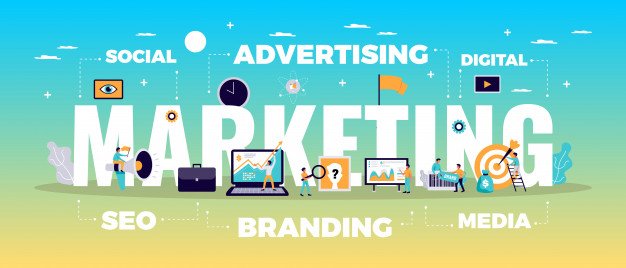
Online marketing is just another way of selling your product and service online through the web and mobile phone systems. The art of selling things online is very difficult, you need to find the right mix of strategies that suit your product and reach your audience which can then convert into real deals.
Many people think this is the easiest way to publicize but there are a lot more ways to fail at this than is successful. So we today at AdsBridge will try to explain to you about online marketing.
Benefits of Online Marketing:
A key advantage of taking the help of the internet for marketing your product is that you can quantify the effect that a strategy has in publicizing plus you know how many clicks you get for each publicizing platform and how they interact with a website. Then we can analyze how many of these visitors are converted into paying customers and which strategy is most profitable to you.
Examples of Online Marketing:
EA sports pays different search engine such as Google, Yahoo, and Bing to post ads on people desktop which search for keywords such as “Games”.
Grammarly hoards up email delivers on their site through a free trial and then send emails regarding discount and services.
A recent trend is to make memes and then share them on the official handles on Facebook, Twitter, and etc. to engage with their audience and create a favorable image of their product. This technique is mostly used by condoms or tobacco companies.
Online marketing seems to be the future as everything is available online. This definitely opens new doors but it is very difficult to build your audience. One of the things, companies should understand is that the internet is a virtual field and so should be your content to lure people, you can’t go old fashion on the internet.
Companies should develop their strategy keeping in mind their customer, and the product which we do at Ads Bridge. People use various techniques such as surveys, user testing, and in-person conversations.
Online Ads:
Google earns the most through internet ads because it works for businesses but there are ways through which you can be looted. There are various other platforms that offer online ads, they won’t be as popular as Google but they are very much effective
Marketing through emails:
As discussed above, a lot of companies used this strategy. They will find a way to collect your email address. Then they will send you a mail regarding the discount and offers. If you like their trial product/service, receiving those offers can tempt anybody to buy.
Marketing through social media:
This has taken marketing to a whole different level. You can reach out to your audience even in their most secluded moment as using mobile is stable for all. But on social media, you need a 24/7 presence, it doesn’t work if you than posting ads for your products or services.
Blogging:
Having a business blog is another way to reach out to your customers. You can use these blogs to keep people informed about the latest development in your product or service. One important use of the blog is you can write luring article which can tempt people to buy your product or service. Or you can simply use it for reviews or feedback from customers.
Abdul Aziz Mondol is a professional blogger who is having a colossal interest in writing blogs and other jones of calligraphies. In terms of his professional commitments, he loves to share content related to business, finance, technology, and the gaming niche.
SEO is an essential part of running any business with an online presence (which, in this day and age, all businesses should have). Think of SEO like a bright sign with flashing lights, telling people passing by that your business is here and draws them inside to check it out.
However, some businesses will find implementing SEO to boost their site's rankings easier than others will.
Especially when it comes to businesses in the e-commerce sector, SEO can be quite a challenge. Even if you've been researching how to improve SEO for your company, you may not be able to find resources that apply to e-commerce companies.
Playing By Google's Rules
The goal of any business with an online presence is to rank high enough on Google's Search Engine Results Pages (SERPs) to be seen by customers. Although this is a challenge for any business, E-commerce businesses will find it especially difficult.
This is because Google prefers websites that rank high on their E-A-T scale, which measures sites based on Expertise, Authority, and Trustworthiness. In other words, Google prefers informational websites over commercial ones and rewards those that highlight genuine knowledge and don't appear to be trying to make quick money. This criterion is part of Google's method of quality control.
As an e-commerce business, your website lies in the YMYL (Your Money Your Life) category. This category encompasses websites whose content can affect the reader's financial, physical, and medical wellbeing. Because the stakes are higher, the scrutiny is higher as well.
YMYL websites with misleading or inaccurate information can trick users into making an uninformed decision, causing them harm. Your e-commerce business fits into this category by allowing customers to make purchasing decisions that can cause them financial harm.
Managing A High Volume of Content
Most e-commerce sites offer listings of hundreds if not thousands of physical and digital products. Product listings are not necessarily written with the utmost care, but Google still parses them like it does any other text on your site, and therefore measures them with its E-A-T criteria.
This can be an issue because, due to the sheer number of product descriptions required, many e-commerce sites rely on automation to update these listings. While automated services can be helpful in some regards, they can also lead to typos, grammatical errors, dead links, inaccurate information, and other mistakes. All of these issues can be detected by Google, lowering your website's E-A-T score.
Although time-consuming, your best option would be to hire someone whose job is going through every listing individually to update and correct any errors, making sure it meets Google's standards.
Bouncebacks Based On Loading Time
Your website's bounce rate is the percentage of users who visit briefly and then leave using the back button or by clicking on an external link without browsing other pages on the same site. While one reason for high bounce rates can be a dull or outdated website, this issue can also be caused by poor hosting.
E-commerce sites often have lots of buttons, listings, and pop-ups. Pages aren't simple and include many elements. Having so many processes that must run simply to present a page can result in extended load times for users. Unfortunately, most people online are impatient. If your site doesn't load as quickly as visitors think it should, they're likely to leave without browsing, let alone making a purchase.
The Google algorithm sees the high bounce rate as a sign that people find no value in your website, so it lowers your ranking and sends fewer people your way, resulting in fewer purchases and reduced revenue. Fortunately, fixing this issue can be fairly straightforward. Either make your website's landing page (the first page that loads for visitors) simpler to avoid long wait times, or contact your website hosting service and look into upgrading to more powerful servers.
User Reviews
User reviews are a great and almost guaranteed resource for building your E-A-T levels. Google prefers sites that let users review products, as this creates a sense of social credibility and allows people to share feedback, building trust. The more positive reviews your products have, the more Google will boost your website up the SERP.
However, too many negative reviews have the exact opposite effect, hurting your website's ranking. You can avoid negative reviews using a review posting tool that allows you to read submitted reviews before they are posted.
Knowing Where to Start
When faced with the challenge of implementing SEO as an e-commerce business, deciding where to start can be overwhelming. Google doesn't give you a gold star for trying, and starting multiple SEO strategies only to quit them midway can even flag your site as suspicious in Google's eyes.
One way you can get started properly is by using Ahrefs' Site Explorer to identify SEO opportunities. You can use this particular tool to analyze what competitors are doing in terms of SEO and piggyback off it, or implement a skyscraper method where you do what they're doing but better. Or you can use it to analyze your own site to find new competitors or broken backlinks. Site Explorer also provides keyword research, backlink profiles, PPC campaigns, and more.
Still, a great tool is only useful in the hands of someone who knows how to operate it. Having dedicated SEO experts focused on boosting your site can have better results in the long run. SEO strategies are multi-faceted, and high-quality approaches are time-consuming.
Staying Up to Date
Google's algorithms are constantly changing, meaning your SEO strategy needs to change with them. As the owner of an e-commerce company, you'll need to be particularly flexible and adaptable. Just like posting only a few times on your site and still expecting increasing returns is a flawed strategy, undertaking a half-baked SEO strategy will hurt you more in the long run. Having experts on your marketing team allows you to smoothly ride all SEO waves and grow your website.
Read Also:
8 Key SEO Strategies for E-Commerce Websites
How to Monitor the SEO Health of Your Website
5 affordable e-commerce shopping carts for small business
Best E-commerce Platforms for Your Box Subscription Business
Email marketing is a field, truely competitive in nature. It seizes the interest of subscribers along with encouraging them to get up close and personal with your content. Let me tell you an effective way of achieving this- personalization.
Klaviyo has recently gained momentum for being the leading email marketing platform. Not only does it provide robust tools that give life to your boring email templates, but it also uses tags.
Some of these tags use the dynamic insertion of individual subscriber data. In this comprehensive guide, we are going to dive into multiple ways of using personalization tags in Klaviyo email templates.
Stick to us till the end if you want to comprehend the basics of personalization tags. Get a detailed idea about how to implement advanced techniques and various other useful strategies. Let’s get started, then!
Understand the Basics of Personalization Tags
In general terms, personalization tags refer to placeholders in an email template that get replaced with some specific information related to your subscriber list. These tags usually include the subscriber’s name, recent purchase, and even the location.
For instance, rather than beginning the email with a typical “Dear Customer” statement, use tags like “Dear [First Name]," which makes the email look more personal.
Klaviyo uses personalization tags that are super easy to use. You can either insert them directly into your templates or in other email drafts.
For example, typing “{{ first_name }}” in your template will automatically replace it with the subscriber’s first name when the email is sent.
The change might look small, but it makes an enormous difference in the emails you receive, giving the impression of a more customized email.
The correct use of these tags assists in building a positive connection with your audience. If subscribers see their personal name or details, they are more likely to open the email and even click on links.
Now, this is exactly why personalized emails are much more popular than custom emails.
All in all, understanding and using personalization tags is the initial step in making your Klaviyo emails more engaging and effective.
With basic tags like the subscriber's name or location, you can start to see an improvement in your email open and click rates. This sets the foundation for more advanced personalization strategies.
Personalize Subject Lines for Better Open Rates
Subject lines are initial elements a subscribers see, so making them personal can greatly increase your open rates. In Klaviyo, you can use personalization tags to include the subscriber's name or other relevant information in the subject line.
For instance, you can use "Hey {{ first_name }}, See What's New Just for You” instead of a common subject like "Check Out Our New Products.”
Such an approach gives your email a more personal touch, and people are likely to open it. When people see their name in the subject line, they are more likely to open the email because it feels like it was written specifically for them.
And that’s not all! There is a plethora of data that makes your subject line more engaging. All it takes it to look for all those data. For example, you can take subscriber’s location into account and pitch them with a more personalized email.
Another example could be using recent activity data. In case the subscriber recently viewed some product on your website, you can create a subject line like "Still Interested in {{ product_name }}? Get It Before It's Gone, {{ first_name }}!"
Amazing, right?
This not only personalizes the email but also reminds them of something they are interested in, increasing the chances they will click through.
By using personalization tags in your subject lines, you make your emails more appealing and increase the likelihood that subscribers will open them, setting the stage for higher engagement and click rates.
Tailor Email Content to Individual Preferences
After you grab the attention of your subscribers, it’s time to give it a much custom touch. Now, the next big thing is to make the content list of your email more engaging.
Klaviyo lets you use personalization tags within the email body to create a more customized experience for each recipient.
The third instance is to begin your email with a friendly greeting like, "Hi {{ first_name }}, we noticed you enjoyed browsing our selection of {{ category }} products!" This approach makes the reader feel acknowledged and valued.
Using personalization tags effectively is important as it helps subscribers make an informed decision about further purchases.
For instance, "Since you loved {{ previous_product }}, we think you'll also like these new arrivals." This not only personalizes the email but also showcases products that the subscriber is more likely to be interested in, increasing the chances they will click on the links.
Make extra effort to customize special offers and discounts. For example, "As a thank you for being a loyal customer, {{ first_name }}, here's a special 10% off on your next purchase of {{ favorite_category }} items!"
This type of customization makes the offer feel exclusive and tailored to the subscriber's preferences, encouraging them to take advantage of the deal.
Customizing your email content to align with the preferences and actions of individual subscribers can cultivate a more captivating and pertinent experience, resulting in elevated click rates and enhanced overall email efficacy.
Use Behavioral Data for Triggered Emails
Employing behavioral data to deploy triggered emails represents a potent strategy for amplifying click rates. Klaviyo simplifies the process of setting up these emails; all you have to do is use its user-friendly interface and other features.
With Klaviyo's email templates tailored for such triggers, businesses can effortlessly configure automated emails triggered by specific subscriber actions, like browsing a product page, adding items to their cart, or completing a purchase.
Such automation ensures timely and personalized communication, thus leading to greater engagement and driving higher click rates.
For example, if a subscriber explores a product page without completing a purchase, you can send a follow-up email containing a personalized message such as: "Hi {{ first_name }}, we noticed you were checking out our {{ product_name }}. Here’s a special discount just for you!" Including a discount code or highlighting product features can entice them to return and complete the purchase.
Another scenario involves leveraging cart abandonment emails. In case a subscriber adds items to their cart but doesn't finalize the purchase, you can send a customized email prompting them to complete their order.
Take, for example, a message that can send a reminder email: "Hi {{ first_name }}, you left something in your cart!
Don't miss out on {{ product_name }}." Including images of the abandoned products and a direct link to the cart makes it easy for them to pick up where they left off.
Post-purchase emails are also effective. After a purchase, you can send a thank you email with product recommendations: "Thanks for your order, {{ first_name }}! Based on your recent purchase, you might also like these items." This keeps your brand top-of-mind and encourages further shopping.
Utilizing behavioral data to deliver these precise and well-timed emails contributes to a heightened level of personalization, thereby increasing the likelihood of subscriber engagement with your content.
Conclusion: Enhance Your Email Campaigns with Personalization Tags
In conclusion, personalization tags in Klaviyo email templates are a game-changer for boosting click rates and overall engagement with your audience. By harnessing the potential of personalization, you can establish deeper connections with your subscribers and boost the probability of them engaging with your emails.
Just envision receiving an email that greets you by your first name, suggests products aligned with your past browsing, and presents exclusive discounts tailored to your preferences. This exemplifies the impact of personalization tags in practice.
With Klaviyo, you have the tools to implement personalization tags seamlessly into your email campaigns. Whether it’s using demographic data, past purchase behavior, or engagement history, there are countless ways to tailor your messages to each individual subscriber.
Leveraging the goodness of personalization tags in your email template helps you send targeted and relevant content. It resonates with your audience on a deeper level.
This not only leads to higher click rates but also fosters stronger customer relationships and ultimately drives more conversions.
So, don’t miss out on the opportunity to take your email marketing to the next level with personalization tags in Klaviyo. Explore various strategies, analyze outcomes, and consistently refine your campaigns to enhance their impact.
By adopting the appropriate methods, you'll witness a significant increase in click rates and witness your business flourish.
Read Also:
How to Integrate Email Marketing With SEO?
Your Ultimate Guide To Creating SMS Marketing Campaigns
Getting The Most Out Of Your Email Campaigns By Getting The Audit Right!
Question: Which marketing mix element deals specifically with retailing and marketing channel management?
Correct Answer: Place
Which marketing mix element deals specifically with retailing and marketing channel management? Actually, marketers don’t promote; they demonstrate the worth they offer to the customers.
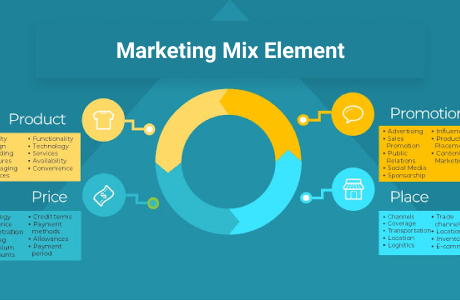
The term marketing mix is a foundation model for businesses, historically centered around promotion, place, price, and product. The marketing mix helps you to know the marketing elements for prosperous positioning your store offer.
Besides, price is involved in the capture of value in the marketing exchange. The right arrangement of marketing mix by marketing managers plays a vital role in the success of a firm. There are many companies that consider marketing mix as a set of strategies and actions in order to promote their goods and services.
Which Marketing Mix Element Deals Specifically With Retailing And Marketing Channel Management?
The answer to the question “which marketing mix element deals specifically with retailing and marketing channel management?” is place. This marketing mix is concerned with the channel that is used to deliver goods and services to the customers.
Keep in mind; marketing mix is a combination of 4Ps i.e., Place, Promotion, Product, and Price. Each of these factors has different objectives and significance. You can also consider marketing mix as the set of marketing tools that a company utilizes to pursue its marketing goals.
You need to understand that place is a vital factor because signifies where marketing takes place and which path customer uses to deliver goods and services to them.
Four Elements Of Marketing Mix That You Should Know
As already discussed above, the 4Ps of the marketing mix are the key elements that include in the advertisement of a product or service. Product, Place, Price, and Promotion are restrained by internal and external factors in the overall business environment, and they interact with one another.
A lot of hard work requires in finding out what customer actually wishes and recognizing where they do their shopping. One of the best places to start is the marketing mix when you are thinking through your plans for a service or a product.
Now, let’s discuss the top four elements of the marketing mix that you should know in 2021.
1. Promotion
Promotion includes promotional strategy, public relations, and advertising. The objective of promoting a product is to talk to customers and know what they actually need. At the same time, they should pay a certain amount for it.
On the other hand, you must know how do your competitors promote their products and what are strategies they implement to target the audience. There is always the best time to promote your goods and services and this is a vital element for a successful business.
2. Place
Every marketing firm makes a decision for the place where they will sell their product and deliver the same to the market. Actually, the place is important because this is where buyers look for your product or service.
Marketing of goods can be done anywhere: online and offline. In many situations, placement may refer to the act of including goods on web pages, films, television shows, etc. Therefore, this is the reason why the place is important in the marketing mix. This is the element that deals specifically with retailing and marketing channel management.
3. Price
Price is the cost consumers pay for goods. Marketers must link the price of the goods in real and must also include supply costs. They may also raise the cost to make the product look more luxurious.
Keep in mind, a small gain or decrease in price can affect your market share to a great extent. However, you can offer some seasonal discounts to your customers and increase your conversions.
4. Product
Product refers to goods and services that a firm offers to customers. As a part of the marketing industry, you need to understand the lifecycle of a product and must include a strategy that takes your business to the next level of success.
At the same time, make sure that you offer genuine products to your customers so that you can increase the loyalty of your customers as well as conversions. The type of product determines where should the owner promote his products and how he can target his customers to buy the same.
The Final Thoughts
A place is an answer to your question “Which marketing mix element deals specifically with retailing and marketing channel management?” The above-described information highlights the reason for this and if you have any queries, mention them below in the comment section.
Read Also:
How to Get More Traffic to Your Amazon Listings
Is Clothing/Shoe/Accessory Stores A Good Career Path [2021 Updated]
Five Ways to Help Your Trade Show Booth Stand Out From the Crowd