Published on: 20 February 2020
Last Updated on: 18 February 2023
Who doesn’t like the taste and flavors of vape oil, but what about the cost of vaping? Well, there’s a little secret, the cost of concentrates used to prepare vape oil is nothing as compared to vape oils available in the market, and the best part is that you can easily turn concentrates into vape oil yourself.
What are Vape Concentrates?
Vape concentrates are vegetable-based and that’s why vape oil is also safe for you to use. Nicotine is added to the vape oils which you buy from the market but it’s not a necessary ingredient. The added benefit of preparing vape oil yourself is that you can keep it totally Nicotine free. Avoiding Nicotine can keep you safe from developing addiction and from the side effects as well.
What are the Different Types of Concentrates?
Concentrates are of different types but all of those are not that good to be turned into vape oil. Some of the ideas concentrate for making it are:
Shatter: Shatter is one of the most popular vape concentrates as it’s high in potency and is also flavor-rich. Moreover, it’s very easy to turn to shatter into vape oil.
Crumble: Crumble is also another great option for high-potency vape concentrates.
Wax: Wax is a comparatively low-potency concentrate recommended for beginners. Its price is also very low.
Budder: Budder is also a low-potency concentrate. It’s an ideal concentrate for those who like to have low potency but still want a greater taste.
How to Turn Concentrates into Vape Oil:
Things you’ll Need to Turn Concentrates into Vape Oil
Things you’ll need are:
Your choice concentrate (Shatter, Wax, Budder, Crumble, or BHO) - 1 gram
Wax liquidizer of your favorite flavor – 2 ml
Microwaveable glass container for mixing the concentrate
A syringe for measuring wax liquidizer and for filling the vape pen cartridge
Method of Turning Concentrates into Vape Oil
So let’s learn the secret formula for turning concentrates into vape oil:
Vape oil can be prepared by using a variety of concentrates. The best ones for this purpose are Shatter, Wax, Budder, Crumble, and BHO. So, first of all, decide on the one you’d like to use by comparing their properties.
Next, you should choose the flavor of wax liquidizer for preparing your favorite flavor of vape oil. You can get wax liquidizers in almost all the flavors of your choice. Bananas, pineapple, strawberries, and menthol are among a few all-time favorites.
Take just one gram of your favorite concentrate and put it in the microwaveable glass container which comes with the wax liquidizer for mixing it with the concentrates. Check terpenes for sale.
Now take a syringe to measure wax liquidizer and take only 2 ml of it for mixing in one gram of concentrate.
You should now put it in the microwave oven for just 10 seconds and not more than that.
After taking it out of the microwave, you need to stir the mixture well for preparing the perfect vape oil.
Now it’s time to fill this tasty, self-prepared, and economical vape oil into your vape pen cartridge and enjoy.
Is Vape Oil Safe to Use?
Vape Oil is a healthy alternative to smoking. If you love the flavors of vape but don’t want to risk your health for this taste, all you need to do is stay away from Nicotine based vapes. You must read the ingredients of vape oil carefully before buying it. And if you’re preparing one yourself using concentrates and wax liquidizers, then it’s the best. In this way, you’ll know each and every ingredient which you’re adding to your vape oil. Even Wax Liquidizers are prepared very thoughtfully and carefully using safe and great-quality ingredients. So there’s no risk in using vape oil if you know what your vape oil is made of.
So now if you’re thinking of trying this method to turn concentrates into vape oil yourself, you‘ll find it so much more cost-effective that you won’t believe it. Just with a small quantity of your choice concentrate and wax liquidizer you can fill many cartridges of vape oil that would have cost you 6 to 8 times more if you would have bought them from the market.
Read Also:
Content Rally wrapped around an online publication where you can publish your own intellectuals. It is a publishing platform designed to make great stories by content creators. This is your era, your place to be online. So come forward share your views, thoughts and ideas via Content Rally.
When you are into bodybuilding, your primary goal is to build muscles through weightlifting and proper nutrition. Bulking is a part of the bodybuilding process. However, bulking requires proper nutrition along with weightlifting. You need to consume the best bulking foods to ensure the right nutrition.
In this article, you will learn about the best bulking foods. Here, this article will explain the key nutrients bulking nutrients and the best protein sources.
Apart from that, you will also learn about the best fat and carbohydrate sources useful for bulking. Finally, you will also get some tips for effective bulking. Hence, to learn more, read on to the end of the article.
Why Is Bulking Integral To Bodybuilding?
Generally, bodybuilding involves two phases: bulking and cutting. In the former, the goal is to gain weight and build muscles, while the latter consists in reducing body fat.
Basically, bulking is a dietary process where you consume excess calories for muscle growth and weight gain. In fact, it is a common approach that athletes and bodybuilders use to increase their strength and muscle mass.
Hence, bulking refers to an increase in calories that your body consumes when it is in the process of intense weight training.
It is the stage where you gain muscles in your body. Here, you have to consume more calories than your body needs. However, you do it for a set period of time (4-6 months).
The extra calories that you consume works as a necessary fuel for muscle growth. Moreover, it provides strength to your body through weight training.
Best Bulking Foods: A General Overview
In bulking, your focus should be to give your body more energy than it consumes, thus creating a calorie surplus.
Meanwhile, this surplus creates extra energy, with the help of which your body creates muscle mass. Moreover, this energy helps you repair damaged tissues and fuel intense workouts.
Actually, bulking is one of the most important aspects of muscle growth. This is because if you build muscles, you must provide your body with enough energy. This way, it can build and repair damaged muscle tissues after your workout.
However, just because you are bulking, it does not mean that you have to consume as much food as possible. In fact, you must choose the best bulking foods and count your macronutrients. This way, you can support your muscle growth and minimize fat gain.
Key Nutrients For Bulking
If you want to achieve a clean bulk, you have to make smart food choices. In fact, if your choice of food is poor, it will lead to “dirty bulking.” As a result, you will end up with a lot of accumulated fat and minimal muscle gain.
In fact, in healthy bulking, you must consume quality foods and minimize your fat gains. This is because your goal is to maximize your muscle gain and ensure proper metabolism.
When bulking, you must focus on protein, carbohydrates, and healthy fats. Here is a breakdown of each nutrient you need for muscle gain:
Proteins
The importance of protein in muscle growth and repair is the highest. This is because proteins are the building blocks of muscles. Hence, in your bulking phase, aim to have a higher protein intake.
Consume 1g of protein for each pound of your body weight. For example, if your body weight is 180 lbs, consume 180 grams of protein each day when you are bulking.
Some good sources of lean protein include lean meats, eggs, poultry, fish, dairy products, lentils, beans, etc.
Carbohydrates
Carbohydrates help you in providing energy for intense workouts. Also, it helps create a bulk in the muscles. Basically, carbs replenish the glycogen inside your muscles.
However, when you are bulking, take 1.5 grams of carbs for 1 lb of your weight. For example, if your body weight is 180 lbs, consume 250-270 grams of carbs daily when you are bulking.
When choosing carbs for bulking, focus on consuming complex carbohydrates. These include brown rice, whole grains, fruits, sweet potatoes, and vegetables.
Fats
Healthy fats are necessary for overall health and hormone production. Apart from that, it also helps in nutrient absorption. Hence, to consume healthy fats, you can include sources like nuts, seeds, avocados, olive oil, fatty fish, etc.
Best Protein Sources For Bulking
The following are some of the best protein sources when you are in your bulking phase:
Lean Meats: Some good sources of protein are chicken or turkey. This is because they have less saturated fat than red meat. For instance, you will get 18-25 grams of protein from 100 grams of chicken breast.
Dairy Products: Generally, Greek yogurt, cottage cheese, and milk have high protein and high calories. Hence, they help you to build muscles faster. Apart from that, cottage cheese helps you in muscle recovery and growth due to its slow and steady dissolution.
Fish and Seafood: Fishes like salmon, tuna, and shrimp are high in protein and healthy fat. Hence, you can consider consuming them from time to time.
Eggs: Eggs are a good and fast-acting source of lean protein. Also, it contains healthy cholesterol. However, do not consume the egg yolk (yellow part) more than 2 in a day as it will increase cholesterol in your body. Meanwhile, you can consume multiple egg whites of boiled eggs in a single day. In fact, this is a good source of lean protein.
Plant-Based Proteins: Plant-based proteins are lean and healthy at the same time. Some good sources of such protein are beans, lentils, tofu, and tempeh.
Protein Supplements: If you eat too much, you will feel bloated at the end of the day. Hence, you need protein supplements that will help you supplement the shortage of protein that you consume in a day. Some examples of protein supplements are whey protein, casein protein, and plant-based protein powders.
Best Carbohydrate Sources For Bulking
Here are some of the best bulking foods for carbohydrates that will help you during the bulking phase:
Sweet Potatoes: a great post-workout snack that contains nutrients and fibers. Also, it will help you restore glycogen levels in your body.
Fruits: Different types of fruits come with various nutrients and carbohydrates. Apart from that, fruits also add antioxidants to your body. For instance, a good fruit option to consume after a workout is a banana.
Whole Grains: You can find whole-grain bread and pasta helping you consume complex carbs. Generally, they contain more vitamins, fiber, and minerals. Apart from that, you can also choose brown rice to get good-quality carbs.
Legumes and Quinoa: Quinoa, beans, and lentils are excellent sources of carbohydrates.
Best Fat Sources For Bulking
Here are some of the best bulking foods for healthy fats that you can use during your bulking phase:
Nuts and Seeds: Some essential and healthy sources of fats are almonds, chia seeds, walnuts, and flaxseeds.
Oils: For instance, coconut oil, olive oil, and avocado oil are great additions when considering fat for your diet. Hence, try to use coconut oil and olive oil in your cooking. This way, you can increase healthy fats and additional calories.
Avocados: Avocadoes are rich in healthy fats and nutrients. Basically, they contain monounsaturated fatty acids that add healthy calories and fat to your diet. Also, it is a source of antioxidants and vitamin E.
Fatty Fish: Salmon, mackerel, and sardines are fatty fishes that help you remain healthy and achieve clean bulk. Also, a large dose of omega-3 fatty acids, can improve your joints and cardiovascular health.
Dairy: Full-fat yogurt and cheese help your muscle restore glycogen stores. This helps more in the muscle-building process.
Tips For Effective Bulking
The following are some of the major tips for effective bulking:
Meal Frequency: Eating multiple times a day is important to ensure a good flow of nutrients and faster metabolism. Hence, make sure to eat small multiple times throughout the day.
Caloric Surplus: Always count your calories and your nutrients. For instance, if you see a caloric surplus to support muscle growth, you will have more energy for intense workouts and repairing damaged tissues.
Hydration: Since you are working out and eating a lot, you must stay hydrated. This will support overall health and performance.
Consistency: When you are in your bulking phase, be consistent with your diet and workout. Moreover, make sure to adjust your Intake. For instance, you can tweak calorie and nutrient intake based on progress and goals.
Common Mistakes To Avoid
To ensure efficient bulking, here are some common mistakes you must avoid:
Do not eat too much quickly, as it will get difficult to cut later on.
Make sure there is not a big gap between the two meals.
Getting ample rest will not be helpful for your muscles. Basically, your muscles need to get rest for growth. Hence, it would help if you got enough sleep when you are working out regularly.
Do cardio at least once a week. This helps you increase your appetite and helps you break down your calories faster.
Summing Up
Now you know the best bulking foods to help you grow your muscles and gain muscle weight. However, your nutrient intake and workout must go hand in hand. Only then will you get your desired results.
Do you have more suggestions on the best bulking foods to consume? Please share your ideas and opinions in the comments section below.
Read Also:
From Gym To Workplace: A Complete Guide To Lead A Healthy Lifestyle
What Are the 5 Components of Fitness? – Let’s Find Out
8 Home Gym Systems You’ll Want To Try Out
Today’s fast-paced world has made convenience and quality truly paramount, even when it comes to sourcing the freshest seafood.
Fortunately, the rise of seafood delivery services has made it easier to enjoy the ocean's bounty from the comfort of your home. In this ultimate guide, we'll navigate the depths of seafood delivery, helping you make informed choices and enjoy the finest catches from around the world.
Discovering The World Of Seafood Delivery
Seafood delivery is your gateway to an ocean of culinary delights, whether you're a seafood connoisseur or a newcomer to the seafood scene. With a few clicks, you can access a diverse selection of fresh seafood, from succulent shrimp to mouthwatering lobster, delivered straight to your doorstep.
Selecting The Right Seafood Delivery Service
When embarking on your seafood delivery journey, choosing a reputable service prioritizes quality, sustainability, and customer satisfaction is crucial. Consider these factors when selecting your seafood provider:
Sustainability - Look for services supporting sustainable fishing practices to protect our oceans and ensure a future seafood supply.
Variety - Opt for a provider with a wide range of seafood options to satisfy your culinary cravings.
Quality assurance - Check if the service offers guarantees on freshness, and find out about their sourcing methods.
Customer reviews - Reading reviews and testimonials can provide valuable insights into the experiences of other seafood enthusiasts.
Exploring Seafood Selections
One of the perks of seafood delivery is access to a vast selection of seafood varieties. From classic choices like salmon and tuna to more exotic options like sea bass and scallops, you can explore a world of flavors without leaving your kitchen.
Understanding Seafood Labels And Descriptions
To make informed choices, it's essential to understand the labels and descriptions provided by your seafood delivery service. Key terms to look out for include:
Wild-caught - Indicates that the seafood was harvested from its natural habitat
Sustainably sourced - A sign that the seafood was procured in a way that ensures long-term ecological balance
Organic - Denotes that the seafood was raised without synthetic additives or antibiotics
Fresh vs. frozen - Consider whether you want fresh seafood or if frozen options are suitable for your needs
Placing Your Order
Once you've selected your desired seafood items, it's time to place your order. Most seafood delivery services offer user-friendly websites or apps, making the ordering process quick and convenient. Double-check your order details, address, and preferred delivery date to ensure a seamless experience.
Delivery And Handling
When your seafood delivery arrives, handle it with care. Follow these steps to maintain the freshness and quality of your seafood:
Inspecting the packaging - Ensure that the packaging is intact and well-chilled.
Storage - Store your seafood in the refrigerator or freezer according to the provider's instructions.
Cooking freshness - Plan your meals to use fresh seafood within a few days of delivery for optimal taste and texture.
Culinary Adventures With Seafood
With your fresh seafood, it's time to embark on culinary adventures. Whether you're grilling, baking, sautéing or steaming, there are countless recipes to explore. From classic seafood paella to spicy shrimp scampi, the possibilities are endless.
The Seafood Delivery Experience
In your seafood delivery journey, you're engaging in a culinary experience that brings the ocean to your plate. As you explore different flavors and cooking techniques, you'll develop a deeper appreciation for the world of seafood.
Seafood delivery services offer a gateway to the bountiful world of fresh seafood. By selecting the right provider, understanding seafood labels, and handling your delivery with care, you can enjoy high-quality seafood dishes in the comfort of your own home.
Read Also:
How Restaurant Space Landlords Can Be Successful
6 Tips to Maximize Refrigerator Use in Your Restaurant
When it comes to buying some tasty seafood raw ingredients, freshness comes first. But every time it is not possible you are visiting the nearest fish market to buy the fresh fish. It is full of obstacles when it comes to finding high-quality, most delicate, and freshest seafood online. If you have been experiencing the same trouble, then read this piece of blog. It is dedicated to seafood lovers. Here I’ve listed a few best recommendations to find seafood online.
7 Best Tasting Fresh Seafood Online Services:
Seafood ingredient’s freshness is the main key factor to cook a perfect delicious seafood dish. This is the reason most customers prefer shop buying. But it is 2021.
Here is the list of the seven best seafood online services, which will supply fresh ingredients on your doorstep.
1.Fish Me:
Fish Me was introduced during COVID lockdowns when die-hard seafood lovers couldn’t have their favorite seafood dinners at fancy restaurants. They were like “where to buy fresh fish” and “how to prepare the best seafood at home.” Fish Me! It was launched in Australia in 2020, and in 2021, it is officially launching to deliver the freshest seafood.
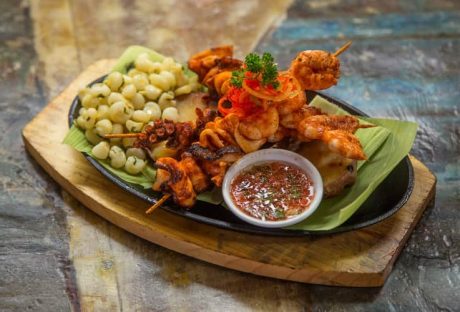
For Australian seafood lovers, FishMe is the ultimate destination for the finest seafood online. The brand specializes in prawns, whole fish, fillets, octopus, lobsters, crabs, oysters, mussels, and squid.
2.Wulf's Fish:
Up next, I’ve got Wulf’s Fish on my list. The seller is primarily based in Boston, Massachusetts. This online site is one of the best when it comes to getting quality seafood for specialized dishes. You can expect to shop for various fishes like tuna, whole fish, fillets, shellfish, etc.
You can also get your hands on a variety of farmed fishes and roses. Recently, this brand has been widely recognized owing to plucking tilefish, Acadian redfish, scallops, and cod from the Atlantic coast. Further, this brand also supplies seafood to a long list of high-profile chefs, including those at Per Se and Nobu.
3.Ōra King:
If you are someone like me who is more into the freshest farmed salmon, then this website is best to spend your money on. Ora King’s New Zealand salmon fish is a unique breed that has to offer culinary experience.
It is fatty and rich in taste. And is always delivered fresh, not frozen. You can expect a great fish fillet at a reasonable price. Nobu Matsuhisa, Daniel Boulud, and Thomas Keller have always been fans of Ora King’s salmon.
4.Sizzlefish:
Up next, I’ve Sizzlefish on my list, which is actually a subscription-based service. But, it is quite affordable. Sizzlefish specializes in delivering clean fish, cut, and fillet for the sizzler. Among the seafood online, this is the best place to order the fillet for making sizzlers.
This brand specializes in North Atlantic Seafood like black cod and true cod. And being a seafood lover, you may agree that it is not easy to find the best cod. The brand also has to offer other species like halibut, blue mussels, sea scallops, diver, soft shell crabs, calamari, Chesapeake, and Alaska-caught salmon.
5. Wild Alaskan Company:
The wild Alaskan company is top-rated among the seafood online supplies for their excellent collections, especially Alaskan fish. They offer monthly subscriptions to their customers. The online buying facility is also here. Wild Alaskan company miny have a wild fish stock like Halibut, Cod, Salmon, and white-fleshed fish.
Every pack is carefully packed. You only have to give the order. And fresh, clean fish is going to be supplied in your house in a vacuum package. Every package is filled with perfectly boneless and skinless fillet.
6.PureFish:
In the online seafood suppliers, Purefish is well-recognized for its high-quality packaging. The brand uses a soft aluminum tray to deliver fish pieces. The tray comes with portions of two. You just need to unwrap your fish, put seasoning, and put it right in the oven. If you have always been a fan of well-trimmed, incredibly processed, and conveniently packaged food, then you must try buying fish online from PureFish.
Everything at PureFish is clean, farm-raised, and high-quality. And you can expect great nutritional value. PureFish is a growing brand and currently establishing its inventory, so you may find limited fish species like cobia, yellowfin tuna, Pacific black cod, and wild-caught striped bass.
7.Crab Place:
You are a lover of exotic seafood like crab, oysters, or shrimps? For seafood online, your best destination is the crab place. Sometimes the fishes are becoming monotonous. And Crab place is providing you the opportunity to taste something different.
The Maryland blue crab is the customer favorite. And the crab place is famous for supplying fresh ingredients. After placing the order within a few hours, you will get your order at your doorstep. From the crab, oyster, and shrimps, every type of seafood is available here.
Conclusion:
These all seven are the best suitable choice for ordering online seafood. We agree that online seafood purchasing is a little bit tricky. But if you know your right destination, your work is going to be easier. Order from these and enjoy the taste of fresh seafood.
Read Also:
How To Cook Sausage That Tastes Like Heaven
Best Summer Lunch Options
How to Choose the Right Wine: Sommelier Tips