









5 Great Reasons Your Home Needs a Wood-burning Stove

Published on: 28 June 2021 Last Updated on: 03 January 2025
Wood-burning Stove

When autumn begins to fade into winter, the temperature starts to reduce and gets even colder. The need to keep the house warm also arises. You definitely have some other form of heating your home since this won’t be your first winter. But your being here means that you are considering an alternative heating method.

The efficiency of wood-burning stoves is one of the many reasons one should be the alternative on your mind. But there are also so many other reasons and they would all be discussed in this article. But first, what are wood-burning stoves?

What Are Wood-burning Stoves?

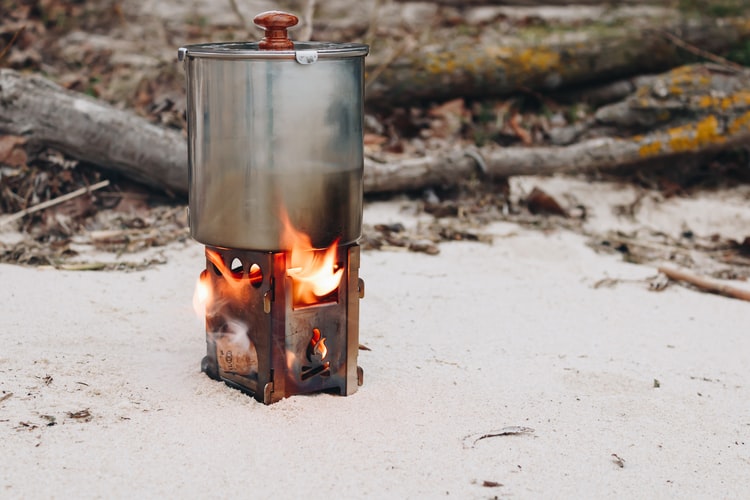
Wood-burning stoves are home appliances that are made of metals like steel or cast iron and are used for heating the house. As the name implies, wood is the fuel for the stove and it is burnt inside a fire chamber that is usually enclosed.

The gases and fumes they produce have to be taken out of the room either through a flue or a chimney just like a traditional fireplace. Although these stoves have existed for a long time, they only just rose in popularity. And this is because more people have begun to appreciate their benefits.

But what are these benefits? Let’s find out below.

Reasons You Should Get a Wood-burning Stove

The following are the major reasons a wood-burning stove is a great heating system for the home…

1. Efficiency
1. Efficiency

The heat that this heating system produces is very impressive. Your home gets to enjoy a great form of heat output with one of these burner stoves. This means that the house will get warm effectively and a lot more quickly.

They come in various sizes and energy levels, this way you can select one that will adequately suit your home’s size

2. Stylish and Decorative

They not only get your house adequately warm, but they also provide aesthetics as they look so great. When one is placed in a room in the home, it is sure to become a new point of attraction by adding style and character to the room.

There are a lot of styles to choose from like contemporary or classic and so much more. You simply need to be deliberate when you shop for the burner and ensure you get one that will match the home’s décor.

3. Gives Your House a Homely Ambiance
3. Gives Your House a Homely Ambiance

When the weather is chilly and bent on making everyone miserable, one way to beat the weather is to get cozy at home. And a wood burner is sure to provide that homely ambiance that is much needed during this time.

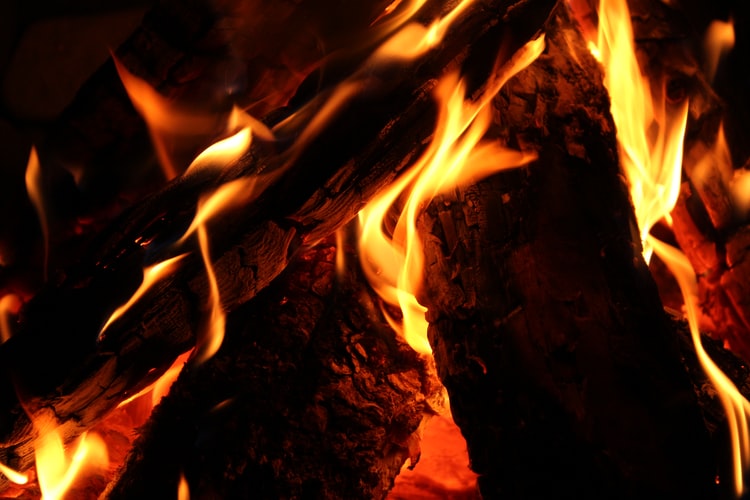
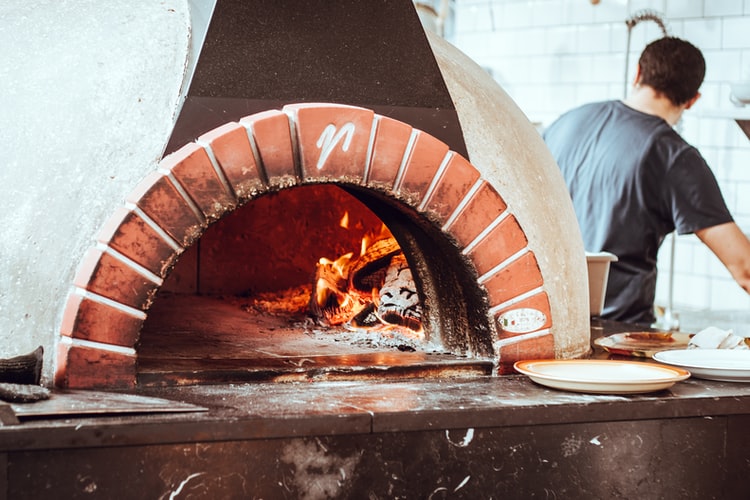
The cozy heat from the burner and the roaring flames inside the fire chamber provide a calm and soothing visual impact that will leave you comfortable in no time. Visit https://apnews.com/article/a53e297b6fbc4481a0c917dc41c3842f to find out other ways you can stay comfortable during the cold season. You can sit in front of the fire with a cup of coffee while watching the flames dance.

4. Good for the Environment

We are in an age where eco-awareness is at its peak and a lot of people are trying their bests to do right for their environments. One way to contribute towards this goal of a better environment is a wood burner. How is this burner environmentally friendly you may ask.

Well, it is because wood which is the fuel of this type of burner is carbon neutral even though it releases carbon dioxide. The amount of carbon dioxide that is produced equals the amount that is consumed by trees which takes the carbon dioxide and then releases oxygen. This way, the burners do not impact the carbon dioxide level in the environment.

5. Cost-Efficient

5. Cost-Efficient

Energy price is constantly going up and people are beginning to find it more expensive heating up their homes with electrical and gas means. Wood burners on the other hand are very energy efficient and thus help you save money that would otherwise have been used on the energy required by other home heating systems.

You will surely find this heating method a lot more economical as you will notice an obvious reduction in your heating bill. The heating bill is reduced and not cut off because you may still have to make use of the central heating where you haven’t placed a wood stove.

The initial cost of getting the burner bought and installed may be on the high side compared to other heating systems. But, we assure you that it would only be a matter of years for this cost to be gotten back through the energy-saving nature of the burner.

If you need to learn about more of its benefits, you can check here.

Conclusion

Getting a wood-burning stove may very well be the best decision you may make when it concerns heating your home. This article discusses 5 great reasons why this heating system is great for your home.

Read Also:

Content Rally wrapped around an online publication where you can publish your own intellectuals. It is a publishing platform designed to make great stories by content creators. This is your era, your place to be online. So come forward share your views, thoughts and ideas via Content Rally.

View all posts

Leave a Reply

Your email address will not be published. Required fields are marked *

Related

Iron Clothes

How to Use Iron Clothes With Steam

Believe it or not, the amount of people that don’t know how to iron clothes is amazing. There’s no shame on it since most of us were thrown into society without really practicing skills that would definitely help us fight back as we become independent. These skills include things like cooking a proper meal before going to work, knowing what groceries to buy without spending all our money on unnecessary things, being able to pay bills accordingly without becoming a mess, cleaning the house every now and then, and of course, knowing how to use steam irons and what to do to properly iron our clothes to not look like folded toilet paper. Don’t worry though! In this guide, I’m going to teach you the essentials of how to iron, and how to deal with different types of fabric. To be honest, ironing is not something as complicated as many think. It’s all about knowing what to do, which is what most people lack. The process may require a little preparation and patience, though, so be prepared to practice with different pieces of clothing to get the main idea. One thing is sure, though. You have to be careful when using an iron because they can be harmful if dealt with without precautions! How to Prepare for It The first thing you’ll need is a flat surface where you can prepare your clothes to be ironed. Try to have everything neatly organized to avoid possible accidents, and if you can, try to do it on an ironing board. Some clothing is too delicate for the heat produced by the heated metal of the device, so have a piece of fabric to protect these. Read more: A Complete Guide on Using IRON on Transfer Paper Connect the Iron Irons can take some time before they are ready to be used. They usually show a sign that they are ready, so be sure to be attentive about them while you take care of the next step. Never try to do it before its ready, since it’ll lead to a slower and far less efficient process. Know the Differences Between Materials, and Sort Them Beforehand Depending on the type of fabric you are dealing with, you might want to change your approach while ironing. You can’t deal with a silk piece the same way you would deal with a cotton one, for example. Some pieces of clothing will require you to use the lowest setting of heat possible, while others may require even more heat. Separate silk, wool, rayon, and acetate to be dealt with the lowest settings. Wool clothes may require the protection of another piece of fabric that was previously dampened, so take that in mind! For polyester, go with the medium heat setting, and for cotton, you can go either medium and high heat setting. Both of them should be dampened to be protected from the heat. Before the iron is ready to go, you should have them sorted out. How to Iron Clothes When you deal with shirts with a collar, you should start with it. You can start with a pattern that follows the inside part of the collar, starting from the center of it, until you reach the edges. Then, fall back to the center, and keep moving between both sides. Once you’ve finished with it, you can work the outside. Lay down the shirt in a way that you can flatten it with the iron with simple movements. After that, you have to work your way down, slowly moving the shirt. Then, work the sleeves then the cuffs. Pants are much easier than shirts with a collar. You just have yo lay them down in a way that you can work both legs at the same time. Start with the waist, gently work with the pockets, and go your way down. Repeat the process until you are satisfied with the results, but make sure to be gentle and careful with the heat and the ironing. Considering that there are way too many types of clothing to teach all of the proper methods and techniques to iron them accordingly, you should check this guide on how to do it without fail. Safety Recommendations Ironing can be a pretty dangerous process if you are not attentive while you do it. If you don’t take safety measures, you might harm yourself or others, so make sure to pay attention to this part of the guide. The very first thing you should always make sure is that the iron is unreachable for children. Children can be curious and do things without knowing, so you will be the one to blame if you allow them to get closer while they are heated up. This is important even after you’ve finished ironing. These devices tend to remain heated up even after disconnecting them, so you should still be attentive to any possible situation. I recommend you to wait at least 10 minutes before taking your guard off. Remember to check just in case. While it rests, don’t leave it face down. You might burn something or damage the iron if you do. If an accident happens and you burn yourself or someone else gets burned, treat the burn with cool water for as much time as you can. 20 minutes should be more than enough. Don’t use things like butter or oil, since it might infect the injury. if the burn is too big, you should check yourself with a doctor. Read Also: How To Choose A Washing Machine? How to Pack Clothing Properly for Shipping Choose The Latest Collection Of Women Clothing For a Stylish Look 6 Benefits Of Buying Clothes Online – Why People trust online shopping

READ MOREDetails
Prevent Insects

Simple Ways To Prevent Insects From Taking Over Your Kitchen

No one wants to come home to a kitchen crawling with critters. Imagine coming home and seeing ants, weevils, cockroaches, and other insects moving amongst your foodstuff and utensils. If that doesn’t make the hairs on your neck stand, we don’t know what will. Not only do these insects carry germs and other harmful substances, but they also have a distinctive odor that lingers even after they leave. Pests can chew through boxes and plastic containers; some can even chew through metal. They can also contaminate food and surfaces, and they leave droppings on drawers and pantries. These pests are a nuisance that most homemakers don't want to encounter because they know how wasteful and problematic they can become. You don’t want to throw away (but you have to) cereals, pasta, and other foodstuffs that have been crawled and nibbled upon by rodents, cockroaches, and other pests, don't you? In this case, you need to look for a reputable pest control company like Top Line Pest Control to ensure there won’t be any pests in your home fast. Here Are Four Prime Steps To Prevent Insects From Taking Over Your Kitchen If you want to keep your home pest-free, here are some things you need to consider. 1. Immediate clean-up Crumbs, leftovers, and spills always attract pests inside the house. It would be best to conduct an immediate clean-up after every meal. Remove leftovers and place them in your recycling bin or trash compactor, place your dishes and utensils in the dishwasher, and wipe down eating surfaces immediately after eating. Doing this will prevent pests from making their way to your kitchen. You can also prevent pests by wiping surfaces and problematic areas with 50% vinegar, dish soap, and water. You can also use a salt and water solution to directly wipe the surface and spray on bugs.  2. Buy and stock food in cans and glass jars When you shop for your groceries, select products that come in cans. Most pests can chew through paper, cardboard boxes, and even thin plastic containers. If you stock the pantry, it will be better to stock cans or glass jars of food because pests rarely chew through these materials.  3. Check on the kitchen pipes  Another way to prevent insects from coming into your home is to check the kitchen pipes. If the holes are bigger than the pipes, you have to cover them properly with sealant to prevent mice and other pests from using them as the entryway to your home. You can do it yourself by using caulking agents, glue, or expanding foam to cover such spaces, however, you can ask a pest control company to eliminate insects and pests professionally and safely in the long term. 4. Take out the trash If you don’t have waste disposal in your sink, you must take out the trash regularly. You also have to use top-grade trash bags to keep pests away.  Endnotes Keeping pests away from your kitchen can be challenging. However, with a few simple methods, you can ensure your kitchen is as clean as possible. Read Also: How To Choose the Right Brass Range Hood for Your Kitchen Know About The Type Of Kitchens According To Different Size Different Styles of Kitchen Cabinets

READ MOREDetails
Home Remodeling

Home Remodeling Tips

It is never too early or too late to give your home a fresh no look. This especially important at times like these where we spend most of our day inside and use our home to work, rest, and play. Change is healthy every now and then, and even a minor detail you alter can make you feel better, and every practical improvement is always welcome. I finally decided to do something about my apartment so I decided to ask pros for help, and KIC Restoration explained to me what I should consider before opting for a home remodeling of any scale. Budget When you finally decide to put your dreams into reality, first you must put them on paper. The initial step you need to take is to sit down and thoroughly investigate the amount of cash you are willing or able to spend. You have to address this issue so that you can, at least, get some of the stuff you’d considered, done. It is important to investigate prices in your local area, prices of materials and labor, and then adjust your plans accordingly. Make a Plan When your budget has been created, the next thing to think about is what is most necessary and urgent to address. You need to make a list of things that have to be done and things that you’d like to do, determine priority, and create a plan accordingly. It is worth noting that not everything can be completed simultaneously and that certain operations require more time and resources than others. When you take into consideration the price, the time needed and how occupied your home is going to be, you can then draw a timetable of activities so that you’d use your free time and money in the most efficient manner possible. Priority Over Desires Similarly to creating a budget, you need to decide what new items it is best to invest in, and what exactly are you going to need most. You shouldn’t cut costs on important items that provide a frequent and necessary service like a new table, set of chairs or a cupboard. It doesn’t need to be furniture at all. Any items that improve the quality of life of you and your family should be prioritized. Pick Ahead as Much as Possible As the subheading suggests it is vital to plan ahead as much as possible and pick several alternatives for the most important aspect of your home remodeling. If you do that in advance, before the start of the work, you are going to stumble upon a lot fewer issues when the actual work commences. You should leave as little room for improvisation and compromise as possible. This homework is essential for an efficient and successful home renovation. Worth the Effort? Sometimes certain alterations of your home might cause much more work and headache than you wanted. Before you decide to change something you should consider whether it’s even worth the effort, the time, and the money? Sometimes it is best to leave something as it is. For example, water pipes or electrical wiring, yet some parts of your home might be so outdated that it just has to be done, even if you didn’t plan to do it initially. Be Patient and Optimistic Home remodeling is not a small task. Even if you’d planned everything to the smallest detail, certain unexpected issues can always show up, or certain events you can’t control might shake up the original plans. It is important to stay positive at all times and focus on finishing the task at hand. You should know that your home is not going to be as comfortable during the works, and you’d just have to endure those few days and look forward to the results you so intensely worked for. Read Also: Top 3 Home Renovation Considerations for this Spring How To Increase The Value Of Your Home

READ MOREDetails