







Zanzibar Island – Planning A Refreshing Getaway With Your Family

Published on: 12 July 2023 Last Updated on: 01 August 2024
Zanzibar Island

Off the east coast of Africa, in the tropical paradise of Zanzibar, are a variety of experiences that can rekindle creativity, revitalize the body, and feed the soul.

The archipelago attracts tourists of all ages with its palm-lined beaches, snow-white sand, medieval settlements, and vibrant marketplaces.

Explore the rich history and culture of the island to kick off your seven-day journey. Snorkel among the coral reefs of Mnemba Atoll while exploring Stone Town, a UNESCO World Heritage Site.

Take in the lively ambiance of the Darajani Market, where the aroma of fresh produce and spices fills the air.

Zanzibar provides a wide variety of sights, sounds, tastes, and sensations that will reawaken the body, feed the soul, and stimulate creativity.

It is the perfect location for families seeking a weeklong vacation in Africa!

Understanding The Location

The largest and most populated island in Tanzania is Zanzibar Island, a component of the Zanzibar Archipelago situated in the Indian Ocean off the coast of East Africa.

Unguja, Pemba Island, as well as countless other smaller islets, are all part of the semi-autonomous province. The largest and most populated island in the archipelago is Zanzibar Island.

For beachgoers and fans of water sports, Zanzibar Island in the Indian Ocean is a popular vacation spot.

African, Arab, and European cultures influence this country's architecture, cuisine, and traditions.

To fully experience the island's lively culture and interesting history, visitors can wander the winding streets of Stone Town, a UNESCO World Heritage site.

Getting The Visa For Your Trip

Securing the required visa while making travel plans to Zanzibar is essential for a simple and hassle-free entry onto the island.

Various types of visas are available depending on the reason for your visit and how long you plan to remain.

The most typical tourist visa, which allows stays of up to 90 days, is single-entry. A business visa is necessary for travel on business and provides up to 90 days of stay.

Those traveling through Zanzibar to another location can also obtain transit visas. You can visit the website for Tanzania Visa before applying for the process.

Tanzania launched the Tanzania e-Visa system in November 2018 to cut down on face-to-face interactions between foreign visitors and immigration officials.

The online application for a Tanzanian visa takes less than 10 minutes to complete. The form requests details about the applicant's name, passport number, intended arrival date, and travel motivations.

Visas do not guarantee entrance because immigration officials have the right to deny entry to anyone who does not comply with standards or poses a security or national interest threat.

Things To Do In Zanzibar Islands
Things To Do In Zanzibar Islands

Given below is a list of all the places you must visit to help you plan your trip to Zanzibar island better—

1. Visits To The Beaches

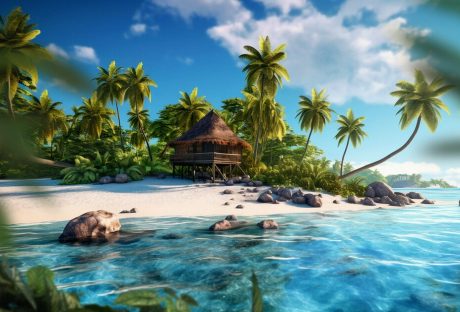
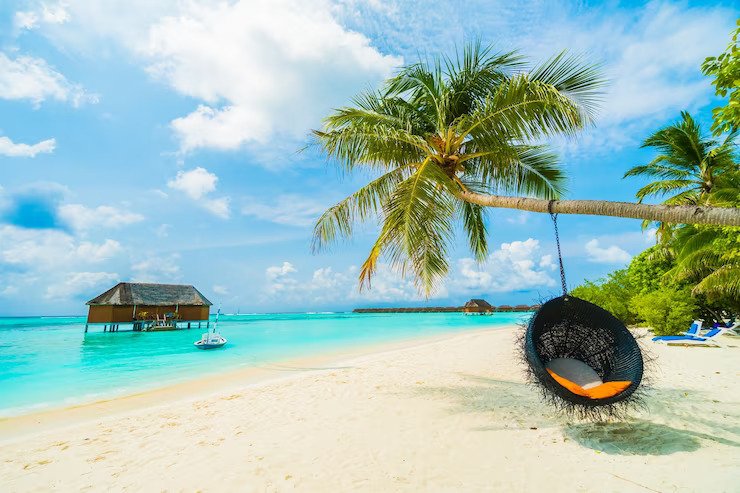
With its stunning beaches, unspoiled seasides, and turquoise waters that are crystal clear and transparent, Zanzibar Island is a dream for beachgoers and water sports enthusiasts.

It provides a peaceful getaway or an action-packed beach vacation for everyone with its swaying palm palms and range of activities.

The beaches on the island offer countless chances for water activities and exploration, from sailing and fishing to snorkeling and scuba diving.

Nungwi Beach, situated on the northernmost point of the island of Zanzibar, is among the most well-known beaches there.

Its colorful coral reefs and an abundance of aquatic life make this stunning stretch of coastline a sanctuary for divers.

Tourists can take a boat ride to the adjacent Mnemba Atoll to see the vibrant coral gardens and swim with dolphins.

2. Spending Time Amidst Wildlife And Nature

The island of Zanzibar, which lies off the coast of Tanzania, is a paradise for nature and wildlife lovers.

Zanzibar provides many possibilities to discover and interact with its vast biodiversity thanks to its different habitats, which include beautiful beaches, blue oceans, lush forests, and coral reefs.

Zanzibar safaris are a well-liked method to enjoy the island's amazing wildlife and unspoiled beauty.

There are several opportunities to see rare animals and stunning settings, from escorted tours through the renowned Jozani Forest to snorkeling excursions in the pristine waters.

Zanzibar's safari vacations promise amazing experiences and the ability to fully immerse yourself in the delights of this alluring location, whether you decide to go on a typical game drive or choose a more daring walking safari.

3. Trip To The Cultural Locations

Zanzibar, a Tanzanian archipelago, is well-known for its extensive historical landmarks and rich cultural legacy.

Tourists can explore Nungwi and Paje, which provide a variety of experiences, as well as Stone Town, a UNESCO World Heritage Site.

Zanzibar will be an amazing voyage through its cultural tapestry if you immerse yourself in Swahili culture, explore the island's history, and indulge in local cuisine.

The recognizable Stone Town is one of the centerpieces of Zanzibar's cultural heritage.

Visitors are transported back in time as they meander through its twisting, cramped streets to the times when Zanzibar was a thriving center of trade and commerce.

The artistically carved wooden doors and elaborate balconies of the buildings showcase the island's unique fusion of African, Arab, and European influences.

A number of historical sites, like the Old Fort and the Palace Museum, are located in Stone Town, where tourists may learn about Zanzibar's intriguing past.

4. Biking On The Mountains

Arranging a bike journey to the Zanzibar mountains involves serious thought and detailed planning.

Choose the difficulty level that best suits your abilities and level of fitness by first researching the various routes.

Learn about the weather and the ideal time of year to visit the mountains. Make a thorough itinerary that includes the departure location, travel path, and destinations.

Include the length of the journey and any rest days or accommodations that may be required.

Biking trails' degree of difficulty should be taken into account to create a secure and enjoyable experience.

To make wise judgments, review the reviews and elevation profiles of the paths. Add in your preparations any passes or permits required for particular locations.

In conclusion, meticulous planning is necessary to ensure a safe and pleasurable experience while organizing a bicycle trip to Zanzibar.

5. Go Shopping

Markets on the islands of Zanzibar offer a unique shopping experience with vivacious colors, sounds, and fragrances.

The energy is palpable as locals and visitors haggle over prices, sellers excitedly promote their wares, and traditional music fills the air.

The marketplaces are bursting at the seams with various goods, from handcrafted goods and finely woven textiles to exotic spices and fresh seafood. The colorful vendors' use of colorful fabrics and wonderful artwork create a feast for the eyes.

Walking through small passageways, you'll be drawn to colorful displays and welcoming vendors.

You are drawn in by the aromas of spices and tropical fruits, which tempt you to engage in sensory overload.

What Is The Best Time To Visit Zanzibar?

The best time to travel to Zanzibar depends on your travel goals. The dry season and the wet season are Zanzibar's two primary seasons.

Since the temperature is comfortable and there is little rain, the dry season, which lasts from June to October, is the greatest time to go.

The rainy season, which runs from November to May, on the other hand, delivers more rainfall and increased humidity.

But this time of year also has its own special things to offer, like lush green scenery and fewer tourists. The ideal time to travel to Zanzibar depends on your interests and vacation goals.

Read Also:

Arnab is a professional blogger, having an enormous interest in writing blogs and other jones of calligraphies. In terms of his professional commitments, He carries out sharing sentient blogs.

View all posts

Leave a Reply

Your email address will not be published. Required fields are marked *

Related

World Unlocked: Amex Gold Vs. Chase Sapphire Preferred – Which Is Better?

World Unlocked: Amex Gold Vs. Chase Sapphire Preferred – Which Is Better?

International travel is a popular contender in people’s bucket lists. Revenge travel post-pandemic has motivated several individuals to list countries they want to visit before they die. While immersing yourself in a different culture and enriching your wisdom with knowledge from other nations is exciting, it also comes with heavy financial considerations. Travel expenses transcend flight tickets and hotel accommodations, though these take up a considerable part of the budget. The other crucial concerns that must be prioritized are food expenses, land transportation, activities, and even souvenirs. When traveling interstate, these may require a meager and fixed amount you can easily budget. Traveling to another country with their unique currency is a different story. Some factors, including conversion rate and transaction fees, must be accounted for, especially when using credit cards. Using credit cards offers convenience, but their foreign transaction fees can eat into your budget, typically charging 3% of the purchase amount in foreign currency. Thus, the best way to optimize your travel expenses is to use credit cards designed for travel. They usually come with zero transaction fees for foreign currencies. In this article, we will compare the two crème de la crème among all these no foreign transaction fees credit cards – Amex Gold vs Chase Sapphire Preferred – and evaluate how they fare with their overall suitability for international travel. The American Express Gold Card: A Culinary Approach to Travel Coming in as a heavyweight contender in the premium credit card arena is the Amex Gold Credit Card. When traveling is a hobby you do only on special occasions, Amex Gold can give you so much more for your ordinary days. It shines with its generous 4x bonus reward points on your restaurant visits, takeout sprees, and everyday groceries. On your travel days, Amex Gold also proves to be a reliable companion for your travel expenditures – especially for your gastronomic excursions. The whole American Express network has global recognition, with its card widely accepted worldwide. Using your card for your dining will even award you 4x bonus points and a 3x reward for flight tickets. Beyond the global acceptance and generous award points, this travel credit card also offers a suite of premium travel benefits. From travel insurance, points transfer with their travel partners, and even a $100 credit for a minimum 2-night stay on their hotel collection to having access to their Global Assist® Hotline. Their Global Assist® Hotline lets you enjoy your travel with peace of mind, knowing you will have safeguards for emergency situations. Their assistance covers a range of needs, including medical referrals, legal aid, and even lost passport replacement. Here’s a link to a complete guide to all of Amex Gold credit card benefits: https://fortune.com/recommends/credit-cards/american-express-gold-card-review With this solid range of convenience in your hands, it is only fitting that this credit card comes with a hefty annual fee and high APR for a pay-over-time feature. If you look forward to lounge access for your pre-travel experience, you will also be in for a big disappointment, as the Amex Gold card does not provide any lounge access. The Chase Sapphire Preferred Card: A Versatile Traveler’s Ally Another premium travel card is the Chase Sapphire Preferred, enjoyed by many cardholders for its flexibility and generous travel rewards program. With their Ultimate Rewards Portal, you can earn 5x bonus points for your flights, hotel rooms, and other travel experiences. On some promotional periods, they even offer 5x bonus points on select theme park tickets available to purchase through the portal, including Universal Studios, Legoland, SeaWorld, etc. This is especially suitable for traveling families or those who enjoy theme park activities. Nevertheless, on your off-travel days, you can still enjoy other perks, such as their 3x bonus points offer for online grocery purchases, subscriptions to streaming platforms, and even on your restaurant indulgence. Currently, the credit card also offers 5x bonus points on your Lyft rides, so be sure to maximize your commute. The real perk that comes with the Chase Sapphire is its flexibility with transferring points. Their 1:1 transfer partners make all your earned bonus points worth the incurred expenses. Suppose your favorite hotel line is offering a great deal on premium suites with their hotels on a desired destination. They are offering it for a minimal price of 30,000 points plus applicable taxes and fees. With Chase Sapphire Preferred, you can convert your Ultimate Rewards Points into the rewards program of that hotel line to pounce on that great offer. Find their comprehensive list of transfer partners in this article. These great rewards also come with a price of $95 annual fee. They also do not offer any intro APR for new cardholders. Nevertheless, these financial sacrifices can be valuable with all the travel conveniences the card offers, which unfortunately can also be earned only when you book through their portal. Overall, transaction fee concerns, although entirely erased by these cards, are just one aspect that completes the complexities of international travel. The overall cost-benefit analysis must be made on the basis of the card’s rewards program, annual fees, and other travel-related perks. The choice of a suitable credit card must be weighed on the basis of personal preferences, travel habits, and financial goals. Read Also: Tips For Planning An Ideal Holiday Getaway Tips To Help You Learn A New Language In A New Country

READ MOREDetails
8 Reasons Why Canvas Is The Best Tent Material

8 Reasons Why Canvas Is The Best Tent Material

When it comes to choosing a new tent, most people consider its capacity and type first. And in most cases, this approach works perfectly, especially when talking about short trips for a few days once a year. However, if you are looking for a tent that will last you a long time and keep you comfortable and safe while camping, the tent material is one of the most essential aspects to consider. And here canvas outfitter tents are a great option. The main benefits of cotton canvas include: breathability water resistance environmental friendliness insulation properties All this makes canvas one of the most optimal materials for camping in different weather conditions. What Is A Canvas Outfitter Tent Outfitter tents, also known as wall or cabin tents, are popular among many campers. Being a semi-permanent structure, such a shelter type has excellent durability and roominess. This is often a critical consideration as the extra headroom gives you more freedom of movement and doesn't restrict you when you're inside the tent. Typically, outfitter tents are made from canvas, making this an even more attractive option. After all, the combination of one of the best materials and the versatility inherent in outfitter tents make this type of shelter a perfectly balanced solution for camping. Why Canvas Is The Best Choice As mentioned, canvas is known for its properties that provide good insulation, water protection, and also breathability. In addition, this material is durable and resistant to harmful external factors. Therefore, let's take a closer look at why canvas tents are a worthwhile purchase and which benefits they may offer over most plastic (nylon, polyester) tents. Breathability It is one of the main advantages of canvas. It keeps you dry and comfortable inside the tent, no matter the environment. Since humidity and condensation are common in camping, canvas tents are a great option as this material provides excellent moisture protection, making it comfortable to be inside your shelter. Thus, these tents are perfect for both summer trips and camping in the colder months during fall or spring. In addition, the air in such a tent does not stagnate due to its breathability properties, which maintain a feeling of freshness. Heat Efficiency Another benefit of canvas over plastics is its heat efficiency, making it the best choice for winter camping. Such a tent warms up efficiently and retains heat inside, so you will not freeze even at low temperatures during the night. Also, canvas tents can be safely used with wood-burning stoves. Therefore, if you are looking for a decent tent for winter trips like ice fishing or hunting, then canvas tents are perfect for such purposes. Waterproofing Canvas is a fairly dense fabric with good surface tension. This means raindrops or moisture will run down the tent without getting inside through the material. In addition, canvas fabric fibres tend to swell during heavy rain, which creates additional protection from water. Thus, tents made from this material are one of the best solutions for camping in bad weather conditions, for example, during heavy rains or even storms. Regardless of the outside conditions, you can be sure to stay dry and protected with a canvas tent. Durability In addition to being waterproof, the canvas is also quite durable. Tents made from this material are strong, tear-resistant, and maintainable. Therefore, by purchasing a quality canvas tent, you can use it for many years without any risk, especially if your tent fabric has been pre-treated. With tear resistance, you can set up such a tent almost anywhere without worrying about its safety. At the same time, even in case of a break, such a tent can be quickly repaired; all it takes is a needle, thread, and a little candle wax for waterproofing. If the gap is too large, for example, after a tree branch falls or a strong wind, then such a problem can be solved with a sewing machine because, as mentioned, such tents are very maintainable. Ventilation The inherent breathability of canvas fabric also contributes to the advanced tent's ventilation. Often outfitter tents made of canvas are designed as all-weather tents, so ventilation is essential in this case. Outfitter tents are usually fitted with large vents and mesh-covered windows. Alongside the fabric's breathability and customizable ventilation in a tent, you can tune your airflow to suit the weather. With good ventilation, the air inside stays fresh, and the tent maintains a comfortable temperature, which is especially valuable when camping on hot summer days. Strength Canvas outfitter tents can withstand extreme weather conditions and heavy use, making these shelters popular with fishermen, climbers, and hunters. With quality material, burly steel stakes, and thick poles, you don't have to worry about the strength and safety of your tent, no matter where you would like to camp or what time of year to go camping. That's why canvas tents are the perfect option when it comes to durability and reliability. UV Resistance Another advantage of this material is its UV resistance. Canvas tents have a special protective treatment that makes them resistant to sunlight. This means your tent will retain its nice appearance, and the fabric will not lose its properties due to the harmful effects of ultraviolet radiation. Sustainability As a bonus, the canvas is biodegradable. Therefore, if it means a lot for you to preserve the environment, then a tent made of natural materials is an ideal option.

READ MOREDetails
One Day In Barcelona

One Perfect Day In Barcelona: A Deep Dive Through The Heart Of Catalonia

Barcelona is not a city, but an experience — a wild tapestry of Gothic gloom, Gaudí imagination, seaweed-scented sea air, and the Catalonian rhythm of pride. You may have thought it impossible to spend a day in that enchanted city — how were you ever going to sample all its flavors, hear all its symphonies of sound, and see all its aspects of beauty within the limiting confines of a humble 24-hour day? The key is conscious travel: choosing symbolic spots, being where you need to be, where you need to be for real experiences, and letting Barcelona catch you up, at least for a while. What you will be left with when it is all said and done is a day-by-day, hour-by-hour experience — a carefully curated combination of architecture, cuisine, history, and natural beauty — so that your one day with us is fulfilling, complete, and memorable. 7:00 AM – 9:00 AM: Awakening Barcelona — La Rambla And La Boqueria An Early Morning Stroll through La Rambla Sleep in early because the city's waking up. La Rambla, usually crowded with tourists at lunchtime, is close to magic in the morning. The plane tree entwines' dappled light, yellow patches on the still-scented cobblestones with morning scents of tidiness. Flower sellers spread out bouquets, the first newspaper vendors creak open, and street artists start to sketch the first doodles. Stop at the Font de Canaletes, a humble, off-the-tourist-strains fountain where FC Barcelona fans gather to celebrate victories — a place rich in local tradition. Breakfast At Mercat De Sant Josep De La Boqueria Step into a kaleidoscope of color, aroma, and texture beneath the giant iron gateway. Succulent mangoes radiate with frosty vapors mist, rose dragonfruit with bouquets of citrus-marinated olives, and countertops heaped with glimmering sardines, flame-red tuna, and curled-up octopus tentacles. Just-frying churros' aroma overpowers the aroma of strong Spanish coffee. What to Eat: A serving of jamón ibérico slices, fat-dripping and melting upon your tongue. A fruit cup of tropical essence. Or, if you're starving for something more substantial: a large plate of tortilla española (potato omelet) and an espresso to rouse even the deepest sleeper. Tip: Take some homemade chocolate or turrón (nougat) with you to snack on later. 9:00 AM – 12:00 PM: Wonders Of Architecture — Gaudí's Barcelona 9:00 AM: Casa Batlló — The House Of Dreams Stroll along Passeig de Gràcia, where fashion shops with the latest designs mix with modernist legends. Casa Batlló is like a monster, its ceramic tile hides glowing blue to green in hue. The balconies with bone-like projections and wavelike windows look more grown than constructed. Go inside and see: Wavy walls and ceilings are like a wave at sea. A spine-like staircase. Serene inner courtyard ringed with cooling blues whose color deepens more and more as it rises. Audio guides give way to augmented reality, and Gaudí's fantasies are overlaid upon real life. 10:00 AM: Casa Milà (La Pedrera) — Wind And Water-Sculpted Casa Milà is a two-minute stroll down the same boulevard away. Infamous for its stone-like, haphazard appearance, having been referred to as La Pedrera ("The Quarry"). Enjoy Balconies made of wrought iron swathed like seaweed. Chimneys protruding from the roof as if supernatural, horror-face warriors. The roof has breathtaking views of Barcelona — the glinting Mediterranean in the distance like a mirror. 11:00 AM: Sagrada Família — Gaudí's Magnum Opus Purchase your ticket in advance to avoid serpentine queues. From blocks away, the spires thrust heavenward like a ghost. The exterior is a wonderful sequence of biblical statuary, each of the three fronts (Nativity, Passion, and Glory) narrating a chapter of Christ's life with an almost maniacal imagination. Inside the basilica: Light filters through rainbow-colored stained-glass windows, casting columnar columns blues, greens, oranges, and reds. The columns branch out like trees, like walking through a stone forest. Fact: Sagrada Família is still built and won't be finished until 2030-2035, over 150 years since work started. 12:00 PM – 2:00 PM: Gothic Quarter And A Tapas Lunch Introduction To The Gothic Quarter (Barri Gòtic) Return to the medieval heart of Barcelona. Cobblestone streets, with stones very closely set but again just space enough to walk two abreast, with the breeze blowing between big stone buildings. Footsteps resonating off emerald-mossed walls. See Plaça Reial, whose lovely arcades and lampposts were created by Gaudí. The tranquil Plaça Sant Felip Neri, a square which is still scarred by Spanish Civil War bullet holes. The breathtaking Gothic Cathedral of Barcelona, with its tall spires and cloistered interior,r which protects 13 white geese. Lunch in a Traditional Tapas Bar Select a local favorite like El Xampanyet (light and true) or Bodega Biarritz (little but legendary), and also great tapas bars in Barcelona. Tapas to Try: Pimientos de Padrón — Green peppers, fried in olive oil, one in ten will have a spicy kick. Gambas al ajillo — Shrimp fried in garlic. Pulpo a la gallega — Smoky paprika-topped tender octopus. Glass of cold local Cava (champagne wine) or home-made Vermut casero (home-made vermouth). 2:00 PM – 4:00 PM: Dreamscape — Park Güell Subway or taxi to Park Güell, the Carmel Hill summit. Abandoned housing project on its first construction, Gaudí had imagined it as an imaginary park. Take a stroll around: The sea serpent-profile mosaic-tiled balcony. The gingerbread castle-like gatehouses of fantasy. Viaducts of stone are integrated between the pines and palms surrounding. At the top of the park, you'll have panoramic views of the whole city, rooftops as far as the blue sea horizon. Tip: Save a trip to the Monumental Zone for uninterrupted camera shots. 4:00 PM – 6:00 PM: Coastal Breeze — Barceloneta Beach Barceloneta's Charm Back down to sea level and walk to the Barceloneta quarter. Old fishing village turned sun-dried, salt-crusted city quarter. Walk promenade beach promenade Rollerbladers speed by. Street musicians' guitars sang out above washing waves. Sizzling fry of fried sardines and salty anchovies filled the air. Relax Options: Wiggle toes in refreshing Mediterranean waters. Sit in a beach chair with an ice-cold mojito at a beach chiringuito Related Resource: The Best Travel Tips After 10 Years Traveling the World 6:00 PM – 9:00 PM: Night Magic — Montjuïc Hill And Dining Montjuïc: Sunset End And Spectacle Ride funicular to Montjuïc Hill. Enjoy golden sunset from Museu Nacional d'Art de Catalunya (MNAC) terraces, domed palace glinting in sun's decline. Walk down to the Magic Fountain of Montjuïc — colossal, kinetic display of water, light, and sound. The program (free) is a multisensory ballet, in front of royal facades and open sky. Last Supper: Catalan Gastronomy Where to eat: Can Culleretes (Barcelona's oldest restaurant, traditional Catalan cuisine). Orio BCN Gòtic (thinking Basque pintxos bar). Recommended Courses: Esqueixada de bacallà — hot salad of salted cod. Canelons — oven-dried Catalan cannelloni with meat and béchamel filling. Mel i mató — mountain honey and fresh Catalonia cheese. End the night with a glass of Moscatell or other dessert wine. 9:00 PM – Late: Flamenco Dreams Or A Nightcap If you still have some energy remaining in you: Watch a flamenco show in Palau Dalmases — a stunningly lovely 17th-century palace where the dancers stomp and whirl and wail with abandon. Or stop to refill with a final cocktail -  on the balcony of a top-floor terrace over a cityscape glinting with centuries mingling with each flash of light. A day in Barcelona isn't just about ticking sites off a list — it's about experiencing the city's layered heartbeats, about sampling history and future in one bite, about standing on stones laid centuries ago while gazing out at the endless horizon. There are amaizng places from clubs to pubs to have a great time, eithe alone or with your group. If you are feeling adventurous enough then you can try out the Cannabis clubs or weed cafes as well in Barcelona. The cannabis association in Barcelona is quite popular.   And even though your time is short, you’ll leave with something that lingers — a small piece of Barcelona forever stitched into your memory.

READ MOREDetails