










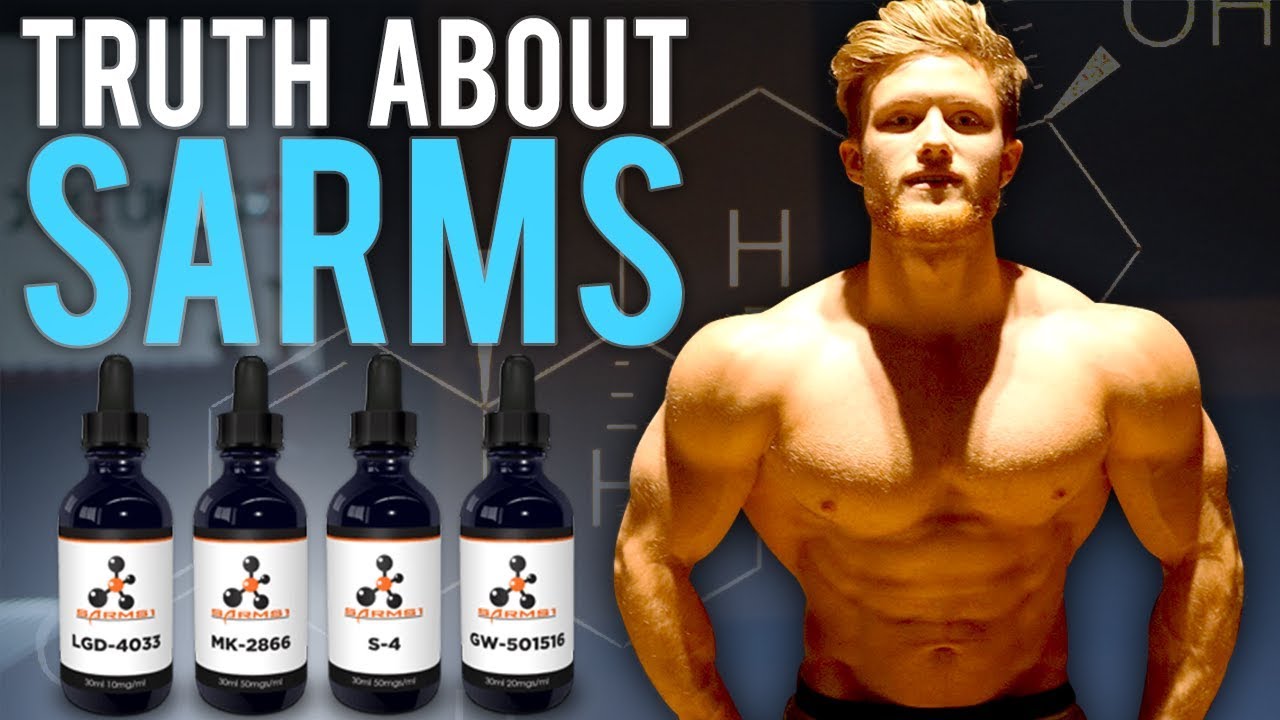
- Are you looking for a cutting-edge new scientific invention to boost your muscle mass and promote bone density?
- Do you know how you can avoid all the negative effects of steroids and enjoy all the positive ones?
- Are you aware of SARMs and their game-changing abilities in the field of fitness, body-building, and other medicinal uses?
Top Things You Need To Know About SARMs Before You Start Using



Popular

Technologies For Creating A Startup Idea
20 Feb 2023

How to Download Facebook Videos on Android?
07 Feb 2019

7 Rules of Effective Ecommerce Web Design
28 Jan 2021

Why Are Online Transactions Convenient?
07 Dec 2023

Recent


Related

5 Essential Nutrients For Maintaining Optimal Maternal Health
Is there anything more miraculous and joyful than carrying a piece of you for nine straight months? But pregnancy is certainly not a journey full of roses. From consuming the right diet to limiting exercise, there is so much to consider. But out of all, eating right during pregnancy is mega important. It is really vital for nurturing a healthy baby and mama. But with so many pregnancy nutrition rules, it can get kind of confusing and overwhelming fast! Well, guess what, here is a guide that will take you through the 5 essential nutrients every expecting mother should consume in the right amount. So, let’s get started… Prenatal Vitamins: What Are Those? In simple terms, prenatal vitamins refer to multivitamins for expecting mothers. In comparison to a usual multivitamin, the former has more nutrients that might make the pregnancy healthier. Usually, the medical professional assisting you will prescribe it, but if he doesn’t, you can always buy it from stores with a prescription. The human body uses minerals, vitamins, and other nutrients present in food to stay healthy and strong. At the time of pregnancy, as we all know, the mother passes down all necessary nutrients to her embryo. Thus, your body asks for more vitamins when you are pregnant. That is exactly the job of prenatal vitamins. Which Nutrients Are Most Important For A Perfect Maternal Health? Before you go bonkers, let’s break it down to the essential nutrients preggos really need more of. Here are 5 all-star vitamins and minerals to help maintain tip-top maternal health: The VIP Folate Alright, all you soon-to-be mamas, listen up. Folate (aka folic acid) should be topping your prenatal vitamin rockstar list. This essential B vitamin helps prevent major birth defects of the baby's brain and spine when taken before conception and in early pregnancy. We're talking about the next level vital for fetal development. Folate also helps produce new cells, so mama needs extra to accommodate a growing babe. Most docs recommend women start supplementing 400-800 mcg of folate at least a month before pregnancy. But hey, better late than never, if you're already pregnant, try to achieve optimal maternal health with a Specialist Obstetrician! Supercharged Iron Fun fact: A developing fetus needs lots of mineral iron to form their blood supply and other tissues. So, in turn, mama needs way more iron to share with baby! When you're expecting, your iron needs to jump by up to 50%. Unfortunately, the vitamin C in my OJ every morning doesn't cut it. Most mamas-to-be need an additional iron supplement of 30-60 mg on top of a balanced diet. Too little iron during pregnancy zaps your energy and can lead to stuff like anemia. No one wants that! So, rev up on iron-rich foods plus a prenatal vitamin to stay energized. The Calcium Extravaganza Did you know baby needs around 30 grams of calcium just to build their tiny growing skeleton? Well, they have to get that supply from somewhere! The calcium in Mama's body works overtime during pregnancy to help form the baby's bones and teeth. That's why pregnant women need around 1,000 mg of calcium per day. Goodbye, plain almond milk, hello, extra cheesy pizza! Jokes aside, ensure you get adequate calcium from dairy, leafy greens, supplements, or all of the above. Your wee one will thank you for strong bones. Omega-3s For Winning You've probably heard omega-3 fatty acids are clutch for heart and brain health. Well, it turns out they’re essential for a baby’s development, too. These healthy fats help build a baby’s nervous system and retinal tissues. They’re also linked to lower risks of preterm births and postpartum depression. That’s why experts recommend at least 250–300 mg of omega-3s like DHA daily for expecting mothers. Load up on fatty fish, nuts, and seeds - or just grab a fish oil supplement as an insurance policy to meet your levels. Consider omega-3s a must for both of your well-being. The Magical Magnesium Don't sleep on the mineral magnesium during pregnancy! It plays a role in so many vital stuff: bone growth, regulating blood pressure, aiding enzymes and metabolism, and muscle and nerve function. Oh, and helping build DNA and RNA. NBD! Unfortunately, the typical Western diet often lacks enough magnesium. Pregnant women need at least 350–400 mg daily from food and supplements. Get your fill from dark leafy greens, nuts, whole grains, yogurt, and more magnesium-rich sources. Your body and babe will thank you! Mamas, Take Care Of Your Mental Health Too… You are already doing so much, make sure to sit back and relax. Pregnancy might seem like a 9-month-long journey, but trust us when we say it passes in the blink of an eye. All those days will be missed by you later. So, make sure to take care of your mental health too. Surround yourself with positive people, listen to calm music, and avoid taking too much stress. Post-partum depression is inevitable, but you can always be cheerful in your approaches when the baby is growing inside you. Eat whatever satisfies your soul, but make sure that it doesn’t have a negative impact on your baby. Your emotional strength is responsible for your physical strength, too. So, ensure to keep both of them balanced, positive, and cherishing. Conclusion There you have it, mamas - the crème de la crème nutrients for staying healthy during pregnancy! Prioritizing these all-star vitamins and minerals ensures you and your growing baby get all the key building blocks you need. Consult your doctor and add any supplements needed for optimal levels. Your nutrient intake matters more than ever before – so eat well for two! With this, it's a wrap on this comprehensive guide. But you will get to know more if you want to. Keep reading my articles, as they have a lot of beneficial information for my readers. Also, if you find this article helpful, do not forget to share your comments below. Read Also: The Top 10 Best Foods To Eat In Early Pregnancy Meals That Matter: The Best Foods And The Ways They Make You Fit
READ MOREDetails
A Guide To Process Painting And How It Benefits Women’s Mental Health
Expressive arts therapy, such as process painting, serves as a bridge between the conscious and unconscious mind. Its primary focus is to shed light on blocked or stagnant areas in therapy. By emphasizing the creative process rather than just verbal communication, it unveils new insights or meanings that traditional talk therapy might not uncover. The best thing about them is that they're suitable for people of almost any age, as it has the core potential to improve your — Emotional, Spiritual, Cognitive, and Physical wellness. You wouldn't need artistic talent, but within this therapy, various methods intensify and enrich the experience — especially for an emotionally troubled woman. But what is a process painting group? How do they operate? What are the positives they can have on you? We have answered all of these questions elaborately through this article. So, without any further ado, let's get started with the same right away. What is Process Painting? "Process painting" is all about focusing more on how you paint rather than just the final picture. Instead of caring a lot about being really good or making something perfect, it's about enjoying the act of painting itself. In this approach, the canvas works like a playground for expressing yourself without worrying about being skilled or getting a perfect result. Process painting sets you free from the stress of being perfect, or meeting set rules. Instead, it's about enjoying making art without worrying about how good it looks. You let your feelings and ideas guide your painting without judging yourself. It's like a journey where each stroke and color helps you explore your thoughts and emotions. While this type of mindful activity can be done alone, doing it with a group of people can boost its benefits even more. Move on to the next section to learn more about it. The Benefits of Process Painting Process painting can open a new window of spark and mindfulness in your mind and assist you in thinking better or more efficiently. Let's keep reading to know more about it. 1: It Can Encourage Your Unfolding Unconscious When people use creative activities like painting, dancing, or making sculptures, hidden thoughts and feelings can surface without them realizing it. Unlike just talking about things, these activities help bring out stuff that might otherwise stay hidden. For example, looking at a picture might remind someone of a forgotten memory, or making a mask might help someone understand a new side of themselves. Whether someone uses the art materials or their own abilities like singing or moving, these activities help bring out thoughts and feelings that might be hard to explain with words. 2: It Creates a Line of Communication between You and Your Therapist Expressive arts therapy helps people communicate deeply, both in what they say and what they create. When someone expresses themselves through art or movement, it mostly brings out new emotions and thoughts. For instance, making a dance piece might bring up unexpected feelings that can then be talked about with a therapist. The art itself, like a painting representing grief, can add more layers of meaning and become a starting point for a conversation about the colors, lines, and symbols used. 3: Helps You Get Control Over Yourself and the Therapeutic Process Creating a physical representation of your thoughts or emotions can help you feel more in control. For instance, drawing how you feel something can reveal things you might not realize consciously. It also lets you step back and observe your feelings from a distance, which can be really helpful, especially with tough memories. Like watching a movie, talking about your experience as an observer can help you detach from any painful feelings at the moment. 4: It May Give a Spark to Your Therapy Expressive arts therapy helps people imagine and discover new things. It's like a lightbulb moment where you find something new or understand something in a different way. It can help you get unstuck, uncover hidden feelings, and understand the past better. It gives you a new way to express yourself, especially when words don't capture what you're going through. 5: It Can Support Integrative Learning Encouraging people to explore unknown knowledge within themselves is usually boosted by experiencing things through different senses. When we combine these experiences, they create new thoughts, feelings, and images that we wouldn't typically have. For instance, asking someone to focus on the sounds around them can lead to uncovering emotions or sensations they hadn't noticed before, like hidden pain. Process Painting - The Procedure Process painting, as a therapeutic procedure, usually follows a set of rules or steps. We've given a glimpse of the same here. However, if you want to know more about it, be sure to join one of the process painting groups. This will give you a practical experience of the same. 1: Set the Space for Process Painting Setting up the right environment is essential for the painting process. A calm, brightly lit area with enough space to move around enables artists to completely engage in the creative process. Supplies like acrylic or tempera paints, different brush sizes, canvas, paper, and other preferred tools are arranged, encouraging free exploration without constraints. 2: Begin without Any Expectation Individuals start by selecting a color or dipping a brush into the palette without predetermined notions. Once the brush touches the canvas or surface, the painting journey begins. The focus, in general, is on embracing the present, enabling colors to mix freely, and allowing organic shapes and forms to take shape spontaneously. 3: Embracing the Flow During the painting session, people engage with the artwork as it develops, trying out different colors, strokes, and techniques to explore textures and dimensions. They prioritize the creative process over the final outcome, embracing a free-flowing approach without criticism. Read Also: 10 healthy Habits to improve your health How To Take Care Of Your Mental Health Living Healthily | Six Crucial Lifestyle Tips for College Freshmen
READ MOREDetails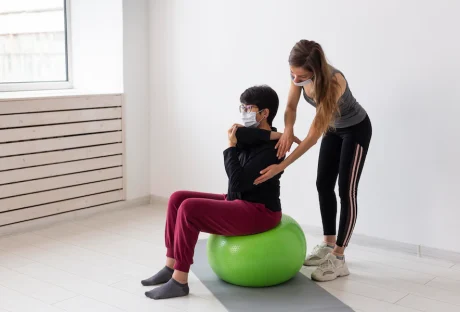
Empowering Lives With Occupational Therapy: How NDIS Makes A Difference
Occupational therapy (OT) can be an empowering practice that helps individuals overcome potential barriers and experience the joys of daily life more fully. A significant contributor in this area has been the National Disability Insurance Scheme (NDIS), which has transformed numerous lives by providing financial resources needed for personalised therapeutic care - thus mainstreaming occupational therapy services into society. Unveiling The Role Of Occupational Therapy What Is Occupational Therapy? Occupational therapy (OT) is a health profession dedicated to helping individuals of all ages maintain, improve or regain the skills needed for daily living and working activities. These may range from physical activities like dressing and cooking to cognitive functions like problem-solving or maintaining focus; ultimately, OT encourages individuals to live independent and fulfilling lives. Why Is OT Important? Occupational therapy's significance lies in its broad scope. For individuals living with disabilities, illness, or injury, occupational therapy provides a way to regain lost abilities and regain autonomy. Still, more broadly speaking, it is a preventative practice promoting healthier lifestyle choices for a better tomorrow. OT's Impact On Different Age Groups OT's effects are profound, touching all age demographics. Children rely on occupational therapy for development milestones; adults use it to ease back to work after injury, while seniors depend on it to maintain independence by equipping themselves with skills needed to complete daily activities safely. NDIS And Its Revolutionary Impact An Overview Of NDIS The National Disability Insurance Scheme (NDIS) is an innovative initiative to support Australians with disabilities. It provides individuals with financial resources so they may access personalised support and services - including occupational therapy - in an individualised fashion. NDIS's Role In Promoting OT NDIS has been essential in expanding occupational therapy (OT) access. By funding its services, NDIS ensures that individuals of any financial status may take advantage of its therapeutic offerings. How NDIS Changes Lives With OT NDIS has brought occupational therapy (OT) into many households and improved lives. It has helped individuals recover following injuries more rapidly, enabled children with disabilities to reach their full potential, and helped adults and the elderly maintain independence. Exploring NDIS And OT Success Stories Recovering From Injury With OT And NDIS NDIS has immensely contributed to helping individuals heal from injuries by funding occupational therapy - allowing them to regain their abilities and return to daily living routines. Not only does OT address physical healing, but it also addresses emotional and psychological aspects leading to holistic healing. Assisting Children's Development Children with disabilities often face developmental obstacles that impede their growth. But thanks to the NDIS funding Occupational Therapy services, these children can receive tailored support that helps them overcome them. Through engaging and playful methods, OT helps these kids reach developmental milestones while building confidence and encouraging independence. Promoting Independence In Adults And The Elderly Independence is essential in adult and elderly life. Thanks to the National Disability Insurance Scheme (NDIS), funding occupational therapy services designed to enhance and preserve freedom has revolutionised adult and elderly life. Occupational therapy services provided under NDIS have significantly contributed to a higher quality of life for its recipients, from refining motor skills and improving mobility to cognitive exercises to maintain mental acuity. The Future Of NDIS And OT Ongoing Research And Development NDIS and occupational therapy (OT) have an unbreakable bond, set to deepen with ongoing research and advancements in both fields. As we gain greater insight into disability impacts and manifestations, OT techniques continue to develop with NDIS' support, ensuring those in need can access these new approaches. Broadening Accessibility And Reach NDIS continues to work toward expanding access to occupational therapy (OT) services for individuals living in remote locations. Teletherapy plays an integral part by providing remote consultations and therapy sessions. Continuing To Empower Lives NDIS and occupational therapy have already transformed countless lives and will do so in the future. Every success story is evidence of occupational therapy's transformative power as an enabler and NDIS' enabling role. Conclusion: Empowering lives requires more than simply providing care; it means changing societal perceptions of disability, promoting inclusivity and accepting diversity. OT and NDIS play critical roles in this transformation by changing individual lives and creating a more compassionate society. NDIS provides much more than funding: its steadfast support of occupational therapy stands as a beacon of hope to individuals with disabilities and their families, evidence of society's progress towards inclusiveness, and recognition of occupational therapy's life-altering power. Read Also : How To Stay Healthy And Fit Despite A Hectic Schedule Important Habits To Protect Your Ear Health And Hearing Must-Have Appliances For A Healthier Life
READ MOREDetails