













How To Start A Food Truck Business And Earn Money From It In 2024

Published on: 05 March 2021 Last Updated on: 13 September 2024
how to start a food truck

Are you bored of your normal life? Why not spice things up a little? If you are someone who is intimately interested in the culinary world or is a budding food professional, 2024 might be the year for you! 

With the advent of uprising food businesses, there is increasing popularity for food trucks. Learning how to start a food truck business might be a very prosperous option for you this year. The food business is one of the largest growing sectors in the world. 

People try to establish several kinds of outlets of food and beverage here and there in expectation of earning huge revenue. However, there are many who will not be able to afford beginning with a properly laid out and structured establishment. This is mainly due to the strain on the budget and obviously finding such a place. 

What Is A Food Truck?
What Is A Food Truck?

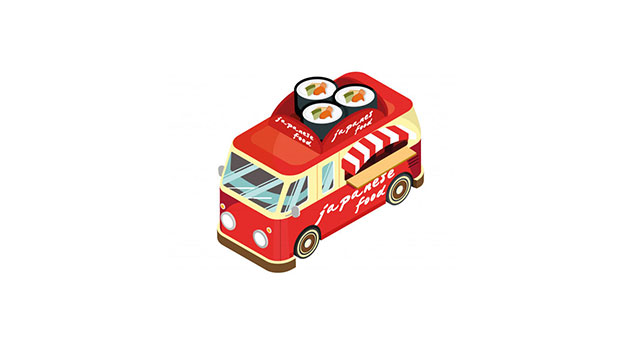
I am sure since you have a keen love for food, you must have seen food trucks in your city. It is basically a big truck-like vehicle equipped with a kitchen to prepare and serve food. Being a Western concept, these food trucks are often found stationed outside malls and offices. 

This mobile eatery also functions by driving around through the city and parking in different areas to serve a crowd of hungry customers. In today’s world, people are always in a hurry and prefer convenient food. Thus learning how to start a food truck with an innovative plan and some balanced capital will put you way ahead in the curve. 

Important Factors Required For Knowing How To Start A Food Truck Business

Although how much ever-interesting a food truck business might sound, setting up one isn’t very easy. You need to take your time and gather up severe knowledge about the industry. A man cannot succeed without facing obstacles in life and it is no different for you. 

You will have to face a lot of issues, go through struggles to finally establish your empire. But when you stand strong, facing all difficulties, and working hard, you will definitely find your way to enlightenment. 

1. Business Plan

Business Plan

Before you decide to earn some fortune in this sector, it is very important to prepare a strategic plan to take your business to the peak. You must dedicate most of your time researching and learning about each and every aspect of the industry. 

All of this knowledge must be injected into your business plan. You must always think about new and innovative concepts to get more and more customers and eventually maximize profit. 

2. Capital Investment

Capital Investment

This is a very important factor one must keep in mind for knowing how to start a food truck business. You must set a budgetary plan in your mind and then spend accordingly. 

At the initial stage, you will have to make some basic capital investment on buying the vehicle, setting up the kitchen, and buying equipment. Other investments include costs of truck setup, advertising, printing menus, and other daily operational expenses.

3. Purchasing Vehicle

Purchasing Vehicle

Buying a new truck can prove to be costly. As regulated by health departments, food trucks must be fitted with special equipment for carrying out their operations. Thus, if you want to keep a balanced budget, you can try looking for second-hand vehicles that might save a lot on your pocket. 

For those who can afford, these days, pre-constructed food trucks are also found in the market. It can save you all the time and energy required for setting up a kitchen inside the truck. You can choose a larger or smaller truck depending upon what your plan is and how you want to implement it. 

4. Menu Planning

Menu Planning

In the process of knowing how to start a food truck business, menu planning plays the most important role. If you have no idea about food, there is no point setting your foot in this business. Starting a food truck business indulging yourself in it is much more effective than putting all the responsibility on hired staff. Even some renowned chefs of the world take part in such activities. 

Having in-depth knowledge about food, you need to plan an interesting menu that can gain the customer’s attention. From tacos, burgers, and wraps to noodles, pizzas, and exotic dishes from around the world, anything can be served by your food truck. 

5. Acquiring License And Insurance

Acquiring License And Insurance

Comparably, this is the most difficult part of the process. Even if you are all set with getting your truck on the road, it would not be possible for you to run such a business without acquiring licenses. You must consider all the rules and regulations that must be in accordance with the operations of your food truck business. Truck permits, health department certificates, alcohol licenses, and parking restrictions are some of the very basic necessities. 

When taking part in such a business, a very important thing that you must do is contacting an insurance agent. With the help of a good insurance firm, you can get everything covered, beginning from your vehicle insurance to all other factors that might be a possible risk. 

6. Analyze The Market

Analyze The Market

Once you learn the basics of how to start a food truck business, you must make sure to get knowledge about the market. The market scene is one of the most important factors that will determine your results. 

When you set up your truck in a particular area, you must find out information about your competitors, learn about the type of customers present in that area, their preferences, and even the trends of the market. Having a sound knowledge about these factors will give you an edge over your competitors and will help you run the business smoothly.

How To Create A Food Truck Business Plan?

Every food truck owner should make and maintain a business plan. This should be the first concrete step you must take when starting a food truck business. Below, I will discuss how to create a food truck business plan.

1) An Executive Summary

After all, an executive summary is a remarkable introduction to your enterprise. This should give you a brief overview of every business plan. This executive summary should also be as concise as the details. This will be discussed in several other sections of the entire plan.

2) Market Analysis

Market Analysis is another remarkable part of creating a food truck business plan. In this way, you can know the target customers’ requirements. Even more, you can earn significant things such as attracting your customers. In addition, this part should also explain how your business will affect the current market value. This is also significant in highlighting direct and indirect competition.

3) Organization and Management

Another thing that you must have required is to create a food truck business to organize every document of a trade. These are legal documents, business finance documents, insurance, etc. Here, you must create a long list of such owners and their percentage of ownership.   

4) Company Description

A company description is an essential part of starting a food truck business. It would help if you described who you are and what will define you as an enterprise owner. Furthermore, it would help if you told us the niche you are filling and why your customers will choose to go over the competition.   

5) Marketing and Sales

If you want to expand on your marketing strategies, marketing, and sales are other significant factors. You must explain how you plan to spread the word about your trade here. Furthermore, you must identify every marketing platform, such as social media, a website, or a paid advertisement. You can also plan for this and how to gain an edge over the competition.   

6) Funding Request

After all, funding requests are a required section, especially for food truck entrepreneurs. This applies especially to those seeking investment funds or several other types of outside funding. You must specify how much money you are asking for and how you would describe it.   

The Advantages Of The Food Truck Business:

There are several advantages of the food truck business. Do you know what they are? Below, I will discuss the benefits of the food truck business.   

Business Ownership

There are numerous tax advantages of business ownership. Running any business takes time to own or even run. But at least there is some relief on the tax front.   

Freedom

While choosing menu items, the vendors you like to leverage, your workers, and the events are just some of the freedoms. This happens if you are enjoying the food truck business as an owner. You could also control your social media and marketing platforms, schedule, and ruling.   

Virtual Kitchen

It is sometimes hard to bring revenue from a physical business. That is why people have recently become concerned about running a physical store after researching that virtual kitchens need more proximity based on the large numbers of customers and how a virtual kitchen is still more significant in generating revenue and profits than a physical business.  

Final Thoughts

The food market has witnessed an unimaginable transition in the recent few years. In such an era, knowing how to start a food truck business will prove to be an asset for you in the foreseeable future. Being behind the range will also improve your culinary skills. You can then serve the most delicious food in the entire city. 

Once your wheels are on the go, start considering expanding your business to the next level. Merchandising and advertising on social media can be some good ideas that you can acquire. There you go; you have it all now. Well, I can see you as one of the upcoming most prominent business tycoons of the world!

I hope you find this article. In case you have doubts then please comment below!

More Resources:

Mashum Mollah is the feature writer of Search Engine Magazine and an SEO Analyst at Real Wealth Business. Over the last 3 years, He has successfully developed and implemented online marketing, SEO, and conversion campaigns for 50+ businesses of all sizes. He is the co-founder of Social Media Magazine.

View all posts

Leave a Reply

Your email address will not be published. Required fields are marked *

Related

Industrial Cleaning

Industrial Cleaning: Effective Solutions For Manufacturing Facilities

Manufacturing facilities can be hectic environments with heavy machinery that produce a lot of debris and dirt. Due to this, these workplaces require intense and extensive cleaning schedules that only qualified technicians can handle. ICE Cleaning is an industrial cleaning company that provides state-of-the-art solutions to suit your cleaning needs in manufacturing facilities. Its technicians are qualified to work on industrial sites and familiar with the latest health and safety regulations. Read on to learn more about how to keep your manufacturing plant clean with effective solutions. What Is Industrial Cleaning? Industrial cleaning is different from commercial cleaning for public spaces. It includes disposing of hazardous waste and decontaminating surfaces with strong chemicals, which domestic cleaners would not have access to. It is a specialized category of cleaning that adheres to strict and specific health and safety guidelines, working with industrial cleaning equipment. Some of these situations that industrial cleaners find themselves in could include chemical or oil spills. This type of cleaning also deals with more intense cleaning situations and hazardous environments, including: Mold Remediation Trauma cleaning Pest control Laboratory cleaning Factory cleaning Warehouse cleaning Does Cleanliness Improve Productivity? Clean manufacturing plants keep your environment safe and free of hazards and allow staff to do their job efficiently. When areas on the factory floor are clear with correct disposal methods, workers will feel less inclined to stop what they are doing to clean up. This provides your staff with an easily accessible storage system that is easy to navigate. When everything in the workplace is well-coordinated, everyone can continue to do their job safely without stopping or feeling distracted by the mess. A clean and organized environment improves productivity, keeping the costs of missing staff or prolonged tasks low and maintaining high morale. Why It Is Important To Keep Your Manufacturing Plant Clean Because manufacturing plants are busy environments with a large workforce always using heavy machinery, it could be hard to keep up with cleaning responsibilities. Outsourcing your cleaning needs for your manufacturing can be crucial in: Maintaining the factory floor Increasing efficiency Ensuring health and safety standards Preventing contamination Increasing the lifespan of the machinery Keeping the workspace organized Your factory staff will interact with heavy machinery and equipment daily, which exposes them to potential slip, trip, or fall hazards. They could also encounter some chemicals or oils that cause harm to those who touch, ingest, or inhale them. A clean factory floor minimizes the risk of accidents, spillages, and chronic workplace exposures. Adhering to a high standard of cleaning keeps everyone safe and healthy, and contract cleaning is integral in ensuring this. The Benefits Of Cleaning A Manufacturing Plant Did you know that industrial cleaning is beneficial in a lot of ways? Dusty and unhygienic areas in an industry can result in decreased efficiency, poor product quality, and increased costs. Let’s check out the advantages of cleaning a manufacturing plant: Speed You might be wrong if you think that unclean industries do not impact production speed. It significantly reduces efficiency as employees start finding the working conditions difficult. Also, the will to be productive at their best is gone in such cases.  Accumulating dirt on equipment slows down production, resulting in a huge loss. There are chances you will have to hire an additional workforce to clean the industry, thereby increasing the costs.  Quality Dusty and dirty areas might also result in decreased product quality since particles contaminate everything around them. Such contamination might result in adverse feedback from customers. You would definitely don’t want to experience reduced sales just because of dirt encompassing your industry.  Contamination Industrial cleaning might also have a negative impact on the environment, especially when there is an inefficient cleanliness procedure. Factories undergoing cleaning must ensure that the contaminants are released in a safe place, not in the environment.  Failing to do so will have an impact on product manufacturing, storage as well as handling. Dirt is caused when waste is transported from one corner of the factory to another. But there is absolutely nothing to worry about. You can reduce the negative environmental impact by making small efforts.  Safety Furthermore, dirty industries might also produce increasing pollutants and harmful gases like carbon monoxide. This might eventually cause respiratory issues among everybody working in the factory. Cleaning the industry will lessen the workforce’s exposure to such pollutants.  As a result, your workers’ health is protected, which causes them to be as productive as possible. And guess what, it costs a lot lesser than paying for their hospital expenses.  Different Cleaning Procedures  There are various ways to clean an industry based on the business’s needs. However, some common techniques include: Vacuum Cleaning One of the first methods of industrial cleaning comprised vacuum cleaners and other industrial machines. Their use will help in removing dust, dirt as well as other contaminants that will likely cause damage.  Detergents With the help of sanitizers and detergents, cleaning operations can become a lot easier. As cost-effective as it sounds, using detergent is also a hassle-free solution. Such chemicals help remove germs from a surface for a long period of time.  Clothes When it comes to cleaning, nothing beats the wiping formula. Using cloth for mopping or wiping work surfaces is a common yet effective method. A vacuum cleaner might reach the small surface where a cloth might. This is why we usually include this technique in common industrial cleaning methods.  Mist Procedure Another useful tip is to use the water mist system that cleans high walls and areas. This particular approach is usually efficient when you cannot access a heightened area. However, it might not cause any potential damage if you properly control the procedure. Seek help from professionals while opting for this step.  Summing It Up Cleaning is an indispensable step, no matter whether you do it at home, on the street, or in your industry. We hope our article on factorial cleaning came to your use. But that’s not all! If you are looking for an industrial cleaning company to handle your cleaning needs, look no further than ICE Cleaning. Its technicians hold qualifications with CSCS, IPAF, and IOSH, ensuring they are well-prepared to deep clean a factory site. Read Also: Why Is A Janitorial Service For Commercial Establishments? 10 Pro Tips To Minimize Commercial Door Repair & Maintenance Cost The Hidden Damages In Workspaces: 5 Steps To Reduce The Risk Of Workplace Injuries!

READ MOREDetails
how much the business is worth

Proven Strategies To Captivate Buyers And Sell Your Business Successfully

Do you need more time to get people to buy your products? There are a lot of strategies that would help you captivate customers, enhance your sales, and skyrocket them. Selling a business can be challenging. You need to prepare and use the right sales techniques to be successful. The following proven strategies will help you achieve this goal. In this article, I have unveiled the ultimate guide where you can get such secret tips to make your product sales successful. Not only that but from understanding the current audiences' requirements to the ways of continuous improvements, everything I have covered mostly. Here are the lists of… The Proven Strategies To Captivate Buyers And Sell Your Business Successfully In this digital world, it is more challenging to drive online sales. After all, this is crucial for businesses to seek success and growth. Above all, to achieve rapid results, it is essential to employ effective methods and ways that could provide rapid growth. Below, I am going to discuss proven strategies where you can captivate buyers and sell your business successfully.  1) Create an Emotional Bond Develop a compelling story. This narrative allows buyers to connect with your business on a deeper level. Share the origins of how the company was founded, the motivations and vision behind it, key milestones, and your future dreams for the business under new ownership. This narrative helps buyers become emotionally invested in carrying on the company's legacy. 2) Showcase Meticulous Record-Keeping Long before even considering selling your business, meticulously organize your financial, tax, and legal records. Buyers will conduct extensive due diligence, so you need to have sales figures, tax returns, contracts, intellectual property paperwork, and other documentation readily available. Transparently providing this information upfront builds trust and confidence with buyers early on. 3) Invest in Premium Marketing Collateral Professional marketing materials show buyers you mean business, no pun intended. Work with a talented graphic designer to produce slick sales brochures, pitch decks, and promotional assets tailored to your target buyer's needs and preferred visual style. Verbally convey your business strengths, then provide supporting marketing collateral to back up claims with visual substance. 4) Find the Right Valuation Pricing your small business too high can deter buyers. Consider hiring a qualified valuator to determine how much the business is worth based on financials, clientele, brand strength, and industry benchmarks. This defends your asking price with quantitative market data. Being too vague or inflated on valuation raises red flags with seasoned buyers. 5) Cast a Wide Buyer Net Marketing your business for sale early and to the largest pool of qualified buyers drives more offers and the optimal sale price. Hire an experienced business broker to handle outreach through their connections and marketing channels. Also, utilize premium business sales listing platforms to gain exposure outside your region. 6) Vet Buyers Thoroughly As you field inquiries from interested parties, vet each thoroughly to assess the sincerity of interest, proof of funds, and experience in running this type of company. Moving too quickly with an unqualified buyer rarely ends well. Be cautious about sharing sensitive details like client lists or financials too early in the process as well. 7) Drive Competition Once you have several qualified buyers at the table, use competition tactfully to your advantage. While you don’t want to drag negotiations out forever, letting buyers know there are others bidding can compel them to offer top dollar, accelerate the process, and agree to favorable terms for you. 8) Negotiate Earnest Money & Terms Require interested buyers to put up good-faith, non-refundable earnest money to demonstrate seriousness. This also guarantees you get paid if the deal falls through. Negotiate clear timelines, performance metrics, and payment terms favorable to you built into the sales agreement. Retaining a business attorney can help craft binding contracts that protect you. 9) Handle Transition Planning Early into the negotiation phase, start planning a detailed transition plan spanning 30 to 90 days post-sale. This ensures client retention, trains the new owner properly on systems, and helps you strategically phase out. Having a transition roadmap signals to buyers that you are a serious seller invested in the future success of the business under new ownership. Selling a thriving small business at maximum valuation is part art, part science. The process requires blending the art and science across valuation, marketing, negotiations, and transition planning. It demands significant upfront effort, but the long-term payoff makes it well worth the investment. By implementing these proven sales strategies, you can captivate buyers, command premium valuations and craft a business legacy positioned to prosper under new ownership. 10) Understand your target audience  If you are wondering how to get people to buy your product, first, it is essential to understand and gain knowledge about your target audience. What are the things you must know, such as:  Who are they? What do they want?  And how would you effectively reach them?  After all, gaining knowledge about your audience would help you tailor your several marketing efforts, which would meet the requirements and several other preferences through you. On the other hand, if you start understanding your target market, you must conduct audience research.  Above all, there are multiple ways in which you could go about this, such as:  Firstly, you need to analyze your customer base. In this case, you need to look for several other patterns and some common characteristics among the most loyal customers. In this case, it gives you valuable insights into your target audience and their values.  Secondly, you must use several other online tools and platforms that would provide audience analytics. Several other social media platforms would offer detailed demographic and internet-based internet-based data about your followers. This information could help you identify several key segments within your audience. In this way, you could also develop targeted marketing strategies.  11) Leverage Social Proof  Leveraging social proof is another proven strategy that would captivate buyers and sell your businesses. In this case, chances are new, and you must look for several reviews and testimonials from other customers. You want to know if this lives up to its promises. After researching the fact, over 70% of customers actively seek out such reviews and several other testimonials before heading to any purchase.  12) Use demand generation methods to attract customers  Another proven strategy where you could captivate buyers and sell your businesses is to use demand generation methods to attract customers. Demand generation is about creating awareness and generating interest in your products, where you could attract potential customers. Aside from that, demand generation is also essential because this would help you reach an extensive range of target audiences and create buzz around your business product.  In Conclusion In this article, I have discussed several proven strategies to captivate buyers and sell your business successfully. By incorporating such a strategy, you could significantly enhance and develop the chances of capturing the attention of several other potential buyers. Ultimately, you could also drive sales.  I hope you liked this article. If you have any questions, please comment below! Read Also: Choosing Between Shopify and Crafting Your Website: A Guide for 2024 How Automation Tools Are Transforming Digital Marketing? Unlocking Opportunities: How Does Leasing Expand Your Car Options?

READ MOREDetails
Soap E-Commerce Business

A Step-by-Step Guide To Starting Your Soap E-Commerce Business

If you are thinking of starting a soap e-commerce business, congratulations! You are entering an exciting and growing industry. But before diving in head-first, there are some important things you need to know. From understanding your target market to creating appealing packaging, this guide will provide the essential information to successfully launch your soap e-commerce business.  We will also discuss building an attractive online store, managing inventory and shipping logistics, and providing exceptional customer service. Whether you are just starting out or looking to grow your existing operation, this guide is designed to help make the process as smooth as possible. Determine Your Niche: What Makes You Unique Among the important things you need to do, the first when starting your soap e-commerce business is to determine your niche. You must know what makes you unique and how to differentiate yourself from similar businesses. The first step in determining your niche is identifying what sets you apart.  Consider what makes your products different from other soaps in the market. Perhaps it is an ingredient no one uses, or maybe it is a specific scent that people love. Whatever it may be, find something that makes you stand out and focus on it. Another way to determine your niche is by identifying your target customers. Develop Your Product Line: Ingredients and Packaging When creating your soap product line, it is important to consider the ingredients' quality. Some popular natural ingredients in soap-making include coconut oil, shea butter, and essential oils. In addition to the quality of ingredients used in your soap products, packaging is also an important factor to consider when developing your product line.  Your custom soap boxes should look attractive and protect and preserve your soaps. Consider using eco-friendly options such as biodegradable or recyclable materials for packaging, as this will appeal more to environmentally conscious consumers. Build Your Online Store: Platforms and Design The first step in developing your online store is selecting a platform that best suits your needs. Famous e-commerce platforms such as WooCommerce, Shopify, and BigCommerce offer easy-to-use interfaces and integrations with payment gateways to help you get started quickly.  Once you have selected your platform, the next step is designing your website. Your website should reflect the branding of your soap business and provide an intuitive user experience for customers. Consider using high-quality product images and clear descriptions to showcase your products effectively. Marketing Strategies: Social Media and Email Campaigns Starting your soap e-commerce business requires a solid marketing plan to reach and engage with potential customers successfully. Two key channels to focus on are social media and email campaigns. Social media platforms such as Instagram and Facebook provide a cost-effective way to showcase your products visually and connect with followers.  Email campaigns can also be an effective tool in promoting sales and building customer loyalty. Fulfillment and Shipping: Logistics and Customer Service One critical aspect of the business that requires careful attention is fulfillment and shipping. Fulfillment refers to getting an order ready for shipment, while shipping involves delivering the order to the customer's doorstep. These two elements require an efficient logistics system that ensures timely delivery and excellent customer service.  To achieve a seamless shipping process, you must establish reliable partnerships with trusted carriers who can offer competitive prices and deliver promptly. Read Also: How to grow your E-commerce Business 5 affordable e-commerce shopping carts for small business Best E-commerce Platforms for Your Box Subscription Business

READ MOREDetails