













5 Proven Customer Acquisition Strategies For B2C Startups

Published on: 22 January 2024 Last Updated on: 11 February 2026
Customer Acquisition Strategies For B2C Startups

In the dynamic world of business, where attracting and retaining customers is the heartbeat of success, investing in a robust customer acquisition strategy becomes not just important but pivotal. For B2C brands, this strategy isn't just a checkbox; it's the very essence of their marketing initiatives. They stand at the crossroads where tradition meets innovation, recognizing that while tried-and-true methods are the foundation, the ever-changing landscape demands a fresh perspective—a stylish remix of the classics.

B2C customer acquisition is the linchpin, the gateway to creating a customer base that not only fuels short-term growth but lays the foundation for enduring relationships. B2C brands acknowledge this, making customer acquisition their numero uno marketing initiative. However, in this fast-paced arena, strategies, much like fashion trends, have a way of evolving. What once captivated the audience may now seem commonplace. The challenge lies not just in adhering to the familiar but in reinventing the approach, putting a contemporary spin on iconic methods.

Marketing is akin to a fashion designer crafting a new collection—retaining the essence of what works while infusing creativity and innovation. Whether it's through leveraging emerging technologies, embracing data-driven insights, or redefining storytelling, the goal is to ensure that the customer acquisition strategy remains not just effective but captivating. As B2C brands step into the limelight of customer acquisition, they understand that the runway is dynamic, and staying en vogue requires constant evolution and the courage to breathe new life into the timeless art of attracting and retaining customers.

Win Customers With Proven Strategies

Win Customers With Proven Strategies

For B2C startups navigating the competitive landscape, a successful customer acquisition strategy is the compass that points toward sustainable growth. Here are five proven strategies that have consistently delivered results:

Content Marketing Brilliance

Develop engaging and valuable content that speaks directly to your target audience. Whether through blog posts, videos, or social media, content marketing establishes your brand as an authority in your industry, attracting and retaining customers over the long term.

Social Media Mastery
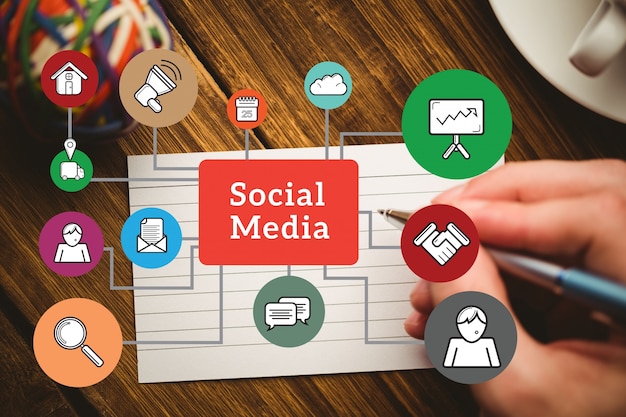
Social Media Mastery

Leverage the power of social media platforms to connect with your audience. Create compelling content, engage in conversations, and utilize targeted advertising to reach potential customers where they spend their time online.

Referral Programs With A Twist

Encourage satisfied customers to become brand advocates through innovative referral programs. Offer incentives that go beyond the traditional discounts, providing unique perks or exclusive access to foster a sense of community around your brand.

Influencer Collaborations

Influencer Collaborations

Partner with influencers who resonate with your target demographic. Authentic collaborations can introduce your brand to a wider audience and build credibility through trusted voices in your industry.

Seamless User Experience

Ensure that your website and overall user experience are seamless and intuitive. A user-friendly interface, easy navigation, and a secure purchasing process contribute to positive customer experiences, enhancing the likelihood of acquisition and retention.

Conclusion:

Regardless of the strategies employed by B2C startups, the heartbeat of sustainable growth lies in recognizing and appreciating the customers' significance. Beyond the intricacies of marketing tactics and engagement strategies, the fundamental principle is clear—prioritize customer value.

Read Also:

Ankita Tripathy loves to write about food and the Hallyu Wave in particular. During her free time, she enjoys looking at the sky or reading books while sipping a cup of hot coffee. Her favourite niches are food, music, lifestyle, travel, and Korean Pop music and drama.

View all posts

Leave a Reply

Your email address will not be published. Required fields are marked *

Related

Video Marketing

Guaranteed Ways Video Marketing Will Help Your Business Grow

Unless you have been living under a rock or a remote island, you will know that video marketing is an important part of every modern business. So, it shouldn’t be shocking that video marketing has become a rage in the market.  You should expect that online users will cross the 2 billion marks in the next few months.  Did you know that YouTube hosts 1 billion unique visitors every month. This means the popularity of video marketing is not hidden from anyone in the world.   With several social networks having launched the video ads, the responses have compelled other business owners to join the bandwagon. It is expected that more than 75% of internet traffic will be filled with videos in the next year.  As a modern business owner, if you haven’t adhered to the idea of relying on video marketing, you’re not modern and certainly not going in the right direction. Here, we will guide you through a few ways video marketing can expand your business audience:  1. Present Your Product Make a concise video to let your audience know about the product or service you have to offer. Just like there is a difference between reading a science chapter and attending it in class, the audience develops a better understanding of the product when they have somebody tell them about it.   Make sure to educate them about the benefits of your product or service. If you make a good quality video with information about the audience’s interest, you will quickly witness an increase in the number of visitors.   We suggest you use a teleprompter, which will make your video more professional. Furthermore, as they flock to your website, most of them might convert into customers quickly. 2. Offer Instructions In today’s time, customers love to sift through video tutorials because they guide them in detail about using the product. For example, If you debut with “How to use this shampoo” or ‘How to unbox this phone,” customers will quickly get inclined towards viewing it. This way, you will not only win the customer’s trust but will also satisfy them quickly.   Not to mention, customer loyalty is a very important factor in today’s world, so you must strive for it.  3. Explain Why You Stand Out Let’s take a simple example to elaborate on this concept. If your company is about to launch a new shampoo, you should know that there are hundreds of shampoo options out there already.   To impress the customers, you will have to tell them about how your offering is different from the other. Unless you don’t have something valuable to offer, customers will not trust your brand.   Visit Soflostudio.comto get a professionally developed video for your video tutorial. Only a top-notch video shooting firm will sift you through the right way to promote your product. 4. Equipping the Video with Special Content is a Good Idea A modern customer is not only concerned about the core product but also expects the company to value them.   So, do you have anything else valuable for the new clients? Adding plenty of informational articles on the main website is not going to have a strong impact as strong impact as a video message will.   For instance, if you want the customers to know about what goes on behind the scenes in the manufacturing of your product, you can shoot a 3-minute video and give them short glimpses.  5. Explain Your Story Instead of filling the landing page of your website with an abundance of content, it is best to let the customers know about it through a video message.   In fact, most people ignore the “About Us” section because it is too dull. Record a video with the chairman of the company, and don’t forget to include glimpses of the journeys of veteran employees in the company.   Explaining the founding story of the company will have a strong impact on the minds of the customers.  6. Explain the Vision and Mission of the Company Every stakeholder of the business is interested in knowing about the short-term and long-term goals of the business. This is because stakeholders must stay in touch with the company for a certain time.   Only if they are in coherence with the goals of your firm will they decide to stick to it. This is why explaining the vision and mission of the company through a short video can make a difference to the reputation of your company.  7. Video Marketing is the Need of the Hour In simple words, video marketing is not an option but the need of the hour. As soon as a new product or service is launched in the market, customers flock to YouTube, and the social media pages of the business to find video messages.   If you don’t rely on video marketing, your competitors will stand out to the customers. Secondly, you need to realize that video marketing is cheap and can save on the costs of traditional advertising. Starting your Digital Marketing Journey? Why you Should Focus on Digital Marketing  Digital marketing is not a fad. It’s the new spine of business success in this era and beyond. If you’re wondering where to begin, here’s your cue. Billions of users are online daily, and you shouldn’t just want to create an online space; you need engagement for your business.   Here’s why digital marketing should be your first focus as you launch out. 1. Reach a Wider Audience The internet is global, and so is your audience. Unlike traditional marketing, which often limits you geographically, digital marketing allows you to reach people anywhere in the world. Whether it’s through social media, search engines, or email marketing, the potential for audience growth is massive. Think of your product getting discovered by someone on the other side of the globe; that’s digital marketing. 2. Cost-Effective Advertising Traditional marketing methods like TV commercials or print ads can be expensive, especially for small businesses. Digital marketing, on the other hand, offers a variety of affordable options. With tools like social media advertising and pay-per-click (PPC) campaigns, you can reach thousands of potential customers without spending a fortune. Plus, you can set your budget and adjust it as needed so you don’t overspend. 3. Measurable Results Digital marketing is probably the most measurable form of marketing. We can see, in real-time, what is working and what isn’t, and we can refine our strategies accordingly.  How many people are visiting your site? Did you make sales this week?  How long do they stay on your site? What were the reasons people returned a product?  With online analytics, you can even measure specific goals you want to achieve for your website or blog (i.e., analyze conversions using built-in tools on platforms like Facebook Ad Manager or Google Analytics).  In other words, digital marketing will help you understand how your potential buyer base behaves and uses technology to make informed decisions.  Final Thoughts  The world of digital marketing may seem daunting, but the reality is that digital marketing is an essential component of any successful business in today’s world. You don’t have to do everything at once. Start with a few key tactics and build from there.   The most important thing is to begin.  Your future customers are already looking for your product or service online. The question is, will they be able to find you?  Read Also: The Zen Of Video Sharing: What Is Ambient Mode On YouTube Lights, Camera, Action: Your Comprehensive Guide to Uploading on YouTube

READ MOREDetails
Boost Online Visibility With THESE 3 Smart Strategies + Bonus!

Boost Online Visibility With THESE 3 Smart Strategies + Bonus!

“Senpai notice me!” Said all online brands to internet users. They want to grab their audiences’ attention, lure them into their sphere, and generate a new lead.  This is easier said than done, though, especially with new brands entering the market daily and trying to capitalize on the same audiences. Introducing online visibility. The key to being a successful, prosperous brand is to have a strong online presence. The more users who see your brand online or on social media, the higher your chance of being visible. They will begin to recognize your brand, seeing you as a leader in the space.  Boosting a brand’s online visibility isn’t a straight path. However, these three strategies will help no matter your starting point.  3 Strategies To Boost Online Visibility The following list suggests the top 3 strategies that will help you gain more traction, thus boosting your online visibility in no time: Content Marketing Creating high-quality content regularly is a prime way to increase your online presence. The more content you create, the more chances you can reach and engage with your intended audiences.  Valuable content is also what will help set you apart from the competition. You’ll be viewed as a reliable, trustworthy leader in the space, one that benefits and serves your audience. In terms of your content marketing strategy, think about creating a diverse content portfolio. For instance, posting articles and hoping they find their way into the top search results isn’t the most thoughtful approach.  Alternatively, create blog posts but also short and long-form videos, ebooks, podcasts, and infographics. You may be able to utilize the same type of content but repurpose it for different formats. For instance, a podcast you’re taping could be recorded and posted on your YouTube channel for additional distribution.  If you’re feeling a bit lost on what kinds of content to create or what to prioritize, it may be advantageous to recruit some outside help. A performance marketing agency can collaborate with your content team to develop a strategic approach to your content marketing efforts.  Since they are experts in the field, they’ll know which keywords you should strive to rank for and which ones aren’t worth your time or effort.  They can also help with evergreen website copy and materials to drive home your marketing messages and brand vision. These updates and refreshes can lead to growth for your business and boost your online presence.  Social Media Marketing Related to content marketing, social media marketing is becoming more important in the digital space. Consumers today are going to social first to find out about brands and learn about their offerings. They’re also reading comments, looking to see how others are engaging with the brand, and seeing if there are any potential red flags to be aware of.  If they’re interested or have a specific question, they may reach out via direct message, hoping the brand will respond promptly. Social media marketing aims to build brand awareness and connect and engage with potential customers and followers.  This will assist in driving website traffic and, inevitably, sales. Posting valuable content consistently is just the start of what social media marketing can look like today.  It also includes engaging users through interactive chatbots and creating personalized, tailored experiences for followers. Brands know that if they show up regularly and consistently on user’s feeds, viewers are more likely to recall the brand and talk about it later.  Another component of social media marketing is influencer collaborations. Influencers know what resonates with their audiences — after all, it’s become their job to engage and promote content. Businesses can leverage an influencer’s audience by partnering with them for a social campaign.  If you have a new product launch approaching, working with an influencer can help spread the word. They can share a review of the product or brand and even entice users to follow your page to enter a giveaway or sweepstakes.  Paid Advertising There’s only so much you can grow without going the route of paid advertising. This marketing strategy involves displaying banner advertising to targeted audiences. It can include everything from television commercials to podcast spots to internet-based and social ads. Paid advertising isn’t cheap, so you need a tailored strategy that works for your business needs.  Choosing the right platform and setting clear goals will allow you to reach your intended audiences. Narrowing who sees your ads and when they see them will help ensure you’re reaching the right people.  Some of the main targeted advertising selections include behavioral, demographic, interest, and purchase-based intent. You can get more granular depending on your audience persona and your business goals, whether that’s awareness or sales. With each paid advertising campaign, you’ll want to monitor performance closely. See specific engagement metrics, including impressions, click-through rate, and conversions.  Additionally, keep an eye on the cost per click to justify your budget for the campaign. An exceptionally high cost per click, meaning the dollar you’re spending for someone to click on one of your ads, may not be sustainable. Optimize where you can, applying what you have learned from one campaign to future ones. Bonus: THIS will help retain your online visibility  Consistency There are two aspects of retaining an audience on your site or business. Consistency and quality. Both are often ignored. Both consistency and quality only benefit you in the long run.  If you aim for social media visibility, stay consistent there.  Be regular with your posts and engage with your audience frequently. Social media marketing will only work if you consistently keep the audience engaged. The quality of your posts must be quite high. Think of maintaining the standard.  If you closely follow your competition, you can observe their and the “industry-best’s” work. This will help you know if your content fares well. No one wants to return to your content if they keep seeing a lack of quality.  This also applies to your consistent efforts; consistently use the above-mentioned strategies. Patience and hard work will bring you results soon! Conclusion Your brand’s visibility and recognition are crucial for long-term success. Content marketing, social media marketing, and paid advertising are three channels that will boost your brand’s presence. Tell us about your experience in the comments below! Continue Reading: 5 Proven Customer Acquisition Strategies For B2C Startups How Automation Tools Are Transforming Digital Marketing? Elevate Your Property Presence With Digital Real Estate Signage – A Modern Marketing Approach

READ MOREDetails
Email Campaigns

Getting The Most Out Of Your Email Campaigns By Getting The Audit Right!

Excerpt: Delivering email campaigns that perform exceedingly well requires effort and email audits help you get closer to better ROIs. Read on! So half of the year has gone by smoothly (well, almost), your brand’s making money, your workflows are automated, and your email marketing campaigns are doing well. Wait, yes, pause at the last part of the sentence. Are they really performing optimally? To get a clear understanding of the efficacy of your email marketing campaigns, no matter how great and well-automated they might be in your perspective, you NEED to run audits twice or thrice every twelve months. If you meet an email marketer over drinks, they will probably have a lot to say about their KPIs and how the click-throughs are not making the cut. So how can one ensure that their email marketing efforts don’t go down the drain? The answer is quite simple indeed: execute email marketing audits to unveil your strengths and weaknesses, areas of improvement, and those that are doing just fine. In the blog that follows, we will delve into the different kinds of email marketing audits that one can conduct and ways to go about executing them. Let’s get cracking! The Kinds of Email Marketing Audits That One Can Conduct In simple terms, an email marketing audit is a deep analysis of the various factors that contribute to the success of an email campaign so that you know what’s working and the areas that need to be tweaked. The following are some kinds of email audits that you can carry out; each of them focuses on different facets of the email. 1. Email Content & Design Marketing Performance Audit One of the most common kinds of audits, here you delve into your various KPIs (CTR, CTOR, etc.) to get a holistic understanding of the email campaign’s performance. The aspects that you need to look out for are: Subject line: Try to keep them personalized, crystal clear, non-sales, and within the range of 40-45 characters, optimized for mobile viewing. Please steer clear of spammy words such as “earn quick money” or basically anything that sounds too good to be true. Preheader text: It should be related to the subject line, albeit not repetitive. Header: First impressions are often long-lasting; cliched though that may sound, it does hold some weight. The header text next to your logo should be noticeable, clear, and in alignment with the brand ethos. Email copy: Grammatical errors and typos are a major turn-off. No wonder brands invest in the best copywriters to churn out good copy, even in the age of AI! Keep it crisp, clean and deliver maximum value in minimum words. CTA: The Call to Action buttons are the ones that can make or break the ROIs. Keep the design and text in tandem with the brand guidelines, easy to spot and click, devoid of broken links that lead nowhere! Graphics: When crafting an HTML or interactive email, ensure that the graphics render well across devices and the visual hierarchy is maintained. Conversions & Engagement rates: This is the litmus test of your email campaign. Are your emails good and engaging enough to keep subscribers interested, or are there more hits than misses? The KPIs should spill the beans on this one. 2. Email accessibility audit When crafting your emails, if one overlooks the critical aspect of disability, you might fail to foster inclusivity with your campaigns, thereby risking losing the patronage of your subscribers. Keeping email accessibility in mind is absolutely essential, and is something that all email marketers should perpetually strive for. Ensure that there is no sensory overload for those with visual disabilities by keeping a simple and clean email layout. For those living with tactile difficulties, make the CTA buttons larger to ensure greater clickability and visibility across a range of devices. Remember to check for alt text in images to simplify things for users deploying the services of a screen reader. 3. Deliverability Audit You might have the best of Salesforce email templates (or Hubspot; whatever rocks your boat) and check all the above aspects, but if your email campaigns fail to reach the intended inboxes, all your efforts will end up in vain. To check for email deliverability issues, one needs to check the following aspects; Clean email list devoid of incorrect email ids Email Authentication HTML code failures Domain reputation Blocklisting Spam traps IP address 4. Compliance Audit This would include checking the level of compliance of your email campaigns with the guidelines and requirements of CCPA, GDPR, PECR, etc. 5. Email Code Audit Here, one would evaluate and carry out a code clean-up, fix bugs (if any), and ensure the incorporation of the best practices in email coding. One would also conduct tests to see how well the email renders across different email clients and devices. 6. Design Audit In this kind of audit, one would review the emails from the design and aesthetics viewpoint and check how consistent the layout is with the branding guidelines. The different elements one would generally bring under the lens in this kind of audit are checking for the right use of white spaces, design patterns in accordance with the heat map, fonts, logo, layout, graphics, etc. 7. Automation Audit Here, one would check automated email campaigns to see if everything is in order, such as API triggers, templates, links, rules, customer journey maps, etc. One can either carry out all these audits or create a bespoke audit plan that includes permutations and combinations of the different kinds of audits mentioned above. Steps For Conducting The Perfect Email Audit Now that we are privy to the kinds of email audits that one can carry out, let’s move over to getting started with the process of what’s going well and what’s lacking in your current email campaigns. Firstly, you need to begin with drafting a clear set of goals. Much like in other areas of life, the lack of well-defined goals in sight can very well be akin to sailing in a rudderless ship, and frankly, no one wants to be aboard such a ship! You could begin by jotting down the kinds of audits you’d want to run on your existing campaigns and, based on the purpose of the audit, figure out your bespoke learnings and takeaways. Then, you’d like to create a list of measurable Key Performance Indicators (KPIs) that you will be evaluating to check the health and effectiveness of your current campaign. These may include: Unsubscribe rates Open rates (albeit not a very effective one as per Apple’s Mail Privacy Protection feature unveiled in the WWDC conference held on 7 June 2021) CTR (Click Through Rates) CTOR (Click To Open Rate) Spam complaints Conversions Email client & device assessment You can create a spreadsheet to maintain a record of your audit. Here’s what you can document: Name of the email campaign Date deployed (not applicable in case of automated emails) Name of the audience segment Subject line Soft bounce rate Hard bounce rate CTOR CTR Conversion rate Unsubscribe rate You can modify the contents of the spreadsheet as per your unique requirements. One can also diversify the main spreadsheet by adding tabs for different kinds of emails, such as promotional, transactional emails, etc. Once you have your data in place, you can and should proceed with the data analysis. Begin with scanning all the metrics and specifically scrutinize those that fall on the extremities of the curve. The ones that did really well and the ones that missed the mark. Proceed with asking yourself the following questions, Are the subject lines and preheader texts enticing enough? Will I click on them if I receive them in my inbox? Is the visual hierarchy of the email in place, or does it look too cluttered? Does it offer a personalized experience to the subscriber? Does the email copy offer value to the reader, or does it appear too salesy? Does it cater to specific buyer personas and age demographic, or does it appear mass-produced with no specific target audience in mind? Is the cadence too annoying for the subscribers leading to higher unsubscribe requests? Are the CTAs visible, quirky, and enticing enough to get users to click on them? Are your emails accessible to users across the entire spectrum? Wrapping It Up While there are a number of tools available in the market to help you conduct email audits, and you can always request colleagues for a fresh eye perspective on your campaigns, if you’d rather have experts analyze the game for you, that’s possible too! Email Uplers will not only help you analyze your existing campaigns but also deliver interactive emails from scratch attuned to your specific needs. Do drop by for more information! Read Also: Should You Consider Outsourcing Your Brand’s Marketing Campaign? Your Ultimate Guide To Creating SMS Marketing Campaigns Content Marketing Campaign Strategy For Small Business

READ MOREDetails