Published on: 11 August 2023
Last Updated on: 11 February 2026
In the modern business landscape, the significance of quality assurance cannot be overstated. It serves as a critical component in ensuring customer satisfaction, a descriptor that goes beyond delivering a product or service that merely meets the basic requirements. Quality assurance is the process of systematic monitoring and evaluation of various aspects of a project, service, or facility to maximize the probability that minimum standards of quality are being attained by the production process.
This article delves into the pivotal role that quality assurance plays in achieving customer satisfaction, and why businesses should prioritize implementing robust quality assurance strategies.
Quality Assurance: What It Is And Why It's Important
In essence, quality assurance is a set of practices that businesses use to deliver the best possible service or product in a given market. It involves checking and auditing products and services for quality at each step of their development process. This helps keep track of any issues or discrepancies along the way and ensures that customer requirements are met consistently. By conducting regular reviews and tests throughout the production process, any mistakes can be quickly identified and corrected.
How Quality Assurance Impacts Customer Satisfaction
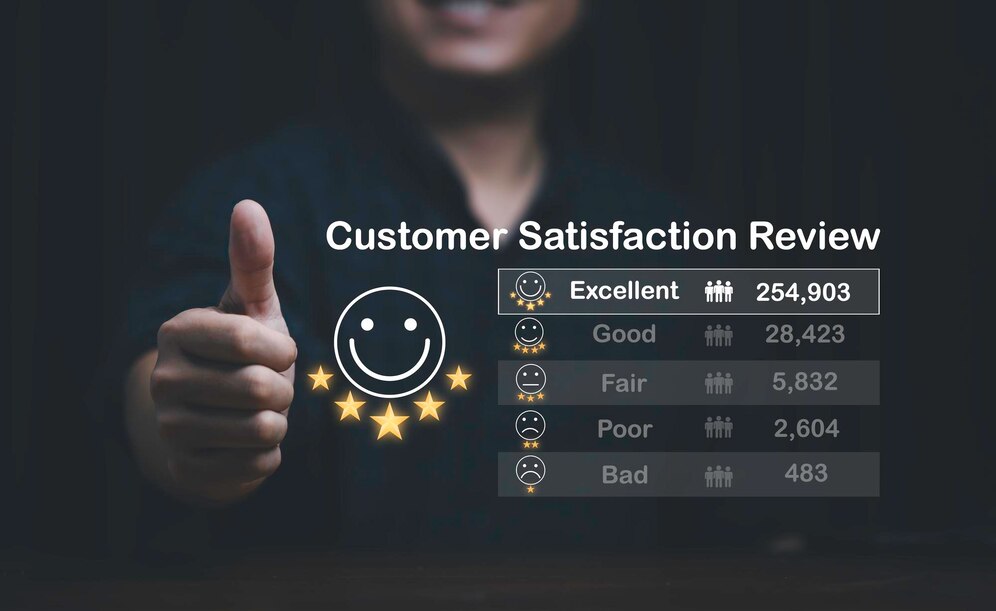
The concept of customer satisfaction is widely acknowledged as a key indicator of a business's success. Quality assurance plays an essential role in achieving this goal since it helps to ensure that any product or service offered meets the expectations and needs of customers. This leads to higher levels of customer satisfaction, which can have a significant impact on your bottom line.
Having an effective quality assurance system in place can also reduce the chances of customer dissatisfaction. By having a proactive approach to monitoring and testing products or services, businesses are better equipped to identify any issues before they become too big and start to affect customers. This allows them to take swift action and address any problems that arise.
The Role Of QA In Building Trust With Customers
Quality assurance is also important when it comes to building trust with customers. By having a systematic system in place that helps to ensure the highest quality of products and services, businesses can demonstrate their commitment to delivering an outstanding customer experience. This not only gives customers peace of mind but reinforces their confidence in the brand, leading to long-term loyalty and repeat business.
Strategies For Quality Assurance
Businesses should strive to develop comprehensive quality assurance strategies that are tailored to their specific needs. This includes compliance training for staff, frequent audits and reviews of products or services, as well as regular feedback from customers. By taking these steps, businesses can be confident that they are providing the best possible service and meeting customer expectations.
Challenges Of Implementing Quality Assurance
While quality assurance is essential for customer satisfaction, its implementation can be a complex and time-consuming process. It requires significant resources and an efficient workflow to ensure that it runs smoothly. Additionally, businesses may face difficulties in gathering accurate customer feedback or developing effective strategies for testing products or services.
The Value Of Quality Assurance
Overall, quality assurance can make a big difference in customer satisfaction and business success. It is an essential process for ensuring the highest standards of product or service, while also boosting customer confidence and loyalty to the brand. With the right strategies in place, businesses can ensure that they consistently meet customer expectations and achieve their desired outcomes.
By leveraging quality assurance practices, businesses can create a competitive edge and ensure their success in the long term. The importance of quality assurance should be acknowledged, and businesses should make sure to invest sufficient resources into developing robust quality assurance strategies. This will help them stay ahead of the competition and maximize customer satisfaction.
Now that it’s clear how important quality assurance is for customer satisfaction, businesses should focus on building efficient strategies that are tailored to their needs. So, if your business is looking to enhance its customer experience and increase its sales, consider investing in a quality assurance system that can help you reach and exceed your customers' expectations.
Ankita Tripathy loves to write about food and the Hallyu Wave in particular. During her free time, she enjoys looking at the sky or reading books while sipping a cup of hot coffee. Her favourite niches are food, music, lifestyle, travel, and Korean Pop music and drama.
Boston is widely recognized as a historic culinary and sports hub with plenty of business plan opportunities and business plan consultants playing a pivotal role here. Let's dive deep into Boston's dynamic business plan scene.
Understanding Boston's Business Landscape
Boston's business landscape reflects its rich history, comprising well-established industries and cutting-edge sectors that present many opportunities for budding entrepreneurs and existing businesses. Boston is known for being an accommodating environment that fosters creativity and innovation across various companies ranging from startups to established entities looking for growth.
Boston's Noteworthy Sectors
Boston's key business sectors span traditional and cutting-edge sectors, from finance, education, health care, and manufacturing to emerging areas like technology, life sciences, and clean energy.
Tech and Life Sciences: Driving Innovation and Growth
Boston's tech and life sciences sectors have emerged as major economic engines, driving innovation with innovative business plans to position the city as a global leader. Boston is also known for its robust entrepreneurial ecosystem fueled by talent from prestigious universities generating transformative business opportunities that shape Boston's economic development.
Leveraging Business Plan Opportunities in Boston
In Boston, every business opportunity begins with a comprehensive business plan. A well-crafted business plan can pave the way to success by providing a clear vision and roadmap, helping you secure funding, and serving as a valuable tool to communicate your strategy to stakeholders.
Building a Business Plan: A Necessity, Not a Luxury
Creating a business plan is crucial in starting or expanding a business. A comprehensive business plan helps identify your business goals, methods to achieve them, potential risks, and ways to mitigate them. More than just a document, it's a strategic tool that helps translate your ideas into actionable steps.
Tapping into Business Plan Consultants in Boston
Working with business plan consultants can be instrumental in building a robust and compelling business plan. These professionals bring a wealth of experience and insights, provide fresh perspectives, and help navigate the complex business terrain.
Role of Business Plan Consultants in Boston
In the bustling business environment of Boston, business plan consultants play a crucial role in driving business success. They provide expert guidance and strategic insights, helping you realise your entrepreneurial dream.
Consultants: Your Strategic Partners
Business plan consultants in Boston are your strategic partners. They help crystallize your business idea, refine your strategy, and craft a compelling business plan that captures the essence of your vision. They guide you through the process, considering market dynamics, industry trends, and potential risks and opportunities.
Consultants: Navigating Boston's Business Landscape
Boston's business landscape can be complex and challenging to navigate. With their deep understanding of the local market, business plan consultants can help you understand this landscape, identify suitable business opportunities, and develop strategies that resonate with Boston's unique business environment.
Strategies to Maximise Business Plan Opportunities in Boston
Utilize various strategies to maximize business plans in Boston opportunities, including tapping local resources, networking extensively, and staying current on industry trends.
Leverage Local Resources
Boston is home to an array of resources that can aid in developing your business plan. From public libraries offering free access to business databases and research materials to local networking events and workshops, there are countless opportunities to gain knowledge and insights.
Networking: Building Your Business Community
In Boston's thriving business hub, networking is critical. Attending local business events and joining industry-specific organizations can provide valuable connections and insights. Networking can also open doors to potential partners, customers, and mentors.
Staying Current with Industry Trends
Staying informed about the latest industry trends is critical to developing a successful business plan. Whether in tech, life sciences, or another sector, understanding the current landscape can help you craft a program that aligns with market realities and anticipates future shifts.
Conclusion
Boston offers entrepreneurs and businesses plenty of promise. Its vibrant economy, diverse business sectors, and dynamic entrepreneurial ecosystem provide ample business plan opportunities. By hiring business plan consultants in Boston, taking advantage of local resources, and employing strategic networking techniques, you can tap into these opportunities and start your venture down a successful path to success.
Boston provides many opportunities but needs a solid business plan and vision to compete successfully. Unlocking its many business advantages requires understanding Boston's business environment, creating a thoughtful business plan, tapping local resources, and developing networks locally.
This article has shed light on how entrepreneurs and businesses can take advantage of Boston's flourishing business center by exploring all these aspects. From recognizing potential business opportunities to understanding the vital role played by business plan consultants here, the journey towards business success in Boston can be exciting and promising - best wishes on reaching it!
Read Also:
What Is The Pinterest Creator Fund & How Can It Help Your Business?
5 Best Practices To Manage Pharma Business Transport
20 Manufacturing Business Ideas And Insights
In the ever-evolving business landscape, learning from those who have reached the pinnacle of success is a valuable opportunity. Interviews with industry titans like Suzanne Clark, who have achieved remarkable feats and become synonymous with excellence in their fields, can be a powerful source of motivation and inspiration for company teams.
This article explores how such interviews can motivate and elevate the performance of company teams, driving them toward higher levels of success.
1. Insights from Real-World Achievers:
Industry titans have faced and overcome challenges that resonate with professionals at all levels. Hearing their stories, setbacks, and triumphs provides employees with real-world insights and a sense of reliability.
These interviews humanize success, making it more attainable and inspiring employees to set ambitious goals. Moreover, the tales of these titans serve as a testament to the power of perseverance and determination, instilling in team members the belief that with hard work and resilience, they, too, can overcome obstacles and achieve greatness in their careers.
2. Learning from Experience:
Interviews with industry titans often delve into their experiences, strategies, and decision-making processes. Team members can gain knowledge from these conversations, learning about effective leadership, problem-solving, and innovative thinking. Such lessons can be directly applied to their roles and responsibilities, enhancing their performance.
3. Role Models and Aspirations:
Industry titans serve as role models, offering a vision of what can be achieved through determination and hard work. Knowing someone has reached extraordinary heights in their career can ignite a sense of aspiration within employees. They strive to emulate the qualities and work ethics that have made these leaders successful.
4. Encouragement to Think Big:
Hearing industry titans discuss their audacious goals and dreams can inspire employees to think beyond their current limits. It encourages them to set ambitious targets for themselves and the company, pushing the boundaries of what they believe is possible. Additionally, these discussions foster a culture of innovation and risk-taking within the organization, motivating employees to explore new horizons and embrace challenges confidently and enthusiastically.
5. Reinforcing Company Values:
Interviews with industry titans often touch upon the values and principles that guided their journeys. These values often align with those of successful companies. When employees hear leaders reinforcing these values, it reaffirms the company's culture and mission, instilling a sense of belonging and purpose.
6. Strengthening Resilience:
Industry titans like Suzanne Clark frequently share stories of adversity and perseverance. Knowing that even the most successful individuals face setbacks and challenges can help employees build resilience. It teaches them to view obstacles as opportunities for growth rather than insurmountable barriers.
In conclusion, interviews with industry titans hold the power to motivate and elevate company teams in profound ways. They offer a unique opportunity for workers to glean insights, learn from the experiences of accomplished leaders, and set higher standards for themselves and their organizations. These interviews serve as a reminder that greatness is within reach and that with dedication, determination, and an eagerness to learn, anyone can achieve remarkable success.
As companies continue to seek ways to inspire and empower their teams, incorporating interviews with industry titans into their learning and development initiatives can be a strategic move. By exposing employees to the wisdom and experiences of these luminaries, organizations can create a culture of continuous growth where each team member is motivated to excel and contribute to the company's success.
In the journey toward excellence, these interviews serve as guiding stars, illuminating the path to greatness for both individuals and the collective team.
Read Also:
How To Make 360 Degree Performance Review Work For You!
Office Management: Hoteling vs. Permanent Seating Assignments
6 Signs Of Poor Management That Can Lead To Loss in 2021
During this worldwide pandemic, people have been forced to work from home much more than they venture into the office.
Not only is this the safest and smartest option to remain healthy during these trying times, but having a virtual office makes the argument for increased productivity while working remotely.
A virtual office space enables professionals to be physically present at a certain address without being at the company’s location. By providing flexibility, a virtual office can help those who work far away from their typical workplace remain productive.
Benefits of a virtual office:
Administrative staff-
A virtual office solution in your home or co-working space typically features an administrative assistant and staff trained to help you improve your productivity so you can focus on what really matters - your business. The staff will answer your phone, take messages, and greet clients while calling in for their phone meeting.
When searching for a virtual office in Boca Raton, make sure you find a service that features an administrative staff to increase your focus and productive hours on the job. Click here if you’re aiming to put a stop to that tiring search.
Conference space-
The second benefit of a virtual office is the on-demand conference space used to speak with clients, host a meeting, or set up a business presentation or proposal. Most virtual offices in Boca Raton will use this feature to be beneficial for start-up companies and entrepreneurs who need to frequently pitch their idea.
On-demand business center-
Another aspect most virtual offices feature is an on-demand workspace that is the perfect solution for preparing for an interview, organizing for a meeting, or reviewing the notes from your latest team collaboration. As you search for the perfect virtual office in Boca Raton for your small business, make sure you find one with an on-demand workspace.
Rent Virtual Offices in Boca Raton:
There are many options for virtual offices while living in Boca Raton. If you live too far away from your workplace to make the daily commute, or you want to physically distance during Covid times, a virtual office can be the best solution for your predicament.
Here are some of the most popular virtual office options in the Boca Raton area that might be of interest to employees, business owners, or entrepreneurs:
Federal Highway Office Center -
This Boca Raton virtual office is located right in the center of the city, featuring collaborative workspaces, networking events, and call answering help.
Yamata Road Office Center -
Yamata is a convenient choice for those who want a mail-handling service and on-demand conference rooms for important business meetings.
West Palmetto Office Center -
Lastly, this virtual office in Boca Raton offers receptionist services and on-demand conference rooms to help your business flourish.
Conclusion:
Virtual offices could be the wave of the future, helping reduce daily commute time and boosting productivity through services like receptionist call answering, on-demand conference rooms, and administrative staff. When looking for a virtual office in Boca Raton, you will be happy to find there are plenty of options to suit your business needs.
Read Also:
4 Reasons Your Home Business Needs A Virtual Receptionist
Balancing the Books with Outsourcing – Virtual Receptionists













 The concept of customer satisfaction is widely acknowledged as a key indicator of a business's success. Quality assurance plays an essential role in achieving this goal since it helps to ensure that any product or service offered meets the expectations and needs of customers. This leads to higher levels of customer satisfaction, which can have a significant impact on your bottom line.
Having an effective quality assurance system in place can also reduce the chances of customer dissatisfaction. By having a proactive approach to monitoring and testing products or services, businesses are better equipped to identify any issues before they become too big and start to affect customers. This allows them to take swift action and address any problems that arise.
The concept of customer satisfaction is widely acknowledged as a key indicator of a business's success. Quality assurance plays an essential role in achieving this goal since it helps to ensure that any product or service offered meets the expectations and needs of customers. This leads to higher levels of customer satisfaction, which can have a significant impact on your bottom line.
Having an effective quality assurance system in place can also reduce the chances of customer dissatisfaction. By having a proactive approach to monitoring and testing products or services, businesses are better equipped to identify any issues before they become too big and start to affect customers. This allows them to take swift action and address any problems that arise.