










Why Is It Important To Study Masters’ Degree In Data Analytics?

Published on: 22 January 2020 Last Updated on: 13 September 2024
data analytics

What is Data Analytics? The word big data has been the buzzword for years now. Whether the data being produced by an individual or the large-scale enterprise, every phase of data requires to be analyzed for benefitting from its Data is gathered from various sources and categorized to analyze different behavior patterns. 

 The question arises – How do we use that data? That is where Data Analytics comes in to enhance the productivity and business gain.

Here are 4 main reasons which signify the need for Data Analytics:
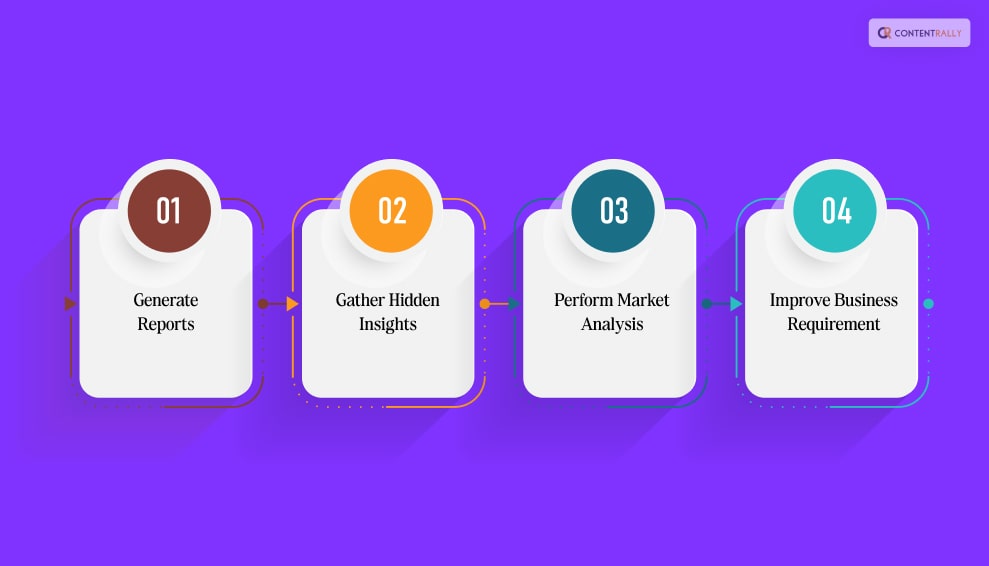
Here are 4 main reasons which signify the need for Data Analytics

After researching the fact this has been seen that Data Science is a great field to enter right now. Above all the demand for data science is high. Even more, you can get data science jobs easily once you are done with a bachelor’s degree. Below I am going to discuss the 4 main reasons that will signify the requirement for Data Analytics.

Generate Reports

Reports are created from the data and are passed on to the respective teams to further action upon for benefits in business.

Gather Hidden Insights

Hidden information from data is gathered and then analyzed as per the business requirements.

Perform Market Analysis –

Market Analysis can be done to know the strengths and weaknesses of counterparts.

Improve Business Requirement

Analysis of Data helps in improving business as per customer requirements and experience.

Reasons to consider data analytics course:

Reasons to consider data analytics course

Well, the Data Analytics course has some significant benefits. Furthermore, the Data Analytics course will enable you to stay in such a domain where you can easily get significant and relevant working experience. Here are the reasons why the data analytics course needs to be considered.

1) Data analytics is important for organizations

A sudden rise in data is changing industries. Businesses big or small – are now looking forward to their business decisions being based on data-led comprehension. Data specialists have a huge impact on business strategies and marketing tactics.

2) Gain mastery in Data Management Technologies

Data Management Technologies

The first and foremost benefit of getting a master’s degree in analytics gives you the opportunity to become proficient in data management technologies that are essential to know. These technologies are quite hard and challenging to learn outside of regular work hours if your current job doesn’t already need them. Having an expert teach these technologies is the most straightforward way to gain mastery of them.

3) Job opportunities on the rise

The demand for data analytics is on the rise thus creating great job opportunities for individuals within this field. In today’s time, it is nearly impossible to find a brand or company without a social media presence. Shortly, every company will need data analytics professionals. So getting a master’s degree in data analytics is a wise career move that has a destiny in business.

4) High pay scale for professionals of data analytics 

As time passes, and one gets more experience, the salaries can rise to between £30,000 and £35.

Do you know the entry-level salaries for a data analytics professional range between £24,000 and £25,000?

5) Work opportunities in a spectrum of businesses

As the requirement for big data has increased in almost every business today, one can decide to work across wide-ranging areas, including business capacity, sales, marketing, finance, data quality, data assurance, and more.

Completing a Master’s Degree in Data Analytics with project experience adds greater credibility and makes you readily employable. It also opens up a window of possibilities with jobs ranging from a statistician to a Data Architect. Shape your career effectively with a Master’s degree in it.

6) Enter An Exciting and Future-centric Field   

Undoubtedly, Data Science is an incredible and exciting field of study. If you are getting a master’s degree, you will get a more significant chance in data science than in your undergraduate studies.   

It means you must explore significant topics that you have yet to have a chance to explore. In this way, you can find an expertise area that intrigues you.   

If you think that data scientists are involved in the right way, then there are things that you must know. This includes things like AI, predictive analytics, and self-driving cars. This compelling project will help you determine what will work within five to ten years.   

In this case, a master’s degree will also help you develop the skills that enable you to pursue data science. In this regard, you also think about a master’s degree as a tool you can easily use as your future proof throughout your career.   

7) You Can Learn Online   

There are several benefits of studying for a master’s degree in data analytics. In this case, it will offer you your future career. Aside from that, it gives you a significant and remarkable chance to learn quickly from the entire online environment.   

Not all colleges and universities offer master’s degrees in data science, but alone, you can do it in a fully online course. However, this is becoming a more popular option. You will have several other opportunities to get a master’s degree.   

In addition, several online programs are asynchronous; apart from that, these programs don’t have a set of course schedules. It will give you further flexibility in taking courses in the order most suitable for you.   

8) Data Science is a Great Career Choice

In recent times, several excellent reasons will help you launch a career in data science. Above all, this is a fascinating area with endless prestigious and lucrative opportunities to pursue.   

In addition, you will encounter such a skills shortage in the field, which will be worth providing significant thoughts on. Here, you can get multiple benefits to obtain a master’s degree in data science.   

There are several fields of data science and other specializations beyond this. While looking for a master’s program, it is wise to consider what areas of interest you want most.   

In Conclusion  

I have discussed why it is essential to study Master’s Degree in Data Analytics above in this article. In this case, pursuing a master’s degree in data analytics will open new doors to careers and higher income levels. This happens when the thought is possible.  

There are several fields of data science and other specializations beyond that. It is wise to think about the areas of the field that interest you the most. Doing this will also help you find potential and vital programs that fit your requirements.   

I hope you find this article helpful. If you have queries, please comment below! 

Read Also About:

Content Rally wrapped around an online publication where you can publish your own intellectuals. It is a publishing platform designed to make great stories by content creators. This is your era, your place to be online. So come forward share your views, thoughts and ideas via Content Rally.

View all posts

Leave a Reply

Your email address will not be published. Required fields are marked *

Related

high purity natural products scam

High Purity Natural Products Scam | Real Truth Behind It

In this world, the current trend is all around high quality natural products. Therefore, many companies promote themselves as organizations that are involved with delivering the best products. Some of them claim these products to be natural. But unfortunately, that's the reason many people fall into the traps of these companies. If you are someone to whom the label that reads "natural" matters a lot while shopping, this article is especially for you. You must have heard about the new rage regarding high purity natural products scam. If you want to know more about it, you have come to the right place. Keep on reading this article till the end to know more… Overview When the chemical industry entered the market, it grew at an exponential rate. It provided people with faster and better results, was simple to use, and many other benefits. For example, if you purchased a fairness cream, you would notice immediate fairness after applying it.  It turned your skin white. This also provided the food industry with an option to store foods for longer periods, which was previously not possible. People eventually realized that these types of products were not beneficial in the long run. These provided instant results to those who used them, but they proved to be harmful over time. It was now time for the industry to go back to its roots.  Because natural resources are depleting daily, manufacturers were unable to produce completely natural products. As a result, manufacturers modified existing chemical products to make them less harmful and marketed them as high purity natural products. Then, around 2017, Mike Matton founded a cosmetics company called 'high purity natural products' in New England. The primary goal of this company is to produce natural products, primarily cosmetics, for well-known brands. They also make nootropics, gummies, nutraceuticals, and health and beauty products High Purity Natural Products: What Are They? While many people may feel confused about what the high purity natural products are talking about, it is best to say that these are not the ones that you think they are. What is the one thing that you know about high purity natural products? That they are made of ingredients that are pure and of great quality. However, while this can be true for most of the products that you see on the internet, the case is not the same for most brands. The companies market and promote themselves as free of certain harmful artificial chemicals ingredients. These harmful chemicals include: Lead, Formaldehyde, Asbestos, PCBs (Polychlorinated Biphenyls). Many brands market themselves as natural and free of artificials. But that is not always true. That is the reason why people across the world have sued many companies. High Purity Natural Products: What Do They Claim? The first thing that you might want to know about high quality natural products is what they are. That is exactly what I am going to explain here. High Purity Natural Products is a company that was founded in the year 2017 by Mike Matton. This East Coast-based company started because they wanted to produce products that are made of natural ingredients and also to popularize the concept of Nootropics and CBD in the mainstream beauty business. In simple words, this company is a beauty company that makes beauty and wellness products with the help of nutraceuticals. The ingredients that are used in these products are the things that make the company different from other companies in the beauty industry. High Purity Natural Products: What Are The Products? The company HPNP (High Purity Natural Products) is known for making products that are made from natural ingredients. These products generally contain CBD or cannabidiol. This is one of the most active ingredients that are extracted from hemp plants. In case you want to know some of the products that the company makes, here is a list that you might check out: Vegan Gummies. Natural Vitamins and Supplements. CBD Softgels and Capsules. CBD Tinctures. Nootropic Capsules. Balms. Lotions. CBS Dip Pouches. These are only some of the major list of products that the company makes for its growing consumer base. Apart from these, there are also a number of products that the company makes for animals. Some of them are biscuits and juices. High Purity Natural Products: What's The Catch? Now comes the interesting part! You must have heard people discussing high purity natural products scam or high purity natural products fraud a lot recently. Even though there are enough reasons for you to buy the products from the Company, there are still some people that go by the popular belief that the company does not actually use natural products. The quality of the products, as well as their authenticity, has come to be questioned multiple times. People have complained time and again that the company's products are not up to the standard and must not be used by the common people. While it is true that the company had started out quite nicely, these allegations affected its reputation of the company more than anyone could imagine. Natural Does Not Mean Sustainable Certain chemicals are sometimes extracted from natural sources in an unsustainable manner. Palm oil is frequently referred to as a 'natural' ingredient by organizations that promote such products. While extracting oil from palm trees is generally considered sustainable, they are frequently grown on land that has been cleared of existing rainforests. Obtaining ingredients from nature implies influencing it in some way, which leads to arbitrary rules for determining whether practices are sustainable. Furthermore, natural resources are limited and quickly become unsustainable when extracted in commercial quantities. For example, distilling oil for chemical fragrances requires hundreds to thousands of times the weight of flower petals. Synthetic or laboratory-made chemicals, particularly at large manufacturing scales, can provide more sustainable and cost-effective solutions. They can be derived from crude oil byproducts or processed from commonly grown crops, thereby minimizing the impact on natural resources. High Purity Natural Products Scam: What Is The Real Truth? According to the latest news and reports, the allegations against the company have fuelled a lot of things on the horizon of the beauty and wellness industry. While there are a number of companies that started marketing their products as natural to gain a lot of attention and demand across the globe, the fact that there can be a scam involved has led to major investigations. And if we talk about the High Purity Natural Products scam and how real it was or is, then the answer is simple. It has been seen that the news handout of the scam related to the company is not at all true. However, because of all the negative attention that the company received, it has been difficult for the company to rise back up. They have even tied up with the Lendica Corporation to offer some of the best products and shipping services to the customers. The products that the company manufactures are of great quality. They have significantly brought down the costs of the product as well as the shipping charges to make sure that they can be available to a maximum number of their target audience after the allegations. Frequently Asked Questions (FAQs):- Now that you covered most of the parts of this article, here are some of the questions that readers frequently ask. 1. What Is High Purity Natural Products? While many people might confuse the name as being an umbrella term for several products that are natural and made of pure ingredients of high quality, the case here is not the same. High Purity Natural Products is the name of the company that claims to make their products from organic products like Nootropics and CBD. 2. Are High Purity Natural Products Costly? There is a reason why many people ask this question. High Purity Natural Products are not as costly as many would think. However, the ingredients that they use are natural, and some of their products also contain hemp and other CBD. All these are the reasons why some of their products lie on the higher end of the spectrum. Bottom Line: Truth About High Purity Natural Products High purity products, or at least properly marketing certain products as high purity and natural, is something that is trending at present. People are looking for sustainable, natural ways of making their lives better. That is the reason why people are willing to believe any brand or product that claims that they are natural and made of highly pure ingredients. The company High Purity Natural Products claims to sell products that are natural and made of CBD and other Nutraceuticals. However, many have concluded that their products are nothing but a scam. In case you were searching on Google about “high purity natural products scam,” I hope that you found this article to be of help. Also, if there is any other query regarding the same, feel free to comment them in the box below. Read Also: How Can Digital Marketing Increase Your Business? 6 Incredible Tips To Reach Your Small Business Customer How Customer Service Is Impacting Your Business In 2022!

READ MOREDetails
Non-Ferrous Castings

9 Things You Need To Know About The Non-Ferrous Castings

Humanity's initial foray into metal use started with non-ferrous metals.  The adoption of bronze, an alloy blending copper and tin, marked the pivotal shift from the Stone Age to the Bronze Age circa 3200 BCE. Casting non-ferrous metals stands as a highly impactful industrial practice, shaping civilizations.  Over millennia, advancements have refined techniques and procedures, yet the foundational principles remain enduring, fostering ongoing innovation.  But, many people still don’t know much about the non-ferrous castings or how they usually work. And that’s what we will be discussing in this article. So, let’s get started with it. Things to Know - 1: What is a Non-Ferrous Metal Casting? Non-ferrous metals encompass a range of chemical compounds present on Earth, excluding pure iron. Contrary to pure metals, which are elemental, these non-ferrous metals consist of alloys, combinations of two or more metals fused together.  Crafting alloys involves a skillful blend of elements — often resulting in improved properties and advantages. Precision in alloy mixing can yield valuable and sought-after characteristics, making them a crucial part of modern metal usage. Metals like aluminum, lead, tin, zinc, nickel, and copper are widely known.  Copper-based alloys without iron, like brass (a mix of copper and zinc) or bronze (a blend of copper and tin), are among them. Besides, precious metals like platinum, silver, and gold are classified as non-ferrous metals. Things to Know - 2: Non-Ferrous Metal and Ancient History Humans initially used non-ferrous metals for metallurgy, with copper, gold, and silver being particularly appealing due to their resistance to corrosion, unlike ferrous metals. Copper, known as the initial metal manipulated into items during the 'Copper Age,' along with gold and silver, replaced wood and stone due to their malleability.  Their scarcity made them highly exclusive materials often reserved for luxurious goods. The introduction of bronze, achieved by blending copper with tin, marked the transition from the Copper Age to the Bronze Age. Things to Know - 3: Material Diversity Non-ferrous castings encompass an array of materials, including aluminum, copper, zinc, and magnesium alloys.  Each exhibits distinct characteristics — aluminum boasts lightweight strength, copper offers excellent conductivity, zinc facilitates die-casting, and magnesium showcases exceptional lightness. It allows for tailored solutions in various industries, from aerospace to automotive, enhancing efficiency and performance. Things to Know - 4: Complex Casting Processes The casting process for non-ferrous materials involves intricate methodologies.  Techniques like sand casting, investment casting, and die casting are prominent. Sand casting, a traditional method, involves pouring molten metal into a sand mold.  Conversely, investment casting uses wax patterns for intricate designs. Die casting, preferred for high-volume production, employs reusable molds for precise, rapid casting. Things to Know - 5: Corrosion Resistance One of the standout features of non-ferrous castings is their resistance to corrosion. Aluminum and its alloys form a protective oxide layer, rendering them resistant to rust.  Copper's inherent resistance to corrosion makes it a much preferred choice in plumbing and electrical applications, ensuring durability and longevity in various environments. Things to Know - 6: Application in Diverse Industries The adaptability of non-ferrous castings extends across numerous sectors. In the automotive industry, aluminum alloys enhance fuel efficiency due to their lightweight nature.  Copper alloys find extensive usage in electrical components, ensuring efficient conduction. Aerospace usually relies on magnesium alloys for their lightweight strength, enabling aircraft to achieve optimal performance. Things to Know - 7: Sustainability and Recyclability Non-ferrous materials align with sustainable practices due to their recyclability.  Aluminum, for instance, retains all of its properties even after recycling, making it a highly sought-after material for eco-conscious industries.  The recycling process consumes significantly less energy compared to primary production, contributing to reduced carbon emissions and resource conservation. Things to Know - 8: Design Flexibility and Precision The overall versatility of non-ferrous castings allows for intricate designs or precise detailing.  Investment casting can allow the creation of complex shapes with fine details, fulfilling the demands of industries like —  Jewelry making,  Aerospace, and  Medical equipment manufacturing.  This flexibility aids in achieving the desired functionality and aesthetics of the final product. Things to Know - 9: Types of Non-Ferrous Alloys and Metals I. Aluminum Aluminum stands as one of the most abundant non-ferrous metals.  Its lightweight nature, excellent conductivity, corrosion resistance, and malleability render it indispensable across diverse sectors.  From aerospace components to beverage cans, aluminum's versatility knows no bounds. Its conductivity makes it ideal for electrical transmission lines and wiring.  Additionally, aluminum alloys, such as 6061 and 7075, offer enhanced strength, making them suitable for structural applications in aviation and automotive industries. II. Zinc Zinc, used as a coating to protect steel from corrosion, also finds application in die-casting processes to produce intricate shapes for automotive components and household fixtures.  Zinc alloys, like Zamak, offer improved mechanical properties and are commonly used in the manufacturing of various consumer goods and automotive parts. III. Lead Despite environmental concerns leading to reduced usage, lead still finds applications in certain industries due to its high density and corrosion resistance.  Historically used in piping, batteries, and radiation shielding, its usage has decreased due to health and environmental regulations. IV. Copper Copper, known for its great electrical and thermal conductivity, has been in use since ancient times. Its overall flexibility and malleability enable it to be shaped into wires for electrical applications and tubes for plumbing systems. Copper alloys, including brass (copper and zinc) and bronze (copper and tin), possess superior properties like —  Increased strength,  Corrosion resistance, and  Aesthetic appeal These make them quite valuable in architectural designs, musical instruments, and marine applications. You can use them in various other aspects as well. Conclusion The non-ferrous castings embody a unique convergence of material science, manufacturing expertise, and application versatility. The myriad benefits—ranging from corrosion resistance to recyclability—underscore their pivotal role in modern industries.  Understanding these essential aspects empowers industries to leverage the unique properties of non-ferrous materials, fostering innovation, sustainability, and efficiency in manufacturing processes worldwide. Read Also: Why Metal Studs are More Suitable for Your Construction Works Is Prefabricated Metal The Future Of Warehouse Construction? How Many Jobs Are Available In Precious Metals?

READ MOREDetails
Optimizing Storage In A Warehouse

Optimizing Storage In A Warehouse

Welcome, warehouse wizards and storage enthusiasts, to a world where storage solutions become extraordinary! Prepare to embark on a thrilling journey as we unveil the secrets to transforming your warehouse into a space of efficiency, organization, and, dare we say, a touch of magic. Imagine a realm where every inch of your storage space is optimized to its fullest potential, where inventory is easily accessible with a mere flick of a wand (or swipe of a finger), and where productivity soars to spellbinding levels. In this blog post, we will delve into innovative techniques, cutting-edge technologies, and practical strategies you manage and optimize storage in your warehouse. So gather your wands of ingenuity, don your capes of efficiency, and get ready to unlock the secrets to maximizing space utilization and streamlining warehouse operations! The Importance Of Optimizing Storage In A Warehouse Efficient storage management is not just a matter of convenience; it plays a crucial role in the success of any warehouse operation. The optimization of storage space holds numerous benefits, including: Maximizing space utilization: Warehouses often face the challenge of limited space. By optimizing storage, you can make the most of the available space, allowing for increased storage capacity without the need for expansion. Utilizing every square foot effectively ensures that inventory can be stored and accessed efficiently, minimizing wasted space and reducing the risk of overcrowding. Streamlining inventory management: Efficient storage systems enable better organization and categorization of inventory. With optimized storage, items are logically arranged, labeled, and easily accessible, facilitating streamlined inventory management processes. This reduces the time spent searching for items, eliminates errors in picking and packing, and improves order fulfillment speed and accuracy. Enhancing workflow efficiency: An optimized storage layout enables smooth workflow patterns within the warehouse. By strategically placing items closer to high-traffic areas or frequently accessed zones, you can minimize travel time, reduce congestion, and increase overall operational efficiency. This translates to improved productivity, faster order processing, and enhanced customer satisfaction. Preventing damage and loss: Proper storage optimization includes considerations for the safe and secure handling of inventory. By utilizing appropriate storage solutions such as racks, shelves, or automated systems, you can prevent damage caused by improper stacking, mishandling, or environmental factors. This reduces the risk of product loss, minimizes inventory shrinkage, and protects the overall value of stored goods. Cost savings: By optimizing space utilization, you can avoid unnecessary expenses associated with expanding or relocating to larger facilities. Additionally, streamlined inventory management reduces the risk of overstocking or understocking, optimizing stock levels and minimizing holding costs. Lastly, improved workflow efficiency enhances labor productivity, reducing labor costs over time. Safety and compliance: An optimized storage system promotes a safer working environment by reducing clutter, eliminating obstacles, and ensuring compliance with safety regulations. By implementing proper storage techniques and utilizing safety features such as guardrails, signage, and designated walkways, you can mitigate the risk of accidents, injuries, and potential liability issues. Top 3 Ways To Optimize Storage In Your Warehouse Now that we understand the importance of optimizing storage in a warehouse, it's time to unveil the top three strategies that will help you unlock the full potential of your storage space. These strategies will guide you toward achieving maximum efficiency, organization, and productivity. 1. Efficient Space Planning Efficient space planning is a fundamental step toward optimizing storage in your warehouse. By carefully analyzing and organizing your available space, you can make the most of every square foot, effectively utilizing the area to its maximum potential. Here are some vital considerations for efficient space planning: Evaluate layout: Start by assessing your warehouse layout and identifying areas where space is underutilized or inefficiently used. Look for opportunities to rearrange shelving, racks, and workstations to create a more streamlined and accessible flow. Categorize inventory: Classify your inventory based on the frequency of use, size, weight, and other relevant factors. This allows you to allocate appropriate storage space based on the specific needs of each item. Consider implementing an inventory management system to aid in categorization and tracking. Optimize aisles: Optimal aisle width is crucial for efficient movement within the warehouse. Strive for a balance between aisle space and storage capacity. Narrower aisles can maximize storage density, while wider aisles facilitate ease of navigation and equipment maneuverability. Implement clear signage: Clear and visible signage plays a vital role in efficient space planning. Labeling storage areas, shelves, and sections helps employees locate items quickly, reducing time spent searching and minimizing errors. 2. Utilizing Vertical Storage Solutions One of the most effective ways to optimize storage in your warehouse is by harnessing the power of vertical space. Vertical storage solutions make efficient use of the height of your facility, allowing you to store more items without expanding your floor area. Here are key strategies for utilizing vertical storage: Vertical racking systems: Install vertical racking systems, such as pallet racking or cantilever racks, to stack items vertically. These systems provide sturdy support and can accommodate various types of inventory, optimizing space utilization. Mezzanine floors: Mezzanine floors effectively double your storage space by utilizing vertical height. They are ideal for storing smaller or lighter items. Vertical lift modules (VLMs): These compact units consist of vertically arranged trays that store and retrieve items with the push of a button. VLMs are particularly useful for storing small to medium-sized items and optimizing picking and retrieval processes. Carousel systems: Carousel systems, also known as vertical carousels or lift modules, consist of rotating shelves or trays that bring items directly to the operator. These systems minimize travel time, increase picking efficiency, and maximize storage capacity in a compact footprint. Automated storage and retrieval systems (AS/RS): AS/RS solutions combine advanced technology and automation to optimize vertical storage. These systems use robotic cranes or shuttles to retrieve and store items, maximizing storage density and streamlining operations. Modula Inc. revolutionizes inventory management with its vertical storage solutions. Their efficient products, like the Modula Vertical Lift Module (VLM), optimize space in warehouses worldwide. Contact them for tailored storage solutions and expert guidance. 3. Implementing Inventory Management Systems Implementing an inventory management system is a crucial step in optimizing storage and streamlining warehouse operations. These systems provide real-time visibility into inventory levels, locations, and movement, enabling better control and efficient utilization of storage space. Here's how implementing an inventory management system can enhance storage optimization: Centralized inventory tracking: An inventory management system allows you to centralize inventory tracking, providing a comprehensive view of your stock levels across various locations. You can easily monitor inventory movement, identify slow-moving or obsolete items, and make data-driven decisions to optimize storage allocation. Demand forecasting and planning: Advanced inventory management systems often include demand forecasting capabilities. By analyzing historical data, sales trends, and market insights, these systems can help you forecast future demand accurately. This enables proactive inventory planning and optimization, reducing excess stock and ensuring adequate storage space for high-demand items. FIFO and lot control: For businesses handling perishable or time-sensitive goods, implementing inventory management systems that support First-In, First-Out (FIFO), and lot control is essential. These features ensure proper rotation of inventory, minimize waste, and prevent expired or obsolete items from occupying valuable storage space. Real-time alerts and notifications: Inventory management systems can send real-time alerts and notifications when inventory levels reach predefined thresholds. This ensures timely replenishment and prevents stockouts or overstock situations, optimizing storage space by maintaining optimal inventory levels. Barcode or RFID integration: Integrating barcode or RFID technology with your inventory management system enables seamless tracking and accurate identification of items. This streamlines picking, receiving, and inventory reconciliation processes, reducing errors and improving overall efficiency. Final Thoughts Optimizing storage in your warehouse is not just a mundane task but a transformative journey that can have a significant impact on your overall business success. It requires strategic planning, efficient use of space, and implementation of advanced systems. By embracing warehouse optimization, you can maximize storage capacity, streamline operations, and improve overall efficiency. So, don't wait any longer—start implementing these strategies today to transform your warehouse into a well-organized and highly productive space! Read Also: How To Get Product Ideas For Your Ecommerce Business Tips To Choose The Best Inventory Management Software 6 Things To Consider Before Choosing Web Hosting For Your Ecommerce Website

READ MOREDetails