Published on: 02 April 2019
Last Updated on: 13 September 2024
You try your level best to impress the guests whom you invite to attend your wedding. But while being a part of this joyous occasion, they expect a wonderful meal simultaneously. So selecting a perfect caterer for a wedding is an important task. Gone are the days when caterers used to serve almost similar kind of monotonous meals on nearly every wedding occasion. This is the era of creativity in every sphere. Today the best wedding caterers are coming up with innovative and mouth-watering dishes to stun the guests not only with its taste but appearance. Remember being the host of the event you would not want your guests to criticize. Having the best wedding catering service provider by your side will always make your event a hit.
Here Are Some Tips For Choosing The Best Wedding Catering:
Test The Taste Of The Food:
One of the most important things that you should do is to check the taste of the food that they will prepare for the wedding day. Before tasting the sample dishes, never select a caterer. Even if they charge a nominal amount for that, invest on that without being reluctant.
Check the caterer’s responsiveness- While having an initial discussion with the caterer, check his responsiveness. If you find him eager and curious to understand the exact requirement that you have and he is willing to chalk out the menu as per that, then you can rely upon him.
Ask For A Sample Of presentation
Meal presentation is equally important. It must compliment the décor of the venue. If it is not done in a proper way, it may spoil the impression. You must ensure that the caterer has arranged everything exclusively. Better you seek a sample of the presentation in advance to ensure you have given the responsibility to the right service provider
Try To Attend Any Other Event They Are Catering
This is one of the best ways to gauge whether the caterer’s claim of being the best wedding catering service provider is true or not. You can attend any other event where they are catering and check on their quality of service. Try to figure out the demeanor of the staffs, how they are behaving with the guests and whether the guests are satisfied with everything or not. Additionally, you can also ask for references. You can ask for their numbers from the caterer so that you can speak with them and get feedback on their work.
Cost Factor
It is not necessarily that to hire the best wedding catering service you need to spend a fortune. You can find many decent and trusted caterers who are ready to render their service within your budget without compromising on the food quality.
Online Research
In this technologically driven era, you can do vivid research on any service provider before availing their services. Likewise, you can get a picture of the quality of the caterer from the internet. Do thorough online research to be sure that you are not mistaking by hiring the one.
Experienced Team
While interacting with the caterer check on the fact that all the staff who are working for them are experienced. Tell them strictly that you want only experienced people to handle the occasion who are confident and skilled enough.
Conclusion
These few points will surely help you to choose the best wedding catering service providers in town. These aside, you need to trust your gut feeling as well. After all, you will be the best judge to figure out if someone is responsible and confident enough to entrust with this vital task.
Content Rally wrapped around an online publication where you can publish your own intellectuals. It is a publishing platform designed to make great stories by content creators. This is your era, your place to be online. So come forward share your views, thoughts and ideas via Content Rally.
If there is something that I have learned in life, it is about gardening. Well, almost everything if not all. And if there is one thing that took me some time to master, it was knowing how to harvest potatoes at home!
Potatoes are one of the most versatile and popular vegetables in the world. They can be cooked in many different ways, such as boiled, baked, fried, mashed, or roasted. Moreover, they are also rich in carbohydrates, fiber, vitamin C, potassium, and antioxidants.
But how do you grow and harvest your own potatoes at home? You see, potatoes are not like cilantro or other plants. These are tubers.
In this article, I will show you everything you need to know about how to harvest potatoes, from planting to storage.
So, if that is something that you are interested in knowing, then I have you covered! Keep on reading this blog till the end to learn more...
How to Plant Potato Seeds or Tubers?
The first step in how to harvest potatoes is to plant them. You can start with either potato seeds or tubers. Potato seeds are small, round, and black, and they are usually sold in packets.
Potato tubers are the actual potatoes that you eat, and they have eyes or buds that can sprout new plants.
You can buy certified seed potatoes from a nursery or garden center, or use organic potatoes from the grocery store.
Here are some if the steps that you must take to plant them:
Planting Potato Seeds
To plant potato seeds, you need to sow them indoors in pots or trays filled with moist potting soil.
Place them in a sunny spot and keep the soil moist but not soggy.
The seeds will germinate in about two weeks and produce small green shoots.
When the shoots are about 3 inches tall, you can transplant them outdoors in your garden or in containers.
Planting Potato Tubers
To plant potato tubers, you need to cut them into pieces, each with at least one eye.
You can do this a few days before planting to let the cut surfaces heal and prevent rotting. Alternatively, you can plant whole small potatoes with several eyes.
To prepare the soil, you need to loosen it and add some organic matter, such as compost or manure.
You also need to make sure the soil is well-drained and slightly acidic, with a pH of 5.0 to 6.0.
You can use a soil test kit to check the pH level and adjust it with lime or sulfur if needed.
Planting Potato Pieces
To plant the potato pieces, you need to dig a trench about 4 inches deep and 12 inches wide.
Place the pieces about 12 inches apart, with the eyes facing up.
Cover them with 3 inches of soil and water well.
As the plants grow, you need to hill up the soil around them to cover the lower stems and prevent the tubers from being exposed to sunlight, which can turn them green and bitter.
You can also mulch the soil with straw, leaves, or grass clippings to retain moisture and suppress weeds.
How to Care for Your Potato Plants?
The second step in how to harvest potatoes is to care for your potato plants. You need to water them regularly, especially during dry spells, to keep the soil moist but not waterlogged. You also need to fertilize them every two weeks with a balanced organic fertilizer, such as fish emulsion or seaweed extract. Also, you can add some wood ash or bone meal to provide extra potassium and phosphorus, which are essential for tuber formation.
You also need to protect your potato plants from pests and diseases, which can reduce your yield and quality. Some of the common potato pests are:
Colorado potato beetles, which are yellow and black striped insects that feed on the leaves and can defoliate the plants. You can handpick them and drop them in a bucket of soapy water, or use an organic insecticide, such as neem oil or pyrethrin.
Potato leafhoppers, which are small, green, winged insects that suck the sap from the leaves and cause them to curl and yellow. You can spray them with a strong jet of water, or use an organic insecticide, such as garlic or hot pepper spray.
Wireworms, which are thin, brown, worm-like larvae that bore into the tubers and cause holes and tunnels. You can trap them with pieces of carrot or potato buried in the soil, or use beneficial nematodes, which are microscopic worms that parasitize and kill the wireworms.
Common Potato Diseases
One of the most common reasons why a potato cannot grow or survive is the diseases. If you were wondering what some of these can be and how to deal with them, I have you covered!
Some of the common potato diseases are:
Late Blight: It is a fungal disease that causes brown spots on the leaves and stems, and black or brown lesions on the tubers. It can spread rapidly and destroy the entire crop. You can prevent it by planting resistant varieties, avoiding overhead watering, and removing any infected plants and tubers. You can also use a fungicide, such as copper or sulfur, as a preventive measure.
Scab: This is a bacterial disease that causes rough, corky patches on the tubers. It does not affect the taste or edibility of the potatoes, but it reduces their appearance and storage quality. You can prevent it by planting resistant varieties, maintaining a slightly acidic soil pH, and avoiding excessive nitrogen fertilization.
Potato Virus Y: Lastly, this is a viral disease that causes mosaic patterns, mottling, or yellowing on the leaves, and misshapen or knobby tubers. It can reduce the yield and quality of the potatoes, and it can be transmitted by aphids or infected seed potatoes. You can prevent it by planting certified virus-free seed potatoes, controlling aphids, and removing any infected plants and tubers.
How to Determine When Your Potatoes Are Ready to Harvest?
The third step in how to harvest potatoes is to determine when they are ready to harvest. This depends on the type and variety of potatoes you planted, and the size and maturity you want.
There are two main types of potatoes: early and late.
Early potatoes are ready to harvest in about 10 to 12 weeks (about 3 months) after planting, and they produce small to medium-sized tubers that are tender and thin-skinned. They are best for boiling, steaming, or roasting.
Late potatoes are ready to harvest in about 15 to 20 weeks (about 4 and a half months) after planting, and they produce large, starchy tubers that are firm and thick-skinned. They are best for baking, mashing, or frying.
Early Harvesting
To harvest early potatoes, you can start digging them up when the plants begin to flower, or when the lower leaves start to yellow.
You can use a garden fork or a spade to gently lift the plants and tubers from the soil, or you can use your hands to feel for the tubers under the soil.
You can harvest as many or as few potatoes as you need, and leave the rest in the ground until you are ready to use them.
You can also harvest some of the young, tender leaves and stems, which are edible and nutritious.
Late Harvesting
To harvest late potatoes, you need to wait until the plants have died back completely, or until the first frost.
This allows the tubers to develop a thicker skin, which helps them store better.
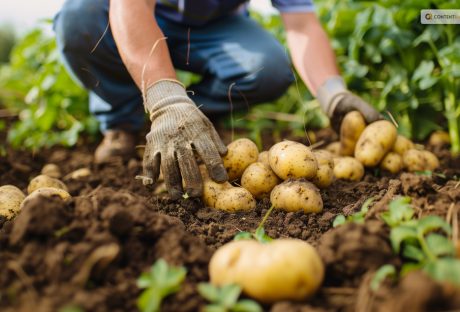
You can use a garden fork or a spade to dig up the entire row of plants and tubers, or you can use a potato digger, which is a special tool that lifts and separates the tubers from the soil.
You need to be careful not to damage or bruise the tubers, as this can cause rotting or spoilage.
How to Dig Up, Cure, and Store Your Potatoes?
The final step in how to harvest potatoes is to dig up, cure, and store your potatoes. This is important to preserve the quality and shelf life of your potatoes, and to prevent them from sprouting, rotting, or shrinking. Here are the steps to follow:
Digging Up
After digging up your potatoes, you need to brush off any excess soil and remove any damaged, diseased, or green tubers.
Do not wash your potatoes, as this can remove the protective skin and invite bacteria and fungi. You can wash them just before cooking or eating them.
Curing
You need to cure your potatoes for about two weeks in a cool, dark, and well-ventilated place, such as a basement, garage, or shed.
This allows the skin to harden and heal any minor cuts or bruises and enhances the flavor and texture of the potatoes.
The ideal temperature for curing is between 50°F and 60°F, and the ideal humidity is between 80% and 90%.
You can spread your potatoes in a single layer on a newspaper, cardboard, or wooden crate, and avoid exposing them to light, which can turn them green and bitter.
Storing
You need to store your potatoes in a cool, dark, and dry place, such as a cellar, pantry, or closet. The ideal temperature for storage is between 40°F and 50°F, and the ideal humidity is between 65% and 70%.
You can store your potatoes in paper bags, cardboard boxes, mesh bags, or wooden crates, and check them regularly for any signs of sprouting, rotting, or shriveling.
You can also store your potatoes in a root cellar, which is an underground or partially underground structure that maintains a constant temperature and humidity.
Additionally, you can also store your potatoes in a clamp, which is a mound of straw, hay, or leaves covered with soil, that insulates and protects the potatoes from frost and rodents.
Wrapping It Up!
If you want to know about how to harvest potatoes, I hope that this blog has been of help to you. However, if there are any other queries related to the same, please feel free to let me know.
All that you need to do is scroll down till you reach the bottom of the page. Then leave your comments and suggestions in the box below. And I will be there to answer them all for you!
Read Also:
How to Harvest Lettuce: A Step-by-Step Guide for Fresh and Crispy Salads
Everything You Need To Know About Harvesting Basil!
Although mushrooms have been used in cooking and customs for over a millennia, their popularity has increased recently. Previously unfashionable and difficult to market, portobello mushrooms are now in high demand all across the world.
These big, meaty mushrooms taste fantastic when grilled, stuffed, or used as a meat substitute in burgers and sandwiches. They also have a delightfully rich flavor.
But do portobello mushrooms have any health benefits over other foods? What are the negative effects of portobello mushrooms? Here we will talk about different methods to incorporate portobello mushrooms into your diet and their positive and negative aspects.
What Are Portobello Mushrooms?
Image Source: tastingtable.com
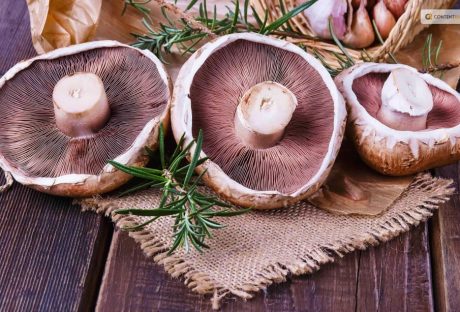
The delicious Agaricus bisporus fungus, which also produces cremini and button mushrooms, is the source of these large mushrooms. Actually, despite being in various stages of development, all of these mushrooms are the same. The biggest and darkest of the three mushrooms, portobellos are the most mature. They can occasionally reach a width of around 6 inches and have a deep brown color.
Large-scale portobello mushroom cultivation is famous all over the world. These mushrooms, however, are from the meadows of Eurasia and North America in the wild.
They have a less spongy texture than other mushrooms. These mushrooms have a meatier texture which makes them a good substitute in vegan and vegetarian meals.
Portobello mushrooms are generally thought to be a fantastic source of important nutrients that are good for your body. It is believed that portobello mushrooms are rich in beneficial plant-derived nutrients like B vitamins, selenium, potassium, copper, and selenium. If they are exposed to UV radiation while developing, they can also be a rich source of vitamin D.
Mushrooms were initially not acceptable to the general public and to persuade people to add them to their shopping baskets- voluntarily. In order to make that happen they were given the rather glitzy-sounding name Portabella in the 1980s.
Today, 90% of all mushrooms produced in the USA are portobello mushrooms. They are also a common addition to recipes by professional chefs at restaurants and for recipes cooked at home.
Next time you see these delectable mushrooms you're shopping and they're labeled portabella rather than portobello, don't worry—they're the same!
Many people think that mushrooms, in general, offer a number of health advantages. The same is true of portobello mushrooms, which are a rich source of protein, fiber, and important vitamins and minerals.
However, it is important to remember that there has been little research on the health advantages of portobello mushrooms. It cannot be suggested for consumption without necessary caution.
Benefits Of Portobello Mushrooms
Image Source: a-z-animals.com
Here are three positive health benefits of having portobello mushrooms based on popular research:
Portobello mushrooms are an excellent addition to any diet because they lower fat and calories, like all mushrooms. Portobello mushrooms have a low calorie and fat content of 22 per 100 grams. They also contain 2.11 and 1.3 grams of protein and fiber.
High concentrations of B vitamins riboflavin, niacin, and pantothenic acid enrich portobello mushrooms. They are essential for many bodily functions, like energy production and the metabolism of macronutrients.
According to research, portobello mushrooms are rich in potassium, which is essential for maintaining muscle health and strength. 128g of cooked portobello mushrooms contain 440mg of potassium. It is roughly 9% of the daily adult intake.
Negative Effects Of Portobello Mushrooms
Image Source: cdn.britannica.com
Like any meal, portobello mushrooms may not be suitable for everyone. The following are a few possible drawbacks of portobello mushrooms:
Allergic Reactions
Portobellos and other mushrooms may cause an allergic reaction in certain people. The degree of allergic reactions can vary. It can range from minor symptoms like irritation and hives to more serious ones like breathing difficulties or anaphylaxis. Consumption of portobello mushrooms can cause a severe reaction if you have a mushroom allergy.
Digestive Problems
Portobellos and other mushrooms contain chitin, a form of carbohydrate. Humans find chitin difficult to digest, and for some people, it can be uncomfortable. If ingested in large numbers or not cooked well, mushrooms can cause symptoms like bloating, gas, or upset stomach.
Risks Of Contamination
If you don't handle, preserve, and prepare portobello mushrooms correctly, they may become contaminated with bacteria, molds, and other hazardous germs. In this regard, they are much like other mushrooms. Food poisoning from eating contaminated mushrooms can cause symptoms like nausea, vomiting, diarrhea, and abdominal pain.
Medication Interactions
Portobello mushrooms, like several other foods, may have an effect on how some medicines work. For instance, they might impact how some medications and anticoagulants work. To be certain. There are no reported interactions. However, you can talk to a healthcare provider or pharmacist if you are taking drugs.
How To Cook Portobello Mushrooms?
Image Source: zardyplants.com
Portobello mushrooms are ideal veggies in a variety of ways, including grilled, stuffed, and fried. However, you can also serve them on their own. They are very popular in Italian recipes like spaghetti and even as toppings on pizza.
In a variety of vegetarian and vegan meals, including burgers and steaks, portobello mushrooms' are an ideal meat substitute. Here are a few of our favorite methods for preparing delicious portobello mushrooms:
You may substitute a grilled portobello mushroom for a traditional meat burger or eat it alone as a plant-based steak.
To prepare portobello mushrooms for pasta dishes and sauces, put them in a skillet and cook briefly until fork-tender.
Portobello mushroom stuffing is an all-time favorite! Load a generous amount of cheese into the mushroom's center before baking it in an oven until it turns golden.
Slice up a few of these chewy deliciousnesses. Put them on toast or toss them over for a savory stir fry!
How To Choose The Right Portobello Mushrooms?
Image Source: boomieskitchen.com
Pick fresh, firm portobello mushrooms when you're shopping. Avoid portobello mushrooms that have bruises, or that have soft patches, as they are not suitable for consumption. You must consume fresh mushrooms right away because they are bad for your health when old.
Fresh portobello mushrooms are best when in a paper bag or their original container in the refrigerator. These fresh mushrooms should be kept in an airtight container and kept at room temperature. It will prevent the formation of dangerous bacteria that could cause botulism.
To help avoid cross-contamination, wash your hands both before and after handling portobello mushrooms. Before preparing and eating, immediately wash mushrooms under running water. Other than water, there is nothing else you need to use to clean your mushrooms. Never pre-wash mushrooms since the dampness will hasten their deterioration.
Wrapping Up
So it appears that portobello mushrooms may be more than we originally thought! There are so many good reasons to include portobello mushrooms in your diet. The possible health advantages and their distinctive texture and flavor make them super palatable.
Remember that the negative consequences are not all-encompassing and might not be relevant for everyone. When included in a balanced diet, portobello mushrooms are a generally healthy and safe food option. However, it is advised to speak with a healthcare provider or allergist for specialized guidance if you have known allergies.
Learn More About:
7 Benefits Of Eating Protein Rich Snacks
5 Ways To Use Medicinal Mushroom Extracts
Great Health Benefits You Get From A Protein Coconut Bar
There are two types of bacteria present in our body. The good bacteria can make you healthy and the bad bacteria can make you sick. Both the types of bacteria create a balance in your body and your immune system. This balance in the body is known as Microbiome.
What is microbiome?
The microbiome is bacteria present in your intestines and they influence everything from the immune system to the metabolism to your mood as well as behavior. If there is a perfect balance of the microbiomes, you will feel balanced. If there is an imbalance, your mood and health will suffer. When you harm the good bacteria or remove them from your body, you have severe health consequences and there are many foods which do that. It is best to stay away from them to ensure good health and well being.
Foods you should avoid to maintain the microbiome balance
Sugar:
A lot has been spoken and written about the effect of sugar on your body. There are no health benefits of sugar on the body. It only expands your waistline and will rot your teeth in the long term. Sugar feeds the bad bacteria and allows them to get stronger and multiply. You will feel unhealthy and sick due to the increase in bad bacteria. Sugar in every form is bad for your health and body. In order to satisfy your sweet tooth, you can choose sweeteners like dark chocolate and honey. You should only consume them in small amounts.
Processed foods:
Junk food is bad for your health in the same way as sugar. It allows the bad bacteria to multiply and will make you sick. When you consume processed food, it wipes out any bacteria that is present in your gut and will deteriorate your health. The more species in the immune system, the better health you enjoy. It is never a good idea to wipe off calories from your body. It can also lead to heart problems and the blockage of your arteries. You can replace the fried foods with oven baked foods or choose a healthier oil version.
Gluten:
A lot of people are going gluten-free these days and a lot of them are doing it for their good health. Gluten is a form of protein found in grains and wheat. It breaks down inside the stomach and will loosen the walls of the intestine. Since the walls are weak, it is easier for cavity and bad bacteria to attack the immune system of the body. It will leave you vulnerable to many diseases and infections. It is best to limit gluten intake. https://prepara.com/blogs/news/diet-mistakes-that-can-destroy-your-microbiome will guide you on how to maintain the perfect balance of good and bad bacteria ideal for your body.
Red meat:
It is a well-known fact that red meat can increase the risk of heart conditions and also colon cancer. It is not the best food to consume in large quantities. It wipes out the good bacteria and feeds the bad ones. You should choose only high-quality organic animals that are fresh to eat.
Eggs:
An ideal source of protein, eggs are consumed by everyone from young kids to adults. Most of us consume chicken eggs and they are fed antibiotics which makes the eggs difficult for digestion in the human body. If you must eat eggs, look for organic eggs that are produced by healthy chickens.
Dairy:
The same reason is applicable in case of dairy as in eggs. Farmers give antibiotics to the cows and the same is transferred into the cheese and milk produced. They wipe out the bacteria and damage your immune system. You can choose organic yogurt in place of curd. It will feed good bacteria and will work against the bad ones.
It might seem like a long list of foods you need to stay away from. However, there are endless options you can choose for your daily intake. Even if you take one step at a time and replace one food with a healthy, organic option, you will notice the difference in your health and body in no time. The body will respond well to the diet changes you make and it will allow you to remain healthy and happy with the right food and drinks. Your overall health will be improved and you will be able to stay away from doctors and medicines.
Read Also :
The Top 10 Best Foods To Eat In Early Pregnancy
Foods To Eat On A Low-Carb Ketogenic Diet