












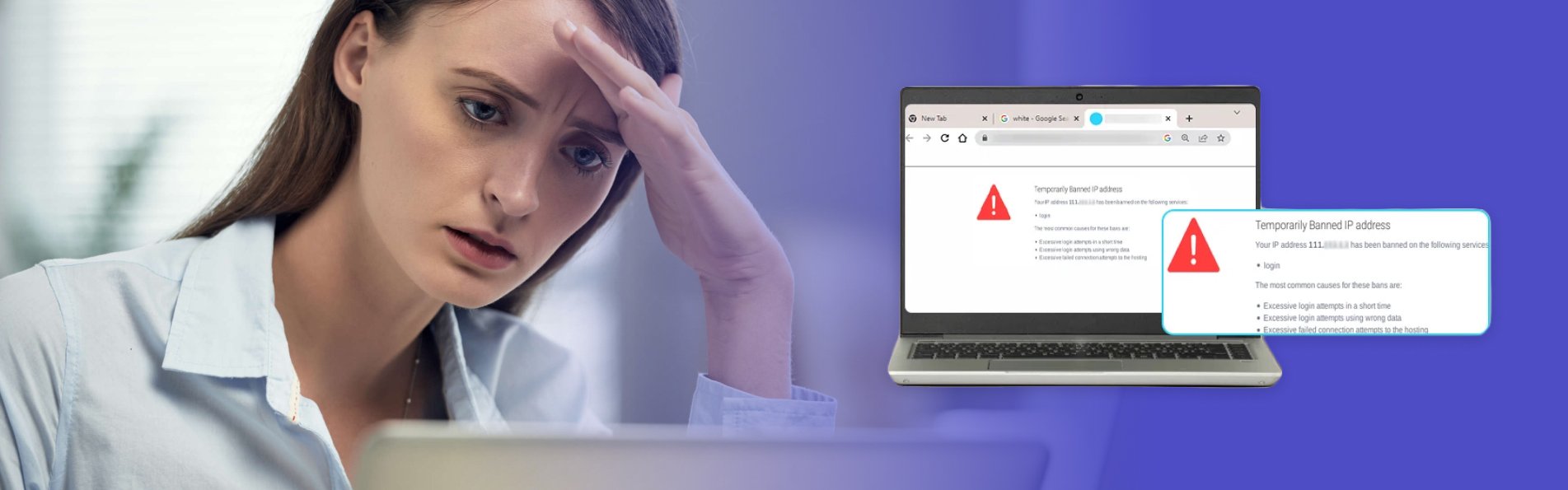
Your IP Has Been Temporarily Blocked – How To Unblock It?

Published on: 24 January 2023 Last Updated on: 04 September 2024
your IP has been temporarily blocked

Although it doesn’t happen often, the “your IP has been temporarily blocked” warning will keep you from visiting a website. The error could show if you’ve attempted to log in too frequently or if you’ve broken the site’s terms of service by uploading prohibited information, for example.

Therefore, to learn how to prevent this issue from happening again, read this guide post till the end. Here, you will learn ten different ways to fix this issue.

How To Fix The “Your IP Has Been Temporarily Blocked” Issue?

To prevent the “your IP has been temporarily blocked” error from happening again, here are the steps you can take:

1. Just Wait
Just Wait

A website frequently temporarily blocks IP addresses. For instance, if you tried to log in too many times using invalid credentials, you may be barred or banned for 24 hours before being allowed to try again. You can either wait a day or see the website’s terms of service for details now only.

2. Use VPN

Use VPN

Websites may restrict your IP address as a result of a country ban, as was already indicated. Use a VPN to conceal your IP address in order to get around such a limitation. You will be able to access the website since it will seem as though you are visiting from somewhere else.

Free VPNs are available, however commercial services are more likely to ensure that your IP address is hidden. You will be able to view the website that has blocked your access after you sign up for a VPN. Check out our list of the top 10 VPN service providers if you’re unclear about how to choose a VPN service.

3. Properly Configure Your Network And Mail Servers
Properly Configure Your Network And Mail Servers

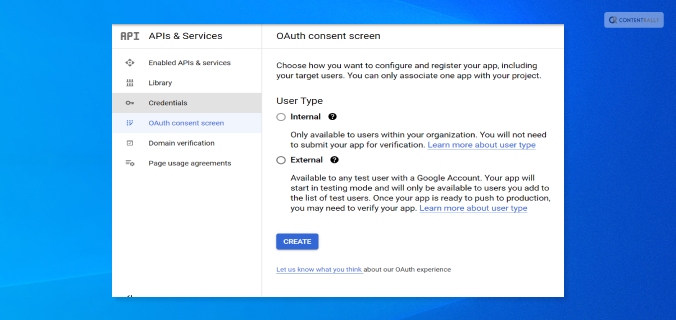
Incorrectly placed letters or digits might potentially be the reason your IP address is blocked. Your network and mail server need to be configured correctly because of this. Contact the blacklist to get your name taken off of it.

4. Connect To A Different Wi-Fi Network

Connect To A Different Wi-Fi Network

You should also think about joining a fresh Wi-Fi network. A new IP address is generated while joining a Wi-Fi network. This may be a short workaround to enable you to view the website to which access has been limited.

5. Check If They Blacklisted Your IP

Check If They Blacklisted Your IP
Image Source: thryv.com

Many websites are members of IP address blacklists that are open to the public. These lists are frequently gathered from well-known spammers, and banning the addresses can assist website owners to keep unwanted visitors away and stop spam abuse. 

However, it’s possible that one of these blacklists listed your IP address by mistake. The good news here is that you can check your IP Address on a website called WhatIsMyIPAddress.com. If it shows up on their lists after entering your IP address is automatically detected, the website will notify you.

6. Update Your OS

Update Your OS

If your computer hasn’t received any updates in a while, malware might infect it and restrict your IP address. You may improve your computer’s usefulness and security by upgrading it.

If you use a Windows computer, here’s what you should know:

  1. First, go to Settings.
  2. Here, choose Update & Security.
  3. Then click on Windows Updates to see whether any updates are available for installation.

If you use a Mac computer, then here’s what you should do:

  1. First, open System Preferences.
  2. Then, select the App Store.
  3. Finally, select Show Updates.

Wait a day after the upgrade is complete before attempting to access the website that has restricted you.

7. Try Detecting Malware

Try Detecting Malware

The problem regarding “why your IP has been banned” can stem from various malware that might have entered your system. This error is typically shown when your IP address has been compromised and your system is now transmitting spam, or even launching DoS attacks in the background.

Therefore, you should scan your computer using antivirus software. To get the best internet security, I recommend using premium antivirus software that always runs in the background.

  1. Here, if you’re using Windows, follow the steps explained below:
  2. First, click on Start and type “Security“. 
  3. When Windows Security appears in the search results, click on it. 
  4. After selecting Virus & threat protection, do a Quick scan.

8. Change To A New IP Address
 Change To A New IP Address

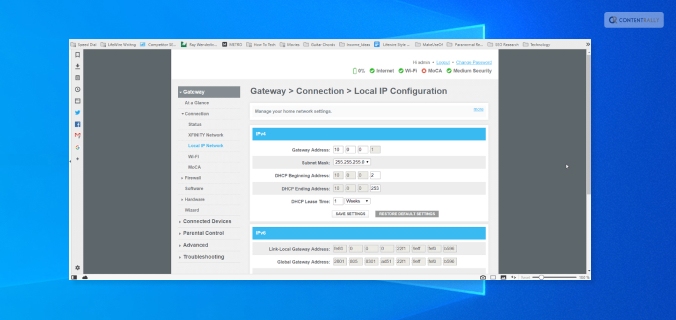
If you want to, you can shift to a new IP address by temporarily changing it using your VPN software. Do this if your IP has been banned.

To do so on a Windows computer, follow the steps below:

  1. First, open the Control Panel by searching for it on the Search bar from the Start menu.
  2. Then, click on Network and Internet.
  3. Here, click on Network Connections.
  4. Now, you will get a list of all the network adapters you have paired with. Select the one you are using and want to change its IP.

To do so on an Apple computer, follow the steps below:

  1. Navigate to System Preferences.
  2. Here, open Network.
  3. Now, click on Advanced Button.
  4. Then, click on the TCP/ICP menu.
  5. Here, you need to add a new TCP/IP configuration. To do so, click on the + sign here.
  6. Then, select Manual and enter the new IP address.

9. Use Proxy Servers That Are Free
Use Proxy Servers That Are Free

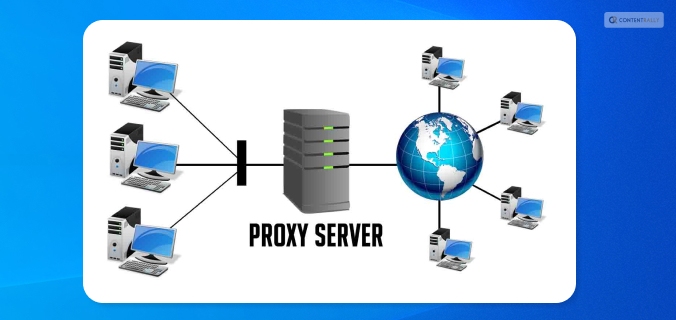
If you don’t want to spend money on a VPN, you can use a free proxy server. A proxy server is a server that stands between an internet user’s request and the website or page they are trying to access. Your IP address is concealed by the proxy, enhancing your privacy and independence.

Keep in mind, though, that a lot of websites and services are aware of proxy servers and will ban the IP addresses of public proxy servers. You will be informed that “the owner of this website has blacklisted your IP address” if they catch you. Remember that you should never browse with proxy servers when providing personal information.

10. Blame The Webmaster
Blame The Webmaster

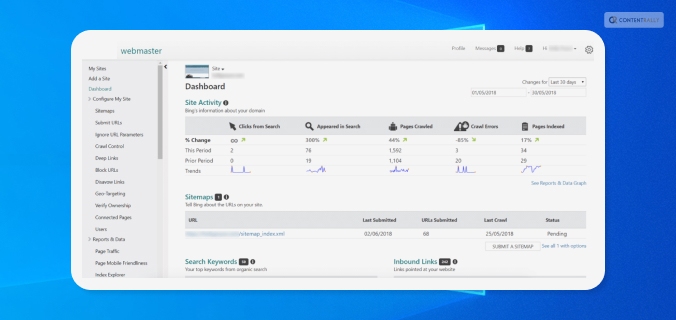
If you searched the terms of service of the website for information on why your IP address was blocked but couldn’t find anything, you may contact the webmaster — particularly if it’s a tiny website that interacts with its users frequently. If your IP address is being blocked, the webmaster can tell you why it’s being restricted and how to fix it.

Frequently Asked Questions (FAQs):

People using the internet have asked various questions similar to “why is my IP address blocked” and “unblock IP address”. Here are my answers to their queries:

Q1. Why Did Instagram Block My IP Address?

Ans: Instagram might have blocked your IP address because they might have blacklisted your IP address. This can happen because you might have posted content that might have violated their terms and conditions. If this is not the case, then you might have a problem with your Internet Service Provider (ISP).

Q2. How Long Does An IP Ban Last?

Ans: On Instagram, an IP ban might last anywhere between 24 hours to 48 hours. This depends on the severity of your actions. If it’s pretty severe, then Instagram might block you permanently.

Q3. Why Did Cloudflare Block My IP Address?

Ans: Sometimes, many of the websites that we visit can contain harmful malicious content in them. If Cloudflare detects this, it can block your IP address from accessing that website.

Unblock Your IP Now!

There are various reasons why you might see the “your IP has been temporarily blocked” error. It can be because your IP has been blocked by the website, or there are various problems with your ISP.

To fix this issue, you can either wait for some time or use VPN software to change your IP. In addition, you can also use free proxy servers, or contact the webmaster if you wish to.

If you have any similar questions regarding this that you would like an answer to, you can reach out to me by commenting down below!

Read Also:

Content Rally wrapped around an online publication where you can publish your own intellectuals. It is a publishing platform designed to make great stories by content creators. This is your era, your place to be online. So come forward share your views, thoughts and ideas via Content Rally.

View all posts

Leave a Reply

Your email address will not be published. Required fields are marked *

Related

Online tools

Identify Malicious Emailers With Online Tools

Email and various online tools have become a valuable means of communication among business users and individuals over the years. Many of us now use email daily for work purposes and get in touch with friends, family, or businesses that we are dealing with. When you use email, you can benefit from a convenient and speedy method of communication, and you can even send attachments and documents instantly to people. Unfortunately, another group of people who turn to email technology is scammers, and there are all sorts of email scams that have done the rounds over the years. On top of this, email technology is also used by people with similarly questionable motives, such as those sending abusive, malicious, and even threatening emails to others.  Naturally, steps need to be taken in all of these situations. Among many AI-powered online tools, online email lookup is an excellent example of a perfect online tool to provide a fast solution. Why Are Online Tools A Simple And Effective Solution? These online tools are the solution that provides valuable and simple clarification for both businesses and individuals who want to learn more about malicious emailers and scammers. It can possibly provide a range of information that can help identify who is behind the emails. Some of the information that you can find out by using these tools could include:      The real name of the person linked to the email address      Age of the person      Any criminal history      Address details      Social media profiles of the person With all of this information in hand, it makes it far easier for you to identify whether suspicious emails you receive are from scammers. In addition, it makes it easier for you to find out who has been sending the emails, which then means that you can take action with far greater ease and speed. The Advantages Of Using The Online Tools One of the great things about using these tools to help identify malicious and scam email senders is the simplicity involved in using them. In addition, you can access the tools with ease online, which means that you can conduct your research from the privacy and comfort of your own home or place of work.  All you need to identify email senders is the actual email address you are suspicious about, and you can then run a search against this online using these tools. Once you have done the search, you could have far more detail about the sender, and this can make it much easier to make informed decisions. You will be able to tell whether the emails are scam ones rather than from bona fide emails.  In addition, if you have received malicious emails, you may be able to find details of the person linked to that email address. Once you have details such as these, you can report them to the relevant authorities to take action. Online tools are helping you to identify the suspicious activity on your accounts and find the source of the mails. However, spam emails are the biggest challenge for any personal and professional mail handers. Even the spammy mail, the hackers are also trying to enter into your system. When you are using the online AI-powered tool, you can block and identify the source of the spam emails. Often the young people face many troubles, and the stalkers are tracking them down from their social media profiles. When you are using online tools to track the source of spam emails or malicious emails, you will find the stalker’s address, social media profiles, and many other documents that are enough to file a report to the police authority. Conclusion: As you can see, these online tools can prove invaluable in terms of helping those who are being subjected to these types of emails. This can help reduce the stress of this situation and get them sorted out with speed and efficiency. Your safety is the most priority. From your social media profile, everyone can track down many other details about you. So if you are facing this type of trouble, first identify the source then take legal actions against them. Read Also: 6 Benefits of Microsoft 365 Security 5 Tips to Improve Your Internet Privacy Ways Of Protecting Your Privacy Online

READ MOREDetails
VPN works

How VPN works on Windows and how you can benefit from it

Windows is one of the most widely used operating systems in the world. It is estimated that there are more than a billion Windows users worldwide. This extensive usage means that the amount of data available on Windows systems is enormous making them a target for hacks and other kinds of cyberattacks. A recent article published by Forbes reveals that unsigned firmware in laptop cameras, network interface cards, Wi-Fi adapters, and USB hubs puts millions of Windows users at risk of data theft and ransomware attacks. These threats and vulnerabilities make the use of a VPN for Windows imperative. Here’s how a VPN for Windows works and how people can benefit from it: How a VPN for Windows works A VPN for Windows 10 works by plugging the source of all hacks. The user's IP address, while they are connected to the internet, is what leads cybercriminals to their position and allows them to initiate attacks. VPNs masks this IP address to minimize the ability of any cyber attacker to track and infect the system. The service will effectively eliminate any chances of malware or other bugs being able to reach the system software or hardware. Did you know that Windows 10, the latest version of the operating system comes with its VPN client too? Windows acknowledges the prevalent threat from cybercrime and provides users with the option to enable data security from within the system. This VPN client can serve as a great complimentary service to a comprehensive VPN but it limits functionality because you can only connect to specific servers and this restricts internet access to a great extent. The benefits of a VPN for Windows There are several benefits of a VPN and these go beyond just allowing internet freedom without any restrictions. The main features that a VPN offers revolve around providing elaborate cybersecurity. Cybercriminals and their tactics are constantly evolving and this trend is expected to continue for several years. Here are some of the advantages that a VPN brings when it comes to providing protection against a variety of threats. Comprehensive cybersecurity VPNs offer a wide range of options to protect Windows systems against malicious elements online. These include secure servers spread across the globe and state-of-the-art AES encryption services which makes it hard for hackers to steal data emerging from the system. Most leading VPNs have over the top features like public Wi-Fi security, secure DNS, dedicated IPs, internet kill switches, DDoS protection and a lot more besides. All these features are effective in protecting a Windows system against cybercrime threats. Advanced encryption protocols Encryption is a vital pillar of cybersecurity and the more elaborate it is the better. Highly rated VPNs make sure that they provide additional encryption protocols for users to support themselves and the protection of their online presence effectively. These advanced protocols can be added on top of the standard features so that the overall strength of encryption can be increased. Some security steps to help you protect your data online It is important to note that a VPN alone can’t provide complete cybersecurity. The biggest loophole at times in the protective guard is the user themselves. There are tools and measures that are imperative to be taken in order to ensure that the threat is minimized to a level where it becomes insignificant. Here are some of the most effective tips in this regard: Use antivirus A VPN is good at detecting threats that may be incoming but users need something that can deal with elements that have already made their way into the system. This is where a good antivirus comes into play. It screens the device on a regular basis to make sure that no harmful malware is hiding inside the device because viruses have the ability to sit in a device for a long period of time and the user only gets to know about them after it’s too late. Update all software regularly Software that is out of date is much more vulnerable to cyberattacks because the development team has stopped working on protecting it. This means that if your software is not updated you are a greater risk of hacks and other attacks as compared to when your applications are up to date. Install a secure browser like Tor Tor is one of the browsers that hide user IP addresses as default. The IP originally is public but when you use a browser like Tor, it is masked, to begin with. Tor is not a complete of an alternative of a VPN though because the latter provides a lot of extraordinary features whereas the browser is just a basic service that is not adequate on its own. Always keep strong passwords Many of us shy away from strong passwords because they are hard to remember especially since there are so many of them. This is one of the biggest mistakes to make. There are several secure password managers out there which can hold all passwords, auto-fill them when necessary and take the burden of remembering them off your shoulders. Stay vigilant Vigilance is one of the most crucial factors because scams like phishing, man-in-the-middle or other similar ones have nothing to do with VPN. Protecting from these all comes down to being aware and careful of the existence of these threats. Conclusion While a VPN has become a necessary tool to have these days, it is more important to have knowledge about the threats and being vigilant to protect against them. Recommend Post: 8 VPN Facts – You Should Know About Top 7 Torrent Applications with VPN Support Five Tips to Make Sure Your Security Software Is Actually Secure

READ MOREDetails
5 Ways To Prevent Cyber Attacks

5 Ways To Prevent Cyber Attacks

Cloud vulnerabilities represent the Achilles' heel of a cloud computing environment, embodying potential weaknesses or gaps that cunning attackers may exploit to breach security defenses. These vulnerabilities expose organizations to the risk of unauthorized access, data theft, and service disruption. The evolution toward cloud transformation necessitates a vigilant focus on identifying and addressing the foremost cybersecurity challenges that emerge in this dynamic landscape. As organizations migrate their operations to the cloud, the expanding attack surface becomes a critical concern. The broader range of entry points presents more opportunities for cyber adversaries to exploit vulnerabilities. Therefore, a comprehensive understanding of potential weak links in the cloud infrastructure is imperative to develop effective defense mechanisms. Data security stands at the forefront of these challenges. With sensitive information traversing virtual channels, safeguarding against unauthorized access and data breaches becomes paramount. Robust encryption, stringent access controls, and continuous monitoring are indispensable components of a resilient defense strategy. The seamless and interconnected nature of cloud services introduces the challenge of shared responsibility. Organizations must collaborate closely with cloud service providers to delineate and understand their respective roles in ensuring security. This shared responsibility model underscores the need for clear communication and collaboration to fortify the overall security posture. Securing against cyber attacks demands a multifaceted approach that extends beyond conventional measures. Here are five often-overlooked strategies to fortify your defenses and prevent cyber threats: Employee Training And Awareness Equip your team with the knowledge to recognize and mitigate cyber risks. Conduct regular training sessions focusing on phishing awareness, social engineering, and the importance of strong password practices. A well-informed workforce serves as a crucial line of defense against various cyber threats. Device Management And IoT Security Beyond traditional endpoints, the proliferation of Internet of Things (IoT) devices introduces additional vulnerabilities. Implement a robust device management strategy, ensuring that all connected devices adhere to security standards. Regularly update and patch IoT devices to mitigate potential exploits. Zero Trust Architecture Move away from traditional perimeter-based security models and embrace a Zero Trust Architecture. Assume that threats can originate from within your network and implement strict access controls, authentication protocols, and continuous monitoring to verify the legitimacy of all users and devices. Incident Response Planning Develop a comprehensive incident response plan to minimize the impact of a potential breach. Establish clear procedures for identifying, containing, and eradicating threats promptly. Regularly test and update the plan to ensure its effectiveness in the face of evolving cyber threats. Regular Security Audits And Penetration Testing Conduct regular security audits and penetration testing to identify and address vulnerabilities before malicious actors exploit them. This proactive approach helps organizations stay ahead of emerging threats and ensures that security measures remain effective in a rapidly evolving threat landscape. Conclusion: In safeguarding against cyber threats, fostering a culture of awareness, adapting to emerging technologies, and embracing a shared responsibility form the fabric of resilient defense. Together, these measures not only fortify against potential vulnerabilities but also cultivate a digital environment where security becomes a collective commitment, ensuring a safer online landscape. Read Also: The Importance Of Cybersecurity In The Digital Age What Are Some Best Practices To Prevent Phishing Attacks? Learn Everything About Google Verification Code Scams In 2023

READ MOREDetails