Published on: 08 February 2022
Last Updated on: 11 February 2026
You're staring at a computer screen all day, and you think you're taking good care of your eyes. Your eyes feel fine, after all. And when it comes to proper eye care, you get regular checkups from NewVision Clinics - Eye Specialist in Melbourne and take the right steps to keep your vision in top shape. If you're not careful, however, you could be making a few eye mistakes that might be hurting your vision.
How To Identify The Eye Problems?
If your eyes are dry and irritated, there's a good chance you're overdoing it with eye drops. That's because many of these drops contain chemicals that get your eyes producing more tears than normal — but only for a short period of time.But once the effect wears off, your body compensates by producing even fewer tears than before. You can become dependent on eyedrops just to see clearly for a few minutes at a time. This is why using artificial tears for more than two or three days in a row is generally not recommended. Instead, use preservative-free eye drops sparingly (usually no more than four times per day). Our eyes are the only pair we've got, and many of us don't take proper care of them.Whether it's sleeping in our makeup or not wearing sunglasses on a sunny day, there are many ways we can hurt our eyes on a daily basis. Here are three eye mistakes that could be making your vision worse — and what to do about them.
6 Common Eye Mistakes Which Makes Your Vision Worse
You are making many eye mistakes throughout life, from wrong power eyeglass wearing to applying bad eye drops. But apart from these, many more common mistakes hamper your eye's vision.Here are six mistakes that have an adverse effect on your eyesight.
1. You're Skipping The Sunglasses
When you're walking around in bright conditions, like snow or bright sky during the summer, it's important to wear sunglasses. Not only is this a good idea for your general health-protecting your eyes from UV rays — but it can also help keep you from blinking. Going out without proper protective sunglasses is one of the common eye mistakes. But it can happen at any time. So it is better to take the tap and remember to wear sunglasses.Constant squinting can lead to the development of crow's feet, which are fine lines around the eyes that can make you look older than you really are. If that isn't enough reason to wear them, consider this: According to a study published in JAMA Ophthalmology, long-term exposure to UV radiation has been linked with cataracts in middle-aged adults. And if you're worried about how they look on you, check out these five tips to find the perfect pair of sunglasses for your face shape.
2. Not Eating Right
A healthy diet is good for your whole body, including your eyes. "There are certain nutrients — carotenoids, vitamins C and E and omega-3 fatty acids — that have beneficial effects on our eyes," Dr. Ritterband says. Improper diet maintenance is solid eye mistakes. You probably do not know the right nutrition, which is keeping your eyes healthy. But the fish and green vegetables have the right vitamin A and D sources, which are eye boosters.
3. Not Wearing Sunglasses Outside
It’s easy to think that sunglasses are just another fashion accessory, but they’re really an essential tool for protecting your eyes from the sun’s ultraviolet radiation (UVR). Exposure to UV light can cause cataracts and age-related macular degeneration, two of the leading causes of blindness in older adults. UVR also can damage the skin around the eyes, which can increase your risk of developing basal cell carcinoma and squamous cell carcinoma, two common types of skin cancer.Wear sunglasses labeled with “UV 400” or “100% UVA/UVB protection” every time you go outdoors — even on cloudy days — to protect your eyes from damaging UVR.
4. Using Antibiotics Too Much
"There is a fear that if you have an inflamed cornea, people worry that it might get infected," Melmed said. "In most cases, it doesn't get infected." Antibiotics have eye mistakes effects; they can cause allergic reactions and sometimes even bacterial resistance, he said.
5. Not Getting Regular Eye Exams
It's important to see an ophthalmologist every year, Melmed said. During the exam, he or she will check for early signs of glaucoma and macular degeneration, which can be treated if caught early enough. Avoiding the scheduled eye check-ups are eye mistakes. Try to avoid it consciously. We all know going for the regular check-up is a little time taking process. But to maintain eye health, you have to do it.
6. Using Artificial Tears
The reason many people have dry eyes is not that their tear glands aren't producing enough tears. Rather, it's because their blink reflex doesn't work properly, and their tears evaporate too quickly from the surface of their eyes. In this case, artificial tears only worsen the situation by drying out the surface of your eyes even more. Instead of using over-the-counter artificial tears, try to blink more often and learn how to massage your eyelids properly in order to improve the blink reflex (you can find instructions in my Natural Vision Improvement Kit).
Conclusion:
All of these six eye mistakes are common. But on your regular days, you are making these mistakes without knowing them. So it is better to tap on and avoid making mistakes. If you are facing troubled vision. First, identify the problem systems and then ask the consults from the eye doctor.Read Also:
Content Rally wrapped around an online publication where you can publish your own intellectuals. It is a publishing platform designed to make great stories by content creators. This is your era, your place to be online. So come forward share your views, thoughts and ideas via Content Rally.
Starting with your fitness journey is an empowering decision that can transform your physical and mental well-being. Whether you are aiming to lose some extra pounds, build strength, or enhance your overall health, all it takes is a single step.
From creating a schedule to choosing the right activities during your workouts, there are many things you will have to consider when starting your fitness journey.
4 Prime Ideas For Getting Starting With Your Fitness Journey Today
In this article, we are going to explore 4 such practical and actionable tips to kickstart your fitness journey.
1. Choose Activities You Enjoy
When choosing the activities during your workouts, it is advised to keep one thing in mind: fitness shouldn't feel like a chore; it should be a source of joy and fulfillment. That’s why it is advised to choose activities you genuinely enjoy performing.
For example, for some people, running is more effective and enjoyable as compared to gym workouts. On the other hand, some people will enjoy cycling and swimming instead of doing yoga or other physical activities.
You can also opt for dancing and other team sports that can make your fitness journey more enjoyable and sustainable in the long run.
2. Have the Right Equipment in Place
Having the right equipment in place can make a significant difference in your motivation, comfort, and overall progress. While you don't need a fully equipped gym at home, investing in a few essential items can enhance your workouts and set you up for success.
This can include a comfortable pair of trainers and two or three sets of comfortable workout attire having a moisture-wicking fabric that can keep you dry during intense workouts. Other workout equipment can include yoga mats, dumbbells, and a treadmill.
When choosing the equipment, make sure you invest in high-quality hardware that can be easily used and doesn’t need repairs every now and then. For example, in the case of treadmills, it is advised to Buy Assault Fitness Treadmills online to find high-quality and durable treadmills.
3. Start Small and Gradually Increase the Intensity
It's crucial to ease into your fitness routine, especially if you're new to exercise. Trust us, you don’t want to push yourself in the first week and then won’t be able to do any workouts for the next two weeks or so.
That’s why it is advised to begin with shorter durations and lower intensity levels, allowing your body to adapt and avoid injuries. As you build stamina and strength, you can gradually increase the intensity and duration of your workouts to match your fitness level.
4. Focus on Overall Fitness
Remember that working out is not just about targeting one aspect of your body and leaving everything else in the process. Working out is just one component of your healthy lifestyle.
Along with hitting the gym and doing other physical activities, you will also have to pay attention to your nutrition, hydration, and sleep habits. Nourish your body with wholesome foods, stay hydrated, and prioritize quality sleep to support your fitness efforts and overall well-being.
Read Also:
Why is Fitness Important for Weight Loss?
Skip The Gym And Outfit Your Home For Your Fitness Routine
Bed, Treadmill, and Balanced Diet – Things Needed to Achieve Fitness
Most of us would prefer to lose a few KGs or pounds quickly before going on a summer vacation. However, it is difficult for anyone to change his/her life-long eating habits. Because most diets that follow a predetermined diet or exclude whole food groups are never really a long-term solution. In fact, you can lose weight noticeably in a very short time through diet cures. As soon as the cure is over, you gain weight again just as quickly. Even worse, nutritionists warn that lightning diets can even cause additional weight gain.
However, fasting has been rediscovered in recent years. While diets usually harm health, fasting is said to have numerous health-promoting effects. In particular, the intermittent fasting is to prove the support fat loss, to lower blood pressure and inhibit inflammation. We have summarized for you how interval fasting works and how it can be combined with taking natural hemp oil.
What Is Intermittent Fasting and Why It Is Practiced
Fasting is understood as voluntary withholding of food for spiritual, health, or other reasons. You must not be underweighted and have enough fat reserves that can supply the body with energy during the period.
In most of human history, fasting was part of everyday life. Because hunters and gatherers could not keep their food for long without freezers. Whatever was found or captured had to be eaten quickly. That's why nutritionists are convinced that fasting regularly is more natural than snacking all day long. This change in our eating habits could have made obesity more common than ever.
Several individuals fast for many days or even weeks. However, this method is unsuitable for most of us. There comes interval fasting (or intermittent fasting) into play. In contrast to conventional diets, it does not require tiny portions and no omission of favorite foods. In other words, it is not like a traditional diet. Rather, it is a planned eating behavior, in which one limits the food intake to a certain period of the day or the week.
How Does Therapeutic Fasting Affect the Body?
There are many different reasons why fasting is practiced. In the past, it was more often a religious or cultural tradition. But so-called therapeutic fasting has also been practiced for a long time for medical purposes. The term therapeutic fasting refers to the practice of fasting to promote health and well-being.
Further studies have recognized the positive effects of fasting for rheumatism, high blood pressure, and high levels of fat and sugar in the blood. Another health benefit of fasting is the onset of autophagy after 16 hours without food. This is a vital process that some describe as the body's “recycling program.” This is because cells that are damaged or are no longer needed are disassembled and recycled. With this form of cell cleaning, autophagy ensures that we have healthy body cells and a strong immune system.
How Long Should You Fast?
There are two popular and best methods:
16:8 – Meals are scheduled so that there are 16 hours between the last meal the day before and the first meal the day after. The first meal of the day starts an 8-hour period in which you eat. After that, a fasting period of 16 hours begins again.
5:2 – This method divides the week into fasting days and non-fasting days. On 5 days you can eat normally, on 2 days you fast.
Since this reduces calorie intake, both methods should lead to weight loss. Just make sure that you continue to eat normal servings. Otherwise, despite fasting, you might consume as many calories as you normally would.
What to Pay Attention To?
It is recommended to start with a shorter fast. For instance, you can get used to not eating anything after 6 in the evening. If you then have breakfast at 7 in the morning, it is already 13 hours in which you have had no food. From here you can slowly feel for long periods.
The 16:8 method is the best long-term option for most. It is very easy to follow to them by adjusting your daily routine. Some skip breakfast, others dinner. Over time, the body gets used to it and the "diet" becomes a lifestyle. During this, apart from food, calorie drinks are also avoided. You should only drink a lot of water. Unsweetened tea or a bowl of thin vegetable soup can also be enjoyed.
There should always be a break of at least 4 hours between each meal. Take a little walk right afterward, because exercise is good for digestion. During this time, it is also important not to eat snacks. When the blood sugar rises, the body begins to release insulin, and the fat loss stops. In some cases, this can even lead to food cravings.
Nevertheless, be careful not to eat larger portions than usual. It is also recommended to eat healthy sources of protein and plenty of vegetables. This way you will be full for much longer and fasting will be easier. But people with any medical conditions should consult a doctor before starting this fasting.
CBD Oil in Combination with Intermittent Fasting
CBD users who would like to start with intermittent fasting and those who want to make fasting easier with CBD often ask themselves whether one can and should safely combine the two. Fasters already know that MCT oil is a suggested supplement when you are on interval fasting. It is an extract from coconut oil that is often touted as a “keto booster.” Slowly body begins burning reserved fat and it is called Ketosis This can only happen if no carbohydrates are available. The result is straightforward - we lose body fat and weight. Exactly this principle also works with interval fasting.
Another dietary supplement that is being used more and more by fasting people is CBD oil which can be bought from online dispensary Canada. Due to its effect on the endocannabinoid system, which affects many important body processes, CBD can support interval fasting in various ways. A study showed that it can encourage metabolism. It is therefore considered by experts as a potential means of treating and preventing obesity.
There is also evidence that it can inhibit appetite. The well-known cravings of marijuana do not come from CBD, but from THC which can, you get from stashclub. For example, while high-THC medicinal cannabis is used by cancer patients to stimulate appetite, CBD can do just the opposite for many users.
Can CBD Oil Break Fasting?
Most people do without any calories when fasting. Since CBD oil is made with a carrier oil such as hemp seed oil, coconut oil, or olive oil, every drop has calories. Technically speaking, it could, so to speak, interrupt fasting. Intermittent fasting can be avoided by simply consuming the CBD product of your choice during the period in which you eat.
Another recommendation from fasters is to use an MCT-based CBD oil because the combination of these two agents most effectively supports ketosis during fasting. Many fasters swear by CBD and therefore take it to help them get by without food and to prevent food cravings. For example, even if you tend to eat from stress and anxiety, it could help you to be successful in fasting.
Read Also:
7 Health Benefits of Black Seed Oil
You Need to Avoid These Foods for Breakfast
5 Best Sports To Lose Weight Fast in 2020
If you've ever found yourself scrambling to put together a meal or settling for that oh-so-tempting takeout after a long day, trust us, you're not alone. But what if we told you that with a dash of planning, a sprinkle of effort, and our trusted tips, you could sail smoothly into a week of nutritious eating? Buckle up, folks; it's time to dive into the wondrous world of meal prep!
7 Meal Prep Tips You Should Know
Healthy eating is the key to healthy living. And in order to eat mindfully, we need to follow this life-saving meal preparations tips. Not only are they super easy, but they also have ingredients readily available in your kitchen. Let's have a deeper look:
#1 Let's Get Organized: The Meal Plan Blueprint 📝
Every culinary adventure begins with a well-constructed plan. Start by sketching out a weekly meal plan. Consider:
How many meals do you need each day? If you're aiming for three full meals and two snacks, jot that down.
Dietary restrictions or goals: Whether you're vegan, low-carb, or trying to incorporate more fiber, these guidelines will shape your choices.
Ingredients already in the pantry: No need to buy another bag of quinoa if you've already got one.
Having a visual representation streamlines your grocery shopping, reduces waste, and discourages impulsive, unhealthy choices.
Tip: Use apps or printable templates to make this process even smoother!
#2 Quality Containers: Your Meal's Protective Shield 🛡️
The right containers can be the difference between a soggy salad and a crisp one. Good quality, airtight containers
Keep food fresher for longer
Prevent messy spills
Aid in portion control.
We're huge fans of glass containers. They're eco-friendly, microwave-safe, and honestly, your meal just looks more inviting in them!
Mistake to avoid: Using damaged containers. Even a small crack can let air in, compromising your food's freshness.
#3 Embrace the Batch Cooking Bonanza 🥘
Designate specific days as your cooking days — maybe Sundays and Wednesdays. Prepare large batches of versatile basics such as:
Grains: Quinoa, brown rice, or bulgur
Proteins: Grilled chicken, tofu, beans, or lentils
Veggies: A mix of steamed broccoli, roasted bell peppers, and blanched spinach.
These foundational elements can be repurposed into different meals throughout the week. For instance, that quinoa can become a stir-fry, a salad base, or even a breakfast porridge!
#4 Sauces & Dressings: The Flavor Magicians 🍶
A meal can be transformed with the right sauce or dressing. Imagine
A zesty lemon dressing for your salads
A spicy tomato sauce for those pasta nights
A rich pesto for that extra zing.
Having a variety ensures your meals remain exciting.
And here's a twist: ever tried a CBD-infused dressing? CBD edibles have gained popularity, and adding a few drops of CBD oil to your dressings can combine the potential calming effects with the vibrancy of your meal. So see more about their use and experiment!
#5 Go Raw Before the Big Thaw 🥦
Some produce shines best when cooked just before eating. Foods like snap peas, cherry tomatoes, or certain fruits are best stored raw. When mealtime comes, a quick sauté or a simple addition to your meal ensures they maintain their natural essence.
Tip: For berries, wash them only just before consumption. This prevents mold growth and keeps them fresher.
#6 Breakfast Boost: Overnight Success 🌙
The morning rush is real, but that doesn't mean you should skimp on the most important meal of the day. Overnight oats are a savior:
Combine rolled oats, milk (or a milk alternative), and a touch of sweetener
Add in flavors like vanilla or cinnamon
Leave in the fridge overnight.
Come morning, top with fruits, nuts, or even a sprinkle of cocoa nibs for a hearty, nutritious breakfast.
#7 Stay Hydrated with DIY Infused Waters 💧
While meals take center stage, hydration plays a crucial supporting role. Enhance your water with delightful infusions:
Cucumber-mint for a refreshing burst
Lemon-ginger for a touch of zing
Strawberry-basil for a fruity, herbaceous blend.
Apart from making your hydration game strong, these infused waters can offer gentle nutritional boosts. And remember, water isn't just about quenching thirst; it plays a vital role in digestion and nutrient absorption.
Bonus Bites: Trio of Nutritious Quick-Fixes for Hectic Weeks 🍽️
Life gets busy, and sometimes we need straightforward, nourishing recipes that won't eat up our time. These three dishes are designed with simplicity in mind, ensuring you fuel up without fuss. From breakfast to dinner, we've got your back!
Morning Kick-Starter: Chia Berry Parfait
Ingredients:
Chia seeds: 3 tbsp
Almond milk: 1 cup
Mixed berries (blueberries, raspberries): ½ cup
Honey or maple syrup: 1 tbsp
Granola: a handful
Instructions:
Mix chia seeds with almond milk and sweetener of choice. Let it sit in the fridge for at least an hour or overnight. In a glass, layer the chia pudding, berries, and granola. Repeat the layers, top with a few more berries, and enjoy!
Lunch on-the-go: Chickpea Spinach Salad
Ingredients:
Cooked chickpeas: 1 cup
Spinach leaves: 2 cups
Cherry tomatoes: ½ cup, halved
Feta cheese: 50 grams, crumbled
Lemon vinaigrette: to taste
Instructions:
In a large bowl, toss together chickpeas, spinach, and cherry tomatoes. Drizzle with lemon vinaigrette and give it a good mix. Top with crumbled feta, and it's ready to pack or eat!
Dinner Delight: Teriyaki Zucchini Noodles
Ingredients:
Zucchini: 2, spiralized into noodles
Teriyaki sauce: 3 tbsp
Tofu or grilled chicken: 100 grams, diced
Red bell pepper: 1, thinly sliced
Sesame seeds: for garnish
Instructions:
In a pan over medium heat, sauté tofu or chicken until slightly browned. Add bell peppers and stir for 2 minutes. Toss in zucchini noodles and teriyaki sauce. Cook for 3-4 minutes, ensuring the zucchini remains slightly crunchy. Serve hot, garnished with sesame seeds.
***
There you have it — three recipes that promise maximum flavor with minimal effort. Here's to nutritious, delicious, and efficient eating!
In Closing...
Remember, meal prepping is not about stringent rules; it's about making life simpler and eating healthier. The initial effort you put in pays off generously throughout the week. So, don your apron, channel that inner chef, and embark on a week of fuss-free, nutritious eating. And as always, we're here, cheering you on every bite of the way! 🍴🌱🎉













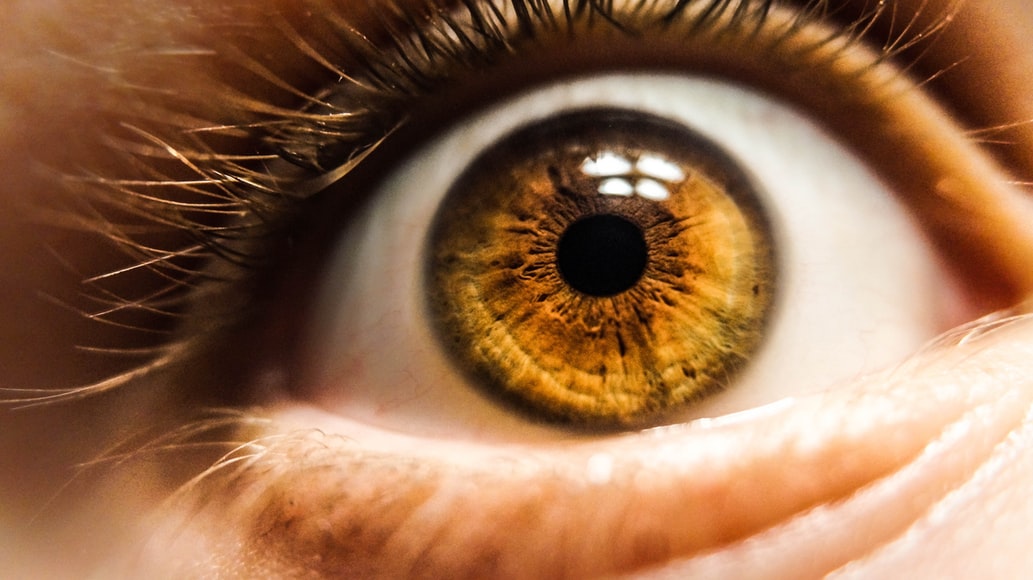
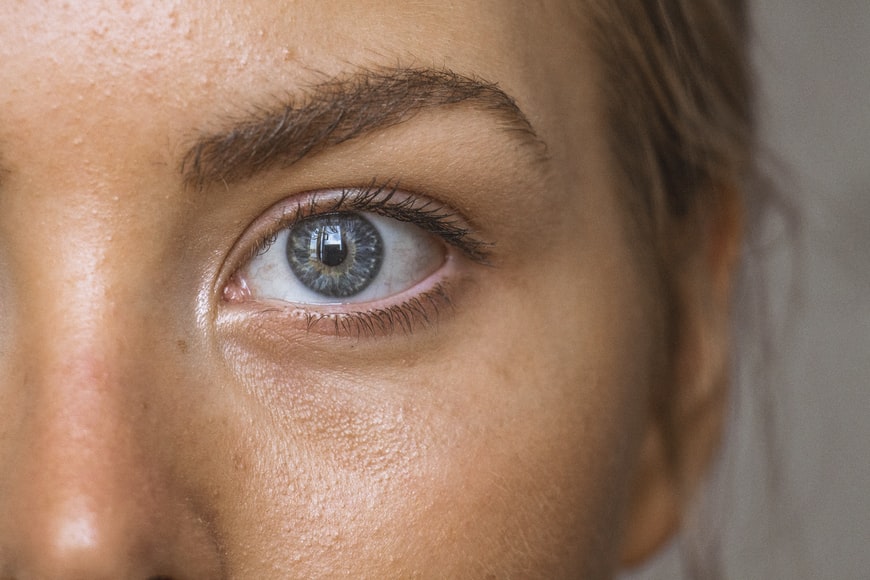 If your eyes are dry and irritated, there's a good chance you're overdoing it with eye drops. That's because many of these drops contain chemicals that get your eyes producing more tears than normal — but only for a short period of time.
But once the effect wears off, your body compensates by producing even fewer tears than before. You can become dependent on eyedrops just to see clearly for a few minutes at a time. This is why using artificial tears for more than two or three days in a row is generally not recommended.
Instead, use preservative-free eye drops sparingly (usually no more than four times per day). Our eyes are the only pair we've got, and many of us don't take proper care of them.
Whether it's sleeping in our makeup or not wearing sunglasses on a sunny day, there are many ways we can hurt our eyes on a daily basis. Here are three eye mistakes that could be making your vision worse — and what to do about them.
If your eyes are dry and irritated, there's a good chance you're overdoing it with eye drops. That's because many of these drops contain chemicals that get your eyes producing more tears than normal — but only for a short period of time.
But once the effect wears off, your body compensates by producing even fewer tears than before. You can become dependent on eyedrops just to see clearly for a few minutes at a time. This is why using artificial tears for more than two or three days in a row is generally not recommended.
Instead, use preservative-free eye drops sparingly (usually no more than four times per day). Our eyes are the only pair we've got, and many of us don't take proper care of them.
Whether it's sleeping in our makeup or not wearing sunglasses on a sunny day, there are many ways we can hurt our eyes on a daily basis. Here are three eye mistakes that could be making your vision worse — and what to do about them.
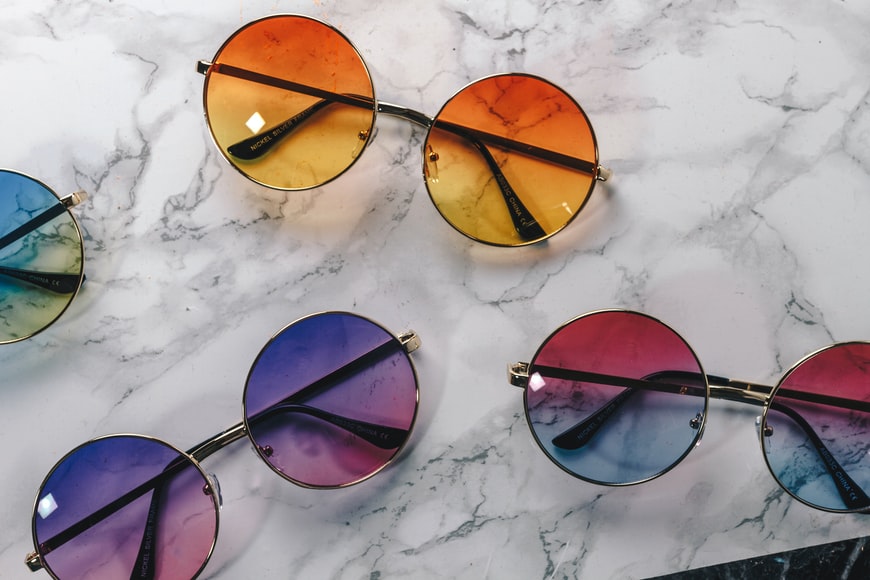 You are making many eye mistakes throughout life, from wrong power eyeglass wearing to applying bad eye drops. But apart from these, many more common mistakes hamper your eye's vision.
Here are six mistakes that have an adverse effect on your eyesight.
You are making many eye mistakes throughout life, from wrong power eyeglass wearing to applying bad eye drops. But apart from these, many more common mistakes hamper your eye's vision.
Here are six mistakes that have an adverse effect on your eyesight.