









Commercial Air Conditioning Systems: What Businesses Need to Know

Published on: 04 July 2023 Last Updated on: 16 August 2023
Air Conditioning Systems

As the temperature rises, businesses must ensure a comfortable environment for their employees and customers. A reliable commercial air conditioning system plays a vital role in achieving this goal. In this comprehensive guide, we shall explore the primary considerations a business should bear in mind while choosing and maintaining commercial air conditioning systems.

The importance of a well-functioning commercial air conditioning system cannot be overstated when creating a conducive work or shopping environment. Whether it’s an office, retail store, restaurant, or any other commercial space, maintaining an optimal indoor temperature is crucial for productivity, customer satisfaction, and overall well-being.

This article will delve into the essential aspects of commercial air conditioning systems that every business should know.

Choosing the Right System

Selecting the right commercial air conditioning system for your business can be daunting. Consider the following factors to make an informed decision:

1. Size and Capacity: 

Assess the size of the space that needs to be cooled. A particular system that is quite small will require help to regulate the desired temperature. On the other hand, an oversized system will lead to excessive energy consumption. Consult with HVAC professionals to determine your commercial space’s appropriate size and capacity.

2. Energy Efficiency: 

Opt for energy-efficient systems to reduce operating costs and minimize environmental impact. Look for air conditioning units with certifications and efficiency ratings related to high energy, such as the Energy Star label. Such systems are generally designed to provide optimal cooling while consuming less energy.

3. Weather and Climate: 

India’s summer season might get a little too hot sometimes. This is particularly true during mid-summer when it becomes difficult to thrive in urban areas. But, the weather conditions across the country change from one region to another. Hence, opt for an air conditioner that keeps the temperature inside your house regulated accordingly.

4. Zoning and Control: 

Consider systems that offer zoning capabilities, allowing you to control different areas or zones separately. This feature enables you to adjust the temperature according to the specific needs of each space, maximizing comfort and energy efficiency.

Maintenance and Regular Servicing

Once you have installed a commercial air conditioning systems, it is crucial to maintain it properly to ensure its longevity and efficiency. Here are some maintenance tips:

A. Filter Cleaning and Replacement: 

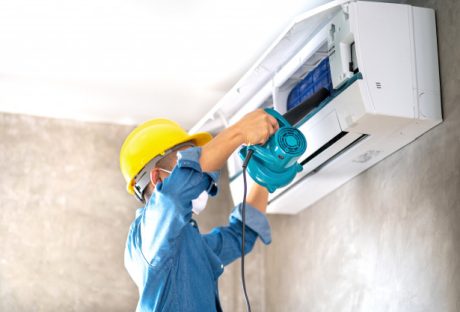
Clean or replace air filters regularly to ensure proper airflow and prevent the accumulation of dust and debris. Clogged filters can restrict the system’s performance and lead to poor indoor air quality. The most significant maintenance task that ensures the efficacy of your AC is filter cleaning as well as its replacement. 

B. Coil Cleaning: 

Over time, the coils in your air conditioning system can accumulate dirt and grime, affecting its efficiency. Regular coil cleaning can enhance the system’s cooling capacity and reduce energy consumption. The dirt decreases airflow inside the air conditioner, which insulates the coil. If you want to mitigate this problem, inspect the evaporator coil each year. 

C. Professional Servicing: 

Schedule regular maintenance checks and servicing by qualified HVAC technicians. They will inspect the system, identify potential issues, and perform necessary repairs or adjustments. Regular servicing can help prevent major breakdowns and extend the lifespan of your air conditioning system.

Taking Care Of Your Air Conditioner: 6 Tips That Help

It is good to call in some professional help while cleaning your air conditioner. But it doesn’t harm to take care of it all by yourself. Given below are some tips to clean your AC all by yourself:

1. Change The Filters 

As mentioned above, dirty filters can stop the efficiency of your system. Hence, install a new filter every month when the cooling season for window and central units goes on. Check out the minimum efficiency reporting the value of your filter, which generally ranges between 1-12 for residential AC units. The higher this number is, the better filtration you will get!

2. Fix Leaks

Did you know that 30 percent of airflow can be lost if your ducts are leaked? Window AC units have notorious strength, which does not allow proper sealing. Locate leaks using the “smoke trick,” which goes back a long time. If you have a window unit, simply light an incense stick and hold it at the confluence of the window frame and the unit. 

3. Use Timers

It is not a good idea to blow your Air Conditioning Systems while you are working. If you have central units, make sure to install a programmable thermostat that allows you to set higher temperatures when you are away. Additionally, they set a cooler temperature while you are at home. New window units consist of adjustable thermostats as well as built-in timers. However, you can also purchase a timer. 

4. Keep The Air Cool With Insulation

Ducts in crawl spaces as well as hot attics must be wrapped to maintain the coolness of the room. For this purpose, you might make use of batt insulation, rigid foam, or spray insulation. Rigid insulation along with seal batt must go with foil tape. If you have tight space, wraps such as Reflectic provide an ideal insulation degree. 

5. Service Condenser Or Compressor

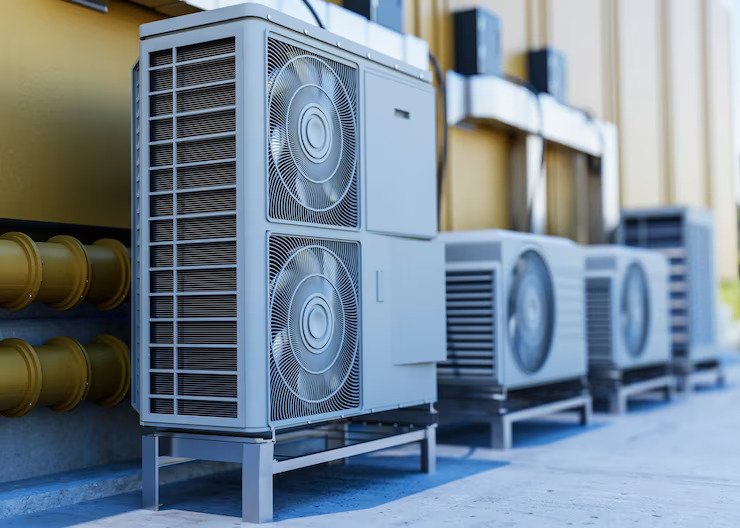
The condenser and compressor of a central air conditioning system are generally located exterior of the house but very close to your base. Hence, it functions best if there is a clear space of about 24 inches in each direction. Make sure you get rid of tall trees, hanging branches, and shrubs nearby, 

6. Keep The Unit Cool

You can extend the lifetime of your air conditioning systems by keeping the room cool. Put down the shades and blinds when the sun is high. Or you might also opt for awnings installation and protect excessive UV rays from entering the south-facing windows.

Conclusion

A reliable commercial air conditioning system is essential for businesses to maintain a comfortable and productive working environment. You can ensure optimal cooling while minimizing energy consumption by considering factors such as size, energy efficiency, and zoning capabilities during the selection process. 

Regular maintenance and professional servicing will keep your system running efficiently and extend its lifespan. Prioritize the comfort of your employees and customers by making informed decisions about your commercial air conditioning needs.

Read Also:

Arnab is a professional blogger, having an enormous interest in writing blogs and other jones of calligraphies. In terms of his professional commitments, He carries out sharing sentient blogs.

View all posts

Leave a Reply

Your email address will not be published. Required fields are marked *

Related

flat roof

Does Your Flat Roof Need To Be Replaced? Spot The Warning Signs

Most homeowners with flat roofs know that summer is the perfect time to inspect flat roof membranes to ensure there are no tears, rips, or punctures. But if you don’t have a lot of experience with membranes, it isn’t always easy to know what damage looks like.  Understanding the warning signs that your roof may need to be replaced is essential for all homeowners, but especially for those whose houses include areas of flat roof: while flat roofs have many distinct advantages, they do wear out more quickly, so being able to monitor the state they are in is important.  4 Warning Signs Of The Problematic Repair Need Roof  Needless to say, if you are experiencing ceiling leaks, the spread of mold, or other internal issues related to the roof, you should call an expert in flat roof repairs to address the problem immediately. But if you want to be proactive about your roof, here are some things you can look for: Check out the four signs, which are quite serious clear signs for repairing your flat roof. You should not neglect the repair work if you are finding any of these signs. 1. Ponding Water The first warning sign that repairs will soon be needed is drainage issues. If water stays on your roof for days after it rains, then your roof is probably in trouble. Flat roofs are designed to channel water through internal and external drains quickly, and if you have noticed little ponds forming on the roof deck, you'll want to get the problem looked at. The main reason for the ponding water is the uneven surface of the roof and mismanagement of the drainage system. So to prevent it, always pay attention to smooth out the surface of the roof. And if your roof is showing these types of ponding problems. Start the repairing process as soon as possible. One of the most common types of roofing membrane is EPDM rubber. These membranes are meant to adhere tightly to the roof deck, but over time they can grow loose in certain areas, leading to wrinkles or bubbles. While these problems do not pose an immediate threat, they do indicate that your membrane will soon need to be replaced. These types of cracks are very hard to find, especially with your naked eyes. For finding the cracks and the damaged parts, water is the best medium. If you find small bubbles in certain areas of the flat roof in the rainwater. Pay immediate attention to solve the issues. Because from here the problems are going to start. Small issues often lead to bigger problems for homeowners as well as business owners. When water gets under the membrane, it rots the decking and ruins insulation. A professional crew has the tools for immediate leak mitigation to stop moisture from spreading. This is a way to save money before a full replacement is needed. It keeps the property dry while you plan for a permanent fix. You may also like: Top Roofing Tips 2. Wrinkles In The Membrane One of the most common types of roofing membrane is EPDM rubber. These membranes are meant to adhere tightly to the roof deck, but over time they can grow loose in certain areas, leading to wrinkles or bubbles.  While these problems do not pose an immediate threat, they do indicate that your membrane will soon need to be replaced. These types of cracks are very hard to find, especially with your naked eyes. For finding the cracks and the damaged parts, water is the best medium. If you find small bubbles in certain areas of the flat roof in the rainwater. Pay immediate attention to solve the issues. Because from here the problems are going to start. 3. Flashing Separating From Roof In places where your roof abuts a wall or parapet, it is common to reinforce the seam using metal flashing. While this flashing is designed to last for decades before it needs to be replaced, it can start to separate from the roof over time, opening a gap that can lead to leaks.  If you have noticed problems with your flashing, you should call a flat roof repair company for a professional inspection.  You may also like: Roof Repair: Should You Hire Roofers or DIY? 4. Open Seams Most roofing membranes are applied in strips with overlapping seams that are closed using a sealant. But in cities like Toronto that see major seasonal shifts in temperature, these seams can open over time.  Even a small open or torn seam poses an immediate risk, so if you’ve noticed this problem on your roof, call flat roof repair Toronto experts who can help you reseal the hole or replace the damaged section. Flat roofs have many advantages over pitched roofs — they’re cheaper, more efficient, and easier to replace. But they also require more regular maintenance, especially in spring and fall.  Conclusion: You should inspect your flat roof regularly, and if you notice any of the problems above, get in touch with a professional roofing company for a professional consultation to see whether or not the time has come for it to be replaced. Once you start repairing in time, your entire house repairing cost is going to reduce in seconds. Small cracks are repairable. But the big gaps are challenging. So it is better to start repairs in time. Read Also: Roofing Painting Contractor Leads: Ask Before Hiring One 5 Myths about Roofing Services to Avoid Foundation Moisture Maintenance: 6 Tips for Home Repair

READ MOREDetails
Remodeling Tips for New Homeowners

Remodeling Tips for New Homeowners

Everyone has their reason for embarking on a home remodeling project, but the thrill remains the same, especially as a new homeowner. Perhaps, you want to improve the value of your home or want it to fit your style? Regardless, it's an exciting project that comes with a lot of work— sometimes more than bargained. It can be devastating to embark on a remodeling project only to realize halfway that it's unachievable. So, whether you will be getting the assistance of a remodeling company or you'll be handling this project alone, here are five tips you should know before starting. 1. Try to ask for help: It takes more than a pair of jeans and a well-equipped toolbox to produce quality work on a renovation project. First off, as an amateur, certain tools aren't suitable for you. Secondly, YouTube tutorials may not always have all the answers and solutions you need. So, except remodeling is something you have years of experience in, don't shy away from asking for help. A simple Google search should come in handy in this respect. For example, if you live in Houston, Texas, a quick search for Houston, Tx remodeling company should deliver some viable results. 2. Make a priority list: While some people can afford to stay in hotels during home renovations, you may not have that luxury and will have to keep living in your home during the renovation. The best way to avoid feeling overwhelmed by the home renovation process is to tackle time-sensitive projects first, like water damage or a leaking roof. Additionally, areas of the house you use frequently should be a top priority. That way, you can still go about your daily life even though your home is under renovation. 3. Set a budget: Contrary to what some TV shows make us believe, remodeling a house can run your account dry, especially if you don't have an accurate budget. So, the next step after drawing out a plan would be to determine your budget and financing. Although budgeting isn't the most fun thing to do (as it requires you to find a balance between the available finance and your dream design), it's an essential part of the remodeling process because it helps you gauge your expectations. Your budget should ideally include everything from the costs for permits to building materials, labor, painting, and cosmetic touch. It's easier to stick to your budget if it's accurate. So, make sure you get a contractor to review it or request cost estimates from professionals. You can look up companies in the Houston area that offer free estimate and consultation services to save costs here. 4. Remember the big picture: When taking up a remodel project, it's essential always to keep the big picture in mind. Remember that energy costs, water bills, and repair expenses can add up quickly in the future. So, make sure you include them all in your plan. Furthermore, since you're remodeling, you may want to invest in sustainable appliances that respect resources and support sustainable living. This is especially vital for a bathroom renovation. This area of the home can spike up your future heating and water costs. In a nutshell, you need to consider ways to save money both now and in the future; your bank account will thank you for these decisions in years to come. 5. Don't focus solely on design: Sure, many of us have a design that fits our style in mind before embarking on a remodel project. Perhaps, it's your kitchen, bedroom, or study that concerns you. However, you'll have to find a balance between getting the design you want and maintaining functionality. Many contemporary homes now blend functionality with design. For instance, if you have a small kitchen space, you may want to consider forfeiting some fixtures like the planning desk that no one really uses. That way, you save on space and maintain functionality. Read Also: Home Improvement Hacks to Add to Your Space Ideas for Modern Flooring Designs for Home Improvement Plans 6 Interior Design Tips to Make Your House a Home

READ MOREDetails
Flooring Installation Process

Flooring Installation Process Transforming Your Space With Elegance

When it comes to renovating or building a new space, one of the most crucial aspects is the flooring installation process. The type of flooring you choose can significantly impact the overall aesthetics, functionality, and durability of your space. In this comprehensive guide, we will walk you through the intricate process of flooring installation toronto, providing valuable insights and tips to ensure a successful transformation. Selecting The Right Flooring Material The first step in the flooring installation process is choosing the right material. Whether you opt for hardwood, laminate, vinyl, tile, or carpet, each material has its unique features and benefits. Consider factors such as your budget, the room's purpose, and your design preferences when making this decision. Measuring And Preparing The Space Before the installation begins, accurate measurements of the room are crucial. This step ensures that you purchase the right amount of flooring material. Additionally, you'll need to prepare the space by removing any existing flooring, baseboards, and furniture. A clean, level surface is essential for a smooth installation. Acclimating The Flooring Many flooring materials, especially hardwood, need to acclimate to the room's temperature and humidity levels before installation. This process prevents the flooring from warping or expanding after installation. Follow the manufacturer's recommendations for acclimation time. The Installation Process Subfloor Preparation A stable subfloor is the foundation of a successful flooring installation. Ensure that the subfloor is clean, dry, and free of any irregularities. Repair any damaged areas and add an underlayment if necessary. Layout And Design Planning the layout of your flooring is crucial for achieving a polished look. Decide whether you want a diagonal, herringbone, or straight pattern, depending on your design preferences. This step is especially important for tile and hardwood installations. Cutting And Fitting Precise cutting and fitting of the flooring material are essential for a seamless finish. Use the appropriate tools, such as a saw or cutter, to trim the material to fit the room's dimensions accurately. Pay special attention to corners and edges. Installation Method The installation method varies depending on the type of flooring you've chosen. For example, hardwood may be nailed or glued down, while laminate often features a click-and-lock system. Follow the manufacturer's guidelines and use the appropriate adhesives or fasteners. Finishing Touches After the main installation is complete, it's time for the finishing touches. Install baseboards and transitions to create a polished look. Seal gaps and joints to prevent moisture and dirt from seeping underneath the flooring. Maintenance And Care Cleaning And Maintenance Proper maintenance is crucial to ensure the longevity of your new flooring. Regularly sweep or vacuum to remove dirt and debris. Use manufacturer-recommended cleaning products to maintain the flooring's finish. Repairing Damage Accidents happen, and flooring can get damaged over time. Whether it's a scratch on hardwood or a chipped tile, knowing how to repair minor issues can extend the life of your flooring. Consult with professionals for major repairs. The flooring installation process is a transformative journey that adds beauty and functionality to your space. By carefully selecting the right material, preparing the space, and following the installation steps, you can achieve stunning results that will stand the test of time. Read Also: How To Pick The Perfect Flooring For Your New Home How to Protect Your Wood Flooring in a Busy Household List of Most Durable Kitchen Flooring

READ MOREDetails