


Craigslist Knoxville – 5 Money Scams To Consider

Published on: 28 December 2021 Last Updated on: 18 May 2026
Craigslist Knoxville

Every year, more scams on Craigslist Knoxville are increasing, and it’s becoming difficult to guess that people are becoming more susceptible.

Knoxville is a city on the Tennessee River in eastern Tennessee. According to the sources, this place has a population of more than 200k. Besides, it is also known as the Marble City. Rock quarried from this area has been built in buildings in Knoxville.

Knoxville, Tennessee, is infamous for Craigslist scams, and local individuals are often reminded people to be alert when trading with Craigslist.

But First, What Is Craigslist?

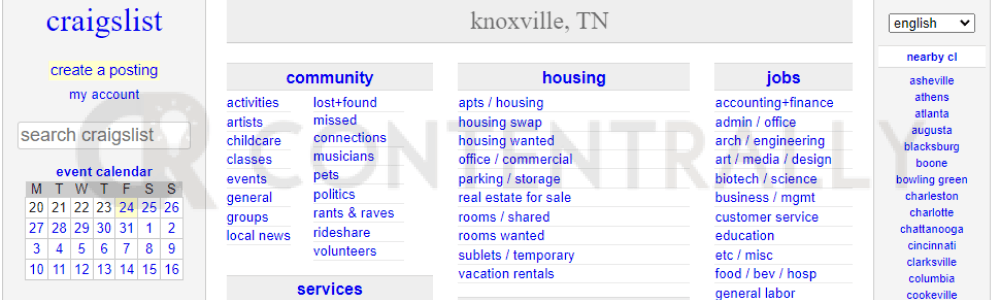
Craigslist is an online classified advertising platform that facilitates a wide range of transactions, including job postings, housing listings, items for sale, and services. Founded in 1995, it has grown to become one of the most popular and widely used websites for buying and selling goods and services locally. Craigslist's simplicity and free listings make it a go-to resource for individuals and businesses looking to connect with their communities.

Users can create listings with text and images, categorize them, and specify their location for maximum visibility. Craigslist operates on a city-by-city basis, allowing users to find and post listings in their specific geographical area. This localized approach is especially appealing to those seeking nearby opportunities or items.

5 Money Scams To Watch Out For On Craigslist Knoxville

Craigslist is actually a popular website where you can find advertisements for anything, this includes jobs, home services, pets, used items, free products, and much more.

However, there are some money scams on Craigslist Knoxville that you need to watch out for as soon as possible. 

1. Homes For Sale Scam

Homes For Sale Scam

Homes for sale in Knoxville are one of the most popular scams that are taking place on Craigslist. First, fraudsters search for properties that are listed for sale in Knoxville and then list the same like an advertisement.

After viewing the scammer’s advertisement, people contact them for the deal. Now, scammers ask for the deposit charges beforehand, and some people are so innocent that they follow every instruction of them and end up losing their hard-earned money. 

2. Fake Check Scam
Fake Check Scam

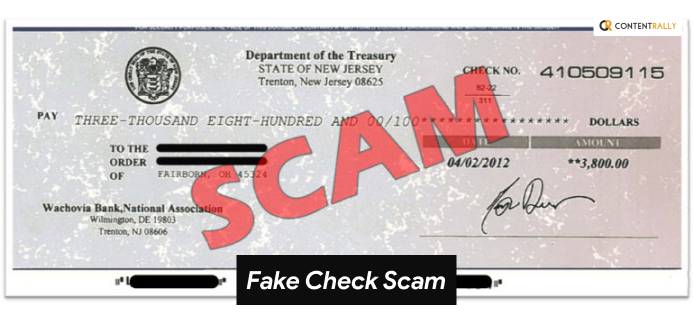
In Knoxville, there are more fake checks that are passed around the counterfeit cash. It’s very simple to be dishonest when you’re using checks for payments as there’s no requirement to meet the person again.

Scammers mail fake checks to other individuals, and even if some happen to be real checks, they end up having no money at all in the banks. Some monetary institutions and other ATMs take some deposits, and the bank declares that there is no money in their account.

3. Sale Advertising Scam

Sale Advertising Scam

Another money scam in Craigslist Knoxville is a sale advertising scam. If you do not want to become the victim of scammers then you need to be very careful while purchasing any services from Craigslist.

For example, if some cars are listed on the platform for purchase, then it can happen that they may not be the same in reality. These types of scams are common, and you need to consider them.

4. Theft Scam

Theft Scam

It’s very crucial to be extra careful while you are meeting up with strangers for a transaction. Be extra attentive to all the transactions that were initiated through Craigslist.

Hackers are very intelligent, and they keep their eye on your transactions so that they may get an opportunity to hack your fortune. Just keep in mind that scammers do meetings with the complete intention of stealing your funds in no time.

5. Counterfeit Money Scam
Counterfeit Money Scam

Another popular money scam to consider is the counterfeit money scam. Most of the funds today will even make it all the way to a financial institution before they are found to be counterfeit.

The sellers nowadays are scammed for their trust as well as their hard-earned money. But, according to the sellers, the buyers seemed loyal enough. The seller came to know that he had been paid the money, but later, he realized that it was fake.

Craigslist Knoxville TN Jobs

As per the reports, Craigslist listings are being fraudulently listed as rental listings. For those people who respond to fraud ads, this listing can be the strategy of the scammers to make you a fool.

On the other hand, you can also consider selling your home on Craigslist Knoxville, including avoiding all the scams taking place on the internet. You also need to consider that not everyone on Craigslist is a scammer. 

Many genuine people also view your ads and are willing to buy them. So, apart from jobs, you can also find service opportunities on this popular platform.

Stay Safe On Craigslist Knoxville: Essential Tips For Secure Transactions!

In Craigslist Knoxville, ensuring your safety while buying or selling items is paramount. Follow these essential tips to protect yourself and make secure transactions:

1. Meet In Public Places: 

Always arrange to meet the buyer or seller in a well-lit, busy, and public location, such as a coffee shop, shopping mall, or local police station. Avoid secluded areas or private residences.

2. Bring A Friend: 

Whenever possible, bring a friend or family member with you. Having someone else present can deter potential scams or dangerous situations.

3. Trust Your Instincts: 

If something doesn't feel right, trust your gut. If a deal seems too good to be true, it probably is. Walk away if you feel uncomfortable.

4. Verify Identities: 

Ask for the person's name and contact information before meeting. Share this information with someone you trust, and let them know where and when you plan to meet the other party.

5. Use Cash: 

Cash is the safest form of payment for Craigslist transactions. Avoid wiring money or using payment apps, as these methods offer fewer protections against fraud.

6. Inspect The Item: 

Thoroughly examine the item in person before exchanging money. If buying electronics, ask the seller to power them on to ensure they work.

7. Beware Of Scams:

Be cautious of common scams like cashier's check fraud, overpayment scams, and fake escrow services. Never share personal or financial information unless necessary.

8. Communicate Through Craigslist:

Keep all communication within Craigslist's messaging system. Avoid sharing your email address or phone number until you are certain of the other party's legitimacy.

9. Research The Seller Or Buyer: 

If possible, research the person you're dealing with online. Look for red flags, such as negative reviews or complaints.

10. Don't Share Personal Information: 

Protect your privacy by avoiding sharing sensitive information like your home address, social security number, or bank details.

11. Leave A Trail:

If you're concerned about your safety, let someone know where you're going and when you expect to return. Share the meeting details and contact information of the other party.

12. Trust Your Judgment: 

If a deal seems too risky or too good to be true, walk away. Your safety should always come first.

By following these Craigslist safety tips in Knoxville, you can significantly reduce the risks associated with online transactions. Stay vigilant, use common sense, and prioritize your safety at all times.

The Final Thoughts

Craigslist Knoxville scams are common, and you must be aware of the same no matter what. The above listed are the top scams on Craigslist that you need to be aware of at any cost. Be alert and take all the necessary steps while not becoming the victim of scammers. Thus, this is all about the platform, and if you can add more information to the above list, mention them below in the comment section.

Keep Reading:

Content Rally wrapped around an online publication where you can publish your own intellectuals. It is a publishing platform designed to make great stories by content creators. This is your era, your place to be online. So come forward share your views, thoughts and ideas via Content Rally.

View all posts

Leave a Reply

Your email address will not be published. Required fields are marked *

Related

Why Should You Enroll In A Part-Time Degree?

Why Should You Enroll In A Part-Time Degree?

While millions of us want to learn new skills and enhance our employability, education takes time, money and effort to pursue . Thankfully, there are more options than ever for would-be students to dive into degree topics at their own pace. Have you ever considered enrolling in a part-time degree, for example? It’s a common misconception that you need to pursue a full-time or in-person degree to get the most out of your studies. In fact, it’s becoming increasingly advisable for people to study part-time in order to maintain balance in the other areas of their life and work. Whether you want to study nursing, computer engineering, animal care or another subject, there's likely to be a part-time course or two that will give you the insight and practice you need to thrive in your field. Here are a few fantastic benefits of studying for a part-time degree that might surprise you: There’s A World Of Subjects And Specialties Out There It’s a further misconception that part-time study is restricted to a few different fields and subjects. While some people want to dive right into medicine or law right away, there’s no harm in slowing down the pace a little if you need to. For example, it’s entirely possible to learn to become a high school teacher, an immigration lawyer or a social worker through part-time education. It’ll require extended study time on your part if you have to balance life and work alongside it, but providing you study with a reputable body, the end results are nearly identical. There's an unfair misjudgment that part-time degrees don't go as 'deep' as the 'real thing'. This really isn't the case! In fact, many students prefer the pace of part-time learning as it gives them a chance to appreciate the material and industry in-depth. Part-Time Gives You More Time When studying full-time, you are largely up against the clock when it comes to meeting deadlines and ensuring you understand all the material you're provided. That can prove to be highly stressful! While lots of people thrive under pressure, spreading the work across a part-time course could help you gain a closer appreciation for your subject matter and, therefore, your wider industry. If you have more time and space to study, you’ll have the chance to read and research more in an extended timeframe. This means you could effectively benefit from double the time full-time students are expected to use to their advantage. That doesn’t mean there’s any competition between full-time and part-time students, nor does it mean that there’s any kind of correlation between graduation success. What it does mean, however, is that students who want to use as much time as possible to succeed in their chosen fields can do so, without fear of the time crunch. You Can Build Your Life Around Part-Time Study A major problem that many would-be students face is that ‘life gets in the way’. People who raise children and work full-time may want to improve their career prospects and earn more money, but simply don’t have the time or maneuverability to study full-time. That’s where part-time study, and online courses, can come in very handy. Part-time courses and degrees have deadlines spread further apart compared to full-time disciplines. This means students can work on the modules they can feasibly handle around work and childcare. They’re able to continue bettering themselves, and eventually reach for more lucrative positions and salaries, while keeping everything balanced at home. Online courses have opened all kinds of doors for people in a similar respect. Instead of ensuring they are always available to attend full-time study in person, students can take their time to review modules via the comfort of their tablets and smartphones. Where physical needs and life commitments get in the way of personal development, part-time study can break down incredible barriers. If students need to pay off their study during their course, part-time disciplines can help them to earn money to do so. It’s entirely possible to work a full-time job while studying part-time in a variety of different areas. It’s Learning At Your Own Pace In addition to providing students with opportunities to build life and work around their studies, part-time learning can allow for greater flexibility when it comes to learning styles. Those students who may not necessarily thrive under pressure or tighter deadlines can instead plan out their schedules to prioritize their time as they see fit. Providing there’s clear communication between students and tutors, there are no reasons why students can’t adjust their degrees to their demands. Students who may have felt pressured by full-time studies elsewhere may choose a part-time discipline to help ease off the gas. Of course, this doesn’t mean part-time study avoids the finer points that full-time education goes into. As mentioned, many students may find that they gain a deeper appreciation for some areas of their courses when studying part-time. Part-time learning supports both everyday demands and learning styles, making it ideal for anyone who may have struggled with traditional learning methods. It’s A Great Opportunity For Work Experience As well as allowing students to work and make money while learning, part-time study can help people to gain work experience in their chosen fields where they’d otherwise feel restricted. For example, a student on their way to becoming a nurse can take advantage of extra time and physical availability to work or volunteer at a local hospital or medical clinic. Teaching students may have more opportunities to practice as learning assistants when studying on a part-time basis too. Opportunities available through a given university or body may change from year to year, meaning that there will be double the chances to grow and improve in a given field or area of expertise. Work experience is immensely helpful both from a resume perspective and from that of building confidence. By gaining hands-on experience in a physical environment, students can balance real-life practical application alongside theoretical study. It’s a fantastic route towards more confidence at work, as well as towards a greater appreciation for how specific workplaces adapt under pressure. Online Study Is Highly Flexible Part-time study available on an online basis is all the more flexible for students who need additional time and space. As mentioned briefly, part-time students can complete modules from their smartphones, tablets and more without having to worry about in-person attendance. The further benefit to this is, of course, that you can continue with your studies just about anywhere you desire and at any time. Enrolling in part-time MSW programs online, such as the one offered by Florida State, provides students with opportunities to research and draft theses on their days off work, while on the daily commute, or when winding down for the day. It offers further flexibility for learners who wish to get into specific industries at their own pace. Online study is generally available to all who have access to mobile data or high-speed internet. Providing you’re able to download course materials and stream video content during the course of your studies, you can continue to enjoy development when and where it suits you best. It's important to set expectations for yourself when taking on an online course for the first time. Do you have the hardware and connectivity available to complete the studies expected of you? It's important to check the full details of any online program before enrolling to avoid disappointment and to ensure you have access to the necessary technology when you really need it the most! Support Is Widely Available Finally, support for part-time students is just as widely available as it is for full-time learners. Tutors offering support through part-time modules will understand that their students will have commitments elsewhere and will offer some leniency when it comes to understanding and deadlines. Of course, that doesn’t mean students can expect a free ride without any kind of deadlines or checkpoints. What it does mean is that part-time students can expect careful guidance from experts who understand they are trying their best against what may be difficult circumstances. As always, it’s best to discuss your expectations and needs with tutors before starting any degree programs, part-time or in full. Conclusion Part-time degrees offer just as much support and opportunities as their full-time equivalents, so people without the flexibility to pursue full-time learning can take their time to dive into their books. The increasing popularity of online learning has made part-time education even more viable for people all over the US. While there are still plenty of benefits to full-time learning, part-time degrees provide people with the chance to work, make money and invest more time in research than they might otherwise expect to. There’s also a wider array of subjects and disciplines available for part-time students to choose from too. Professional bodies looking to hire degree graduates won’t prioritize full-time learners over part-time students, so there’s never been a better time to look for flexibility in your studies. Read Also: B.Sc. Agriculture- An emerging career option in India Tips to Explain with Your Web Designer for Starting the Job Finding Your Dream Career: 5 Useful Tips for you to Research about a Company Before You Apply

READ MOREDetails
peace officer vs police officer

Peace Officer VS Police Officer: Understanding Their Roles and Differences!

If you plan to start a law enforcement career, you might likely get torn between a peace officer and a police officer! However, the decision might get easier once you start understanding what they do and their roles. While both patrol at times, they are not the same. And yes, even if both carry guns (licensed, obviously!), their duties are quite different. And yes, these are some of the most dangerous jobs in the world. If you are interested in learning the differences between these two officers' roles and responsibilities, you have reached the right place! Therefore, keep reading this blog until the end to learn more… Peace Officer vs Police Officer: Understanding Their Jobs in Society! Before discussing the differences in terms of their roles, it is important to learn about who they are and what they do. So, without further ado, let us get started! What is a Peace Officer? You might be confused by this term, right? There's no need to! A peace officer is someone with the legal power to uphold the law and maintain peace. This covers a wide range of occupations, including law enforcement positions like sheriffs and state troopers. Besides this, the peace officers are sworn in when they take an oath to perform their duties effectively and adhere to the law. Additionally, they frequently have guns on them and have the authority to make arrests. Their primary objective is to ensure everyone abides by the law and contributes to everyone's safety. They have a heavy-duty to keep people and property safe. What is a Police Officer? A member of the police force is referred to as an officer. Enforcing the law, ensuring everyone abides by the regulations, and keeping people safe are their duties. They operate in certain regions, such as cities or neighborhoods. Officers on patrol for crimes assist in times of need and monitor the streets. They can make an arrest when someone violates the law, drives police cars, and wears a uniform. And yes, they make lots of money! Police officers converse with members of the public to deter crime and find solutions to issues. They are vital because they work hard to guarantee everyone can live in a secure and tranquil environment. Peace Officer vs Police Officer: Key Differences You Need to Know The main difference between a peace officer and a police officer lies in the scope of their authority and the areas they serve.  While all police officers are considered peace officers, not all are police officers. Scope of Authority The authority of peace officers is more expansive and can go beyond what is typically assigned to police personnel. Depending on their role, they may work for different law enforcement agencies and have varying tasks.  First, there is a significant distinction between the authority and responsibility held by peace officers and police officers. Due to their broad reach, peace officers can perform a variety of law enforcement duties.  They may have distinct responsibilities and work for different organizations. A county sheriff, for instance, has powers different from those of a state trooper assigned to highway patrol. Police officers, on the other hand, are authorized to do more particular tasks. They typically work for the police department of a municipality or city.  Their primary responsibility is to maintain the safety of their community by patrolling, looking into crimes, and handling emergencies. At work, they concentrate on upholding the law. Therefore, the primary distinction is that police officers often have a specific duty in a certain area, but peace officers can have multiple roles in various locations. Both are crucial in upholding the law, although they do so in various contexts and methods. Jurisdiction As you know, "jurisdiction" refers to the domain in which an individual possesses the authority to decide and act. It all comes down to where peace officers and police personnel can carry out law enforcement.  A police officer's jurisdiction is usually restricted to the town or city where they work. They focus on certain areas and ensure that the law is followed there. If you notice a police cruiser or officer wandering around, it's likely that they are patrolling their area. Peace officers' jurisdiction is more expansive. They may operate in several regions or throughout the entire state.  For instance, one sort of peace officer who can enforce the law in state parks and wildlife areas, which can be rather large areas, is the game warden. To put it briefly, jurisdiction refers to the "where"— the areas where these authorities are free to exercise their power.  Law officers have a specific "where," such as municipal limits. The "where" for peace officers is broader and can encompass various locations and law enforcement roles.  It is significant since it designates the individuals responsible for maintaining order in various locations. Peace Officer vs Police Officer: Roles and Responsibility You Need to Know Now that you know their scope of authority or jurisdiction, it is time to learn about their roles and responsibilities. One thing you must know is that these are not the low stress jobs. Let us take a step, one at a time: Peace Officers Peace officers are vital members of the legal community who perform a variety of duties. They may be state troopers, sheriffs, game wardens, court officials, or other officers. Although the duties of each type of peace officer vary, they are all concerned with maintaining law and order.  In a county, the sheriff is in charge of law enforcement. They are in charge of the county police department and the local jail. The county's residents choose the sheriff, and deputies assist the sheriff in carrying out his duties.  State troopers, often known as highway patrol officers, enforce the law on state-owned roadways. They contribute to road safety by apprehending speeders and reckless drivers. They can work anywhere in the state and help out in big emergencies. Game wardens are peace officers who protect wildlife. They ensure that people don't harm nature and follow hunting and fishing rules. They also monitor parks and natural areas to protect plants and animals. Court officials work in courtrooms. They help with court papers, keep judges safe, ensure the court is secure, and ensure everyone follows court rules. Any of these peace officers can arrest someone if needed. Their uniform shows they are responsible for enforcing the law. They often have guns, handcuffs, and radios to help them do their job. Peace officers are ready to deal with many situations, like helping lost people or catching criminals. They need to know the law well and be good at talking to people fairly and kindly. Peace officers can include:Sheriffs: Oversee county law enforcement.State Troopers: Patrol state highways and provide statewide law enforcement.Game Wardens: Enforce hunting, fishing, and wildlife conservation laws.Court Officers: Maintain security within courtrooms. Police Officers Police officers are the ones you frequently see driving patrol cars, responding to various problems in your community, and wearing uniforms. They are a particular class of peace officers from the police force. Their primary responsibility is to ensure everyone's safety and the community's rules are obeyed. There is patrolling, for instance. Officers of the law spend a great deal of time walking or driving through the area under their jurisdiction. This enables them to monitor the situation and be ready to assist anyone who requests it. Investigating crimes is also a major task for which the police are responsible. They investigate crimes as they happen, attempting to ascertain what occurred and who was responsible by gathering evidence and speaking with witnesses. Additionally, when police officers establish a rapport with the community's citizens, this is known as community policing. They converse with the inhabitants, pay attention to their worries, and collaborate to find solutions. This improves the neighborhood's quality of life by reducing crime. And yes, how can we forget emergency response? Police officers are among the first to arrive and assist in an emergency, such as a vehicle accident or a natural disaster. In addition to these responsibilities, they frequently manage traffic, help missing children find their homes, and conduct safety awareness training. It is safe to say that every day is different, so they must be ready for everything. Law enforcement officials receive training on handling challenging circumstances and treating everyone fairly and with dignity. They need to be knowledgeable about the law and how to enforce it, but they also need to be highly skilled in interpersonal interactions and sensitive to others' concerns. Police officers are tasked with:Patrolling: Monitor areas to prevent and detect crime.Investigating: Solve crimes and gather evidence.Community Policing: Engage with the community to build trust and prevent crime.Emergency Response: Provide immediate assistance during emergencies. Peace Officer vs Police Officer: Training and Qualifications Both peace officers and police officers need to finish a rigorous training program. Through this teaching, they learn specialized procedures, applicable laws, and how to maintain physical health. However, the specific expertise that law enforcement agencies need to obtain may vary depending on the state. To be a peace or police officer, one must meet certain qualifications and finish specialized training.  This will enable them to do their jobs well and guarantee everyone's safety. For Peace Officers An individual must ensure no history of significant offenses before being eligible to work as a peace officer. They accomplish this by proving their excellent conduct and passing a background investigation. They ought to be at least eighteen and have completed high school or something similar. Individuals must also pass a physical examination to prove they are qualified for the position. In states such as California, they must demonstrate their ability to make wise decisions and dependability. They learn how to manage crises, make arrests, and maintain thorough records of everything that occurs while they're on the job during their training. For Police Officers: The typical requirement to become a police officer is to graduate from high school or a comparable program. In addition, you must be of legal age and free of criminal history. Once you've demonstrated the necessary knowledge and abilities, you take tests. If you pass, you enroll in a police academy to gain comprehensive knowledge of being a police officer.  This covers how to look into crimes, handle various circumstances, and defend the rights of individuals. Even once they begin their careers, police officers must continue their education and training. This keeps people informed about new legislation and safety measures for the neighborhood.  Being a police officer comes with a lot of duty. The training ensures their readiness to assist the people they serve. Police officers must possess the abilities, know-how, and moral fiber necessary to carry out their duties effectively and win the public's trust. (Psst.. if you want to drop out of it, you can still become a detective!) Wrapping It Up! Although they have different functions and responsibilities, people often used the terms "peace officer" and "police officer" interchangeably in law enforcement. If you were looking for information on peace officers vs. police officers, I hope this blog was useful.  Do not hesitate to contact me if you have any more questions. Scroll down until you reach the bottom of the page. Next, post your thoughts and recommendations in the space provided below. Additional Reading: 5 Little-Known Founder Habits To Advance Your Career & Personal Life How To Become A Blockchain Developer In 2024? Is It A Good Career Path 51 Blue Collar Jobs/Career Options to Pursue If You Get Laid Off From Big Tech In 2024

READ MOREDetails
therapist vs psychiatrist

Therapist Or Psychiatrist: Which One Is Right For You?

Therapy may be of interest to you if you're one of the nearly 58 million Americans who suffer from a mental illness on a yearly basis. Or if you simply want to improve your mental health. But you might be wondering if you would benefit more from therapy with a therapist or a psychiatrist. Finding out how psychiatrists differ from other therapists in terms of their training and education, the therapies they offer, and their fees can be useful when making that decision. To help you select the best type between therapist vs psychiatrist, here is what you should know about them. Therapist vs. Psychiatrist Psychiatrists often provide mental, emotional, and behavioral disorder diagnosis, treatment, and prevention services. In order to treat mental health issues, they can also prescribe medication. While most psychiatrists concentrate on writing prescriptions and tracking patients' progress, many also offer brief psychotherapy, also known as talk therapy, to assist people in addressing mental health issues. Still, others offer more extensive psychotherapy. Psychotherapy can be shorter in duration and concentrate on problem-solving, or it can be longer and more intensive, with the goal of the individual and the psychiatrist working together to alter thought patterns or behaviors that may be negatively impacting the person's mental health. A wide range of other mental health professionals, such as social workers, licensed professional clinical counselors, licensed marriage and family therapists, pastoral counselors, and psychiatric nurse practitioners, are also qualified to offer psychotherapy. These professionals are certified to provide a wide range of psychotherapy services, such as cognitive behavioral therapy (CBT), meditation and relaxation methods, and ongoing emotional support. Therapists cannot prescribe medication, unlike psychiatrists. Gayane Aramyan is a Sherman Oaks, California-based licensed marriage and family therapist who specializes in postpartum and couples therapy. To customize treatment plans to each client's unique needs, therapists frequently integrate various psychotherapy modalities. If a patient's therapist wants to discuss medication options, they may recommend that the patient see a psychiatrist. Therapist vs Psychiatrist: The Differences Psychiatrists are different from other types of therapists primarily because they can prescribe medicine and hold a medical degree, such as an M.D. (doctor of medicine) or a D.O. (doctor of osteopathic medicine). A psychiatrist's sessions may be shorter than those of a different kind of therapist, and they may only provide medication management rather than talk therapy. Since they are not medical professionals, clinical social workers, marriage and family therapists, and professional counselors with licenses are not allowed to give prescription drugs to their patients. They typically concentrate mostly on talk therapy. Anxiety, bipolar disorder, and depression are among the mental health issues that therapists and psychiatrists can diagnose. Education Required For Psychiatrists Like a surgeon, pediatrician, or other physician, a person must first complete four years of a bachelor's degree. This is before beginning medical school to become a psychiatrist, according to Lisa Durette, M.D. She is the chair of psychiatry at the Kirk Kerkorian School of Medicine at the University of Nevada, Las Vegas (UNLV). Following medical school, candidates must complete a four-year residency program where they learn how to write prescriptions and about the practice of psychiatry. "There are additional subspecialties within psychiatry; for instance, I oversee the training of a two-year fellowship program in child and adolescent psychiatry at UNLV," adds Dr. Durette. Psychiatrists may also choose to specialize in pain management, geriatric psychiatry, substance abuse treatment, or forensic psychiatry. In addition to learning about psychotherapy, trainees in psychiatry may also learn methods like transcranial magnetic stimulation (TMS). It is a less invasive treatment for major depressive disorder in which magnets transmit waves to the brain that help create new neural pathways to regulate mood. Electroconvulsive therapy (ECT), which is electrical brain stimulation, sometimes helps treat treatment-resistant severe depression or bipolar disorder. Dr. Durette continues, "Psychiatrists are qualified to provide these medical treatments due to their specific training, but other therapists are not." Psychiatrists are employed in diverse environments. According to Dr. Durette, they might work in private practices or in clinics with primary care physicians who specialize in internal medicine, family medicine, or pediatrics. In addition, they provide care through outpatient psychiatric treatment programs and work in hospitals. It includes psychiatric facilities, emergency rooms, surgical centers, and cancer treatment centers. They may work in a residential (live-in) alcohol and drug rehabilitation program if they specialize in treating addiction. Education Required For Therapists Graduate degrees are necessary for licensure as licensed professional counselors (LPCs), licensed clinical social workers (LCSWs), and licensed marriage and family therapists (LMFTs). Counselors must complete a certain number of hours of supervised counseling after earning a master's degree in their chosen field of counseling. It usually takes two or two and a half years. Here is more information about the particular master's degree that some counselors can obtain and the types of therapy that they provide: In addition to having graduate degrees in marriage and family therapy, they will need at least two years of clinical experience. They also need training in family systems and psychotherapy, licensed marriage and family therapists, or LMFTs, are required to practice. Even in sessions with just one client, these therapists treat individuals, couples, or families. They use an approach that takes the family system or the relationships clients are in into account. They are skilled in the diagnosis and treatment of a wide variety of mental health issues. These individuals treat anxiety, depression, and marital and relationship issues. Licensed clinical social workers, or LCSWs, must finish a comparable amount of supervised training hours in addition to holding a master's degree in social work. Individuals, families, and groups suffering from mental illness can be diagnosed and treated by clinical social workers. Social workers, who place a strong focus on reintegrating clients into their communities, can be found working in government organizations as well as in private practices, hospitals, community mental health facilities, and primary care settings. Individuals, families, and groups can receive mental health and substance abuse treatment from licensed professional counselors (LPCs). Licensed mental health counselors (LMHCs) hold master's degrees in counseling. LPCs use therapy utilizing methods that have evidence. Their skills include cognitive behavioral therapy (CBT), and they work in private practices and mental health counseling centers. They are also capable of diagnosing mental health issues. Expert Opinion According to Dr. Durette, the number of hours needed for clinical requirements—basically, supervised, on-the-job training—varies. It is based on the kind of therapist and the state licensing authority. For instance, in Georgia, a license to practice marriage and family therapy requires 2,000 hours of direct clinical experience. Meanwhile, in California, a license to practice requires at least 3,000 hours of supervised experience. The American Counseling Association says licensed professional counselors need to complete 3,000 hours of supervised counseling experience before obtaining their license. However, the requirements may vary slightly based on the state licensing board. How To Know Which One Is Correct For You? Psychiatrists are qualified to diagnose psychological disorders like depression, schizophrenia, bipolar disorder, and attention-deficit disorder (ADHD), for which drugs may work. Psychiatrists frequently have to order tests in addition to speaking with patients if they require medication. This helps them assess whether the medication is helping. In-depth assessments and occasionally blood tests assist psychiatrists in ensuring that drugs are working and not creating side effects. According to Dr. Durette, many people can gain from seeing both a psychiatrist and a therapist. Especially if they collaborate to make sure they're in agreement regarding the patient's course of treatment. The American Psychological Association reports that there is evidence that medication plus talk therapy may be a more effective treatment. It can be used for eating disorders, bipolar disorder, depression, and substance abuse disorders than either treatment alone. Who Is Qualified Enough? To identify a possible therapist vs psychiatrist, the National Institutes of Health (NIH) suggests looking through: The credentials, license, and experience of the mental health professional The area of expertise or concentration of a mental health practitioner's work The general therapy approach or philosophy of the mental health professional Whether the mental health specialist can write a prescription for medicine if you believe you might need it The mental health specialist's recommendations for your personalized treatment regimen. You can look for a therapist in your area or one who is authorized to provide teletherapy in your state. You can use the online directories provided by many organizations that represent licensed therapists. Among these organizations are a few of them: Wrapping Up It can be difficult to choose the best course of treatment for you, but it's crucial to go with the one that will help you the most. A consultation with a therapist can point you in the right direction if you're not sure where to begin. If you have thoughts to share or questions to ask about therapist vs psychiatrist, please leave a comment below. We would love to hear from you! Learn More About: Dealing with the Psychological Impact of Alopecia Psychedelic Therapy for Mental Health Conditions The Real Benefits Of Therapy And Counseling You Should Know

READ MOREDetails