Published on: 05 November 2021
Last Updated on: 06 February 2026
Is medical assistant a good career path in 2021? How many jobs are available in the medical assistant sector? What are the best paying jobs in the medical assistant?Let’s discuss the above queries in detail.Becoming a medical assistant doesn’t take long, and the job is excellent in several ways. First, if you are interested in working with medical patients, then the medical assistant sector can be the right career choice for you in the long run.Medical assistants are becoming an increasingly crucial part of the healthcare system as hospitals try to accommodate the needs of the increasing patient population. Besides, medical/dental instruments are also regarded as a great career path due to the rising demand for medical assistants.
Medical Assistant & Job Responsibilities - What You Need To Know?
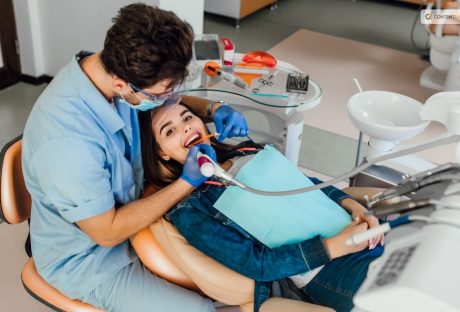
Medical Assistants are healthcare experts who assist doctors in medical offices as well as clinics. This is one of the nation’s careers growing much faster than average for all occupations.Medical assistants work directly with doctors, but they can’t give any medical advice to patients. It is because their duties are very limited as they work to prepare the doctor and patient for the medical visit and collect information for the same.Now, what does a medical assistant do? Their duties and responsibilities vary according to the requirements. Some of their common tasks are like:
Updating medical histories for both doctors and patients
Is Medical Assistant A Good Career Path In 2021?
The answer to this question is an absolute Yes. Although there are no formal education requirements for becoming these assistants, you need to complete Medical Assistant Program training to become one. Meanwhile, some of the important skills required to become a medical assistant are technical skills, interpersonal skills, detail-oriented and analytical skills. Now, we are going to describe several reasons to consider medical assistant as your career path.i). Career is stable: Working in the healthcare industry seems like it is a non-stop job. There is a need for assistants, surgeons, doctors, nurses, and other individuals working 24*7, 365 days a year. Thus, the career is stable in this path, and the future is rewarding.ii). It can be a gateway to greater things: Another reason to consider medical assistant as your career path is that it can be a gateway to greater things in life. This sector has more potential to become a fulfilling career.iii). You can work anywhere: Another benefit of choosing a medical assistant as your career path is that you can work anywhere. The skills required to become a medical assistant are helpful in every hospital across the country, which is, in turn, beneficial for you.iv). Certification can increase marketability: You need to pass some Medical Program test to get this job role, and the test requires a broad understanding of healthcare implementation, and all the information will prove incredibly useful to you.v). You can enter the field immediately: The job of a medical assistant is accessible, which makes it easy for you to enter the field immediately. You can just complete a Medical Assisting Diploma for the post of medical assisting.vi). Jobs are increasing faster than average: Another benefit of this sector is that jobs are increasing faster than average. Therefore, there can be lots of opportunities for you in the long run.
How Many Jobs Are Available In The Medical Assistant?
According to the reports, there were around 720,900 jobs in 2020 alone. This number is increasing at present and is expected to increase in the future as well. In the United States, three are more than 4.5 lakhs people working in the medical assistant field.Now, we are going to discuss the best paying jobs in the medical assistant sector in 2021.
1. Medical Assistant Vaccine Coordination
The Medical Assistant Vaccine Coordination is mainly responsible for administering vaccines to patients. In this position, you need to perform various patient care activities and related services.This pandemic has given rise to this post, and it is available in many states of the United States where you can apply now.
2. Research Medical Assistant
Another best paying job in this industry is Research Medical Assistant. In this role, you need skills in speaking and writing to persons of diverse cultural, economic, social, and educational backgrounds.At the same time, you must possess the ability to question research participants about sensitive behavioral issues and also the ability to communicate clearly and effectively.
3. Medical Support Teaching Assistant
Medical Support Teaching Assistant is also one of the great career paths in the healthcare industry. Here, you have to take the responsibility of a general Teaching Assistant for a year.To qualify for this post, you must be at least a Level 2 qualified Teaching Assistant and must possess prior experience helping diabetic children and have a good knowledge of the KS1 curriculum.
4. Clinical Assistant
As a Clinical Assistant, you must be dedicated to providing accessible testing for all. It’s important for you to be self-motivated in order to face clients to help run COVID testing clinics.Here, you need to comply with safety policies, answer patients’ questions, run test results for COVID 19, register patients in a drive-up setting or on-site, and much more.
5. Back Office Medical Assistant
Back Office Medical Assistant is another best paying job in the Medical Assistant industry.Your main role would be monitoring the inventory of medical supplies, ability to utilize computers, conducting birth control, providing information to patients regarding birth control, assisting doctors with examinations, setting up exam rooms, etc. At the same time, you must believe in work-life balance and how to maintain the same.
The Final Thoughts
Is medical assistant a good career path in 2021? I have tried my best to explain to you why being a medical assistant is a great career path for you and how you can benefit from the same. The above-listed information will help you to start your career in the healthcare industry. Besides, let me know your queries in the comment section below if you develop any while reading this blog.
Content Rally wrapped around an online publication where you can publish your own intellectuals. It is a publishing platform designed to make great stories by content creators. This is your era, your place to be online. So come forward share your views, thoughts and ideas via Content Rally.
Embarking on the medical journey is akin to setting sail on an adventurous odyssey. Spanning between seven and 15 years, physician training is a formidable yet exhilarating commitment. The education landscape constantly evolves to synchronize with the latest medical breakthroughs, emerging public health challenges, and the dynamic needs of communities.
As future physicians dive into the labyrinth of USMLE Step 1 preparation, it's more than a test they are gearing up for – it's a rite of passage, a bridge to the evolving landscape of healthcare. It's a chapter in a narrative that started with a passion for healing and is destined to unfold into a saga of medical excellence. The challenges are embraced, the excitement acknowledged, and the realization that this journey is not just about becoming a doctor but about evolving into a guardian of health. The curtain rises on this captivating act, and the future physicians stand ready, appreciative of the demanding but exhilarating path that lies ahead.
At the heart of this transformative journey are medical schools and teaching hospitals, hives of innovation where future physicians immerse themselves in cutting-edge learning. It's a journey sculpted not only by rigorous academic pursuits but also by the ever-expanding horizons of medical knowledge. From the intricacies of groundbreaking research to the pressing demands of public health, every facet is meticulously woven into the fabric of physician education.
Enter the stage of exams – a series of checkpoints demanding diligence and determination. Foremost among them is the USMLE Step 1, a pivotal milestone that gauges not just knowledge but the adaptability essential for a dynamic healthcare system. The preparation is an intensive undertaking, a convergence of dedicated study hours, practice tests, and a profound appreciation for the vast expanse of medical science.
Importance Of USMLE Step 1
The USMLE Step 1 is a pivotal milestone in the journey of medical professionals, holding profound importance in shaping their careers. This exam serves as a critical assessment of a candidate's foundational medical knowledge, testing their grasp of basic sciences and their ability to apply principles in clinical contexts. The Step 1 score plays a crucial role in residency program applications, often influencing the selection process significantly.
A strong performance not only opens doors to prestigious specialties but also reflects a candidate's preparedness for the challenges of clinical practice. Beyond its immediate impact on residency opportunities, the Step 1 score can influence career paths, research opportunities, and even international practice. It stands as a testament to a candidate's commitment to excellence, making success in this examination a cornerstone for a successful and fulfilling medical career.
Everything About Step 1 USMLE Exam
Embarking on the USMLE Step 1 journey is a significant milestone for medical professionals. As a pivotal examination that assesses a candidate's foundational medical knowledge, here are eight crucial aspects you must grasp to navigate this challenging yet transformative experience.
Exam Format
The USMLE Step 1 is a computer-based test administered over a single day, typically lasting around eight hours. It consists of seven 60-minute blocks, each containing 40 questions. The total number of questions can vary, but it usually ranges between 280 and 300.
Question Types
Questions in Step 1 can be categorized into multiple-choice questions (MCQs) and matching questions. The majority are single-best answer MCQs, where you select the most appropriate response from the choices provided. Some questions may involve interpreting graphs, charts, or images, and testing your ability to integrate information.
Content Overview
The exam primarily assesses your understanding of basic science concepts and their application in clinical scenarios. Major content areas include anatomy, biochemistry, pathology, pharmacology, behavioral sciences, microbiology, immunology, and physiology. It's crucial to have a comprehensive understanding of these subjects to excel in Step 1.
Integrated Clinical Vignettes
Many questions are presented in the form of clinical vignettes, requiring you to apply your knowledge in realistic patient scenarios. This integration of basic science principles with clinical context reflects the exam's emphasis on evaluating your ability to think critically and make sound clinical decisions.
Score Reporting
Starting from January 2022, there has been a significant change in the reporting of USMLE Step 1 scores. The traditional numeric score system, along with the pass/fail outcome, has transitioned exclusively to a pass/fail model. This shift reflects a departure from the previous practice of assigning three-digit scores. As a consequence, candidates will now receive a simple pass or fail designation on their Step 1 results. Test-takers can anticipate receiving their scores approximately four weeks from the date of their Step 1 examination. This modification in the scoring and reporting mechanism aligns with the evolving standards and preferences in medical education, offering a streamlined and simplified approach to evaluating candidates' performance on this critical examination.
Dedicated Preparation Time
Successful preparation for Step 1 often requires several months of dedicated study. Many candidates allocate a significant portion of their preclinical years to build a strong foundation, followed by an intensive dedicated study period closer to the exam date. Establishing a well-structured study plan is essential for efficient and effective preparation.
Use Of External Resources
Many candidates supplement their medical school curriculum with external resources to reinforce their understanding and prepare for Step 1. Popular resources include review books, question banks, flashcards, and online forums. UWorld, First Aid, Pathoma, and SketchyMedical are commonly utilized tools in this endeavor.
Test-Taking Strategies
Developing effective test-taking strategies is crucial for success. Practice exams, time management, and simulated test conditions can enhance your ability to navigate the exam day with confidence. Familiarize yourself with the test interface, and practice pacing to ensure you allocate your time wisely across the various sections.
Conclusion:
The USMLE Step 1 is more than just an exam; it's a gateway to the next phase of your medical career. Understanding its format, content, and the strategic approach required is essential. A well-rounded preparation, complemented by a solid grasp of foundational medical concepts, will not only lead to success on this examination but also set the stage for your future success in clinical practice and specialized training.
Read Also:
How To Foster A Growth Mindset For Continuous Learning And Improvement
4 Lessons Content Marketers Can Learn from E-learning Courses
5 Advantages of Online Learning in Germany
Is major pharmaceuticals a good career path in 2026? What are the best-paying jobs in the pharmaceuticals industry? How many jobs are available in the pharmaceuticals sector? Let’s discuss these queries in detail.
Depending on your career goals, there are different degree programs in pharmaceuticals. The sales representatives in this industry provide an important link between pharmacies and drug manufacturers to spread potentially life-saving medicines.
Pharmaceuticals sales representatives get higher salaries, and this increases with skills and experience. Therefore, choosing a career in the pharmaceutical sector can be your best decision because you get many benefits in the long run.
Major Pharmaceuticals - What You Need To Know?
Major Pharmaceuticals means any person engaged in the biotechnology or pharmaceutical industry.
This Company means a company that is engaged in the business of selling Pharmaceutical goods, whose revenues from such sales were in excess of twenty-five thousand dollars.
Major Pharmaceuticals is a reputable company where you can enhance your skills and knowledge to a great extent. The salary potential of Pharmaceuticals increases with the passage of time and experience.
Their primary task is to inform clinicians about the medical benefits of dosing patients with their company’s goods. There are many firms that hire pharma reps to target and follow potential new customers within a selected geographic region.
Is Major Pharmaceuticals A Good Career Path In 2026?
The answer to this question is an absolute Yes. The US alone consumes around 75 percent of the world’s prescription drugs. New Pharmaceutical achievements being adapted from high-tech manufacturing are extended in the list of FDA-approved drugs too.
If you like to serve people, then it is an ideal career option for you. For example, the job of a pharmacist involves dispensing prescribed medicines to patients and providing data concerning their safe use of them.
There are various career opportunities in Pharmaceuticals, and you can choose any according to your skills and interests. The best part about this field is that it is a secure choice for those who are looking for a bright future.
How Many Jobs Are Available In The Major Pharmaceuticals Industry?
In the United States, more than 800,000 individuals work in the biopharmaceutical industry and in various occupations, including scientific research. Thus, this industry supports 4.7 million jobs across the US.
Now, let’s discuss some of the best paying jobs in the Pharmaceuticals industry in 2026.
i) Quality Control Chemist
Quality Control Chemist is a close area in manufacturing but has crucial differences. QC is a bundle of activities planned to evaluate the new products. Moreover, it is a role that needs attention focus, and the confidence to make decisions.
A Quality Control Chemist is also responsible for testing the products and making sure that QA processes work. They test and prepare samples from all phases of manufacturing. They have the goal to determine if the substance meets the required standard.
ii) Patent Attorney
Patent Attorney is another best paying job in the Major Pharmaceuticals industry. Pharmaceuticals is not a small business. New discoveries need to be made, and the company’s intellectual property must be protected.
Here’s Patent Attorney comes into play. This attorney will typically work for a specialist consultancy, advising many clients within their area of specialization. This is a rewarding career that requires a huge understanding of the legislation.
iii) Medicinal Chemist
These Chemists draws graduates from a wide range of areas. A career in this field involves working on the testing and development of potential therapeutic compounds.
Both in the private and public sectors, Medicinal Chemists can find themselves working with Regulatory Affairs. The primary role of this position is to evaluate the quality controls, manufacture, and chemistry to support the goods for government approval.
iv) Product Developer
Product Developer Scientists individuals work in several sectors, including medical device manufacturing, pharmaceutical science, food, and biotechnology.
Product Development is a satisfying career path for graduates who like problem-solving, innovation, exploration, and teamwork. You need to research injectable drug formulations for the treatment of infectious diseases and cancer.
v) Sales & Marketing
Sales and marketing jobs are for those who have a deep understanding of marketing structure and how it works. If you enjoy people-focused work helping clients and customers find useful solutions, this can be a great career path for you.
After working in research and development, sales and marketing can be your next step beyond the lab.
vi) Regulatory Affairs
Regulatory Affairs can be a fulfilling job for graduates seeking a rewarding career outside the Lab. They can stimulate their career in regulatory affairs by increasing their knowledge in the areas of finance, negotiation, project management, etc.
These individuals understand how changing regulations can impact the industry. As a result, the demand for these professionals is high and going to increase in the long run.
vii) Foreign Scientist
Foreign Scientist is one of the best career paths in Major Pharmaceuticals, and you can consider the same for yourself if you have the required skills.
If you love to uncover mysteries, then, believe me, this can be a rewarding career option for you.
Essential Skills For A Successful Career In Major Pharmaceuticals
In today's competitive job market, a career in major pharmaceuticals offers promising opportunities for those who possess the right skills and qualifications. To thrive in this dynamic industry, individuals need a combination of technical expertise, interpersonal abilities, and adaptability.
Here are some of the skills that you need to have for this career:
1. Scientific Acumen
A fundamental prerequisite for a career in major pharmaceuticals is a strong foundation in scientific knowledge. Candidates should have a deep understanding of biology, chemistry, and pharmacology to comprehend the intricate processes involved in drug development and testing. Being well-versed in these areas enables professionals to analyze data, make informed decisions, and contribute effectively to research and development projects.
2. Analytical Skills
Pharmaceutical professionals must possess excellent analytical skills to interpret complex data sets, identify trends, and draw meaningful conclusions. These skills are crucial when conducting experiments, evaluating clinical trial results, and ensuring the safety and efficacy of new drugs. Professionals with a knack for critical thinking and problem-solving are highly sought after in this industry.
3. Regulatory Knowledge
Navigating the labyrinth of pharmaceutical regulations is essential. Professionals must stay updated on ever-evolving rules and guidelines from regulatory authorities like the FDA. This knowledge is vital for ensuring compliance, obtaining necessary approvals, and maintaining the highest standards of quality and safety in drug development and manufacturing.
4. Communication Skills
Effective communication is paramount in the pharmaceutical industry. Professionals need to convey complex scientific information to diverse audiences, including colleagues, regulators, and the general public. Being able to articulate ideas clearly, write precise reports, and collaborate seamlessly is indispensable.
5. Project Management
Pharmaceutical projects often involve numerous stakeholders, tight deadlines, and intricate details. Strong project management skills, including organization, time management, and resource allocation, are essential for ensuring that projects progress smoothly and deliver results on schedule.
6. Adaptability
The pharmaceutical landscape is constantly evolving due to scientific advancements and market shifts. Professionals must be adaptable and open to learning new techniques, technologies, and approaches. Flexibility is key to thriving in this dynamic field.
7. Attention To Detail
In pharmaceuticals, even the smallest oversight can have significant consequences. Professionals must exhibit meticulous attention to detail to ensure the accuracy and safety of their work. This quality is critical in various roles, from laboratory research to quality control.
8. Ethical Judgment
Pharmaceutical professionals often face ethical dilemmas related to patient safety, data integrity, and corporate responsibility. Strong ethical judgment is crucial for making morally sound decisions and upholding the industry's integrity.
9. Teamwork
Collaboration is at the heart of pharmaceutical research and development. Professionals must work effectively in multidisciplinary teams, drawing on each member's expertise to achieve common goals. Being a team player and fostering a positive work environment is highly valued.
10. Continuous Learning
The pharmaceutical field is characterized by rapid advancements in science and technology. Professionals must commit to continuous learning and professional development to stay relevant. Pursuing additional certifications or advanced degrees can enhance career prospects.
The Final Verdict
Is Major Pharmaceuticals A Good Career Path in 2026? I hope you have an answer to your question. So, Pharmaceuticals is an excellent career path, and you can consider the same for yourself in the future. Besides, if you have any doubts, you can mention them below in the comment section.
An esthetician helps to promote healthy skin by giving clients skin care treatments. If you want to work in a spa or salon and want to be a part of the wellness community, an esthetician is a good choice. You can decide if this is the right career for you by learning about the common requirements and potential benefits.
This article explains what an esthetician is, how to become an esthetician, and what the average pay and job outlook are for the field. You will also learn about the skills these professionals typically use.
Who Is an Esthetician?
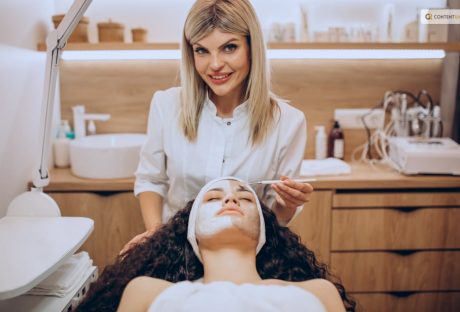
An esthetician is a specialist in skincare. They work with patients to help them take better care of as well as maintain their skin. The ability to identify and treat skin conditions like wrinkles, sun pigmentation, or blemishes is a specialty of estheticians. Moreover, as an esthetician, you can work in a salon or spa. But some also work in nursing homes, hospitals, movie sets, hotels, and specialty resorts.
Estheticians assist their clients wherever they work. They give them advice on how to take care of their skin at home. They can also provide skin treatments on the spot.
Cosmetic skin treatments such as facials, superficial chemical peels, body treatments, waxing, and makeovers can be administered by estheticians to their patients. Advanced procedures like full chemical peels, pore cleaning, light therapy, and hair removal may also be carried out by them. To aid patients with cancer or burn injuries in recovering from surgeries and other procedures, estheticians may also work with these patients. Other specializations available to estheticians include:
How to Become an Esthetician?
You need not go on Google and search “how to become an esthetician in Texas” or “how to become an esthetician in California.” The rules and regulations for becoming an esthetician are more or less the same all over the country. Even if you are asking, “how long does it take to become an esthetician” or “how much does it cost to become an esthetician.”
If you want to pursue a career in esthetics, here are a few steps you can follow:
Enroll in Cosmetology or Esthetics
Finish a cosmetology or esthetician program approved by the state in which you wish to work. Some states accept applicants if they are at least 16 years old. Others require applicants to have a high school degree or GED before allowing them to enroll in cosmetology or esthetician schools. The cost, location, scheduling, as well as availability of esthetics program can differ. So, it is a good idea to look into all the options in your area to determine which one will benefit you the most.
Training is provided by cosmetology or esthetician programs in the following fields:
Customer relations
Cosmetology
Esthetician treatments
Methods for sanitizing tools and workspaces
Enrolling in a cosmetology or esthetics program can verify that your abilities are sufficient and provide you with an understanding of the tasks an esthetician does daily. Most of the cosmetology and esthetician programs combine classroom instruction with practical experience in the form of coursework.
Get A License
Obtain a license to practice esthetics in the state in which you intend to work. To ensure you receive the correct license, it's important to research your state's specific regulations. Each state may have different requirements or processes for obtaining licensure. A passing score on the state licensing exam and hours of classroom and practicals are required by many states.
Written sections and practical components, such as administering treatments or demonstrating a mastery of techniques, are usually included in these exams. Many states mandate that you renew your license after a predetermined number of years. States may differ in this regard, so as soon as you obtain your license, think about when to renew it to ensure you can continue practicing law.
Certification
While certification isn't necessary for many jobs, it can demonstrate your commitment to practice and enthusiasm for the industry. This is another of the crucial things you must consider when looking up how to become an esthetician. Having a certification may set you apart from other applicants.
Especially when you apply for jobs as an esthetician because not all candidates have pursued one. After graduating from cosmetology or esthetician school and working in the industry for at least two years, estheticians can begin the certification process. Estheticians who meet all the requirements can take an exam and, if they pass, receive certification.
The National Coalition of Estheticians Association (NCEA) offers the National Esthetician Certification. It is the most widely used certification for estheticians. Moreover, to become certified, candidates must study from a training manual and apply in four to six weeks. You get permission to take the test after submitting an application, and you can use a computer at home to do so. You can retake the exam to renew your NCEA certification after it expires, which is good for three years.
Certification is a big deal when you want to know how to become an esthetician.
Acquire Practical Experience
Apply for jobs as an esthetician at entry level. After you get to know about how to become an esthetician, this is another of the things you must do. Estheticians can work in independently run spas or salons or for larger companies like resorts, hotels, and hospitals. By practicing what you learn, you can become a more skilled esthetician and become an expert at performing chemical peels, facials, and other treatments. Additionally, it can help you establish a solid clientele that knows you both personally and from your work.
Estheticians can also work in sales, as makeup artists, in public relations, or as representatives of beauty companies in other industries. If you were working as an esthetician for a few years, then you might be presented with these opportunities. During this time, you can hone your abilities and build your reputation in the industry. Then, if you'd like to find a new career that's still in the esthetics field, you can use your experience and clientele to pursue opportunities in other industries.
Go Back to School
When you begin working in the field, try to continue completing the courses necessary to become an esthetician. This will include maintaining a state license. Being aware of when to renew your license can be beneficial because most licenses require renewal after a set number of years. This could entail retaking the test or putting in a certain number of practical hours.
Estheticians can take advantage of this chance to pick up new treatment methods. Since there are always new discoveries in medicine, estheticians usually keep an eye on changes in both established practices. There is the efficacy of a given treatment and emerging ones. For example, the introduction of novel procedures or treatments. Keeping up with advancements in the field can help guarantee safe, effective treatments that increase patient satisfaction.
Salary and Job Outlook for Estheticians
Data from Indeed indicates that estheticians make, on average, $59,797 annually. This number may differ depending on variables, including the esthetician's location, experience, company size, credentials, and specializations. These professionals frequently receive 401(k) matching, tuition reimbursement, and support for their professional development.
According to the United States Bureau of Labor Statistics, employment of skincare specialists is set to grow by 29% from 2020 to 2030. This rate is comparatively faster than the average of all the other occupations within this time period. The agency has attributed this growth to the high demand for anti-aging procedures and a popular desire to pursue a healthier lifestyle. This simply means the job opportunities in this field are going to soar.
Criteria To Become an Esthetician
Before you ask about how to become an esthetician, there are certain things that you must keep in mind.
To obtain a license as an esthetician, start by researching the Board of Cosmetology requirements in your state. To be eligible for a license, most states require completion of 150–1200 hours (about 1 and a half months) at an approved training program. Certain states permit apprenticeship hours in addition to or in place of school hours.
When your hours are up, you'll apply to take the State Board exam. As soon as possible, you should begin preparing for this test by reading and practicing! Approximately 51% of individuals do not pass the written portion of this exam, so preparation is essential.
After completing your hours, you can apply to sit the state exam and earn a professional license. The National-Interstate Council of State Boards of Cosmetology (NIC) exam is used in thirty-one states. It's likely that other states employ a similar strategy. When it comes to assessing esthies seeking a state license, the NIC is the foremost national authority.
The exam, which takes about three hours to complete, consists of two parts: a written exam with about 120 questions covering science concepts, best practices, and skin care. And a practical exam where you must perform services in compliance with state laws and regulations.
How to Become an Esthetician Online?
Numerous recognized online esthetician programs are available that will give you all the instruction required. It will help you obtain your license and start a lucrative career in esthetics. The average number of hours required for specialized training won't change if you take an online course. But it may be slightly more flexible and less expensive.
Enrolling in an accredited online program is the first step toward becoming an online esthetician. It must fulfill all state board requirements in your area. The next step is to select the specialization and program type (associate degree, certification, or diploma) that you wish to enroll in.
After that, you will attend your online courses, finish your required hours, pass your training, and then sit for the esthetician exam. You can apply for your license and start working as a licensed esthetician as soon as you pass that! If you wanted to know how to become an esthetician online this is your best bet.
Uses of an Esthetician Certificate
There is a wide range of career options available to estheticians. It includes positions at salons, spas, resorts, and even cruise ships. In addition, licensed estheticians can work as:
Medical estheticians
Makeup artists
Salespeople
Salon managers
Product purchasers
Marketers
Content developers
Brand educators
State board members
Brand ambassadors
As there is no one way to become an esthetician, once you have your license, the possibilities are endless. Identifying your niche is the trick.
Most esthetician schools only provide rudimentary instruction in following state board guidelines. They may not adequately equip you for "the real world." You should consider furthering your education or taking up an apprenticeship in facials, hair removal, or other modalities. You can opt for microblading, threading, or eyelash extensions for advanced training in your chosen field.
Are Estheticians Rich
State-by-state variations exist, but the average salary for a licensed esthetician in the US is approximately $40,000. Remember that this is the average pay for an esthetician working in a salon, exclusive of tips. Additionally, this figure excludes the possible income of independent contractors and estheticians who work in industries other than providing skincare services.
Can Estheticians Make Six Figures
Those with a license in esthetics have a lot of career options and a lot of opportunities to make six figures. There is truly no upper limit to the question, "How much can an esthetician make?"
Estheticians can make a lot of money, from high-end service providers in salons to salon owners and executive beauty marketers. With your work, you can even elevate yourself to the status of social media celebrity esthetician, at which point you can start earning some serious cash!
Building a devoted clientele takes time if you're a salon professional, but once you have a high-volume clientele, it's time to buy your own place or open your own salon.
It's a good idea to start your career as an apprentice at upscale salons or spas before branching out on your own and charging top dollar for your chosen esthetic services.
If you are a waxer, for instance, your goal should be to become an expert in more costly services that you enjoy performing. One of them is Brazilian waxing, which can help you charge the higher end of your market rate for that service.
Those who provide expensive services like microblading or eyelash extensions may be able to make six figures annually. Nursing graduates who work as medical estheticians can provide more costly and invasive treatments like high-percentage acid peels, laser therapy, and Botox.
Estheticians’ Products
Regardless of the esthetics field you choose, selecting the appropriate products requires expertise. Here are some pointers for selecting the ideal products for your company
Select goods and brands that have a reputation for serving salon professionals.
Collaborate with brands that provide comprehensive brand support and wholesale goods.
Positive reviews ought to be attached to your products.
To enable full service in your chosen field, select full-service curated kits such as a spa starter kit.
How To Become an Esthetician: Get Rich
Regardless of the esthetic niche you have selected, creating and managing educational and captivating content for digital marketing purposes can be your main source of income.
It's essential to have an online store if you want to sell retail goods. It's also critical to provide online reviews, payment processing, and appointment scheduling for your clients. If you want to make six figures, even if you provide the best services in your field, you will still need to market yourself. This calls for strong business and marketing skills.
Additionally, it's critical to ensure that you're providing your customers with a distinctive, varied, and extensive selection of goods and services as take-home extras and for services.
By providing your customers with services that are tailored to their individual skin types or lifestyle preferences, you can take advantage of niche markets. It will also help you build a devoted clientele that will come back time and time again.
Make sure your wax types suit the needs, skin types, and hair types of your clients, especially if you've entered the waxing specialty. Think about who else you'd like to attract to your salon in addition to your current clientele when choosing which waxes to use.
Wrapping Up
If you're interested in making the career switch, it can be difficult to know where to start. There are so many options to consider when learning how to become an esthetician. After you've determined that this is the career for you, be sure to enroll in a course that will help you succeed in your field.
Your success in the field is largely up to you once you start practicing! You will be able to treat skin conditions such as sun pigmentation, wrinkles, and blemishes. This will allow you to make a name for yourself in an unbeatable niche and promote your brand and company. You must also keep abreast of market trends and customer preferences. The possibilities are endless once you've figured out a workflow and procedure that suits you!
If you have thoughts to share or questions to ask about how to become an esthetician, please leave a comment below. We would love to hear from you!
We also have more information if you want to know how to become a pediatrician, a therapist, a phlebotomist, an orthodontist, an anesthesiologist, a psychologist, or a physician assistant.
Learn More About:
Achieve Firmer Skin With Skin Tightening
Achieving Aesthetic Excellence: How Skin Clinics Deliver Beautiful Dermal Results














 Medical Assistants are healthcare experts who assist doctors in medical offices as well as clinics. This is one of the nation’s careers growing much faster than average for all occupations.
Medical assistants work directly with doctors, but they can’t give any medical advice to patients. It is because their duties are very limited as they work to prepare the doctor and patient for the medical visit and collect information for the same.
Now, what does a medical assistant do? Their duties and responsibilities vary according to the requirements. Some of their common tasks are like:
Medical Assistants are healthcare experts who assist doctors in medical offices as well as clinics. This is one of the nation’s careers growing much faster than average for all occupations.
Medical assistants work directly with doctors, but they can’t give any medical advice to patients. It is because their duties are very limited as they work to prepare the doctor and patient for the medical visit and collect information for the same.
Now, what does a medical assistant do? Their duties and responsibilities vary according to the requirements. Some of their common tasks are like:
 According to the reports, there were around 720,900 jobs in 2020 alone. This number is increasing at present and is expected to increase in the future as well. In the United States, three are more than 4.5 lakhs people working in the medical assistant field.
Now, we are going to discuss the best paying jobs in the medical assistant sector in 2021.
According to the reports, there were around 720,900 jobs in 2020 alone. This number is increasing at present and is expected to increase in the future as well. In the United States, three are more than 4.5 lakhs people working in the medical assistant field.
Now, we are going to discuss the best paying jobs in the medical assistant sector in 2021.