Published on: 27 January 2021
Last Updated on: 24 December 2024
Throughout the year our gardens are constantly changing from season to season, which creates a fresh and exciting feel every month. From beautiful blooms in the spring to crisp, frosty layers during the winter, our gardens always provide a captivating aesthetic to enjoy. When it comes to the winter months, many people neglect their gardens and wait until the warmer days arrive again, but this shouldn’t be the case. There are lots of ways to keep your garden looking its best throughout the winter, including adding a deer fence to protect your garden and property from animals and wildlife, and here’s other tips…
Invest in a Greenhouse
Greenhouses are a must for anyone keen to continue gardening during the winter months and maintain a beautiful garden aesthetic. From the moment you introduce a greenhouse, you open up your gardening options, giving you the chance to work on all kinds of wonderful projects. You’ll also find that a greenhouse helps to bring character to the garden, adding to the overall look of your outdoor space. A greenhouse also enables you to work on projects that may need a little encouragement in a warm environment, before adding them back to your garden to help brighten the area and enhance the aesthetic.
Take a look at Two West’s wide selection of greenhouses here to find the right fit for your garden.
Embrace Winter Colour
Keep your garden looking bright and colorful by adding a selection of winter-blooming plants to your pots and beds. From winter-blooming daphne to pansies and cyclamen, you can bring an assortment of gorgeous winter colors to really bring life to your garden. Whether you opt to plant these bloomed plants during the winter for instant color, or you decide to plant your seeds earlier in the year for winter blooms, you can create a stunning aesthetic and add a trendy feel to your garden.
Find the perfect winter blooms here available at Dobies to bring a seasonal touch to your garden.
Install Outdoor Lighting
Having a display of outdoor lighting can really help to illuminate your exterior, not only adding to the overall aesthetic but also enhancing your home's security. There are lots of different ways to introduce lighting, from subtle lights positioned neatly along the outskirts of your lawn or along the path, to brighter lights that stand tall and brighten the whole space. Do a little research into different types of outdoor lighting to see which would work best with your home's style and layout and invest in the best style for you. It’ll be much easier to enjoy your garden on those darker evenings once you have your outdoor lighting fitted.
Visit Lights.co.uk here to find inspiration for outdoor lighting to introduce to your home and garden.
Frequently Sweep Up Leaves
Many people see sweeping up the leaves in the garden to be a pointless task, as sooner or later they’ll be back to sweep up again. This may be the case, but by sweeping up the leaves you are able to keep your garden looking its best, even during the winter. Leaves and generic debris can create a very messy, untidy look for the garden so it’s always beneficial to keep on top of sweeping them off to the side or removing them from flower beds and your lawn area. You’ll be amazed how much of a difference this small but practical task will make!
Read Also:
Content Rally wrapped around an online publication where you can publish your own intellectuals. It is a publishing platform designed to make great stories by content creators. This is your era, your place to be online. So come forward share your views, thoughts and ideas via Content Rally.
In the heart of every home, the kitchen stands as a hub of activity. It's where culinary masterpieces are born, where families gather, and where memories are created. But what if your kitchen is no longer inspiring or functional? That's where the magic of "ny kitchen remodeling" comes into play.
In this article, we'll explore the exciting world of kitchen remodeling in New York, guiding you through the process, trends, and tips to transform your kitchen into a stylish and functional space.
Understanding the Need for Kitchen Remodeling
Kitchen remodeling is the need of the hour, and you must understand it for convenience. Here, we discuss some points that will provide you with an idea of kitchen remodeling.
Assessing the Current State of Your Kitchen
Before diving into the renovation process, it's essential to assess your existing kitchen's layout, design, and functionality. Identify what works and what doesn't. Take note of any outdated appliances, worn-out cabinets, or inefficient use of space.
Setting Clear Goals for Your Remodel
Once you've identified the shortcomings, set clear objectives for your kitchen remodeling project. Do you want to enhance storage space, improve the flow, or create a more modern aesthetic? Having a clear vision will guide your decisions throughout the process.
Exploring Design Trends
When you look for kitchen design, the first thing you look into is aesthetics. This section discusses some of the trends in the new kitchen's design. The design of the modern kitchen must sync with the present requirements. So let us understand them all here.
Modern Minimalism
Minimalistic designs with clean lines, neutral colors, and streamlined appliances are gaining popularity in New York kitchens. This trend emphasizes functionality and simplicity, making the kitchen a serene space for cooking and socializing.
Open Concept Layouts
Breaking down walls to create an open-concept kitchen and living area is another prevalent trend. This approach fosters a sense of togetherness, making it easier to interact with family and friends while preparing meals. The open layout can easily fit today's requirements, and at the same time, they elevate the aesthetics and the utility of modern kitchens.
Sustainable Kitchen Remodeling
Eco-friendly designs and materials are on the rise. Incorporating energy-efficient appliances, recycled materials, and sustainable practices not only reduces your carbon footprint but also adds value to your home. Sustainability is the need of the hour. Here, we discuss some of the approaches to earn it. Let us get started with the discussion here.
The Kitchen Remodeling Process
Here we bring forth some areas of kitchen remodelling.
Budgeting
Setting a realistic budget is a crucial step. Determine how much you're willing to invest in your project, and allocate funds for each aspect, from cabinetry and countertops to lighting and flooring.
Hiring Professionals
Engaging experienced contractors, designers, and craftsmen is vital. They can help you bring your vision to life and ensure that the remodeling process goes smoothly.
Choosing Materials
Selecting the right materials is key to achieving the desired look and durability. Explore options for countertops, cabinets, backsplashes, and flooring that match your style and budget.
Adding Personal Touches
Personalize your kitchen by incorporating elements that reflect your personality and preferences. Whether it's unique lighting fixtures, custom cabinetry, or a bold color scheme, these touches will make your kitchen truly yours.
Benefits of Kitchen Remodeling
There are some of the benefits of kitchen remodeling. Some people might relate it to aesthetics. But if you discuss it in the long run, it indeed has its benefits for not one but multiple reasons. Let us look at them here.
Enhanced Functionality
A well-planned kitchen remodel can significantly improve the functionality of your space, making cooking and daily tasks more efficient.
Storage
In the UK, space is depleting; therefore, everyone within their capacity is trying their level best to enhance the storage facility. A kitchen removal focuses on using the space and creating new space.
It indeed has its own advantages. Therefore you can say that storage indeed becomes one of the factors. With a good storage facility, you can remodel your kitchen and make it smart.
Increased Home Value
Investing in a kitchen remodel can increase your home's resale value, making it a wise financial decision.
Improved Aesthetics
Aesthetic upgrades can transform your kitchen into a visually stunning space, providing joy and inspiration daily.
Safety
The majority of kitchen accidents occur due to safety reasons. If your oven is outdated, If the screws of your cupboard fittings are not ready, it can indeed put you at risk. A kitchen remodel provides you with an opportunity to replace whatever is old. Thus, it reduces the risks. This is the reason people try to move whatever is old for safety reasons.
Adding personal Touches
There is nothing better than personalization. Personalizing your kitchen is all about the efforts that you made in decking and improving the features it has. There are myriads of areas in your kitchen where you have room for personalization. You can try different ways to personalize your kitchen.
First, you can create a noticeboard corner in your kitchen. You can leave comments or directions there for the other family members. You can also use the potted plants on the window sill. Thereafter, you can create a pegboard so tha you can access the utensils you use most frequently.
Conclusion
To conclude, one can say that kitchen remodeling must be one of the projects that a household must prioritize.
In the bustling city of New York, kitchen remodeling is more than just a renovation project; it's a way to enhance your daily life. By embracing the latest design trends, carefully planning the process, and personalizing your space, you can create a kitchen that reflects your style and meets your needs.
Read Also:
Simple Ways To Prevent Insects From Taking Over Your Kitchen
How To Choose the Right Brass Range Hood for Your Kitchen
Five Essential Components For Your Outdoor Kitchen
According to many people, having a garden in your house is said to invoke a real sense of creativity. People say this because they seem to feel refreshed and creative if there is a lot of vegetation surrounding them. Also, many consider gardening to be an innovative form of expression.
Therefore, which plant to have in your garden will decide its beauty in the eyes of the beholder. If you are new to gardening, then this article is for you. Here, you will learn about the various types of trailing plants and some of the best breeds of them.
What Are Trailing Plants?
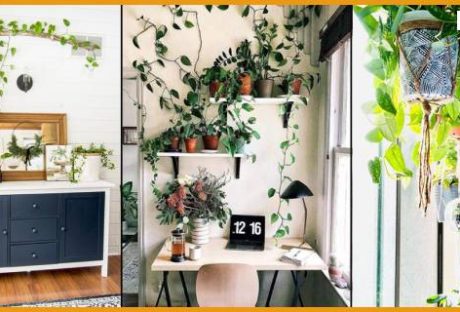
Trailing plants are a unique breed of pretty long and slender plants. Their stems grow more extended, often taking up the length of the entire room vertically. These plants are generally kept in balconies and bigger rooms, like dining or living rooms. They are also typically placed in pots and then hung from the ceiling.
These plants are often called creepers or climbers, or even spiky plants because they have slender stems mistaken for vines. These vines require support to grow. Therefore, they follow the surface of the roofs or the walls to propel themselves and grow in a specific direction.
Types Of Trailing Plants
There are two distinct types of trailing plants that can be categorized. They are,
1. Flowering Trailing Plants
As the name suggests, flowering trailing plants are simply trailing plants that can produce flowers of their own. These often look great because when these trailing plants become bigger, they will make flowers all over their stems. The longer their vines have grown, the more flowers they will produce.
2. Non-Flowering Trailing Plants
As the name suggests, non-flowering trailing plants are the direct opposite of flowering trailing plants. These foliage plants do not produce any flowers and are mostly greenish yellowish. These are the most common types of trailing plants that you get to see in people's houses
Best Trailing Plants For Your Garden
If you have finally decided to buy trailing plants, then here are seven of the breeds that we highly recommend you add to your balcony or garden.
1. Golden Pothos
One of the most popular trailing plants in the market is scientifically known as Epipremnum Aureum. We recommend you start your trailing plants gardening journey with this newbie-friendly plant. Because setting up this plant to hang from the ceiling is the first thing you should learn - how to hang trailing plants.
This plant is a low maintenance plant since it requires almost no cutting since you can leave it to hand and grow naturally in a basket from your ceiling.
Read More: Grow these flowering plants in your home garden
2. Red Herringbone
Scientifically known as the Maranta Leuconeura Erythroneura, this plant is one of the best trailing plants indoors. It has a trippy, attractive design on its leaves highlighted by its red color and unique look. The distinctive red patterns of the leaves of this plant have been compared to the mark of a herringbone.
The unique aspect of big leaf plants is that they close up their leaves during the night, giving them the shape of a hand-folded prayer position. This is why many people call this plant the prayer plant.
We recommend this plant for experienced gardeners since it needs high maintenance to grow safely.
3. Staghorn Fern
Scientifically known as the Platycerium Bifurcatum, this plant has been called strange by many gardeners due to its leaves' odd, uneven shape. This trailing plant is best kept in a wooden basket with compost, and other organic matter buried deep in the compost.
Again, we recommend this plant for experienced gardeners since it requires specific gardening skills to grow these tropical plants fully. Additionally, this plant is best kept in a humid place outside the range of direct sunlight.
4. String Of Pearls
These types of trailing succulent plants are scientifically known as Senecio Rowleyanus. Its leaves are smaller than the other plants mentioned on this list, which look like tiny, green pearls. However, upon closer observation, you will notice that it looks like a green string is keeping the pearly leaves attached to the vine. This is why it is called a string of pearls, one of the most aesthetic plants.
Sometimes, the top of the compost becomes very dry. This is an indicator that the plant needs watering. Generally, this plant likes to remain dry. But too dry will result in its untimely demise. Therefore, always keep a lookout for the dryness of the plant's compost.
5. Spider Plant
As the name suggests, this trailing plant looks like a spider. Botanically named as the Chlorophytum Comosum, this easy to grow plant is another common tracking plant that you see in many households. Maintaining this plant is easy since all it needs is well-drained potting soil and exposure to bright, indirect sunlight. Just remember to water it frequently, and keep it as a bedroom plant.
You May Also Like This: 4 Essential Tools Needed to Maintain Your Garden in the Winter
6. Creeping Jenny
While the name might sound very creepy, its looks and beauty tell a different story. These bright fluorescent green trailing indoor plants are famous for their round leaves. Their vines also grow long, till about 18 inches in length. Unlike other trailing plants on this list, these plants can be placed on the soil and can also be hung from the ceiling in a pot or basket.
7. Million Bells
Also known as the Calibrachoa, it is one of the most highly colorful and vibrant trailing plants ever to exist. This is because it is a flowering plant. But that is not its only specialty. Its uniqueness lies in the fact that its flowers can be of random colors, from red, blue, purple, to pink. This is perfect for you if you want trailing plants for hanging baskets.
Frequently Asked Questions (FAQs):
Q1. What Is The Best Trailing Plant?
There are many great trailing plants like Million Bells, Golden Pothos, and Red Herringbone, to name a few.
Q2. What Plants Are Trailing Plants?
Trailing plants can be identified by their long vines that grow along the side of walls.
Q3. What Are Trailing Plants Called?
Trailing plants are also called spillers, creepers, and viners.
Q4. What Is A Trailing Flowering Plant?
Trailing plants that produce flowers are known as trailing flowering plants.
Conclusion
Trailing plants are one of the best choices for keeping plants in your home. These plants look great and unique. These plants look even better if you hang them from your ceiling in a basket or round vase. If you are a beginner at gardening, then we recommend growing plants like the Golden Pothos or the Spider Plant. And if you are an experienced grower, then we recommend plants like the Red Herringbone and the Million Bells.
If you found out which trailing plants to buy, then check out our other articles as well!
Read Also:
How to Maintain Your Garden Railings?
5 Best Vegetables You Should Try Growing In Your Garden
Looking for a Gardener: 8 Questions to Ask Before Hiring a Professional
Achieving a lush and inviting lawn is something all homeowners dream of! While it can be tricky to properly take care of your outdoor space, one of the most important steps to having a magnificent lawn is fertilizing.
Lawn fertilization services in Texas make your garden thrive, providing — you with the essential nutrients needed for vivid colors, growth, and most importantly — health.
Here Are Three Prime Keys To Achieving Optimal Lawn Nourishment
To support you along this process, here is our guide: three tips for successful lawn fertilization to make your outdoor area the envy of the block.
1. Uncover your lawn's essential needs
It's essential to understand your grass type in order to achieve optimal lawn care. Take some time to figure out what type of grass is growing in your yard, as each one requires its own maintenance. A quick way to identify the type includes examining the shape of the blades, their color, and the growth pattern. With this knowledge, you can take proper steps in maintaining a healthy lawn all year round.
Maintaining a lush, healthy lawn may require fertilizer specific to the type of grass in your yard. Warm-season grasses like Bermuda and Zoysia, as well as cool-season grasses like fescue and Kentucky bluegrass, have varying dietary needs. Knowing your lawn's grass type is essential for choosing the right fertilizer and following an appropriate application schedule.
To ensure the soil's quality, it is vital to perform a soil test. Doing so will provide insight into what nutrients your soil is lacking, what adjustments need to be made to reach optimum growing conditions, and what type of plants would thrive best in the environment.
2. Adhere to the right fertilizer application techniques
Utilizing fertilizer correctly is essential to enabling efficient nutrient uptake and averting any potential damage to your yard or nature. To guarantee the appropriate use of fertilizer, here is a breakdown of the key guidelines:
All times demand that you employ the most appropriate spreader to ensure success.
To achieve optimum results in your yard maintenance, it may be worthwhile to consider investing in a spreader. Typical models include drop or broadcast spreaders, both designed for specific lawn sizes and structures. According to manufacturer guidelines, you should set up the spreader for precise product application.
3. Accurately apply the prescribed rates
The right amount of fertilizer is important for effective results. Don't be tempted to apply more than the recommended rate based on the nutrient content and area size. Over-application can cause over-fertilization, leading to nutrient burn and environmental damage. Make sure to pay close attention to the instructions on the packaging for optimal effects.
Utilizing fertilizer at the correct moment is an essential element to consider for optimal plant growth. Applying the correct amount in the proper timeline will help your garden to flourish and thrive.
For your lawn to reach its full potential, timing is of the essence when it comes to fertilization. During the times your grass is actively growing—fall and spring for cool-season cultivars, late spring and summer for warm-season types—apply the necessary fertilizers for the best results.
Should you attempt to fertilize lawns that are not actively growing, your actions would be in vain; not only will the nutrients be wasted, but there's a risk of doing harm to the grass. Therefore, be sure to fertilize only when the conditions are right.
Read Also:
The Best Riding Lawnmowers: These Lawnmowers are for You
Natural ways to get rid of flea in your lawn
How To Prepare Your Lawn For Fall














 Greenhouses are a must for anyone keen to continue gardening during the winter months and maintain a beautiful garden aesthetic. From the moment you introduce a greenhouse, you open up your gardening options, giving you the chance to work on all kinds of wonderful projects. You’ll also find that a greenhouse helps to bring character to the garden, adding to the overall look of your outdoor space. A greenhouse also enables you to work on projects that may need a little encouragement in a warm environment, before adding them back to your garden to help brighten the area and enhance the aesthetic.
Take a look at Two West’s wide selection of greenhouses here to find the right fit for your garden.
Greenhouses are a must for anyone keen to continue gardening during the winter months and maintain a beautiful garden aesthetic. From the moment you introduce a greenhouse, you open up your gardening options, giving you the chance to work on all kinds of wonderful projects. You’ll also find that a greenhouse helps to bring character to the garden, adding to the overall look of your outdoor space. A greenhouse also enables you to work on projects that may need a little encouragement in a warm environment, before adding them back to your garden to help brighten the area and enhance the aesthetic.
Take a look at Two West’s wide selection of greenhouses here to find the right fit for your garden.
 Having a display of outdoor lighting can really help to illuminate your exterior, not only adding to the overall aesthetic but also enhancing your home's security. There are lots of different ways to introduce lighting, from subtle lights positioned neatly along the outskirts of your lawn or along the path, to brighter lights that stand tall and brighten the whole space. Do a little research into different types of outdoor lighting to see which would work best with your home's style and layout and invest in the best style for you. It’ll be much easier to enjoy your garden on those darker evenings once you have your outdoor lighting fitted.
Visit Lights.co.uk here to find inspiration for outdoor lighting to introduce to your home and garden.
Having a display of outdoor lighting can really help to illuminate your exterior, not only adding to the overall aesthetic but also enhancing your home's security. There are lots of different ways to introduce lighting, from subtle lights positioned neatly along the outskirts of your lawn or along the path, to brighter lights that stand tall and brighten the whole space. Do a little research into different types of outdoor lighting to see which would work best with your home's style and layout and invest in the best style for you. It’ll be much easier to enjoy your garden on those darker evenings once you have your outdoor lighting fitted.
Visit Lights.co.uk here to find inspiration for outdoor lighting to introduce to your home and garden.