









How to Create Your Own Android and iPhone WhatsApp Stickers

by

28 December 2023

News

Android and iPhone WhatsApp Stickers

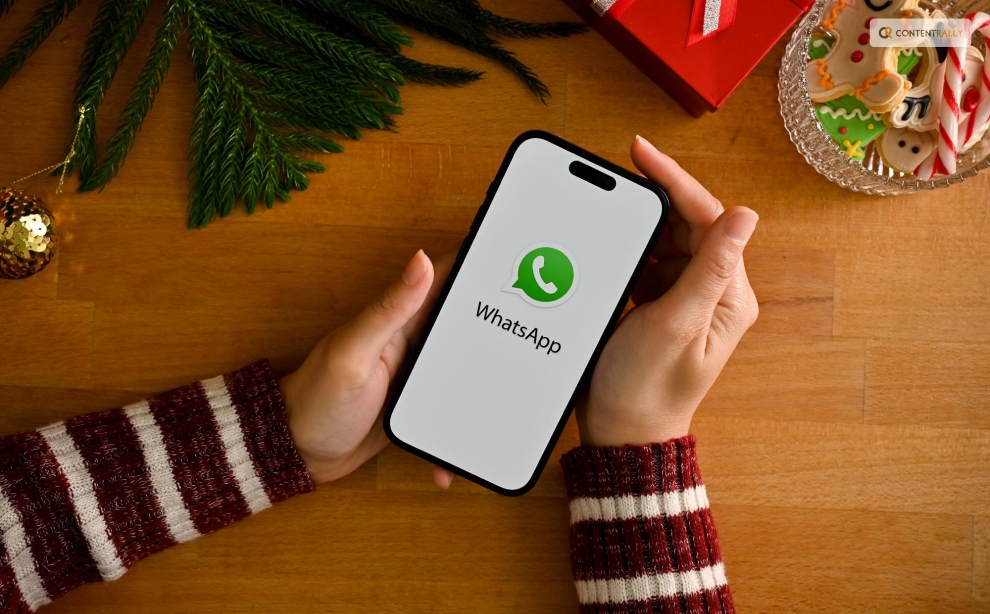
With WhatsApp Stickers, you can communicate and express yourself on the messaging app in a whole new way. But what if you’d prefer to utilize the original sticker sets instead of the default ones? Here’s how to use your smartphone to create custom WhatsApp stickers.

The cross-platform, free WhatsApp sticker maker app is called Sticker Maker (Sticker Maker Studio on iOS). We’ll use it to demonstrate how simple it is to start your first sticker collection.

To create WhatsApp stickers using Sticker Maker, follow these steps:

Select the My stickers tab after opening the app. Next, choose to make a new sticker pack.

As the author, enter your name and give your pack a name.

After that, you can add stickers to the created pack by opening it.

To add your first sticker, click on any of the boxes numbered 1 through 30. To create stickers using your photos, choose Open Gallery and find the desired image in your library.

Next, you can decide which portions of the picture to turn into a sticker. For most images with a transparent background, Smart Select performs admirably.

If not, you should use the more accurate selection tools to the right or Select All.

Before selecting Save Sticker, text and a colored outline can be added.

The pack will now include the sticker. To increase the number of stickers in a pack, click the remaining boxes and repeat the process until you have 30 stickers.

To send the pack to WhatsApp after you’re done, choose Add to WhatsApp. Before you can add the pack in the free version, an advertisement will appear.

Emojis that correspond with a sticker can be changed via the menu that appears when you click on it. After that, you can use these emojis to look through your WhatsApp stickers. With personalized stickers, you can accomplish so much. They are incredibly simple to make and send, and they can liven up your WhatsApp exchanges and conversations. So, why do you hesitate? Now go ahead and make stickers out of your favorite memes and pictures, then share them with your friends.

Read Also:
Content Rally wrapped around an online publication where you can publish your own intellectuals. It is a publishing platform designed to make great stories by content creators. This is your era, your place to be online. So come forward share your views, thoughts and ideas via Content Rally.

View all posts

Leave a Reply

Your email address will not be published. Required fields are marked *

Related

Daltoosh Claims Dr Disrespect Is Not Better Than Him

Daltoosh Claims Dr Disrespect Is “Not Better” Than Him: Report 

It is not surprising to see rivalry in gaming. Fans have witnessed many streamers like iiTzTimmy compete in many professional tournaments. But now a new rivalry is brewing between two streamers: Daltoosh and Dr Disrespect. But this rivalry may not be in the gaming field as many fans would think. For those who don't know Daltoosh is a streamer for the eSports organization TSM. He streams mainly games like Apex Legends. On the other hand Dr Disrespect has made a name for himself with his mastery of FPS games. However, the two gamers are competing in an entirely different category. In a latest build up, many gaming streamers started playing golf in a Lexus-Esports Awards 2023 event. Many gamers such as Daltoosh and fatal1ty were also present. In between the matches, Daltoosh was asked the question, “Who is the best golfer who is also a gamer?” Daltoosh thought about it, remarking about the number of golfers who are also gamers. After pondering long and hard DAltoosh presented Nadeshot as the best golfer-gamer. He is the founder of 100 Thieves. But he added that his own skills are equally at par with Nadeshot. In the follow-up question Daltoosh was asked to give his views on Dr Disrespect's golfing skills. Answering it he said, “Doc? Yeah, he can kick my a** but he’s not better at golf than me." This answer left many fans laughing and humored. Dr Disrespect is yet to respond to the comment made by the TSM streamer. But meanwhile fans have shared their opinion. One fan has taken Dr's side saying, “Can you believe this guy?!”Another fan praised the question raised by the interviewers while others showed surprise over Daltoosh's take. Read More About: Is AI Changing The Insurance Sector? The Brains Behind ChatGPT: Who’s Pulling the Strings?

READ MOREDetails
HBO Max Decides To Take Away 4K From Ad-Free Subscription Plans

HBO Max Decides To Take Away 4K From Ad-Free Subscription Plans

In May, HBO Max underwent a transformation and became Max. At that time, Warner Bros. Discovery assured existing subscribers on the ad-free plan that they could enjoy certain perks, such as 4K streaming, for a minimum of six months without any additional charges. Now, as we approach that six-month mark, it's time for a change. Max is reaching out to its affected customers, notifying them that while their monthly subscription cost of $15.99 will remain unchanged, they will lose a couple of perks starting on or after 5 December 2023. Specifically, 4K (and HDR) streaming will no longer be available for legacy customers. They will be limited to HD quality, similar to new signups for Max's ad-free tier. To continue enjoying 4K playback, legacy subscribers can upgrade to the "ultimate" plan, which costs $19.99 per month. This will be done for users who use their plan on smartphones and on their smart televisions. Legacy ad-free subscribers also had an extra concurrent stream (for a total of three) compared to the standard two offered to new $15.99 plan subscribers. Unfortunately, this perk will also be discontinued starting with the December billing cycle. There is currently no clarification from Warner Bros. Discovery regarding whether any subset of customers can retain these benefits. It's worth noting that downloads remain unaffected by these changes. Both legacy and current ad-free customers can still save up to 30 titles on supported devices for offline viewing when they don't have an internet connection. For those looking for a more budget-friendly option, Max offers a "with ads" tier priced at $9.99. While this tier doesn't include offline downloads, it does allow for two simultaneous streams and offers HD picture quality. Additionally, Max recently introduced an optional sports add-on that is free until 29 February 2024 but will cost an additional $9.99 per month for customers who wish to continue using it. Read Also: Elon Musk To Introduce New Products That Will Challenge YouTube And LinkedIn YouTube Premium Introduces International Price Hikes After Cracking Down Ad Blockers

READ MOREDetails
Fake Health News

7 Shocking Causes of Fake Health News & Their Consequences 

The term “Fake News” has existed since the 1800s but has resurged in the last decade.   Often, one political side uses it as a defense mechanism against negative articles. The result is societal confusion over what’s true and what’s not.  When health news becomes unreliable, the consequences are more severe. This trend, fueled by political partisanship, has become increasingly dangerous.   Generally, mainstream media like television and print journalism maintain enough integrity to avoid spreading fake health news. However, in the social media landscape, fake stories spread rapidly with a simple click. The Causes The primary cause of fake health news is profit. More shares and likes equal more advertising opportunities. The healthcare industry, especially pharma, spends heavily on advertising.   With every click generating potential revenue, it’s no surprise that some lesser “news” services embellish or even lie to grow their following.  For example, a fake article on “Natural News” claimed the cancer industry was a scam for profit. It received 5.4 million hits, and the site’s Facebook page gained over 3 million followers.   Popularity pays!  In social media monetization, influencers can earn about $10 per 1,000 followers for sponsored content.   Once they hit 1 million followers, they can make up to $1,000 per post solely through advertising.  The Consequences As social media continues to expand, the potential for spreading fake news also grows. The issue needs attention because the consequences can be real and even fatal.   Some stories don’t cause direct harm, such as one claiming ginger is a better cancer treatment than chemotherapy. Still, they mislead people away from proper care.  For patients with terminal illnesses, hope is everything. False stories, like one about a diabetes cure in Mexico, can give false hope to those desperate for solutions. The most harmful fake news encourages the use of FDA-unapproved products.   Although these stories often remain on social media, even the U.S. president once promoted a chemical as a COVID-19 cure.   Clinical trials showed that the chemical increased heart attack risks and was not safe for such use. The Cure Given social media’s global reach, the best way to combat fake news is through education.  Teaching about its dangers can prevent this from becoming a generational issue, unlike other falsehoods rooted in fear.   Currently, many prominent social media platforms flag posts containing false or misleading information.  People believe in fake news because it aligns with their existing beliefs. This makes government regulation challenging, especially as new social media platforms arise, vowing not to flag any content. Again, this approach is money-driven. How to Check Whether a Health News Over Social Media is Fake  With the deluge of health news filling up your Facebook feed, it’s important to know how to spot real from fake.   Sure, fake news can be damn convincing these days — but there are a few good tricks of the trade to protect yourself.  Check the Source First and foremost, always check the source. Is the article coming from a reputable organization or a well-known health authority?   Credible sources include government health agencies, recognized research institutions and trusted news outlets.   If the source is obscure or lacks a professional presence, be cautious. A questionable source can be a red flag even if the information seems convincing.  Reference Studies Legitimate health news should reference studies, expert opinions, or credible data. If the article cites scientific research, look for links to peer-reviewed journals or established medical websites.   Beware of articles that make sensational claims without backing them up with evidence. Even when there’s a study mentioned, ensure it’s recent, relevant, and conducted by recognized experts in the field.  Watch for Emotional Triggers Fake health news often relies on emotional triggers to generate clicks.   If a post uses language like “miracle cure” or “secret the government doesn’t want you to know,” it appeals to your emotions rather than your intellect.   Real health information is rational, calm, and devoid of sensationalism.  Compare against other Reliable Sources If you’re not sure if a piece of information is accurate, see if other reliable sources report similar news.   In fact, if the news article is true, it will likely be reported by more legitimate organizations or outlets as well.   If you only find that news on questionable sites or personal blogs, it’s better to ignore them.  Check the Writer’s Background Who wrote the article? Is it a doctor, a journalist with a strong history of health reporting, or an expert in the field?   If you can’t tell, don’t know what the writer has for credentials, or don’t tie closely to health, their information may be iffy.  Watch out for Biased (and sponsored) Content Sometimes, content is created to sell something, whether it’s a product or an idea. Sponsored articles, particularly those highlighting supplements or treatments, are usually biased.   Check for disclaimers and consider whether the article is more about making money than offering accurate health information.  Publication Date Health guidelines and research are constantly evolving. An article that’s a few years old may not be accurate or relevant anymore.   Be sure to check when it was published to get the most current information.  Use Fact-Checking Websites Lastly, consult fact-checking websites like Snopes, FactCheck.org, or Health Feedback to fact-check a suspicious claim.   These platforms research and investigate viral stories and can usually verify whether something is true or not. Read Also: How to Keep up on the Latest News How Cutting Edge Technology is Helping Dubai Improve its Healthcare Services Health Tips For Managing High Cholesterol

READ MOREDetails