Published on: 27 January 2021
Last Updated on: 24 December 2024
Throughout the year our gardens are constantly changing from season to season, which creates a fresh and exciting feel every month. From beautiful blooms in the spring to crisp, frosty layers during the winter, our gardens always provide a captivating aesthetic to enjoy. When it comes to the winter months, many people neglect their gardens and wait until the warmer days arrive again, but this shouldn’t be the case. There are lots of ways to keep your garden looking its best throughout the winter, including adding a deer fence to protect your garden and property from animals and wildlife, and here’s other tips…
Invest in a Greenhouse
Greenhouses are a must for anyone keen to continue gardening during the winter months and maintain a beautiful garden aesthetic. From the moment you introduce a greenhouse, you open up your gardening options, giving you the chance to work on all kinds of wonderful projects. You’ll also find that a greenhouse helps to bring character to the garden, adding to the overall look of your outdoor space. A greenhouse also enables you to work on projects that may need a little encouragement in a warm environment, before adding them back to your garden to help brighten the area and enhance the aesthetic.
Take a look at Two West’s wide selection of greenhouses here to find the right fit for your garden.
Embrace Winter Colour
Keep your garden looking bright and colorful by adding a selection of winter-blooming plants to your pots and beds. From winter-blooming daphne to pansies and cyclamen, you can bring an assortment of gorgeous winter colors to really bring life to your garden. Whether you opt to plant these bloomed plants during the winter for instant color, or you decide to plant your seeds earlier in the year for winter blooms, you can create a stunning aesthetic and add a trendy feel to your garden.
Find the perfect winter blooms here available at Dobies to bring a seasonal touch to your garden.
Install Outdoor Lighting
Having a display of outdoor lighting can really help to illuminate your exterior, not only adding to the overall aesthetic but also enhancing your home's security. There are lots of different ways to introduce lighting, from subtle lights positioned neatly along the outskirts of your lawn or along the path, to brighter lights that stand tall and brighten the whole space. Do a little research into different types of outdoor lighting to see which would work best with your home's style and layout and invest in the best style for you. It’ll be much easier to enjoy your garden on those darker evenings once you have your outdoor lighting fitted.
Visit Lights.co.uk here to find inspiration for outdoor lighting to introduce to your home and garden.
Frequently Sweep Up Leaves
Many people see sweeping up the leaves in the garden to be a pointless task, as sooner or later they’ll be back to sweep up again. This may be the case, but by sweeping up the leaves you are able to keep your garden looking its best, even during the winter. Leaves and generic debris can create a very messy, untidy look for the garden so it’s always beneficial to keep on top of sweeping them off to the side or removing them from flower beds and your lawn area. You’ll be amazed how much of a difference this small but practical task will make!
Read Also:
Content Rally wrapped around an online publication where you can publish your own intellectuals. It is a publishing platform designed to make great stories by content creators. This is your era, your place to be online. So come forward share your views, thoughts and ideas via Content Rally.
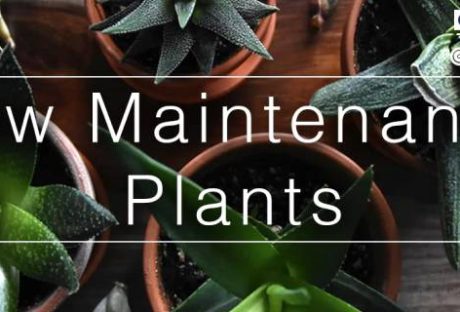
I have always enjoyed gardening, spending time in nature, and a general affliction towards plants. However, once professional commitments started taking up too much time, I was left with 'no time to stand and stare'. Whatever time I had left, most of it went behind work, and my plants started shriveling up. Do you relate?
If this sounds relatable, then keep reading to find out what I did to change things and give my plants the time they need. Well, for starters, I started investing more in low-maintenance plants. These plants can easily thrive well under low lights and can quickly bounce back in case of one or more missed watering. So soon, I was able to spot the change!
10 Best Low Maintenance Plants To Buy In 2024:
It was a discovery that I thankfully stumbled upon. It made things so much easier for the anthophilous inside me that I was motivated to write about it. If you are also planning to purchase a few low-maintenance plants, then scroll down to find out more on the same!
1. Cacti
If you have long and irregular work schedules, then Cacti is probably the best low-maintenance indoor plant. Cacti plants can thrive well in light that’s natural and requires water only once every week during summer and spring. During winter and fall, you just need to water your cacti once in three weeks.
Price: 18 dollars (for four)
Why Do We Love It?
Can be grown easily
Can be cared for easily
Great option as a gift
2. Air Plants
Air plants are great alternatives for low maintenance plants - they do not even need soil for survival. All that you have to do in this case is dunk these plants in the water for 2 to 3 hours, once every ten days. Now is that not perfect? This is entirely doable every 10 days while you spend your afternoon sunk knee-deep in work.
Price: 14 dollars (for five)
Why Do We Love It?
Easy to maintain
Very affordable
Saves time
3. Pothos
Pothos is also referred to as Devil’s Ivy and is one of the best types of low-maintenance house plants. The best part? These plants can thrive well in both light and darkness. So if you keep it in your low-light cubicle, the plant will survive, and the same goes for brightly lit areas. Also, it can survive when you forget to water the plant.
Price: 18 dollars (for five)
Why Do We Love It?
Air-purifying properties
Value for money
It comes in a grower’s pot
4. ZZ Plant
The ZZ Plants thrive the best in brightly lit rooms, but that does not mean they cannot survive in moderate or low lights. Just like cacti, you don’t need to water them every day. Moreover, it’s a pretty sturdy plant. When you notice that the leaves are falling off, simply water it properly, and you will soon notice the plant from bouncing right back.
Price: 26 dollars
Why Do We Love It?
Can thrive in both natural and artificial light
Sturdy and durable
Great option as a gift
5. Spider Plants
Spider plants are pretty great options if you are looking for low-maintenance plants. These spidery plants tend to dry out in between two watering sessions. In addition, spider plants thrive pretty well under indirect light, and as a result, these plants can flourish well even inside windowless, dark offices.
Price: 12 dollars
Why Do We Love It?
Can thrive well in both natural and artificial light.
Air-purifying properties.
Great option as a gift for apartments, office cubicles, dorm rooms, and the like.
6. Snake Plants
There are low-maintenance plants, and then there are Snake plants. These are not just great as low-maintenance outdoor potted plants but also as plants for low-lit indoor cubicles. Simply put, snake plants are great alternatives for those offices where you get just thirty minutes for grabbing your lunch - let alone watering your plants.
Price: 38 dollars
Why Do We Love It?
Has higher carbon dioxide absorbing efficiency and releases oxygen at night.
Has premium air-purifying properties.
Versatile - can be planted in a pot or directly into the ground.
7. Succulents
Succulents are amazing not because they can be easily maintained but mostly because it has thick leaves that store water. As a result, these plants needed to be watered once a week. Also, these thrive well in dry air and sunlight. No wonder succulents are the best low-maintenance outdoor potted plants.
Price: 19 dollars (for five)
Why Do We Love It?
Easy to grow and maintain
Very affordable
Perfect for DIY or doing your home decor
8. Bamboo
Considered to be a lucky plant, Bamboo needs some light for thriving. This technically means Bamboo plants are great for those cube desks at work. If anyone is starting a new job, it’s best to gift them a bamboo plant wishing them good luck. Also, these plants give any workspace a Feng Shui boost.
Price: 28 dollars
Why Do We Love It?
Easy to grow and maintain
Value for money
Ideal gift for everyone
You May Also Like This:
9. Peace Lily
Peace lilies look beautiful, and they also happen to be very easy to grow and maintain. All you need to do is keep misting the leaves and moisturize the soil regularly. However, make sure you are not overwatering the plant, and you should keep the plant away from direct sunlight.
Price: 24 dollars
Why Do We Love It?
Thrives in indoor light
Has health benefits
Easy to maintain and care for
10. Red Aglaonema
Did you know that the Red Aglaonema is new and happening presently? The leaves are all reddish-pink, while the stems are pink. This low-maintenance plant simply amps your cubicle’s personality a few notches higher. Naturally, these will appear brighter in well-lit rooms, buts they can also thrive well under low light.
Price: 21 dollars
Why Do We Love It?
Sturdy and durable
Adds texture and color to different spaces
Ideal for dorm or room decor
11. Dusty Miller
Often called silver ragwort, this icy-looking plant can withstand shade but prefers bright light. The distinctive, silvery leaves become more green-gray in shaded areas, which is also a visually pleasing effect. Its foliage is the main attraction, though it produces small, bright yellow blooms in midsummer.
12. Ribbon Grass
Because they spread easily, these variegated blades make an excellent ground cover option. They do not mind shade or sun, but they do love moisture. When planted as a border in your garden, they create a charming link between the grass and the garden. Just make sure to use your shovel to create a sharp trench to keep it from getting into your flowers.
13. Cosmos
The name "cosmos" comes from the Greek word for "harmony" or "ordered universe," and Mexican priests gave these happy little flowers this name due to their perfectly arranged, uniform petals. You'll have blooms from spring into autumn because these annual flowers reseed and grow well in full sun.
14. Butterfly Bush
Some of the longest-blooming shrubs are these sun-loving plants. They are drought- and insect-resistant and have a vibrant range of colors that are perfect for summer. The plants will naturally draw a large number of hummingbirds and butterflies throughout the fall season.
Frequently Asked Questions (FAQs):-
Q1. What Is The Most Low Maintenance Plant? Ans: The most low maintenance plants are,⦿ Aloe vera⦿ ZZ plant⦿ Snake plant⦿ Spider plant, and⦿ Cast-iron plant Q2. What Are The Easiest Plants To Take Care Of? Ans: The easiest plants to take care of are,⦿ Cast-iron plant⦿ Snake plant⦿ ZZ plant⦿ Spider plant⦿ Aloe Vera. Q3. What Is The Most Durable House Plant? Ans: The most durable house plants are,⦿ ZZ plant⦿ Snake plant ⦿ Chinese money plant⦿ Bromeliads⦿ Chinese Evergreen Plant.
Wrapping Up:
Remember that it is always a good idea to check the resources available through your local extension service, even if the plants you choose are designated for your USDA Plant Hardiness Zone and the light and soil conditions of your site. By taking into account factors like wind, humidity, rainfall, and more, you can determine what grows best in your area. It's worth noting that not all plants labeled as "deer-resistant" will withstand deer damage.
Are you looking for additional strategies to work in the garden more efficiently rather than more laboriously? Invest in a base of well-established evergreen shrubs; you'll be grateful for it come winter. Fast-growing vines can make a big difference for an ugly fence or garden wall without requiring a lot of work.
Additionally, check out container plants and outdoor hanging plants if your garden is limited to a patio or balcony
Low-maintenance plants are pretty popular presently. Mostly because they are easy to grow and maintain. So what are you waiting for? Invest in some low-maintenance plants today, and let us know which one are you buying first.
Read Also:
Planting & Harvesting Mint
List of White Flowers in the world
All You Need To Know About Resurrection Plant and its Facts
When it comes to furnishing your home, looking for an optimum furniture store is crucial. There are plenty of options available, but it might be a bit overwhelming to make the best choice for your needs and style preferences. In this comprehensive guide, we will walk you through the essential aspects of selecting the perfect furniture store, ensuring you get the best value for your investment.
Why Choosing The Right Furniture Store Matters
Your choice of furniture store can significantly impact the quality, style, and overall satisfaction of your furniture purchase. Here's why it matters:
Quality Assurance
High-quality furniture ensures durability and longevity. Reputable furniture stores toronto source their products from trusted manufacturers, guaranteeing top-notch craftsmanship.
Style And Variety
Each furniture store has its unique style offerings. Finding one that aligns with your taste and home decor is essential for a harmonious living space.
Budget Considerations
Furniture prices can vary significantly from store to store. Choosing a store that fits your budget without compromising on quality is vital.
Customer Service
Excellent customer service can make your shopping experience enjoyable and hassle-free. Friendly and knowledgeable staff can help you make informed decisions.
Factors To Consider When Choosing A Furniture Store
Reputation
Look for stores with a strong reputation in the market. Reading reviews and asking for recommendations can help you identify trustworthy options.
Product Quality
Inspect the furniture's materials and construction. Solid wood and high-quality upholstery are signs of a good product.
Style And Aesthetics
Consider your personal style and the overall look you want for your home. Choose a store that aligns with your aesthetic preferences.
Budget-Friendliness
Set a budget beforehand and stick to it. Compare prices from different stores to find the best deal for your budget.
Return Policy And Warranty
Ensure the store offers a reasonable return policy and a warranty on their products. This provides peace of mind in case of any issues.
Delivery And Assembly
Check if the store provides delivery as well as assembly services. This can save you time and effort in setting up your furniture.
Top Furniture Store Chains
IKEA
Popular for its affordable as well as modern furniture sets, IKEA is a favorite among budget-conscious shoppers.
Ashley HomeStore
Ashley HomeStore offers a massive range of stylish and well-crafted furniture pieces suitable for various tastes.
Wayfair
Wayfair is an online retailer with an extensive choice of furniture, making it easy to find unique pieces for your home.
Crate & Barrel
Crate & Barrel is known for its contemporary and elegant furniture, perfect for those with a taste for sophistication.
Making Your Final Decision
Once you've considered all the factors and explored various options, it's time to make your final decision. Trust your instincts and choose the furniture store that aligns best with your needs and preferences.
Selecting the right furniture store is a crucial step in creating your dream home. With careful consideration of factors like reputation, product quality, style, and budget, you can look up for the best store to fulfill your furnishing needs.
Read Also:
10 Best Bedroom Plants To Buy In 2022
How You Can Update Your Home with Cream Color
Is Home Furnishings A Good Career Path In 2021?
If you want your air conditioner to perform well at all times, you will need to ensure that you maintain and clean the parts of the air conditioner on a regular basis. If you schedule your maintenance as per the requirement of the AC, then it is great. However, in some cases, people like to clean their AC themselves. If you are one of them, you might be interested to know how to clean evaporator coil without removing it when you have a dirty evaporator coil.
In this article, we will basically talk about why you need to clean your AC's evaporator coil and how to clean evaporator coil without removing the coil from the AC. Before that, you will also know about what happens to the air conditioner when the evaporator gets dirty.
What Happens When Your AC Coil Gets Dirty?
Image Source: lirp.cdn-website.com
If the evaporator coil of your AC is unclean, it puts your AC at risk. It compromises the safety and working efficiency of the AC in general. In the first, an unclean evaporator coil slows down the speed at which the air blows through the AC, as it blocks the flow of the air. If the evaporator coil contains other materials and particles like pollen and dust, it limits the efficiency of the flow of air.
The following things happen when there is an unclean evaporator coil inside the air conditioner:
1. If the evaporator coil is dirty or clogged with particles, then it reduces the flow of air into your home. If there is a reduced flow of air inside your home, it will lead to a lowering of the efficiency of the cooling system of the AC. Your room takes a lot of time to cool than it normally takes, probably your evaporator coil needs cleaning.
2. There might be some cases where your room is not achieving a good level of cooling, despite running the AC for hours at a stretch. In such cases, the problem is probably more than a delay in the cooling performance of the AC. Basically, it is a negative effect on the AC's cooling capacity.
3. Another great issue that happens when the evaporator coil of your AC gets dirty is that the operating pressure increases. This increases the temperature level of the AC, as the unit is working at hotter levels. This is not good for the AC as it damages the components of the AC.
4. An unclean evaporator coil creates wear on the AC system. If one important part of the AC fails to work properly, the other parts follow suit. This is because there is more pressure on the other components of the AC. Hence, the other parts are more likely to get damaged due to the failure of one part. Therefore, you will end up with a damaged AC altogether, and repairing it will be quite expensive for you.
5. If your AC’s evaporator coil gets compromised and does not work properly, then it affects the performance of the other parts of the AC. Hence, your AC unit will have a shorter life. If you want your AC unit to perform well and serve your home for a long time, you will need to ensure that every part of your AC is clean, especially the evaporator coil.
Why Do You Need Your Air Conditioner Coil Clean?
Image Source: www.cleanairprotx.com
You will not need to spend a lot on the repairs of the AC. Regular maintenance will keep out the issues from the AC that need repair. Before any problem turns into a bigger one, you can fix it with regular maintenance. Apart from that, if you keep your evaporator coil clean always, it will not accumulate dust and hence will perform better as a result.
How To Clean AC Coils? – Things You Need?
Image Source: phyxter.ai
The first thing you will obviously need for your AC cleaning is an air conditioner coil cleaner. Apart from that, you will need a cotton cloth for cleaning the coil. For your own protection, wear protective goggles, and wear gloves on your hand for better protection. Furthermore, ensure that you are following the instructions properly while you are cleaning your AC’s evaporator coil.
How To Clean Evaporator Coil Without Removing?
Image Source: snyderac.com
The evaporator coil basically captures all the heat present in your home to condition the air inside. Apart from the evaporator coil, there is a condenser coil in the AC, which removes the air from the AC to the outside of the house.
This is the way in which the AC works in colling the house. Since an evaporator is an important part of your air conditioner, hence keeping it clean will enable you to keep your air conditioner always efficient. However, if your question is, “How to clean AC evaporator coils inside house?” then you need to read the next subsection of this article.
Read More: Here’s What Makes Package Units Better than the Other ACs
AC Coil Cleaners - How To Clean Evaporator Coil Without Removing?
Image Source: img.fruugo.com
The following are the ways in which you can clean the evaporator coil of your AC without removing it from the AC:
Step 1: Turn down the power of the AC, and unplug the machine from the electric port. You will not need an electricity risk for yourself while cleaning.
Step 2: Remove the access panel from the AC to see the evaporator coil clearly. Go over the manual of the AC, if required. The manual has instructions on where you can find the access panel.
Step 3: Take the access panel off, and remove the screws from the AC. Keep the screws in a safe place.
Step 4: To blow the unclean particles off, try using a compressed air canister. This will help you to easily loosen the dirt on the evaporator coil.
Step 5: Put back the screws, as well as the access panel. Your evaporator coil is clean.
Summing Up
Hope the article helped you in knowing how to clean evaporator coil without removing it from the AC. Cleaning your AC is a part of the maintenance operation of the AC. If you maintain your AC on a regular basis, it will offer you a lot of benefits. There will be less hassle and issues on your AC as a result of regular maintenance and cleaning. If you clean the parts of your AC, your AC will look and perform as if it is fully new.
Read Also:
Best Paying Jobs In Electric Utilities Central
How to Brew the Best Beer with an Electric Brew System
13 Ways to Maintain the Coolness of Your Air Condition Unit














 Greenhouses are a must for anyone keen to continue gardening during the winter months and maintain a beautiful garden aesthetic. From the moment you introduce a greenhouse, you open up your gardening options, giving you the chance to work on all kinds of wonderful projects. You’ll also find that a greenhouse helps to bring character to the garden, adding to the overall look of your outdoor space. A greenhouse also enables you to work on projects that may need a little encouragement in a warm environment, before adding them back to your garden to help brighten the area and enhance the aesthetic.
Take a look at Two West’s wide selection of greenhouses here to find the right fit for your garden.
Greenhouses are a must for anyone keen to continue gardening during the winter months and maintain a beautiful garden aesthetic. From the moment you introduce a greenhouse, you open up your gardening options, giving you the chance to work on all kinds of wonderful projects. You’ll also find that a greenhouse helps to bring character to the garden, adding to the overall look of your outdoor space. A greenhouse also enables you to work on projects that may need a little encouragement in a warm environment, before adding them back to your garden to help brighten the area and enhance the aesthetic.
Take a look at Two West’s wide selection of greenhouses here to find the right fit for your garden.
 Having a display of outdoor lighting can really help to illuminate your exterior, not only adding to the overall aesthetic but also enhancing your home's security. There are lots of different ways to introduce lighting, from subtle lights positioned neatly along the outskirts of your lawn or along the path, to brighter lights that stand tall and brighten the whole space. Do a little research into different types of outdoor lighting to see which would work best with your home's style and layout and invest in the best style for you. It’ll be much easier to enjoy your garden on those darker evenings once you have your outdoor lighting fitted.
Visit Lights.co.uk here to find inspiration for outdoor lighting to introduce to your home and garden.
Having a display of outdoor lighting can really help to illuminate your exterior, not only adding to the overall aesthetic but also enhancing your home's security. There are lots of different ways to introduce lighting, from subtle lights positioned neatly along the outskirts of your lawn or along the path, to brighter lights that stand tall and brighten the whole space. Do a little research into different types of outdoor lighting to see which would work best with your home's style and layout and invest in the best style for you. It’ll be much easier to enjoy your garden on those darker evenings once you have your outdoor lighting fitted.
Visit Lights.co.uk here to find inspiration for outdoor lighting to introduce to your home and garden.