









10 Best Tall House Plants To Buy In 2022

Published on: 28 March 2022 Last Updated on: 26 April 2022
tall house plants

In the present era, interior design has changed a lot compared to what it was a decade ago. Nowadays, most people are bold enough to experiment with anything and everything when it comes to having an alluring interior.

In such a condition, you can find the tall house plants playing a prominent role in boosting the interior outlook of the house. So, if you also desire to keep them in the house interior, this article is for you.  The best you can do is go through the list below and choose the right plant to keep in your room.

However, remember that the rare plants in this list can be expensive. So, it can be a good step to know about the plants at first and later invest money. So, take a look at the list for now.

Read More: 10 Best Trailing Indoor Plants To Buy In 2022

Top Ten House Plants You Can Keep In 2022

Here is the list of the top ten house plants that you can keep in your place this year. One common factor in all these plants is that they have an aesthetic outlook. So, you can check all entries here.

1. Snake Plant
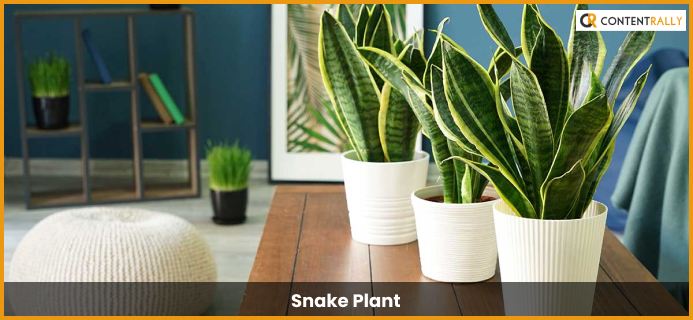
Snake Plant

The Snake Plant is scientifically known as Dracaena Trifaciata. The unique and alluring fact about this plant is the presence of fleshy leaves. This plant can grow up to 6 feet and thus, you can consider it as a tall tree to keep in the house.

In case of buying tall indoor house plants anytime soon, you should always check the price. The best you can do is give water in intervals to allow a snake plant to grow.

2. Money Tree
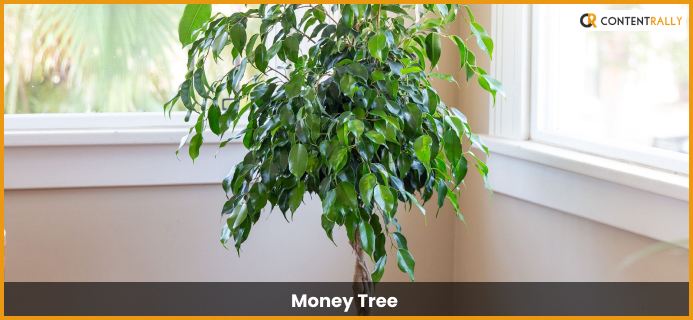
Money Tree

Money trees can grow up to 8 feet and you can keep them in your hall or drawing room area. The braided stem of this plant can ensure added aesthetics to your place. When buying a money tree, you should always check if it is mature.

Expect the price of a money tree to be high but it would always come between $60 to $80. Make sure to give the plant, indirect light, and water every two weeks.

3. Mini Monstera
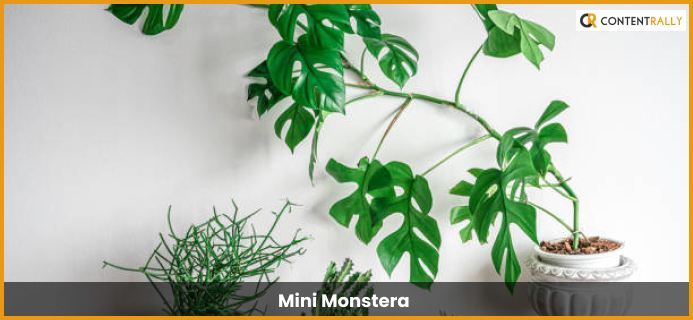
Mini Monstera

If you are looking for a plant that has lush green leaves, the Mini Monstera can be the right plant for you. If you desire to keep this plant at your place, make sure to add a stick or robe to it. As a result, you can expect this plant to grow some 12 feet.

The price of a small Mini Monstera Plant is $20 to $80 approximately. However, you can check an e-commerce site to know the exact price. The best you can do is buy this plant as a tall house plant real. Finally, the only thing you need to remember is to give the plant indirect lighting. This can always keep the plant healthy for a long time.

4. Majesty Palm
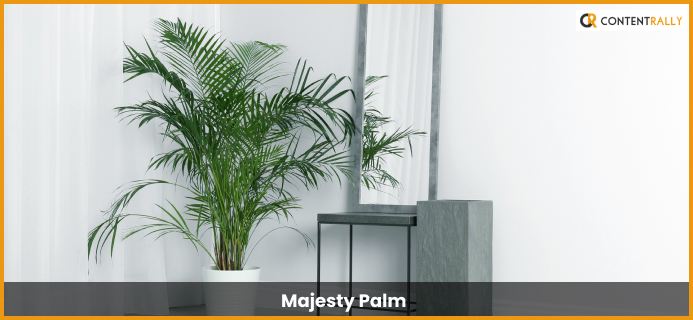
Majesty Palm

The majesty palm is one of the greatest tall house plants of all time. It is famous due to its pet-friendliness. You would be amazed to know that the plant needs much less maintenance. In only a few months, the Majesty  Palm can grow up to 10 feet approximately.

The only thing this plant need is indirect light.  Moreover, some humidity in your room can also be beneficial for this plant to grow. When searching for a Majesty Palm in the market, you should look for a matured plant. Expect its price to be at $30 to $90.

5. Elephant’s Ear

Elephant’s Ear

The trade name of the Elephant’s Ear plant is Alocasia. It is an example of tall tropical house plants that can grow more than 10 feet in length. Now, this plant is a bit expensive because of the unique shape of the leaves.

In the US. people to grow this tree in a medium-sized pot. Like all other plants in this list, this plant also needs indirect lighting. For an Alocasia, you might have to spend $100-200 for a matured plant. Make sure to check the breed of the plant when you buy it.

6. Fiddle Leaf Fig
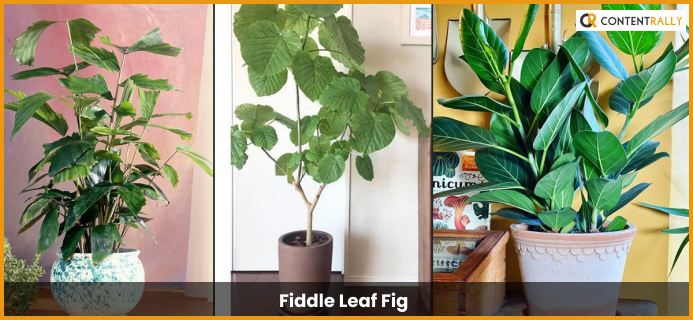
Fiddle Leaf Fig

Ficus Lyrata is the scientific name of a Fiddle Leaf Fig. The plant has got such a name because its leaves look like a fiddle. This plant can also grow above 10 feet but the average height is from 5 ft to 10 ft. The only thing you need to keep in mind is to keep the plant in a sunny, watering area. So, it can quickly gain its height.

7. Rubber Plant
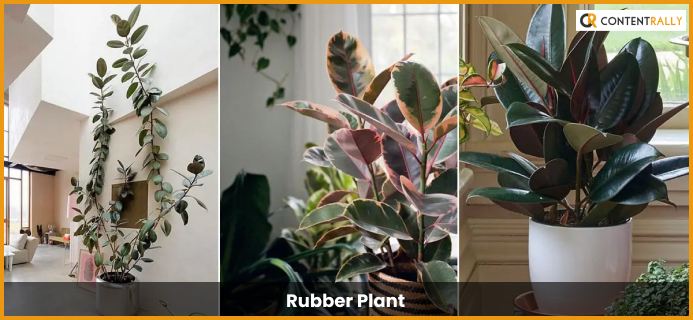
Rubber Plant

If you have a room where you get bright light, try keeping a rubber plant. Rubber plants grow rapidly when they get bright light. So, you can expect this plant to grow some 8 to 10 feet. The only thing you need to remember is to apply fertilizers to the plant on a bi-weekly basis.

8. Bird Of Paradise
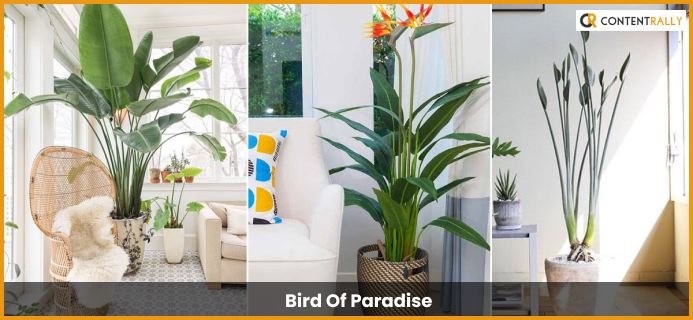
Bird Of Paradise

When it comes to tall house plants in low light, you can count on Birds Of Paradise. This leafy plant can grow above 5 feet and you can give it some indirect headlight. The best you can do is attach some other plants with them in the same tub. Expect to get a healthy Bird Of Paradise Plant in some $50 on the leading e-commerce websites.

You May Like To Read This: 5 Tips to Keeping Animals Away From Your Garden

9. Parlor Palm
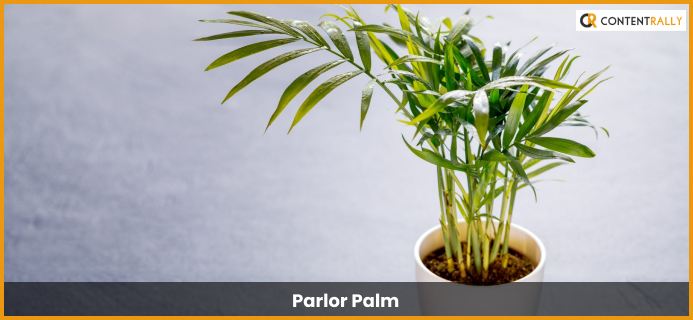
Parlor Palm

The Parlor Palm is yet another tall tree that you can keep in your house. The best thing about this palm tree is that it needs much low maintenance. This tree can grow up to 6 feet. You can get a matured plant for $60 to $90.

10. Draecana
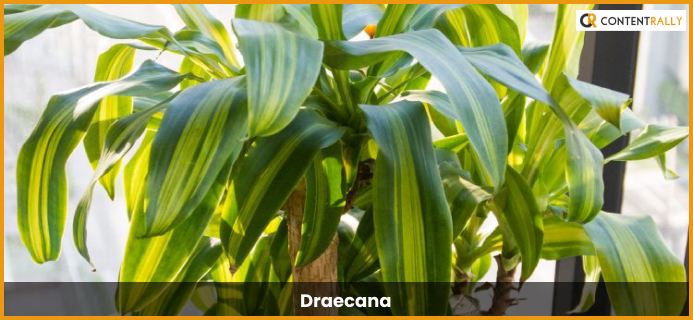
Draecana

The last entry in the list of tall house plants is Draecana. It is different from the aforesaid variant as it has red leaves. It also grows tall in low light. So, you can keep it in your house. Look for a matured plant if you have a plan to purchase it soon.

Frequently Asked Questions (FAQs):

Q1. What Is The Plant Of 2022?

The baby rubber plant and potted bamboo are two plants that you can buy in 2022.

Q2. What Houseplants Grow The Tallest?

The snake plant is among the best house plants that grow the tallest.

Q3. What Is The Most Popular House Plant?

The rubber plant and parlor palm are some famous house plants.

Q4. What Plants Are Trending Now?

The Island Pine and Areca Palm plants are trending in the current year.

Final Words

You might think that the tall plants might be difficult to keep in the houses but it is just a myth. The correct plants would always grow and remain healthy in your house.

The best for you would be to choose a plant from this list. Most of the plants mentioned here are excellent when it comes to indirect light and low maintenance. However, you should remember watering them and applying fertilizers.

Read More:

  1. Garden Edging for Beginners
  2. DIY Ways to Control Pests in Your Garden
  3. Best Material for Garden Sheds: A Guide for Everyone
Content Rally wrapped around an online publication where you can publish your own intellectuals. It is a publishing platform designed to make great stories by content creators. This is your era, your place to be online. So come forward share your views, thoughts and ideas via Content Rally.

View all posts

Leave a Reply

Your email address will not be published. Required fields are marked *

Related

Versatility Of Cream-Colored Rugs

Cream-Colored Rugs: A Must-Have Addition For Home Decor

Cream-colored rugs are a versatile and timeless addition to any home decor. With their soft and elegant hue, these rugs bring warmth and sophistication to any space. Whether you want to create a cozy ambiance in your living room or add a touch of luxury to your bedroom, cream-colored rugs are the perfect choice. In this blog post, we will explore the different types of cream-coloured rugs available, how to decorate with them in various spaces of your home, and the many benefits they offer. So get ready to be inspired by the beauty and versatility of cream-colored rugs! Why Cream-Colored Rugs? Cream-colored rugs are highly sought after for several reasons. Their neutral color makes them incredibly versatile and easy to incorporate into any existing decor scheme. Whether your style is traditional, modern, or eclectic, a cream-colored rug can seamlessly blend in and enhance the overall aesthetic of your space. Furthermore, cream is known for its calming and soothing effect on the mind. By incorporating a cream-colored rug into your living room or bedroom, you can create a serene atmosphere that promotes relaxation and tranquility. This is especially beneficial in spaces where you unwind and recharge after a long day. In addition to their versatility and calming properties, cream-coloured rugs also have an incredible ability to make small spaces appear larger. The light color reflects more natural sunlight, giving the illusion of openness and airiness. If you have a compact living room or bedroom rugs in cream color, adding a cream-colored rug can instantly transform the space by making it feel more spacious. But certainly not least important when considering home decor choices - maintenance! Cream-colored rugs tend to be less prone to showing dirt and stains compared to darker colored options. They offer practicality while still maintaining elegance throughout all seasons. The Different Types Of Cream-Colored Rugs Cream-colored rugs come in a variety of styles and materials, making them an incredibly versatile choice for any home decor. Whether you're looking to create a cozy living room or add a touch of elegance to your bedroom, there's a cream-colored rug that will suit your needs. The Shag: One popular type of cream-colored rug is the shag rug. These rugs have long, fluffy fibers that create a luxurious and inviting feel underfoot. They are perfect for adding warmth and texture to any space, whether it be a living room or bedroom. The Oriental: Another option is the traditional Oriental rug. These rugs feature intricate patterns and designs in shades of cream and beige. They can add an elegant touch to any room and are particularly well-suited for more formal spaces such as dining rooms or home offices. Geometric Patterns: For those who prefer a more modern look, there are also cream-colored rugs with geometric patterns or abstract designs. These rugs can add visual interest to contemporary spaces and pair well with sleek furniture and minimalist decor. Wool & Synthetic: In terms of material, cream-colored rugs are available in everything from wool to synthetic fibres like polyester or nylon. Wool rugs offer durability, softness, and natural stain resistance, while synthetic options may be more budget-friendly without compromising on style. How To Decorate With Cream-Colored Rugs Cream-colored rugs are a versatile addition to any home decor, adding warmth and elegance to every space. Whether you have a living room, bedroom, or even a dining area, cream-colored rugs can transform your space into a cosy oasis. Living Room- In the living room, consider placing a cream rugs in the living room in front of your sofa or under your coffee table. This will create a focal point and anchor the seating area. Pair it with neutral-toned furniture for an airy and sophisticated look. Add pops of colour through accent pillows or artwork to create visual interest. Bedroom- For the bedroom, opt for a larger cream-colored rug that covers most of the floor space. This will create an inviting atmosphere and make your feet feel pampered when you wake up in the morning. Consider layering smaller rugs on each side of the bed to add texture and dimension. Dining Room- In the dining area, place a cream-colored rug underneath your dining table to define the space. This will not only protect your floors but also add softness underfoot while enjoying meals with family and friends. No matter which room you choose to decorate with cream-colored rugs, remember that lighting is key! Make sure there is ample natural light or use strategically placed lamps to highlight the beauty of these rugs. So go ahead and bring some warmth and style into your home with cream-colored rugs - they're truly timeless! The Benefits Of Cream-Colored Rugs Cream-colored rugs offer a plethora of benefits that make them an ideal addition to any home decor. One of the main advantages of these rugs is their versatility. Due to their neutral color, cream rugs can seamlessly blend with various interior styles and color schemes. Adds Calmness: One benefit of cream-colored rugs is that they create a sense of calmness and serenity in a space. The soft and light tones help to create a soothing atmosphere, making them perfect for bedrooms or living rooms where relaxation is key. Hides Dirts and Stains: Cream-colored rugs also have practical benefits. They are great at hiding dirt and stains, making them easy to maintain and keep clean. Additionally, they offer warmth and comfort underfoot, especially during colder months. The benefits of incorporating cream-colored rugs into your home decor are numerous - from their versatility in complementing any style to creating a serene ambience while providing practicality in terms of maintenance and visual expansion of smaller spaces Conclusion Cream-colored rugs offer a versatile and timeless addition to any home decor. Whether you're looking to create a cozy atmosphere in your living room or bring warmth and comfort to your bedroom, cream-colored rugs are the perfect choice. With their neutral hue, they effortlessly blend with various color schemes and design styles. From plush shaggy rugs to elegant Oriental patterns, there is a wide range of options available for every taste and preference. Read Also: Mirrors For Sale – Finding a Perfect Home Decorative Item How to cut down your home decor costs? Read here  

READ MOREDetails
Settle

Are You Ready to Settle Down?

There comes a time in the life of every adult when they start asking themselves big questions. Are you in the right job? Do you want to move to? Are you ready to commit? Like every big decision, it usually takes a lot of thinking and contemplating. But what if you can't decide? After a year, or maybe two, is it time for you and your partner to settle down with each other? Read on to see if you’re ready to take the leap into a lifelong commitment. Are You Ready to Settle Down: Sharing a Home: If you've been together for some time now, it’s reasonable to start thinking about living together. It’s believed that this prepares you for the possibility of marriage in the future. When you spend all of your free time in the same place, you get to know your partner in ways you didn't even imagine. Are you ready for that? If the answer is yes, the first thing to do is find a home for both of you. Try to have an honest talk with your partner about what your home should be like. Is it big or small? City or suburbs? When making a choice about the big stuff, you can pop over to these guys and do some research to get some help deciding. But don't wait too long! If you contemplate too much, your dream home might be gone! Do You Have A Pet? Let's say you have already been living together for a while. You pay the bills, buy groceries, and of course, binge-watch your favorite TV show together. Now, take a look around your place. Do you see a plant? If your answer is yes, congratulations! You are halfway on becoming a serious, grown-up couple. How about we take it a step further, by getting a pet together? It could be a cat, a dog or, hey, even a fish. Have you already made this step? If not, would you want to do that? People say that having a pet is similar to having a baby. You have to walk it, feed it, and take care of it. This can take up a lot of time. If you and your special someone feel ready for this step, that is a good sign for your relationship. It means you are moving forward and growing up as a couple. Still Not Sure? Listen, making such a huge decision can be overwhelming for some. This is one of those things you don’t want to rush. It’s okay to take your time and figure everything out. The worst thing you can do is hurry onto things and regret it after a few months. So make a list. Write down the pros and cons regarding your partner and things you see working in the future. We know it sounds silly, but trust us, it works. Sometimes answering the smallest questions can show you what you really want. See which list is longer and try to be fair and honest with yourself. Otherwise, it may not work out for the best. Result: If you feel ready after reading this, congratulations! You are prepared for a long and happy life together. You can start planning your life as a couple and share the ups and downs together. If not, no worries. Every person is different, and we all have unique ways of making big decisions. So don't beat yourself up. The most important thing is that you find that special someone in your life. When the right time comes, you will know. Read Also: The Need To Settle End Of Tenancy Issues Before Leaving Motivational Tips To Kick Start Your Packing Process For The House Move

READ MOREDetails
Kratom Botanical Family

The Kratom Botanical Family

The Kratom tree is a tropical evergreen native to Southeast Asia. Officially called Mitragyna speciosa, the Kratom tree is a member of the Rubiaceae botanical family and thrives in warm, humid climates. If you’re making a kratom strains comparison to see which type of Kratom offers the best properties for you, it’s worth taking a more in-depth look at the Kratom botanical family. Here is a simple guide for those new to Kratom and seeking further information about the botanical group this versatile leaf comes from. What Are the Most Important Rubiaceae Botanicals? While the Rubiaceae botanical family is vast, there are a few species that have numerous practical applications. These family members are known for their uses in medicine, recreational use, and consumption. From Kratom powder to medicines, this plant has vivid uses. Mitragyna speciosa The Kratom plant is where the leaves for Kratom powder and capsules are harvested. These recreational plant products can boost your motivation, improve your outlook, and even reduce temporary muscle aches or tension, like after a workout. While traditionally used in Southeast Asia, where the tree originates, Kratom is gaining traction in the Western world as its many wellness-promoting uses become better known. Coffea plants Coffee plants are trees or small shrubs found in tropical Asia and parts of Africa. There are over 120 species native to these areas, but only three are safe for human consumption: Coffea arabica, Coffea canephora, and Coffea liberica. While the leaves of Coffea arabica are poisonous, the seeds can be harvested, dried, and roasted to produce coffee beans, which are then ground to be used in hot or cold beverages. Uncaria gambir The Uncaria gambir is a wild shrub that grows in China and parts of Southeast Asia. This plant produces the substance gambier, which is used as a brown dye and tanning agent in leather production. Cinchona Quinine, which comes from the bark of the Cinchona, is integral to human medicine because it’s been used to treat malaria since the 1600s. As of 2006, it is no longer officially recommended by the World Health Organization for malaria treatment, but its economic impact is historically significant. All cinchona trees are native to South America. Carapichea ipecacuanha The roots of the Carapichea ipecacuanha provide ipecac, which has been used medicinally to induce vomiting after poisoning or drug overdose. Physical Properties of Rubiaceae The Rubiaceae botanical family consists of shrubs, some trees, and a couple of herb species. The base of these plants is a branched root system, and they have an erect stem. Many members of this botanical group also have floral characteristics, and for the most part, are hermaphrodites. This means the plant’s reproductive parts (complete or partial) are usually linked to both the female and male sexes. Others within the family are unisexual, though this is rare. The plants within the Rubiaceae family are commonly referred to as the bedstraw, madder, or coffee family and are recognizable for their simplistic opposite leaves with interpetiolar stipules. The Rubiaceae botanicals also have endospermic seeds, which means there is an endosperm inside the mature seed. It’s a fleshy, oily storage organ that contains the reserve food. What Are the Characteristics of the Kratom Botanical Family? Within this family of flowering plants, over 13,000 species of trees, herbs, and shrubs serve various purposes for physical wellness, consumption, ornamentation, and more. The Rubiaceae are the fifth largest flowering plant family worldwide. A similarity between the many members of the Rubiaceae botanical family is the alkaloids that give each plant its unique properties. Mitragyna speciosa (Kratom) is known for the alkaloids mitragynine and 7-hydroxymitragynine, both of which interact with receptors in the brain to deliver the mental and emotional benefits that Kratom is known for. These alkaloids are incredibly potent but can become less intense if they’re broken down by mixing Kratom powder with boiling water since the extreme heat causes alkaloid instability. In the Coffea arabica plant, you’ll find the most popular purine alkaloid, caffeine, which is enjoyed daily by people across the globe for its neurologically stimulating effects. In Carapichea ipecacuanha, the alkaloids present are called emetine and cephaeline, and it is the alkaloids that are responsible for inducing vomiting when people consume ipecac. In the Cinchona bark, quinine is the most potent alkaloid. The traits that many families of the Rubiaceae species offer can be broken down into three primary categories: Medicinal plants Many plants from the Rubiaceae family possess medicinal properties and have historically been useful in the medical field. Cinchona is perhaps the most notable of this group. Beverage plants The most popular Rubiaceae plant used for beverages is Coffea arabica, which is the source of coffee beans. Kratom, or Mitragyna speciosa, can also be included in this grouping because of its popularity as a tea. It’s delicious when mixed with orange juice and other fruity beverages as well. Culinary plants While not considered staple crops, plants in the Rubiaceae family have been consumed by various cultures during famine or rituals due to their complex nutritional profile. African peach, Nauclea latifolia, with its deep red, sweet flesh, is often cooked and eaten as a side dish, consumed raw, or dried and used as a seasoning. They have a high concentration of antioxidants and are purported to have medicinal applications for managing blood sugar levels and as a digestive aid. Ornamental plants The Rubiaceae family also has plenty of floral botanicals that make beautiful decorative pieces for the home. Rubia, Gardenia, and Mussaenda are just a few that fall into this category. Dye plants Botanicals have been used as a natural source of fabric dye for centuries, and the Rubiaceae family creates a plethora of colors. Rose madder makes a bold red hue, while gambier gives a deep brown color and morinda citrifolia produces a rich yellow. Understanding the Kratom Botanical Family The Rubiaceae botanical family have been a crucial part of civilization for centuries, providing medicinal, culinary, and decorative plants for people in numerous cultures. Kratom, derived from Mitragynia speciosa, has recently gained popularity among the wellness community for its therapeutic benefits ranging from calming an agitated nervous system, to assisting in faster post-workout recovery, to promoting increased alertness throughout the day. By understanding the historical uses and biological properties of Kratom and its cousins in the Rubiaceae family, you can learn more about how Kratom products interact with your body and purchase Kratom with confidence. Read Also: 5 Ways To Use Medicinal Mushroom Extracts Do You Need A Restaurant Consultant to Open A Restaurant? Why Engraved Gifts Are the Perfect Gifts to Show That You Care Top 5 Health Benefits Of Taking Daily Showers According To Medical Experts

READ MOREDetails