Published on: 25 October 2023
Last Updated on: 29 October 2024
The sun is shining, the birds are chirping, and the sky is a cloudless, wonderful blue. When summer is in the air, the only thing that makes it even more enjoyable is the perfect summer dress!
Be it a relaxing day at the beach, a bright brunch party or a gorgeous day at the park, a summery sundress is one that you absolutely cannot go wrong with during the season. However, to have a completely enjoyable experience, it is important that you find a summer outfit that matches your body type.
We know this might sound daunting at first, but with a bit of help from our handy blog post, you can find the summer dress of your dreams!
Figuring Out Your Body Type.
The beauty of the human race lies in the fact that no two bodies are the exact same. With that in mind, there are broad categories into which different types of bodies can be clustered. We have explained a few of them below for you to understand:
Pear Shape Bodies - In this type, the hips are wider than the shoulders with a defined waist.
Apple Shape Bodies - In this type, the shoulders are broader than the hips with a filled-out bust.
Rectangle Shape Bodies - In this type, the hips, waist and shoulder are of similar width, and the waist is not as clearly marked.
Hourglass Shape Bodies - In this type, the hips and bust are about the same size, with a cinched waist in between them.
Triangle Shape Bodies - In this type, your shoulders are much broader than your hips, while the waist is well-defined.
Stand in front of a full-length mirror and use our guide to help you see what body type you fall under.
The Summer Dresses That Match Your Body Type.
Now that you have a basic sense of your own body, it is time to see which summer dresses will look most chic on you.
Pear Shaped Bodies: A-Line Dresses - Bodies shaped like pears look fantastic in A-line dresses on account of how these dresses flare out towards the bottom. This style accentuates the waist further and sits loose on the hips. A-line dresses also make the shoulders and arms look a little wider, balancing out the figure nicely.
Apple Shaped Bodies: Empire-Waist Dresses - The empire waist style is tight up to the underbust and then flows downwards, creating an extremely flattering silhouette. They highlight the slimmest part of the upper body, and their lengthy cut elongates the bottom half. Ties and bows under the chest area amplify the body even more. The same can be said of low-cut necklines as well.
Rectangle Shaped Bodies: Sheath Dresses - Sheath dresses work wonders for bodies that are shaped rectangularly because of how they hug every curve, enhancing how they look. Soft, satiny materials that sit snugly on the body are an excellent choice while long dresses add a statuesque feel to the overall fit.
Hourglass Shaped Bodies: Wrap Dresses - A wrap dress is exactly as the name suggests, a figure-hugging outfit that emphasises a small waist and, consequently, shows off a curvy hip and bust. This is why they are the perfect choice for women with hourglass bodies. Silky fabrics make a cinched waist look even more tiny while stiffer materials give it a crisp feel.
Triangle Shaped Bodies: Halter Neck Dresses - There is truly nothing like a sleek halter neckline that screams summertime! These backless beauties are perfect for ladies with triangular bodies because of how they draw attention to broad shoulders. Wide shoulders and collar bones also shine in strapless or tube dresses.
Other Things To Keep In Mind When Picking Out A Summer Dress.
Find a fun fabric - Since summer is the hottest time of the year, it is best that you choose lightweight fabrics like cotton, linen and chiffon. These will keep you looking your best without breaking a sweat, quite literally!
Always accessorise - Yes, your dress can be the centrepiece, but it can still be elevated with some carefully curated accessories. Add a pair of earrings, a bold chain or an eye-catching pair of heels to seal the deal on your sartorial sense!
Conclusion.
In conclusion, we just want to tell every woman that she can look amazing no matter what kind of body she has! As long as you seek out flattering items that match your personality and energy, you will glow brighter than the sun, even on the hottest day of summer!
Barsha is a seasoned digital marketing writer with a focus on SEO, content marketing, and conversion-driven copy. With 8+ years of experience in crafting high-performing content for startups, agencies, and established brands, Barsha brings strategic insight and storytelling together to drive online growth. When not writing, Barsha spends time obsessing over conspiracy theories, the latest Google algorithm changes, and content trends.
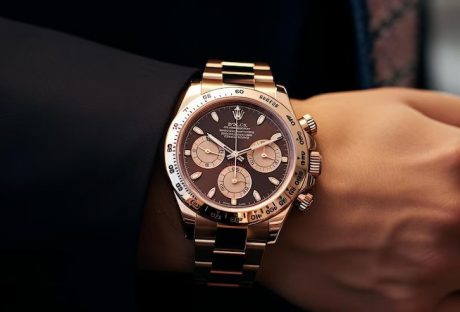
There's something timeless and captivating about owning a vintage Rolex watch.
These exquisite timepieces tell the time and carry with them a piece of history, a sense of heritage that transcends generations. If you're fortunate enough to own one of these treasures, you're probably aware that its maintenance requires more than just a glance.
Every vintage Rolex watch for men is more than gears and springs; it's a story in metal and glass. As you wear it, you're carrying the legacy of its previous owners, the places it has traveled, and the moments it has witnessed. Preserving this legacy demands dedication, understanding, and careful handling.
Storage and Handling
When you're not wearing your vintage Rolex, provide it with a haven. Store it away from direct sunlight, extreme temperatures, and humidity. A watch box with individual compartments is ideal, ensuring that your timepiece doesn't rub against others and risk scratches.
Gently wind the watch once every two weeks if it's not an automatic model. The crown should be turned slowly and smoothly – no need to rush when dealing with a piece of history.
Cleaning Your Vintage Rolex
Just like anything precious, your vintage Rolex watch deserves a spa day now and then. However, this isn't the time for a bubbly soak. Instead, use a soft, damp cloth to wipe away dirt and grime. A cotton swab dipped in soapy water can work wonders for stubborn spots.
Resist the urge to dip your watch into the water, as this could damage its delicate inner workings. When cleaning the bracelet, remove it from the case and clean it separately. A toothbrush with soft bristles can help you reach those tiny crevices.
Regular Servicing
Even though your vintage Rolex watch has weathered years, it still requires regular servicing to keep its heart beating smoothly. Find a trusted watchmaker who specializes in vintage timepieces. They understand the intricate mechanisms of these rolex watches and can provide the care and attention your Rolex deserves.
During servicing, the watchmaker will disassemble, clean, lubricate, and reassemble the watch, ensuring it functions as perfectly as it did in its heyday. Regular servicing extends the watch's life and maintains its value.
Protecting the Crystal
The crystal is the window through which you gaze into history, so protecting it is paramount. Older Rolex models often feature acrylic crystals, which are prone to scratches. To maintain their clarity, keep your watch away from abrasive surfaces. If scratches appear, gently buff them with a polishing cloth or a specialized plastic polish.
Choosing the Right Strap
Picking the perfect strap for your vintage Rolex watch is like selecting the ideal suit tie–adding that final touch of elegance. The strap should match your watch's character, enhancing its charm while offering comfort and style.
A leather strap conveys timeless sophistication. It’s like a well-fitted suit – it just works. Whether it's a rich brown or a classic black, leather straps complement the vintage aura of your Rolex watch. Imagine the smooth touch of leather against your skin, resonating with the aged metal and history of the watch.
Stainless steel might be your go-to choice if your vintage Rolex has a sporty streak. The steel strap shows durability and sporty flair capturing the spirit of adventure. Its polished and brushed links add visual interest and blend seamlessly with the watch's robust design.
The strap you choose should harmonize with your watch's age and style. The strap becomes an extension of your watch's personality. A leather strap might be the perfect partner if your Rolex exudes elegance. A stainless steel strap complements the watch's boldness for a more rugged look.
Celebrating Aging
Patina is the mark of a vintage watch's journey through time. Like the fine lines on a person's face, patina adds character and depth to your Rolex watch for men. It's a reminder that each scratch and discoloration has a story to tell.
Patina isn't just fading – it's a unique narrative of the watch's history.The variations in hue showcase the watch's exposure to different environments, making it more than a timekeeping tool.
While patina is cherished, striking a balance is essential. Too much patina can indicate excessive wear and affect the watch's performance. However, a moderate amount adds charm without compromising functionality.
Caring for the Journey: Preserving the patina requires delicate care. Gently cleaning the dial with a mild solution maintains its charm. If needed, professionals specializing in vintage watch restoration can help preserve the patina, ensuring its beauty persists through time.
Conclusion
Caring for your men's vintage Rolex watch is a testament to your appreciation for the artistry of timekeeping. From storage to regular servicing, every step contributes to preserving its legacy. You're not just caring for a watch; you're nurturing a piece of history that deserves to shine for years. So, be responsible, celebrate the patina, and let a trusted company be your partner on this journey. Let’s ensure the stories woven into your vintage Rolex watch continue to tick eloquently through time.
Read Also:
The Best Tag Heuer Watches You Can Buy Right Now
8 Tips to match your watches with your outfit
Best 5 Smartwatches for Youngsters
Guccio Gucci, the founder of the Gucci house, established it in Florence in 1921. Prior to starting the now-famous brand, Guccio Gucci relocated to London and got employment as a luggage porter at the Savoy Hotel. It is one of the most opulent and prestigious establishments in the city, which catered to the wealthiest members of society.
It was here that he witnessed his future consumer market. He developed a profound understanding of what upper society sought in luxury goods. He excelled in the position at Franzi after returning to Florence and learning everything he could about leatherworking there.
Gucci ultimately made the decision, with the help of his wife and two boys, to pursue his dreams. They opened their first official store in Florence, their hometown, using a loan and savings.
Overview
Image Source: pbs.twimg.com
Established: 1921
Headquarters: Florence, Italy
Founder: Guccio Gucci
CEO: Marco Bizzarri
Revenue: $13.66 billion
Who Owns Gucci Now: Early Days
Image Source: upload.wikimedia.org
In 1953, America got its first taste of an iconic fashion house as Jackie Kennedy carried an instantly famous Gucci bag. She was at her husband John F.’s presidential inauguration ceremony. The bag has been called ‘Jackie’ ever since. This event only propelled their reputation further within the U.S. market. It further added worldwide recognition to complement their popularity all across Europe.
The following ten years would prove even more prosperous as they commissioned the specially designed print scarf. It borrows its name "Flora" after Princess Grace of Monaco's favorite flower when she visited the Gucci boutique in Milan. This creation of a staple item helped cement Gucci's reputation in the upper echelons of society. In 1975, they expanded even further, opening their first fragrance line in the midst of fast growth.
Gucci launched itself throughout Europe and Japan (adding even more stores). Rodolfo Gucci took over the company's management in 1982, and his son Maurizio managed it until 1995. By then, in 1987, the Gucci family had transferred 50% of its shares to Invest Corp shareholders. It completed the transfer of 100% ownership to Invest Corp in 1993.
Who Owns Gucci?
Image Source: cloudfront-us-east-2.images.arcpublishing.com
Kering, a French holding company, acquired a $8.8 billion stake in the renowned Italian fashion brand Gucci in 2004. Kering's largest shareholder is Artémis, the Pinault family's investment firm headed by François Pinault. It owns a majority stake in the business through its parent company. Gucci is one of the most profitable brands within the Kering Group. In 2022, its revenue exceeded €10.5 billion (roughly $12.7 billion). The group's total revenue was €20 billion (roughly $21.1 billion).
Who Owns Gucci: Tom Ford Era
Image Source: images.wsj.net
For the first time since 1921, a new designer took over the formerly family-owned fashion house of Gucci. Tom Ford formally became the creative director in 1994. With a focus on glamour, his debut collection for Fall 1995 restored Gucci's reputation as a leading fashion brand. Ford has redefined the house's identity and brought back its grandeur. He is also recognized for appropriating the Gucci name and reputation in that year.
With his seductive and opulent collections, Ford has continued to rule the 1990s. The transition has helped Gucci go from family dramas to a prosperous period.
Maurizio Gucci, the grandson and former head of Gucci, was assassinated in Milan in March 1995. In 1998, his ex-wife Patrizia Reggiani received a 29-year prison sentence. She was sentenced for masterminding the assassination of the Gucci heir.
The brand's success can be attributed to Ford's Fall 1995 collection. It featured hypersexual yet minimalist designs that celebrities adored, like Madonna, Jennifer Lopez, and Gwyneth Paltrow. They were all spotted sporting his clothing on the red carpet.
The adored Jackie bag made a comeback in 1999 in never-before-seen colors and variations. This officially led to the era of the Gucci "it" bag.
Does Guccio Gucci’s Family Still Own Gucci?
After Maurizio sold the entire company to Investcorp in 1993, the Gucci family no longer had any involvement in it. Currently, Kering, which owns 99% of the company, is the owner and operator of the business.
Who Has Taken The House Since?
Powerhouses LVMH and PPR (now Kering) fought for control of the fashion house in their respective domains in the late 1990s. Domenico De Sole, the company's CEO at the time, resisted this, but LVMH started gradually acquiring Gucci shares. PPR swiftly rose to become Gucci's largest shareholder before the company could fully take over, a position Gucci still holds today.
Ford hired Frida Giannini as head of accessories before he left in 2004 because of problems with PPR (Kering).
Who Owns Gucci: Recent Past
In 2006, Giannini became Gucci's most recent creative director, bringing elegance to the brand by emphasizing the famed Flora print over the double G monogram.
Alessandro Michele became Gucci's new creative director in 2015 after Giannini left the company in 2014. Michele, who worked for the brand for 12 years as an accessories designer, created a whole new menswear collection in less than a week. In Milan, he debuted his first womenswear line, Gucci, in Fall 2015. Even though he was a relatively unknown designer at the time, the fashion industry embraced his first runway collection.
Gucci's classic heritage merged with Michele's own eccentric style. His penchant for lavishness and extravagance has permeated the fashion house. In 2017, Gucci announced that it had set sales records under Michele's direction. Michele has drawn in a whole new market of younger customers with her dreamy, poetic interpretation of luxury for the twenty-first century.
After seven years as Gucci's creative director, Alessandro Michele announced his departure from the company on November 23 of this year. We're interested to see who will succeed him and where the brand's aesthetic will go. There is still more to come in Gucci's history.
Gucci Net Worth?
Image Source: s41951.pcdn.co
Gucci broke previous records in sales in 2018 by reaching a milestone of 8 billion euros. Their strategic foray into younger markets, where consumers between the ages of 18 and 34 accounted for 65% of their sales, was largely responsible for their success.
In July 2020, its value was roughly $11.36 billion (€10.78 billion).
The Gucci brand's estimated net worth as of 2022 was an astounding $18.1 billion, a huge rise from its October 2018 net worth of slightly over $11.55 billion (€10.96 billion).
Wrapping Up
Since the company's founding in Florence in 1921, Gucci has undergone significant growth. From producing high-end travel accessories and equestrian equipment, it has developed into one of the most prosperous global luxury brands with a global reputation.
Their products, which range from ready-to-wear clothing to handbags and home décor, are available globally. Kering is the owner of Gucci, which is still a legendary fashion house with influence that extends well beyond Italy's borders and will for many years to come.
If you have thoughts to share or questions to ask about who owns Gucci, please leave a comment below. We would love to hear from you!
Learn More About:
Fashion Style Every Modern Woman Must Know
Online Fashion Boutique Giving Aspiring Brands a Voice
Top 5 Skate Brands That Are Womenswear Game Changers
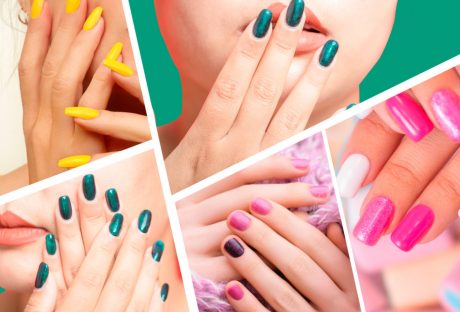
There is no particular time to get your nails done. You can give those pretty perfect nails a makeover anytime you want, be it any season. It is one of those things which would boost your confidence instantly.
It is simple. A fresh coat of nail polish can boost your style and confidence. All you have to think is how you want your nails to look. However, to get that polished look, you have to take good care of your cuticles and skin as well.
You can get some gel, ombre nails, pastel nails, or try some French manicure acrylic nail paint this time. So, it's time to steal the spotlight with some gorgeous nail paints.
36 best nail designs, 2026
Thinking of what to do next with your nails? Well, we have got you covered, and here are some of the best nail designs 2026 has ever seen. They are still in trend, and you can try any of these out anytime.
However, it might be difficult to choose as all of these are amazing. Also, lets check some of the upcoming nail designs which are going to be trending in 2025 as well.
1. Blue Aura & Metallic Nail Design
The first one features Blure Aura with a little hint of Metallic Chrome. This particular takes inspiration from the ocean and tries to give a refreshing, cool vibe perfect for summer. The metallic chrome adds some edge to it.
2. Plain Silver Chrome Nails
https://www.instagram.com/p/C5oKYFcMn0e/?utm_source=ig_web_copy_link&igsh=MzRlODBiNWFlZA%3D%3D
This one is pretty simple but adds a little bit of sass to the entire look. This is perfect for someone who does not like anything bedazzling. The modern sleek finish makes it an amazing choice if you want to make a statement.
3. Dark chocolate
https://www.instagram.com/p/CjNy0YArzud/?utm_source=ig_web_copy_link&igsh=MzRlODBiNWFlZA==
Well, why not start 2025 with a moody and dark vibe? This New Year’s Eve, try some dark chocolate brown nails and take the spotlight. Dark shares are high in fashion and give out a chic look.
4. Cool cat eye
https://www.instagram.com/p/DDT3r1TtZZV/?utm_source=ig_web_copy_link&igsh=MzRlODBiNWFlZA==
This is going to be the trend in 2025. Cat eye with some metallic polishes is going to be on trend, and there is no denying it. These are fully customized and give out a chic look. They look complicated and intricate, but with the right products you will be able to DIY at home.
5. Modern aura pink nails
https://www.instagram.com/p/C35gk2oOx4j/?utm_source=ig_web_copy_link&igsh=MzRlODBiNWFlZA==
Want a little touch of glam in your regular mundane life? Paint your nails in this soft pink shade and create a playful and sophisticated look. The little bit of sparkling adds a touch of glam. This will pop your daily look as well as if you are prepping for any event.
6. French spring tips
https://www.instagram.com/p/C4Dz6CaxhTs/?utm_source=ig_web_copy_link&igsh=MzRlODBiNWFlZA==
The French tips are fresh, and if you add some flowers, it will give out a summer and spring vibe. The blue tips are elegant and classic and the flowers add a touch of warmth and whimsical vibe to it.
7. Depth and dimensions
https://www.instagram.com/reel/C9BdCgqtppb/?utm_source=ig_web_copy_link&igsh=MzRlODBiNWFlZA==
Another trend that is going to make it big in 2025 is 3D nail art. Elle Gerstein, one of the celebrity nail artists, mentioned that this “depth & dimension” trend is going to stay. Everyone wants to add some dimensions to their nails and would mimic anything.
8. More metal
https://www.instagram.com/p/DBJxEEiy5LL/?utm_source=ig_web_copy_link&igsh=MzRlODBiNWFlZA==
Chrome and metal, whether they are blended, isolated, or ombre, elevate the manicure and give it a good finish. This is something that will never be outdated, and there is nothing not to like about these nails.
9. Patent leather
https://www.instagram.com/p/CmMitRuOmxY/?utm_source=ig_web_copy_link&igsh=MzRlODBiNWFlZA==
If you are looking for something moody yet neutral and trending, then the leather black nails are just the right fit for you. Black manicures are believed to make a comeback in 2025. This is one of those nail designs 2026 missed a bit, but it is going to make a comeback definitely.
10. Animal print
https://www.instagram.com/p/DAaLu96OyBz/?utm_source=ig_web_copy_link&igsh=MzRlODBiNWFlZA==
Animal print never actually went out of style. So, if you are looking for the best nail designs. 2026, then these are definitely going to make the list. Different geometric patterns and animal prints have been in the trend.
11. Modern aura nails
https://www.instagram.com/p/C7_riYNxZw5/?utm_source=ig_web_copy_link&igsh=MzRlODBiNWFlZA==
The modern, colorful aura design is for those people who are never afraid to try something new and make a statement even when they are standing in a crowd. If you want an out-of-the-box design, then this one is for you. The vibrant and bold shares will definitely turn heads.
12. Summer yellow mix
https://www.instagram.com/p/DCj4kklxERp/?utm_source=ig_web_copy_link&igsh=MzRlODBiNWFlZA==
This is perfect for spring and summer as the color lifts up your mood and adds a warm vibe. With a combination of butterfly nail art, ombre, and French tips, it creates a playful look and oozes out summer vibes.
13. Cow and tortoise print combination
https://www.instagram.com/p/CaDCfrjJM_s/?utm_source=ig_web_copy_link&igsh=MzRlODBiNWFlZA==
This nail design features a combination of cow and tortoise print, giving a completely unique design. Classic and modern nail designs blend into this combination and create a chic look. This adds a playful touch to your outfit with a hint of edginess.
14. Golden chrome French manicure
https://www.instagram.com/p/C4GKT6dMTnO/?utm_source=ig_web_copy_link&igsh=MzRlODBiNWFlZA==
Classic French tips with a modern twist? Yes, this is what this nail design is all about. The rhinestones add glamour and sparkle to the look, making it perfect for any event or occasion. The golden chrome gives a shiny finish and makes a statement.
15. Short and sweet
https://www.instagram.com/p/DCSkKhGMFSD/?utm_source=ig_web_copy_link&igsh=MzRlODBiNWFlZA==
Soft and sweet shades are a hit this year. You can go for nudes, pastels, or anything that is subtle. The aim is to be delicate. The light hint of color with the polished finish creates an amazing look.
16. Glass of merlot
https://www.instagram.com/p/DDcwWJex7dJ/?utm_source=ig_web_copy_link&igsh=MzRlODBiNWFlZA==
If you think going absolutely dark is not your style, then you do not have to go with brown or black. Instead, you can choose a shade of red wine. The merlot manicure is absolute class and you can rock any event with these perfect nails.
17. Dark aura
https://www.instagram.com/p/DBMOK7GPA_y/?utm_source=ig_web_copy_link&igsh=MzRlODBiNWFlZA==
Dark aura nails are something people choose during the winter. With the aim to create a mysterious and dark vibe, these nails perfectly complement the season. Not to forget they give you an absolute chic look.
18. Mannequin hands
https://www.instagram.com/p/Ca9HllIP3pc/?utm_source=ig_web_copy_link&igsh=MzRlODBiNWFlZA==
Mannequin Hands has made a comeback, and these nails have been on and off in trend since 2010. The skin-tone nail colors gave the hands a look like the mannequins. And the shades have improved with time and come up with different varieties to match every skin tone.
19. Crocodile nail art designs
https://www.instagram.com/p/Cx1yn9kLL3h/?utm_source=ig_web_copy_link&igsh=MzRlODBiNWFlZA==
This is a nail design which is for those who like to go bold with aspects of their fashion choices. When you make a crocodile skin pattern on your nails, it definitely grabs attention and puts you in the limelight.
20. French swirly nails
https://www.instagram.com/p/CdBe5y2pNNG/?utm_source=ig_web_copy_link&igsh=MzRlODBiNWFlZA==
This nail features French tips with some playful swirly patterns on the tips. If you like to add a hint of color and edge to your nails these are the perfect kind for you. You can choose red and orange if you want to go with the summer or spring vibe or anything else you think would compliment your personality.
21. Textile patterns
https://www.instagram.com/p/BgNzmTblDBr/
The black and white knitting patterns are perfect for those who want a bit of texture in their style. It gives a minimalist, chic, and sleek look, perfect for those who do not want a lot of colors and want to keep things simple. Moreover, there is a hint of quirkiness in the entire style.
22. Glazed donut nails
https://www.instagram.com/p/Cgj4NiOL2nS/?utm_source=ig_web_copy_link&igsh=MzRlODBiNWFlZA==
This kind features chrome nails and suits those who always opt for a simple, flawless look. The chrome finish adds shine and reflects on the nails. You get a clean, minimalist look with a hint of elegance and class.
23. Flowers+nude nail arts
https://www.instagram.com/p/DBaweEPSw_W/?utm_source=ig_web_copy_link&igsh=MzRlODBiNWFlZA==
This particular design has beautiful nude shades which complement the spring and summer seasons. Along with that, there are different flower designs that add a bit of nature to it. The blend of flower and nude gives a summer vibe and is perfect for any outdoor event.
24. Blush nails
https://www.instagram.com/p/CdgPXdQJ32y/?utm_source=ig_web_copy_link&igsh=MzRlODBiNWFlZA==
Combine two different shades of pink, hot pink and baby pink, and transform your nails into blush nails. For that gradient effect, apple baby pink at the sides and hot pink at the center of your nails. Just finish it off with clear nail paint as the topcoat.
25. Groovy French
https://www.instagram.com/p/CfZrop5pO4Z/?utm_source=ig_web_copy_link&igsh=MzRlODBiNWFlZA==
While Nail Designs 2026 embraced minimalist designs, they did not miss out on those bold beautiful colors. They also evolved. Moreover, they evolved in different patterns and abstract designs. It is a classic design with a colorful pop.
26. Mod monochrome
https://www.instagram.com/p/CmzT2GKvWlN/?utm_source=ig_web_copy_link&igsh=MzRlODBiNWFlZA==
Patterns and abstract designs like swirls and unconventional French tips are very much in trend. With just one color, it gives a sophisticated look like nothing else.
27. Psychedelic vibes
https://www.instagram.com/p/CnNz78XLhui/?utm_source=ig_web_copy_link&igsh=MzRlODBiNWFlZA==
The spiritual, trippy, and virtual nail designs are quite in trend, and it is going to gain popularity in the upcoming years as well. More specifically, summer will have bright, cream, and warm tones, and spring will have holographic, pearlescent, and psychedelic tones.
28. Rainbow & nude nails
https://www.instagram.com/p/CtmsNwBSsHb/?utm_source=ig_web_copy_link&igsh=MzRlODBiNWFlZA==
This design features nude colors that go with every occasion. Moreover, it is enhanced with rainbow colors that look like abstract art on the nude colors. There is something playful and fun about this design, whereas the fren tips and nude colors keep it minimal and classy.
29. Ombre glitter nails
https://www.instagram.com/p/C__rg6eyTZ-/?utm_source=ig_web_copy_link&igsh=MzRlODBiNWFlZA==
Who dosen’t like those classic French tips? Moreover, it is even better if there is a modern twist to it with a golden glitter finish. The glitter finish gives a metallic, shiny look, adding glamour to the entire look. It is perfect if you want a timeless and classic look without having to give up on elegance and luxury.
30. Rainbow French Tips
https://www.instagram.com/p/CtHXclfp5Ad/?utm_source=ig_web_copy_link&igsh=MzRlODBiNWFlZA==
This nail design plays with colors and gives a playful twist on the French tips with different colors. You can pick your choice of colors and create a combination like no other. If you like to show off your colorful personality and stand out among the crowd, this is perfect for you.
31. Square French tips
https://www.instagram.com/p/CnH1SGoJFDv/?utm_source=ig_web_copy_link&igsh=MzRlODBiNWFlZA==
Another classic way to improvise your French tips is to give them a square shape. It is unique and modern, and you do not have to lose out on the originality. You also get to show the creative side without being over the top.
32. Blue ocean nail design
https://www.instagram.com/p/C-Zq27GxGi0/?utm_source=ig_web_copy_link&igsh=MzRlODBiNWFlZA==
With some natural nude color with abstract blue ocean design, you will be able to enhance the touch of chrome. This ocean design adds a sense of serenity and a touch of nature to it, whereas the chrome finish gives out a modern and luxurious vibe.
33. Polka dot nails
https://www.instagram.com/p/C_S98iiuCWk/?utm_source=ig_web_copy_link&igsh=MzRlODBiNWFlZA==
This design features polka dots and you can pair it with some other vibrant plain color on other nails. You get both a cheerful vibe along with some playfulness.
34. Smiley nails
https://www.instagram.com/p/C_MHCDsyExs/?utm_source=ig_web_copy_link
If you have a fun and cheerful personality, then this is the perfect design for you. You can use various nail arts like cloud, cherry, smiley, and flame, but all on a nude base. These cheerful designs are definitely going to put you in a cheerful mood.
35. Third eye nails
https://www.instagram.com/p/CQ2U-cWDcgc/?utm_source=ig_web_copy_link&igsh=MzRlODBiNWFlZA==
If you are the spiritual kind, then making the third eye on your nail might open up your chakras. If you believe in it, then why not paint it on your nails and show off youe aesthetics?
36. Japanese minimalist ombre
https://www.instagram.com/p/C-a4Y_CRsfY/?utm_source=ig_web_copy_link&igsh=MzRlODBiNWFlZA%3D%3D
You get these designs in shades of light brown and blue. This color scheme gives off a serene and calm vibe. This is amazing for those who like to add something different to their style but do not like to be over the top.
Nail it!
These are some of the best nail designs 2026 every saw and some of the best ones that will be coming in 2025. With the growing trend of designer nails, it is difficult to pick one. However, you can pick any you want, depending on your personality and style.
Nail art studios are always open to personalization, so if you have something specific in mind, they will help you get that as well if it is possible for them. So, go big and choose something that will grab attention even in a room full of people.
Read Also:
How Long Do Gel Nails Last?
Polish Your Creativity: A Colorful Journey into Self-Care With Nail Polish